Alright, corner kicks — they’re like this chaotic little party on the pitch where everyone’s jostling for position, hoping to either head the ball home or at least cause some serious mayhem. You might think it’s just a random scramble, but nah, pro teams treat corners like a chess match, plotting moves that can either lead to a glorious goal or a frustrating miss. This guide’s gonna peel back the curtain on how top sides craft their corner routines, mixing science with a pinch of madness.
First off, let’s get one thing straight: corners aren’t just about lumping the ball into the box and hoping for a miracle. Nope, there’s a method to the madness. Teams spend hours drilling set pieces because those few seconds can flip a game on its head. Whether it’s a pinpoint inswinger curling into the danger zone or a sneaky short corner to throw defenders off balance, every detail counts.
| Corner Kick Strategy | Purpose | Example |
|---|---|---|
| Near Post Delivery | Quick flick-ons or direct headers | Barcelona often targets near post with Messi lurking |
| Far Post Targeting | Exploit tall players for powerful headers | Manchester City’s long throw-ins to Laporte |
| Short Corners | Create space and confuse defenders | Juventus frequently uses short corners to reset play |
Now, the corner taker — not just some guy kicking the ball. This player’s delivery style is crucial. Some prefer curling outswingers that bend away from the goalkeeper, others go for inswingers that dip dangerously close to the keeper’s gloves. And then there’s the cheeky short corner, where instead of sending it into the box, the taker passes to a teammate nearby, setting off a quick one-two or a run that can catch defenders snoozing.
- Inswingers: Great for creating chaos in the box, usually aimed at the goalkeeper’s near space.
- Outswingers: Less predictable, often target the edge of the box for volleys.
- Short Corners: Disrupt defensive shape, open up new angles.
But why do some teams obsess over the near post while others swear by the far post? Well, it boils down to personnel and style. Near post deliveries are lightning quick and can catch defenders off guard, but they require players with razor-sharp timing and agility. Far post targets tend to be towering giants who can bully their way to the ball and unleash thunderous headers. Switching between the two keeps opponents guessing — a bit like a cat playing with a mouse.
Sneaky tactics like decoy runs also spice things up. Imagine a player darting towards the near post, pulling defenders with him, while the ball sneaks over to an unmarked buddy at the far post. It’s all about creating confusion and exploiting the tiniest gaps.
| Tactic | Description | Effect |
|---|---|---|
| Decoy Runs | Players fake runs to distract defenders | Creates space for main target |
| Blocking | Subtle body positioning to free teammates | Improves chance of clean headers |
| Edge of Box Shots | Players positioned to volley rebounds or clearances | Second chance scoring opportunities |
So yeah, corners might look like chaos, but behind the scenes, it’s a blend of rehearsed moves, player skill, and a dash of unpredictability. Next time you see a corner, watch closely — there’s a whole world of strategy packed into those few seconds.
Understanding the Basics of Corner Kicks
Alright, before we dive headfirst into the fancy footwork and sneaky tactics professional teams pull off during corner kicks, let’s pump the brakes and get the fundamentals down cold. What exactly is a corner kick? Why does it matter so darn much? And what are the rules that keep this set piece from turning into utter chaos? If you’re scratching your head or just need a refresher, this is where we start.
A corner kick happens when the ball crosses the goal line after last being touched by a defender, but without a goal being scored. Instead of the other team getting a goal kick, the attacking side gets a chance to launch the ball back into play from the corner arc nearest to where the ball went out. Simple, right? But don’t be fooled—this moment is a golden opportunity, often turning the tide of a match.
| Key Rules of Corner Kicks | What They Mean |
|---|---|
| Ball must be stationary inside the corner arc | No dribbling or moving it around before kicking it off |
| Opponents must stay 10 yards away | Gives the kicker some breathing room to deliver the ball |
| The ball is in play once kicked and moves | No waiting for the ball to stop rolling; action starts immediately |
| Can be taken by any player | Usually the best crosser, but technically anyone can step up |
Now, why all the fuss about corners? Well, goals from open play can be tricky and unpredictable, but corners? They’re like set-piece jackpots. Teams get a structured chance to send multiple players into the box, often creating chaos that defenders hate. Plus, with the right delivery and timing, corners can lead to headers, flick-ons, or even direct shots on goal. It’s no wonder coaches obsess over corner routines.
- Chance creation: Corners provide a prime spot to launch high balls into dangerous areas.
- Variety of options: Whether it’s a near-post flick, a far-post header, or a sneaky short corner, the possibilities keep defenses guessing.
- Pressure moments: In tight games, a single corner can swing momentum or even decide the match.
But here’s the kicker—pun intended—not all corners are created equal. The quality of the delivery, the positioning of players, and the timing all have to sync perfectly. And that’s why professional teams spend hours crafting their corner strategies. It’s not just about booting the ball into the box and hoping for the best. Nope, it’s a chess match with headers, runs, and decoys.
So, next time you see a corner awarded, don’t just yawn or scroll on. Watch closely. Behind that simple restart lies a battleground of skill, strategy, and sometimes, pure luck. And if you’re lucky, you might witness a moment that’ll have fans jumping out of their seats.
Quick Recap:
- Corner kick awarded when defenders last touch ball over goal line- Ball placed inside corner arc, opponents 10 yards away- Ball in play once kicked and moves- Opportunity to launch dangerous set-piece attack- Requires precision, timing, and clever player movement
In short, corners are football’s little treasure chests—sometimes overlooked, but packed with potential. And as we’ll see in the next sections, the way teams attack corners can be downright brilliant or maddeningly frustrating for their opponents. Stay tuned!
Common Formations and Player Positions
When it comes to corner kicks, you might think it’s just a chaotic scramble of players jostling for position, but oh no, there’s a method to this madness. Teams line up in all sorts of ways depending on their strategy, the opposition’s weaknesses, or just the coach’s mood that day. You’ll see everything from a packed box to a spread-out formation, and each setup tells a story about what the team hopes to achieve.
Let’s break down some of the popular formations you’ll catch on any given matchday:
| Formation Type | Player Roles | Purpose |
|---|---|---|
| Traditional Packed Box | Most tall, strong headers crowd the six-yard box; 1-2 players lurk near post; 1-2 at far post | Maximize aerial presence and chaos in the box to capitalize on crosses |
| Near Post Overload | Several players cluster tightly near the near post; others spread out outside the box | Exploit quick flick-ons and create confusion among defenders |
| Edge of the Box Snipers | Few players stay outside the penalty area, ready to pounce on cleared balls or attempt shots | Provide second-phase attacking threats and recycle possession |
| Short Corner Setup | One or two players positioned close to corner taker for a short pass; others prepare for crosses or runs | Break defensive shape and create better crossing angles |
Now, why do some players hang around the near post like it’s their favorite coffee shop, while others prefer to lurk just outside the box? Well, the near post is often a hotspot for quick flick-ons or scrappy rebounds. You want someone nimble and alert there, ready to pounce on anything that comes their way—think of it as the “first line of attack.”
Meanwhile, the players outside the box are basically the insurance policy. If the ball gets cleared or bounces out, these guys are primed to either recycle possession, shoot from distance, or deliver a killer pass back into the danger zone. It’s a bit like having a safety net, but one that can turn into a surprise weapon.
- Near Post Players: Usually quick, good at flick-ons, and can react fast to loose balls.
- Far Post Players: Often taller, strong headers aiming to meet the ball if it sails over everyone.
- Edge of Box Players: Skilled passers or shooters, ready to capitalize on second balls.
- Short Corner Participants: Players with good ball control and vision to create unexpected angles.
And let’s not forget, the setup can change mid-game depending on how the opposition defends. Some coaches like to switch things up to keep defenders guessing—sometimes sending a sneaky runner to the near post, other times pulling a player back to the edge for a surprise shot. There’s a bit of cat-and-mouse here, and honestly, it’s as much about psychology as it is about skill.
To wrap this up, here’s a quick cheat sheet for you to spot these formations next time you’re watching a game:
- Packed Box: Expect lots of bodies in the six-yard box, aerial battles galore.- Near Post Overload: Watch for quick flick-ons and scrappy goalmouth action.- Edge of Box Snipers: Eyes peeled for shots or passes from outside the penalty area.- Short Corners: A quick pass or two near the corner flag before a cross.
So next time your team earns a corner, don’t just wait for the ball to fly in—watch how they line up, where players position themselves, and what tricks might be in store. It’s a fascinating chess match played out in 30 seconds or less, and sometimes, that little setup can be the difference between a goal and a missed chance.
In football, corners might only last a moment, but the strategy behind them? That’s a game within the game.

The Role of the Corner Taker
When you think about corner kicks, it’s easy to just picture some bloke stepping up and smashing the ball into the box, right? Well, hold your horses—there’s way more finesse involved than just aim and power. The corner taker is basically the unsung maestro of the set piece; their delivery can either spark a glorious goal or send the ball sailing into the stands like a lost balloon at a birthday party.
There’s a whole palette of delivery styles these players can whip out. You’ve got your curves, which bend the ball around defenders like a magician’s trick. Then there are outswingers and inswingers, which, believe it or not, aren’t just fancy terms—they actually describe the ball’s flight path relative to the goal. Outswingers tend to drift away from the goal, making it tricky for keepers to judge, while inswingers curl dangerously toward the net, perfect for those sneaky near-post flick-ons.
| Delivery Style | Description | When to Use |
|---|---|---|
| Inswinger | Ball curves inward towards the goal. | Ideal for near-post runs and goalkeeper confusion. |
| Outswinger | Ball curves away from the goal. | Great for far-post targets and creating space. |
| Curved Cross | Ball bends around defenders. | Useful to avoid crowded areas in the box. |
| Short Pass | Quick, close-range pass to a teammate. | Used to reset play or catch opponents off guard. |
Now, don’t forget the short corner option—this is where the corner taker doesn’t just whip it in but opts for a quick pass to a nearby teammate. It’s sneaky, it’s clever, and it often messes with defenders who are all geared up expecting a long ball. Plus, it sets the stage for some creative plays, like a sudden cross from a different angle or a quick dribble that pulls defenders out of position.
- Accuracy – A corner taker’s pinpoint precision can be the difference between a goal and a goal kick.
- Timing – Delivering the ball at just the right moment to sync with the attackers’ runs.
- Vision – Spotting the weak spots in the defense and exploiting them.
Honestly, the pressure on these players is immense. One misplaced ball and the whole move falls flat. But nail it, and you’ve got the crowd roaring, the commentators buzzing, and the opposition scratching their heads. It’s like being the DJ at a party—drop the beat wrong, and the dance floor clears out.
So next time you see a corner kick, take a moment to appreciate the subtle art behind that delivery. It’s not just about kicking the ball; it’s about setting the stage for chaos, brilliance, and sometimes pure football magic.
Near Post vs Far Post Targeting
Ever wonder why some teams just can’t get enough of that near post action, while others swear by the far post? It’s like a never-ending debate in the football world, and honestly, both approaches have their own charm and headaches. Let’s dive into this corner kick conundrum and see what makes each strategy tick.
Near Post Obsession: Teams that target the near post are usually banking on quick, sharp deliveries that catch defenders napping. The idea is to whip in a fast, low ball that attackers can flick on or volley before the defense has time to react. It’s a bit like sneaking in through the back door while everyone’s distracted. The near post is often crowded, so timing and precision have to be spot on.
- Pros: Quick chances, disrupts defense, good for flick-ons.
- Cons: Risky if delivery is off, defenders are usually alert here.
On the flip side, aiming for the far post is like sending a long, looping invitation to your tallest mate hanging out at the back. It’s a more patient approach, waiting for the ball to drop and for attackers to outjump or outmuscle defenders. This method often suits teams with towering strikers or those who prefer a bit of aerial chaos.
| Aspect | Near Post | Far Post |
|---|---|---|
| Delivery Speed | Fast and low | Slower, higher ball |
| Player Positioning | Attackers crowd near post | Attackers wait near far post |
| Common Outcomes | Flick-ons, quick shots | Headers, contested aerial duels |
| Risk | Easy to clear if mistimed | Can be intercepted if poorly aimed |
Now, when to switch things up? Well, stubbornly sticking to one post can make your team predictable. Coaches often tweak their corner tactics mid-game to keep opponents guessing. For example, if the near post is getting clogged or well-defended, shifting focus to the far post can open up new angles. Also, weather and pitch conditions sometimes dictate the best choice — strong winds might mess with high balls, making near post deliveries more reliable.
Here’s a quick checklist for teams thinking about their corner kick targeting:
- Assess your aerial threats: Got tall, strong headers? Far post might be your playground.
- Watch the opponent’s defensive setup: Are they weak near post? Exploit it.
- Consider delivery style: Can your corner taker whip in fast balls or prefer lofted crosses?
- Mix it up! Predictability is the enemy of success.
To wrap it up, whether it’s the near post hustle or the far post patience, both strategies bring excitement and risk. The best teams know when to hammer the near post and when to patiently wait for that far post header. So next time you see a corner kick, remember — there’s a whole chess game going on, not just a ball flying into the box.
Practical Insight:
If near post delivery success rate < 40% in first half: Switch to far post targeting to confuse defense.Else if tall striker is fresh and opponents are weak in aerial duels: Target far post aggressively.Else: Use mixed deliveries to keep defense guessing.
There you have it — the near post vs far post saga, laid bare with all its quirks and tactics. Now go impress your mates with some insider corner kick wisdom!
Mixing It Up: Short Corners and Decoys
Alright, let’s get real about corners — those moments when the whole stadium holds its breath, expecting a traditional cross flying into the box. But here’s the kicker: sometimes the smartest move is not the obvious one. Professional teams often ditch the usual long ball and go for something a bit cheekier — short corners and decoy runs. Yeah, they sound sneaky because they are. These tactics are all about throwing defenders off their game, making them second-guess their positioning, and creating space where none seemed to exist.
Short corners, for starters, are basically a quick one-two pass between the corner taker and a nearby teammate. Instead of launching a cross from the corner flag, the ball moves sideways or backward, pulling defenders out of their comfort zones. This might sound like a simple trick, but it’s surprisingly effective. Defenders who are keyed up to block a high ball suddenly find themselves chasing shadows. The attacking team can then exploit the confusion by driving down the line or slipping in a low cross that’s much harder to defend.
| Short Corner Advantages | Potential Risks |
|---|---|
| Creates better angles for crosses | Can be intercepted if timing is off |
| Pulls defenders out wide | Requires high technical skill and coordination |
| Sets up unexpected shooting opportunities | Slower build-up might allow defenders to regroup |
Now, decoy runs — these bad boys are all about misdirection. Imagine a player sprinting toward the near post like they’re about to jump for a header, only to peel off at the last second. Suddenly, defenders who were marking that player are left in the lurch, and a teammate sneaks into the open space. It’s like a magic trick on grass. Decoy runs work best when players have a solid understanding of each other’s movements and timing. When done right, it’s downright frustrating for defenders.
- Decoy Run Tip: Always watch the runner’s body language; hesitation or early movement can give away the trick.
- Short Corner Tip: Communication is key — the passer and receiver must be on the same wavelength.
Of course, these tactics aren’t foolproof. They require practice, quick thinking, and a bit of daring. Some coaches swear by mixing these sneaky plays into their corner routines to keep opponents guessing — because let’s face it, predictability is the enemy in football. And if you ever watch a pro game and see a corner that looks like it’s going one way but suddenly flips the script? You’re witnessing these clever ploys in action.
So next time you see a corner kick, don’t just brace for the usual aerial battle. Keep an eye out for those subtle passes and crafty runs — because sometimes, the best corner is the one you don’t expect at all.

Key Player Attributes for Corner Specialists
When you think about corner specialists, what pops into your mind? Towering giants who just leap and head the ball into the net? Well, that’s part of the story, but it’s way more nuanced than just height and jumping ability. Corner kicks are chaotic little moments, and the players who thrive in them have a cocktail of skills that make them absolute headaches for defenders.
First off, height is often the headline trait. Taller players naturally have an edge when it comes to aerial duels. But hey, being tall alone won’t win you corners. Timing is everything. Knowing exactly when to launch off the ground, how to position yourself against a defender, and reading the ball’s flight path are just as crucial. You’ve got to be a bit of a psychic, anticipating where the ball will drop.
| Trait | Why It Matters | Example Player |
|---|---|---|
| Height | Allows dominance in aerial battles | Peter Crouch |
| Timing | Crucial for winning headers and beating defenders | Virgil van Dijk |
| Aerial Ability | Power and accuracy in heading the ball | Olivier Giroud |
| Physical Strength | Helps hold off challengers and create space | Romelu Lukaku |
| Movement & Positioning | Finding pockets of space amid chaos | Antoine Griezmann |
But it’s not just the big guys who shine. Some corner specialists might be a little shorter but make up for it with incredible timing and movement. Think about players who sneak in behind the defense, darting into that perfect spot just as the ball arrives. They’re like ninjas in the box, using clever positioning rather than brute force.
And while aerial battles steal the spotlight, don’t forget the delivery skill of the corner taker themselves. A specialist’s success is often a tag-team effort. The corner taker needs to whip in balls that are just the right height, pace, and curve to give the attacker a fighting chance. Whether it’s an outswinger curling away from the goalkeeper or a near-post flick-on, the quality of the ball is half the battle.
- Physicality: Strength to hold off defenders and maintain balance in tight spaces.
- Agility: Quick turns and sudden bursts to lose markers.
- Composure: Staying cool under pressure when the ball is in the air.
- Spatial awareness: Knowing where teammates and opponents are to exploit gaps.
Here’s a little secret: some of the best corner specialists are also masters of deception. They might pretend to attack the near post but then dart to the far post at the last second, leaving defenders grasping at thin air. Or they use subtle body feints to throw off timing, making it easier to get a clean header.
In short, being a corner specialist isn’t just about being tall and jumping high. It’s a blend of physical traits, mental sharpness, and a dash of cunning. Next time you watch a corner kick, keep an eye on these little details — it might just change how you see those set-piece moments.
Defensive Setups Against Corner Attacks
Alright, let’s get real for a second — defending corners is way more than just standing around hoping the ball doesn’t land on your head. It’s a full-on chess match, a chaotic ballet, and sometimes, just plain madness. Professional teams know that those set pieces can be absolute game-changers, so organizing a solid defense against corners is a must if you want to keep your clean sheet intact.
First off, teams usually pick one of a few defensive formations for corners, depending on the opponent’s threat level and their own personnel. The classic setup? A mix of zonal marking and man-marking. It’s like trying to keep an eye on your best mate at a party while also watching the door for gatecrashers. Some players stick to zones — basically guarding a specific patch of the six-yard box — while others shadow the most dangerous attackers like a hawk.
| Defensive Setup | Description | Pros | Cons |
|---|---|---|---|
| Man-to-Man Marking | Each defender sticks to a specific attacker. | Personal accountability, reduces free headers. | Can be beaten by clever runs or switches. |
| Zonal Marking | Defenders cover designated zones instead of players. | Good for covering dangerous spaces, less confusion. | Can leave attackers free if zones not well covered. |
| Mixed Marking | Combination of man and zonal marking. | Balances space and player coverage. | Requires excellent communication. |
Now, you might wonder, “Why not just throw everyone into the box and hope for the best?” Well, that’s a recipe for disaster. Overcrowding the box can actually backfire, causing players to trip over each other or lose track of their marks. Instead, teams assign roles carefully: some defenders patrol the posts (near and far), others stay on the edge of the box ready to clear any flick-ons or block shots. The goalkeeper? Oh, they’re not just a bystander — they often command the defense, shout instructions, and sometimes even come out to punch the ball clear if needed.
- Near-post defenders are crucial because a lot of corners whip the ball there first. Their job is to flick the ball away or block attackers sneaking in.
- Far-post defenders cover the back post, stopping late runs and long balls.
- Edge-of-the-box markers act as a safety net, ready to clear second balls or start counter-attacks.
Communication is the glue holding all this together. A single missed shout or misunderstood cue can lead to a goal — and trust me, you’ll hear about it in post-match interviews. Coaches drill this stuff relentlessly in training, sometimes using video replays to highlight “what went wrong” moments.
Typical Defensive Corner Setup:- 2 players on near post- 2 players on far post- 4-5 players marking opponents man-to-man or zonally in the box- 1-2 players outside the box for clearances and counters- Goalkeeper organizing and ready to react
So yeah, defending corners isn’t just about brute strength or jumping ability; it’s a tactical puzzle. Teams that master this art often save their skins in tight matches, turning potential disaster into a chance to launch their own attack. Next time you see a corner, keep an eye on the defenders — the battle’s just as intense as the attackers’ show.
Pro Tip: Watch for how teams adjust their setup depending on the corner taker’s style. A left-footed outswinger might mean defenders shift their zones slightly. It’s subtle, but it makes a difference.
In the end, defending corners is a messy, stressful, but absolutely fascinating part of football strategy. And if your team can nail it, you might just avoid those pesky set-piece goals that haunt managers’ dreams.
Statistical Insights: Success Rates and Trends
Numbers don’t lie—or at least, that’s what we want to believe. When it comes to corner kicks in football, stats can be a bit of a mixed bag, sometimes painting a clearer picture, other times leaving you scratching your head. But let’s dive into what the data actually say about corner kick effectiveness across the top leagues worldwide, and why these dead-ball moments are both a blessing and a headache for teams.
First off, corner kicks are often seen as golden opportunities to score, but the reality is a bit more sobering. Across elite leagues like the English Premier League, La Liga, and Serie A, the average conversion rate from corners hovers around 2-3%. Yeah, that’s right—only about 2-3 goals per 100 corner kicks. Not exactly a goal fest, huh? But don’t let that fool you; those few goals can be game-changers, especially in tight matches.
| League | Corner Conversion Rate (%) | Average Corners per Game | Goals per Game from Corners |
|---|---|---|---|
| English Premier League | 2.1 | 10.5 | 0.22 |
| La Liga | 2.3 | 9.8 | 0.23 |
| Serie A | 2.7 | 9.2 | 0.25 |
| Bundesliga | 2.5 | 8.7 | 0.21 |
Now, some of you might say, “Wait, that’s pretty low for such a high-pressure moment!” True, but consider that defenses are often packed inside the penalty area during corners, making it a chaotic scramble rather than a clean shot. Plus, teams don’t always aim to score directly; sometimes the corner’s job is to create chaos, win second balls, or set up a rebound.
- Trend #1: Inswinging corners tend to have a slightly higher success rate than outswingers because they curl towards the goal, making it trickier for defenders and keepers.
- Trend #2: Teams that mix up their corner routines—short corners, near-post flick-ons, or decoy runs—tend to keep opponents guessing and improve their chances.
- Trend #3: Taller teams with strong aerial players usually capitalize better on corners, but this isn’t a hard rule. Timing and positioning often trump height alone.
Interestingly, some leagues have seen a gradual uptick in corner effectiveness over recent years. Why? Coaches are getting smarter, investing more time in set-piece analytics and tailored training. It’s not just about lumping the ball into the box anymore; it’s chess, not checkers.
Corner Kick Success Rate Trends (Last 5 Seasons):Season EPL La Liga Serie A Bundesliga2018-2019 1.8% 2.0% 2.3% 2.1%2019-2020 2.0% 2.1% 2.5% 2.3%2020-2021 2.2% 2.2% 2.6% 2.4%2021-2022 2.3% 2.3% 2.7% 2.5%2022-2023 2.5% 2.4% 2.8% 2.6%
So, what’s the takeaway? While corner kicks don’t flood the net with goals, they remain a crucial weapon in the tactical arsenal. Teams that understand the subtle art of variation, player roles, and delivery nuances tend to squeeze that extra bit of magic out of these set pieces. And hey, if you’re a defender, you better pay close attention because a single lapse during a corner can turn the tide of the entire match.
In the end, stats give us a framework, but football’s unpredictability means corners will always keep us guessing—sometimes delivering that jaw-dropping goal, other times just a frustrating scramble.
Keep your eyes peeled next matchday; those corners might just decide the game.
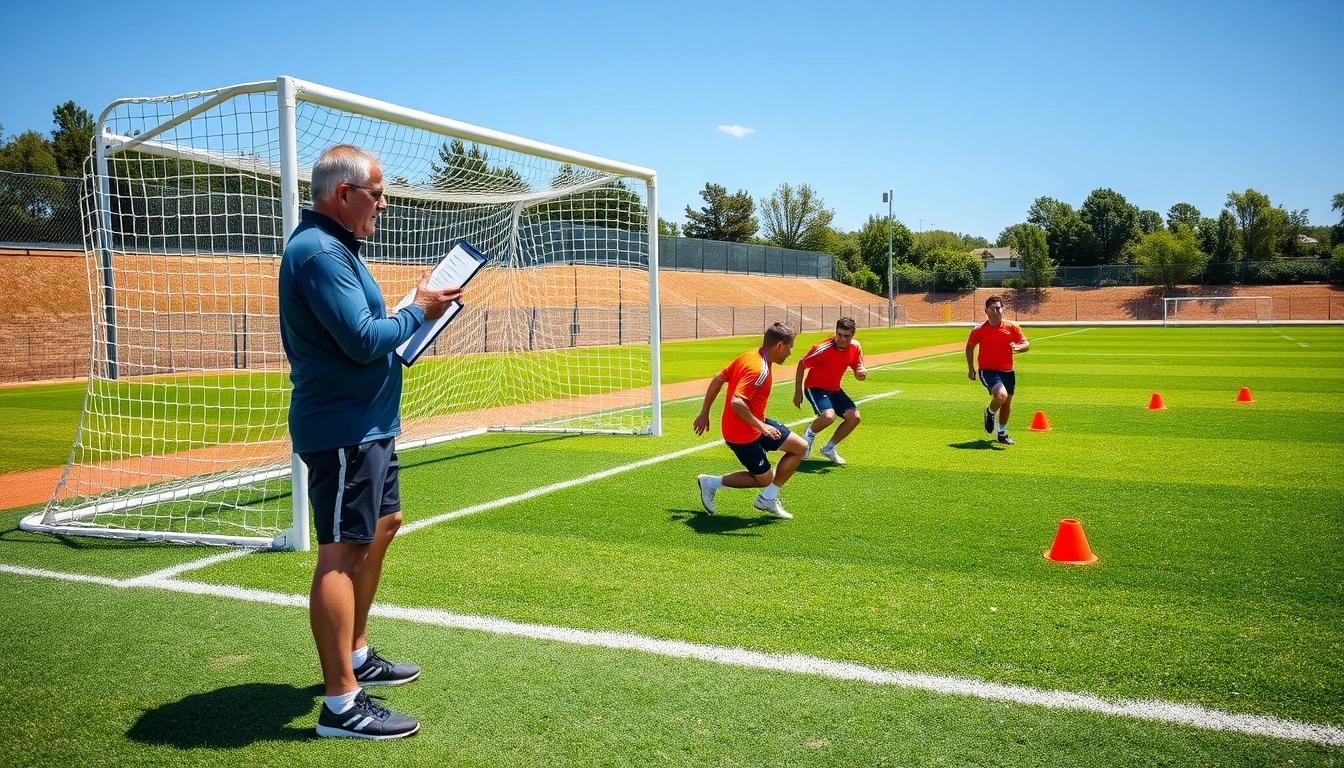
Training Drills to Master Corner Attacks
Alright, let’s get real about corner kicks — those moments in a match where chaos meets opportunity. Professional teams don’t just wing it; they grind through countless drills to make sure every corner is a potential goal or at least a serious chance. So, what’s the secret sauce behind those perfectly timed runs and pinpoint deliveries? Let’s dive into some practical drills that coaches swear by to keep their corner routines sharp and, frankly, keep opponents scratching their heads.
- Delivery Precision Drills: It all starts with the corner taker. You want that ball curling just right, landing where your teammates can attack it without fumbling. A common drill involves setting up mannequins or cones mimicking defenders and targets, forcing the kicker to practice different ball trajectories — inswingers, outswingers, and those sneaky short passes. The kicker repeats this until they can hit the target blindfolded… well, almost.
- Timed Runs and Synchronization: Corners aren’t just about who jumps highest; timing is everything. Teams run drills where attackers practice their runs from various positions — near post, far post, penalty spot — all synced with the corner taker’s delivery. Coaches often use whistles or claps to simulate the kick moment, helping players internalize that split-second timing. It’s like choreographing a dance but with more elbows and headers.
| Drill Name | Focus Area | Purpose | Duration |
|---|---|---|---|
| Target Practice | Corner Delivery | Improve ball placement accuracy | 15 minutes |
| Run Timing | Attacker Movement | Perfect synchronization with ball flight | 20 minutes |
| Decoy Runs | Movement & Deception | Confuse defenders and create space | 15 minutes |
Now, let’s not forget the sneaky stuff — decoy runs. These are the little tricks that make defenses second-guess themselves. Players pretend to attack the ball but then peel off, dragging defenders with them and opening gaps elsewhere. Drills for this involve rehearsing fake runs combined with actual attacking runs, so the timing and deception become second nature. It’s as much mental as physical — a classic “now you see me, now you don’t” routine.
And hey, corners aren’t just about offense. Defenders get their fair share of the spotlight during training too. Some drills focus on quick transitions from defense to attack, where defenders must clear the ball and immediately set up a counter-attack. This keeps the team balanced and ready for whatever the opposition throws at them.
Sample Corner Training Session:- Warm-up & stretching (10 mins)- Delivery precision drills (15 mins)- Attacker run synchronization (20 mins)- Decoy run practice (15 mins)- Defensive transition drills (15 mins)- Cool down & team talk (10 mins)
So, wrapping this up — mastering corner kicks isn’t just about brute force or luck. It’s a blend of precise delivery, perfectly timed runs, crafty deception, and solid defense. Teams that put in the hours on these drills don’t just hope for goals; they create them. And that’s why, come matchday, their corners aren’t predictable set-pieces but genuine goal-scoring weapons.
Keep practicing, keep mixing it up, and always keep the opposition guessing. Because in football, just like in life, the element of surprise is often the best weapon.
Frequently Asked Questions
- What exactly is a corner kick and why is it so crucial in football?
Think of a corner kick as a golden ticket—when the ball goes out off the defender last, the attacking team gets a free shot from the corner. It’s a prime chance to launch a well-planned assault on goal, often leading to spectacular headers or sneaky passes that can change the game’s momentum in seconds.
- How do teams decide between near post and far post targeting during corners?
Choosing near or far post is like picking your battlefield. Near post attacks catch defenders off guard with quick flick-ons and tight angles, while far post strategies exploit space and height for powerful headers. Teams switch tactics based on the opponent’s weaknesses or the situation on the pitch—flexibility is key!
- What role does the corner taker play beyond just kicking the ball?
The corner taker is the maestro of the set piece orchestra. Their delivery style—be it curling inswingers, outswingers, or sneaky short passes—sets the tone for the entire play. A perfect corner can slice through defenses like a hot knife through butter, making the difference between a wasted chance and a goal.
- Why do some teams use short corners and decoy runs instead of traditional corner kicks?
Short corners and decoy runs are like the magician’s sleight of hand—designed to confuse and disrupt the defense’s rhythm. By mixing up the routine, teams create openings where defenders least expect, turning a simple corner into a tactical puzzle that’s tough to solve.
- What attributes make a player a corner specialist?
Corner specialists combine precision, vision, and a sprinkle of creativity. They need excellent delivery skills, the ability to read defenders’ moves, and sometimes, a bit of flair. Height and aerial prowess matter more for the targets, but the taker’s finesse is what truly unlocks scoring chances.
- How do professional teams defend against corner attacks effectively?
Defending corners is a chess match. Teams organize by marking key aerial threats, maintaining tight zones, and anticipating runs. Communication and timing are crucial—one slip-up can lead to disaster. It’s a blend of physicality and tactical awareness that keeps the net safe.
- Are corner kicks really effective? What do the stats say?
Stats show that while only a small percentage of corners result directly in goals, their value lies in creating chaos and second chances. Top teams exploit corners with high success rates by mastering routines and analyzing opponents’ weaknesses, turning these set pieces into genuine scoring opportunities.
- How do teams train to improve their corner kick strategies?
Training involves repetitive drills focusing on timing, positioning, and delivery variations. Teams practice everything from near post flick-ons to deceptive short corners, constantly refining their moves to keep rivals guessing. It’s like rehearsing a play—you want every player to know their part perfectly.