Football has always been a game of split-second decisions, and with the introduction of VAR (Video Assistant Referee), those decisions have gotten a whole lot more complicated — and controversial. The interaction between referees on the pitch and the VAR team behind the scenes is a fascinating, if sometimes frustrating, dance. It’s not just about technology; it’s about communication, trust, and timing. How do referees actually talk to VAR? What’s the protocol when a decision is in doubt? Let’s dive into the nitty-gritty.
The Basics of VAR Communication
Referees don’t just shout across the field asking for a replay. There’s a structured system in place. When a potential error arises — say a questionable offside or a penalty call — the VAR team reviews the footage in real-time. If they spot something, they communicate with the referee via a discreet headset. This isn’t your average walkie-talkie chat; it’s a carefully regulated exchange designed to avoid confusion and keep the game flowing.
- Initial Contact: VAR alerts the referee only when a “clear and obvious error” might have been made.
- Communication Style: Brief, factual, and to the point — no room for debate over the mic.
- Referee’s Role: The final call always rests with the referee on the pitch.
When Does VAR Step In?
VAR doesn’t jump in every time there’s a murmur of doubt. It’s reserved for specific scenarios: goals, penalties, direct red cards, and mistaken identity incidents. The referee is notified by a buzz in their earpiece, followed by a short explanation from the VAR officials. If the referee feels uncertain, they can stop play and review the footage on a pitch-side monitor — a moment that can feel like an eternity for players and fans alike.
| Scenario | VAR Intervention | Referee Action |
|---|---|---|
| Goal Validity | Check for offside, fouls | Confirm or overturn goal |
| Penalty Decisions | Verify contact and fouls | Award or cancel penalty |
| Red Cards | Review serious fouls | Issue or rescind card |
| Mistaken Identity | Identify correct player | Correct disciplinary action |
Tech Tools Referees Use
You’d think referees just have a headset and a screen, but oh no, it’s a whole arsenal. From wireless earpieces that filter out stadium noise to multiple camera angles streamed live, the tech is as advanced as a NASA control room. And don’t forget the pitch-side monitor where referees can watch replays themselves — if they want to brave the crowd’s impatience.
Tech Setup Includes:- Wireless headset with noise cancellation- Multiple camera feeds (slow-mo, different angles)- Pitch-side monitor for on-field reviews- Communication link between VAR officials and referee
On-Field Reviews: The Ref’s Perspective
Imagine standing in front of tens of thousands of screaming fans, the entire stadium hanging on your every move — and you have to watch a replay to decide if a goal stands or not. The pressure is insane. Referees have about 90 seconds to make a call during on-field reviews, but sometimes it feels like forever. They’re trained to stay calm, but let’s be honest, even the best get butterflies.
The whole process can feel like a double-edged sword. Sure, it helps get decisions right, but it also interrupts the flow, and players often get visibly frustrated. It’s a tough gig.
Common Misunderstandings and Controversies
VAR isn’t foolproof — far from it. Fans love to point out when the communication breaks down or when the explanation from the referee is as clear as mud. Sometimes, the delay makes people question the entire system. Remember that infamous match where the ref took five minutes to decide on a penalty? Yeah, that one.
- Delays causing frustration
- Inconsistent application of VAR rules
- Confusing or vague announcements
Despite the hiccups, VAR is here to stay. It’s evolving, and referees are learning to navigate this high-tech partnership better every season. The dance between man and machine is tricky, but it’s shaping the future of football refereeing.
The Basics of VAR Communication
Alright, let’s talk about the behind-the-scenes chatter that keeps football matches fair and square — the communication between referees and the VAR (Video Assistant Referee) team. Now, you might think it’s all smooth sailing with crisp signals and flawless tech, but nah, it’s a bit more like a high-wire act with walkie-talkies and split-second decisions.
First off, the referee on the pitch is the captain of the ship. They have the final say, always. But when something fishy happens — a potential offside, a nasty foul, or a goal that might not be legit — the VAR team jumps into action. These folks are tucked away in a control room, watching multiple camera angles, ready to flag any blunders or missed calls.
| Step | What Happens | Why It Matters |
|---|---|---|
| 1. Incident Occurs | Referee notices something or VAR spots a potential error. | Sets the stage for review. |
| 2. VAR Checks Footage | VAR team reviews multiple angles and communicates findings. | Ensures accuracy. |
| 3. Communication | VAR contacts referee via headset if review needed. | Maintains flow and clarity. |
| 4. On-Field Review (if necessary) | Referee watches footage on pitch-side monitor. | Final decision made transparently. |
| 5. Decision Announced | Referee signals and explains decision to players and fans. | Maintains trust and fairness. |
Communication is mostly done through headsets — think of it as a referee’s version of a secret agent earpiece. The VAR team doesn’t just shout random opinions; they follow strict protocols to avoid chaos. For example, they only intervene in four clear scenarios: goals, penalty decisions, direct red cards, and mistaken identity. Anything else? They keep their lips zipped.
- Clear and Concise: The VAR team must be brief and to the point — no rambling, no “I think maybe” nonsense.
- Respecting the Referee’s Authority: The on-field ref always gets the final word, even if the VAR folks are screaming “Offside!” in their ears.
- Timing is Everything: Too slow, and the crowd’s restless; too fast, and mistakes slip through.
Now, it’s not all sunshine and rainbows. Sometimes, the communication lines get tangled, or the ref’s headset acts up, leading to awkward pauses or confusion. And don’t get me started on those moments when the stadium goes silent, everyone waiting for the ref to make that agonizing walk to the monitor. It’s like watching paint dry, but with more tension and less color.
Still, these protocols and communication channels are designed to keep the game as fair as possible without turning it into a tech circus. It’s a delicate balance, and while VAR isn’t perfect, the way referees and VAR teams interact is a crucial piece of the puzzle.
When Does VAR Step In?
Ah, the Video Assistant Referee, or VAR, the modern-day football referee’s best friend and occasional frenemy. But seriously, when exactly does VAR decide to jump into the chaos of a match and wave its digital flag? It’s not like VAR just barges in every time a player sneezes near the penalty box. There are very specific moments and scenarios where this technology is allowed to intervene, and understanding these is key to appreciating how the game tries to stay fair without turning into a never-ending replay fest.
First off, VAR’s involvement is limited to what the football rulebook calls “clear and obvious errors” or “serious missed incidents.” This means the on-field referee’s call stands unless VAR spots a mistake so glaring that ignoring it would be madness. The four main categories where VAR steps in are:
- Goals and Offside Decisions: Was the goal legit? Or did some sneaky player sneak offside before scoring? VAR checks every angle.
- Penalty Decisions: Did the foul really happen inside the box or was it a dive worthy of an Oscar?
- Direct Red Card Incidents: Was the red card justified or was the player harshly sent off?
- Cases of Mistaken Identity: Sometimes refs get confused about who committed the foul. VAR clears that mess.
Now, how do referees even know when VAR wants to chime in? It’s not like the VAR team just yells from a booth. The communication is slick and tech-driven. Referees wear special headsets that keep them in constant contact with the VAR officials. When VAR spots a potential error, they send a discreet alert to the referee, who then decides whether to pause the game for a review or trust the original call.
| Scenario | Reason for VAR Check | Referee Action |
|---|---|---|
| Goal Scored | Possible offside or foul in build-up | VAR alerts ref; on-field review if necessary |
| Penalty Awarded | Potential wrong call or missed foul | VAR suggests review; ref decides on pitch-side check |
| Red Card | Check for severity or mistaken identity | VAR advises; ref confirms or overturns decision |
| Mistaken Identity | Wrong player penalized | VAR informs; ref corrects accordingly |
It’s worth noting that VAR doesn’t have a free pass to interrupt at will. The protocol is designed to keep the game flowing as much as possible. Only when the VAR team feels confident that an error affected a significant event do they buzz the referee. And even then, the final call rests with the on-field official, preserving the human element in this high-tech setup.
To wrap it up — VAR steps in during those nail-biting, game-changing moments when a referee’s decision could make or break a match. The system aims to catch big mistakes without turning every game into a video marathon. It’s a delicate balance, and while VAR isn’t perfect (far from it), understanding when and how it intervenes helps fans and players alike keep their cool when the drama unfolds.
Tech Tools Referees Use
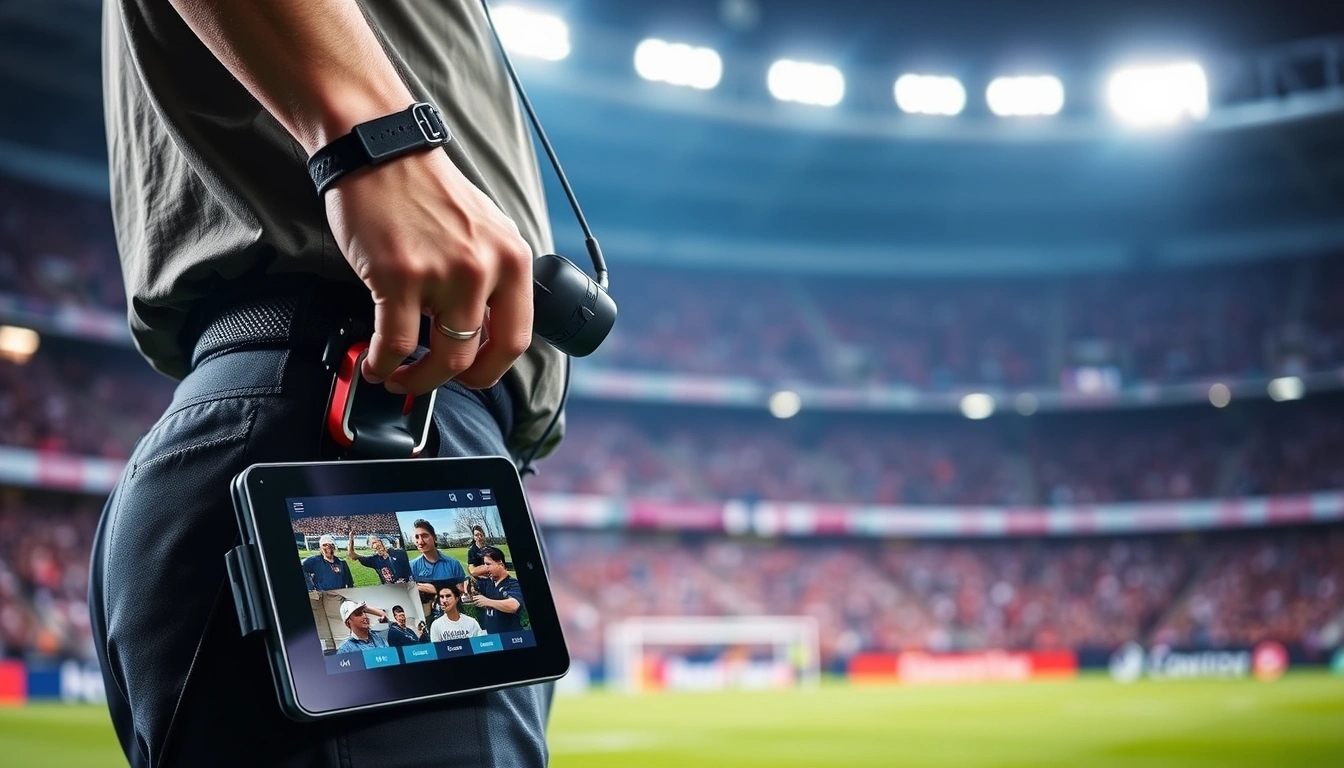
When you watch a football match and see the referee chatting with someone through a tiny earpiece or glancing at a screen on the sidelines, you might wonder: what kind of gadgets keep this whole VAR communication circus running smoothly? Well, buckle up, because it’s not just some simple walkie-talkie setup. The tech referees use is a carefully crafted blend of precision, speed, and reliability — designed to keep the game fair without turning it into a tech nightmare.
First off, let’s talk about the headsets. These aren’t your typical Bluetooth earbuds. They’re specially designed to be noise-cancelling, so when the crowd is roaring (or booing), the referee still hears the VAR team crystal clear. Plus, they’re built tough—no chance of a sudden drop-out in the middle of a decisive call. Imagine trying to explain a penalty decision when your headset cuts out—chaos!
| Device | Purpose | Key Features |
|---|---|---|
| Headset | Real-time voice communication | Noise-cancelling, wireless, durable |
| Referee Monitor | On-field video review | High-definition screen, portable, quick access |
| Communication Hub | Centralized control for VAR team | Multi-channel, encrypted, low latency |
Now, the referee monitor is another crucial piece of the puzzle. You might see the ref jog over to the sideline, tap a screen, and watch a replay. This monitor is compact but packs a punch with high-definition video and instant replay capabilities. The idea is to give the ref a quick, clear look at the incident without wasting precious time. But let’s be honest, sometimes the tension is so thick you could cut it with a knife while the ref squints at the screen, trying to make the call.
- Wireless Communication Systems: Allow seamless talk between referees and VAR officials without tangled wires or interference.
- Encrypted Channels: Keep the communication secure, preventing any outside noise or hacking attempts (because yeah, that would be a mess).
- Backup Systems: In case something fails, there’s always a secondary system ready to jump in, ensuring no call gets lost in translation.
One thing that often flies under the radar is the communication hub used by the VAR officials themselves. This tech brain center manages multiple video feeds, audio channels, and data streams simultaneously. It’s like the command deck of a spaceship, but instead of intergalactic battles, it’s all about spotting offsides and fouls. Without this, referees would be left in the dark, literally and figuratively.
Typical Communication Flow:1. Incident occurs on the pitch.2. VAR officials review multiple camera angles.3. VAR communicates findings via headset to referee.4. Referee decides to accept the call or review on-field.5. If review needed, referee views footage on the monitor.6. Final decision communicated to players and fans.
So next time you see a referee nodding or shaking their head after a quick chat or a glance at a screen, remember the tech magic behind the scenes. It’s not just fancy gadgets for show — it’s a lifeline that keeps the game fair, fast, and, hopefully, less controversial (though we all know that’s easier said than done).
In the end, these tools don’t just connect referees with VAR officials; they connect the past with the present in a split second, helping football keep its edge in the digital age.
On-Field Reviews: The Ref’s Perspective
When a referee signals for an on-field review, it’s like the whole stadium holds its breath. You see, it’s not just a quick glance at a screen; it’s a high-stakes moment packed with pressure, uncertainty, and a dash of drama. Imagine being the person everyone’s eyes are glued to, knowing your decision could change the entire game’s outcome. Not exactly a walk in the park, right?
The process kicks off the moment the referee suspects something’s off—maybe a dodgy offside call or a potential foul that wasn’t clear from the first angle. At this point, the referee communicates with the VAR team through a headset, getting a quick rundown of what the video officials have spotted. If it’s a borderline case, the ref decides to head over to the pitch-side monitor, which is usually tucked near the corner flag, to check the footage themselves. This step isn’t just about double-checking; it’s about owning the call in front of thousands, sometimes millions, of fans.
| Step | What Happens | Why It Matters |
|---|---|---|
| Referee Suspicious | Referee signals VAR for potential review | Ensures no clear error is missed |
| Communication | Referee listens to VAR team via headset | Gets expert video analysis |
| On-Field Review | Referee watches replay on pitch-side monitor | Owns final decision with visual confirmation |
| Decision Announced | Referee signals final call to players and fans | Restores game flow and clarity |
Timing is everything here. The ref can’t just stand there forever, or the game turns into a snooze fest with frustrated players and restless fans. Typically, the whole review doesn’t last more than a minute or two, but that’s enough time for tension to skyrocket. You can almost hear the collective heartbeat of the crowd as they wait to see if the call stands or gets overturned. And let me tell you, the pressure is no joke—imagine getting booed or cheered based on a split-second decision you just made after scrutinizing grainy footage.
- Pressure Cooker: Referees must balance accuracy with keeping the game flowing smoothly.
- Communication is Key: Clear signals and confident body language help calm nerves on the pitch.
- Human Factor: Despite technology, refs are still human and prone to second-guessing.
One little-known fact is that referees get special training to handle these moments, which involves not only technical know-how but also psychological preparation. They practice staying calm under pressure, managing players’ reactions, and communicating decisions clearly to avoid confusion. Because, let’s be honest, no one wants a chaotic scene where players argue endlessly or fans start throwing things.
In the end, on-field reviews are a delicate dance between technology and human judgment. Sure, VAR aims to reduce mistakes, but it also puts referees under a microscope like never before. It’s a tough gig, but when done right, it adds a layer of fairness that’s hard to argue with—even if it sometimes feels like the ref’s got a target on their back.
Common Misunderstandings and Controversies
Let’s be honest here—VAR isn’t the flawless miracle some hoped it would be. It’s more like that well-meaning but slightly clumsy friend who tries to help but sometimes just makes things messier. The communication between referees and VAR teams, while technically advanced, often trips over itself, leading to those infamous moments where fans lose their collective minds. You know the drill: a goal gets disallowed, or a penalty is awarded after what feels like an eternity, and suddenly, the stadium’s buzzing with boos, disbelief, and a flood of memes on social media.
One of the biggest issues is the lack of transparency. Fans rarely get to hear what’s being said between the referee and the VAR officials. Unlike a courtroom drama where you get every word, football gives you a black box. This silence fuels speculation and conspiracy theories. Did the ref see the right angle? Was the VAR official too cautious or too aggressive? No one really knows, and that ambiguity is a breeding ground for frustration.
| Common Misunderstanding | Reality |
|---|---|
| VAR decisions should be instant | Sometimes, complex angles and slow-motion replays take time to analyze |
| Referees always follow VAR advice | Referees have the final say and can overrule VAR if they disagree |
| VAR fixes all referee errors | Human error can still creep in during interpretation and communication |
Then there’s the dreaded communication breakdowns. Imagine the ref asking for clarification, but the VAR official’s headset cuts out or the video feed lags. These technical glitches aren’t just annoying—they can change the course of a match. There have been cases where referees made decisions based on incomplete info, or worse, where VAR officials missed a key replay moment because of poor communication. It’s like playing a game of telephone, but the stakes are way higher.
- Example 1: In a high-profile match, a referee waited over three minutes for a VAR check, leaving players and fans restless. The explanation? A headset malfunction delayed the communication.
- Example 2: Another time, a VAR official missed an offside call because the replay angle was unclear, leading to a controversial goal that sparked outrage.
Fans also get riled up because of the inconsistency in VAR usage. Why is a handball reviewed in one game but ignored in another? Why does a foul get overturned sometimes and not at other times? This inconsistency isn’t always the fault of the technology but often comes down to how referees interpret the guidelines and communicate with VAR. The rules themselves can be a bit vague, leaving room for personal judgment, which is a nightmare for anyone craving clear-cut answers.
Practical Insight:- VAR is a tool, not a crystal ball.- Communication is key, but tech glitches and human judgment complicate things.- Fans should expect some level of controversy—it’s part of the game’s drama.
So yeah, VAR has its moments of brilliance, but the communication hiccups and misunderstandings keep it from being the perfect solution. Until those black boxes open up and tech gets even smarter, expect those “Are you kidding me?!” moments to keep happening. And hey, maybe that’s what keeps football unpredictable and, well, human.
Training Referees for VAR Communication
When you think about referees, the ones running around the pitch making split-second calls, it’s easy to forget there’s a whole other world happening behind the scenes. Enter VAR — the Video Assistant Referee — a game-changer that’s as much a blessing as it is a headache. But here’s the kicker: referees don’t just wake up one day and magically know how to handle this tech. Nope, there’s a rigorous training process designed to turn them into masters of VAR communication without turning the beautiful game into a snooze fest.
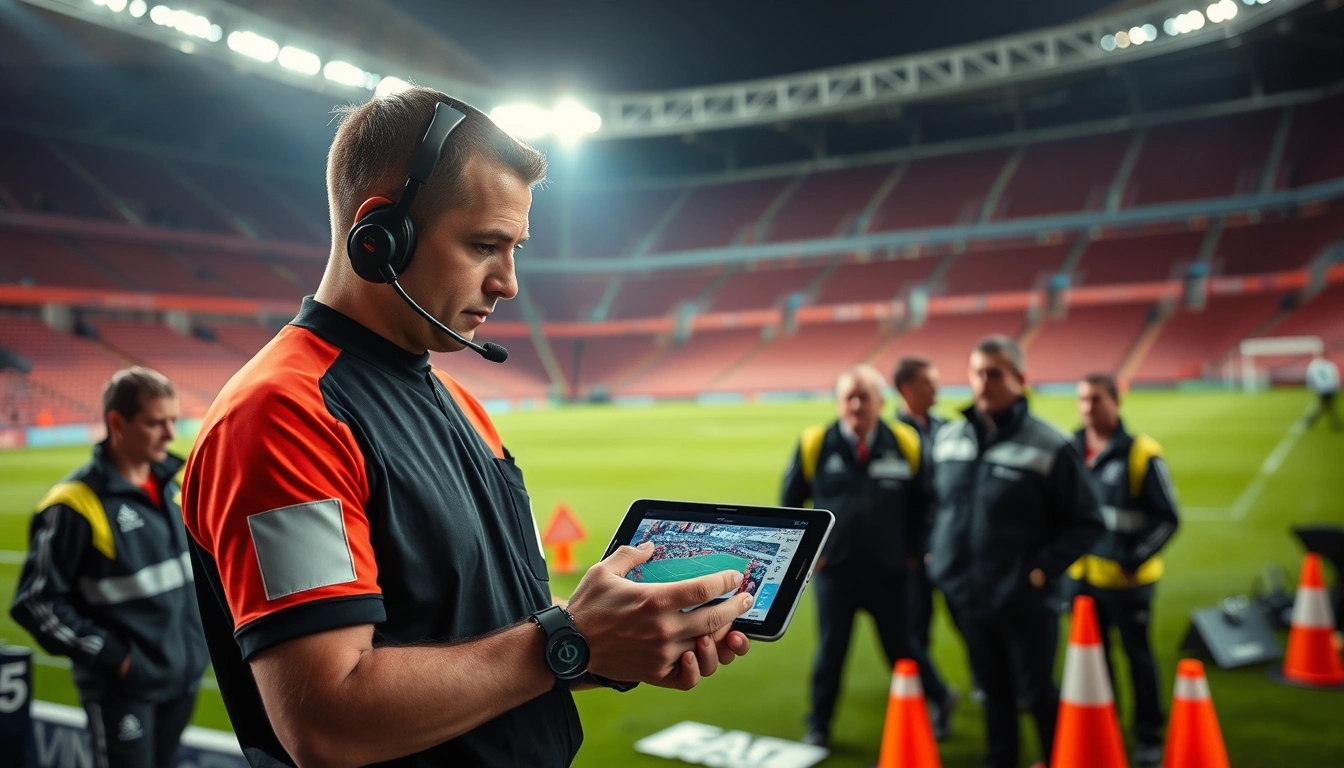
First off, referees have to learn the language of VAR. It’s not just about watching replays; it’s about knowing when to trust the tech, when to rely on gut instinct, and how to keep the game flowing. Training sessions involve simulated matches where refs practice calling for VAR reviews, communicating with the VAR team via headsets, and making decisions under pressure. Imagine being told to stop a game, walk over to a tiny screen on the sideline, and decide whether a goal stands or not — all while thousands of fans hold their breath. Yeah, no pressure!
- Communication Drills: Referees practice clear, concise exchanges with VAR officials to avoid confusion.
- Technical Familiarity: Hands-on time with video feeds, slow-motion replays, and the headset system.
- Decision-Making Under Pressure: Training to maintain composure when fans and players are losing their minds.
Now, here’s a little secret — despite all this training, VAR communication is still a bit of a balancing act. Too much hesitation, and the game drags; too quick, and mistakes slip through the cracks. That’s why part of the training focuses on timing. Referees learn how to gauge when a quick check is enough and when a longer review is necessary. It’s not always black and white — more like fifty shades of gray, honestly.
| Training Component | Purpose | Outcome |
|---|---|---|
| VAR Protocol Familiarization | Understand official guidelines and when VAR can intervene | Consistent and fair application of VAR rules |
| Communication Skills | Practice clear and efficient dialogue with VAR team | Reduced misunderstandings during matches |
| On-Field Review Practice | Simulate pitch-side video reviews under time pressure | Improved confidence and decision accuracy |
And let’s not forget the human element. Referees are trained to manage player reactions and crowd noise during VAR checks. It’s not just about tech-savvy — it’s emotional intelligence 101. Keeping cool when a player is screaming in your face or when the stadium erupts in boos is part of the gig. Trainers often use role-playing exercises where referees face aggressive “players” and “fans” to build resilience.
In the end, training for VAR communication is like teaching a tightrope walker to juggle — tricky, sometimes nerve-wracking, but incredibly impressive when done right. It’s a constant learning curve, and honestly, no matter how much training they get, referees will always have to deal with the unpredictability of the game and the tech alike. But hey, that’s what makes football so darn exciting, right?
Impact on Game Flow and Player Reactions
Anyone who’s watched a football match recently knows the VAR pause is like that awkward silence at a party when someone drops a controversial opinion — and suddenly, everyone’s just waiting, unsure what’s coming next. These moments when the game halts for a video review can feel like an eternity, and honestly, they mess with the rhythm of the match. But how do players and referees actually deal with these nail-biting pauses when the whole stadium seems to hold its breath? Let’s dive into the chaos behind the calm.
First off, the flow of the game takes a definite hit. Football is all about momentum, and when the ball stops rolling, players’ adrenaline spikes, then dips, then spikes again — it’s a rollercoaster. Coaches often complain that these breaks disrupt their game plans, while players might lose their focus or get frustrated, pacing around the pitch like caged lions. Referees, meanwhile, have to keep their poker faces on, even if inside they’re sweating bullets. It’s a tough gig, balancing authority and patience.
| Stakeholder | Typical Reaction During VAR Pause | Effect on Game |
|---|---|---|
| Players | Restless, anxious, sometimes confrontational | Loss of momentum, risk of emotional outbursts |
| Referees | Focused, communicative, sometimes visibly tense | Pressure to make correct calls, maintain control |
| Fans | Frustrated, vocal, impatient | Atmosphere can get charged or subdued |
Now, about the players’ reactions — it’s a mixed bag. Some use the time to catch their breath, have a quick chat with teammates, or even sneak a cheeky grin at the VAR monitor. Others? Not so chill. You’ll see plenty of animated gestures, protests, or even players wandering over to the referee, hoping to get some kind of clue about what’s going on. Sometimes the tension spills over, leading to heated exchanges or even bookings for dissent. It’s like a pressure cooker, and the VAR pause is the lid tightening.
- Calm players: Try to stay composed, use the break to refocus.
- Frustrated players: Might argue with officials or show visible irritation.
- Coaches: Often pacing the sidelines, shouting instructions or venting at the fourth official.
And let’s not forget the referees — they’re the unsung heroes (or villains, depending on who you ask). They have to juggle watching the footage, communicating with the VAR team, and managing the players’ emotions. It’s a delicate balancing act. Sometimes, you’ll notice them nodding seriously, signaling that they’re reviewing the footage on the pitch itself. Other times, they just wait for the VAR team’s verdict, which can feel like a lifetime.
Typical VAR Pause Timeline:0:00 - Incident occurs0:05 - VAR team reviews footage0:20 - Referee notified0:30 - On-field review or decision relayed0:45 - Play resumes or penalty awarded
In the end, VAR pauses are here to stay, and while they may interrupt the game’s natural flow, they bring a new layer of fairness — even if it’s wrapped in a cloak of tension and uncertainty. Players and referees have learned to live with these moments, turning awkward silences into brief, intense chapters in the story of the match. Whether you love it or hate it, VAR’s impact on the game’s flow and the way players react is nothing short of fascinating.
Future Innovations in VAR Communication
Alright, let’s be honest — the whole VAR communication saga has been a rollercoaster, hasn’t it? Fans, players, and even the referees themselves have had their fair share of “Wait, what just happened?” moments. But hey, technology doesn’t stand still, and neither does the quest to make those referee-VAR chats less like a cryptic crossword and more like a smooth conversation. So, what’s cooking in the VAR innovation kitchen? Let’s unpack some of the speculated tech that might just save us all from those frustrating delays and unclear decisions.
- AI-Assisted Decision Making: Imagine a VAR system that not only replays footage but also analyzes it in real-time using artificial intelligence. This could flag potential fouls or offsides instantly, giving referees a heads-up before the chaos even starts. It’s like having a super-smart assistant whispering in your ear, but without the annoying interruptions.
- Enhanced Audio Clarity: One major gripe has been the muffled, sometimes static-filled conversations between refs and VAR officials. Upcoming tech aims to use noise-canceling microphones and ultra-clear audio channels, ensuring every word is crisp. No more “Can you repeat that?” or “What was that?” mid-match.
- Augmented Reality (AR) Displays: This one’s futuristic but plausible. Imagine referees wearing AR glasses that overlay key replay info directly in their field of vision. Instead of huddling around a monitor, they get instant visual cues — making the review process faster and less disruptive.
Now, let’s take a quick peek at a comparison table of current versus upcoming VAR communication features:
| Feature | Current State | Future Innovation |
|---|---|---|
| Decision Analysis | Manual video review by VAR team | AI-powered instant alerts and suggestions |
| Communication Audio | Standard headset with occasional interference | Noise-canceling, high-definition audio channels |
| Decision Display | Referee watches pitchside monitor | Augmented reality glasses with live data overlay |
But hold your horses — these advancements don’t come without challenges. For one, integrating AI into such a high-pressure environment means referees have to trust the tech, which is easier said than done. Plus, AR glasses sound cool, but wearing tech gear mid-game might be distracting or uncomfortable. Not to mention, the cost and implementation logistics for leagues around the world.
Also, there’s the human element. Referees are under immense pressure to make split-second calls, and sometimes, a tech glitch or miscommunication can set off a chain reaction of confusion. So, training remains a huge piece of the puzzle. The best tech in the world won’t help if refs aren’t comfortable or confident using it.
- Real-Time Translation: In international matches, language barriers sometimes muddle communication. Future systems might include instant translation features, ensuring everyone’s on the same page regardless of native tongue.
- Automated Incident Logging: Every VAR check could be automatically logged with timestamps and decision data, making post-match reviews and transparency easier for fans and officials alike.
To wrap it up, the future of VAR communication looks promising, with plenty of tech innovations aiming to make those referee-VAR exchanges quicker, clearer, and less frustrating. But as with any tech evolution in sports, it’s a balancing act — blending cutting-edge tools with the unpredictable, human drama that makes football so darn captivating.
So next time you’re groaning at a VAR delay, just remember: somewhere, a nerdy engineer is probably tweaking a microphone or coding an AI to get it right. Fingers crossed it’s sooner rather than later!
Case Studies: Memorable VAR Moments Explained
Alright, let’s dive into some of those nail-biting, hair-pulling, and downright jaw-dropping moments where VAR communication either saved the day or threw a giant spanner in the works. VAR, love it or hate it, has become the modern referee’s best mate and worst enemy rolled into one. But it’s not just about the technology itself—it’s how referees and VAR officials talk to each other that can make or break the drama on the pitch.
- 2018 World Cup: France vs. Australia
This one’s a classic. Early in the game, a penalty was awarded after the VAR team spotted a handball that the ref missed. The communication was crisp and quick, with the referee nodding and signaling after a brief chat with VAR. The smooth exchange helped keep the game flowing, and France went on to win comfortably. It was a textbook example of VAR doing exactly what it’s supposed to do: correct clear errors without killing the match’s rhythm. - Premier League, 2019: Manchester City vs. Tottenham
Now, this match was a bit messier. VAR called for an offside check, but the communication between the VAR officials and the on-field ref was… let’s say, less than ideal. Fans and pundits alike were left scratching their heads when a goal was disallowed after what felt like an eternity of waiting. The referee’s body language? Awkward at best, confused at worst. This case highlighted how even with the best tech, communication breakdowns can lead to frustration and controversy.
| Match | VAR Issue | Outcome | Key Takeaway |
|---|---|---|---|
| 2018 World Cup: France vs Australia | Penalty awarded after handball check | Quick decision, smooth communication | Effective VAR communication maintains game flow |
| 2019 Premier League: Man City vs Tottenham | Goal disallowed after offside VAR check | Long delay, unclear communication | Poor communication creates confusion and frustration |
Then there’s the infamous 2019 Champions League semi-final between Liverpool and Barcelona. Liverpool’s last-minute goal was initially flagged offside, but after VAR review, it was allowed. The ref’s communication with the VAR team was tense but decisive. Watching the ref’s face as he processed the info was like watching someone try to solve a Rubik’s Cube blindfolded. The delay was nerve-wracking, but the clarity of the final decision earned grudging respect from both sets of fans.
Practical insights for refs and fans:- Always keep communication clear and concise.- Avoid unnecessary delays to preserve the game's momentum.- Transparency helps fans understand decisions better.- Training on communication protocols is as vital as understanding the tech.
At the end of the day, VAR is still a work in progress. Sometimes it’s a hero, sometimes it’s the villain, but it’s always a conversation starter. The key is for referees and VAR officials to keep refining their communication skills because, let’s be honest, no one enjoys sitting through a five-minute VAR check wondering what on earth is going on. Clear, confident, and timely communication can turn these moments from chaos into clarity—something every football fan can appreciate.
So next time you see a ref chat with the VAR team, remember: behind that seemingly awkward pause is a complex dance of technology, timing, and trust. And sometimes, just sometimes, it’s what decides the beautiful game.
Frequently Asked Questions
- How do referees communicate with the VAR team during a match?
Referees stay connected with the VAR officials through specialized headsets and communication systems. This allows for instant audio exchanges, enabling the referee to receive advice or alerts about potential errors without leaving the field. Think of it as a secret hotline that keeps the game fair and transparent.
- When exactly does VAR intervene in a game?
VAR steps in during critical moments such as goals, penalty decisions, direct red cards, and cases of mistaken identity. The system is designed to assist only when there’s a clear and obvious error, ensuring it doesn’t disrupt the natural flow unnecessarily.
- What tools do referees use to review footage on the pitch?
On-field reviews happen via a pitch-side monitor where referees can watch replays. Combined with their communication headset, they get a firsthand look at the incident, helping them make informed decisions. It’s like having instant replay at your fingertips, right where the action happens.
- Why do VAR decisions sometimes cause confusion or controversy?
Despite the technology, communication breakdowns or delays can lead to misunderstandings among players, fans, and even referees. The pressure-cooker environment of a live match makes every pause feel like an eternity, which can spark frustration and debate.
- How are referees trained to use VAR effectively?
Referees undergo rigorous training sessions focusing on communication protocols, technology handling, and decision-making under pressure. This ensures they balance the benefits of VAR without disrupting the game’s rhythm—kind of like mastering a new dance move under the spotlight.
- Does VAR affect the flow of the game and player reactions?
Absolutely, VAR pauses can momentarily halt the game’s momentum, sometimes causing tension or confusion among players. However, referees and players are trained to manage these moments professionally, keeping emotions in check until the final verdict is delivered.
- What future innovations might improve VAR communication?
Upcoming tech aims to make communication faster and clearer, possibly integrating AI-assisted alerts and more intuitive interfaces. Imagine a world where decisions are almost instantaneous, reducing delays and keeping fans on the edge of their seats without frustration.
- Can you give examples of memorable VAR moments?
Iconic matches where VAR communication played a pivotal role include controversial penalty calls and goal-line decisions that changed the course of tournaments. These moments highlight both the power and challenges of integrating technology into the beautiful game.