
Alright, so you’re watching a football match and suddenly the opposing team just *plops* themselves right in front of their goal, defending like their lives depend on it. That, my friend, is the infamous low block defense. It’s like trying to break into a fortress with a teaspoon — frustrating but not entirely hopeless. Let’s unpack this beast in a way even your grandma could get it.
What’s a Low Block, Anyway?
Imagine a team that’s basically saying, “Nope, you’re not getting past us.” They retreat deep into their own half, stacking defenders close together, often with two lines of four or five players. Their goal? Make the attacking team’s life a living nightmare by clogging every possible space. It’s like they’re playing a game of human Tetris, fitting perfectly to block every gap.
Why Do Teams Bother With This?
Well, there’s a few reasons. Sometimes they’re the underdogs, facing a team with more firepower, so they just bunker down and hope to catch a break. Other times, they’re protecting a slim lead and prefer to sit back rather than risk pushing forward. It’s a classic defensive tactic that’s been around forever because, let’s be honest, it works.
| Reason for Low Block | What It Achieves |
|---|---|
| Absorbing Pressure | Stops the opposition from creating clear chances |
| Protecting a Lead | Maintains defensive solidity late in the game |
| Facing Stronger Opponents | Limits space and frustrates attackers |
The Nightmare of Attacking a Low Block
Trying to break down a low block is like trying to squeeze toothpaste back into the tube — tough and often messy. The defense is compact, defenders are well-organized, and spaces are minimal. So, what’s the secret sauce? Patience, my friend. Rushing headlong into this wall is a recipe for disaster. Instead, attackers need to move smartly, pull defenders out of position, and wait for that tiny opening.
- Patience: Don’t rush, keep the ball moving.
- Movement: Off-the-ball runs to create confusion.
- Width: Stretch the defense by using the flanks.
Stretching the Defense: Wide Play and Overloads
One of the most effective ways to crack a low block is to drag them out wide. When you overload one flank — that means having more attackers than defenders on that side — defenders have to shift and cover, which can leave gaps elsewhere. It’s like a game of musical chairs, but if you’re quick, you grab the empty seat before anyone else.
Quick Passing and One-Twos
If you’ve ever played football, you know that a quick one-two can leave defenders flat-footed. In a low block, sharp, crisp passes and quick exchanges can disorient the defense, opening up tiny pockets of space. It’s all about speed and timing — slow play? Forget it.
Tips for Breaking Low Blocks:- Keep the ball moving quickly- Use clever off-the-ball runs- Exploit wide areas with overlapping fullbacks- Be unpredictable; mix dribbles and passes- Capitalize on set pieces (corners, free kicks)
Set Pieces: The Golden Ticket
Since open-play chances are scarce, set pieces become a godsend. Corners and free kicks are like little presents wrapped in opportunity. Teams often practice these endlessly because a well-delivered ball into the box can disrupt even the most stubborn low block.
Creative Players: The Game Changers
Sometimes, all it takes is one player with a bit of magic — a dribble, a cheeky nutmeg, or a visionary pass — to unlock the defense. These players thrive in tight spaces and can create moments that make defenders look silly.
Common Pitfalls to Avoid
Here’s where many teams trip up: impatience, predictable passing, and forcing plays where there’s no space. If you’re banging your head against the wall without a plan, you’re just handing the ball back to the defenders. Slow down, mix it up, and keep your wits about you.
So, breaking a low block isn’t a walk in the park, but with the right mix of patience, creativity, and tactical nous, it’s absolutely doable. Next time you watch a game and see a team stuck against a low block, you’ll know exactly what’s going on — and maybe, just maybe, you’ll spot the moment the defense finally cracks.
What Exactly Is a Low Block?
Alright, so imagine a team that’s just decided to bunker down and play it safe. That’s basically what a low block is all about in football. Instead of pushing up the pitch, the defending team drops deep, usually parking most of their players in their own half. The idea? To clog up every inch of space in front of their goal, making it near impossible for the attacking side to find a way through. It’s like trying to get into a packed nightclub on a Saturday night — no room to wiggle, and the bouncers (defenders) are everywhere.
Now, why would a team choose to do this? Well, sometimes it’s out of necessity. Maybe they’re the underdogs, facing a squad with flashy forwards who could tear them apart if given space. Or perhaps they’re holding onto a slim lead and just want to frustrate the opposition into making mistakes. Whatever the reason, a low block is all about defensive solidity and discipline. The defenders stay compact, often forming two or even three lines, making it a nightmare for attackers to find those killer passes or dribble through.
| Characteristic | Description |
|---|---|
| Positioning | Defenders sit close to their own penalty area, leaving minimal space behind them. |
| Compactness | Players stay tight horizontally and vertically to reduce gaps. |
| Number of Players | Usually 7-9 players behind the ball, including midfielders dropping deep. |
| Primary Goal | Prevent clear chances and force attackers to take low-percentage shots or make mistakes. |
It’s not just about parking the bus and hoping for the best, though. A well-executed low block requires intense concentration and teamwork. Every player knows their role: close down passing lanes, block shooting angles, and keep the shape intact. If even one player drifts out of position, the whole setup can collapse like a house of cards.
- Pros of a Low Block: Limits space for attackers, conserves energy, and can frustrate opponents into errors.
- Cons: Can invite pressure, reduce attacking opportunities, and sometimes looks a bit boring to fans.
One thing’s for sure — breaking down a low block is one of the toughest tasks in football. It demands patience, creativity, and a bit of luck. But understanding what a low block really entails is the first step to appreciating the chess match happening on the pitch. So next time you see a team sitting deep, remember: they’re not just being defensive, they’re playing a tactical game of cat and mouse, daring the opposition to find a way through.
In short:Low Block Defensive fortressAttackers Trying to find a keyDefenders Holding the fort tightOutcome Who blinks first?
And honestly, sometimes that’s what makes football so darn exciting — the battle of wits beneath the surface of those 90 minutes.
Why Do Teams Use Low Blocks?
In the wild world of football tactics, the low block stands out as a classic defensive shield. But why do teams actually opt for this rather cautious approach? Well, it’s not just about being scared or playing it safe—there’s a method to this defensive madness.
First off, the low block is all about absorbing pressure. Imagine a team under relentless attack, their opponents swarming like bees around honey. Sitting deep in their own half, defenders pack themselves tightly, making it a nightmare for attackers to find any breathing room. This tactic is especially handy when facing a team with superior firepower or skill. Instead of risking getting torn apart in open play, teams drop back, close the gaps, and dare their opponents to break through.
| Reason for Low Block | What It Achieves |
|---|---|
| Absorbing Pressure | Limits space for attackers, forcing mistakes |
| Protecting a Lead | Conserves advantage by frustrating opponents |
| Facing Stronger Opposition | Reduces risk by defending deep and tight |
Another big reason? protecting a lead. When a team is ahead—especially late in the game—playing a low block can be like putting a fortress around the goal. It’s not the most glamorous football, sure, but it’s effective. The idea is to frustrate the other side, chew up the clock, and keep that precious advantage safe. Sometimes, it feels like watching paint dry, but hey, winning is winning.
- Low block defensive safety net.
- Teams with less attacking firepower often rely on it.
- It forces opponents to be patient and creative—often their biggest challenge.
Now, let’s be honest, the low block isn’t without its critics. Some fans call it boring, negative, or even cowardly. But the truth is, it’s a smart tactic when used right. It’s like playing chess, not checkers—sometimes you gotta protect your king before making a bold move.
So next time you see a team sitting deep, don’t just roll your eyes. Think of it as a calculated gamble, a way to survive tough matches and snatch points when the odds aren’t in their favor. Because in football, sometimes defense really is the best offense.
Quick Tips on When Low Blocks Are Used:
- When the team is trailing but wants to avoid conceding more goals- Against teams with rapid counter-attacks- When playing away in hostile environments- To disrupt the rhythm of a dominant opponent
So yeah, the low block might seem like a simple concept, but it’s loaded with tactical nuance. Next time you’re watching a game and see a team dropping deep, you’ll know exactly why they’re doing it—and maybe even appreciate the gritty art of defense a little bit more.

Key Challenges Attacking Against Low Blocks
Trying to break down a low block defense? Well, buckle up, because it’s no stroll in the park. When a team sets up a low block, they’re basically telling you, “Good luck finding a way through.” The defense is packed tighter than a can of sardines, defenders are glued together like best mates, and space? Forget about it. It’s like trying to squeeze a watermelon through a keyhole. The attackers have to deal with incredibly limited gaps, and every inch of space is fiercely guarded.
One of the biggest headaches for attackers is the lack of room to operate. When defenders sit deep, they shrink the playing area, forcing attackers to play in cramped zones. This means dribbling becomes a nightmare, and passing lanes are few and far between. You can’t just blast the ball forward and hope for the best; precision and creativity become your only friends. And don’t even get me started on the defenders’ discipline—they don’t get pulled out of position easily. They’re like stubborn mules, holding their ground and making it tough to create those golden chances.
| Challenge | What It Means | Impact on Attackers |
|---|---|---|
| Tight Spaces | Defenders pack the defensive third closely | Less room to dribble or pass, increasing turnover risk |
| Few Gaps | Minimal openings between defenders | Harder to find passing lanes or penetrate through |
| Organized Defense | Defenders maintain shape and discipline | Limits attackers’ chances to pull defenders out of position |
Another subtle but brutal challenge is the mental game. When you’re constantly banging your head against a wall, frustration creeps in. Players might rush their decisions, try risky dribbles, or take speculative shots from distance. Spoiler alert: these usually don’t work. Impatience is the attacker’s worst enemy here, as it plays right into the defenders’ hands. They’re banking on you messing up, and sometimes, you just have to admit — it’s a test of patience and persistence.
- Pressure Cooker Environment: Tight marking means little time on the ball.
- Limited Creativity Space: No room for flair or fancy footwork.
- Stifled Passing Options: Midfielders struggle to find openings.
And let’s not forget the physical toll. Attacking a low block often requires repeated runs, quick changes of direction, and constant movement to try and pull defenders out of position. It’s exhausting, and if your team isn’t fit or mentally ready, the whole plan falls apart. Defenders, on the other hand, can afford to sit back, conserve energy, and wait for their chance to counterattack.
So yeah, attacking a low block is like trying to break into Fort Knox with a butter knife. But with the right mix of patience, clever movement, and a sprinkle of luck, it’s not impossible. It just takes a bit of grit, some smart tactics, and maybe a dash of magic from those creative players who can unlock defenses when all else fails.
Patience and Movement: The Attacker’s Best Friends
Breaking down a stubborn low block defense in football is like trying to crack a safe without the combination – frustrating, time-consuming, but oh so satisfying when you finally get in. The truth is, it’s not just about fancy skills or brute force; it’s about patience and smart movement. You can’t just barge into a tightly packed defense hoping for a miracle. Nah, it takes a bit of chess, a bit of finesse, and a whole lot of running off the ball.
First off, patience is key. Imagine trying to force a goal too quickly – you’ll just end up smashing into defenders like a bull in a china shop. The low block is designed to absorb pressure and frustrate attackers, so rushing leads to predictable passes, wasted chances, and often, counter-attacks. Instead, attackers need to slow the game down, probe for weaknesses, and wait for defenders to blink or get pulled out of position. It’s like fishing – you don’t yank the line immediately, you wait for the right moment.
| Patience in Attacking | Why It Matters |
|---|---|
| Maintaining possession | Keeps defense stretched and tired |
| Waiting for openings | Creates better chances, reduces errors |
| Avoiding rushed shots | Improves shot quality and decision-making |
Now, patience alone won’t cut it. Movement off the ball is the secret sauce. Defenders love to stay compact and rigid, but when attackers start darting around, making clever runs, and switching positions, it messes with their heads. It forces defenders to make split-second decisions: do they follow the runner and risk leaving space behind, or hold their line and risk giving the attacker a free zone? This cat-and-mouse game can open up pockets of space that a well-timed pass can exploit.
- Diagonal runs can drag defenders out of their shape.
- Quick changes of direction confuse marking assignments.
- Overlapping runs stretch the defensive line wide.
The beauty of constant movement is that it tires out defenders mentally and physically. They have to stay alert, communicate, and adjust constantly. And guess what? Humans get tired and make mistakes – even the best defenders. So, attackers who keep moving, switching roles, and making unexpected runs are basically setting themselves up for success.
Practical Tips for Attackers:- Don’t stand still, even if you don’t have the ball.- Use subtle movements to create doubt (“Am I going or not?”).- Combine runs with quick passing to exploit spaces.- Communicate with teammates to coordinate movements.
In the end, breaking a low block isn’t about flashy flicks or solo dribbles (though those help). It’s about working as a unit, being patient, and making those clever off-the-ball runs that pull defenders apart like taffy. It’s a slow burn, but when it pays off, the goal feels that much sweeter. So next time your team faces a brick wall defense, remember: patience and movement aren’t just buzzwords – they’re your best mates on the pitch.
Wide Play and Overloads: Stretching the Defense
When it comes to breaking down a stubborn low block, one tactic that often gets overlooked is the power of wide play combined with overloads on the flanks. Think of the defense as a tightly packed accordion—if you keep pushing in the middle, it just won’t budge. But stretch it out to the sides, and suddenly, those defenders have to move, shift, and maybe even panic a little. That’s where the magic happens.
- Why width matters: A low block is compact centrally, with defenders sitting close to each other to deny space. By using the full width of the pitch, attackers force defenders to cover more ground horizontally. This stretches the defensive line, creating uncomfortable gaps that weren’t there before.
- Overloads explained: Overloads mean sending extra players to one side of the field, outnumbering the defenders in that area. Imagine a 2v1 or 3v2 situation on the flank—it’s tough for defenders to hold their shape without leaving holes.
| Benefit | Effect on Low Block |
|---|---|
| Pulling defenders wide | Creates space in central areas for midfielders or forwards to exploit |
| Forcing defensive shifts | Leads to miscommunication and potential mistakes |
| Overloading flanks | Overwhelms defenders, increasing chances of crosses or cutbacks |
Now, don’t get me wrong, stretching a low block isn’t as simple as just kicking the ball wide and hoping for the best. It requires intelligent movement and timing. Players need to understand when to overlap, underlap, or stay wide to keep the defense guessing. If the attackers bunch up or become predictable, the low block snaps back into place like a well-oiled machine.
Also, defenders aren’t dumb. When the ball is shifted wide, they tend to slide across, compacting space again or doubling up on the ball carrier. That’s why overloads are crucial—they force defenders into tough decisions, often making them choose between marking a dangerous winger or covering the overlapping full-back.
- Practical tip: Mix up your wide play. Sometimes send quick crosses in, other times wait for the cutback or a shot from the edge of the box. Variety keeps defenders off balance.
- Don’t forget midfield support: Overloads work best when midfielders anticipate the gaps and make late runs into the box.
In the end, stretching a low block with wide play and overloads is like playing a chess game. You’re not just attacking, you’re forcing the defense to make mistakes. And when those gaps finally open? Well, that’s when the fun really begins.
Summary:- Use width to pull defenders apart- Create numerical advantages (overloads) on flanks- Combine with clever movement and timing- Vary attacking options (crosses, cutbacks, shots)- Support from midfielders is key
So next time you’re watching a team get stuck against a low block, keep an eye on how they use the wings. It might just be the secret sauce they need to crack open that stubborn defense.

The Role of Quick Passing and One-Twos
When it comes to cracking a stubborn low block defense, speed and precision in passing can be absolute game-changers. You see, teams parking the bus deep don’t make life easy — they’re compact, disciplined, and ready to snuff out any slow or predictable moves. So, what’s the secret weapon? Quick, crisp passing combined with slick one-twos that can leave defenders scrambling like they’ve just been caught napping.
Imagine a defense lined up like a brick wall — tight, organized, and seemingly impenetrable. Now, toss in a few lightning-fast passes where the ball zips from one player to another in the blink of an eye. Suddenly, the defenders’ shape starts wobbling. They’re forced to shuffle sideways, chase shadows, and communicate frantically to avoid leaving gaps. This chaos is exactly what attackers want. The one-two pass — a quick give-and-go — is particularly effective here. It’s like a dance move that pulls defenders out of position before they can even blink.
- Fast Passing: Keeps the defense guessing and prevents them from settling.
- One-Twos: Create quick openings by dragging defenders out of their compact shape.
- Movement Off the Ball: Essential to receive passes in space and keep the defense stretched.
Now, don’t get me wrong — this isn’t as easy as it sounds. The pressure to execute quick passes under tight marking can lead to sloppy errors, and that’s when the low block team pounces with counter-attacks. It’s a bit like walking a tightrope — one wrong step and you’re in trouble. But with practice and a bit of creativity, teams can unlock these defenses like a master locksmith.
| Pros | Cons |
|---|---|
| Disorients defenders | Requires high technical skill |
| Creates space in tight areas | Risk of losing possession if rushed |
| Speeds up attacking tempo | Needs excellent teamwork and timing |
One more thing: quick passing isn’t just about the feet; it’s about brains too. Players need to anticipate where their teammate will be, not just where they are. This means reading the game and making split-second decisions. The best teams at breaking low blocks often have midfielders and forwards who think two steps ahead, threading passes that seem impossible.
In a nutshell, quick passing and one-twos are like throwing a handful of pebbles at a fortress wall — some might bounce off, but others chip away at the foundation until cracks start to show. When done right, it’s a beautiful, almost hypnotic way to pry open defenses that seem locked tighter than Fort Knox.
So next time you watch a team slowly dismantle a low block, keep an eye on those rapid-fire passes and clever one-twos — they’re the unsung heroes of unlocking stubborn defenses.
Set Pieces: Capitalizing on Dead Ball Situations
When it comes to breaking down those stubborn low blocks, set pieces—corners, free kicks, and even throw-ins—are often the unsung heroes of the game. Let’s be honest, open play against a well-organized low block is like trying to squeeze toothpaste back into the tube: frustrating and mostly futile. So, teams usually pin their hopes on dead ball situations to slice through the defensive wall.
Why? Because during set pieces, the defense is momentarily static, players are jostling for position, and chaos reigns supreme. That’s where the attacking side can exploit small lapses or mismatches. It’s almost like a mini scrimmage inside the larger match, where precision, timing, and a bit of cunning can turn the tide.
- Corners: These are the classic gold mines. Teams often have rehearsed routines involving near-post flick-ons, far-post runners, or even short corners to catch defenders napping.
- Free Kicks: Depending on the distance, they can be direct shots on goal or cleverly disguised passes to teammates making late runs.
- Throw-ins: Don’t underestimate these! Quick throw-ins or long throws into the box can disrupt defensive shape and create scoring chances.
| Set Piece Type | Typical Strategy | Why It Works Against Low Blocks |
|---|---|---|
| Corner Kicks | Near-post flick-ons, zonal marking overloads, or short corners | Defenders are packed tightly but can be pulled out of position by movement and aerial duels |
| Free Kicks | Direct shots, curved deliveries, or set plays involving dummy runs | Static wall can be bypassed; defenders less mobile during delivery |
| Throw-ins | Long throws into the box or quick, unexpected short throws | Can catch defenders unorganized, creating chaos in tight spaces |
Now, it’s not just about lumping the ball into the box and hoping for the best. Teams spend hours drilling these routines because timing and coordination are everything. A perfectly timed run or a clever dummy can create that crucial half-second of space needed to head or volley the ball home. And don’t forget the importance of set piece specialists—players who can whip in dangerous deliveries or bend the ball with surgical precision.
Here’s a little insider tip: sometimes, the best way to break a low block isn’t sheer power but confusion. A quick short corner followed by a sharp cross can scramble the defenders, who are used to rigid setups. It’s like throwing a wrench into a well-oiled machine.
In practice, patience is key. Teams often cycle through multiple set piece attempts before a breakthrough. And sure, the defense knows this too—they’ll be bracing and marking tightly—but that’s what makes scoring from set pieces such a thrilling gamble.
Key Points to Remember:- Set pieces offer a rare chance to exploit static defenses.- Variety in delivery keeps defenders guessing.- Timing, movement, and rehearsed routines are crucial.- Creative players can turn a simple free kick into a goal-scoring moment.
So next time you see a corner or free kick awarded against a low block, watch closely. That moment could be the spark that lights up a match, turning frustration into celebration.
Using Creative Players to Unlock Defenses
When it comes to cracking open those stubborn low blocks, having a creative player on your team is like having a secret weapon tucked up your sleeve. These are the folks who don’t just pass the ball—they make it sing, dance, and sometimes even do a little magic trick. You know the type: players with insane dribbling skills, razor-sharp vision, and enough flair to make defenders look silly. They’re the ones who can take a tight, congested midfield and suddenly turn it into a playground of possibilities. But hey, it’s not all rainbows and butterflies. Sometimes, these players try to do too much, and it backfires spectacularly. Still, when they’re on their game, they’re worth their weight in gold.
- Dribbling in tight spaces: Low blocks mean defenders are packed like sardines. Creative players need to have quick feet and the confidence to take on multiple opponents in cramped areas.
- Vision to spot the impossible pass: It’s not just about fancy footwork; it’s about seeing runs and gaps others don’t even notice.
- Patience and timing: Rushing leads to turnovers, but a calm, measured approach can open up defenses bit by bit.
Now, let’s be honest: not every team has a Messi or a Neymar lying around. So how do you maximize the impact of your creative players? One word: support. They need teammates who move intelligently, creating passing lanes and options. Without that, even the most gifted player can get isolated and frustrated.
| Creative Player Trait | Why It Matters Against Low Blocks | Example |
|---|---|---|
| Close Control | Allows maneuvering in tight spaces surrounded by defenders | Lionel Messi weaving through multiple defenders |
| Vision | Spotting runs and passes that break defensive lines | Kevin De Bruyne’s pinpoint through balls |
| Creativity | Inventing unexpected moves to disrupt defensive shape | Ronaldinho’s no-look passes and tricks |
Here’s a little nugget for coaches and fans alike: creative players often thrive when given a bit of freedom. Overly rigid tactics can stifle their natural instincts. Let them roam, try those cheeky nutmegs, or attempt that audacious chipped pass—even if it doesn’t always work. Because when it does? Oh boy, that’s when defenses crumble and crowds erupt.
But beware, relying too much on individual brilliance can be a double-edged sword. Defenders know this too, and they’ll swarm the creative player like bees on honey. That’s why a mix of quick passing, off-the-ball movement, and wide play is essential to prevent the low block from just closing in tighter.
Tips to Support Creative Players:- Encourage teammates to make runs off the ball- Use quick one-twos to pull defenders out of position- Create overloads on the flanks to stretch the defense- Keep possession patient; don’t force risky passes
In the end, creative players are the spark plugs in the engine of a team trying to dismantle a low block. They bring unpredictability and excitement, the kind of moments that can turn a frustrating match into a thrilling spectacle. So next time you see a player dribbling through a sea of defenders or threading a needle with a killer pass, remember: that’s not just skill, it’s the art of unlocking defenses.
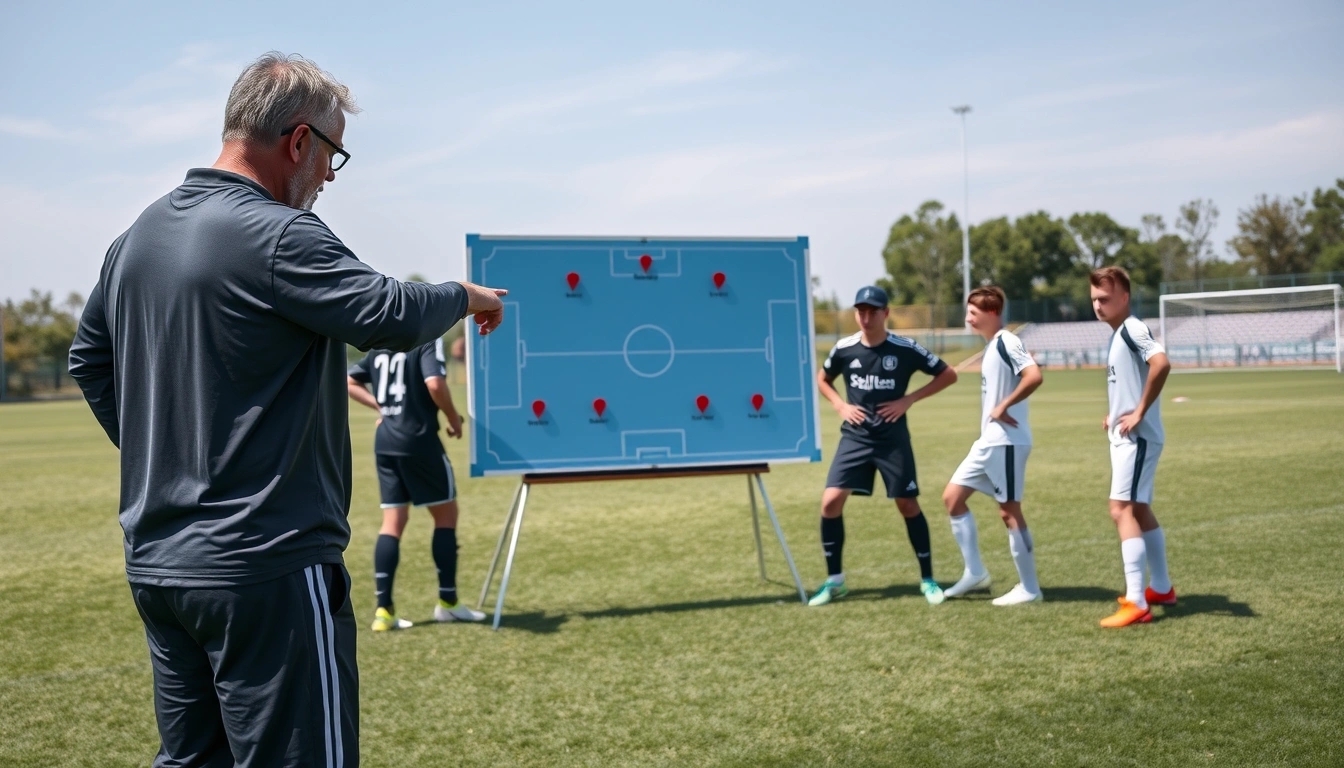
Common Mistakes Teams Make Against Low Blocks
When it comes to breaking down a low block defense, many teams stumble over the same old pitfalls. It’s almost like watching a rerun of a bad sitcom—rushing, impatience, and predictable moves take center stage, and the defense just laughs it off. Let’s be honest, a low block is designed to frustrate attackers, and nothing feeds that frustration more than a team that can’t keep its cool. So, what are these mistakes, and why do they keep happening? Buckle up, because this is where the game often slips away.
1. Rushing the Play
The biggest sin against a low block is rushing. Think about it: defenders are packed tight, like sardines in a can, and if you just slam the ball forward hoping for a miracle—spoiler alert—it rarely works. Teams often get impatient, pushing too many players forward without building a proper attack. This leads to sloppy passes, turnovers, and a quick counterattack against them.
2. Predictability Kills Creativity
Another huge mistake is falling into the trap of predictable play. If you keep trying the same crosses, the same dribbles, or the same through balls, defenders quickly catch on. Low blocks thrive on repetition because it’s easier to anticipate and neutralize. The defense isn’t just sitting there for no reason—they’re watching, waiting, and ready to snuff out your moves.
| Mistake | Why It Happens | How It Hurts |
|---|---|---|
| Rushing | Impatience to score quickly | Leads to turnovers and counterattacks |
| Predictable Play | Lack of variety in attack | Easy to defend and block chances |
| Lack of Movement | Players standing still or crowding | Defenders stay compact and unbothered |
3. Static Players and Poor Movement
If your attackers are just standing around waiting for the ball, congratulations, you just made the low block’s life easier. Movement off the ball is critical; it drags defenders out of position and creates those tiny gaps you need. Without it, the defense stays organized, and chances dry up faster than a puddle in the desert.
- Off-the-ball runs: Essential to pull defenders wide or out of shape.
- Quick positional shifts: Keeps the defense guessing.
- Communication: Players need to talk and coordinate.
4. Over-reliance on Individual Skill
Sure, a flashy dribble or a stunning solo run can break a low block, but banking on it too much is like putting all your eggs in one basket. Teams often expect their star players to do all the work, which leads to isolation and predictable patterns. Low blocks are too stubborn for solo efforts alone.
Practical Tips to Avoid These Mistakes
- Stay calm and patient; build attacks gradually.- Mix up your play style: switch flanks, alternate crosses and passes.- Encourage constant off-ball movement to disrupt defensive shape.- Use quick, short passes rather than hopeful long balls.- Involve multiple players in attack to avoid predictability.
In a nutshell, beating a low block isn’t about fancy tricks or hurried shots—it’s a chess game requiring patience, creativity, and smart teamwork. Avoid these common blunders, and you just might crack that fortress.
Frequently Asked Questions
- What is a low block in football?
A low block is a defensive tactic where a team positions most of its players deep in their own half, creating a compact, hard-to-penetrate defense. Think of it like a fortress, where defenders huddle close together to deny attackers any space to operate.
- Why do teams use low blocks?
Teams often use low blocks to protect a lead, absorb pressure from stronger opponents, or frustrate attacking teams. It’s like when you hunker down during a storm, waiting for the right moment to counterattack.
- What makes attacking against a low block so challenging?
Attacking a low block is tricky because defenders are tightly packed, leaving very little room to maneuver. Imagine trying to squeeze through a crowded elevator; patience and clever movement are key to finding that tiny gap.
- How can attackers break down a low block?
Patience and off-the-ball movement are essential. Stretching the defense wide, quick one-twos, and using creative players to unlock tight spaces can all help. It’s like solving a puzzle—each move creates an opening for the next.
- Why is wide play important against low blocks?
Using the flanks stretches the defense horizontally, forcing defenders to shift and potentially leave gaps behind. Think of it as pulling a rubber band—stretch it enough, and it snaps open.
- What role do set pieces play in breaking low blocks?
Since open-play chances are limited, set pieces like corners and free kicks become golden opportunities to score. They’re like surprise fireworks—quick, explosive moments that can catch the defense off guard.
- What common mistakes should teams avoid when attacking low blocks?
Rushing, impatience, and predictable passing patterns often lead to failure. It’s like trying to force a lock open with the wrong key; without finesse and timing, you won’t get through.
- Can creative players really change the game against low blocks?
Absolutely! Players with flair and dribbling skills can create magical moments in tight spaces, breaking down even the most stubborn defenses. They’re the artists painting outside the lines when everyone else sticks to the script.