
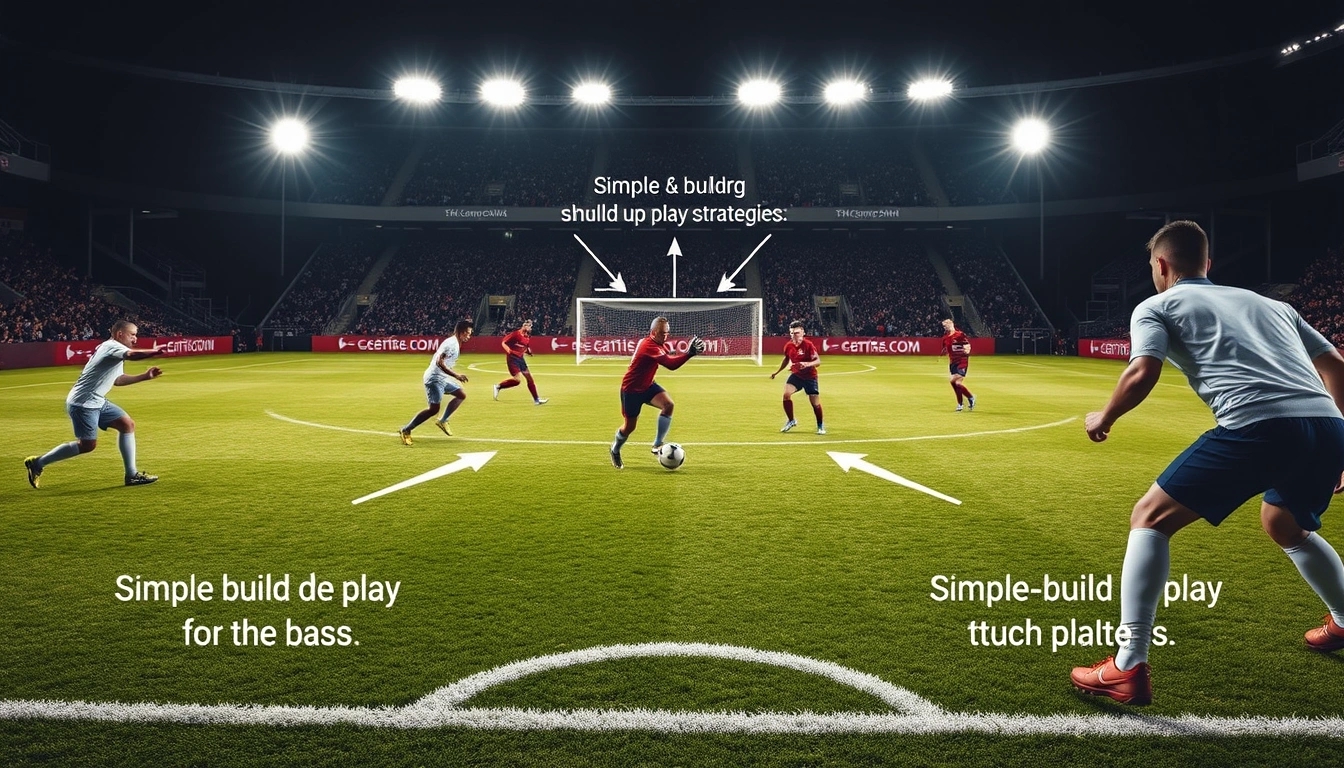
Alright, so let’s talk about this whole “building from the back” thing in football. It’s not just some fancy phrase coaches throw around to sound smart. Nope, it’s actually an art and a bit of a science, where teams start their attacks way deep in their own half — often from the defensive third. Sounds simple, right? Well, it kinda is, but also kinda isn’t. The magic lies in the details, the tiny moves, and the decisions made under pressure that shape how a team progresses the ball forward.
Here’s the deal: the modern game demands teams to be patient and precise rather than just booting the ball upfield and hoping for the best. So, what are the basics? Positioning is king. You want players spread out just enough to create passing options but not so far apart that you invite an easy interception. Risk management is also crucial — a misplaced pass can lead to a quick counterattack, and no one wants that headache.
| Key Elements | Description |
|---|---|
| Positioning | Players must maintain optimal spacing to offer multiple passing lanes. |
| Passing Options | Always have at least two passing options to avoid being trapped by pressing opponents. |
| Risk Management | Balance between playing safe and taking calculated risks to progress the ball. |
Now, the goalkeeper isn’t just a glorified shot-stopper anymore. These days, keepers are often the first playmakers. Think about it: when the ball lands in their gloves, they’re scanning the pitch like hawks, looking for the best outlet. A quick, accurate pass to a center-back or even a cheeky long ball can kickstart an attack before the opposition knows what hit ‘em.
Center-backs, on the other hand, are like the spine of the build-up. They’re juggling the need to keep the ball safe with the urge to be creative. And let me tell you, it’s not easy when the opposing forwards are breathing down your neck trying to nick the ball. These defenders often drop deep, sometimes between the goalkeeper and full-backs, to create passing triangles — which brings us to a nifty little concept.
- Passing Triangles: Why triangles? Because they create multiple passing options and make it harder for opponents to press effectively.
- Numerical Superiority: Midfielders often drop deep or drift wide to outnumber the pressers.
- Quick Movement: Players off the ball must constantly move to open spaces and keep the ball carrier’s options alive.
And full-backs? Forget the old stereotype of just hugging the sidelines and defending. These days, they’re like the Swiss army knives of the team — pushing high, creating overloads, and stretching the opposition’s defense. Their runs often open up space for midfielders to exploit or give the center-backs a safe passing option.
| Player Role | Build-Up Contribution |
|---|---|
| Goalkeeper | Initiates play, distributes smart passes, and acts as a safety valve. |
| Center-Backs | Balance safety and creativity, act as pivot points under pressure. |
| Full-Backs | Provide width, create passing lanes, and support midfield progression. |
| Midfielders | Drop deep or drift wide to form passing triangles and numerical superiority. |
Of course, all this sounds great on paper, but what about when the other team decides to press high and aggressively? That’s when the real test begins. Teams have to make split-second decisions, play quick, and move smartly off the ball to avoid being strangled. Sometimes, a cheeky backheel or a perfectly timed run can save the day.
So, what can coaches do to train this? Drills focusing on quick passing under pressure, positional awareness, and communication are key. Players need to get comfortable with the ball at their feet and trust their teammates. Because, at the end of the day, building from the back isn’t just about tactics — it’s about teamwork, confidence, and a little bit of bravery.
To wrap it up, building from the back might seem straightforward, but it’s a complex dance of positioning, passing, and movement. The teams that master this art are often the ones who control games and dictate the tempo. And honestly, watching a well-executed build-up play is like poetry in motion — messy, unpredictable, but oh so satisfying.
The Basics of Building from the Back
Alright, let’s dive into the nuts and bolts of how teams kick off their attacks right from the defensive third — sounds straightforward, but oh boy, it’s a delicate dance of brains, skill, and nerves. Building from the back isn’t just about passing the ball around your defenders; it’s a strategic chess game where positioning, passing options, and risk management play starring roles. Mess it up, and you gift the opposition a juicy chance; nail it, and you set the stage for a beautiful attacking move.
First off, positioning is everything. Defenders and the goalkeeper have to spread out smartly to create passing lanes. Imagine a spiderweb — if the threads are too tight or too loose, the whole thing falls apart. Players must constantly adjust based on where the opponents are pressing. It’s a bit like trying to find your friends in a crowded party without shouting.
- Goalkeeper often drops deep, acting as an extra defender, giving the team a safe outlet.
- Center-backs split wide to stretch the field, but not too far to avoid isolation.
- Full-backs push slightly upfield, ready to receive and progress the ball.
Now, about passing options — teams usually rely on creating triangles or diamonds, geometric shapes that offer multiple outlets and keep the ball moving fluidly. This isn’t just soccer mumbo jumbo; it’s a practical way to avoid getting trapped by aggressive pressing. Here’s a quick table to visualize typical passing options from the back:
| Position | Primary Passing Options | Purpose |
|---|---|---|
| Goalkeeper | Center-backs, Midfielders dropping deep | Safe distribution, reset play |
| Center-backs | Full-backs, Defensive midfielders | Stretch play, bypass pressing |
| Full-backs | Wingers, Midfielders | Advance ball, create width |
Risk management is the unsung hero here. Teams need to balance between playing safe and pushing forward. Sometimes, a back pass to the goalkeeper is the smartest move, even if it looks boring. Other times, a daring long ball might just surprise everyone — or backfire spectacularly. Coaches often drill players on recognizing these moments, because hesitation or recklessness can be costly.
Practical tip: When under heavy pressure, quick, short passes combined with off-the-ball movement create space. Players need to think one step ahead, almost like a game of 3D chess.
To wrap it up, building from the back is less about flashy skills and more about smart decisions, teamwork, and patience. Sure, it might not get the crowd roaring every time, but it’s the foundation upon which great attacks are built. Next time you watch a team calmly play out from defense, remember — there’s a whole tactical symphony happening behind those simple passes.
Role of the Goalkeeper in Build-Up Play
Let’s get one thing straight right off the bat: goalkeepers today aren’t just the last line of defense, flapping wildly at crosses or diving dramatically to save a point. Nope, the modern keeper has morphed into something akin to the team’s first midfielder. It’s almost like they’ve been handed a playmaker’s hat along with their gloves. Sounds fancy? Well, it is. The way goalkeepers handle the ball now can literally shape the entire attack.
Gone are the days when a keeper’s main job was to boot the ball as far as humanly possible, hoping a striker would chase it down. Nowadays, it’s all about intelligent distribution. They often start the play calmly, surveying the field like a chess player plotting their next move. Quick, precise passes to center-backs or full-backs, sometimes even launching a sneaky long ball to a winger making a run — it’s all part of their toolkit. And if they mess up? Well, the whole defense might pay the price. No pressure, eh?
- Short Passing: The keeper plays it safe, often passing to defenders nearby to keep possession and build patiently.
- Long Balls: When the moment calls for it, a well-placed long ball can bypass the midfield press and catch opponents off guard.
- Quick Throws: Sometimes, speed is the priority, and a rapid throw to a teammate can launch a counterattack before the other side is set.
| Distribution Method | When to Use | Risks |
|---|---|---|
| Short Pass | Under low pressure, to maintain possession | Risk of pressing opponent intercepting |
| Long Ball | When midfield is crowded, or for fast breaks | Loss of possession if inaccurate |
| Quick Throw | To exploit disorganized defense | Throwing into trouble if misjudged |
But hey, it’s not just about feet and throws — the mental game is huge. Goalkeepers need razor-sharp awareness, constantly scanning for open teammates and anticipating opponents’ pressing traps. They’re like a conductor, orchestrating the defense’s rhythm and timing. And don’t forget, they must stay calm under pressure — because one panicked clearance can ruin the entire build-up.
Here’s a little practical insight: coaches often drill keepers in small-sided games emphasizing quick decision-making and composure. These drills mimic real-game pressure, teaching keepers to pick the right option fast — whether a calm pass to a defender or an audacious long ball over the top.
At the end of the day, the goalkeeper’s role in build-up play has become a fascinating blend of caution and creativity. They’re not just shot-stoppers anymore; they’re the launchpad for attacks, the first spark in the chain reaction that leads to goals. So next time you see a keeper calmly playing out from the back, remember: that’s not just a simple pass, it’s a carefully calculated move in a high-stakes chess match.

Center-Backs: The Pivot Players
When you think about the backbone of a team’s build-up play, center-backs inevitably come to mind. These players aren’t just towering defenders waiting to clear the ball; they’re the spine of the entire operation, often juggling the fine line between safety and creativity. It’s a bit like walking a tightrope—one false step, and the opposition’s forwards are licking their lips, ready to pounce.
Let’s be honest, the pressure on center-backs today is insane. Opponents press aggressively, trying to snatch the ball high up the pitch. So, these defenders must keep their cool, think fast, and make split-second decisions. Passing options can be limited, and the risk of a misplaced ball can haunt the entire team. But when done right, their role in building from the back can unlock defenses like a master key.
- Positioning: Center-backs usually position themselves wide enough to create passing lanes but close enough to support each other. This spacing is crucial for maintaining balance and opening up the field.
- Passing Range: Their passing isn’t just about simple sideways or back passes. Modern center-backs often attempt line-breaking passes or switch the play to full-backs or midfielders, showing a surprising flair for creativity.
- Composure under Pressure: The ability to stay calm when opponents swarm is arguably their most valuable trait. Panic leads to errors, and errors can lead to goals conceded.
| Key Attributes | Description |
|---|---|
| Vision | Spotting teammates in tight spaces and anticipating movements to execute precise passes. |
| Ball Control | Managing the ball confidently even when under intense pressure to avoid turnovers. |
| Decision Making | Choosing when to play safe or take risks to break lines and start attacks. |
Now, don’t get me wrong—center-backs aren’t magicians. They rely heavily on support from their teammates. For example, midfielders dropping deep or full-backs pushing forward create passing triangles that make their job easier. But the moment a center-back steps up and threads a clever pass through a pressing wall, it feels like watching a chess grandmaster making a decisive move.
Here’s a practical nugget for coaches or even keen fans: drills focusing on quick one-two passes under pressure can massively improve a center-back’s composure and passing accuracy. Simulating high pressing scenarios during training forces defenders to sharpen their awareness and decision-making.
- Practice tight-space ball control exercises.
- Encourage scanning the field before receiving the ball.
- Train with progressive passing drills that reward risk-taking but emphasize safety.
In the end, center-backs today are more than just last-line defenders—they’re playmakers in disguise. Their ability to balance risk and safety, creativity and pragmatism, makes them pivotal in shaping how teams build up from the back. So next time you see a calm, collected center-back spraying passes or breaking lines, tip your hat. They’re doing the heavy lifting behind the scenes.
Full-Backs and Their Expanding Duties
You know, full-backs used to be the simple, no-nonsense defenders sticking close to their line, shooing away wingers, and not venturing too far forward. But oh boy, how times have changed! Nowadays, full-backs are more like Swiss Army knives on the pitch — versatile, dynamic, and absolutely essential for modern football’s build-up play. They’re no longer just the last line of defense on the flanks; they’ve morphed into key architects of attack, often acting as the primary source of width and creativity for their teams.
Let’s get real: full-backs are now pushing high up the field, almost behaving like wingers at times, but with a defensive brain still intact. This shift isn’t just about being flashy or showing off pace; it’s tactical genius. By advancing, full-backs create passing lanes that help midfielders and center-backs progress the ball forward safely. It’s like they’re opening windows in a crowded house, giving teammates fresh air to breathe and options to pass.
| Traditional Full-Back Role | Modern Full-Back Role |
|---|---|
| Stay back, focus on defense | Push high, provide width and crossing options |
| Mark wingers tightly | Create overloads on the flanks |
| Simple clearances and tackles | Initiate attacks with smart passes and dribbles |
Now, about those overloads — this is where full-backs really shine. By joining forces with wingers and midfielders, they outnumber opponents on the wings, making it easier to bypass defensive lines. It’s a bit like a chess game: if you can control the edges, you can stretch the opponent’s shape and find gaps to exploit. The full-back’s high positioning also drags opposing defenders out of their comfort zones, creating space for central players to operate.
- Width Creation: Full-backs stretch the field horizontally, preventing compact defenses.
- Progression: They carry the ball forward or deliver incisive passes into midfield or attack.
- Passing Options: Offering safe outlets for center-backs and midfielders under pressure.
Of course, this adventurous style isn’t without risks. When a full-back surges forward, they leave a gap behind that the opposition can exploit on the counter-attack. This demands excellent tactical awareness, fitness, and communication with midfielders who often drop back to cover. It’s a delicate balance — push too far and you’re toast; stay too cautious and you lose that attacking edge.
Practical Insight: Training Focus for Full-Backs- Positioning drills to time forward runs perfectly- Passing under pressure exercises to improve decision-making- Defensive recovery runs to minimize counter-attack vulnerability- Overload scenarios to practice combination play on the wings
In short, full-backs have become indispensable cogs in the modern football machine. They’re no longer just defenders but vital playmakers who can break lines, create chances, and dictate tempo. If you’re a coach or a player ignoring this evolution, you’re probably stuck in the past. Embrace the full-back’s expanding duties — it’s where the game’s headed, whether you like it or not.
Midfielders’ Positioning to Support Build-Up
When it comes to building up play from the back, midfielders are the unsung heroes, often slipping under the radar but absolutely crucial in dictating how smoothly a team transitions from defense to attack. You see, these players aren’t just parked in the middle of the pitch waiting for the ball to come to them—they’re constantly moving, adjusting their positions, and creating options for their teammates. It’s like a chess match, but with a ball and a lot more running.
One of the key moves midfielders make is dropping deep or drifting wide. Why? Because by doing this, they create passing triangles—those neat little geometric shapes coaches love to talk about. These triangles aren’t just fancy talk; they actually help maintain possession by providing multiple passing options. Imagine being a defender with the ball and seeing not one, but two or three teammates nearby, ready to receive the ball. It’s a lot less risky to pass when you’ve got options, and less chance of losing the ball to an eager opponent.
| Midfielder Movement | Purpose | Effect on Build-Up |
|---|---|---|
| Dropping Deep | Creates numerical superiority near defenders | Eases pressure, allows safe ball circulation |
| Drifting Wide | Stretches opposition shape horizontally | Creates space for central players to operate |
| Rotating Positions | Confuses pressing players | Generates passing lanes and disrupts opponent’s defensive structure |
Now, here’s where it gets a bit tricky. Midfielders have to balance being available as passing options without becoming a sitting duck for the opposition’s press. If they hang around too close to the defenders, they risk getting caught in tight spaces. Too far wide or too deep, and the team loses its shape. It’s a delicate dance of positioning and timing, and frankly, not everyone gets it right all the time.
- Passing Triangles: These are essential to create quick, short passes that can bypass the opponent’s first line of press.
- Numerical Superiority: By having more players in a certain zone, the team can outnumber the opponent, making it easier to keep possession.
- Spatial Awareness: Midfielders must constantly scan the field to adjust their positioning based on where teammates and opponents are.
In practice, coaches drill these concepts relentlessly. You’ll often see training sessions focusing on positional play where midfielders work on dropping into pockets of space or drifting wide to pull opponents out of position. It’s not just about technical skill but also about understanding the game’s rhythm and anticipating where the ball will be next.
And honestly, when midfielders get this right, it can feel like watching a well-oiled machine. The ball moves smoothly from the backline, through the midfield, and suddenly, the team is launching an attack with pace and precision. But screw it up, and you’re inviting chaos—turnovers, counter-attacks, and a whole lot of frustration.
So next time you watch a team patiently build from the back, pay attention to those midfielders. They’re the ones dropping deep, drifting wide, and making sure the whole operation doesn’t fall apart. Without their clever positioning and constant movement, the beautiful game’s intricate dance would be a lot messier.

Common Passing Patterns and Triangles
In the world of football, you might think that fancy flicks and long balls are what make the game thrilling, but let me tell you, the humble simple passing sequences and those geometric wonders called triangles are the real magic behind keeping the ball and slicing through the opponent’s press. It’s like a secret code teams use to keep possession and move forward without losing their heads—or the ball.
Now, why triangles? Well, imagine you’re in a tight spot and surrounded by defenders. If you stand alone, you’re toast. But if you create a triangle with two teammates, suddenly you’ve got two passing options. That’s the beauty of triangles: they provide constant outlets, making it tough for opponents to predict where the ball will go next. Plus, it keeps the ball moving, which is the best way to tire out a pressing defense.
| Passing Pattern | Description | Purpose |
|---|---|---|
| Triangle Passing | Three players positioned to form a triangle, offering multiple passing lanes. | Maintain possession and create numerical superiority. |
| Wall Pass (One-Two) | Player A passes to Player B and immediately runs forward to receive it back. | Bypass defenders quickly and break pressing lines. |
| Switch of Play | Quickly moving the ball from one side of the pitch to the other. | Exploit space and unbalance the pressing team. |
But it’s not just about standing still and passing around like a hot potato. Movement off the ball is just as crucial. Players have to constantly shift, create angles, and offer themselves as options. If you’re static, you might as well be invisible. The best teams make it look effortless, but it’s a constant game of chess.
- First, players drop deep or drift wide to open passing lanes.
- Second, quick, one-touch passes keep the tempo high and defenders guessing.
- Third, the ball is recycled patiently until an opening appears.
Here’s a little practical insight for coaches and players who want to master this art: training drills focusing on quick, short passes in tight spaces are gold. Set up small grids where players must complete a set number of passes without losing possession. Add a defender or two for pressure, and you’ve got a recipe for building composure under fire.
And don’t forget the mental side. Players need to read the game, anticipate teammates’ runs, and make split-second decisions. It’s not just about technical skill; it’s about football IQ.
To wrap it up, simple passing sequences and triangles might sound basic, but they’re the backbone of modern build-up play. They help teams keep the ball, break pressing traps, and control the game’s rhythm. So next time you watch a team smoothly progress from defense to attack, remember: it’s those unseen geometric shapes and smart passing patterns doing the heavy lifting behind the scenes.
Dealing with High Press: Quick Decisions and Movement
When the opposition decides to crank up the pressure and press aggressively, teams are often left scrambling to find a way out. It’s like being cornered by a pack of wolves—you gotta be sharp, quick, and clever to slip through. In modern football, high pressing has become a staple tactic, and teams that can’t adapt quickly often find themselves losing possession in dangerous areas. So, what’s the secret sauce to escaping this relentless pressure? It boils down to swift passing and intelligent off-the-ball movement. Sounds simple, but trust me, it’s easier said than done.
First off, the speed of passes is absolutely crucial. When opponents press high, they’re essentially trying to suffocate your build-up, cutting off passing lanes and forcing errors. The remedy? Pass the ball faster than their reactions. Quick one-twos, sharp lay-offs, and pinpoint accuracy become your best friends. No dawdling here; hesitation is a death sentence. Players need to be mentally prepared to make split-second decisions, often under immense pressure. And here’s a nugget of wisdom: sometimes, the best pass isn’t the flashy long ball but a simple, safe pass back or sideways to reset the play and lure opponents out of position.
- Off-the-ball runs are the unsung heroes in this scenario. Players must constantly move to create passing options, dragging defenders out of shape and opening up pockets of space.
- These runs aren’t just random sprints but smart, calculated movements anticipating where the ball will be next.
- Without these intelligent runs, the team’s shape collapses, making it easier for the pressing team to trap the ball carrier.
To put it plainly, it’s a chess game played at lightning speed. Here’s a quick rundown of what players focus on when facing a high press:
| Key Aspect | Player Focus | Outcome |
|---|---|---|
| Quick Passing | Use one-touch or two-touch passes, avoid holding the ball | Reduces chance of interception, keeps opponents chasing |
| Movement Off the Ball | Make runs into space, offer passing lanes | Creates numerical superiority and breaks pressing lines |
| Body Positioning | Open body to see multiple passing options | Allows faster decision-making and better ball control |
But hey, let’s not kid ourselves—this isn’t foolproof. Sometimes, you just get caught. The press is a gamble, and if the opposing team’s coordination is spot on, even the best-laid plans can unravel. That’s why coaches drill these scenarios relentlessly in training. Drills like rondos, positional games, and small-sided matches force players to think and act quickly under pressure. The goal? Make quick passing and movement second nature.
Practical Drill Example:- Set up a 5v2 rondo in a tight grid.- The 5 players must keep possession using one or two touches.- The 2 defenders press aggressively to win the ball.- Rotate defenders frequently to keep intensity high.
In the end, escaping a high press is all about composure under pressure, combined with teamwork and tactical awareness. It’s a messy, chaotic dance where a single misstep can lead to disaster—or a brilliant piece of play can open the floodgates. Teams that master this art not only keep possession but also lay the foundation for some of the most exciting attacking moves in football today.
So next time you see a team calmly threading passes through a swarm of defenders, remember—it’s not just skill, it’s brains, guts, and a heck of a lot of practice.
Practical Insights: Training Drills to Improve Build-Up
When it comes to building from the back under pressure, coaches have a whole arsenal of drills designed to sharpen players’ composure, decision-making, and technical skills. It’s not just about kicking the ball around aimlessly; these exercises force players to think on their feet and stay calm when the heat is on. Let’s dive into some go-to drills that teams swear by to master this tricky aspect of the game.
1. Rondos with a Twist
Rondos are a classic, but to simulate real-game pressure, coaches often add layers of complexity. Imagine a 5v2 rondo but with limited touches allowed and a shrinking playing area as the drill progresses. This ramps up the intensity and forces defenders and midfielders to make lightning-fast decisions. The goal? Improve quick passing, spatial awareness, and the ability to keep possession when opponents swarm.
| Drill | Focus Area | Key Benefits |
|---|---|---|
| Rondos with Limited Touches | Quick passing, pressure handling | Improves ball control and decision speed |
| Build-Up Lines Drill | Passing sequences, positioning | Enhances understanding of passing lanes and support |
| Press Resistance Game | Composure under pressure | Teaches players to remain calm and find creative solutions |
2. Build-Up Lines Drill
This drill is all about recreating the defensive third’s passing options. Players form lines mimicking defenders, midfielders, and forwards. The coach applies pressure from “opponents” who try to intercept passes or force mistakes. Players must work the ball through these lines using short, sharp passes and smart movement. It’s a brilliant way to get the team thinking about positioning and how to create passing triangles or diamonds.
- Set-up: Three lines of players spaced about 10-15 meters apart
- Objective: Move the ball from the back line to the midfield line without losing possession
- Variation: Add a time limit or restrict touches to increase difficulty
3. Press Resistance Game
Nothing beats the real thing, so coaches often design small-sided games where the defending team faces aggressive pressing from attackers. The defenders must keep their cool, communicate, and use the goalkeeper as a reliable outlet. This drill highlights the importance of composure and encourages players to scan the field constantly. Expect mistakes and chaos here—it’s all part of the learning curve.
Tips for Coaches:- Encourage constant communication between players- Reward calmness over risky long balls- Rotate players through different positions to build versatility- Use video feedback to highlight decision-making moments
In the end, these drills don’t just improve technical skills; they build confidence. Players learn that pressure is just part of the game, and with the right mindset and practice, building from the back can become second nature. So next time you see a team calmly threading passes out of their defensive third, remember—it’s hours of sweat and repetition behind that smooth build-up play.
Case Studies: Teams Excelling in Build-Up Play
Alright, let’s dive into some real-world magic where teams have nailed the art of building from the back. It’s not just theory or some fancy jargon thrown around by pundits; these clubs show exactly how to turn defense into a launchpad for attack — sometimes so smoothly it almost looks like cheating.
Manchester City is often the poster child for modern build-up play. Pep Guardiola’s side treats the goalkeeper almost like an extra midfielder. Ederson’s quick feet and sharp vision mean he’s not just stopping shots but actively starting attacks. The full-backs, especially Cancelo and Walker, push high and wide, creating overloads and opening passing lanes. The midfield drops in, creating triangles that make it ridiculously hard for opponents to press effectively. It’s like watching a well-oiled machine where everyone knows their role but also improvises when needed.
| Team | Key Build-Up Traits | Notable Players |
|---|---|---|
| Manchester City | Goalkeeper as playmaker, high full-backs, midfield triangles | Ederson, Cancelo, De Bruyne |
| Bayern Munich | Quick center-back distribution, aggressive full-back runs, midfield pivot | Neuer, Kimmich, Davies |
| Ajax | Patient possession, flexible positioning, youth-driven creativity | Onana, Blind, Gravenberch |
Now, Bayern Munich takes a slightly different route. Their build-up is fast, direct, and fearless. Neuer, the legendary sweeper-keeper, is a master at stepping out and playing precise long balls or short passes under pressure. The center-backs don’t just sit back; they actively look for quick outlets, often bypassing the midfield to catch opponents off guard. The full-backs, like Alphonso Davies, are like rockets on the wings, offering width and pace. Midfielders like Kimmich orchestrate everything, dropping deep to connect defense and attack seamlessly.
- Key Insight: Bayern’s build-up thrives on speed and verticality, unlike City’s patient possession.
- Training Focus: Drills that improve quick decision-making and long-range passing under pressure.
Then there’s Ajax, the Dutch wunderkind factory. Their build-up play is almost poetic — slow, patient, and full of clever positional rotations. Young players like Onana and Blind emphasize calmness on the ball, rarely rushing passes. The team uses flexible formations, often morphing during the build-up to create numerical superiority and passing triangles. It’s a bit like watching a chess game unfold on the pitch.
Ajax Build-Up Characteristics:- Patience over haste- Flexible positioning- Youth-driven creativity- Emphasis on possession retention
One thing’s clear: these teams don’t just build from the back because it’s trendy — they do it because it works. It’s not without risks, though. High pressing opponents can disrupt even the best-laid plans, forcing these teams to adapt on the fly. The takeaway? Mastering build-up play means mastering adaptability, communication, and a bit of daring.
So next time you watch a team calmly passing out from their own box, remember — it’s a complex dance of roles, risks, and razor-sharp decisions. And these clubs? They’re the best dancers on the pitch.
Frequently Asked Questions
- What does “building from the back” mean in football?
Building from the back refers to the strategy where a team starts its attack from the defensive third, typically involving the goalkeeper and defenders passing the ball carefully to maintain possession and create opportunities. It’s like laying the foundation of a house—if it’s solid, everything else stands strong.
- Why is the goalkeeper important in build-up play?
Goalkeepers today are more than just shot-stoppers; they act as the first playmakers. Their ability to distribute the ball accurately and calmly under pressure can unlock tight defenses and set the tempo for the entire team’s attack.
- How do center-backs contribute to starting attacks?
Center-backs serve as pivots in build-up play. They balance safety and creativity by choosing smart passes and holding their ground under pressing opponents. Think of them as the team’s anchors, holding everything steady while looking for forward options.
- What roles do full-backs play in modern build-up tactics?
Full-backs have evolved into vital outlets for width and progression. By pushing high up the pitch, they create passing lanes and overloads, helping to stretch the opposition and open up spaces for teammates.
- How do midfielders support the build-up phase?
Midfielders drop deep or drift wide to form passing triangles and numerical superiority. This tactical positioning helps maintain possession and smooth the transition from defense to attack, like skilled connectors in a chain.
- What are passing triangles and why are they important?
Passing triangles are geometric patterns formed by players that provide multiple passing options, making it easier to keep the ball and bypass pressing opponents. They act like traffic signals, guiding the flow of play efficiently.
- How do teams deal with intense high pressing?
When facing aggressive pressing, teams rely on quick decision-making, sharp passes, and smart off-the-ball movement to escape pressure. It’s a bit like a high-speed chess game—anticipation and swift execution win the day.
- Can training drills really improve build-up play?
Absolutely! Coaches use specific drills focusing on passing under pressure, positioning, and movement to sharpen players’ skills. Regular practice turns these tactics from theory into instinct, much like rehearsing a dance routine until it’s flawless.
- Which teams are known for excelling at building from the back?
Clubs like Manchester City, Bayern Munich, and FC Barcelona are famous for their effective build-up play. They combine tactical discipline, technical skill, and intelligent positioning to control games from the defensive third onward.