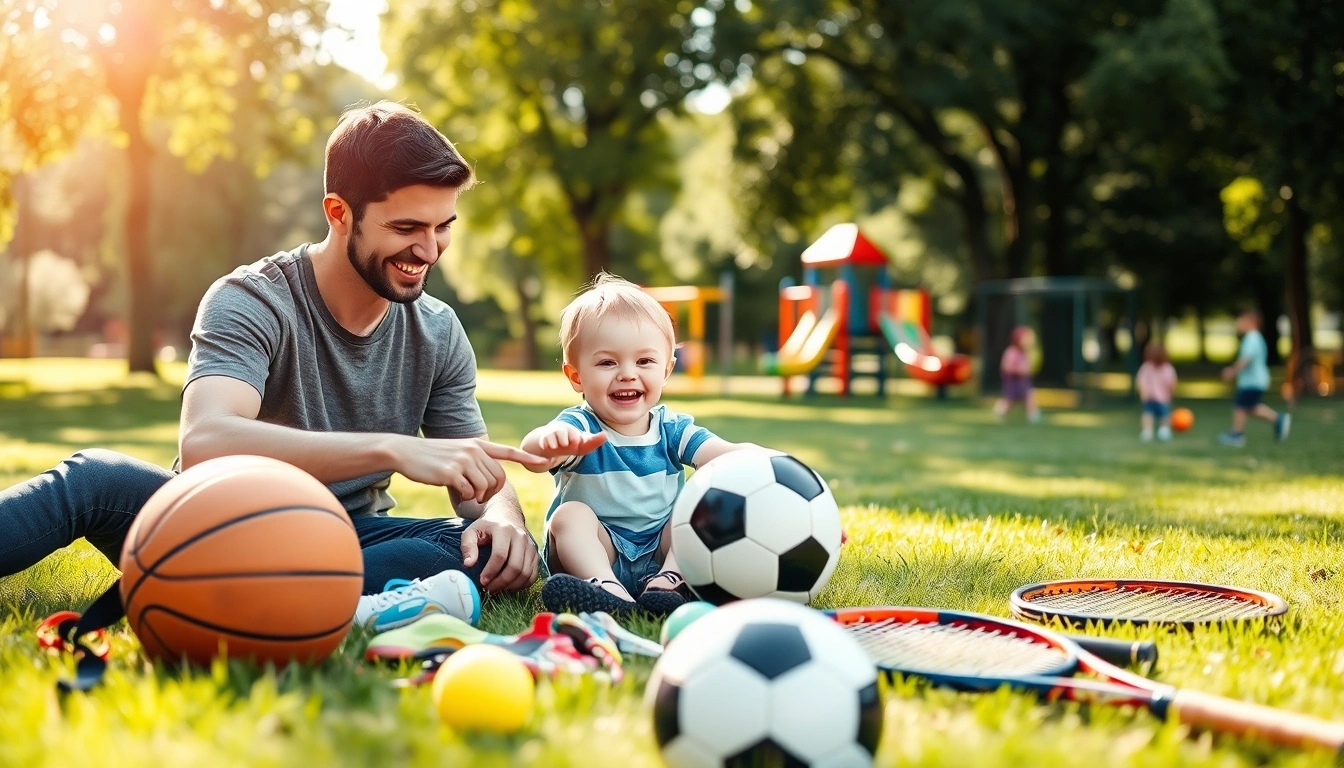
Picking the perfect sport for your kiddo isn’t just about jumping on the latest bandwagon or what all the other kids are doing this season. Nope, it’s way more than that. It’s a cocktail of their happiness, health, and, let’s be honest, a bit of trial and error. You might think your little one is destined to be the next soccer superstar, but then they might surprise you by falling head over heels for swimming or even something quirky like ultimate frisbee. The key? Patience and keeping an open mind.
Understanding Your Child’s Interests
Before you rush out to buy cleats or a shiny new basketball, take a step back. What really gets your kid excited? Is it running around with friends, or do they prefer solo challenges? Sometimes kids don’t even know what they like until they try it, so exposing them to different options is a smart move. Watch for those little sparks of joy—like when they light up playing tag or show off their ninja moves at home. That’s your clue.
| Signs Your Child Might Love a Sport | What To Watch Out For |
|---|---|
| Excited to practice or play regularly | Getting bored or frustrated quickly |
| Asks questions about the sport | Reluctance to join in or skipping sessions |
| Shows natural coordination or interest | Physical discomfort or fear of injury |
Physical Abilities and Development
Kids aren’t mini adults, and their bodies are all over the place in terms of growth and coordination. What’s perfect for a 7-year-old might be a nightmare for a 12-year-old. So, knowing your child’s physical strengths and limits helps. If they’re super fast and love running, track or soccer could be a hit. But if they’re more about balance and precision, gymnastics or martial arts might be the ticket. Don’t force it though—if your kid’s body screams “nope,” pushing too hard can backfire big time.
- Team sports build social skills and teamwork but can sometimes overwhelm shy kids.
- Individual sports offer personal growth and focus but might lack the social buzz.
Team Sports vs. Individual Sports
This is a classic dilemma. Does your kiddo thrive in a buzzing crowd or prefer flying solo? Team sports like basketball or soccer can teach cooperation and make for awesome friendships, but they also come with the pressure of group dynamics and sometimes drama. Individual sports like tennis or swimming let your child set their own pace but might feel lonely if they crave social connection. No right or wrong here—just what fits your kid’s personality.
| Pros of Team Sports | Pros of Individual Sports |
|---|---|
| Social bonding and teamwork | Focus on self-improvement |
| Shared responsibility | Flexible training schedules |
| Group motivation | Less peer pressure |
Considering Your Family’s Schedule
Let’s get real—sports aren’t just about the kid. They’re about the whole family. Practices, games, tournaments, sometimes hours away from home. Can your family juggle that chaos? If your schedule’s already bursting at the seams, maybe a low-key sport or seasonal activity is better. Remember, burning out parents is a thing, too.
Costs and Equipment
Some sports are wallet-eaters. Ice hockey? Hello, expensive gear and rink fees. Soccer? Generally budget-friendly but still needs cleats and uniforms. Before signing up, crunch the numbers. Factor in equipment, travel, coaching fees, and even snacks (because, of course, kids get hungry). Planning ahead saves you from financial fumbles later.
Local Availability and Facilities
Dreaming of your kid becoming a surfer in the middle of Kansas? Might be tough. Check what’s actually accessible in your area. Good facilities and clubs nearby make a huge difference in sticking with a sport. No point in falling in love with something that requires a 2-hour drive every practice.
Coaching Quality and Environment
A coach can make or break the whole experience. Look beyond shiny trophies and focus on how the coach treats kids. Are they encouraging or just drill sergeants? The vibe matters—kids need a positive, supportive environment to thrive.
Health Benefits and Injury Risks
Every sport has its risks, but some are more injury-prone than others. Balance the fun with safety—if your kid’s prone to injuries, maybe avoid the rougher contact sports. But don’t be overprotective either; some bumps and bruises are part of growing up.
Long-Term Commitment and Progression
Is your child a “stick to one thing” type or a “try everything” explorer? Both are fine, but knowing this helps you plan. Sports with clear progression paths can keep motivated kids engaged, but forcing commitment too early can backfire.
Social Development and Friendships
Sports are social goldmines. They teach kids how to cooperate, compete healthily, and make friends. Sometimes, the social aspect is even more important than the sport itself.
Encouraging Fun Over Competition
At the end of the day, it’s gotta be fun. Kids chasing trophies is great, but if the joy’s gone, what’s the point? Keep the focus on enjoyment, learning, and personal growth.
Signs It’s Time to Switch Sports
Sometimes, the first pick just isn’t the right fit. If your kid’s constantly unhappy, dreading practice, or showing signs of burnout, it might be time to try something new. Better to switch early than drag out misery.
In the wild world of youth sports, there’s no foolproof formula. But with a bit of observation, patience, and a dash of flexibility, you’ll find a sport that fits your kid like a glove — or at least not like a straitjacket.
Understanding Your Child’s Interests
Before you rush out to buy the latest sneakers or snag a shiny new bat, it’s crucial to hit pause and really get a feel for what your kiddo is into. Seriously, don’t just pick a sport because it’s all the rage or because your neighbor’s kid is killing it on the soccer field. The whole point is to find something that lights a fire in your child’s eyes, something that makes them want to move, laugh, and maybe even sweat a little (but not too much, because ew, right?).
Kids are funny creatures — one day they might be obsessed with basketball, the next, it’s all about dancing or climbing trees. So, the key here is observation and a bit of detective work. What gets them bouncing off the walls? What activities make them forget about their screens? Sometimes, it’s not a traditional sport at all; it could be skateboarding, martial arts, or even just running around with friends. The trick is to listen, watch, and ask questions without turning it into a full-blown interrogation.
| Signs Your Child Enjoys a Sport | What to Watch Out For |
|---|---|
| Excitement when talking about the activity | Reluctance or complaints about practice or games |
| Voluntary practice or play outside scheduled times | Frequent injuries or discomfort |
| Positive social interactions with teammates or peers | Signs of stress or pressure |
Don’t be shy about letting your child try a few different things. Think of it like sampling ice cream flavors — you don’t want to commit to rocky road if you haven’t tried the vanilla first. Trial and error is part of the process, and that’s okay! Just remember, the goal isn’t to create the next superstar athlete (unless that happens naturally, then hey, go for it), but to help your child find joy in movement and activity.
- Ask open-ended questions: “What did you like about playing today?” rather than “Did you have fun?”
- Watch their energy levels: Are they eager to get to practice or dragging their feet?
- Notice their mood: Do they smile and laugh or seem frustrated and anxious?
At the end of the day, it’s about your kid’s happiness and enthusiasm. If you push too hard or choose a sport just because it looks cool, you might end up with a kid who dreads every practice and counts down the minutes until it’s over. And nobody wants that. So, take your time, keep an open mind, and remember — the best sport for your child is the one that makes them want to jump up and play, not the one that fills your trophy shelf.
Practical Tip:- Spend a weekend trying out different sports programs or community classes.- Let your child lead the way in choosing what to try next.- Keep a journal of what they enjoy and what they don’t to spot patterns.
Physical Abilities and Development
When it comes to picking a sport for your kid, one size definitely does NOT fit all. Every child’s body is a unique little universe of strengths, quirks, and yes, limitations. Trying to shove a square peg into a round hole — like pushing a kid who’s built for sprinting into a marathon or a small-framed kid into football — is just asking for trouble. So, before you sign them up for the latest craze or what’s “cool” among their friends, take a step back and really look at what their body is telling you.
- Growth Spurts and Coordination: Kids don’t grow in a straight line. One week they might be all gangly arms and legs, the next they’re surprisingly coordinated. This rollercoaster means their athletic skills can fluctuate wildly — patience is key.
- Strength vs. Endurance: Some kids are naturally strong little dynamos, others are built for stamina. Recognizing this helps in choosing sports that highlight their natural gifts instead of fighting against them.
- Flexibility and Agility: Dancing, gymnastics, or martial arts might be a better fit if your kid is bendy and quick on their feet.
| Physical Trait | Sports That Might Fit | Potential Challenges |
|---|---|---|
| Explosive Speed | Track sprints, soccer, basketball | May struggle with endurance-heavy sports |
| Endurance | Swimming, long-distance running, cycling | Less suited to quick bursts of power |
| Flexibility | Gymnastics, dance, martial arts | May lack brute strength for contact sports |
Now, don’t get me wrong — kids can surprise you. Sometimes a kid who seems all thumbs in coordination can suddenly develop ninja-like reflexes. But it’s smart to keep expectations grounded and let them explore without pressure. After all, forcing a kid into a sport that feels like a straitjacket won’t just kill their enthusiasm, it could lead to injuries or burnout.
Remember, physical development isn’t just about muscles and bones. It’s about how your child’s brain and body sync up — balance, timing, spatial awareness — all that jazz. Some kids pick up new skills lightning fast, others need a bit more time. So, mixing in some variety early on can help their overall development and keep boredom at bay.
Tips for assessing your child’s physical readiness:- Watch how they move naturally during playtime- Notice if they tire quickly or keep going strong- See if they enjoy fast-paced action or slow, steady activities- Ask them what feels fun, not just what looks cool
In the end, the goal is to find a sport that fits your kid like a glove — snug, comfortable, and letting them shine without squeezing the joy out of it. So, take a deep breath, observe, experiment, and most importantly, keep it fun. Because a happy kid is the best athlete of all.
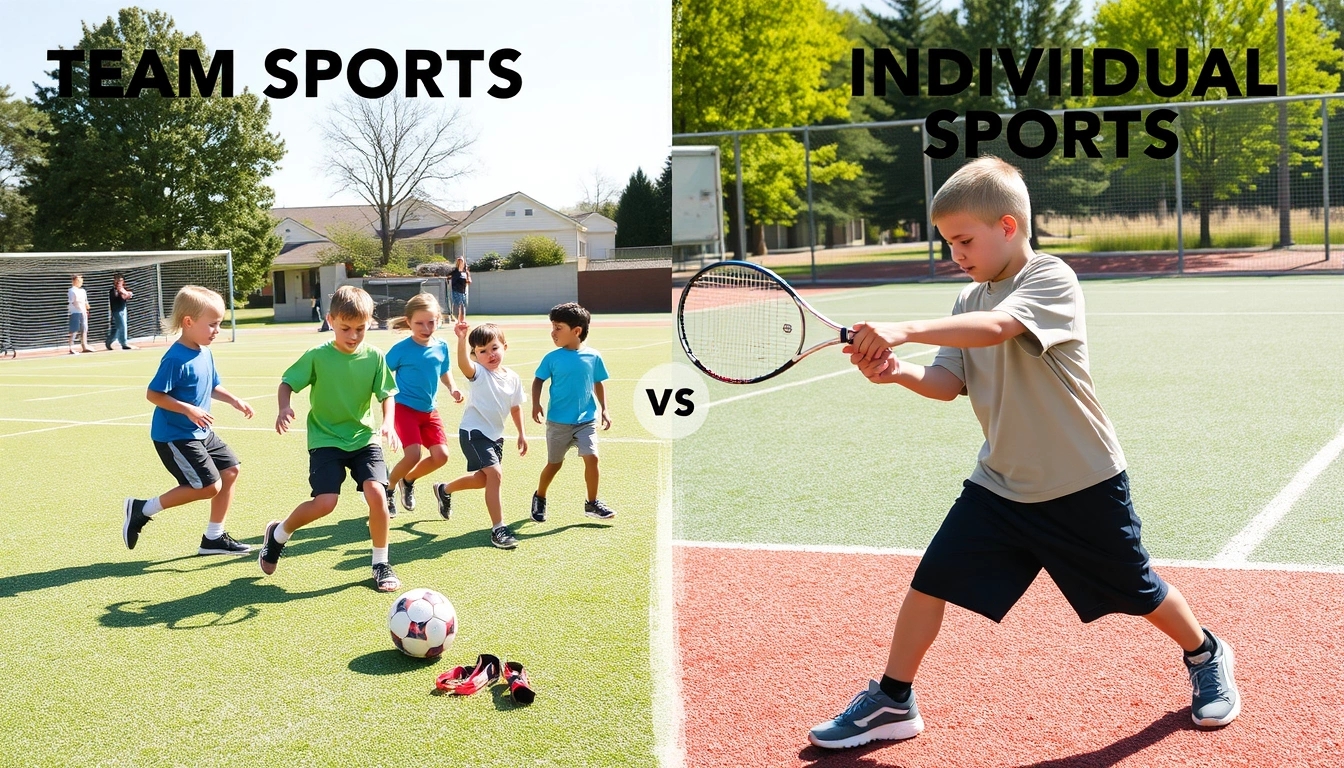
Team Sports vs. Individual Sports
Team Sports vs. Individual Sports: the age-old question every parent faces when trying to figure out where their kid fits in the vast world of athletics. Should your child thrive in a squad or shine solo? Well, buckle up, because this isn’t just a simple yes or no—it’s a bit of a rollercoaster ride with plenty of twists and turns.
First off, team sports like soccer, basketball, or volleyball are the ultimate social playgrounds. They teach kids how to cooperate, communicate, and sometimes deal with that one teammate who just won’t pass the ball (you know who you are). These sports often foster a sense of belonging and camaraderie, which can be a huge boost for a child’s confidence. Plus, there’s nothing quite like the thrill of high-fiving your buddies after a well-earned win. But, hey, it’s not all sunshine and rainbows. The pressure to perform for the group can be intense, and for some kids, it might feel like they’re just one cog in a big machine—sometimes overlooked, sometimes overwhelmed.
On the flip side, individual sports such as tennis, gymnastics, or swimming put the spotlight directly on the athlete. It’s all about personal growth, discipline, and self-motivation. If your kid is the kind who loves setting their own pace, chasing personal bests, and doesn’t mind flying solo, these sports can be a fantastic fit. The downside? Well, no teammates to share the glory or the heartbreak. It can get lonely, and the pressure to succeed rests squarely on their shoulders—which can be a lot for a kid to handle.
| Aspect | Team Sports | Individual Sports |
|---|---|---|
| Social Interaction | High – builds friendships and teamwork | Low – mostly self-driven |
| Responsibility | Shared among team members | Fully on the athlete |
| Pressure | Can be diffused by team support | Intense personal pressure |
| Flexibility | Schedules often fixed for practice/games | More control over training times |
| Recognition | Shared spotlight | Individual accolades |
Now, let’s not pretend that one is better than the other universally. It really boils down to your kid’s personality, temperament, and what makes them tick. Some kids blossom in the hustle and bustle of a team environment, while others prefer the quiet focus of individual pursuits. And hey, some kiddos might want to try both—because why settle, right?
- Consider your child’s social needs: Are they outgoing and chatty, or more reserved and introspective?
- Assess their coping style: Do they thrive under group pressure or prefer managing their own challenges?
- Think about motivation: Are they driven by team goals or personal milestones?
A quick heads-up: sometimes kids start off loving a team sport but later find their groove solo, or vice versa. It’s perfectly normal. The key is to stay flexible and keep checking in with them—because forcing a square peg into a round hole only leads to frustration (and possibly a few tantrums).
And if you’re still stuck, here’s a little practical insight: try a “trial season” approach. Let your child test-drive a team sport and an individual sport for a few months each. Watch how they respond—not just on the scoreboard, but emotionally and socially. It’s not about winning trophies; it’s about finding joy and growth.
So, should your child thrive in a squad or shine solo? The honest answer is: it depends. But weighing these pros and cons now can save you from a lot of headaches later—and that’s a win for everyone involved.
Considering Your Family’s Schedule
Alright, let’s get real for a second. Sports aren’t just about the kid showing up and having a blast. Nope, there’s a whole circus behind the scenes — practices, games, tournaments, and yes, the dreaded travel time. Before you sign your little MVP up for that ultra-competitive soccer league or the weekend-long swim meets, take a good, hard look at your family’s calendar. Can you handle the whirlwind? Because sports can quickly turn your life upside down if you’re not prepared.
Think about it: practices usually happen multiple times a week, often right after school or work. Then there are games, which might be on weekends or sometimes even on weeknights. If you’ve got more than one kid playing different sports, well, buckle up — you’re basically running a mini-transport company. Add in travel to away games, sometimes an hour or more each way, and suddenly your family car’s clocking more miles than a taxi.
| Sport | Practice Hours | Game Hours | Travel Time |
|---|---|---|---|
| Soccer | 4-6 hours | 2-3 hours | 1-4 hours (weekends) |
| Basketball | 3-5 hours | 2-3 hours | 1-3 hours |
| Swimming | 4-7 hours | 2-4 hours | Varies (depends on meets) |
| Martial Arts | 2-4 hours | 1-2 hours | Minimal |
| Track & Field | 3-5 hours | 2-3 hours | 1-3 hours |
Honestly, if your family’s already juggling work, school, and a social life, piling on a high-demand sport can feel like signing up for a second full-time job. And let’s not even start on the stress of coordinating who’s driving where and when. The last thing you want is to feel like a taxi dispatcher rather than a supportive parent.
- Ask yourself: How flexible is your work schedule? Can you leave early for games or practices?
- Consider: Do you have reliable transportation? What about backup plans for when something comes up?
- Think about: How will this affect your child’s downtime and family quality time?
Sometimes, a low-key sport or recreational activity might just be the better fit. Something that doesn’t require you to be on-call 24/7 or spend weekends in the car. Maybe a local swim class, casual biking, or even hiking on weekends. It’s all about balance — you want your kid to enjoy the sport without turning family life into chaos central.
And hey, if you do decide to dive into a more intense sport, consider setting some ground rules. Maybe limit the number of tournaments or travel events per season. Or maybe tag-team the driving duties with other parents. Because let’s face it, nobody wants to be the “chauffeur parent” forever.
In the end, choosing a sport isn’t just about what your kid wants or what’s popular — it’s about what your whole family can realistically handle without losing their minds. So, take a deep breath, check that calendar, and maybe keep a flask of coffee handy. You’re gonna need it.
Costs and Equipment
Alright, let’s get real for a second—sports can be an absolute wallet-buster. Some activities gobble up cash faster than a kid dashing across the playground during recess. You might think, “Hey, it’s just a hobby,” but soon enough, you’re knee-deep in expenses for gear, uniforms, registration fees, travel costs, and don’t even get me started on those surprise tournament fees. Budgeting for your child’s sport is not just smart; it’s survival.
First off, gear costs vary wildly depending on the sport. Take ice hockey, for example: pads, helmets, sticks, skates—the list feels endless and expensive. Compare that to soccer, where a decent pair of cleats and a ball might do the trick. But even then, don’t be fooled. Quality equipment means safety and better performance, so cutting corners could backfire.
| Sport | Initial Gear Cost | Annual Fees (League, Travel) | Additional Expenses |
|---|---|---|---|
| Ice Hockey | $500 – $1,000 | $800 – $1,500 | Tournament fees, travel |
| Soccer | $100 – $300 | $200 – $600 | Uniforms, travel |
| Gymnastics | $150 – $400 | $400 – $1,000 | Leotards, competitions |
| Basketball | $100 – $250 | $300 – $800 | Travel, camps |
Now, here’s a pro tip: don’t buy everything brand new unless you’re made of money. Checking out secondhand stores, local sports exchanges, or even borrowing gear from friends can save a ton. Just make sure the equipment is safe and fits well—no point in risking injury just to save a few bucks.
Then there’s the registration and participation fees. Some clubs are pretty chill, charging a modest fee to cover basics. Others? Well, they treat youth sports like a luxury brand, with fees that’d make your head spin. And if your kid’s team is traveling around the state (or country), brace yourself for extra costs—hotels, gas, meals. Suddenly, that “fun weekend game” turns into a mini vacation budget.
- Tip 1: Ask the club for a full breakdown of fees before signing up.
- Tip 2: Look for scholarships or financial aid programs—yes, they exist!
- Tip 3: Factor in hidden costs like snacks, water bottles, and extra practice sessions.
Honestly, it’s easy to get carried away trying to give your kid the best experience. But remember, sometimes less is more. The goal is to keep them active and happy, not bankrupt the family bank account. If you’re sweating over the costs, consider sports that require minimal equipment or community programs that offer sliding-scale fees.
And hey, don’t forget the time investment—practices, games, and gear maintenance all eat into your schedule. Sometimes the “cost” isn’t just money but your sanity too. So, before you sign that check, weigh the financial and time commitments carefully.
In the end, budgeting for sports isn’t just about dollars and cents—it’s about setting your kid up for success without the financial fumbles. Keep an eye on expenses, get creative with gear, and don’t be afraid to ask questions. Your wallet—and your kid—will thank you.
Local Availability and Facilities
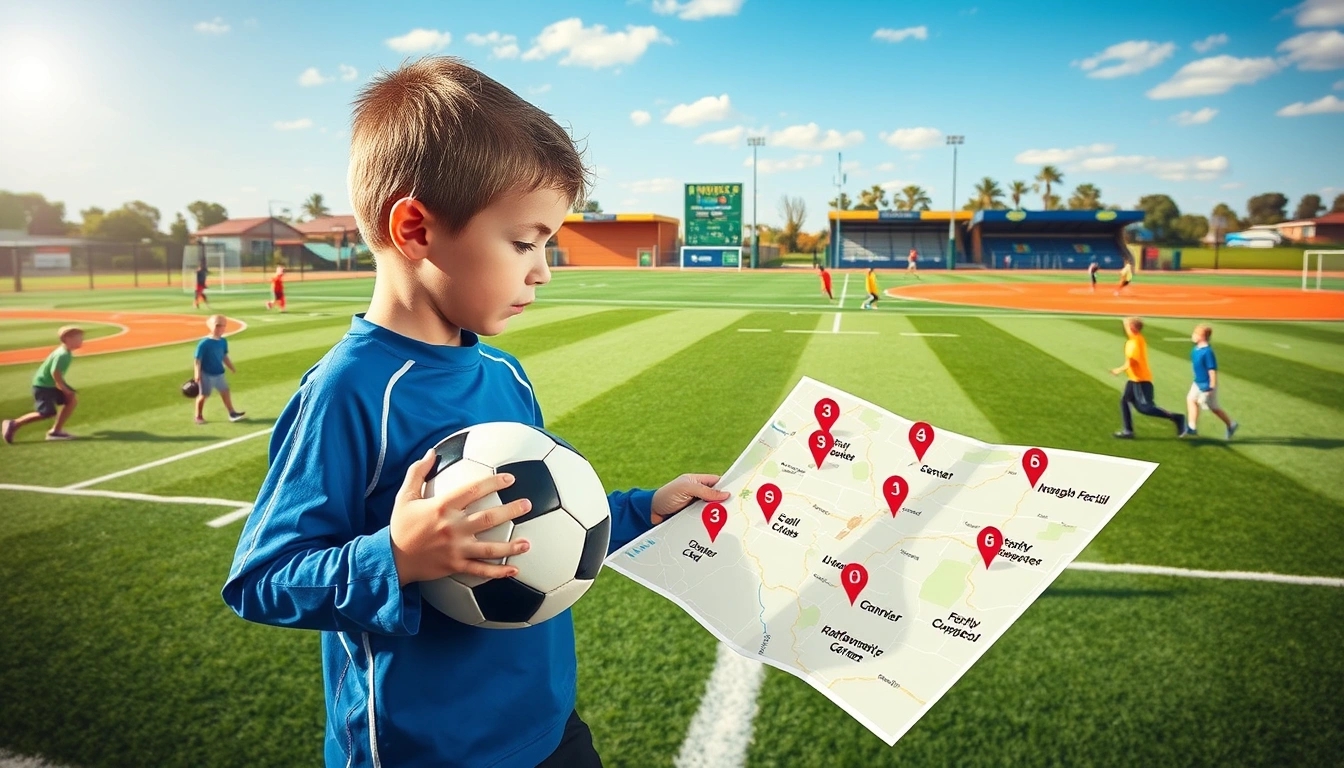
Dreaming of your kiddo becoming the next Wayne Gretzky or Sidney Crosby is all fun and games until you realize you live smack dab in the middle of a desert where ice hockey rinks are about as common as snow in July. Yeah, accessibility to sports facilities and clubs isn’t just a minor detail—it’s a total game-changer. You might have a kid bursting with energy and passion, but if the local scene doesn’t support that sport, it’s like trying to play baseball without a bat. Spoiler alert: it ain’t gonna work.
Let’s get real for a sec. When choosing a sport for your child, you gotta consider what’s actually available within a reasonable distance. It’s not just about convenience; it’s about giving them a genuine chance to develop skills, make friends, and enjoy the sport without turning the whole family into a taxi service running back and forth across town every weekend.
| Sport | Facility Type Needed | Typical Availability in Urban Areas | Typical Availability in Rural Areas |
|---|---|---|---|
| Ice Hockey | Ice Rink | Moderate to High | Low to None |
| Soccer | Outdoor Field | High | Moderate |
| Swimming | Indoor/Outdoor Pool | Moderate | Low to Moderate |
| Basketball | Indoor Court | High | Moderate |
| Track & Field | Open Track/Field | High | Moderate |
So, what’s the takeaway here? Before you get all hyped about signing your kid up for that ultra-trendy sport you saw on TV, do a little homework. Scope out the local clubs, facilities, and even community centers. Are there qualified coaches? Is the equipment accessible? What’s the cost? Because let’s face it, sometimes the “cool” sport is just a pipe dream if the local infrastructure doesn’t back it up.
- Check out community centers and schools: They often have programs or partnerships with local sports clubs.
- Visit facilities: A quick tour can reveal a lot about the quality and accessibility.
- Talk to other parents: They are goldmines for honest reviews and insider info.
- Consider transportation logistics: How easy is it to get there regularly?
One more thing—don’t be shy about thinking outside the box. Maybe your kid’s heart is set on ice hockey, but the nearest rink is a four-hour drive away. Instead of shutting down their dream, look for alternatives like inline hockey or roller skating leagues that might be more accessible locally. Sometimes, adapting the sport to what’s available can keep the passion alive without the logistical nightmare.
At the end of the day, accessibility isn’t just about physical proximity. It’s about creating a supportive environment where your child can thrive. So, yeah, dreaming big is great, but pairing that dream with reality? That’s where the magic happens.
Quick Tips for Assessing Local Sports Availability:
1. Identify sports popular in your area.2. Map out nearby facilities and clubs.3. Check schedules and age group offerings.4. Evaluate coaching quality and community vibe.5. Factor in travel time and costs.
Remember, no point chasing a sport that’s a logistical headache. Your kid’s excitement deserves a stage they can actually reach—otherwise, it’s just frustration disguised as ambition. Keep it real, keep it local, and watch your little athlete shine.
Coaching Quality and Environment
When it comes to picking a sport for your kid, the coach isn’t just some background noise—they’re the heartbeat of the whole experience. Sure, trophies and medals catch the eye, but let’s be honest: a shiny shelf full of awards doesn’t guarantee your kid will love the sport or grow as a person. The real magic happens in the vibe and values the coach brings to the table. Think about it: a coach who’s patient, encouraging, and genuinely cares can turn a hesitant beginner into a lifelong fan. On the flip side, a coach who’s all bark and no bite, or worse, pushes kids too hard, can crush enthusiasm faster than you can say “timeout.”
- Look beyond wins and losses. Is the coach teaching teamwork, respect, and resilience?
- Observe the practice environment. Is it supportive or stressful? Are kids laughing or just counting down the minutes?
- Communication matters. Does the coach keep parents in the loop without turning every chat into a complaint session?
Now, I won’t sugarcoat it—finding that perfect coaching fit can feel like searching for a unicorn. Sometimes you get lucky, other times you’re stuck with someone who treats the team like a military boot camp. But hey, even that’s a lesson, right? You learn what your kid responds to and what makes them dread practice. It’s all part of the process.
| Coach Quality Factors | Why It Matters | What to Watch For |
|---|---|---|
| Encouragement & Positivity | Builds confidence and love for the sport | Cheering efforts, not just results |
| Technical Knowledge | Ensures proper skill development | Clear instructions, helpful feedback |
| Respect for Players | Fosters a safe, inclusive environment | Listening to players, no favoritism |
| Communication with Parents | Keeps everyone on the same page | Regular updates, openness to questions |
One thing that often gets overlooked is the overall environment the coach creates. Is the team culture about supporting each other or just cutthroat competition? Are mistakes treated like learning opportunities or reasons to bench a kid? Kids pick up on this stuff way faster than adults realize. A coach who emphasizes fun, growth, and respect can make even the toughest sport feel like a second home.
And let’s not forget, coaches are humans too—sometimes they have off days, sometimes their style just doesn’t jive with your child’s personality. If things feel off, don’t be afraid to speak up or explore other teams. Your kid’s experience should be about building up, not breaking down.
In the end, the right coach is someone who sees your kid as more than just an athlete. They’re a mentor, a cheerleader, and sometimes a tough but fair guide. So while trophies are nice, what really counts is the vibe and values they bring into your child’s sporting journey. Because at the end of the day, that’s what sticks with them long after the final whistle blows.
Health Benefits and Injury Risks
When it comes to picking a sport for your kid, it’s not just about fun and games—there’s a whole health and safety balancing act going on behind the scenes. Sure, every sport promises to boost fitness, coordination, and confidence, but some come with a higher “ouch” factor than others. It’s like walking a tightrope between encouraging active lifestyles and dodging those pesky injuries that can put a damper on the whole experience.
Let’s be honest, no parent wants to see their child sidelined with a sprain or worse. But here’s the kicker: some sports are naturally rougher, with more contact or repetitive strain. Football, rugby, and ice hockey, for example, have a reputation for higher injury rates—think concussions, fractures, and muscle tears. On the flip side, swimming, cycling, or even badminton tend to be gentler on the body while still packing a punch in health benefits.
| Sport | Common Injuries | Health Benefits |
|---|---|---|
| Football | Concussions, sprains, fractures | Cardiovascular fitness, teamwork, agility |
| Swimming | Shoulder strain, ear infections | Full-body workout, lung capacity, low impact |
| Gymnastics | Wrist fractures, sprains, overuse injuries | Flexibility, balance, strength |
| Running | Shin splints, knee pain | Endurance, bone density, mental health |
Now, before you freak out and ban all contact sports, remember this: injuries don’t just happen because the sport is “dangerous.” Proper coaching, safety gear, and listening to your kid’s body can make a world of difference. Helmets, pads, and good footwear aren’t just fashion statements—they’re your kid’s best friends on the field.
- Warm-ups and cool-downs: Skipping these is like driving a car without checking the oil. It’s tempting, but risky.
- Hydration and nutrition: Fueling up properly helps muscles recover and keeps energy levels steady.
- Rest and recovery: Overtraining is a real thing. Kids need downtime to avoid burnout and injuries.
One more thing—don’t let the fear of injury turn you into a helicopter parent hovering over every move. Kids need to learn how to fall, get up, and keep going. That resilience? Priceless. Just keep an eye out for signs of persistent pain or fatigue—those are red flags to take seriously.
In the end, it’s about striking the right balance. Encouraging your child to try different sports can help find what fits best for their body and personality. And, hey, mixing it up reduces the risk of overuse injuries, which are surprisingly common in kids specializing too early.
So, while you want your kid to have a blast, don’t forget that safety and health are the unsung MVPs of youth sports. Keep the fun alive, but keep those helmets buckled and those muscles stretched. Because at the end of the day, a healthy kid is a happy kid—and that’s the real win.
Long-Term Commitment and Progression
So, here’s the million-dollar question: is your kiddo the type to stick with a sport no matter what, or are they more of a “let me try everything once and see what sticks” kind of adventurer? This is a biggie because it can totally change how you approach their sports journey. Some kids find their passion early and dive headfirst, while others bounce around like a pinball, trying to find their groove. And honestly, both paths are okay — but knowing where your child leans helps you plan better.
Let’s be real: committing to a sport long-term isn’t just about talent or interest. It’s about patience, grit, and sometimes just plain stubbornness. Kids who stick with a sport through thick and thin usually develop skills, confidence, and friendships that last a lifetime. But hey, that kind of dedication doesn’t just drop from the sky—it’s nurtured. Parents and coaches need to cheer, support, and sometimes gently push without turning it into a pressure cooker.
| Signs Your Child Might Be Ready for Long-Term Commitment | Signs They Might Need More Variety |
|---|---|
| Shows excitement about practice and games regularly | Gets bored or frustrated quickly with repetitive drills |
| Asks questions about improving skills | Frequently talks about wanting to try different sports |
| Enjoys the social circle within the sport | Feels isolated or uninterested in team activities |
| Demonstrates resilience after losses or setbacks | Often complains about the sport or dreads participation |
If your kid is the “try it all” type, that’s cool too. Sampling different sports can build a broad skill set and help them discover what truly lights their fire. But beware: jumping from one sport to another without any focus can sometimes lead to burnout or frustration—for both kids and parents. It’s like trying to eat soup with a fork; you’re not gonna get very far.
- Tip #1: Encourage exploration but set some boundaries. For example, try a sport for a season before switching.
- Tip #2: Keep communication open. Ask your child what they like or dislike about each sport.
- Tip #3: Watch for signs of burnout—like fatigue, loss of interest, or anxiety—and be ready to take a break.
Now, progression isn’t always a straight line. Kids might plateau, regress, or suddenly improve overnight. It’s messy and unpredictable. Some days they’ll feel like a rockstar, other days like they’re dragging their cleats through mud. That’s normal. The key is to celebrate progress, no matter how small, and keep the focus on growth rather than perfection.
Progression in youth sports often looks like this:- Week 1: Struggles to catch a ball.- Month 3: Can catch and throw with some confidence.- Month 6: Starts understanding game tactics.- Year 1: Plays with skill and enthusiasm, maybe even leads a team.
Remember, every kid’s timeline is unique—don’t rush the process.
In the end, whether your child is all in or still sampling, the goal is to make sure sports stay fun, rewarding, and a positive part of their life. Because if it turns into a chore or a source of stress, nobody wins—not your kid, not you, not even the coach. So, take a deep breath, keep your eyes and ears open, and remember: it’s all about the journey, not just the scoreboard.
Social Development and Friendships
Let’s be honest, sports aren’t just about building muscles or shaving seconds off your sprint time. Sure, the physical perks are huge, but the real magic sometimes happens off the field, court, or track. When kids dive into sports, they’re stepping into a whole new social universe — one packed with potential friends, awkward first hellos, and those unforgettable “team spirit” moments. It’s like a social goldmine waiting to be mined, and how a sport nurtures these connections? Well, that can totally change the game.
Think about it: team sports like soccer, basketball, or volleyball practically force kids to communicate, cooperate, and sometimes even argue (hello, friendly rivalries!). Those shared experiences — the high-fives after a good play, the collective groans when things go south — create a bond that’s hard to replicate elsewhere. But hey, don’t count out individual sports either. Tennis, swimming, or martial arts might seem solitary, but they often come with clubs, competitions, and group training sessions where friendships sprout just as naturally.
- Team Sports: Great for learning cooperation, patience, and managing social dynamics.
- Individual Sports: Offer self-discipline but also social interactions through clubs and tournaments.
Now, here’s a twist: not every kid is a social butterfly, and that’s perfectly fine. Sports can actually help shy or introverted children open up without the pressure of forced chit-chat. When the focus is on the game, the ball, or the routine, conversations flow easier. Plus, the shared goals give kids something to rally around, which can be a huge confidence booster.
| Social Benefit | How Sports Help | Potential Challenge |
|---|---|---|
| Building Friendships | Teamwork and shared experiences create lasting bonds. | Cliques or exclusion can sometimes arise. |
| Communication Skills | Learning to express ideas and listen in high-pressure moments. | Misunderstandings and conflicts may occur. |
| Self-Esteem | Success and improvement boost confidence. | Fear of failure can hold some kids back. |
It’s also worth mentioning that different sports create different social atmospheres. Take contact sports like rugby or hockey — they often foster a gritty, tight-knit camaraderie because of the physical trust involved. On the flip side, sports like golf or track might attract a more individualistic crowd, but that doesn’t mean friendships don’t form. Sometimes, it’s the quiet conversations after practice that build the strongest connections.
So, what’s the takeaway? When choosing a sport, don’t just eyeball the physical benefits. Think about how it fits your child’s social style and what kind of friendships they might develop. Will they thrive in a bustling team environment, or do they need space to grow one-on-one? And remember, sometimes the best friendships come from the most unexpected sports — so keep an open mind and let your kiddo explore.
Quick Tips for Parents:
- Encourage your child to try different sports to find their social comfort zone.
- Watch how coaches and teammates interact — a positive environment is key.
- Be patient; social skills develop over time, just like athletic skills.
In the end, sports are a fantastic way to teach kids about friendship, teamwork, and resilience — lessons that go way beyond the scoreboard. And who knows? That teammate they bond with today might just be a lifelong friend tomorrow.
Encouraging Fun Over Competition
Alright, let’s get real for a second. When it comes to kids and sports, it’s way too easy to get caught up in the whole “winning at all costs” mentality. But here’s the kicker: kids should be having a blast, not just chasing trophies. Seriously, the joy of the game is what sticks with them long after the medals have gathered dust on a shelf.
Think about it — how many times have you seen a kid’s face light up just from scoring a goal, making a new friend, or simply running around like there’s no tomorrow? That’s the magic right there. If we focus too much on competition, we risk turning something that should be fun into a stressful grind. And nobody wants that, especially not the little ones who are just figuring out what they like.
| Aspect | Focus on Fun | Focus on Competition |
|---|---|---|
| Kid’s Motivation | Intrinsic, love of playing | Extrinsic, winning and trophies |
| Stress Levels | Low, relaxed environment | High, pressure to perform |
| Long-Term Engagement | More likely to continue | Risk of burnout or quitting |
Now, I’m not saying competition is evil — heck, a little healthy rivalry can spice things up and teach valuable lessons about resilience and teamwork. But the key is balance. If your kid’s whole world revolves around winning, it might be time to hit the brakes and remind them why they started playing in the first place.
- Celebrate Effort: Cheer for the hustle, not just the scoreboard.
- Encourage Team Spirit: It’s about building friendships, not just beating the other team.
- Keep Practices Lighthearted: Drills can be fun, not just drills.
- Model Positive Attitudes: Parents and coaches, your vibe sets the tone.
Here’s a little insider tip: sometimes kids act out or lose interest because they’re feeling overwhelmed by expectations. So, if you notice your child’s enthusiasm dipping, it might be a good idea to dial back the competitive pressure. Remember, sports are supposed to be a playground, not a battlefield.
Fun-focused sports experience checklist:- Is your child smiling during and after games?- Do they talk about their friends and moments more than scores?- Are they excited to go to practice?- Do they feel supported regardless of outcome?If you answered “yes” to most, you’re on the right track!
In the end, the goal is simple: make sports a source of joy, growth, and confidence, not just a highlight reel of wins and losses. When kids enjoy the ride, they’re more likely to stick around, learn life skills, and maybe even surprise you with what they can achieve when the pressure’s off.
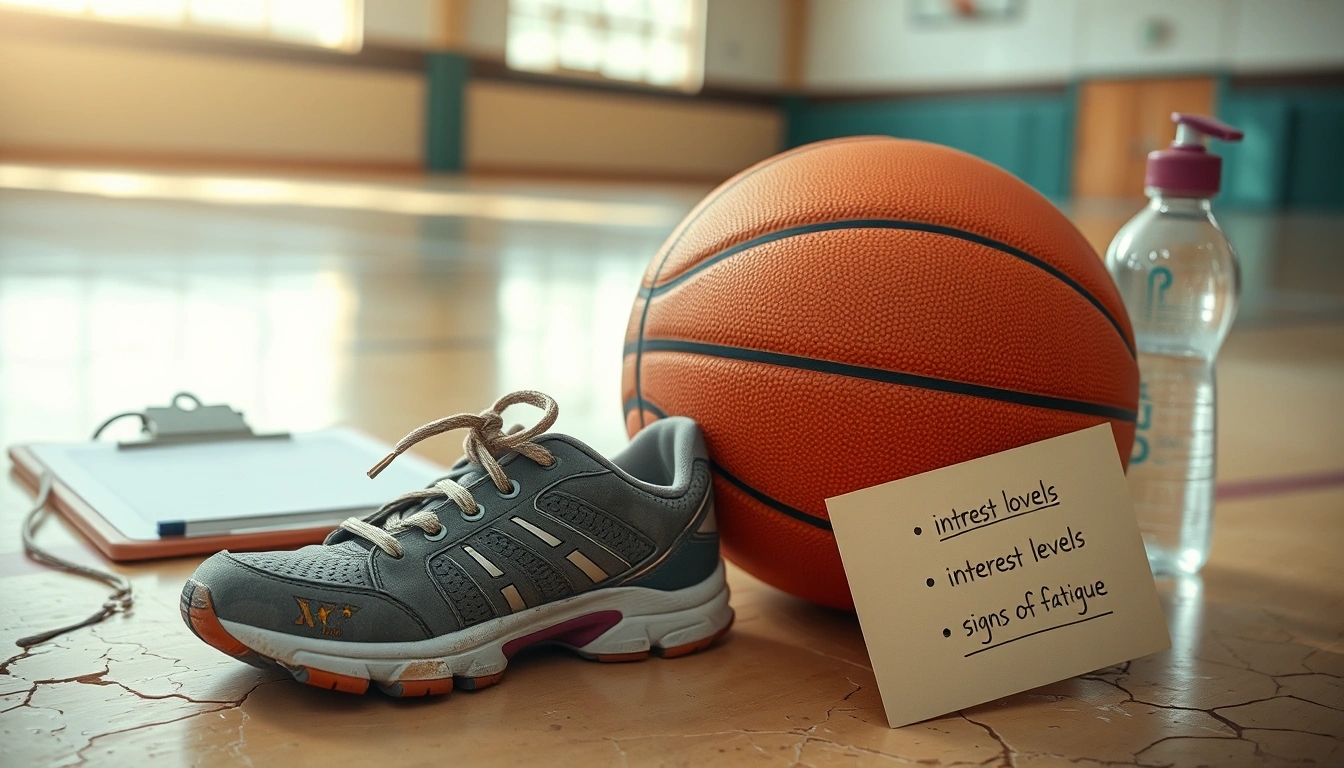
Signs It’s Time to Switch Sports
Alright, let’s be real for a second: sometimes the sport you thought your kid would love turns out to be a total mismatch. It’s like buying sneakers that look cool but pinch your toes after five minutes—looks great, but not exactly comfortable or fun. Spotting the signs early that it’s time to switch sports can save your child from the dreaded burnout or the yawns of boredom. And honestly, nobody wants a kiddo who dreads practice or counts the minutes until the game ends.
First off, watch out for lack of enthusiasm. If your child starts dragging their feet, complaining about training, or just seems generally uninterested, that’s a red flag waving in your face. Kids are pretty honest about what they like and don’t like—ignore the signs, and you might find yourself in a season of grumbles and tantrums instead of cheers and high-fives.
- Physical fatigue or recurring injuries: If your kid is constantly tired, sore, or picking up injuries more often than their teammates, it might be more than just growing pains. Some sports just don’t jive with certain body types or developmental stages.
- Social disconnect: Sports are a social playground, right? If your child feels left out, struggles to make friends, or just isn’t clicking with the team vibe, it can suck the joy right out of the game.
- Performance plateau: When your kid hits a wall and stops improving despite effort, it might mean the sport isn’t the best match for their skills or interests.
Here’s a quick table to help you spot the warning signs:
| Warning Sign | What It Might Mean | Possible Next Steps |
|---|---|---|
| Loss of interest | Boredom or lack of connection with the sport | Explore other sports or activities your child shows curiosity about |
| Frequent injuries | Sport may be too physically demanding or unsuitable | Consult a coach or doctor; consider lower-impact sports |
| Social struggles | Team environment might not be a good fit | Try individual sports or clubs with smaller groups |
| Performance stalls | Mismatch between skills and sport demands | Encourage skill-building or switch to a more fitting sport |
Switching sports isn’t about giving up or admitting defeat—it’s about finding the right fit for your kid’s unique personality, body, and spirit. Sometimes, it takes a few tries before landing on the perfect match. And that’s okay. Remember, the goal is for your child to feel pumped, confident, and, most importantly, have fun. If the current sport feels like a drag, don’t hesitate to explore other options. After all, sports are meant to be a source of joy, growth, and maybe a little healthy competition—not a chore.
So, next time you notice your kiddo’s eyes glazing over during practice or hear the sighs before a game, take a step back and chat with them. They might surprise you with what they really want. And hey, who knows? The next sport could be the one that lights their fire and keeps them moving for years to come.
Frequently Asked Questions (The title must be written in English.)
- How do I know which sport my child will enjoy the most?
Great question! The best way to figure this out is by observing what excites your child naturally. Do they love running around with friends or prefer solo challenges? Try letting them sample a few activities—think of it as a fun sports buffet. Their enthusiasm will be your best guide.
- Should I prioritize team sports or individual sports for my child?
It really depends on your child’s personality and social preferences. Team sports can boost social skills and teamwork, while individual sports often build self-discipline and independence. Think of it like choosing between a band and a solo artist—both have their unique rhythms and rewards.
- How much should I worry about the cost of sports equipment and fees?
Costs can sneak up faster than a fastball! It’s smart to set a budget upfront and research what’s necessary versus optional gear. Some sports are wallet-friendly, while others require a bigger investment. Balancing fun and finances keeps the game enjoyable for everyone.
- What if my child gets bored or frustrated with their chosen sport?
That’s totally normal! Kids’ interests can change like the seasons. Watch for signs like lack of enthusiasm or stress, and don’t be afraid to pivot. Switching sports isn’t a failure—it’s like changing the channel to find a show they love.
- How important is the quality of coaching in my child’s sports experience?
Coaching is a game-changer. A great coach inspires confidence, teaches skills, and creates a positive vibe. It’s not just about winning trophies—it’s about nurturing growth and fun. Think of a coach as a mentor who lights the path, not just a referee.
- Can sports really help my child make friends?
Absolutely! Sports are social playgrounds where kids bond over shared goals and challenges. Whether it’s a high-five after a goal or cheering from the sidelines, these moments build friendships that often last beyond the final whistle.
- How do I balance encouraging competition with making sure my child has fun?
Keeping fun front and center is key. Competition can motivate, but it shouldn’t overshadow enjoyment. Think of sports like a rollercoaster—thrilling but designed for smiles, not stress. Celebrate effort and progress, not just the scoreboard.
- What should I consider about my family’s schedule before choosing a sport?
Time is a big player here. Sports come with practices, games, and sometimes travel. Be honest about what your family can handle without turning into a circus. A sport that fits your rhythm makes the whole experience smoother and more enjoyable.