Navigating the world of sports when you or your kiddo has sensory sensitivities? Yeah, it’s not exactly a walk in the park. Loud whistles, flashing lights, the buzz of a crowded gym—these can turn a fun day into a sensory overload nightmare. But hey, don’t lose hope! There’s a whole universe of sports activities out there designed or adaptable to be more accommodating, and with a little digging, you can find something that’s both enjoyable and respectful of sensory needs.
Understanding sensory sensitivities in sports
First off, let’s get on the same page about what sensory sensitivities really mean. It’s not just “I don’t like loud noises.” For some, it’s a full-on physical reaction—like feeling overwhelmed by bright lights, certain textures, or even the chaotic sounds of a busy sports arena. These sensitivities can make traditional sports environments tough to handle. So, the trick is to recognize what triggers discomfort and seek activities that minimize those triggers.
- Visual stimuli: Bright lights, fast movements, or flashing screens.
- Auditory overload: Whistles, crowd noise, or sudden loud sounds.
- Tactile challenges: Uncomfortable uniforms, equipment textures, or physical contact.
Popular sports with sensory-friendly adaptations
Believe it or not, some sports naturally lend themselves to being more sensory-friendly. Swimming, for example, can be super calming—water muffles noise and the environment feels more contained. Yoga and martial arts also offer great options because they focus on body awareness and controlled movements, plus they usually happen in quieter, less chaotic settings.
| Sport | Why it’s sensory-friendly | Possible adaptations |
|---|---|---|
| Swimming | Water soothes and isolates sound | Private or small group sessions, warm water pools |
| Yoga | Focus on breathing and calm movements | Quiet rooms, soft lighting, no loud music |
| Martial Arts | Structured routines, respect for personal space | One-on-one coaching, gradual introduction |
Community programs offering sensory-friendly options
Lots of local rec centers and community groups are catching on and rolling out specialized programs. They often advertise “sensory-friendly” or “adaptive” sports classes. These programs usually include trained staff, smaller class sizes, and flexible schedules. Don’t be shy—call around, check websites, or ask other parents for recommendations.
Tips for parents and caregivers when choosing sports
Picking the right sport? It can feel like trying to find a needle in a haystack. Here’s a quick checklist to help:
- Visit the facility beforehand to check noise and lighting levels.
- Ask about class sizes and coach training on sensory issues.
- Look for programs that allow trial sessions or flexible attendance.
- Consider the timing—avoid peak hours when places get crowded and noisy.
Role of coaches and trainers in sensory-friendly sports
A coach who gets sensory sensitivities? Priceless. They can adjust their approach, give clear instructions, and create a welcoming vibe that makes all the difference. If you find a coach who’s open and willing to learn, hold onto them tight! They’re the secret sauce to a positive sports experience.
Equipment and gear considerations
Sometimes, it’s the little things—like scratchy uniforms or heavy helmets—that trip people up. Look for soft, breathable fabrics and adjustable gear. Some companies now offer sensory-friendly sportswear designed to reduce irritation and discomfort.
Scheduling and environment: What to look for
Timing can be everything. Early morning or late afternoon sessions might be quieter. Also, venues with natural light and minimal background noise tend to be better. Don’t overlook outdoor options—fresh air and space can ease sensory overload.
Challenges faced by sensory-sensitive athletes
Not gonna sugarcoat it—there are hurdles. Sensory-sensitive athletes might struggle with unexpected changes, crowds, or even the pressure to perform. Awareness and patience from everyone involved help smooth the path.
Success stories: Real-life examples
Take Jamie, who found her groove in sensory-friendly swimming classes after years of struggling with noisy team sports. Or Marcus, thriving in a small martial arts dojo where the coach tailored lessons to his pace. These stories prove that with the right environment, sensory sensitivities don’t have to be a barrier.
Technology’s role in enhancing accessibility
From noise-cancelling headphones to apps that help schedule and remind about sessions, tech is stepping up big time. Adaptive devices can also help athletes communicate or track their progress in ways that suit their needs.
How to advocate for more sensory-friendly sports options
Want more options in your community? Speak up! Join parent groups, write to local sports clubs, or start petitions. Change often starts with a single voice.
Future trends in sensory-friendly sports
The future looks bright—think virtual reality training, AI-based personalized coaching, and more inclusive design in sports gear and facilities. The game is changing, and it’s about time.
In summary, finding sensory-friendly sports activities isn’t always straightforward, but with some patience, research, and a bit of trial and error, it’s totally doable. Remember, the goal is to find a place where fun and comfort go hand in hand.
Understanding sensory sensitivities in sports
Jumping headfirst into the world of sports might seem like a no-brainer for most, but for folks with sensory sensitivities, it’s a whole different ball game—literally and figuratively. Sensory sensitivities refer to how some individuals experience sensory input—like sounds, sights, or touch—in a way that’s either overwhelming or underwhelming compared to the average person. Imagine trying to focus on a soccer game while the crowd noise feels like a jackhammer, or the bright stadium lights feel like they’re drilling into your eyeballs. Yeah, that’s the reality for many sensitive athletes.
Now, before you roll your eyes thinking this is just an excuse to avoid sports, hold up. Sensory sensitivities can seriously impact participation. It’s not just about being picky; it’s about how the brain processes sensory information differently. This can lead to anxiety, discomfort, or even physical pain during activities that others breeze through. So, understanding this is key if we want to create sports environments that welcome everyone, not just the “sensory average.”
- What exactly are sensory sensitivities? They’re heightened or diminished responses to sensory stimuli—think loud noises, bright lights, strong smells, or even the feel of certain fabrics.
- How does this affect sports? Well, sports often involve noisy crowds, unpredictable movements, and tactile gear, all of which can trigger sensory overload.
- Why should we care? Because every athlete deserves a chance to play, enjoy, and thrive without battling their own senses.
Let’s break it down a bit more with a quick table showing common sensory challenges in sports settings and their possible impacts:
| Sensory Trigger | Possible Effects | Example in Sports |
|---|---|---|
| Loud noises (whistles, crowd cheers) | Anxiety, distraction, headaches | Basketball games, track meets |
| Bright or flickering lights | Eye strain, nausea | Indoor gyms, night games |
| Touch and textures (uniforms, equipment) | Discomfort, avoidance | Wearing helmets, gloves |
| Sudden movements or chaos | Overwhelm, difficulty focusing | Fast-paced team sports |
So, what’s the takeaway? Sensory sensitivities aren’t just some minor quirk—they can shape how an athlete experiences the entire sport. Coaches, parents, and organizers need to keep this in mind to make sports more inclusive. It’s about tweaking the environment, providing options, and sometimes just giving a little extra patience. Because when you get it right, the joy of sports can be accessible to everyone, not just the folks with the thickest sensory skins.
In the next sections, we’ll dive into which sports often work well for sensory-sensitive individuals, community programs that get it right, and practical tips for families and coaches. Spoiler alert: It’s not about lowering the bar—it’s about changing the game.
Popular sports with sensory-friendly adaptations
Navigating the sports world when you or your kiddo has sensory sensitivities can feel like trying to find a needle in a haystack—blindfolded. But hey, not all sports are created equal in this department. Some actually roll out the red carpet with sensory-friendly tweaks that make participation a lot less daunting and a lot more fun. Let’s dive into a few favorites that often click with sensitive participants, keeping noise, touch, and chaos on a leash.
First up, swimming—a classic that’s surprisingly chill for sensory seekers. The water’s gentle pressure can be soothing, and you can usually control the environment better: fewer screaming crowds, less unpredictable noise, and the option to swim in quieter, less crowded pools. Plus, the tactile input from water is often calming rather than overwhelming. Win-win.
Then there’s yoga. Yeah, it’s not your typical “sport,” but it’s a game-changer for sensory-sensitive folks. The slow, deliberate movements combined with deep breathing exercises help regulate the nervous system. Many programs offer sensory-friendly classes with dim lights and soft music, which is a godsend for those who get easily overstimulated.
| Sport | Why It Works | Common Adaptations |
|---|---|---|
| Swimming | Water pressure is calming; controlled environment | Private swim times, reduced noise, floatation aids |
| Yoga | Focuses on self-regulation and calming | Quiet rooms, visual aids, slower pace |
| Track & Field | Individual focus reduces sensory overload | Visual schedules, noise-cancelling headphones |
| Horseback Riding | Rhythmic movement and connection with animals | Familiarization sessions, quiet arenas |
Let’s not forget track and field. It’s often overlooked but can be a sensory dream for some. Why? Because it’s mostly individual events, so you’re not stuck in a noisy, chaotic team huddle. Plus, you can tailor the experience—think visual schedules or noise-cancelling headphones to block out distracting sounds. It’s like having your own sensory bubble on the track.
And then there’s the ever-popular horseback riding. Believe it or not, the rhythmic motion of the horse and the bond formed can be incredibly grounding. Many stables now offer sensory-friendly sessions where the environment is kept calm, and riders get extra prep time to get comfortable. It’s not just about riding; it’s about connection, trust, and sensory regulation all rolled into one.
- Tips for selecting sensory-friendly sports: Look for activities with predictable routines.
- Check if the program offers smaller groups or one-on-one coaching.
- Ask about environmental controls like lighting and noise levels.
- Don’t hesitate to request accommodations like noise-cancelling headphones or visual schedules.
No sport is perfect, and what works wonders for one person might be a total flop for another. The key is experimentation and flexibility. Sensory-friendly adaptations aren’t just about changing the rules—they’re about creating spaces where everyone can play, learn, and thrive without feeling overwhelmed. So, whether it’s diving into a pool, striking a yoga pose, sprinting on the track, or bonding with a horse, there’s a sensory-friendly sport out there waiting to be discovered.
Remember: The goal isn’t to fit into a mold but to find or create one that fits you. And sometimes, that means getting a little creative, a little patient, and a whole lot of supportive.
Community programs offering sensory-friendly options
Navigating the maze of local sports programs that cater to sensory sensitivities can feel like trying to find a needle in a haystack—except the haystack is constantly moving. But here’s the good news: more and more community organizations are stepping up their game, offering specialized programs that don’t just tolerate sensory differences but actually embrace and accommodate them. If you’re a parent, caregiver, or athlete looking for something that clicks, it’s important to know where to look and what to expect from these initiatives.
First off, local community centers and special needs sports clubs are often the frontline providers of sensory-friendly activities. These places usually offer smaller group sizes, quieter environments, and coaches trained to understand sensory challenges. Don’t be shy—reach out and ask about their program specifics. Some might have designated “quiet zones” or allow participants to take breaks whenever needed, which can be a game-changer.
- YMCA and similar organizations: Many branches now run adaptive sports programs with sensory-sensitive modifications.
- Special Olympics: Known for inclusivity, they often tailor events for athletes with sensory processing issues.
- Local autism support groups: Frequently collaborate with sports programs to create welcoming environments.
Now, what can you expect from these programs? Well, it’s not just about turning down the volume or dimming the lights (though that helps). It’s about creating an atmosphere where the athlete feels safe, understood, and empowered. Coaches receive training on sensory differences, activities are paced thoughtfully, and equipment might be adapted to reduce discomfort. For example, softer balls or non-restrictive uniforms might be used.
| Program Feature | What It Means | Why It Matters |
|---|---|---|
| Small group sizes | Fewer participants per session | Reduces sensory overload and allows personalized attention |
| Flexible scheduling | Options for different times or shorter sessions | Helps accommodate sensory fatigue and daily routines |
| Trained staff | Coaches understand sensory needs | Improves communication and participant comfort |
But let’s be honest—sometimes even the best programs aren’t perfect. You might find that the “sensory-friendly” label is more of a buzzword than an actual practice. That’s why it’s crucial to visit, observe, and ask questions before signing up. And if something feels off? Speak up! Many organizations appreciate feedback and are willing to tweak their approach.
In addition to established programs, keep an eye out for pop-up events or seasonal camps that focus on sensory-friendly sports. These can be fantastic opportunities to try different activities without a long-term commitment. Plus, they often foster a sense of community among participants and families, which is priceless.
- Tip: Connect with other parents or caregivers through social media groups or local forums—they’re gold mines for recommendations and honest reviews.
- Tip: Don’t hesitate to ask about sensory accommodations like noise-cancelling headphones, visual schedules, or quiet spaces.
To wrap up, while finding the right sensory-friendly sports program might take some legwork, the rewards are well worth it. These community initiatives don’t just provide a place to play—they offer a supportive environment where sensory-sensitive athletes can thrive, build confidence, and have a blast doing it. So, get out there, explore what your local scene has to offer, and remember: the perfect fit might just be around the corner.
Tips for parents and caregivers when choosing sports
Choosing the right sport for a child with sensory sensitivities can feel like navigating a maze blindfolded. It’s not just about picking something fun; it’s about finding an activity that respects their unique sensory needs without overwhelming them. Let’s be honest, there’s no one-size-fits-all here, but some practical tips can definitely help cut through the confusion.
First off, know your child’s sensory profile. What sets them off? Is it loud noises, bright lights, or maybe the texture of equipment? Understanding these triggers is key. You wouldn’t sign up a kid who hates water for swimming, right? The same logic applies here. Take some time to observe or even jot down what environments or stimuli cause discomfort. This knowledge becomes your secret weapon.
- Start slow and low-key. Look for sports programs that offer trial sessions or smaller class sizes. Big, noisy gyms might be a nightmare at first.
- Ask about sensory accommodations. Don’t be shy—ask coaches or program coordinators if they can tweak things like lighting, volume, or even the pace of the activity.
- Focus on interests, not just abilities. If your kid loves animals, maybe horseback riding with sensory considerations could be a hit.
Now, here’s a little table to help you quickly weigh some popular sports against common sensory challenges:
| Sport | Typical Sensory Challenges | Potential Adaptations |
|---|---|---|
| Swimming | Water temperature, crowded pools | Private lessons, quieter times, wetsuits for texture |
| Martial Arts | Physical contact, loud commands | Non-contact classes, visual cues instead of verbal |
| Track & Field | Outdoor noise, bright sunlight | Shaded areas, noise-cancelling headphones |
One thing that trips up many parents is the “fear of failure” factor. Kids with sensory sensitivities might get easily discouraged if they don’t pick up skills immediately or if the environment feels too chaotic. So, patience is your best friend here. Celebrate small wins and keep the atmosphere light and encouraging. Remember, sports are supposed to be enjoyable, not a second job.
Also, don’t underestimate the power of peer support. Joining a group where other kids have similar sensory needs can make a world of difference. It’s like finding your tribe—suddenly, the whole experience feels less intimidating.
Before wrapping up, a quick checklist for parents/caregivers:
- Observe your child’s reactions in different environments.
- Communicate openly with coaches about sensory needs.
- Try multiple activities before settling on one.
- Look for community programs with sensory-friendly reputations.
- Encourage your child’s input—what do they enjoy or dread?
In the end, finding the right sport is a journey, not a sprint. It’s about trial, error, and lots of tweaking. But with a little persistence and a keen eye on sensory comfort, your kiddo can find a sport that’s not just accessible but genuinely fun. And isn’t that what we all want?
Role of coaches and trainers in sensory-friendly sports
When it comes to sensory-friendly sports, the coach’s role is absolutely pivotal—no two ways about it. Coaches aren’t just there to blow the whistle or shout instructions; they’re the gatekeepers of the entire experience for athletes who might be wrestling with sensory overload or anxiety. Imagine stepping into a noisy gym where lights are flickering, sounds are bouncing off walls, and suddenly, a whistle blows right next to your ear. For many sensory-sensitive athletes, that’s a recipe for disaster. So, how coaches handle these situations can make or break the whole thing.
First off, training and awareness are game changers. Coaches who take the time to understand sensory processing differences—whether it’s hypersensitivity to noise, touch, or visual stimuli—are better equipped to tweak their approach. This might mean modifying how they communicate, adjusting the environment, or even changing the timing of drills. The magic happens when coaches get that it’s not about “pushing through” discomfort but about creating a safe, welcoming space where athletes feel seen and supported.
- Patience is key: Rushing or pressuring sensory-sensitive athletes often backfires. Coaches who slow down and listen can spot early signs of distress and adapt accordingly.
- Clear, simple instructions: Overloading with too much info at once? Big no-no. Breaking down tasks into bite-sized chunks helps athletes stay on track without feeling overwhelmed.
- Flexibility: Sometimes, sticking rigidly to a plan isn’t the best move. Coaches willing to improvise can keep the momentum going while respecting individual needs.
| Topic | Why It Matters | Practical Application |
|---|---|---|
| Sensory Processing Basics | Understanding how sensory input affects behavior | Recognize triggers and signs of overload |
| Communication Strategies | Ensures instructions are clear and calming | Use visual aids, simple language, and positive reinforcement |
| Environment Adaptation | Minimizes sensory triggers | Adjust lighting, reduce noise, create quiet zones |
| Behavioral Flexibility | Allows for individualized coaching | Modify drills or schedules as needed |
Look, let’s be honest—training coaches isn’t always smooth sailing. Some might resist changing their “tried and true” methods, thinking sensory accommodations are just fluff or unnecessary hassle. But the reality? Coaches who embrace these changes often report more engaged, happier athletes—and that’s the whole point, right? A coach’s attitude can ripple through the team, setting the tone for inclusivity and respect.
Also, awareness isn’t a one-and-done deal. It’s an ongoing journey. Coaches need continuous support, resources, and sometimes a reality check to keep improving. Workshops, peer discussions, and even hearing directly from sensory-sensitive athletes can open eyes and change hearts.
In the end, the best coaches in sensory-friendly sports aren’t just instructors; they’re advocates, cheerleaders, and sometimes, miracle workers. They create a vibe where everyone feels like they belong, regardless of sensory quirks or challenges. And honestly, isn’t that what sports should be about? Fun, inclusion, and a bit of messy, unpredictable joy.
Equipment and gear considerations
Let’s be honest, sometimes the difference between loving a sport and dreading it boils down to one thing: the gear. For athletes with sensory sensitivities, this isn’t just about style or brand—it’s about comfort, performance, and frankly, survival on the field or court. You might think, “It’s just equipment, how hard can it be?” But trust me, when noise, texture, or tightness sends your senses into overdrive, the right gear can literally change the entire game.
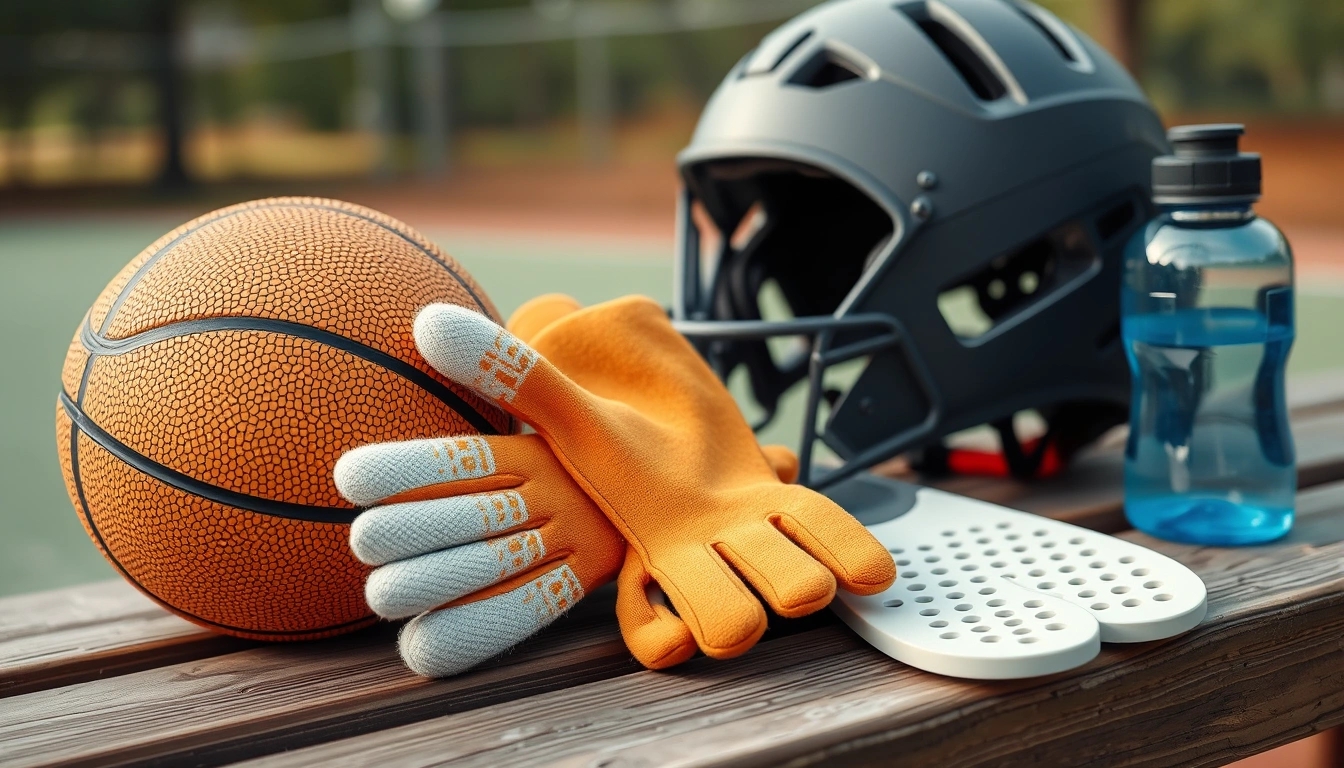
First off, let’s talk fabrics and materials. Most sports gear is designed with durability and moisture-wicking in mind, but sensory-friendly options focus on soft, seamless, and breathable fabrics that minimize irritation. Imagine wearing a jersey that feels like sandpaper—yeah, no thanks. Instead, look for tags that say “tagless” or “seamless,” and materials like cotton blends or bamboo fibers that are gentle on the skin. Some companies now specialize in this niche, offering everything from socks to gloves designed specifically for sensitive athletes.
| Gear Type | Considerations for Sensory Sensitivities | Examples |
|---|---|---|
| Clothing | Soft, tagless, breathable, no tight elastic bands | Seamless shirts, bamboo fiber leggings |
| Footwear | Lightweight, cushioned insoles, adjustable straps | Velcro sneakers, cushioned running shoes |
| Protective Gear | Soft padding, adjustable fit, non-restrictive | Foam helmets, flexible knee pads |
| Accessories | Noise-cancelling headphones, tinted goggles | Earplugs, sensory-friendly sunglasses |
Now, you might wonder about bulky protective equipment—does it have to be uncomfortable? Nope. Advances in design have led to lightweight, adjustable padding that doesn’t feel like you’re suiting up for a space mission. Plus, many brands now offer customizable options, so you can dial in the fit without the dreaded “too tight, too loose” dilemma.
- Noise sensitivity: Consider noise-cancelling headphones or earplugs that can be worn during practice to reduce overwhelming sounds.
- Visual sensitivity: Tinted or polarized goggles can help reduce glare and visual overstimulation, especially in outdoor sports.
- Tactile sensitivity: Avoid rough textures; opt for smooth, soft materials that won’t trigger discomfort.
Here’s a quick tip: always test gear before committing. What works for one athlete might be a nightmare for another. And don’t be shy about mixing and matching brands or customizing gear. Sometimes, a simple tweak—like swapping out laces for velcro or removing tags—makes a huge difference.
Practical Gear Checklist for Sensory-Friendly Sports:- Soft, breathable clothing without tags- Adjustable, cushioned footwear- Lightweight, flexible protective pads- Noise-cancelling headphones or earplugs- Tinted goggles or sunglasses- Seamless gloves or socks
At the end of the day, the goal is simple: gear that supports, not distracts. When athletes feel comfortable and confident in their equipment, they’re more likely to stick with the sport and enjoy every sweaty, muddy, noisy moment. So, don’t underestimate the power of the right gear—it might just be the game-changer you’ve been searching for.
Scheduling and environment: What to look for
When it comes to sensory-friendly sports, timing and setting aren’t just minor details—they can make or break the whole experience. Imagine gearing up for a game only to find the gym buzzing with fluorescent lights flickering and a crowd roaring like a rock concert; yeah, not exactly the vibe you want if you’re sensitive to noise or bright lights. So, picking the right time slot and location is more than just convenience—it’s about creating a space where athletes feel safe and ready to engage.
- Choose quieter times: Early mornings or late afternoons often mean fewer participants and less chaos. This can reduce overwhelming sensory input and allow for a more focused, calm environment.
- Consider indoor vs. outdoor: Outdoor activities might offer fresh air and natural light, but unpredictable weather or loud crowds can be tricky. Indoor venues, on the other hand, give more control over lighting and sound but may have echoes or harsh artificial lighting.
- Look for sensory-friendly settings: Some facilities dim lights, use soundproofing, or have designated quiet zones. These are gold mines for anyone needing a gentler atmosphere.
| Factor | Why It Matters | What to Look For |
|---|---|---|
| Noise Levels | Loud noises can trigger anxiety or sensory overload. | Low crowd density, soundproof rooms, or noise-cancelling headphones allowed. |
| Lighting | Harsh lights can cause discomfort or headaches. | Natural light preferred, dimmable lights, or use of sunglasses/visors. |
| Space Layout | Crowded or cluttered spaces can be overwhelming. | Open areas with clear pathways and minimal visual distractions. |
Now, don’t get me wrong—sometimes you just gotta roll with what you’ve got. But if you can plan ahead, it’s worth asking the organizers about their setup. Don’t hesitate to request modifications or accommodations; a good program will want to hear you out. For instance, some places offer “quiet hours” or “sensory breaks” during sessions. These are lifesavers for keeping participants engaged without feeling overwhelmed.
- Stick to consistent schedules: Predictability can ease anxiety. Knowing exactly when and where a session happens helps athletes prepare mentally.
- Factor in transition times: Rushing from one activity to another can spike stress. Make sure there’s enough downtime to regroup and decompress.
And hey, environments aren’t just about physical space—they include the people too. Coaches, teammates, and staff who understand sensory needs can turn a challenging day into a great one. Their awareness about when to lower volume, dim lights, or give extra breaks matters as much as the setting itself.
In short, finding the right timing and environment is a bit like tuning a radio—get the frequency right, and suddenly everything clicks. It’s not always simple, and sometimes you’ll hit static, but with patience and a bit of trial and error, you can find the sweet spot that makes sports accessible and enjoyable for everyone.
Challenges faced by sensory-sensitive athletes
Navigating the sports world isn’t always a walk in the park for sensory-sensitive athletes. You might think the biggest hurdle is just “getting out there,” but nope, the challenges run way deeper than that. From overwhelming noise to unpredictable touch, sensory sensitivities can turn a seemingly simple game into a full-blown sensory storm. Let’s unpack some of these less obvious struggles and think about how both athletes and organizers can tackle them head-on.
First off, the environment itself can be a minefield. Picture this: a loud gym echoing with whistles, sneakers squeaking, and crowds cheering like it’s the finals of the World Cup. For someone sensitive to sound, that’s not just distracting—it can be downright painful or anxiety-inducing. And it’s not just noise; bright, flickering lights or even the texture of the playing surface can trigger discomfort. It’s like the body’s alarm system goes off, and instead of focusing on scoring points, the athlete is desperately trying to manage sensory overload.
- Noise Sensitivity: Sudden loud sounds or constant background noise can cause stress or shutdowns.
- Touch Sensitivity: Physical contact—think tackles, high-fives, or even the feel of certain fabrics—can be hard to tolerate.
- Visual Sensitivity: Bright lights, fast movements, or busy patterns in uniforms and surroundings may overwhelm.
But it’s not just the sensory input that’s tricky. There’s also the emotional toll. Imagine wanting to join a team but feeling like you’re constantly on edge because you never know when a sensory trigger will hit. This unpredictability can cause anxiety, making it harder to enjoy the sport or even stick with it long term. And let’s be honest, sports culture often prizes toughness and “pushing through,” which can make sensory-sensitive athletes feel misunderstood or pressured to hide their struggles.
| Common Struggles | Potential Solutions |
|---|---|
| Overwhelming noise | Use noise-cancelling headphones during breaks; schedule practices in quieter times. |
| Physical contact discomfort | Choose sports with less contact; educate teammates on gentle interactions. |
| Bright or flickering lights | Modify lighting where possible; use tinted glasses or visors. |
| Anxiety from unpredictability | Establish clear routines; provide advance notice of changes. |
Organizers, listen up! It’s not just on the athletes to adapt. Coaches and event planners can make a massive difference by incorporating sensory-friendly practices. Simple things like allowing athletes to take sensory breaks, providing quiet zones, and communicating clearly about what to expect can transform the experience. Plus, training staff to recognize and respond to sensory overload can reduce misunderstandings and help athletes feel supported rather than sidelined.
And parents or caregivers, don’t be shy about advocating for your athlete’s needs. Sometimes, it takes a bit of trial and error to find the right fit—both in terms of sport and environment. But with patience and the right support, sensory-sensitive athletes can thrive, proving that the game isn’t just for the “typical” player.
In the end, while sensory challenges can feel like an uphill battle, understanding and proactive strategies from all sides—athletes, families, coaches, and organizers—can level the playing field. So, next time you see a sensory-sensitive athlete on the field, remember: their journey is about more than just the score; it’s about resilience, adaptation, and smashing barriers that most folks don’t even see.
Success stories: Real-life examples
Nothing quite fires up the spirit like hearing about real people smashing barriers, especially when it comes to athletes navigating the tricky world of sensory-friendly sports. Let’s be honest, sports can be a wild ride for anyone, but toss in sensory sensitivities and it’s like playing a game on hard mode — blindfolded. Yet, despite all that, there are some seriously inspiring stories out there of folks who not only participate but thrive. These tales aren’t just heartwarming fluff; they show what’s possible when the right support and environment come together.
Take Jamie, for instance — a young soccer enthusiast with heightened sensory sensitivities who struggled with the usual chaos of noisy stadiums and bright lights. Most would’ve thrown in the towel, but Jamie’s coach decided to tweak the training sessions, dialing down the volume and using softer lighting. Suddenly, Jamie was not just on the field but scoring goals and beaming with pride. It’s a classic case of small changes making a massive difference.
- Key takeaway: Personalized adjustments can turn frustration into triumph.
- Community impact: Jamie’s team started adopting sensory-friendly practices, making sports accessible for more players.
Then there’s Maria, a swimmer who found solace in the quiet, controlled environment of the pool. For her, the water was a sensory haven — the gentle resistance, the rhythmic breathing, the absence of overwhelming noise. With specially designed swim caps and goggles to reduce tactile discomfort, Maria’s confidence soared, leading her to compete in regional meets. Her story highlights how equipment tweaks can be a game changer.
| Athlete | Sport | Adaptations | Outcome |
|---|---|---|---|
| Jamie | Soccer | Lower noise, softer lighting | Improved performance, increased participation |
| Maria | Swimming | Special swim caps & goggles | Competitive success, boosted confidence |
| Tyler | Basketball | Structured routines, sensory breaks | Better focus, team integration |
And don’t get me started on Tyler — a basketball player who initially found the unpredictability of the game overwhelming. His coach introduced structured routines and scheduled sensory breaks. Sounds simple, but it helped Tyler stay calm and focused, turning him into a key player. It’s proof that sometimes, it’s not about changing the sport but changing how it’s presented.
What can we learn here? Real success stories underline the fact that sensory-friendly sports aren’t just a nice idea — they’re essential. They prove that with a bit of creativity, patience, and understanding, athletes with sensory sensitivities can shine just as brightly as anyone else. Plus, these stories encourage communities and sports programs to rethink their approach, fostering inclusivity that benefits everyone.
So next time you hear about sensory-friendly sports, remember it’s not just about accommodating differences — it’s about unlocking potential. These athletes aren’t just surviving; they’re thriving, inspiring us all to rethink what’s possible when barriers come down.
Technology’s role in enhancing accessibility
Let’s be honest, sports can sometimes feel like a wild jungle gym for anyone with sensory sensitivities. The noise, the crowds, the unpredictable moves—yeah, it’s a lot. But here’s the kicker: technology is stepping up big time, turning what used to be barriers into bridges. From slick apps to clever adaptive devices, there’s a whole arsenal of tools making sensory-friendly sports not just possible but downright enjoyable.
Apps that get it
You’d be surprised how many apps are out there designed specifically to help athletes with sensory challenges. Some offer calming soundscapes to drown out the roar of the crowd, while others provide step-by-step visual guides to sports drills. Imagine having a coach in your pocket who never raises their voice or gets frustrated—that’s the dream for many.
- Noise-cancelling apps: These help block overwhelming background sounds, making it easier to concentrate on the game.
- Routine planners: Structure is gold for sensory-sensitive players; apps that break down practice sessions into simple, predictable steps work wonders.
- Communication aids: For non-verbal athletes, apps that translate gestures or symbols into speech can be game-changers.
Adaptive devices: the unsung heroes
Let’s talk gear. Not the flashy kind, but the practical, comfort-enhancing stuff. Weighted vests, sensory-friendly gloves, and even specially designed helmets are making waves. These devices don’t just protect—they help regulate sensory input, so players stay focused without feeling overwhelmed.
| Device | Purpose | Benefit |
|---|---|---|
| Weighted Vests | Provide deep pressure stimulation | Calms anxiety and improves focus |
| Sensory Gloves | Reduce tactile discomfort | Enhance grip and comfort during play |
| Noise-Reducing Headphones | Block loud, distracting sounds | Help maintain concentration |
Now, I’m not saying technology is a silver bullet. Far from it. Sometimes, the best tool is just a patient coach or a quiet corner on the sidelines. But tech is definitely leveling the playing field in ways we couldn’t have imagined a decade ago.
Some practical tips for parents and athletes:
- Try out different apps before committing—what works for one person might drive another nuts.
- Don’t ignore the basics: good old-fashioned trial and error with devices can reveal surprising results.
- Stay updated! Tech evolves fast, and new gadgets or software pop up all the time.
In the end, technology in sensory-friendly sports is about empowerment. Giving athletes the tools to participate fully, comfortably, and confidently. It’s about tearing down walls and building ramps instead. So, whether it’s a calming app on your phone or a custom piece of gear, these innovations are helping rewrite the playbook—making sports a place where everyone gets a fair shot at the win.
How to advocate for more sensory-friendly sports options
Look, pushing for more sensory-friendly sports options isn’t just about waving a magic wand and poof — inclusivity everywhere. It’s messy, it’s frustrating, and sometimes it feels like you’re shouting into the void. But hey, change often starts with a voice, even if that voice trembles a bit or gets lost among the crowd. So, where do you begin? Strap in, because this isn’t your typical “just be nice” spiel. It’s about strategy, persistence, and a dash of savvy street smarts.
- Start local, think global: Your neighborhood sports clubs, community centers, and local leagues are the frontline. Attend meetings, ask questions, and don’t be shy about sharing what sensory-friendly means. Many places might not even realize the need until someone points it out.
- Gather allies: Find parents, athletes, coaches, and even trainers who get it. There’s power in numbers, and a united group can push harder than a lone wolf. Plus, brainstorming with others can spark ideas you’d never think of solo.
- Use real stories: Data’s great, but stories stick. Share experiences of athletes who struggled or thrived with sensory-friendly options. Personal tales hit harder than stats—trust me on this one.
Now, here’s a quick table to keep in mind the key points when advocating:
| Step | Action | Why It Matters |
|---|---|---|
| Identify Needs | Talk to athletes and families about challenges | Pinpoints exact barriers to address |
| Build Awareness | Host workshops or info sessions | Educates coaches and organizers |
| Propose Solutions | Suggest sensory-friendly modifications | Shows practical ways to improve |
| Follow Up | Keep communication open with program leaders | Ensures ideas aren’t forgotten |
Oh, and don’t underestimate the power of social media. Platforms like Facebook groups or Instagram can amplify your message beyond your local bubble. Posting videos, testimonials, or even quick tips can catch the eye of decision-makers who might otherwise snooze through emails.
Here’s a pro tip: when you’re talking to coaches or program directors, avoid sounding like a lecture. Instead, frame suggestions as ways to make their programs better for everyone — not just those with sensory sensitivities. For example, quieter practice times or alternative equipment can benefit a wide range of participants. It’s all about selling the idea, not just demanding it.
- Be patient but persistent: Change is slow, and sometimes it feels like banging your head against a wall. But every little win counts, even if it’s just one coach trying a new approach.
- Celebrate successes: When a program adds sensory-friendly options, shout it from the rooftops! Positive reinforcement encourages others to follow suit.
In the end, advocating for sensory-friendly sports is less about perfection and more about progress. Your voice might be one of many, but it’s a vital one. So, speak up, get a little loud, and keep pushing — because everyone deserves a chance to play, no matter how their senses roll.
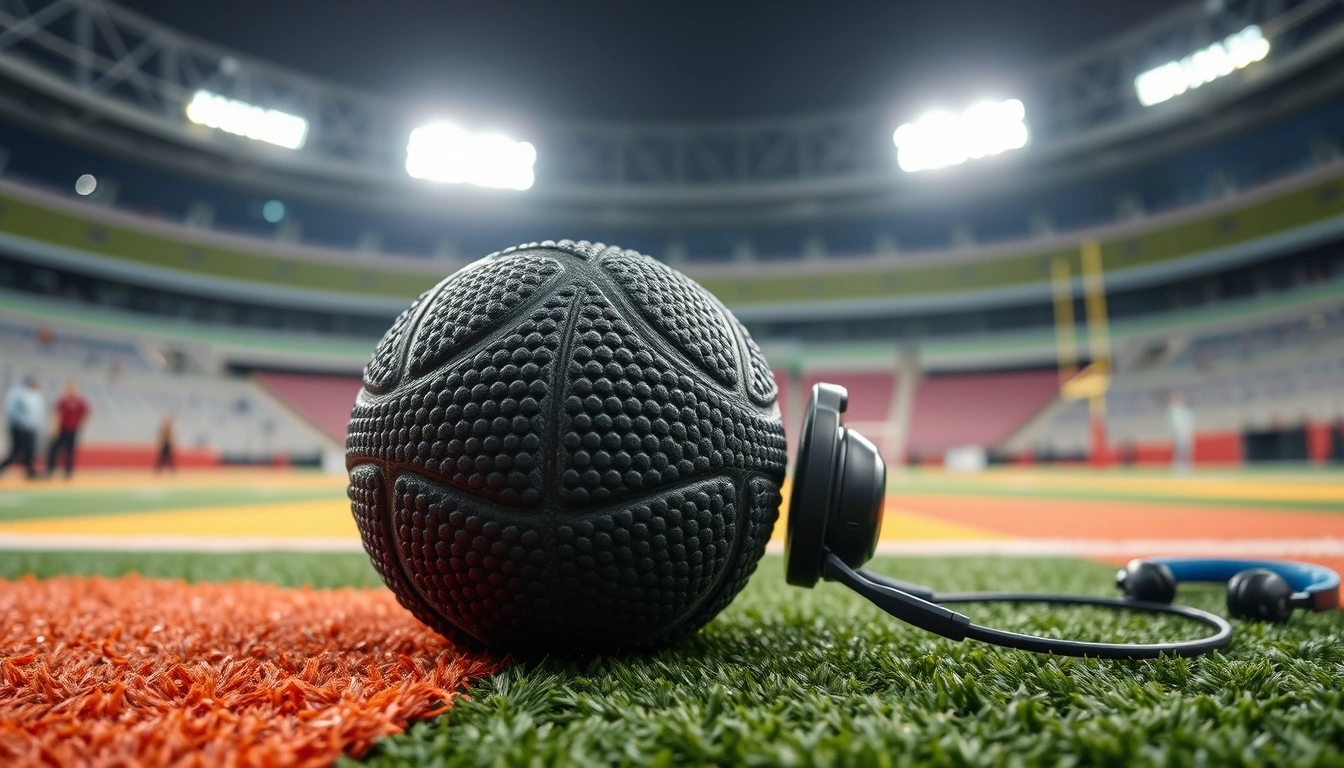
Future trends in sensory-friendly sports
Alright, let’s cut to the chase: the world of sports is changing, and thank goodness it’s finally catching up for those with sensory sensitivities. No more one-size-fits-all nonsense—innovations and fresh approaches are popping up like wildflowers in spring, promising a more inclusive playground for everyone. But what exactly is on the horizon? Buckle up, because the future of sensory-friendly sports is anything but boring.
First off, technology is playing a massive role here. We’re talking about adaptive wearables that monitor sensory overload and send gentle alerts before things get overwhelming. Imagine a smartwatch that buzzes softly when noise levels spike or a smart jacket that adjusts its texture based on the wearer’s comfort. It’s like having a personal coach who’s also a mind-reader—okay, not literally, but close enough.
| Innovation | Description | Benefit |
|---|---|---|
| Noise-Cancelling Headgear | Lightweight helmets or caps that reduce ambient noise | Helps athletes stay focused without sensory overload |
| Haptic Feedback Devices | Wearables that provide calming vibrations during stress | Supports emotional regulation mid-activity |
| Customizable Lighting | Sports venues with adjustable lighting to reduce glare | Creates a comfortable visual environment |
But hold your horses, it’s not just gadgets stealing the spotlight. The very structure of sports programs is evolving. More organizations are adopting flexible scheduling to accommodate sensory-sensitive participants who might find traditional, rigid time slots overwhelming. Early morning or late afternoon sessions, smaller group sizes, and quiet zones are becoming standard features rather than afterthoughts. It’s about making sports feel less like a chaotic circus and more like a safe, welcoming space.
- Flexible Timing: Sessions outside peak noise hours.
- Smaller Groups: Reducing crowd-induced stress.
- Quiet Zones: Designated calm areas for breaks.
Now, let’s talk about the people behind the scenes. Coaches and trainers are stepping up their game with specialized training focused on sensory awareness. No more clueless shouty coaches who think yelling “push harder!” is motivational. Instead, expect empathy, patience, and techniques tailored to individual needs. Some programs even involve sensory specialists to help design training regimens. It’s a far cry from the “tough it out” mentality, and honestly, it’s about time.
Of course, there are still bumps on the road. Funding for these innovations can be patchy, and not all communities have equal access to sensory-friendly sports. But the momentum is undeniable, and advocacy groups are louder than ever, pushing for legislation and funding. It’s a slow dance, but the beat is picking up.
Tips for embracing future sensory-friendly sports trends:- Stay informed about local programs adopting new tech.- Encourage coaches to get sensory-sensitivity training.- Advocate for funding and resources in your community.- Experiment with adaptive gear to find what works best.
In the end, the future looks bright—and quieter, calmer, and way more inclusive. Sports for sensory-sensitive individuals are no longer a niche afterthought but a growing movement aiming to level the playing field. So, whether you’re an athlete, a parent, or a coach, now’s the time to jump on this bandwagon before it speeds off without you.
Frequently Asked Questions
- What does sensory-friendly sports mean?
Sensory-friendly sports are activities adapted to accommodate individuals with sensory sensitivities. This means modifying environments, equipment, or rules to reduce overwhelming stimuli like loud noises, bright lights, or intense physical contact, making sports more accessible and enjoyable for everyone.
- How can I find sensory-friendly sports programs in my community?
Start by checking local community centers, schools, and specialized organizations that focus on inclusive activities. Many offer programs designed specifically for sensory-sensitive participants. Online forums and social media groups can also be treasure troves for recommendations and firsthand experiences.
- Which sports are best suited for sensory-sensitive individuals?
Sports like swimming, yoga, and individual track events often work well because they allow control over pace and environment. Adapted versions of team sports like basketball or soccer can also be great if sensory accommodations are in place, such as quieter settings or softer equipment.
- What role do coaches play in sensory-friendly sports?
Coaches are key players—they create a supportive atmosphere by understanding sensory needs and adjusting their approach. Trained coaches can recognize triggers, offer clear communication, and foster an inclusive environment that boosts confidence and participation.
- Are there special equipment or gear recommendations?
Absolutely! Sensory-friendly gear often includes noise-cancelling headphones, soft-textured clothing, or modified sports equipment designed to reduce discomfort. Choosing the right gear can transform the experience from overwhelming to empowering.
- How can parents and caregivers support their child’s involvement in sports?
Patience and open communication are vital. Parents should observe their child’s reactions, advocate for necessary accommodations, and collaborate with coaches to tailor activities. Encouraging gradual exposure and celebrating small victories helps build enthusiasm and resilience.
- What challenges do sensory-sensitive athletes commonly face?
Common hurdles include sensory overload from noisy crowds, unpredictable environments, or uncomfortable gear. Emotional stress and social anxiety can also arise. Awareness and proactive adjustments by organizers can ease these challenges significantly.
- How can technology enhance sensory-friendly sports experiences?
Technology offers amazing tools like apps for scheduling low-stimulation sessions, wearable devices that monitor sensory inputs, and virtual reality environments for practice. These innovations help tailor sports participation to individual needs, making activities safer and more fun.
- What’s the best way to advocate for more sensory-friendly sports options?
Start by sharing your story and needs with local organizations and schools. Joining advocacy groups, attending meetings, and collaborating with sports providers can spark change. Remember, every voice adds momentum toward creating inclusive sports communities.
- What future trends are expected in sensory-friendly sports?
Expect to see more personalized adaptations using AI and smart gear, increased training for coaches on sensory awareness, and broader community initiatives promoting inclusivity. The future is bright, with innovation paving the way for sports where everyone can play comfortably and confidently.