Alright, let’s cut to the chase: bad eating habits are like that annoying teammate who never shows up on time but still expects to win the game. They sneak in, mess with your performance, and leave you wondering why you’re dragging your feet on the field or gasping for air halfway through your run. The truth? What you shove into your mouth daily can either fuel your athletic fire or put it out faster than a wet match. And no, it’s not just about eating salads and chicken breasts; it’s a bit messier than that.
- First off, poor nutrition can be a silent killer of stamina. You think training hard is enough? Nope. If your body’s running on junk, it’s like trying to power a Ferrari with regular gas — it just ain’t gonna perform.
- Then there’s the sneaky sugar and empty calories lurking in “healthy” snacks. Yeah, those granola bars and fruit juices might look innocent, but they can spike your energy and crash it just as fast, leaving you wiped out mid-game.
| Common Eating Mistakes | How They Sabotage You |
|---|---|
| Skipping meals | Leads to energy dips and poor concentration |
| Binge-eating junk food | Causes sluggishness and weight gain |
| Ignoring hydration | Results in cramps and reduced endurance |
Now, before you freak out and swear off carbs forever, let’s talk macronutrients — carbs, proteins, and fats. They’re like the holy trinity of sports nutrition. Carbs are your go-to energy source, proteins help repair those sore muscles, and fats? Don’t hate them; they’re essential for long-term fuel and brain function. Balancing these bad boys properly can turn your performance around quicker than you can say “game changer.”
Macronutrient Breakdown for Athletes:- Carbs: 45-65% of daily calories (think whole grains, fruits)- Protein: 15-25% (lean meats, beans, nuts)- Fats: 20-35% (avocado, olive oil, fish)
Hydration is often the forgotten MVP here. Seriously, trying to perform without enough water is like running a marathon with a flat tire — it’s just not happening. Dehydration messes with your focus, endurance, and recovery. So, drink up, even if you don’t feel thirsty.
Timing your meals can be a pain, especially when life’s throwing curveballs, but it’s crucial. Eating the right stuff before a workout gives you energy, and post-workout meals help your muscles bounce back. Think of it as setting yourself up for a win, not a flop.
- Quick meal planning tips for busy athletes:
- Prep snacks like nuts and fruit the night before
- Batch cook meals on weekends to avoid last-minute junk
- Keep a water bottle handy at all times
Supplements? They’re a mixed bag. Some can genuinely help, but a lot is just marketing fluff designed to empty your wallet. Focus on solid food first, then see if you really need that protein powder or electrolyte drink.
Finally, don’t go it alone. Tracking your eating habits doesn’t mean obsessing over every crumb — just a simple journal or app can help spot patterns. And if you can rope in a buddy for accountability, even better. Because let’s face it, we all need a little nudge sometimes.
In the end, fixing poor eating habits isn’t about perfection. It’s about making smarter choices step by step and realizing that your body deserves the best fuel if you want to perform like a champ. So, ditch the junk, hydrate like a boss, and watch your game elevate.
Understanding the Impact of Poor Nutrition on Performance
Let’s cut to the chase: what you cram into your mouth can make or break your entire game. Seriously, sometimes it’s not the hours you spend grinding at the gym or the endless drills on the field that determine whether you crush it or crash and burn—it’s the fuel you feed your body. You might be thinking, “Eh, I can just carb-load the night before or slam an energy drink before the match,” but nah, it’s way more complicated and sneaky than that.
Think of your body like a high-performance race car. You wouldn’t pour cheap gas into a Ferrari and expect to win the Grand Prix, right? Same deal here. If you’re loading up on empty calories, junk food, or neglecting essential nutrients, you’re basically running on fumes. The result? Sluggishness, poor focus, and a recovery time that feels like forever. And guess what? Even the best training routine won’t save you if your nutrition game is weak.
- Energy Levels: Bad nutrition energy crashes. You’ll feel like you’re dragging a sack of bricks halfway through your workout.
- Mental Sharpness: Your brain needs good food too. Skimp on nutrients, and your decision-making, reaction times, and concentration tank.
- Recovery: Without proper nutrients, your muscles can’t repair efficiently, making soreness and injuries more likely.
Now, let’s talk specifics. It’s not just about eating less junk (though that’s a start). It’s about understanding what your body actually needs. Carbs give you quick energy, proteins help rebuild muscles, and fats? They’re not the enemy—they keep your brain and hormones happy. But get the balance wrong, and you’re basically sabotaging yourself.
| Macronutrient | Role in Performance | Common Mistakes |
|---|---|---|
| Carbohydrates | Primary energy source for high-intensity exercise | Over-reliance on simple sugars leading to energy crashes |
| Proteins | Muscle repair and recovery | Undereating protein or relying on poor-quality sources |
| Fats | Supports hormone function and long-term energy | Avoiding fats altogether or consuming unhealthy trans fats |
Here’s a fun fact: many athletes overlook hydration, but that’s a whole other beast. Water is basically the oil in your engine. Without it, your body overheats, your muscles cramp, and your focus tanks faster than you can say “timeout.” So, next time you’re tempted to skip water for another soda, think twice.
In the end, you can’t out-train a bad diet. Fixing your eating habits isn’t about turning into a nutrition nerd overnight—it’s about making smarter choices, understanding the basics, and giving your body the respect it deserves. Your performance will thank you, even if your training sometimes feels like a grind.
Common Eating Mistakes Athletes Make
Alright, let’s get real for a sec. You might think that crushing your workouts or grinding on the field is all that matters, but guess what? Your eating habits could be the sneaky villain wrecking your stamina and focus faster than a bad coach yelling from the sidelines. From skipping meals because you’re “too busy” (classic) to binge-eating junk food like it’s your last supper, these dietary slip-ups are more common than you think—and they’re definitely messing with your game.
First off, skipping meals. Yeah, you might feel like you’re saving time or calories, but your body’s actually throwing a tantrum. Imagine trying to run a marathon with no fuel in the tank—nope, not happening. When you skip breakfast or lunch, your blood sugar tanks, your brain fogs up, and your muscles start waving the white flag. The result? You’re sluggish, unfocused, and your performance plummets.
- Skipping meals energy crash + poor concentration
- Overeating junk food temporary sugar rush followed by a massive energy dip
- Ignoring hydration dehydration equals slower reaction times and cramps
Now, onto the binge-eating junk food part. Hey, we all get those cravings after a brutal workout, but gobbling down bags of chips or sugary snacks isn’t the answer. These foods are like a wolf in sheep’s clothing—they give you a quick energy spike, but it’s short-lived and followed by a nasty crash. Plus, they’re packed with empty calories, which means you’re stuffing your body with stuff that doesn’t actually help rebuild or fuel your muscles.
| Mistake | Why It’s Bad | Quick Fix |
|---|---|---|
| Skipping Meals | Leads to low blood sugar and poor focus | Set reminders for regular meals; prep snacks ahead |
| Binge-Eating Junk Food | Causes energy crashes and poor recovery | Swap chips for nuts or fruit; keep healthy snacks handy |
| Neglecting Hydration | Decreases endurance and cognitive function | Carry a water bottle; aim for 2-3 liters daily |
Also, don’t overlook the “I’ll eat when I’m hungry” trap. Hunger cues can be misleading, especially if you’re stressed or tired. Sometimes, you’re actually craving hydration or just need a protein boost, not a candy bar. Misreading your body’s signals can lead to overeating or eating the wrong stuff at the wrong time, which is a recipe for disaster.
And here’s a curveball: many athletes underestimate the power of meal timing. Eating a massive meal right before training? Bad move. Your body’s busy digesting while you’re trying to sprint, which is like trying to run with a backpack full of bricks. On the flip side, not eating enough post-workout means your muscles don’t get the nutrients they need to recover and grow.
- Tip: Eat a balanced snack 30-60 minutes before training (think banana + peanut butter).
- Tip: Have a protein-rich meal within an hour after exercise to kickstart recovery.
So yeah, these eating mistakes aren’t just “bad habits”—they’re performance killers. But the good news? Fixing them doesn’t require a nutrition degree or turning into a salad-munching robot. It’s about small, practical tweaks like planning your meals, choosing real foods over processed junk, and listening to your body (even when it’s being a drama queen).
Remember, your body is your most valuable piece of equipment. Treat it right, fuel it properly, and watch your stamina and focus hit new highs. Or keep skipping meals and bingeing on chips—your call.
Spotting Hidden Sugars and Empty Calories
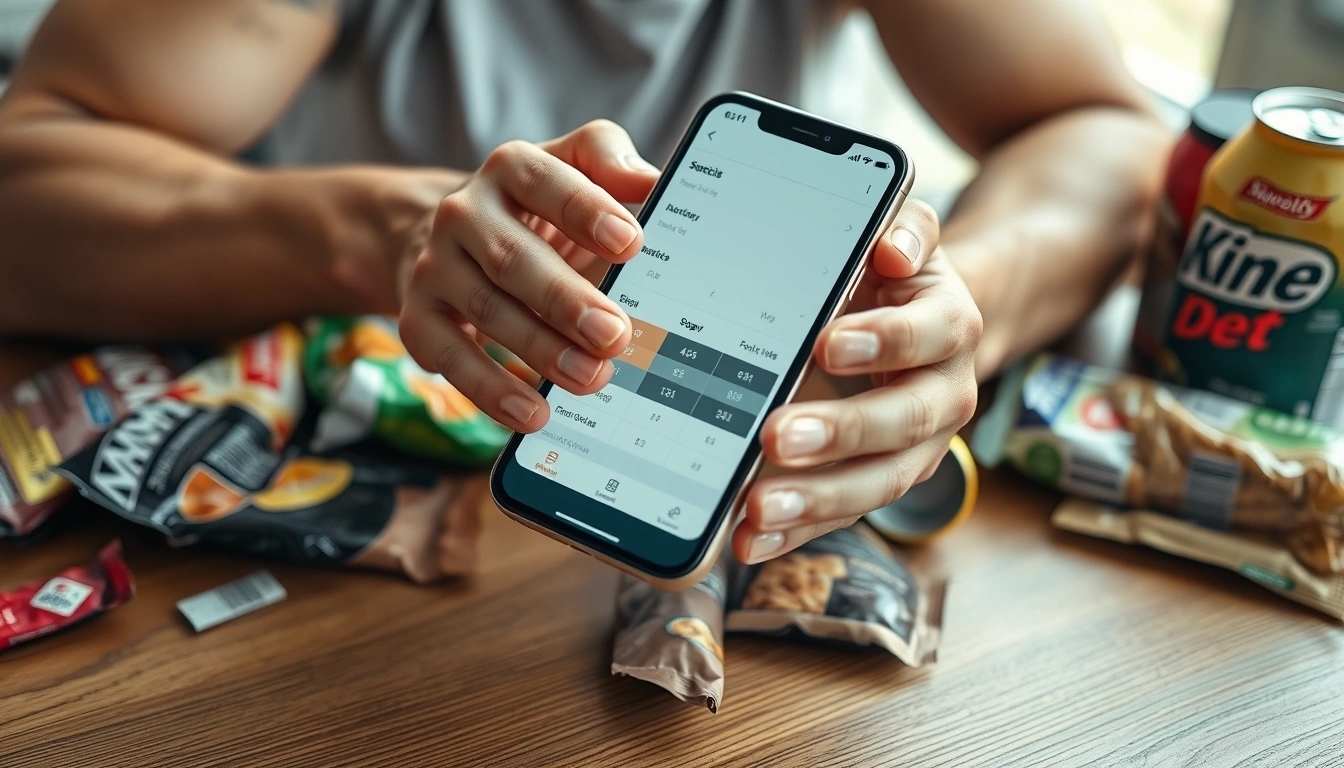
Alright, let’s get real for a second—those so-called “healthy snacks” you swear by? Yeah, they might be messing with your energy more than you think. Sneaky sugars and empty calories are like the ninjas of the nutrition world, hiding in plain sight and sabotaging your performance without you even realizing it. You’re grabbing that granola bar, thinking you’re making a smart move, but bam! It’s loaded with added sugars that spike your blood sugar and then crash it faster than you can say “game over.”
It’s not just candy and soda anymore. Nowadays, sugar’s got a PhD in disguise. Ever heard of maltodextrin, dextrose, or high-fructose corn syrup? These are just a few of the many sugar aliases lurking in your protein bars, flavored yogurts, and even those “all-natural” fruit juices. And don’t get me started on “low-fat” products—they often compensate for the lost flavor by cramming in more sugar. Sneaky, right?
| Common Hidden Sugars | Where You Find Them | Why They’re Trouble |
|---|---|---|
| Maltodextrin | Protein powders, energy drinks | Rapid blood sugar spikes, quick energy crash |
| High-Fructose Corn Syrup | Processed snacks, soft drinks | Linked to fat gain and insulin resistance |
| Agave Nectar | “Natural” sweeteners, health bars | High fructose content, similar effects to HFCS |
| Evaporated Cane Juice | Juices, flavored oatmeal | Just sugar in disguise, adds empty calories |
Now, empty calories—those are calories that give you energy but zero nutritional value. Think of them as the junk mail of your diet: annoying, unnecessary, and clogging up your system. Foods packed with empty calories can leave you feeling sluggish, bloated, and frankly, like you just wasted a perfectly good meal. They often come in the form of processed snacks, fried foods, and sugary drinks. The worst part? They can trick your brain into thinking you’re fueling up when you’re really just filling space.
- Tip 1: Always check the ingredient list, not just the front label. If sugar or any of its many disguises is one of the first three ingredients, put it back.
- Tip 2: Be skeptical of “healthy” claims like “low-fat,” “natural,” or “gluten-free.” These don’t always mean low in sugar or calories.
- Tip 3: Opt for whole foods—fruits, veggies, nuts—over packaged snacks whenever possible. Your body will thank you.
Remember:- Sugar spikes quick energy then crash- Empty calories zero nutrients, zero benefit- Reading labels your secret weapon
So, next time you’re reaching for that snack during a mid-game slump or pre-training munch, think twice. Those hidden sugars and empty calories might just be the silent culprits dragging your stamina down. Don’t let them win the game before it even starts.
healthy
How to Fix Poor Eating Habits That Hurt Your Performance
Alright, let’s cut the fluff and get real about how your messy eating habits are probably tanking your athletic mojo. You might think smashing those extra donuts or skipping breakfast won’t mess with your game, but spoiler alert: it does. Like, big time. Your body’s a machine, but if you’re feeding it junk, don’t expect it to run like a Ferrari. Here’s the lowdown on what’s going wrong and how to fix it without turning into a nutrition snob.
Understanding the Impact of Poor Nutrition on Performance
You know that feeling when you’re dragging halfway through practice? Yeah, that’s often your diet waving a red flag. It’s not just about training hard; what you eat fuels your muscles, brain, and stamina. If you’re loading up on empty calories and skipping meals, your body’s basically running on fumes. Think of it like trying to win a race with a flat tire – no matter how much you pedal, you’re stuck.
Common Eating Mistakes Athletes Make
- Skipping meals because “I’m too busy” (classic rookie move).
- Binge-eating junk food when stress hits like a ton of bricks.
- Ignoring hydration – water is NOT optional, folks.
- Overloading on carbs without balancing proteins and fats.
These slip-ups aren’t just harmless habits; they mess with your focus, energy, and recovery big time.
Spotting Hidden Sugars and Empty Calories
Here’s a sneaky fact: some “healthy” snacks are sugar ninjas in disguise. Granola bars? Sometimes sugar bombs. Smoothies? Could be calorie traps if you’re not careful. These hidden sugars can crash your energy faster than you can say “hangry.” Check labels like a detective and don’t trust the fancy packaging.
| Snack | Hidden Sugar Content | Better Alternative |
|---|---|---|
| Flavored Yogurt | 15-20g per serving | Plain Greek Yogurt + Fresh Fruit |
| Granola Bars | 10-25g per bar | Mixed Nuts & Seeds |
| Sports Drinks | 20-30g per bottle | Water + Electrolyte Tablets |
Balancing Macronutrients for Optimal Energy
Carbs, proteins, fats – sounds like a boring science class, right? But get this: balance is your secret weapon. Carbs give you quick energy, proteins repair muscles, and fats keep your brain sharp. Ignore one, and your performance tanks. Here’s a quick cheat sheet:
- Carbs: Whole grains, fruits, veggies
- Proteins: Lean meats, beans, dairy
- Fats: Avocados, nuts, olive oil
Hydration: The Often Overlooked Game-Changer
Look, water isn’t just for plants. If you’re ignoring hydration, you’re basically running your engine dry. Dehydration kills focus, slows recovery, and makes cramps your new worst enemy. Aim for at least 8 glasses a day, more if you’re sweating buckets.
Meal Timing and Its Role in Recovery and Performance
When you eat matters almost as much as what you eat. Chowing down right before a workout? Bad idea. Starving yourself post-game? Even worse. Try to eat a balanced meal 2-3 hours before exercise and snack smartly after to speed up recovery.
Practical Meal Planning Tips for Busy Athletes
No time? No sweat. Here’s how to keep it simple:
- Prep meals on weekends.
- Keep easy snacks handy (nuts, fruit, yogurt).
- Use slow cookers or instant pots for quick dinners.
- Hydrate with water bottles you carry around.
Supplements: Helpful Boost or Just Hype?
Supplements can be a mixed bag. Some actually help (like protein powders or omega-3s), but don’t fall for every flashy ad. Always check with a pro before dropping cash.
Tracking Progress and Staying Accountable
You don’t need to become a food diary fanatic, but jotting down what you eat or having a buddy to keep you honest can work wonders. Accountability is the secret sauce to sticking with better habits.
So, in the messy chaos of life and sport, fixing your eating habits isn’t about perfection – it’s about progress. Start small, be consistent, and watch your performance climb.
snacks, dragging your energy levels into the dumps without you realizing it.
How Sneaky Snacks Are Dragging Your Energy Levels Into the Dumps Without You Realizing It
Alright, let’s get real for a second. You think grabbing that “healthy” granola bar or munching on some flavored yogurt is doing your body a solid, right? Well, newsflash: those innocent-looking snacks might just be the culprits behind your afternoon energy crash and that foggy brain feeling during practice. Yeah, it’s a total bummer, but hey, knowledge is power.
First off, let’s talk about hidden sugars. They’re like ninjas—silent, sneaky, and everywhere. You might be sipping on a smoothie or downing a protein bar thinking you’re fueling up, but surprise! Tons of added sugars are lurking inside, messing with your blood sugar levels like a prankster at a party. One minute you’re riding high on a sugar spike, the next you’re crashing hard, feeling like you just ran a marathon without moving an inch.
| Common Snack | Hidden Sugar Content (approx.) | Effect on Energy |
|---|---|---|
| Flavored Yogurt (6 oz) | 15-20 grams | Quick energy spike + crash |
| Granola Bar | 12-18 grams | Temporary boost, then fatigue |
| Fruit Juice (8 oz) | 20-25 grams | Blood sugar rollercoaster |
And don’t get me started on empty calories. You know, those snacks that fill you up but don’t really fuel your muscles or brain. Chips, candies, even some so-called “natural” snack mixes can be packed with fats and sugars that do zero favors for your stamina or focus. They’re like eating air—full of calories, but your body’s left begging for real nutrients.
- Tip #1: Always check the label, especially for sugar content disguised as “corn syrup,” “dextrose,” or “maltose.”
- Tip #2: Opt for snacks with balanced macronutrients—think nuts, seeds, or fresh fruit paired with some protein.
- Tip #3: Don’t rely on snacks alone to fuel your day. Plan meals around whole foods that keep your energy steady.
Here’s a quick reality check: even “healthy” snacks can betray you. That innocent-looking trail mix? Sometimes it’s loaded with candied bits or chocolate chips that jack up your sugar intake. And those “natural” fruit leathers? More often than not, they’re just fruit juice concentrate with a sugar punch.
Practical Snack Swap Ideas:- Instead of a sugary granola bar, try a handful of almonds + an apple.- Swap fruit juice for infused water with fresh berries.- Replace flavored yogurt with plain Greek yogurt + a drizzle of honey and fresh fruit.
So next time you’re reaching for a quick bite, remember: not all snacks are created equal. Your energy levels and performance will thank you later. Don’t let sneaky sugars and empty calories crash your game—be the boss of your snacks, not the other way around.
Keep it smart, keep it real, and snack like a champ!
Balancing Macronutrients for Optimal Energy
Alright, let’s cut through the noise about carbs, proteins, and fats — the holy trinity of nutrition that everyone loves to debate but few really understand. If you’re an athlete or just someone who wants to crush it in your workouts, knowing how to juggle these macronutrients is like having the secret playbook to peak performance.
First off, carbs often get a bad rap. Yeah, the low-carb craze is still a thing, but here’s the kicker: carbs are your body’s primary fuel source. Think of them as the premium gasoline your engine needs to run fast and long. Without enough carbs, you’re basically trying to sprint on empty, which nobody wants. But not all carbs are created equal — simple sugars might give you a quick buzz, but they crash your energy faster than a rookie on game day.
- Complex carbs like oats, sweet potatoes, and brown rice are your best friends. They release energy slowly, keeping you powered through those tough training sessions.
- Simple carbs can be useful right after a workout for quick glycogen replenishment, but don’t go overboard.
Now, proteins — the building blocks of muscle, right? Absolutely, but they’re not just for bodybuilders. Your muscles need protein to repair and grow, especially after you’ve put them through the wringer. But here’s a little secret: eating a steak the size of your head won’t magically turn you into the next MVP. Your body can only use so much protein at a time, so spreading it out over meals is the smarter move.
| Protein Source | Protein (g) per Serving | Best Time to Eat |
|---|---|---|
| Chicken breast (100g) | 31g | Post-workout / Lunch |
| Greek yogurt (150g) | 15g | Breakfast / Snack |
| Lentils (100g cooked) | 9g | Anytime |
Lastly, fats — the misunderstood macronutrient. Fat isn’t the enemy; in fact, your brain and hormones crave it. The trick is choosing the right kind. Healthy fats from avocados, nuts, and olive oil support everything from inflammation control to sustained energy. But loading up on fried foods or trans fats? That’s a fast track to feeling sluggish and out of sync.
Here’s a quick cheat sheet to balance your plate:
- Carbs: 45-55% of your daily calories — complex is king.
- Proteins: 20-30% — spread evenly across meals.
- Fats: 20-30% — focus on unsaturated fats.
Balancing these macros isn’t about strict dieting or counting every crumb obsessively. It’s about tuning into how your body reacts and adjusting accordingly. Feeling wiped out mid-practice? Maybe you need more carbs. Struggling to recover? Protein might be your missing puzzle piece. And if your mood’s all over the place, fats could be the culprit.
So next time you’re eyeing that snack or planning your meal, remember: it’s not just what you eat, but how you balance it that can turn you from a weekend warrior into a full-time champ. Keep it real, keep it balanced, and watch your energy and performance soar.
Hydration: The Often Overlooked Game-Changer
Imagine trying to rev up your car only to realize you forgot to fill the tank. Yeah, that’s exactly what ignoring your water intake feels like when it comes to athletic performance. You can train like a beast, eat all the kale in the world, but if you’re running on empty hydration-wise, you’re basically setting yourself up for a crash. And spoiler alert: it won’t end well.
Let’s get real for a sec — water isn’t just some boring, tasteless liquid you gulp down because your coach told you to. It’s the lifeblood of your body’s engine. Without enough H2O, your muscles cramp up, your brain fogs over, and your stamina tanks faster than you can say “energy drink.” You might think grabbing a soda or some fancy sports drink will cut it, but most of those come packed with sugar and empty calories that do more harm than good.
- Why hydration matters: It regulates your body temperature, lubricates your joints, and helps transport nutrients to where they’re needed most.
- Signs you’re dehydrated: Dry mouth, headaches, dizziness, and that annoying sluggish feeling that hits mid-workout.
- Common myths busted: “I’ll drink only when I’m thirsty” – nope, by then you’re already behind the hydration curve.
Here’s a quick table to get you on track with how much water your body actually needs based on activity level:
| Activity Level | Daily Water Intake | Additional Tips |
|---|---|---|
| Light activity (walking, light gym) | 2-2.5 liters | Keep a bottle handy, sip throughout the day |
| Moderate activity (running, cycling) | 3-4 liters | Hydrate before, during, and after exercise |
| Intense activity (marathons, heavy training) | 4-6 liters | Include electrolytes to replace lost minerals |
Now, before you roll your eyes and think “ugh, drinking water all day sounds boring,” here’s a little secret — you can jazz it up without turning to sugary drinks. Try infusing your water with slices of lemon, cucumber, or berries. Not only does it taste better, but it also encourages you to drink more without the guilt.
And don’t underestimate the timing. Chugging a gallon right before your workout won’t magically power you through. Instead, aim to hydrate consistently throughout the day. A good rule of thumb? Drink a glass 30 minutes before you start moving, sip small amounts every 15-20 minutes during activity, and replenish afterward.
Pro Tip:- Carry a reusable water bottle wherever you go.- Track your intake with apps or simple checkmarks on a sticky note.- Listen to your body but don’t wait for thirst to hit.
To wrap this up — skipping on your water intake is like trying to run a marathon in flip-flops. Sure, you might make it a few steps, but it’s going to be painful and messy. So next time you’re tempted to ignore hydration, remember: water is your secret weapon. Treat it right, and your body will thank you by keeping you sharp, energized, and ready to crush whatever workout or game you’ve got lined up.
Bottom line: Don’t just drink water because you have to, drink it because your performance depends on it. And trust me, it does.
Meal Timing and Its Role in Recovery and Performance
Look, if you think that just stuffing your face whenever you remember is gonna cut it, think again. When you eat can seriously be just as important as what you eat, especially if you’re trying to bounce back quicker after a brutal workout or game. You can have all the kale and chicken breast in the world, but if you chow down at the wrong times, your body might just throw up its hands and say, “Nope, not today.”
Let’s break it down a bit. After you finish sweating buckets, your muscles are crying out for fuel to repair and grow stronger. That’s why eating a snack or meal rich in protein and carbs within 30 to 60 minutes post-exercise is a game changer. This window is often called the “anabolic window”, and while some folks hype it up like it’s the holy grail, there’s truth in it. Miss this window, and your recovery might drag on longer than you want.
- Protein: Helps repair those microscopic muscle tears.
- Carbohydrates: Replenish your glycogen stores, which are your muscles’ fuel tanks.
- Fluids: Rehydrate, because dehydration is the sneaky villain that zaps your energy.
Now, before you freak out and start timing every bite like a hawk, remember balance is key. Eating too close to your workout can leave you feeling sluggish or, worse, nauseous. Ideally, have a decent meal 2-3 hours before exercising. If that’s not possible, a light snack about 30-60 minutes prior can keep hunger at bay without weighing you down.
| Timing | What to Eat | Why It Matters |
|---|---|---|
| 2-3 hours before | Balanced meal with carbs, protein, and fats | Provides sustained energy for your workout |
| 30-60 minutes before | Light snack, mostly carbs, little protein | Prevents hunger and boosts quick energy |
| Within 30-60 minutes after | Protein + carbs + fluids | Kickstarts recovery and refuels muscles |
| Throughout the day | Regular balanced meals | Maintains energy and supports overall performance |
Oh, and don’t forget about late-night munching. Eating heavy meals right before bed can mess with your sleep, and we all know how crucial sleep is for recovery. If you’re starving, go for something light and easy to digest, like yogurt or a banana.
Here’s a quick pro tip: Plan your meals around your training schedule like a boss. It might sound like a pain, but once you get into the groove, your body will thank you by feeling less wiped out and more ready to crush it.
To sum it up: timing your meals isn’t about obsessing over every minute but about giving your body the right fuel at the right moments. Miss the mark, and you might find yourself dragging during practice or struggling to recover. Nail it, and you’re one step closer to playing harder, faster, and longer.
So next time you’re tempted to skip that post-workout snack or binge on junk right before hitting the gym, remember: it’s not just what you eat, but when you eat it that counts.
Practical Meal Planning Tips for Busy Athletes
Look, we get it — between early morning workouts, back-to-back meetings, and trying to have a social life that doesn’t revolve around protein shakes, finding time to eat right feels like a cruel joke. But here’s the kicker: you don’t have to become a full-time chef to fuel your body properly. It’s all about working smarter, not harder, in the kitchen. So, buckle up, and let’s break down how you can prep smart, eat better, and still binge that latest Netflix hit guilt-free.
First off, meal prepping is your new best friend. No, it doesn’t mean spending your entire Sunday chained to the stove. Instead, pick one or two days a week — Sunday and Wednesday, maybe — to cook in bulk. Think roasted chicken breasts, quinoa, steamed veggies, or hearty chili. Portion them out in containers, and boom, you’ve got ready-to-go meals that only need reheating. If you’re the type who hates eating the same thing every day (who doesn’t?), mix and match your prepped ingredients to keep things interesting.
| Meal Prep Essentials | Why It Works |
|---|---|
| Cook in bulk | Saves time, reduces stress during busy days |
| Use versatile ingredients | Mix and match meals to avoid boredom |
| Invest in good containers | Keeps food fresh and easy to transport |
| Include snacks | Prevents impulse junk eating |
Now, about snacks — don’t underestimate their power. Having healthy snacks like nuts, Greek yogurt, or fruit ready to go can be a game-changer. When hunger strikes, it’s way easier to grab a handful of almonds than to fall into the “I’ll just eat whatever’s in the vending machine” trap. Speaking of traps, beware of “healthy” snacks that are actually sugar bombs in disguise. That granola bar? Might be more candy than fuel.
- Tip #1: Always check labels. If sugar is one of the first three ingredients, run.
- Tip #2: Hydrate like your performance depends on it — because it does.
- Tip #3: Don’t skip breakfast. Even if it’s just a smoothie or some overnight oats.
One last nugget of wisdom: meal timing matters. You’re not just what you eat but when you eat it. Try to eat a balanced meal 1-2 hours before your workout and refuel within 30 minutes after sweating it out. This helps your body recover and keeps your energy levels steady throughout the day. And hey, if you’ve got zero time, a quick protein shake or a banana with peanut butter can do the trick.
So yeah, life’s hectic. But with a bit of planning, a dash of discipline, and a sprinkle of creativity, you can totally eat better without turning into a kitchen hermit. And the best part? You’ll still have time to chill and watch that Netflix episode without feeling like you’re cheating on your diet.
Remember: It’s not about being perfect — it’s about being consistent and making choices that keep you fueled and ready to crush your goals.

Supplements: Helpful Boost or Just Hype?
Alright, let’s cut through the noise—supplements. They’re everywhere, right? From protein powders promising Hulk-like gains to mysterious pills claiming to torch fat while you binge-watch your favorite series. But here’s the kicker: not all supplements are created equal, and honestly, most of the time, you’re just tossing cash down the drain. So how do you tell what’s actually worth your hard-earned money and what’s just slick marketing fluff? Buckle up, because the supplement jungle is thick, and it’s easy to get lost.
First off, let’s get one thing straight: supplements are just that—supplements. They’re not magic potions. They won’t replace solid nutrition or a well-structured training plan. If you’re expecting a miracle, you’re gonna be sorely disappointed. That said, some supplements can genuinely help fill nutritional gaps or give you a slight edge when used properly. But beware, the market is flooded with products that make bold claims with zero science backing them up.
| Common Supplements | What They Actually Do | Red Flags to Watch For |
|---|---|---|
| Protein Powders | Help meet daily protein needs, especially post-workout recovery. | Overpriced brands, added sugars, and unnecessary fillers. |
| Pre-Workout Boosters | Increase energy and focus temporarily. | Excessive caffeine, proprietary blends hiding ingredients. |
| Fat Burners | May slightly increase metabolism, but results vary. | Unproven ingredients, potential health risks. |
| Multivitamins | Fill micronutrient gaps in diet. | Megadoses of vitamins that your body might not need. |
Now, if you’re thinking, “Well, I’ll just grab whatever’s trending on Instagram,” pause right there. Social media influencers often push products for a paycheck, not because they actually work. And the FDA doesn’t regulate supplements as strictly as medications, so you’re basically playing nutritional roulette.
- Tip 1: Look for third-party testing seals (like NSF or Informed Choice) to ensure product quality.
- Tip 2: Research ingredients yourself—don’t just trust flashy labels.
- Tip 3: Consult a healthcare professional or a sports nutritionist before diving in.
Here’s a quick reality check: if a supplement sounds too good to be true, it probably is. No pill or powder will replace grinding it out in the gym or eating your veggies. And remember, sometimes the best supplement is simple—good sleep, balanced meals, and hydration.
Bottom line? Spend your money wisely. Prioritize whole foods first, then consider supplements as the cherry on top—not the whole cake. And if you’re ever in doubt, just ask yourself: “Is this really going to help me perform better, or am I just falling for clever marketing?”
So yeah, sorting through this supplement jungle ain’t easy, but with a pinch of skepticism and a dash of research, you can avoid the hype and find what genuinely supports your athletic journey.
Tracking Progress and Staying Accountable
Let’s be honest — keeping an eye on what you eat without turning into a full-blown food fanatic is like walking a tightrope over a pit of cupcakes. You want to improve, but obsessing over every bite? Nah, that’s a fast track to burnout and stress. So how do you track your progress without losing your mind or your social life? Spoiler: it’s all about balance, a sprinkle of patience, and maybe dragging a buddy into your nutrition journey (whether they like it or not).
First off, ditch the idea that tracking means logging every crumb with military precision. Instead, think of it like a casual check-in with yourself. Apps and journals can be helpful but don’t let them become your food overlord. Jot down meals, note how you feel afterward, or snap a quick photo — whatever floats your boat and keeps it simple. The goal is to notice patterns, not to obsess over every calorie like it’s the last slice of pizza on earth.
- Keep it light: Track 3-4 days a week instead of daily. This gives you a real picture without the overwhelm.
- Focus on feelings: Energy levels, mood, performance — these are your real indicators, not just numbers on a screen.
- Celebrate wins: Even small changes deserve a fist bump. Progress isn’t a straight line, so don’t get discouraged by slip-ups.
Now, about those accountability buddies — they’re not just a trendy hashtag. Having someone to share your goals with can be a game-changer. Why? Because humans are wired for connection, and knowing someone else is rooting for you (or checking in) can keep you honest. Plus, it’s way more fun to swap “I crushed that salad” stories than to suffer solo.
| Accountability Buddy Benefits | Why It Works |
|---|---|
| Motivation Boost | Someone cheering you on makes sticking to goals less of a drag. |
| Shared Tips & Tricks | Learn new meal hacks or workouts from each other. |
| Friendly Pressure | Knowing you’ll report back keeps you on track without being harsh. |
| Emotional Support | When cravings hit hard, a buddy can talk you down from the cookie ledge. |
But hey, not everyone has a built-in cheerleader. If you’re a lone wolf, no worries. Online communities, forums, or even social media groups can fill that role. Just don’t let it turn into a competition — it’s about progress, not perfection.
Tips for Tracking Without Losing Your Mind:- Use simple tools: apps like MyFitnessPal or just a plain notebook.- Set realistic goals: don’t expect overnight miracles.- Check in weekly: reflect on what’s working and what’s not.- Be kind to yourself: slip-ups happen, it’s part of the process.
In the end, tracking and accountability aren’t about being perfect or food-obsessed. They’re about staying aware, making smarter choices, and having a little backup when the going gets tough. So, grab a friend, keep it chill, and watch your eating habits (and performance) level up without losing your sanity.
Frequently Asked Questions
- How do poor eating habits affect my athletic performance?
Think of your body as a high-performance engine—if you fuel it with junk, it sputters and stalls. Poor eating habits can drain your energy, slow down recovery, and mess with your focus, making every workout feel like a struggle. It’s not just about training hard; what you eat can make or break your game.
- What are some common eating mistakes athletes make?
Skipping meals, binge-eating processed snacks, and ignoring hydration are classic traps. These habits cause energy crashes and reduce stamina. It’s like trying to run a marathon on an empty tank or cheap gas—your body just won’t keep up.
- How can I spot hidden sugars and empty calories in my snacks?
Labels can be sneaky! Watch out for terms like “fructose,” “corn syrup,” or “maltose.” Even “healthy” snacks might pack a sugar punch that drains your energy. Always check the nutrition facts and ingredient list to avoid these silent saboteurs.
- Why is balancing macronutrients important?
Carbs fuel your workouts, proteins repair muscles, and fats keep your hormones happy. Getting the right mix is like tuning a guitar—it ensures your body plays in perfect harmony and performs at its peak.
- How much water should I drink to stay properly hydrated?
Hydration needs vary, but a good rule of thumb is sipping water throughout the day and increasing intake during and after exercise. Feeling thirsty is a late warning sign—think of water as the oil that keeps your engine running smoothly.
- When should I eat to maximize recovery and performance?
Timing matters! Eating a balanced meal or snack within 30-60 minutes after training helps replenish energy and repair muscles faster. It’s like giving your body the green light to heal and gear up for the next challenge.
- What are some practical meal planning tips for busy athletes?
Prep smart by cooking in batches, keeping healthy snacks handy, and using simple recipes. Think of meal planning as setting up a game plan for your week—less stress, more wins.
- Are supplements necessary for better performance?
Supplements can help fill gaps but aren’t magic bullets. Focus on solid nutrition first; supplements are like the cherry on top, not the whole sundae. Always research and consult a pro before diving in.
- How can I track my eating habits without obsessing?
Use simple tools like food journals or apps to keep an eye on patterns, not perfection. Pairing up with an accountability buddy can make the process fun and keep you motivated without turning into a food detective.