Alright, let’s get real for a second—navigating nutrition during those brutal football seasons? It’s like trying to solve a Rubik’s cube blindfolded. You’re running on adrenaline, sweat, and probably a questionable amount of caffeine, but your body is screaming for the right kind of fuel. This isn’t just about shoveling down whatever looks “healthy” or scarfing chips because you’re hangry post-practice. Nope, it’s a full-on strategy game, and if you mess up, you’ll be the one gasping on the sidelines instead of scoring goals.
First off, understanding your energy needs is like knowing the playbook before the game starts. Your body’s fuel requirements during a grueling football season are no joke. You’re burning calories like a furnace, but it’s not just about quantity; quality matters. Think of your body as a high-performance car—you wouldn’t put cheap gas in a Ferrari, right? Same deal here. Carbs? They’re your MVP. Yeah, carbs get a bad rap in some circles, but when you’re sprinting up and down the pitch, your muscles are begging for quick energy. Skimp on carbs, and you’ll feel like a sloth in cleats.
| Macronutrient | Role | Sources |
|---|---|---|
| Carbohydrates | Primary energy source for intense activity | Whole grains, fruits, veggies, pasta |
| Proteins | Muscle repair and recovery | Chicken, fish, beans, dairy |
| Fats | Long-term energy, hormone production | Avocados, nuts, olive oil |
Now, protein is your best friend after the final whistle blows. Muscle soreness? Post-game aches? Protein intake timing can seriously make or break your recovery. Don’t wait till you’re hobbling around like a zombie—get some quality protein in within 30 minutes after training to help those muscles rebuild. And don’t forget hydration—it’s not just about gulping water like a desert wanderer. Electrolytes like sodium and potassium sneakily play a huge role here. You might think you’re hydrating enough, but if those electrolytes are out of whack, you’re still headed for dehydration city.
- Tip 1: Sip fluids consistently throughout the day, not just during practice.
- Tip 2: Include electrolyte-rich drinks or natural sources like bananas and coconut water.
- Tip 3: Avoid overloading on sugary sports drinks—they can do more harm than good.
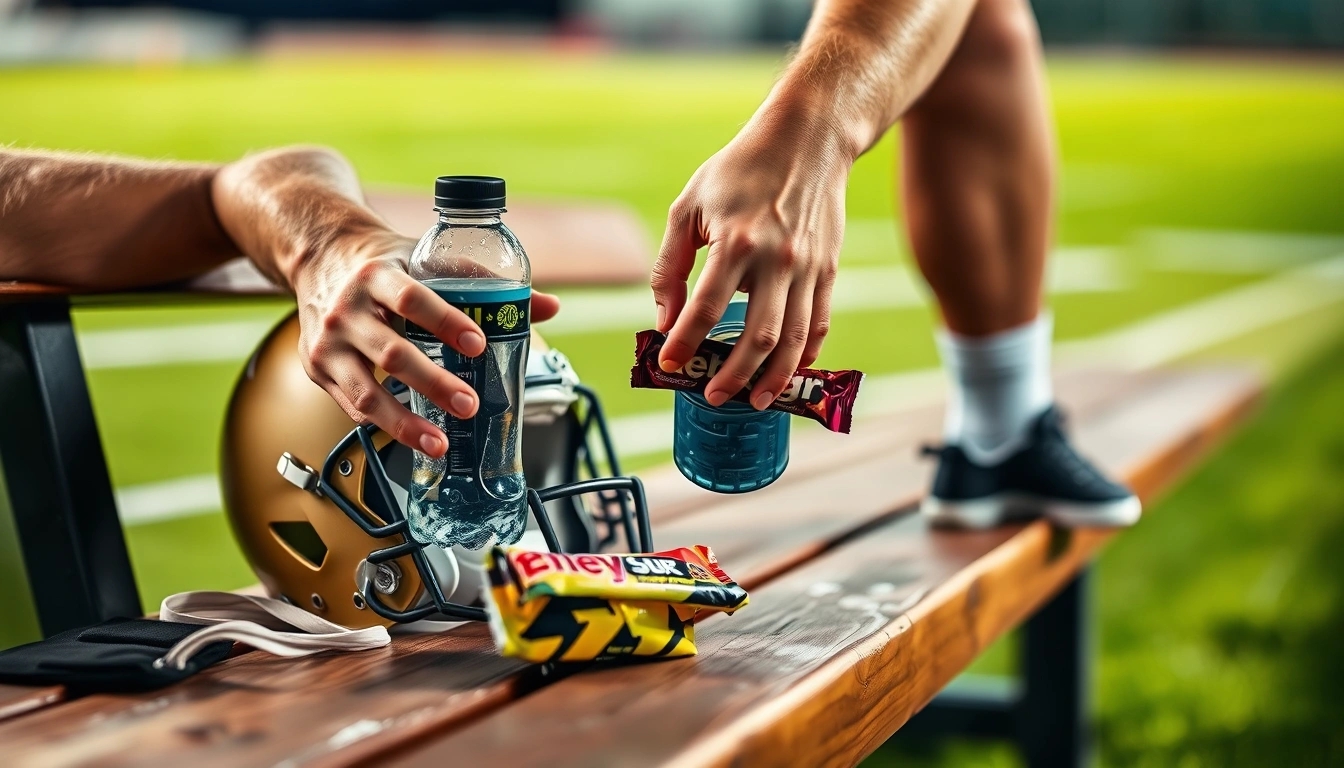
Snacking isn’t just for kids or couch potatoes either. Smart snacking keeps your blood sugar stable and energy levels from nosediving during those marathon training sessions. Think nuts, yogurt, or a piece of fruit instead of that tempting bag of chips. Supplements? Oh boy, the supplement aisle is like a jungle gym of promises. Creatine, BCAAs, protein powders—they can help but don’t expect magic overnight. Always do your homework, and maybe chat with a nutritionist before diving in.
Common nutrition mistakes to dodge like a bad tackle:
- Skipping meals and then binge eating later.
- Over-relying on processed “energy” bars and drinks.
- Ignoring hunger cues because you think “real athletes don’t snack.”
Finally, remember this: your body is your best coach. Learn to listen to it. Some days you’ll need more carbs, other days more protein or fats. No one-size-fits-all here. Adjust your fuel on the fly and keep experimenting until you find what keeps you sprinting—not limping.
In the end, football seasons are tough, but with the right nutrition game plan, you can stay energized, recover faster, and maybe even surprise yourself with some extra stamina on the field. So gear up, fuel smart, and get ready to tackle every match like a champ!
Understanding Your Energy Needs
Before you go shoving down whatever looks “healthy” just because it’s green or has a fancy label, it’s absolutely vital to get a grip on how much energy your body actually needs when you’re out there smashing it on the football pitch. Trust me, guessing won’t cut it. You might think eating a salad is the golden ticket, but if your body’s starving for fuel, you’ll be running on empty faster than you can say “halftime.”
Let’s break it down a bit. When you’re playing football—whether it’s a brutal training session or an all-out match—your muscles are burning through energy like a furnace. This energy mainly comes from calories, which you get from carbs, fats, and proteins. But here’s the kicker: the amount you need fluctuates wildly depending on your position, intensity, and even your metabolism. A striker sprinting up and down will need a different fuel plan than a goalkeeper who’s mostly standing guard.
| Factor | Impact on Energy Needs |
|---|---|
| Position Played | Forwards and midfielders usually require more calories due to constant movement. |
| Training Intensity | Higher intensity means increased calorie burn and more frequent refueling. |
| Body Weight & Metabolism | Heavier players or those with faster metabolisms burn more energy. |
Now, here’s where it gets tricky: your body doesn’t just need calories—it needs the right kind of fuel at the right time. Chowing down on a mountain of pizza the night before won’t magically boost your stamina. Instead, focus on balancing carbs for energy, proteins for muscle repair, and fats to keep you going during those long matches.
- Carbohydrates: Your primary energy source. Think pasta, rice, potatoes.
- Proteins: Essential for muscle recovery. Chicken, fish, beans, and nuts are your friends.
- Fats: Don’t fear them! Healthy fats like avocado and olive oil help sustain energy over time.
Also, don’t forget that energy needs aren’t static—they change day by day. Some days you’ll be smashing back-to-back drills, other days you’ll be chilling with light recovery work. Listen to your body, keep tabs on how you feel, and adjust your intake accordingly. It’s not rocket science, but it does require paying attention.
Quick Tip:- Before heavy training: Load up on carbs to top off your energy tanks.- After play: Prioritize proteins and some carbs to repair muscles and replenish glycogen.- On rest days: Scale back calories slightly but keep protein intake consistent.
In the end, understanding your energy needs is like knowing how much gas to put in your car before a road trip. Too little, and you stall out halfway. Too much, and you’re wasting resources. Nail this balance, and you’ll feel the difference on the pitch—less fatigue, better focus, and more firepower when it counts.
So, next time you’re eyeing that “healthy” snack or meal, pause and ask yourself: “Is this really going to fuel my game, or just fill my stomach?” Because in football, it’s not just about eating—it’s about fueling smart.
Carbs: The MVP of Football Nutrition
Let’s get one thing straight: carbohydrates often get a bad rap—blamed for weight gain or sluggishness—but when it comes to football, they’re the undisputed champions of energy. Seriously, if you think you can skip on carbs and still run circles around your opponents, well, good luck with that! Your muscles and brain absolutely crave carbs to keep you sharp and explosive on the pitch.
Think of carbs as the fuel in your tank. When you eat them, your body converts them into glucose, which is the primary energy source during high-intensity exercise. Without enough carbs, your energy tanks hit empty way too fast, leaving you panting on the sidelines, wondering where your stamina went. And trust me, nobody wants to be the player who fades out in the last 10 minutes of the game.
| Type of Carb | When to Eat | Why It Matters |
|---|---|---|
| Simple Carbs (fruits, honey) | Pre-game or during breaks | Quick energy boost, easy to digest |
| Complex Carbs (whole grains, oats) | Meals before training | Slow release energy, keeps you going longer |
| Fiber-rich Carbs (vegetables, legumes) | Throughout the day | Supports digestion and overall health |
Now, here’s the kicker—it’s not just about eating carbs, but when and what kind you consume. Chowing down on a giant plate of pasta the night before a game? Great move. But loading up on sugary snacks right before kickoff? Not so much. Your body needs complex carbs that release energy steadily, so you don’t crash mid-match like a deflating balloon.
- Pre-Game: Opt for a balanced meal with whole grains, lean protein, and veggies about 3-4 hours before hitting the field.
- During Game: Quick carbs like bananas or sports drinks can help keep energy levels from nosediving.
- Post-Game: Replenish glycogen stores with carbs combined with protein to speed up recovery.
But hey, carbs aren’t a magic potion. Overdoing it can leave you feeling bloated or sluggish—especially if you’re the type to binge on white bread and sugary sodas. The key is moderation and choosing nutrient-dense options. Whole grains, sweet potatoes, brown rice—these are your friends. They pack in vitamins, minerals, and fiber that keep your body running smoothly.
And a quick heads-up: low-carb diets might work for some folks, but for footballers? That’s like trying to play with one leg tied behind your back. You’ll sacrifice endurance, speed, and focus. So before you jump on any trendy diet bandwagon, remember that carbs are your teammates, not the enemy.
Quick Carb Tips for Footballers:- Don’t skip breakfast; oatmeal or wholegrain toast sets you up right.- Hydrate with carb-infused drinks during long sessions.- Experiment with timing to see what fuels you best.
In short, carbs are the real MVPs—fueling every sprint, tackle, and goal. So next time someone tells you to ditch the carbs, just smile and remember: champions don’t run on empty tanks.
Protein Power: Building and Repairing Muscle
Let’s face it, muscle recovery ain’t just some fancy phrase tossed around by gym bros—it’s the real deal, especially when you’re pounding the turf week after week. After a brutal match or an intense training session, your muscles are practically screaming for some TLC, and that’s where protein steps in as the unsung hero. But here’s the kicker: it’s not just about how much protein you eat, but when and what kind of protein you’re shoveling in. Miss the timing, and you might as well kiss your next-day performance goodbye.
Think of protein as the construction crew for your muscle fibers. When you tear them up on the field, protein swoops in to patch things up, rebuild stronger, and get you ready for the next hit. But gulping down a steak hours after your game? Eh, not the best move. Research shows that there’s a “golden window” — roughly 30 to 60 minutes post-exercise — where your body is primed to absorb protein like a sponge. Miss that window, and your muscles might not get the full benefit, leading to lingering soreness and sluggishness.
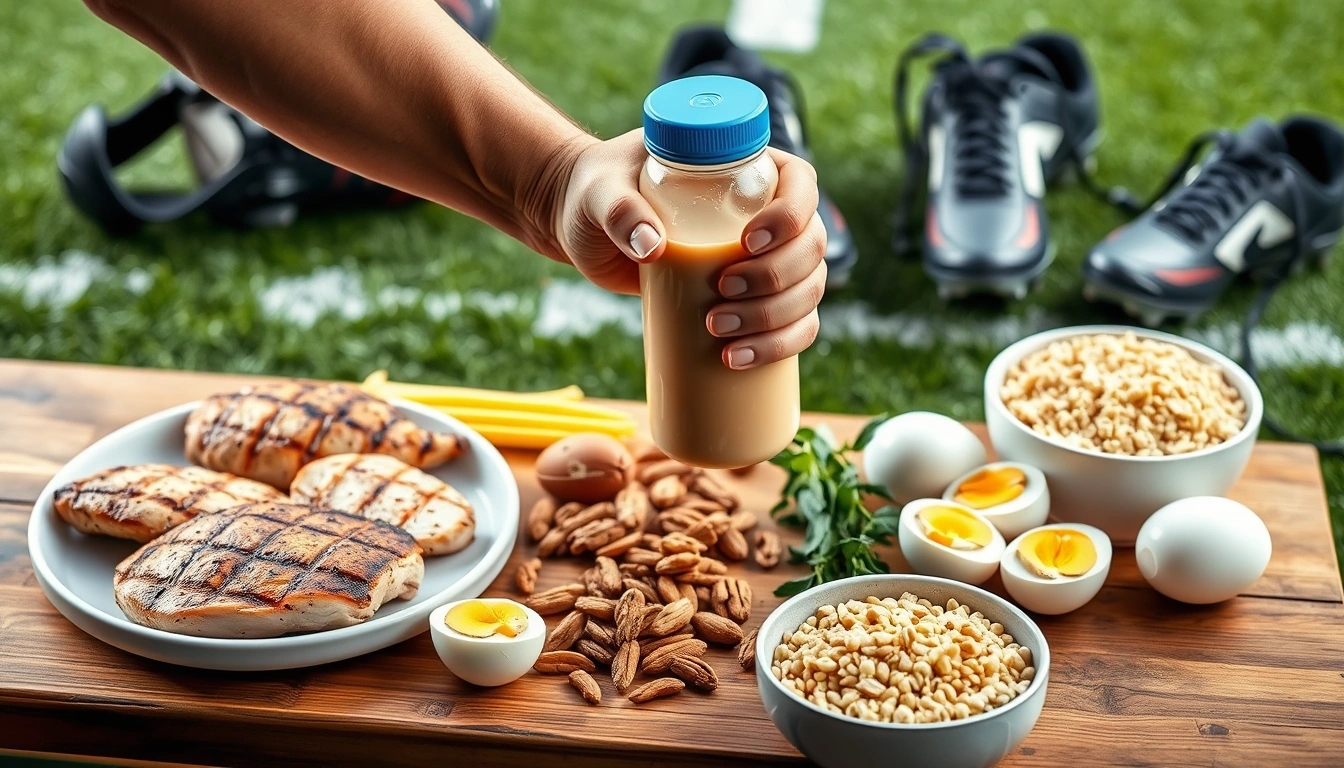
- Quality over quantity: Not all proteins are created equal. Whey protein, for example, is a fast absorber and packs a punch with essential amino acids, making it perfect post-game fuel.
- Spread it out: Chugging 100 grams of protein in one sitting? Not gonna help much. Your body can only utilize so much at once, so aim for moderate amounts every 3-4 hours.
- Don’t forget the plant-based options: Lentils, chickpeas, and quinoa might not sound like muscle magic, but they’re loaded with nutrients and can complement your protein intake nicely.
| Protein Source | Absorption Speed | Best Time to Consume |
|---|---|---|
| Whey Protein | Fast | Within 30-60 minutes post-exercise |
| Chicken Breast | Moderate | Meal times throughout the day |
| Eggs | Moderate | Breakfast or post-workout snack |
| Tofu | Slow | Anytime, great for plant-based diets |
Now, here’s where it gets tricky. Some folks swear by protein shakes, others by whole foods. Honestly? A combo of both tends to be the sweet spot. Shakes are convenient and hit that golden window quickly, but whole foods bring along extra goodies like vitamins, minerals, and fiber. Plus, chewing food triggers digestion in a way liquids can’t. So, don’t just down a shake and crash on the couch — pair it with a balanced meal when you can.
Oh, and don’t forget hydration. Protein’s best buddies with water—it helps shuttle amino acids to your muscles and flushes out waste from all that repair work. So keep that water bottle close, or you might find yourself nursing a headache instead of muscle soreness.
Practical Tips for Protein Power:- Plan your post-game snack ahead: a whey shake + a banana or a turkey sandwich.- Don’t skip breakfast! A protein-rich start fuels muscle repair overnight.- Listen to your body: some days you need more protein, some days less.- Variety is key: mix animal and plant proteins to cover all amino bases.
In the end, protein is like that reliable teammate who shows up every time you need them. Nail the timing, choose quality sources, and don’t be lazy about spreading it throughout the day. Your muscles will thank you with less soreness, quicker recovery, and a better shot at smashing your next match. So next time you’re tempted to skip that post-game snack, remember: protein power isn’t just science—it’s your secret weapon on the field.
Hydration: More Than Just Water
Sweating buckets on the field? Yeah, you’re basically a human waterfall out there. But here’s the kicker—downing a gallon of water won’t magically fix all your hydration woes. Staying hydrated during those intense football sessions is a bit of a science, and it’s way sneakier than just sipping H2O whenever you feel thirsty. Let’s break it down, no fluff.
First off, water is essential, no doubt. But when you sweat, you’re not just losing water; you’re also flushing out electrolytes—those sneaky minerals like sodium, potassium, calcium, and magnesium that keep your muscles firing and your nerves zinging. Ignore them, and you’re flirting with cramps, fatigue, and a general “blah” feeling that’ll kill your game faster than a red card.
Electrolytes: The Unsung Heroes
- Sodium: The big boss of electrolytes, it helps retain water and keeps your blood pressure in check.
- Potassium: Balances fluids and keeps muscle contractions smooth.
- Calcium & Magnesium: Crucial for muscle function and preventing cramps.
Now, gulping down a sports drink every five minutes isn’t the answer either. Some of those sugary concoctions can do more harm than good. The trick is to find a balance—something that replenishes electrolytes without dumping a sugar bomb into your system.
| Hydration Tip | Why It Matters | Practical Example |
|---|---|---|
| Pre-Hydrate | Starting well-hydrated prevents early fatigue. | Drink 500ml water 2 hours before training. |
| During Exercise | Maintain fluid and electrolyte balance. | Sip 150-250ml every 15-20 mins, consider electrolyte drinks. |
| Post-Game Recovery | Replace lost fluids and electrolytes. | Drink 1.5x the fluid lost (measure by weighing yourself). |
Timing is everything. Chugging water only after you feel parched? Too late, buddy. By then, your body’s already waving the “help me” flag. Ideally, you want to sip fluids consistently throughout the day, especially around your training and game times.
Also, don’t forget that what you eat plays a role in hydration. Foods like watermelon, oranges, cucumbers, and even soups pack a water punch along with electrolytes. So, your diet can be a secret weapon against dehydration.
Common Hydration Pitfalls:- Waiting until you’re thirsty to drink.- Overloading on plain water and flushing out electrolytes.- Ignoring electrolyte intake during long or hot sessions.- Relying solely on sugary sports drinks.
In the end, hydration is a balancing act. It’s about smart sipping, not just guzzling. So next time you’re drenched after a tough scrimmage, remember: it’s not just water you’re losing, it’s a whole cocktail of vital minerals that need to be replaced. Nail that, and you’ll be back on your feet, crushing it in no time.
Pro Tip: Keep a reusable water bottle with electrolyte tabs handy. They’re a game-changer when you’re on the go and need a quick fix without the sugar crash.
Stay hydrated, stay sharp, and keep those cramps at bay. Your body will thank you.
Snacking Smart: Between Meals Fuel
Let’s face it—snacking often gets a bad rap, like it’s some guilty pleasure only kids should indulge in. But if you’re grinding through those relentless football training days, snacking isn’t just a nice-to-have; it’s a total game changer. Seriously, strategic munching can keep your blood sugar from doing that annoying rollercoaster thing and maintain your energy levels so you’re not crashing halfway through drills or matches.
First off, timing is everything. Waiting until you’re starving to grab a bite? Rookie mistake. Your body needs a steady stream of fuel, especially during intense training blocks. Think of it like refilling your gas tank before it hits empty—not after. Ideally, snacks should come in about 2-3 hours after a meal and 30-60 minutes before hitting the field again. This keeps your muscles fueled and your brain sharp.
- Complex carbs like whole grain crackers or fruit provide slow-burning energy.
- Protein snacks, such as Greek yogurt or a handful of nuts, help muscle repair and keep you feeling full.
- Healthy fats from sources like avocado or nut butters support sustained energy release.
Now, don’t just grab any old snack. Avoid the sugary, processed stuff that spikes your blood sugar and then drops you into a slump faster than you can say “extra time.” You want snacks that balance your blood sugar and keep the energy steady.
| Snack Type | Examples | Why It Works |
|---|---|---|
| Complex Carbs | Oatmeal bars, banana, whole grain toast | Slow energy release to power through training |
| Protein | Boiled eggs, cottage cheese, turkey slices | Muscle repair and satiety |
| Healthy Fats | Almonds, peanut butter, avocado slices | Long-lasting energy and nutrient absorption |
Here’s a little insider tip: mixing these macros in your snacks is the sweet spot. For example, apple slices with peanut butter or a small turkey wrap on whole grain bread hits carbs, protein, and fats all at once. That combo is like the Swiss Army knife of snacks—versatile and effective.
But hey, not everyone’s stomach reacts the same way. Some players swear by a light fruit smoothie pre-practice, while others prefer solid bites. The key is to experiment during training, not on game day. Nothing worse than a snack-induced stomach cramp just as you’re about to score that winning goal.
Quick Snack Ideas for Footballers on the Go:
- Trail mix with nuts, seeds, and dried fruit
- Rice cakes topped with avocado and turkey slices
- Hummus with carrot and celery sticks
- Low-fat cheese with whole grain crackers
- Protein shake with a banana
In the end, snacking smart is about listening to your body and planning ahead. Don’t let hunger sneak up on you and sabotage your performance. Keep your fuel tank topped up and your energy steady, and you’ll be ready to crush every session like a pro.
Remember: Snacking isn’t a cheat—it’s part of the strategy. So next time you feel that mid-afternoon slump or pre-practice hunger pang, reach for something that fuels your hustle, not just fills your belly.
Stay fueled, stay fierce.
Supplements: Helpful or Hype?
Alright, let’s cut through the noise because the supplement world? It’s a total jungle gym of promises, labels, and, let’s be honest, a bit of confusion. Footballers, especially those grinding through intense seasons, often get bombarded with advice: “Take this for energy!” or “This will build muscle overnight!” But here’s the kicker — not all supplements are created equal. Some are pure gold, others? Well, let’s just say they belong in the bargain bin.
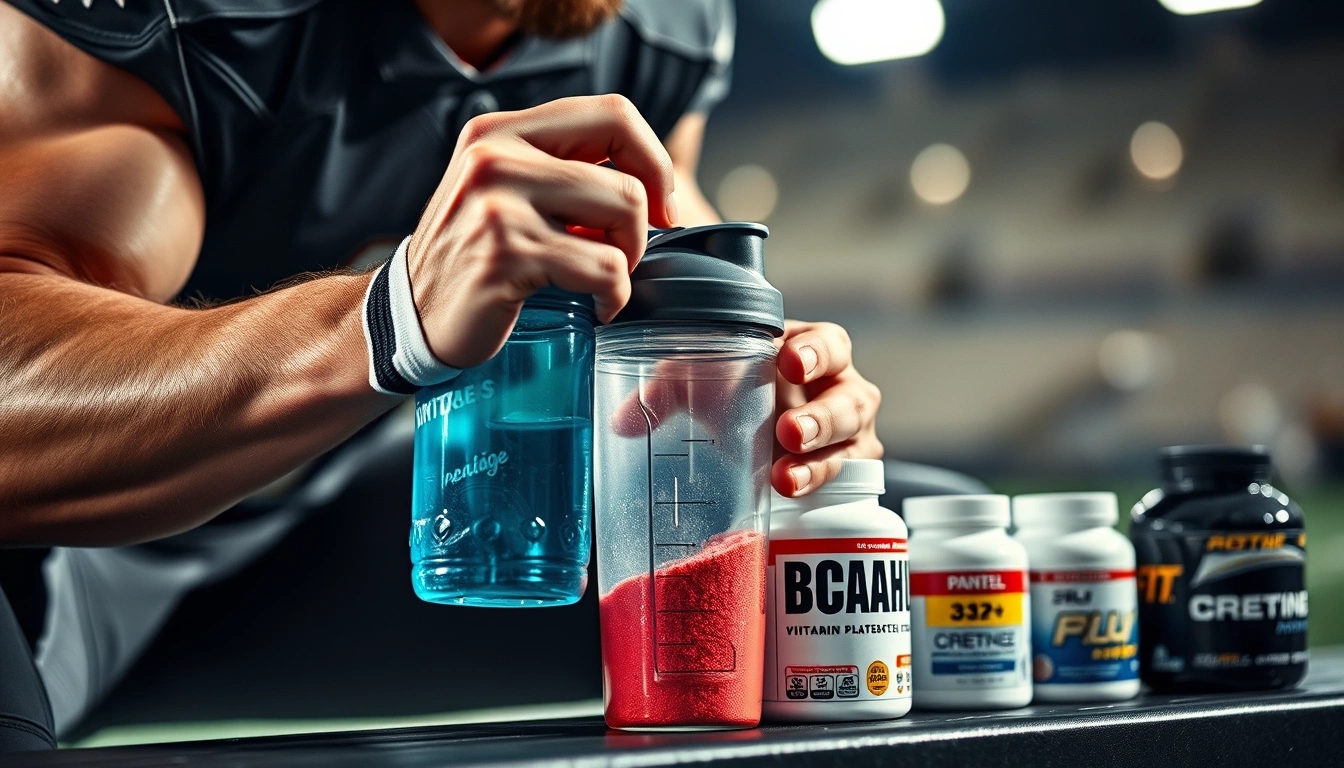
First off, creatine. This one’s been around forever and for good reason. It’s like that reliable teammate who never lets you down. Creatine helps your muscles produce energy during high-intensity plays, which is basically every football match ever. Studies back it up, showing improved strength and quicker recovery. But don’t expect to bulk up like a bodybuilder just by popping pills — it’s subtle, smart, and works best combined with solid training.
| Supplement | What It Does | Is It Worth It? |
|---|---|---|
| Creatine | Boosts short bursts of power and aids muscle recovery | Yes, if used properly |
| BCAAs (Branched-Chain Amino Acids) | Supports muscle repair and reduces soreness | Maybe, but often unnecessary if protein intake is sufficient |
| Pre-Workout Mixes | Increases energy and focus before games or training | Depends on ingredients; watch out for caffeine overload |
| Multivitamins | Fills nutritional gaps | Good for picky eaters, but not a magic bullet |
Now, onto BCAAs. These little guys are amino acids touted for muscle repair and cutting down soreness. Sounds great, right? But here’s the catch — if you’re already eating enough protein (and you should be), those BCAAs might just be a fancy way to empty your wallet. They’re not harmful, but for most footballers, they’re probably overkill.
Let’s not forget the pre-workout powders. They promise the world: laser focus, endless energy, and the ability to run through brick walls. Some do deliver a kick, mainly from caffeine and other stimulants, but the downside? Jitters, crashes, and sometimes a heart that feels like it’s auditioning for a drum solo. Use with caution, and maybe don’t chug one right before a big game unless you want to feel like a caffeinated squirrel.
- Practical Tip: Always check what’s inside your supplement — if it’s a secret blend or has ingredients you can’t pronounce, steer clear.
- Pro Tip: Supplements are just that — supplements. They don’t replace a balanced diet or proper training.
And here’s a little secret: hydration and nutrition trump supplements every single time. Before you splash cash on the latest “game-changer,” make sure your meals, water intake, and rest are on point. Supplements should be the cherry on top, not the whole cake.
In conclusion, if you’re thinking about diving into the supplement world, do your homework, listen to your body, and maybe have a chat with a nutritionist or coach. Because while some supplements can give you a legit edge, others are just hype wrapped in shiny packaging. Don’t get caught chasing magic pills — the real power is in consistent effort and smart fueling.
Remember: Supplements can help, but they won’t replace sweat, grit, and a good old-fashioned balanced diet.
Common Nutrition Mistakes to Avoid
Alright, let’s get real for a moment—nutrition isn’t just about munching on kale and chugging water like a parched camel. Even seasoned athletes, those pros who seem to have their diet dialed in, can trip up and make some pretty classic mistakes that throw their whole season off balance. So, buckle up, because here’s a no-BS rundown of the most typical nutritional blunders that can sneak up on you and sabotage your game.
- Ignoring the Timing of Meals: Eating like a ravenous wolf right before kickoff? Not the best move. Your body needs time to digest and convert food into usable energy. Stuffing yourself immediately before training or a match can lead to cramps, sluggishness, and, frankly, a bad mood. Conversely, skipping meals or waiting too long to eat after intense workouts delays recovery and drains your energy reserves.
- Underestimating Carbohydrates: Carbs often get a bad rap, but for football players, they’re the fuel in your tank. Neglecting carbs can leave you running on empty mid-game. Don’t fall for the low-carb fad when you’re burning thousands of calories on the pitch—your muscles need glycogen, plain and simple.
- Overdoing Protein: Yes, protein is crucial for muscle repair, but piling it on like there’s no tomorrow won’t magically build biceps overnight. Too much protein can stress your kidneys and leave little room for other vital nutrients. Balance is key.
Now, here’s a quick table to highlight some common mistakes versus smarter alternatives:
| Common Mistake | Better Approach |
|---|---|
| Skipping breakfast before morning training | Eat a small, carb-rich snack 30-60 minutes before to top off energy |
| Drinking only water, ignoring electrolytes | Include sports drinks or natural sources of sodium, potassium during long sessions |
| Relying heavily on supplements instead of whole foods | Focus on nutrient-dense meals; use supplements as a backup, not a crutch |
And hey, let’s not forget the sneaky mistake of neglecting hydration timing. Chugging gallons of water after you’re already parched is like trying to fill a bucket with a hole—too little, too late. It’s better to sip consistently throughout the day and especially before, during, and after workouts. Electrolytes? Don’t sleep on them. They’re the unsung heroes keeping your muscles firing and cramps at bay.
- Overlooking Snacking: Some players think snacking is for kids or couch potatoes. Nope! Smart snacking—think nuts, fruit, yogurt—can keep your blood sugar steady and energy levels humming between meals. Just don’t turn it into a junk food free-for-all.
- Failing to Listen to Your Body: This might sound cliché, but it’s true. Your body throws signals—fatigue, hunger, soreness—that you can’t ignore. Pushing through without adjusting your nutrition plan is a fast track to burnout.
Here’s a quick checklist to keep you on track:
- Plan meals and snacks around training schedules
- Balance carbs, protein, and fats—don’t obsess over one
- Stay hydrated with water and electrolytes
- Use supplements wisely, not as meal replacements
- Rest and recovery nutrition is just as important as pre-game fuel
Look, nobody’s perfect. If you mess up your nutrition once in a while, it’s not the end of the world. But consistently making these mistakes? That’s how seasons get derailed, and all those hours on the pitch don’t pay off. So, keep these pitfalls in mind, and you might just find yourself feeling sharper, faster, and ready to crush it every game day.
Sample Meal Plan for Game Days
Alright, so you’ve got your big match coming up and you’re probably wondering, “What on earth am I supposed to eat without turning into a hangry monster halfway through the game?” Trust me, it’s a real struggle. But fret not — here’s a practical, no-nonsense meal plan that’ll keep you fueled, focused, and far away from that dreaded hanger. No fancy-schmancy ingredients or complicated recipes, just straightforward food that works.
Morning Kick-Off:
Start your day with a breakfast that packs a punch but won’t leave you feeling like a brick in your stomach. Think oatmeal topped with banana slices and a drizzle of honey. Why? Because oats release energy slowly, and bananas are loaded with potassium — perfect for muscle function.
- Oatmeal (1 cup cooked)
- 1 medium banana
- 1 tbsp honey
- Optional: handful of nuts for some crunch and healthy fats
Mid-Morning Snack:
You’re not a robot; your body needs little pick-me-ups before the big event. Grab a yogurt cup with some berries or a small protein bar. Just make sure it’s not packed with sugar — nobody wants a crash before kickoff.
| Snack Option | Why It Works |
|---|---|
| Greek yogurt with mixed berries | Protein + antioxidants to keep inflammation down |
| Low-sugar protein bar | Quick energy and muscle support |
Pre-Game Lunch (3-4 hours before):
Here’s where the magic happens. You want carbs to top off your glycogen stores, moderate protein to keep muscles ready, and just a bit of fat to slow digestion. Avoid anything too greasy or heavy — you don’t want a food coma on the pitch.
- Grilled chicken breast (4-6 oz)
- Brown rice or whole wheat pasta (1 cup cooked)
- Steamed veggies (broccoli, carrots, or green beans)
- A drizzle of olive oil for healthy fats
Game Time Fuel:
If your match is long or you’ve got back-to-back games, a small carb-rich snack 30-60 minutes before kickoff can be a lifesaver. Think a banana, a slice of toast with jam, or a handful of pretzels.
Post-Game Recovery:
You crushed it on the field, now time to help your muscles recover. The golden rule: carbs + protein within 30 minutes post-game. Chocolate milk is a classic for a reason — it hits the spot with both. Or whip up a smoothie with whey protein, frozen berries, and a splash of milk.
| Recovery Options | Benefits |
|---|---|
| Chocolate milk | Perfect carb-to-protein ratio to refuel muscles |
| Protein smoothie | Easy to digest and customizable |
| Turkey sandwich on whole grain bread | Balanced meal to replenish energy and repair tissue |
Final Thoughts:
Look, meal planning doesn’t have to be rocket science or a Michelin-star challenge. The key is to keep it simple, focus on nutrient timing, and listen to your body. If you’re feeling sluggish or hangry, tweak your portions or snack choices. And remember, hydration is your best mate — don’t forget to drink water alongside this plan.
Quick Checklist Before Game Day:
- Eat a carb-focused breakfast
- Snack smart, avoid sugar crashes
- Have a balanced lunch 3-4 hours before kickoff
- Top off energy with a light snack pre-game
- Refuel immediately after with carbs + protein
Stick to this plan, and you’ll be running circles around the opposition — not your hunger pangs.
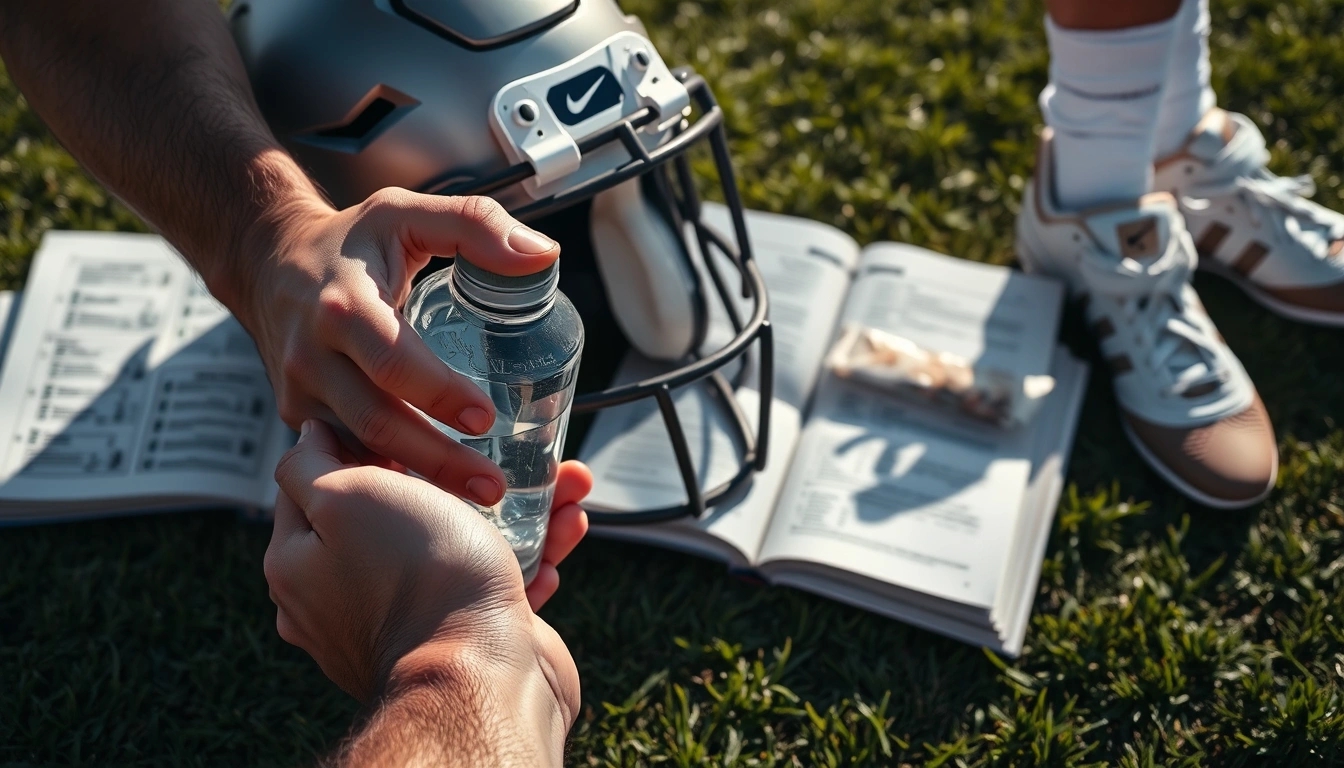
Listening to Your Body: Adjusting Fuel on the Fly
Look, if there’s one thing football players learn (sometimes the hard way), it’s that no two bodies are carbon copies. You can’t just copy-paste someone else’s diet or fueling plan and expect to feel like a champ every single game. The real magic happens when you start tuning into your own hunger signals and energy vibes, and then adjust your fuel accordingly. Sounds simple, right? Well, not always. Sometimes your body talks in riddles, and you gotta become a bit of a detective.
Think of it like this: your body is a high-performance machine, but it’s also kinda moody. One day you might wake up ravenous, ready to devour a steak the size of your head, and the next, you’re barely nibbling on a granola bar. That’s normal! The trick is to listen without judgment. Are you actually hungry, or just bored? Is your energy tank flashing red because you skipped breakfast, or maybe you’re just dehydrated? Getting tuned in means asking yourself these questions often.
- Notice your hunger cues: Is it a gnawing emptiness or just a mild craving?
- Energy levels: Are you dragging your feet, or buzzing like a caffeine addict?
- Mood swings: Hangry? Irritable? Sometimes that’s your body screaming for nutrients.
And here’s a little secret: it’s okay to adjust your plan on the fly. Didn’t eat enough carbs before practice? Grab a banana or a sports drink. Feeling sluggish mid-game? Maybe a quick protein hit or a salty snack can save your butt. The key is to keep experimenting and not get stuck in rigid routines.
| Situation | Body Signal | Quick Fuel Fix |
|---|---|---|
| Pre-game jitters | Nervous stomach, low appetite | Small carb-rich snack (e.g., toast with honey) |
| Mid-practice energy crash | Heavy legs, yawning | Electrolyte drink or fruit |
| Post-game soreness | Muscle fatigue, hunger pangs | Protein shake with some carbs |
But beware, not all hunger is created equal. Sometimes your body might confuse thirst for hunger, or stress for appetite. It’s a minefield! So, keep a water bottle handy and don’t ignore how much sleep you’re getting — both play a huge role in how your body signals hunger and energy.
Here’s a quick checklist to help you get started on this self-awareness journey:
- Track your meals and energy levels for a week.
- Note when you feel most hungry and when your energy dips.
- Experiment with different snack timings and types.
- Stay hydrated and observe how it affects your appetite.
Remember, this isn’t about obsessing over every bite or calorie. It’s about building a relationship with your body, understanding its quirks, and giving it what it needs when it needs it. When you nail this, you’ll find yourself less cranky, more energized, and ready to crush the season—even when the schedule gets brutal.
So next time you’re staring down a grueling training session or a nail-biting match, pause for a sec and ask yourself, “What does my body really want right now?” That little moment of mindfulness might just be the secret sauce to your success.
Frequently Asked Questions (The title must be written in English.)
- Why are carbohydrates so important during a football season?
Think of carbs as the fuel in your car’s gas tank—they provide the quick energy your muscles crave during intense matches and training. Without enough carbs, you’ll feel sluggish and drained, making it tough to keep up with the pace on the field.
- How much protein should I consume to recover properly?
Protein is like the repair crew for your muscles after a tough game. Aim for about 1.2 to 2 grams of protein per kilogram of your body weight daily, focusing on quality sources like lean meats, dairy, or plant-based options. Timing matters too—try to eat protein within 30-60 minutes post-exercise to speed up recovery.
- Is drinking water enough to stay hydrated during games?
Not quite! While water is essential, you also lose vital electrolytes like sodium and potassium through sweat. Replenishing these through sports drinks or electrolyte-rich snacks helps prevent cramps and keeps you sharp.
- Can snacking really improve my performance?
Absolutely! Smart snacking keeps your energy steady and blood sugar balanced, so you don’t hit that dreaded wall mid-practice. Think small, nutrient-packed bites like nuts, fruit, or yogurt between meals.
- Are supplements necessary for football players?
Supplements can be helpful but aren’t magic bullets. Creatine and BCAAs might boost performance and recovery, but it’s best to focus on whole foods first. Always consult a professional before diving into supplements.
- What are common nutrition mistakes to avoid during the season?
Skipping meals, neglecting hydration, and underestimating carb intake are frequent pitfalls. Overloading on junk food or relying too much on supplements can also backfire, leaving you tired and vulnerable to injury.
- How should I adjust my meals on game day?
Stick to familiar, balanced meals rich in carbs and moderate protein, eaten 3-4 hours before kickoff. Avoid heavy, greasy foods that slow you down. A light snack an hour before can top off your energy reserves.
- How can I listen to my body to optimize nutrition?
Pay attention to hunger cues, energy slumps, and how different foods make you feel during training. Adjust portions and timing accordingly—your body is the ultimate coach in fine-tuning your fuel strategy.