
So, you’re sidelined with an injury and itching to get back on the field, court, or track. Trust me, the road back is rarely a straight sprint; it’s more like a winding marathon filled with patience, setbacks, and a stubborn refusal to quit. Getting back into sports post-injury is a juggling act of mental toughness, smart planning, and listening to your body — even when it’s screaming at you to stop.
First off, understanding your injury isn’t just a checkbox on the recovery list. It’s the foundation. Whether it’s a sprained ankle, torn ligament, or a nagging muscle strain, knowing what you’re dealing with helps set realistic expectations. Recovery timelines can vary wildly — what feels like forever to you might be a blink to a pro athlete, or vice versa. Here’s a quick breakdown:
| Injury Type | Typical Recovery Time | Key Considerations |
|---|---|---|
| Sprains & Strains | 2-6 weeks | Rest, gradual stretching, avoid rushing back |
| Fractures | 6-12 weeks or more | Immobilization, physical therapy, slow weight-bearing |
| Ligament Tears (e.g., ACL) | 6-9 months | Possible surgery, intense rehab, mental resilience |
Now, let’s talk about the mental game. Injuries don’t just mess with your body — they mess with your head. Fear of re-injury, anxiety about performance, and frustration with slow progress can all pile up. It’s normal to second-guess every move, but letting that paranoia take over is a one-way ticket to nowhere. Here’s a quick list to keep your head in the game:
- Practice mindfulness or meditation to manage anxiety
- Set small, achievable goals to rebuild confidence
- Talk to teammates, coaches, or professionals about your fears
Speaking of goals, setting realistic milestones is your secret weapon. Dreaming of a lightning-fast comeback is great for motivation but can backfire if you push too hard too soon. Break your recovery into bite-sized chunks — celebrate the small wins like regaining range of motion or completing a rehab session pain-free.
And don’t forget about the medical dream team. Doctors, physiotherapists, and trainers aren’t just there to boss you around — they’re your allies. Make sure you understand their advice, ask questions, and be honest about your pain levels. Sometimes, stubbornness is admirable but dumb when it risks reinjury.
Here’s a simple rehab checklist to keep you on track:
✔ Follow prescribed exercises daily✔ Avoid “hero” moments where you push through pain✔ Track progress with notes or apps✔ Adjust plan based on feedback from pros
Nutrition also plays a surprisingly big role. Think of your body as a car — you wouldn’t fuel a Ferrari with cheap gas, right? Protein, vitamins C and D, zinc, and omega-3 fatty acids can speed up tissue repair and reduce inflammation. Stay hydrated and avoid junk food that drags your recovery down.
When it’s time to jump back into training, don’t go all-in like it’s the last lap of the Olympics. Gradual increase in intensity and volume is key — your body needs to relearn how to handle stress without freaking out. Use wearable tech or apps to monitor your workload and avoid the classic “too much, too soon” trap.
Recovery is rarely a straight path — setbacks happen, and they suck. But keeping a positive mindset and adjusting your plan when needed will keep you from losing your mind. Remember, every pro has been there. Your comeback story is just getting started.
Understanding Your Injury
Before you even think about tying those laces and hitting the field or court again, you’ve got to take a hard look at what kind of injury you’re dealing with. It’s not just a scrape or a bruise; injuries come in all shapes and sizes, and each one demands its own unique game plan. Ignoring this step? Well, that’s like trying to play a championship game blindfolded — not exactly a winning strategy.
Let’s break it down a bit. Injuries generally fall into a few broad categories: acute injuries, like a sudden ankle sprain or a torn ligament, and chronic injuries, which creep up over time, like tendonitis or stress fractures. The big difference? Acute injuries usually have a clear start point — you know exactly when you tweaked that knee. Chronic injuries, on the other hand, are sneaky little devils that build up from repetitive strain or overuse.
| Injury Type | Common Examples | Impact on Recovery |
|---|---|---|
| Acute Injuries | Sprains, fractures, muscle tears | Usually require immediate treatment; recovery can range from weeks to months depending on severity. |
| Chronic Injuries | Tendonitis, stress fractures, shin splints | Often need long-term management and gradual rehab; returning too soon can make things worse. |
| Overuse Injuries | IT band syndrome, bursitis | Recovery depends heavily on rest and modifying activity; stubborn and prone to relapse. |
Now, don’t get me wrong — knowing the type of injury is just the start. The real kicker? Understanding how it messes with your recovery timeline. Some injuries heal lightning fast, while others drag on like a bad Netflix series you just can’t quit. For example, a mild muscle strain might have you back running in a couple of weeks, but a torn ACL? That’s a whole different beast, often requiring surgery and months of rehab.
- Severity matters: Minor injuries might only bench you for a short spell, but severe ones can turn your comeback into a marathon.
- Age and fitness level: Younger, fitter athletes often bounce back quicker, though that’s not a hard and fast rule.
- Previous injury history: If you’ve been down this road before, your body might be more fragile than you think.
Here’s a little insider tip: don’t rush the timeline just because you’re itching to get back. That temptation? It’s the sneaky culprit behind many re-injuries. Your body needs time to rebuild, and pushing too hard too soon is like trying to sprint before you’ve learned to walk.
Recovery Timeline (General Guide)---------------------------------- Minor sprain: 1-3 weeks- Moderate muscle tear: 4-8 weeks- Severe ligament tear (e.g., ACL): 6-12 months- Stress fractures: 6-8 weeks (minimum)
In the end, understanding your injury means giving yourself the best shot at a smooth comeback. It’s about respecting the process, listening to your body, and yes, sometimes biting the bullet and sitting out when every fiber of your being screams to play. Because rushing back? That’s a fast track to frustration and possibly more time on the sidelines.
So, before you lace up those sneakers, get the full scoop on your injury. It’s the smartest move you can make — trust me on this one.
The Mental Game: Overcoming Fear and Doubt
Injuries don’t just mess with your muscles and bones—they mess with your mind too, big time. You’re not just battling physical pain or the frustration of being sidelined; you’re also wrestling with a swirling cocktail of anxiety, doubt, and sometimes downright paranoia about every little move you make. It’s like your brain turns into your own worst enemy, whispering things like, “What if I get hurt again?” or “Am I even capable of coming back?” Spoiler alert: you’re not alone in this mental mess.
- Fear of re-injury is probably the biggest hurdle. It’s natural to hesitate, but that hesitation can turn into a mental block that slows down recovery or even stops you from giving your best.
- Then there’s the confidence dip. You might find yourself second-guessing your skills or feeling rusty, even if your body is ready to roll.
- And don’t forget the anxiety about performance. The pressure to come back stronger, faster, better? Yeah, that can feel like a mountain.
| Common Mental Challenges Post-Injury | What They Feel Like | How to Combat Them |
|---|---|---|
| Fear of Re-injury | Hesitation, avoidance of certain moves, hyper-vigilance | Gradual exposure, mental rehearsal, working with a psychologist |
| Loss of Confidence | Self-doubt, negative self-talk, reluctance to push limits | Positive affirmations, small wins, supportive coaching |
| Anxiety About Performance | Stress, racing thoughts, physical symptoms like sweating or nausea | Mindfulness, breathing exercises, setting realistic goals |
Now, here’s the thing—getting your head right isn’t about flipping a switch. It’s messy, it’s frustrating, and sometimes you’ll want to throw in the towel. But that’s when you gotta remind yourself: patience and persistence are your best buddies. One day you’ll feel like a champ, and the next, you’re back to doubting everything. It’s a rollercoaster, no doubt.
- Tip 1: Talk it out. Whether it’s a therapist, coach, or just a mate who gets it, voicing your fears cuts their power down to size.
- Tip 2: Visualize success. Sounds cheesy? Maybe. But picturing yourself nailing that move or finishing the game pain-free can seriously boost your mindset.
- Tip 3: Celebrate tiny victories. Managed a full practice without pain? Nailed a rehab exercise? That’s progress, so high-five yourself!
Remember:- Mental recovery is just as important as physical.- Don’t rush; healing your mind takes time.- Embrace setbacks as part of the journey, not the end of it.
In the end, overcoming the mental hurdles after injury is like training a stubborn muscle—it takes reps, time, and a bit of grit. But once you crack that code, you’ll find yourself not only back in the game but stronger mentally and physically. And that’s the real win.
Setting Realistic Goals for Recovery
Dreaming about running that 5K again or smashing your personal best is fantastic—who doesn’t want to get back in the game like a champ? But here’s the kicker: big dreams need small, doable steps or else you’re just setting yourself up for a faceplant. Recovery isn’t a sprint; it’s more like a slow, sometimes frustrating hike uphill. So, before you start planning your victory lap, let’s talk about how to set goals that actually keep you moving forward without breaking your spirit—or your body.
- Start with the “Why”: What’s pushing you to get back? Is it the thrill, the social buzz, or just feeling like your old self again? Pinning down your motivation helps you stay grounded when things get tough.
- Break it down: Instead of “I want to be back on the field,” think “I want to walk pain-free for 10 minutes” or “I want to do basic stretches without discomfort.” Tiny wins like these make a huge difference.
- Be flexible: Recovery is messy. Some days you’ll feel like a rockstar, others like a total flop. Adjust your goals accordingly—stubbornness here just invites setbacks.
| Goal Type | Example | Why It Works |
|---|---|---|
| Short-term | Walk 15 minutes without pain | Builds confidence and tracks progress |
| Mid-term | Complete rehab exercises 4 times a week | Establishes routine and strengthens injury site |
| Long-term | Return to non-competitive sports within 6 months | Sets a realistic timeline to aim for |
Here’s a little secret: celebrating the small stuff is your best weapon. Did you manage to do your physio exercises today? High five! Could you bend your knee a bit more than yesterday? That’s progress, baby. This isn’t about perfection or rushing; it’s about stacking those little wins so you don’t lose steam or get frustrated. And trust me, frustration will visit you like an uninvited guest—welcome it, learn from it, then kick it out.
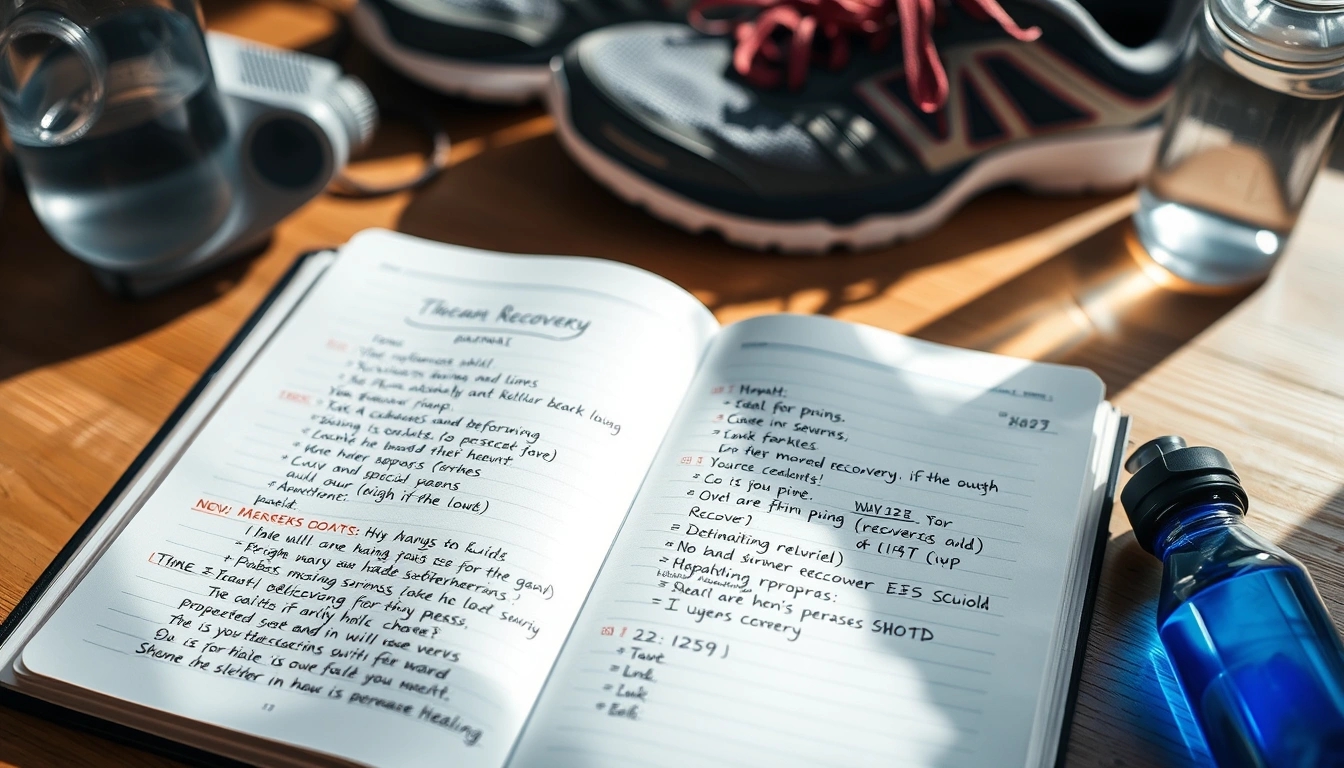
Tips for Setting Realistic Recovery Goals:- Write your goals down and revisit them weekly.- Share your goals with your support crew (friends, family, therapists).- Use a journal or app to track pain levels and improvements.- Allow at least one rest day to avoid burnout.- Don’t compare your progress to others; your journey is unique.
Another thing to keep in mind: don’t ignore your body’s signals. Pushing through pain might sound heroic but often backfires spectacularly. If your goal feels like it’s turning into a nightmare, scale it back. Remember, the comeback trail is a marathon, not a 100-meter dash. Slow and steady, with realistic checkpoints, will get you there without the drama.
So yeah, dream big—by all means, have that vision of glory. But back it up with goals you can actually hit, celebrate every tiny victory, and be kind to yourself when things don’t go exactly as planned. That’s how you keep your mojo alive while making a true, lasting comeback.
Working with Medical Professionals
Alright, so you’ve taken a nasty spill or pushed yourself a bit too hard, and now you’re staring down the barrel of recovery. Here’s the deal: doctors, physiotherapists, and trainers aren’t just some fancy titles—they’re your ultimate tag team for getting back in the game. But hey, knowing who does what and how to really use their skills can make or break your comeback.
Doctors are usually the first stop after an injury. They’re the ones who diagnose the damage, order scans, and decide if you need surgery or just some good old rest. Don’t just nod and smile; ask questions, even if you feel like a broken record. What’s the severity? What’s the timeline? What should you absolutely avoid? Their job is to set the medical groundwork, so you don’t rush headfirst into trouble. Remember, they’re not magicians—they give you the facts, but you gotta do the heavy lifting.
- Tip: Bring a list of symptoms and questions to your appointment. It helps cut through the jargon.
- Tip: Be honest about pain levels and any weird sensations. They need the full picture.
Next up, physiotherapists. These folks are the real MVPs during rehab. They design exercises tailored to your injury, focusing on restoring strength, flexibility, and balance. But don’t expect miracles overnight. It’s a slow grind and sometimes frustrating as heck. Your physio is also your cheerleader and drill sergeant rolled into one—pushing you when you want to quit but knowing when to ease off.
| Role | What to Expect | How to Maximize Benefits |
|---|---|---|
| Assessment | Identify movement limitations and pain triggers | Be detailed about your daily activities and pain points |
| Exercise Prescription | Custom rehab routines | Commit to home exercises, even when lazy |
| Manual Therapy | Hands-on techniques to reduce pain and improve mobility | Communicate discomfort levels honestly |
Then, there’s the trainer—your fitness guru when you’re ready to ramp things back up. Trainers help you rebuild endurance, strength, and sport-specific skills without going overboard. But here’s the catch: trainers aren’t doctors or physios, so they rely heavily on their knowledge of your medical clearance and rehab progress. If you try to fake it, you’ll pay the price.
- Pro Tip: Keep your trainer in the loop about any flare-ups or discomfort.
- Pro Tip: Don’t skip warm-ups and cool-downs—they’re not just fluff.
So how do you get the most out of these pros? Communication is king. Be upfront about your goals, fears, and setbacks. Don’t be shy about asking for explanations or alternative approaches if something feels off. And for heaven’s sake, follow their advice—even when Netflix and the couch seem way more tempting.
In the end, your recovery team is like a pit crew in a race—they each have a role, and if you let them work together (and listen!), you’ll cross that finish line stronger and smarter. Just remember, it’s a marathon, not a sprint—so buckle up and trust the process.
Rehabilitation Exercises: What Works and What Doesn’t
Alright, let’s get real about rehab exercises. Not all of them are your golden ticket back to the game. Some routines? Total time-wasters or even worse, recipe for another injury. So, buckle up, because diving into what really moves the needle—and what just spins your wheels—is crucial if you want to come back stronger, not sidelined again.
First off, quality beats quantity every time. You might think grinding through endless sets of generic exercises is the answer, but nah—rehab isn’t about mindless reps. It’s about targeted, purposeful movements that rebuild your strength and mobility without pushing you over the edge. A classic mistake? Jumping into high-intensity workouts too soon. Your body’s still got that injury baggage to deal with, and rushing can backfire big time.
- Effective Rehab Routines: Focus on controlled, low-impact exercises that emphasize proper form. Think: gentle resistance bands, balance drills, and slow, deliberate stretches.
- Common Pitfalls: Overdoing it, ignoring pain signals, or sticking to one-size-fits-all programs that don’t consider your unique injury and fitness level.
You know those flashy rehab programs promising a quick fix? Yeah, take them with a grain of salt. The reality is, rehab is messy and slow, and sometimes it feels like you’re taking two steps back for every one forward. But here’s a pro tip: consistency trumps intensity. Even 10 minutes daily of the right exercises beats a single marathon session that leaves you limping.
| Exercise Type | Why It Works | When To Avoid |
|---|---|---|
| Isometric Exercises | Build strength without joint movement, ideal early in recovery | If they cause sharp pain or swelling |
| Dynamic Stretching | Improves flexibility and blood flow, prepares muscles for activity | Before full healing or if range of motion is limited |
| Weight-bearing Exercises | Enhance bone density and functional strength | Too soon after fracture or severe injury |
Now, let’s talk about listening to your body. Sounds cliché, but it’s the golden rule. If something hurts in a “bad way” (not just the usual muscle burn), stop. Pain is your body waving a red flag, not a challenge to tough it out. Also, beware of the “no pain, no gain” myth—it’s rehab, not boot camp.
- Tip 1: Work closely with your physiotherapist—they know the drill better than any YouTube video.
- Tip 2: Mix up your exercises to avoid plateaus and keep your motivation alive.
- Tip 3: Don’t skip warm-ups and cool-downs; they’re your injury-prevention best friends.
In the end, rehab is a marathon, not a sprint. It’s about smart work, patience, and sometimes embracing the frustratingly slow progress. So, ditch the cookie-cutter routines, tune into your body’s signals, and build a rehab plan that’s as unique as your injury. Your future self, back on the field and pain-free, will thank you.

Nutrition’s Role in Healing
Alright, let’s get real about this whole “food as medicine” thing when you’re bouncing back from an injury. You might think chowing down on pizza and ice cream is the way to soothe those aches, but spoiler alert: your body is a bit pickier than that when it comes to healing. Feeding your body the right stuff can seriously speed up recovery, and trust me, it’s not just about stuffing yourself with protein shakes and kale smoothies — though those do help.
When you’re injured, your body is basically running a repair shop, and that shop needs the right tools. Think of nutrients as the nuts and bolts for fixing you up. Protein is the MVP here — it’s the building block of muscle and tissue, so without enough of it, your body’s repair crew is left twiddling their thumbs. But don’t go overboard; balance is key. You also want to load up on vitamins and minerals — especially vitamin C, zinc, and iron — because they’re like the foremen directing the whole operation.
| Nutrient | Role in Healing | Food Sources |
|---|---|---|
| Protein | Rebuilds muscle and tissue | Chicken, fish, beans, tofu, eggs |
| Vitamin C | Supports collagen production for tissue repair | Citrus fruits, strawberries, bell peppers |
| Zinc | Boosts immune function and wound healing | Meat, nuts, seeds, whole grains |
| Iron | Helps oxygen transport to injured areas | Red meat, spinach, lentils |
| Omega-3 Fatty Acids | Reduces inflammation | Fatty fish, flaxseeds, walnuts |
Now, here’s where it gets tricky — you can’t just slam down supplements and call it a day. Your gut needs to actually absorb this stuff, so a well-rounded diet with plenty of whole foods is your best bet. Plus, hydration plays a sneaky but critical role. Water helps flush out toxins and keeps those cells happy, so don’t slack on the H2O.
- Tip #1: Don’t skip meals, even if your appetite is shot. Your body needs a steady stream of nutrients.
- Tip #2: Avoid excessive sugar and processed junk — they can actually slow down healing by increasing inflammation.
- Tip #3: Consider small, frequent meals to keep your energy and nutrient levels stable.
Let’s not forget, the mental side of munching right is just as important. Eating well can lift your mood and make you feel like you’re actually doing something proactive, which is a big deal when you’re stuck on the sidelines feeling frustrated. So yeah, it’s not just about the physical gain but the mental win too.
In short, think of your diet as your secret weapon in the comeback game. It’s not glamorous, and it won’t replace your physical therapy or medical advice, but it sure as heck makes the whole recovery process smoother. So next time you’re tempted to binge-watch Netflix with a bag of chips, maybe grab a handful of almonds instead. Your body will thank you — eventually.
Quick Recap:
- Prioritize protein and vitamin-rich foods- Stay hydrated like your recovery depends on it (because it does)- Ditch the junk that fuels inflammation- Eat consistently, don’t starve your repair crew- Remember, good nutrition better mood and faster healing
Keep these tips in mind, and you’ll be back on the field before you know it — or at least not feeling like a rusty old machine trying to crank back to life. Recovery isn’t a sprint, but with the right fuel, it’s definitely less of a drag.
Gradual Return to Training
So, you’ve been sidelined with an injury and now you’re itching to get back in the game. But hold on a sec—jumping back in headfirst? That’s a one-way ticket to re-injury city. Trust me, pacing yourself and tuning into what your body’s telling you is the smartest move you can make. Sounds boring, right? But it’s the reality check your stubborn self needs.
First off, let’s get real: your body’s been through a lot. Whether it’s a sprained ankle, torn ligament, or a pesky muscle strain, your tissues need time to heal properly. Rushing back too fast is like trying to run a marathon after a nap—you’re just setting yourself up to trip. Your muscles, tendons, and ligaments need a bit of TLC before they’re ready to handle the pressure again.
- Start slow: Begin with light, controlled movements. Think walking, gentle stretching, or low-impact cardio. No need to blast full throttle on day one.
- Listen up: Pain is your body’s way of waving a red flag. If it hurts, stop. Don’t push through it like a hero—heroes don’t get sidelined again.
- Mix it up: Alternate between rest and activity. Your body needs time to adapt and rebuild strength.
| Week | Focus | Activities | Goal |
|---|---|---|---|
| 1-2 | Reintroduction | Light walking, gentle stretching | Restore basic mobility without pain |
| 3-4 | Strengthening | Bodyweight exercises, low-impact cardio | Rebuild muscle strength and endurance |
| 5-6 | Sport-specific drills | Controlled practice, light skill work | Regain coordination and confidence |
| 7+ | Full training | Normal practice sessions, increased intensity | Prepare for competition readiness |
Now, here’s the kicker: patience is a virtue nobody wants when they’re itching to play, but it’s non-negotiable here. You might feel like you’re stuck in slow-mo while your teammates are out there crushing it, but rushing back often means you’re just delaying the inevitable—another injury, or worse, a longer break.
Also, don’t ignore the mental side of things. The fear of re-injury can creep in and mess with your head. It’s totally normal to hesitate or second-guess moves you used to do blindfolded. That’s why a gradual return isn’t just about your body—it’s about rebuilding your confidence too. Celebrate the small wins: a pain-free jog, a successful drill, or simply feeling like yourself again.
Tips for a Smart Comeback:- Keep a journal of your daily progress and setbacks.- Communicate openly with your coach and medical team.- Don’t compare your recovery to anyone else’s timeline.- Remember: setbacks are part of the journey, not the end of it.
In the end, the goal is simple: get back stronger, smarter, and ready to play without the nagging fear of injury lurking in the background. So, take a breath, slow down, and let your body lead the way. It’s not glamorous, but it sure beats rehabbing the same injury twice.
Bottom line: Your comeback story isn’t about how fast you return; it’s about how well you come back. So pace yourself, listen closely, and play it smart. Your future self will thank you.
Tracking Progress and Adjusting Plans
Alright, so you’ve been grinding through rehab, sweating bullets over every stretch and rep, and now you’re wondering, “Am I actually getting better or just spinning my wheels here?” Keeping tabs on your recovery isn’t just some fancy advice tossed around by trainers; it’s the secret sauce to spotting problems before they snowball into full-blown setbacks. Think of it like your personal GPS for the bumpy road back to sport—without it, you’re basically driving blindfolded.
First off, you gotta track your progress consistently. This isn’t a one-and-done deal where you check in once a week and hope for the best. Nah, you want a daily or at least every-other-day routine to jot down how you feel, what exercises you crushed, and any pain or weird sensations that popped up. Use a journal, an app, or even a simple spreadsheet—whatever floats your boat.
| What to Track | Why It Matters | How to Note It |
|---|---|---|
| Pain Levels | Spot early warning signs of irritation or overuse | Rate 1-10 scale, note location and type (sharp, dull, throbbing) |
| Range of Motion | Check if flexibility is improving or stagnating | Record degrees of movement or compare with the unaffected side |
| Exercise Performance | Monitor strength gains and endurance | Reps, sets, weights used, and ease of completion |
| Fatigue and Energy Levels | Ensure you’re not overtraining or under-recovering | Subjective notes on tiredness or alertness |
Now, here’s the kicker: adjusting your plan isn’t about blindly pushing harder every day. Sometimes, it means dialing back when your body screams “Enough!” or switching up exercises when progress stalls. If your pain spikes or your range of motion hits a wall, that’s your cue to chat with your physiotherapist or coach. They’re like your recovery pit crew, ready to tweak your regimen so you don’t blow a gasket.
- Don’t ignore setbacks. They’re annoying, sure, but they’re also signals your body sends to keep you honest.
- Celebrate small wins. Those tiny improvements add up and keep the motivation fire burning.
- Be flexible. Recovery isn’t a straight line; it’s more like a rollercoaster with ups and downs.
Here’s a quick practical tip: use visual progress charts. Plot your pain levels or range of motion over weeks to see trends. It’s way easier to spot if you’re actually moving forward or just treading water.
Week | Pain Level (1-10) | Range of Motion (degrees) | Notes-------------------------------------------------------------1 | 6 | 45 | Swelling after sessions2 | 5 | 50 | Slight stiffness in mornings3 | 4 | 55 | Feeling stronger, less pain4 | 3 | 60 | Increased endurance in exercises
In the end, tracking progress and adjusting plans isn’t some boring chore—it’s your best defense against re-injury and your ticket to a smart, sustainable comeback. So, grab that notebook or app, be honest with yourself, and remember: recovery’s messy, unpredictable, and totally worth it when you finally get back in the game.

Dealing with Setbacks and Frustrations
Let’s be honest—recovery from a sports injury is rarely a smooth ride. You might think you’re on the fast track to getting back in the game, only to be blindsided by a flare-up or a day when your body just refuses to cooperate. It’s like your own personal soap opera, except the drama is happening in your muscles and joints. So, what’s the playbook when things don’t go as planned? Buckle up, because here’s some real talk on handling those inevitable bumps without losing your marbles.
First off, expect setbacks. They’re about as common as water bottles in a gym bag. Maybe you pushed too hard during rehab exercises, or perhaps stress from life outside sports is messing with your healing. Whatever the cause, try not to beat yourself up. It’s tempting to spiral into frustration, but remember: recovery is a marathon, not a sprint. The body has its own timetable, and sometimes it’s stubbornly slow.
- Tip #1: Keep a journal of your progress and setbacks. Writing down what you did, how you felt, and any pain or discomfort can help spot patterns and avoid repeating mistakes.
- Tip #2: Celebrate small wins. Managed a few extra reps? Felt less pain today? Those little victories count and keep motivation alive.
- Tip #3: Don’t hesitate to lean on your support crew—whether that’s your physio, coach, or even your dog for emotional support.
Now, let’s talk about the mental rollercoaster. Frustration can sneak in like an uninvited guest, making you question if you’ll ever get back to your old self. Anxiety, doubt, and even a touch of anger are all par for the course. It’s perfectly normal to feel this way, but here’s the kicker: letting those emotions run unchecked can slow your recovery. So, what’s the antidote? Finding ways to keep your spirits up and your mind sharp.
| Common Emotional Setbacks | How to Cope |
|---|---|
| Feeling impatient or stuck | Set smaller, achievable goals to regain a sense of control |
| Fear of re-injury | Work closely with medical pros and gradually increase activity |
| Isolation from teammates or friends | Stay connected via social media, join rehab groups, or attend team events |
Here’s a nugget of wisdom: flexibility is your friend. If a certain rehab exercise or schedule isn’t working, don’t be afraid to switch it up. Stubbornly sticking to a plan that’s causing more harm than good? That’s just asking for trouble. The key is to listen to your body (yes, even when it’s being whiny) and adjust accordingly.
Recovery Reality Check:- You WILL have bad days.- You might feel like you’re taking two steps forward and one step back.- Patience is a muscle you have to train just like any other.
Remember, setbacks aren’t failures—they’re just part of the process. The trick is to keep pushing forward, even if it’s at a snail’s pace. And when frustration hits hard, remind yourself why you started this journey in the first place: the love of the sport, the thrill of competition, and the joy of movement. Keep that fire alive, and you’ll be back out there before you know it—bumps, bruises, and all.
Using Technology and Tools to Aid Recovery
So, you’re on the road to recovery and wondering if all that fancy tech hype is actually worth your time—or just another gimmick to empty your wallet? Well, let’s cut through the noise. These days, rehab isn’t just about ice packs and endless stretches; it’s a whole digital playground, packed with gadgets and apps that can seriously turbocharge your comeback. But before you splash out on the latest wearable or download every rehab app under the sun, here’s the lowdown on what actually makes a difference.
Wearable Tech: More Than Just a Fancy Wristwatch
Fitness trackers and smartwatches aren’t just for counting steps or stalking your ex’s Instagram. Many now come equipped with heart rate variability sensors, sleep trackers, and even muscle oxygen monitors. These features can give you real-time feedback on how your body is handling the stress of rehab exercises and whether you’re pushing too hard or just right.
| Device | Key Features | Best For |
|---|---|---|
| Smartwatches (e.g., Apple Watch, Garmin) | Heart rate, sleep tracking, activity reminders | Monitoring overall recovery and daily activity |
| Muscle Oxygen Monitors (e.g., Moxy Monitor) | Measures muscle oxygen saturation | Advanced athletes and serious rehab monitoring |
| Compression Wearables (e.g., Normatec) | Dynamic compression to reduce swelling | Post-exercise recovery and inflammation control |
Apps to Keep You on Track (and Sane)
There’s an app for everything these days, and rehab is no exception. Some apps guide you through tailored exercise plans, reminding you when to stretch, when to rest, and even how to do moves properly with video demos. Others track your pain levels and progress, helping you spot patterns that might escape your notice otherwise. But heads up—don’t rely blindly on apps. They’re tools, not doctors. Still, having a digital buddy that nudges you to keep going (or slow down) can be a game changer.
- PhysiApp: Offers personalized exercise programs with videos and progress tracking.
- Kaia Health: Combines AI with physical therapy exercises, focusing on back pain and mobility.
- Recovery Record: Tracks pain, mood, and medication to give a full picture of your healing journey.
Gadgets That Feel Like Science Fiction
Okay, if you want to go full-on futuristic, there are devices like electrical stimulation units (TENS machines) and laser therapy gadgets that claim to speed up healing by stimulating nerves and blood flow. Some swear by them; others say it’s all placebo. The truth? It varies person to person. If you’re curious, chat with your physiotherapist before dropping cash on these gizmos.
Tips for Using Tech Wisely:- Don’t let gadgets replace professional advice.- Use data to complement your own body’s signals.- Start simple; add complexity only if it helps.- Keep a journal alongside tech tracking for holistic insight.
In the end, technology can be a solid ally in your recovery, but it’s no magic bullet. The best results come from blending smart tools with patience, professional guidance, and good old-fashioned grit. So, go ahead—strap on that smartwatch, download that app, but remember: your body’s got the final say, not the latest gadget on the market.
Returning to Competition: When and How?
So, you’ve been sidelined with an injury, done the rounds with doctors and physios, and now the itch to get back into the game is driving you nuts. But hold your horses! Jumping back into competition without a proper game plan is like trying to sprint a marathon—you’re setting yourself up for disaster. Knowing the right moment to return isn’t just about feeling “okay” or being told you’re cleared; it’s a fine balance of physical readiness, mental toughness, and smart pacing.
How do you know you’re actually ready? Well, here are some key signs that might just tell you it’s time to step back onto the field, court, or track:
- Consistent Pain-Free Movement: If you can perform sport-specific movements repeatedly without pain or discomfort, that’s a green flag.
- Full Range of Motion: No more stiffness or limping—your body should feel as close to pre-injury as possible.
- Strength and Endurance Back on Track: Your muscles should be strong enough to handle the demands of your sport, not just in isolation but integrated into real movements.
- Mental Readiness: Feeling confident and not scared to push yourself is huge. If you’re hesitating or doubting every step, it might be premature.
Now, easing into competition doesn’t mean you jump headfirst into a full-blown tournament or match. Think of it more like dipping your toes in the water, not cannonballing into the deep end. Start with controlled training sessions that mimic the intensity and movements of your sport but without the pressure of winning or losing. Gradually increase the intensity and duration over weeks, not days.
| Week | Focus | Activities | Intensity Level |
|---|---|---|---|
| 1-2 | Controlled Practice | Light drills, basic skills, low-impact cardio | 30-40% |
| 3-4 | Increased Load | Moderate drills, scrimmage with limited contact | 50-70% |
| 5-6 | Full Training | Regular practice, full contact, simulated match conditions | 80-90% |
| 7+ | Competition | Return to matches/tournaments | 100% |
Don’t forget, setbacks happen. You might feel great one day and then suddenly the old injury flares up or you’re just plain exhausted. That’s part of the process, so don’t beat yourself up. Listen to your body and communicate openly with your medical team and coaches. They’re there to help you navigate these ups and downs.
Practical Tips for a Smart Return:
- Warm-up and cool down religiously: Your body’s not a machine, so treat it right to avoid surprises.
- Use mental visualization: Imagine yourself playing well and injury-free—it’s more powerful than you think.
- Stay patient: Progress might be slower than you want, but rushing will only delay the real comeback.
- Keep a recovery journal: Track how you feel after each session to spot patterns or problems early.
In the end, returning to competition is as much a mental game as it is physical. Trust the process, celebrate small wins, and remember: your comeback story is still being written. Don’t let impatience or pressure from others rush you off the bench before you’re truly ready.
Ready, set, go—but only when your body and mind say so!

Long-Term Injury Prevention Strategies
Alright, so you’ve made it back on the field, court, or track without crutches or a limp—congrats! But hold your horses, the battle’s not over yet. Staying injury-free for the long haul is where the real challenge kicks in. It’s like they say, “An ounce of prevention is worth a pound of cure,” and trust me, you don’t want to be that person who’s back in the physio’s office every other month.
First off, let’s get real about the importance of consistent warm-ups and cool-downs. Skipping these? Big no-no. Your muscles and joints need to be prepped and then gently eased out of action, or you’re basically asking for trouble. Think of it like tuning a car before a race—no one wants to break down halfway. A solid warm-up increases blood flow, improves flexibility, and reduces stiffness. Cool-downs help flush out lactic acid and minimize soreness. Simple, right? Yet, so many athletes blow this off like it’s optional.
- Dynamic stretches before activity to get the blood pumping
- Static stretches after exercise to improve flexibility
- Foam rolling to release muscle tightness and knots
Now, let’s talk about the elephant in the room: overtraining. It’s tempting to push hard, especially when you’re feeling good, but your body isn’t a machine. If you don’t schedule rest days and listen to those nagging aches, you’re basically inviting injury back in for tea. Balance intense sessions with recovery—sleep, hydration, and nutrition play starring roles here.
| Component | Why It Matters | Tips |
|---|---|---|
| Sleep | Muscle repair and hormone regulation | Aim for 7-9 hours, avoid screens before bed |
| Hydration | Maintains joint lubrication and muscle function | Drink water consistently throughout the day |
| Nutrition | Provides building blocks for tissue repair | Include protein, omega-3s, and antioxidants |
Another nugget of wisdom: strength training and mobility work aren’t just for bodybuilders or yoga fanatics. Building muscle around vulnerable joints acts like a natural brace, cushioning impact and improving stability. At the same time, mobility exercises keep your range of motion sharp, preventing stiffness that could lead to awkward moves and, yep, injury.
Here’s a quick checklist to keep injury at bay:
- Stick to a balanced training schedule—no marathon sessions every day
- Incorporate cross-training to avoid repetitive stress
- Invest in proper footwear and replace them regularly
- Pay attention to your body’s warning signs—don’t just “push through the pain”
- Regularly consult with trainers or therapists for tweaks and tune-ups
Let’s face it, nobody’s perfect. You might slip up, skip a warm-up, or ignore a niggle. It happens. But the trick is to get back on track quickly and not let bad habits pile up. Prevention is a marathon, not a sprint, and building smart habits now saves you from nasty setbacks down the line.
So, keep your head in the game, respect your body’s limits, and don’t be that person who treats injuries like trophies. Play smart, stay strong, and the seasons ahead will thank you.
Frequently Asked Questions
- How do I know when it’s safe to return to sports after an injury?
Great question! The key is listening to your body and consulting with your healthcare team. When pain and swelling have significantly reduced, and you regain strength and mobility, it’s a good sign you’re on the right track. But don’t rush—getting a professional green light ensures you avoid setbacks that could explode your recovery timeline.
- What if I’m scared to get injured again?
Fear after injury is totally normal—it’s like your brain’s alarm system trying to keep you safe. The trick is to rebuild confidence gradually through controlled exercises and mental strategies. Think of it as defusing a bomb; patience and steady progress help you overcome that anxiety without it blowing up your motivation.
- Can nutrition really speed up my healing process?
Absolutely! Your body is like a high-performance machine, and food is the fuel. Eating a balanced diet rich in protein, vitamins C and D, and omega-3 fatty acids helps repair tissues faster and keeps inflammation in check. It’s not magic, but it’s a powerful ally in your comeback journey.
- What are the best exercises for rehabilitation?
Not all exercises are created equal when recovering from injury. Focus on low-impact, controlled movements that improve flexibility, strength, and balance. Avoid pushing too hard too soon—think of rehab like planting seeds; nurturing them gently yields the best growth.
- How can I track my recovery progress effectively?
Tracking progress is like keeping a journal of your comeback story. Use simple tools like a pain diary, strength tests, or apps designed for rehab. Regularly reviewing your improvements helps you spot red flags early and adjust your plan before frustration explodes.
- What should I do if I experience setbacks during recovery?
Setbacks can feel like a punch in the gut, but they’re part of the process. Stay patient, communicate with your medical team, and adjust your goals if needed. Remember, even the best athletes face bumps on the road; resilience is your secret weapon here.
- When is it appropriate to return to competitive sports?
Returning to competition isn’t just about physical readiness but mental preparedness too. You should feel confident, pain-free, and have regained your performance baseline. Gradually reintroduce competitive scenarios to avoid overwhelming yourself—think of it as dipping your toes in before diving in.
- How can technology help in my recovery?
From wearable devices that monitor movement to apps guiding rehab exercises, technology can be a game-changer. These tools provide real-time feedback and motivation, making your recovery smarter and more engaging. Just be sure to choose reliable tech that complements your rehab plan.