Jumping into the world of disability sports in Wales is like opening a door to a vibrant, buzzing community where everyone’s welcome—no matter your ability, background, or experience level. It’s not just about competition; it’s about connection, empowerment, and sheer fun. Whether you’re a seasoned athlete or someone who’s never picked up a wheelchair rugby ball before, Wales offers a smorgasbord of opportunities to get active and feel part of something bigger.
First things first, what exactly are disability sports in Wales? It’s a broad umbrella covering everything from wheelchair basketball and boccia to para-swimming and athletics. There’s a real sense of community behind these activities, driven by passionate organizations like Disability Sport Wales and Welsh Para Sport. These groups don’t just organize events—they create networks, provide coaching, and foster environments where athletes of all abilities can thrive.
| Organization | Role | Contact Info |
|---|---|---|
| Disability Sport Wales | National body promoting and supporting disability sports | disabilitysportwales.org |
| Welsh Para Sport | Coordinates para-athlete programs and competitions | welshparasport.org |
| Local Community Clubs | Grassroots access and training opportunities | Varies by region |
Now, if you’re thinking, “Sounds great, but where do I even start?”—don’t sweat it. Wales is peppered with local clubs and community centers that are super welcoming to newcomers. Places like the Cardiff International Pool or Swansea Disability Sports Centre offer beginner-friendly sessions and equipment rentals. These grassroots hubs are perfect for testing the waters without any pressure. Plus, you’ll meet folks who’ve been there, done that, and are more than happy to help you get your footing.
- Find your local club: Check out community notices or websites like Disability Sport Wales for listings.
- Try beginner sessions: Many clubs offer taster days or trial memberships.
- Ask about equipment: Don’t worry if you don’t have gear; many places loan adaptive equipment.
For those who want to take it up a notch, the national governing bodies provide coaching courses, athlete development programs, and competitive events. It’s not all about winning medals though—though that’s pretty cool too—it’s about building confidence, improving health, and smashing stereotypes.
Oh, and did I mention the variety of sports? From the high-energy chaos of wheelchair rugby to the precision of boccia (which, by the way, is a bit like lawn bowls but cooler), there’s something for everyone. Each sport has its quirks and charms, and getting started usually just means showing up, having a go, and seeing where it takes you.
Popular Disability Sports in Wales:- Wheelchair Rugby: Fast-paced, full contact, and thrilling.- Boccia: Strategic, accessible, and great for all ages.- Para-Swimming: Build stamina and enjoy the water.- Athletics: Running, jumping, throwing events adapted for various abilities.
In the end, the biggest hurdle is often just taking that first step. But trust me, once you’re in, the support, camaraderie, and sheer joy of movement make it all worthwhile. So, lace up (or wheel up) and dive in—Wales is ready to welcome you with open arms and plenty of cheers.
Understanding Disability Sports in Wales
Disability sports in Wales is a vibrant and ever-growing scene that’s about more than just competition — it’s about community, inclusion, and breaking barriers. You might think it’s all wheelchair rugby or boccia, but trust me, it’s way more diverse than that. From athletics to swimming, from adaptive cycling to powerlifting, Wales offers a smorgasbord of sports tailored for various abilities and interests. And the best part? You don’t have to be a pro or even super fit to get involved. The whole point is to create spaces where everyone feels welcome and empowered.
Now, if you’re scratching your head wondering who runs the show, several key organizations are the backbone of this movement. Welsh Disability Sport (WDS) is the big player here — think of them as the engine driving everything from grassroots programs to elite athlete development. Then there’s Para-Sport Wales, which focuses on increasing participation and visibility. Local councils and community groups also chip in, making sure the opportunities reach small towns and big cities alike. It’s a real team effort, and the passion these organizations bring is infectious.
| Key Organizations | Role | Contact Info |
|---|---|---|
| Welsh Disability Sport (WDS) | National governing body for disability sports | welshdisabilitysport.wales |
| Para-Sport Wales | Promotes participation and awareness | parasportwales.org |
| Local Community Centres | Grassroots engagement and accessible programs | Varies by region |
What really sets disability sports in Wales apart is the community spirit that runs through every event and club. It’s not just about winning medals (though that’s a nice bonus); it’s about sharing stories, cheering each other on, and smashing stereotypes. You’ll often find volunteers, coaches, and athletes working side by side, building friendships and confidence. It’s a place where everyone’s quirks and challenges are not just accepted but celebrated.
- Sports Available: Wheelchair rugby, boccia, para-athletics, swimming, adaptive cycling, powerlifting, goalball, and more.
- Who Can Join: Anyone with a physical, sensory, or intellectual impairment — beginners and seasoned athletes alike.
- Where to Start: Local clubs, community centres, or through national organizations’ websites.
Of course, it’s not all sunshine and rainbows. Some areas struggle with funding and accessibility, and there’s always room to improve facilities and equipment. But the determination of the Welsh disability sports community is something else. They keep pushing for better opportunities, more visibility, and greater support — and honestly, it’s inspiring to watch.
Tips for Getting Involved:- Reach out to Welsh Disability Sport for guidance- Check out local community centres for beginner-friendly sessions- Attend inclusive events to meet athletes and volunteers- Don’t be shy! Everyone starts somewhere, and the community is welcoming
So, if you’re in Wales and fancy trying out a new sport or just want to connect with an amazing community, disability sports might just be your next adventure. It’s not about being perfect — it’s about showing up, having fun, and maybe surprising yourself along the way.
Local Clubs and Community Centers
Local Clubs and Community Centers: Your Gateway to Disability Sports in Wales
Jumping into the world of disability sports can feel like stepping into a maze without a map—where do you start? Well, lucky for you, Wales is sprinkled with grassroots clubs and community centers that are absolute gems for anyone wanting to get moving, no matter your ability. These local hubs aren’t just places to sweat it out; they’re vibrant communities where everyone’s cheering you on, making it easier to find your feet and, most importantly, have fun.
Imagine walking into a community center where the buzz isn’t just about the game but about connection. These clubs often offer accessible sports programs tailored for all sorts of disabilities. From wheelchair basketball to adaptive swimming, the variety is pretty impressive. Plus, the coaches and volunteers usually come with buckets of patience and a knack for making newcomers feel right at home—even if you’re the clumsiest newbie on the court.
- Why grassroots clubs rock: They’re local, affordable, and often run by people who genuinely care.
- Community centers: More than just gyms—they’re social hubs where friendships blossom alongside fitness.
- Accessibility: Facilities are increasingly equipped with ramps, adapted changing rooms, and specialized equipment.
Now, don’t expect every club to be a shiny, state-of-the-art facility—some are a bit rough around the edges, but hey, that’s part of their charm. It’s the spirit that counts, right? And if you’re a newcomer, these places provide a low-pressure environment to test the waters. You can pop in for a trial session, ask a million questions, and figure out what suits you best without feeling like you’re signing up for a marathon right off the bat.
| Sport | Typical Age Range | Equipment Provided | Session Frequency |
|---|---|---|---|
| Wheelchair Basketball | 12+ | Sports wheelchairs | Weekly |
| Boccia | All ages | Specialized boccia balls | Bi-weekly |
| Adaptive Swimming | All ages | Pool hoists, flotation aids | Weekly |
One of the best parts? These clubs and centers are often run by people who’ve been there, done that, and get the unique challenges disabled athletes face. They’re not just ticking boxes—they’re genuinely invested in making sports accessible and enjoyable. Plus, you get to meet fellow athletes who might become your biggest cheerleaders or even lifelong mates.
So, if you’re itching to get active but feel a bit overwhelmed, start local. Look up your nearest community center or disability sports club, and just drop by. Don’t worry about being perfect or super fit—everyone starts somewhere, and these grassroots programs are designed to meet you where you are. Ready to find your new favorite sport? Wales’ community centers and local clubs are waiting with open arms.
National Governing Bodies and Support Networks
When it comes to disability sports in Wales, the backbone of the whole operation is undoubtedly the national governing bodies and support networks that tirelessly work behind the scenes. These organizations aren’t just about ticking boxes or handing out medals—they’re the real deal, providing vital resources, training, and ongoing support to athletes and coaches alike. Without them, the whole system would be like a rugby team without a scrum-half: a bit lost and struggling to move forward.
First off, let’s talk about Disability Sport Wales (DSW). This is the main hub for all things disability sport in the country. They’re not just a mouthpiece; they actively coordinate a wide range of sports programs, campaigns, and events aimed at increasing participation across all age groups and abilities. What’s cool about DSW is their hands-on approach—they offer tailored training sessions for coaches to better understand the nuances of working with athletes with disabilities. So, if you’re a coach scratching your head wondering how to adapt drills or just make things more inclusive, DSW’s your go-to.
| Organization | Role | Support Offered |
|---|---|---|
| Disability Sport Wales | National governing body for disability sport | Training, funding advice, event coordination, athlete development |
| Welsh Sports Association | Umbrella organization supporting sports bodies | Advocacy, networking, policy guidance |
| Local Authority Sports Departments | Grassroots support and facilities | Facilities access, local coaching programs, community engagement |
Now, it’s not all sunshine and roses. Sometimes, navigating the maze of funding, training, and opportunities can feel like trying to find a parking spot in Cardiff on a Saturday afternoon—frustrating and a bit chaotic. But these bodies are pretty good at breaking down barriers. They provide not just financial support but also mentorship and advice to help athletes and coaches tackle the practical challenges of disability sports.
- Resources: From coaching manuals to adaptive training videos, these organizations pump out materials that make life easier for everyone involved.
- Training: Specialized courses that help coaches understand everything from classification systems to adaptive techniques.
- Support Networks: Connecting athletes with peers, mentors, and local clubs to build a genuine community.
And here’s a little insider tip: many of these governing bodies run regular workshops and events—not just for athletes but for families and volunteers too. It’s a fantastic way to get involved, learn the ropes, and maybe even make some lifelong friends. Plus, it’s a reminder that disability sport isn’t just about competition; it’s about community, empowerment, and having a blast.
In summary, the national governing bodies and support networks in Wales are the unsung heroes of disability sport. They’re juggling funding applications, coaching courses, athlete welfare, and event logistics all at once. Sure, it’s not always smooth sailing, but their commitment means that more people than ever can get involved, improve their skills, and enjoy the thrill of sport in an inclusive environment. So whether you’re an athlete looking to get started or a coach eager to learn, these organizations are your best bet to kick things off on the right foot.
Popular Disability Sports in Wales
When it comes to disability sports in Wales, the scene is buzzing with energy and a surprising variety of options that cater to all sorts of interests and abilities. Whether you’re looking to dive headfirst into the fast-paced chaos of wheelchair rugby or prefer the precision and strategy of boccia, there’s something for everyone. Let’s unpack some of the most popular and accessible sports out there, and give you a no-nonsense guide on how to dip your toes in.
Wheelchair Rugby – Often dubbed “murderball” for its full-contact intensity, wheelchair rugby is not for the faint-hearted. It’s a thrilling mix of speed, strength, and strategy, played indoors on a basketball court. If you’re wondering where to start, look for local clubs that offer beginner sessions. Most clubs are welcoming and provide loaner wheelchairs to get you going without an upfront investment. Just a heads up: it’s a bit rough and tumble, so if you’re after a gentler introduction, maybe save this one for later.
- Getting started: Find a local club via Disability Sport Wales or Welsh Wheelchair Rugby Association.
- Equipment: Specialized sports wheelchairs are used, but beginners can often borrow.
- Skill level: Suitable for those with some upper body mobility.
Boccia – Now, if rugby’s too intense, boccia might be your cup of tea. It’s a precision ball sport similar to bocce, designed specifically for athletes with severe physical disabilities. The goal is to throw or roll leather balls as close as possible to a white target ball, called the jack. It’s surprisingly tactical and social, with a friendly vibe that makes newcomers feel at home quickly.
| Aspect | Details |
|---|---|
| Who can play? | People with severe physical impairments, including those with cerebral palsy. |
| Where to start? | Community centers and local sports clubs often run boccia sessions. |
| Equipment | Leather balls and ramps (for those with limited arm movement). |
Beyond these two, there’s a treasure trove of other sports like wheelchair basketball, para-swimming, and athletics that are thriving in Wales. The key is to find what clicks with you and not be shy about trying new things. Most clubs are super supportive, and the community spirit is genuinely uplifting.
Here’s a quick cheat sheet for those curious about getting involved:
Sport | Best for | How to start---------------------------------------------------------------Wheelchair Rugby | High energy, contact sport | Join local clubs, try beginner sessionsBoccia | Precision & strategy | Community centers, accessible to severe impairmentsWheelchair Basketball| Team sport, fast-paced | Local clubs, many offer training for newbiesPara-swimming | Low impact, full-body workout | Swimming pools with adapted sessionsAthletics | Running, throwing, jumping | Disability athletics clubs, coaching available
Don’t get discouraged if you don’t nail it on your first go. Disability sports can be a bit daunting initially, but once you’re in, the camaraderie and sheer joy of movement make it all worthwhile. Plus, you might just surprise yourself with what you can achieve. So, lace-up those trainers or tighten that wheelchair strap—Wales’ disability sports scene is ready to welcome you with open arms.
Inclusive Events and Competitions
So, you’re curious about the buzzing scene of disability sports events in Wales? Well, buckle up, because it’s a lively mix of passion, competition, and community spirit all rolled into one. Whether you’re a seasoned athlete or just thinking about dipping your toes in the water, these events are designed with you in mind—accessible, welcoming, and downright inspiring.
First off, registration—it’s usually pretty straightforward but varies depending on the event. Most local clubs and national governing bodies have online portals where you can sign up. Pro tip: keep your medical information handy, and don’t be shy about asking questions if the registration forms look like they were written in another language. Some events require classification checks to ensure fair competition, so expect a bit of paperwork and maybe a chat with a specialist.
| Event Type | Registration Process | Typical Requirements |
|---|---|---|
| Local Club Meets | Simple online or in-person sign-up | Basic medical clearance, club membership |
| Regional Championships | Online forms + classification verification | Valid classification, proof of eligibility |
| National Competitions | Advanced registration with deadlines | Classification, training logs, sometimes qualifying times |
Now, what should you expect when you show up? Honestly, it’s a mixed bag of nerves, excitement, and a whole lot of cheering. Events range from small, friendly gatherings where everyone knows your name to buzzing arenas packed with supporters. You’ll find accessible facilities, adaptive equipment, and a team of volunteers ready to help you navigate the day. Don’t be surprised if you end up making friends faster than you can say “wheelchair rugby” or “para-boccia.”
- Pre-event briefings: Usually a must-attend to get the lowdown on schedules and rules.
- Warm-ups and training sessions: Sometimes included, sometimes not, but always recommended.
- Post-event socials: The best part—networking, celebrating, and sharing stories.
Benefits? Oh, there are plenty. Beyond the obvious physical perks—improved fitness, coordination, and stamina—there’s the mental boost. Participating can seriously up your confidence, help you build a supportive social circle, and even open doors to sponsorships or coaching opportunities. Plus, you get to challenge stereotypes and show the world what’s possible.
Practical Tips for First-Time Participants:- Double-check event dates and registration deadlines.- Reach out to event organizers if you need special accommodations.- Prepare your adaptive equipment well in advance.- Connect with fellow athletes online or through clubs before the event.- Keep hydrated and don’t forget to have fun!
In short, diving into disability sports competitions in Wales is less about winning medals and more about being part of something bigger. It’s about pushing limits, sharing laughs, and proving that sport truly is for everyone. So, why not take that first step? You might just surprise yourself.
Funding and Grants for Athletes
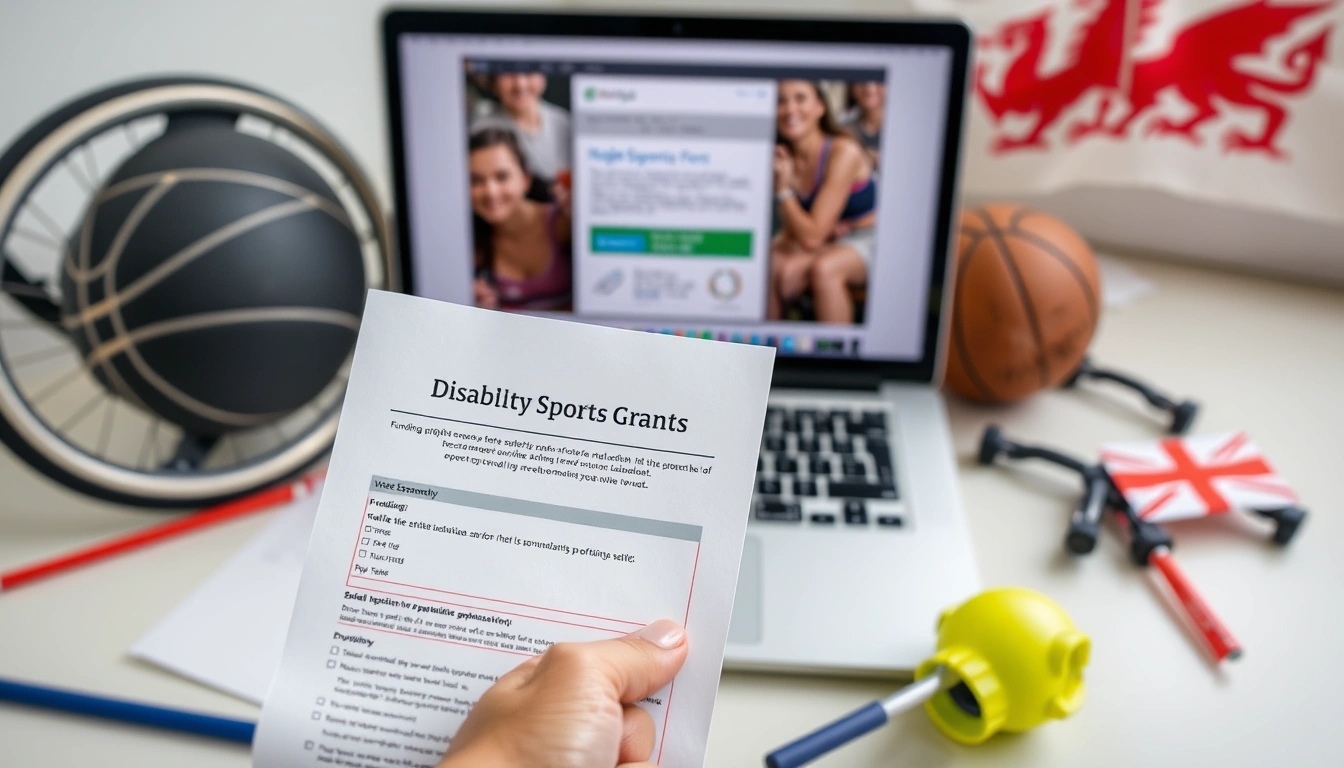
If you’re a disabled sports enthusiast in Wales, you probably already know that getting involved in sports is about passion, grit, and a whole lot of heart. But let’s be honest — sometimes the biggest hurdle isn’t the training or the competition; it’s the money. Sports can be expensive, especially when you factor in adaptive equipment, travel, and specialized coaching. Luckily, there are several financial support options tailored just for athletes with disabilities. Let’s break down the essentials so you can focus on smashing those goals instead of stressing your wallet.
Grants: Your Best Friends in Funding
First off, grants are like little pots of gold scattered around Wales, waiting for athletes who need a boost. These aren’t loans, so you don’t have to pay them back — which is a relief, right? Organizations such as Sport Wales and The National Lottery Community Fund offer grants specifically for disability sports. These grants can cover everything from equipment costs to travel expenses for competitions.
| Grant Provider | What It Covers | Typical Amount |
|---|---|---|
| Sport Wales | Training, equipment, coaching fees | £500 – £5,000 |
| The National Lottery Community Fund | Community sports projects, events, travel | Varies widely |
| Disability Sports Wales | Specific disability sports initiatives | Up to £3,000 |
Sponsorships: The Glamorous Side of Funding
Now, sponsorships might sound like something only elite athletes snag, but don’t be fooled. Local businesses and even national brands are often eager to support community athletes — especially those breaking barriers in disability sports. It’s a win-win: you get financial or material support, and sponsors get positive publicity.
But fair warning, landing a sponsorship isn’t as simple as sending an email saying, “Hey, sponsor me!” You’ll need to show some hustle: build your profile, engage with your community, maybe even create a social media presence. Think of it as networking but with a bit more charm and less awkward small talk.
- Tip: Start with local businesses — they’re more likely to support local heroes.
- Tip: Prepare a short pitch explaining your goals, achievements, and what you can offer in return.
Community Fundraising: The People’s Power
When grants and sponsorships aren’t enough or seem out of reach, community fundraising can be a game-changer. Platforms like JustGiving or GoFundMe make it easy to rally support from friends, family, and even strangers who believe in your cause.
You can organize events — bake sales, charity runs, or quiz nights — that not only raise funds but also boost awareness of disability sports. The key? Be authentic and share your story. People connect with genuine passion and perseverance.
Community Fundraising Quick Tips:- Set a clear goal: people want to know what their money supports.- Use social media: share updates, thank donors, and keep the momentum going.- Offer rewards: even small tokens of appreciation can motivate supporters.
Final Thoughts
Look, there’s no magic formula for funding, and sometimes it feels like you’re jumping through hoops just to get a pair of adaptive running shoes. But with persistence, a bit of creativity, and knowing where to look, financial support is out there. Grants, sponsorships, and community fundraising each have their quirks, but together, they form a safety net that can help you chase your sporting dreams without emptying your pockets.
So, lace up, get out there, and remember — the money is just a means to an end. The real prize? The thrill of the game, the friendships, and the sheer joy of proving that disability is no barrier to greatness.
Adaptive Equipment and Facilities
When it comes to disability sports, the right gear and facilities can be a total game-changer. Seriously, without adaptive equipment, many athletes would be stuck on the sidelines, which is a real shame because sports should be for everyone—no exceptions. So, let’s dive into the nuts and bolts of what’s out there to make sports participation smoother, more fun, and accessible for all abilities.
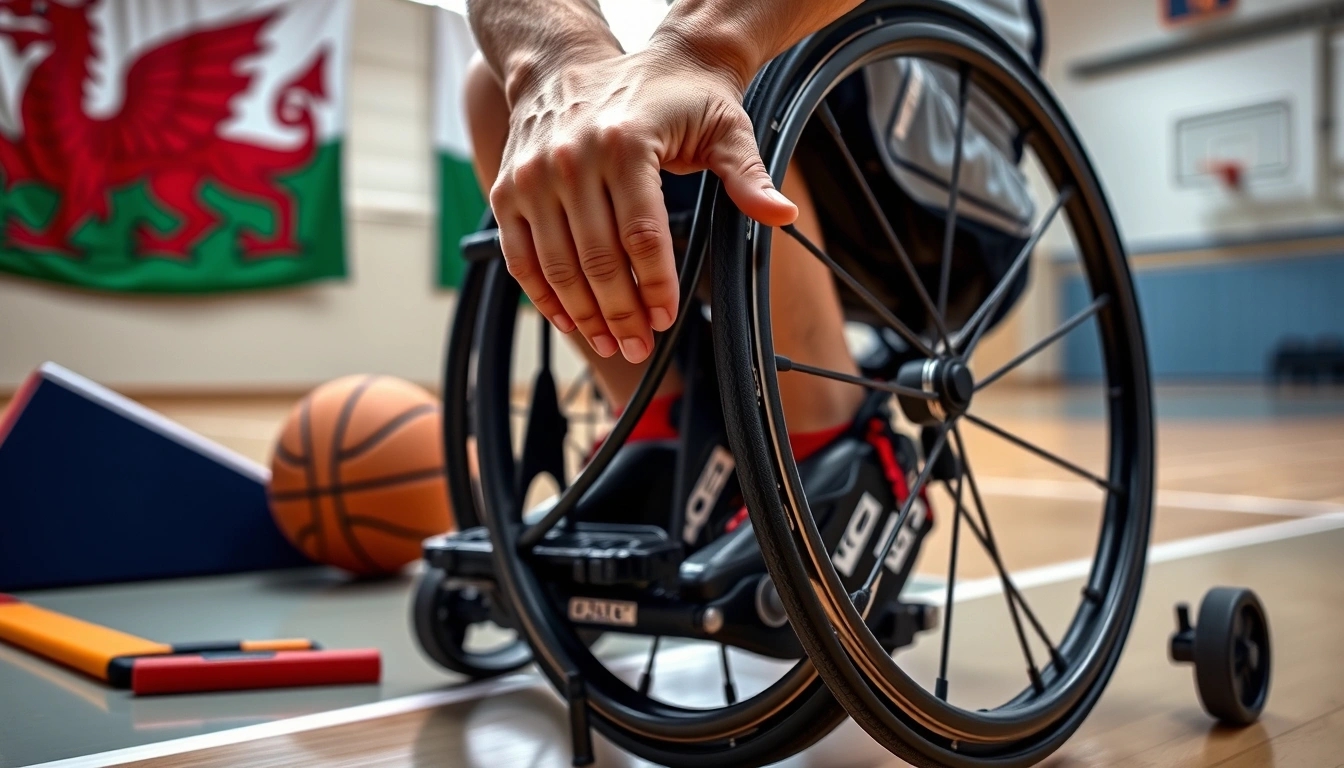
First off, adaptive equipment isn’t just about fancy gadgets—it’s about leveling the playing field. Take wheelchairs designed for basketball or rugby, for example. These aren’t your everyday wheelchairs; they’re built tough, lightweight, and super maneuverable to keep up with the fast pace of the game. Then there’s the range of prosthetics that athletes use, which nowadays come with some pretty impressive tech, allowing for more natural movement and better performance. And don’t get me started on specialized balls, bats, or rackets modified for grip or size to accommodate different needs.
| Type of Adaptive Equipment | Purpose | Example Sports |
|---|---|---|
| Sports Wheelchairs | Enhanced mobility and stability | Wheelchair basketball, rugby, tennis |
| Prosthetic Limbs | Improved movement and balance | Running, cycling, swimming |
| Modified Balls & Bats | Better grip and control | Boccia, cricket, table tennis |
| Hearing Aids & Visual Aids | Enhanced sensory input | Archery, shooting, goalball |
But equipment is only half the story. Facilities need to be just as adaptive—because what good is a fancy wheelchair if the gym has stairs everywhere? Accessibility means ramps, wide doorways, accessible changing rooms, and even tactile guidance for visually impaired athletes. Many community centres and sports venues in Wales have upped their game here, but it’s still a work in progress. Sometimes you find a spot that’s perfect for wheelchair access but forgets about the hearing-impaired athletes, or vice versa. Inclusive design should be a no-brainer, but hey, we’re getting there.
- Accessible Changing Rooms: Spacious, equipped with grab rails, benches, and emergency alarms.
- Adaptive Training Zones: Areas with adjustable equipment for different mobility levels.
- Signage and Communication Aids: Visual and tactile signs, plus staff trained in basic sign language.
Here’s a little insider tip: always check with the venue beforehand. Some places might say they’re accessible but forget to mention that the accessible toilet is down a long corridor or that the parking spots are a bit too far away. It’s not ideal, but a quick call can save a lot of headaches.
Now, let’s not forget the magic of technology. Apps and digital platforms are increasingly supporting athletes by offering virtual coaching, adaptive workout plans, and even real-time feedback tailored to individual needs. This tech boost is especially handy for those who can’t always make it to physical locations or want to train at their own pace.
In the end, adaptive equipment and facilities are about breaking barriers and opening doors. It’s about making sure everyone, regardless of ability, can experience the thrill of sport—not just watching from the sidelines but being in the thick of the action. And honestly, that’s what makes disability sports so inspiring and downright awesome.
Volunteer Opportunities in Disability Sports
Getting involved in disability sports as a volunteer isn’t just about lending a hand — it’s a whole vibe, really. Whether you’re coaching, helping organize events, or just cheering from the sidelines, volunteering offers a unique chance to make a genuine impact, both for the community and for yourself. And honestly, it’s a win-win situation that too many people overlook. So, let’s dive into why volunteering here is more than just a good deed; it’s a fantastic way to connect, learn, and grow.
First off, coaching is probably the most hands-on way to get involved. You don’t need to be a pro athlete or have years of experience under your belt. Many clubs and organisations are looking for enthusiastic individuals who can bring energy and encouragement to the table. Imagine helping someone discover their talent in wheelchair basketball or boccia — it’s pretty rewarding. Plus, coaching can teach you patience, adaptability, and communication skills that you won’t find in your usual 9-to-5.
| Volunteer Roles | What It Involves | Why It Matters |
|---|---|---|
| Coach/Trainer | Lead training sessions, develop skills, motivate athletes | Builds athlete confidence and improves performance |
| Event Support | Assist with logistics, registration, and on-the-day coordination | Ensures smooth running of competitions and inclusive events |
| Mentor | Provide guidance, share experiences, support athlete wellbeing | Fosters personal growth and community spirit |
| Fundraiser | Organize campaigns, seek sponsorships, handle donations | Secures vital resources for clubs and athletes |
Don’t underestimate the role of event volunteers either. These folks are the unsung heroes who keep everything ticking during competitions and inclusive sports days. From setting up equipment to managing registration desks, their work might seem behind-the-scenes but is absolutely crucial. Without them, events can become chaotic, and the athletes’ experience suffers. So, if you’re someone who loves a bit of hustle and bustle, this might be your jam.
- Why Volunteer? It’s not just about giving — you get a whole lot back. Volunteering boosts your social network, gives you a sense of purpose, and often opens doors to new career opportunities.
- Training & Support Most organisations provide training, so you’re not thrown in the deep end. They want you to succeed as much as you want to help.
- Flexibility Whether you can spare an hour a week or a whole weekend, there’s a role that fits your schedule.
Here’s a quick reality check — volunteering in disability sports isn’t always a walk in the park. You might face unexpected challenges like adapting to different needs or handling limited resources. But that’s part of the charm, really. It pushes you to think outside the box, be creative, and grow as a person.
Tips for New Volunteers:- Start small: Try event support before jumping into coaching.- Ask questions: Don’t be shy about seeking advice or clarity.- Stay patient: Progress might be slow, but every step counts.- Celebrate wins: Big or small, every achievement matters.
In the end, volunteering in disability sports is about building bridges — between people, abilities, and communities. It’s messy, sometimes challenging, but incredibly fulfilling. So, why not take the plunge? You might just find it’s the best decision you’ve ever made.
Success Stories from Welsh Athletes
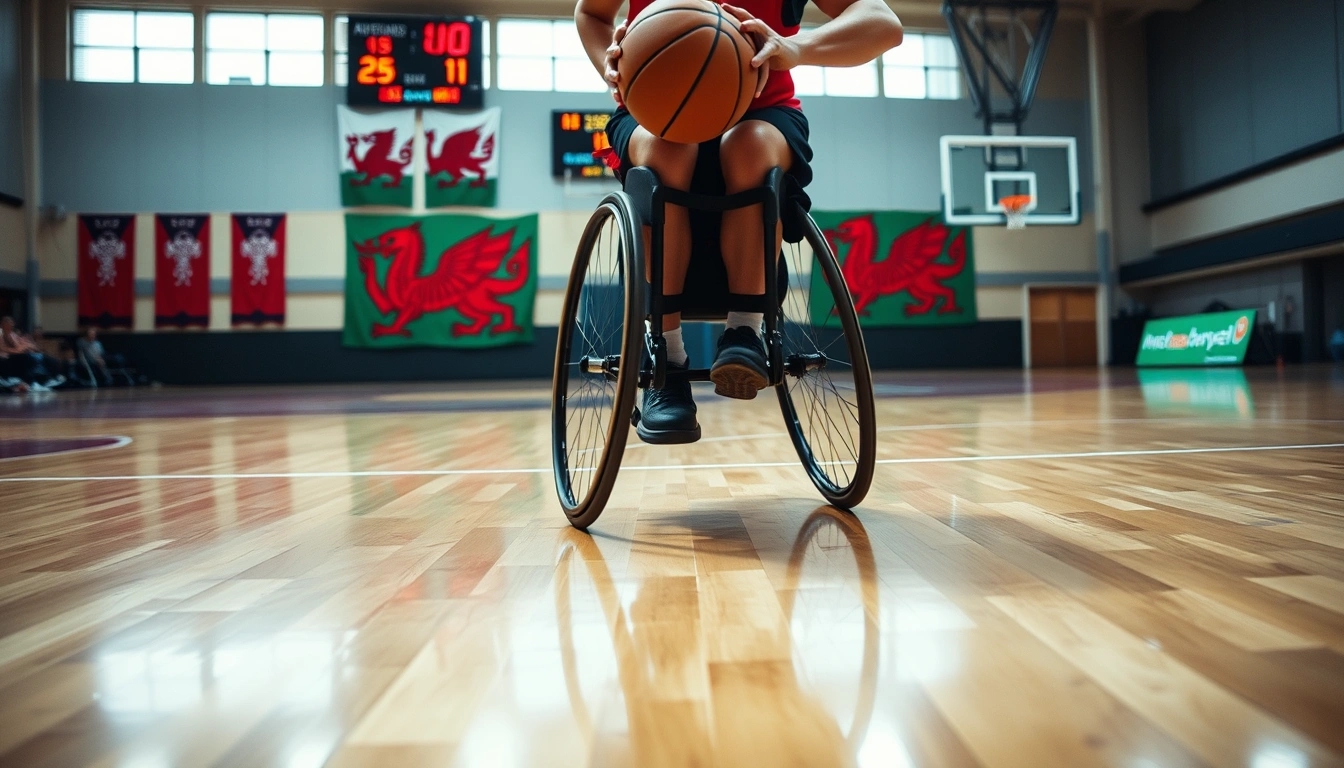
When you talk about Welsh disability sports athletes, you’re diving into a pool of grit, passion, and downright jaw-dropping determination. These athletes don’t just compete; they rewrite the rulebook on what it means to overcome obstacles — both on and off the field. From local pitches in Cardiff to international arenas, the stories of these remarkable individuals inspire not only fellow athletes but anyone who’s ever faced a challenge and wondered if they could push through.
Take, for instance, the story of Ellis Jones, a wheelchair rugby player from Swansea who didn’t let a spinal injury define his limits. After a rough patch adjusting to life post-accident, Ellis found his spark in sports. Fast forward a few years, and he’s now a key player in Wales’ national wheelchair rugby team, smashing stereotypes and scoring tries like a pro. What’s more, he’s a vocal advocate for accessible sports facilities — because, let’s be honest, without the right gear and venues, talent can only go so far.
| Name | Sport | Achievement | Inspiration Factor |
|---|---|---|---|
| Ellis Jones | Wheelchair Rugby | National Team Captain | Advocate for accessibility |
| Ffion Morgan | Para Swimming | Commonwealth Games Medalist | Overcame early health issues |
| Rhys Davies | Boccia | International Champion | Promotes grassroots sports |
Then there’s Ffion Morgan, who’s been making waves (literally) in para swimming. Diagnosed with cerebral palsy as a child, Ffion’s journey wasn’t a walk in the park. Early struggles with coordination and stamina could have easily sidelined her dreams, but she plowed through with the tenacity of a true champion. She snagged a medal at the Commonwealth Games, proving that Welsh athletes with disabilities can shine on the global stage. Her story reminds us all that sometimes the biggest battles are fought within, and victory tastes sweetest when it’s hard-earned.
- Community Impact: Many of these athletes don’t just stop at personal success; they give back by mentoring young aspirants and raising awareness about disability sports.
- Breaking Barriers: They challenge societal perceptions, showing that disability is not inability.
- Building Legacy: Their achievements pave the way for better funding, facilities, and inclusion in sports across Wales.
It’s worth noting that the path isn’t always smooth. Barriers like funding gaps, limited access to adaptive equipment, and sometimes just plain old ignorance can trip up even the most determined. But Welsh athletes like Rhys Davies, a boccia international champion, show us that persistence pays off. Rhys, who started in a small community club, now competes internationally and actively campaigns for more inclusive sports programs in schools.
Quick Tips to Support Welsh Disability Athletes:- Attend local games and cheer loudly (they love that!)- Volunteer at community clubs to help with coaching or logistics- Donate or fundraise for adaptive sports equipment- Share their stories on social media to raise awareness- Advocate for better sports accessibility in your area
So, if you’re looking for a dose of inspiration or wondering how to get involved, these athletes’ stories are a perfect starting point. They embody the spirit of Wales — resilient, proud, and fiercely determined. And trust me, once you hear their journeys, you’ll never look at disability sports the same way again.
Challenges and Barriers to Participation
Jumping into disability sports in Wales? Well, it’s not always a walk in the park, and let’s be honest, there are some pretty real hurdles that athletes face. It’s not just about lacing up and hitting the court or track; there’s a whole maze of challenges that can trip up even the most determined. But hey, knowing what’s out there is half the battle, right? So, let’s break down some of these obstacles and toss in some practical advice to keep you moving forward.
Physical Barriers and Accessibility
One of the most obvious snags is accessibility. Not every sports venue is wheelchair-friendly or equipped with adaptive facilities. Imagine getting all pumped up to play, only to find the entrance stairs are your biggest opponent. It happens more often than you’d think. But don’t lose hope! Many local clubs and community centers are stepping up their game, improving access, and offering adaptive equipment. A quick tip? Always check with the venue beforehand or connect with disability sports organizations in Wales—they often have lists of fully accessible spots.
| Common Physical Barriers | Practical Solutions |
|---|---|
| Limited wheelchair ramps or lifts | Use clubs with accessible venues; advocate for improvements |
| Inadequate adaptive equipment | Seek grants or funding options to acquire gear |
| Transport difficulties to sports facilities | Carpool with club members or use community transport services |
Financial Constraints
Let’s face it, sports can get pricey, especially when you need specialized equipment or coaching. Disabled athletes often face extra costs, which can be a real buzzkill. But don’t just sit there whining—there’s money out there! Wales has some cracking grants and funding schemes aimed at supporting disabled athletes. A smart move is to tap into local charities, sports councils, or even crowd-funding platforms. And hey, sometimes clubs offer subsidized memberships or equipment loans—worth asking about.
Social and Psychological Barriers
Now, this one’s sneaky. Sometimes the biggest barrier isn’t physical but mental or social. Fear of not fitting in, worries about being judged, or just plain old self-doubt can hold people back. It’s tough, but remember: every athlete started somewhere, and the disability sports community in Wales is known for being welcoming and supportive. Joining a beginner-friendly club or attending inclusive events can help ease those nerves. And if you’re feeling overwhelmed, chatting with a coach or mentor can make a world of difference.
- Tip: Try buddying up with a teammate for moral support.
- Tip: Attend taster sessions or open days before committing.
- Tip: Use social media groups to connect with others sharing your experience.
Awareness and Information Gaps
Believe it or not, many potential athletes don’t even know where to start. Information about disability sports can be scattered or buried under layers of jargon. That’s why getting connected with national governing bodies or local disability sports networks is golden. They can provide up-to-date info on clubs, events, and training opportunities. Plus, they often offer coaching courses and volunteer programs, which can be a great way to get involved if playing isn’t your thing.
Key Contacts for Overcoming Barriers in Wales:- Disability Sport Wales: info@disabilitysportwales.org.uk | 029 2022 2020- Local Community Sports Centres (check council websites)- Welsh Sports Association: www.welshsports.org
So yeah, the road isn’t always smooth, but with a bit of grit, some savvy planning, and the right support, disabled athletes in Wales can smash through these barriers. It’s about persistence, knowing where to look for help, and remembering that every challenge is just another chance to prove how unstoppable you really are.
Getting Started: First Steps and Useful Contacts
Alright, so you’re thinking about diving into disability sports in Wales, but you’re standing there scratching your head wondering, “Where on earth do I start?” Trust me, you’re not alone — it can feel like stepping into a maze without a map. But don’t sweat it. Here’s a no-nonsense guide to get you moving without feeling totally lost or overwhelmed.
First things first: figure out what kind of sport floats your boat. Wales has a pretty diverse range of disability sports — from wheelchair rugby to boccia, from swimming to athletics. No need to pick something fancy right away; just start by exploring what’s available near you. The easiest way? Tap into local community centers or disability sports clubs — they’re usually buzzing with info and friendly faces ready to help.
| Step | What to do | Why it matters |
|---|---|---|
| 1 | Research local clubs or groups | Find accessible programs nearby to avoid long commutes and build community |
| 2 | Contact national organizations | Access resources, coaching, and events tailored to your needs |
| 3 | Attend taster sessions or open days | Get a feel for the sport without pressure |
| 4 | Ask about funding or equipment support | Don’t let costs hold you back — help is often available |
Now, here’s a little heads up: it’s totally normal to feel a bit daunted at the start. Disability sports can sometimes seem like a whole different world, full of jargon and specialized gear. But remember, everyone was a newbie once — even the pros. Don’t hesitate to ask questions, no matter how silly they might seem.
Speaking of gear, you might be wondering about adaptive equipment. Don’t let that scare you off! Many clubs have loan schemes or can point you towards grants to help with costs. Plus, national bodies often have resources to help you get the kit you need without breaking the bank.
- Key Contacts to Know:
- Disability Sport Wales – The big cheese when it comes to disability sports in Wales. They provide info, support, and links to clubs and events. Website: disabilitysportwales.org
- Local County Sports Partnerships – These folks help connect you with grassroots clubs and community programs. Search for your local CSP online.
- Welsh Boccia Association – If boccia’s your thing, they’re the go-to.
- WheelPower – Great for wheelchair sports info and adaptive equipment advice.
Oh, and don’t forget social media. Seriously, Facebook groups and Twitter handles related to disability sports in Wales can be goldmines for up-to-date info and peer support. You might stumble across informal meet-ups or hear about last-minute event opportunities.
Finally, here’s a little nugget of wisdom: patience is key. Sometimes it takes a few tries to find the right sport, the right club, or even the right coach. But once you find your groove, the rewards — friendships, fitness, and a sense of belonging — are absolutely worth it.
So, lace up (or wheel out) those trainers, reach out to the contacts above, and take that first step. The world of disability sports in Wales is waiting — and trust me, it’s a blast once you get going.
Frequently Asked Questions (The title must be written in English.)
- What types of disability sports are available in Wales?
Wales offers a diverse range of disability sports, from wheelchair rugby and boccia to para-athletics and swimming. Whether you’re looking for team activities or individual challenges, there’s something for every interest and ability level. Local clubs and national bodies provide tailored programs to help you get started easily.
- How can I find a local club or community center for disability sports?
Finding a nearby club is easier than you might think! Many community centers and local sports clubs in Wales offer accessible programs specifically designed for disabled athletes. You can start by contacting national governing bodies or checking online directories dedicated to disability sports in your area.
- Are there any funding options available to support participation in disability sports?
Absolutely! Various grants, sponsorships, and community fundraising opportunities exist to help cover costs like equipment, travel, and training. Many organizations in Wales actively support disabled athletes financially, so don’t hesitate to explore these options and apply for assistance.
- What kind of adaptive equipment is typically used in disability sports?
Adaptive equipment ranges widely depending on the sport—think specialized wheelchairs for rugby, ramps for boccia, or prosthetics for running. Facilities often provide access to this gear, but many athletes also customize or purchase their own to enhance performance and comfort.
- How do I get involved as a volunteer in disability sports?
Volunteering is a fantastic way to dive into the community, whether you want to coach, assist at events, or help with administration. Reach out to local clubs or national organizations to find opportunities that match your skills and interests. It’s a rewarding experience that benefits everyone involved.
- What challenges might I face when starting disability sports, and how can I overcome them?
Challenges like accessibility, transportation, or lack of information can feel daunting. However, Wales has strong support networks and resources designed to tackle these barriers. Connecting with local groups, seeking advice from experienced athletes, and utilizing available funding can make your journey smoother and more enjoyable.
- Are there inclusive events or competitions I can participate in?
Yes! Wales hosts a variety of inclusive sports events and competitions throughout the year, welcoming athletes of all abilities. These events are great for gaining experience, meeting fellow sports enthusiasts, and celebrating achievements in a supportive atmosphere.
- Who can I contact for more information or support about disability sports in Wales?
National governing bodies, local clubs, and community centers are your best points of contact. They can provide guidance, resources, and connect you with coaches or mentors. Don’t hesitate to reach out—help is just a call or click away!