Mastering close ball control isn’t some magic trick reserved for the Messi’s and Ronaldos of the world. Nope, it’s something you can actually work on daily, and trust me, just 20 minutes a day can make a world of difference. No need for fancy gear or a personal coach breathing down your neck—just you, a ball, and a bit of commitment. Sounds simple, right? Well, it kinda is, but don’t expect instant miracles. This is about steady progress, not overnight genius.
Why Close Ball Control Matters More Than You Think
You might be thinking, “Why bother with close ball control? I just wanna score goals!” But here’s the kicker: tight ball control is the backbone of every slick move, every cheeky dribble past defenders, and every moment you keep possession under pressure. Without it, you’re basically handing the ball over on a silver platter. Plus, it’s what separates the casual kickers from the players who actually make defenders look silly.
- Improves your reaction time: When the ball’s glued to your feet, you can think faster and react quicker.
- Boosts confidence: You won’t be scared to take on defenders if you trust your touch.
- Enhances creativity: Close control opens up new options on the pitch you didn’t even know existed.
Warm-Up Routines to Get You Ready Fast
Jumping straight into drills without warming up? Rookie mistake. Your muscles and brain need a little nudge to get into gear. Spend 3-5 minutes doing some light jogging, leg swings, and ankle rotations. Then, add a few simple ball touches—rolling it back and forth with your foot, gentle taps, stuff that wakes up your coordination without burning you out.
| Warm-Up Activity | Duration | Purpose |
|---|---|---|
| Light Jogging | 2 minutes | Increase heart rate and blood flow |
| Leg Swings | 1 minute | Loosen hip joints |
| Ankle Rotations | 1 minute | Prevent injuries |
| Ball Touches (toe taps, rolls) | 2 minutes | Activate foot-eye coordination |
Top 5 Drills That Fit Into 20 Minutes
Alright, now the juicy part — drills. You’re busy, so these are quick, effective, and don’t require a stadium or a fancy pitch. Here’s the lineup:
- The Toe Taps: Stand still and tap the top of the ball alternately with each foot. Simple? Yes. Effective? Absolutely. It’s like coffee for your foot coordination.
- The Inside-Outside Roll: Roll the ball from the inside of your foot to the outside and switch feet. This drill tricks your brain and body into fluid movements, perfect for tight spots.
- Figure 8 Dribble: Move the ball in a figure-eight pattern around your legs. It’s tricky at first but builds killer control and agility.
- Wall Passes: Kick the ball against a wall and control the rebound. Great for improving first touch and reaction.
- Close Dribble Sprints: Dribble the ball in tight control while sprinting short distances. Builds speed without losing control.
Tracking Your Progress: Why It’s Not Just About Reps
Doing drills over and over without knowing if you’re improving? That’s just grinding, not training. Keep a simple log or video yourself every few days. Notice if your touches get cleaner, your control sharper, or if you’re less clumsy when switching feet. Small wins matter—celebrate them!
Common Mistakes to Avoid When Practicing
Look, even pros mess up, so don’t sweat it. But here’s what to dodge:
- Rushing: Speed up only after you nail control at a slower pace.
- Ignoring posture: Stay low and balanced, or you’ll lose control fast.
- Skipping warm-ups: Injuries love lazy players.
Incorporating Ball Control Into Real Game Situations
Practice is one thing, but the pitch is a beast of its own. Try to bring your drills into scrimmages or casual games. Focus on keeping the ball close when under pressure, and don’t freak out if you lose it—that’s how you learn.
Gear and Environment: Does It Really Matter?
Here’s the truth: fancy boots won’t make up for poor technique, and you don’t need a perfect pitch. A flat surface and a decent ball will do. The real game-changer is your mindset and consistency.
So, grab your ball, set your timer for 20 minutes, and get to work. Your future self on the pitch will thank you—trust me.
Why Close Ball Control Matters More Than You Think
You might be thinking, “Yeah, yeah, ball control is important, but how crucial can it really be?” Well, let me tell you, tight ball control isn’t just some fancy skill that looks good on highlight reels—it’s the backbone of every great player’s toolkit. Seriously, if you want to keep the ball glued to your feet and outsmart defenders, mastering close control is non-negotiable.
Think about it: the pitch is a chaotic mess of opponents, teammates, and random moments where you have a split second to decide your next move. If your touch is sloppy, you’re basically handing the ball over on a silver platter. But with tight ball control, you’re like a magician with the ball—making it dance, stopping on a dime, and slipping through the tiniest gaps. It’s the difference between being a passenger in the game and the one driving the bus.
| Benefits of Tight Ball Control | Why It Matters |
|---|---|
| Better dribbling in tight spaces | Allows you to maneuver through defenders without losing possession |
| Improved reaction time | Enables quicker adjustments to unpredictable game situations |
| Enhanced confidence on the ball | Boosts overall gameplay and decision-making under pressure |
| More creative playmaking | Lets you execute fancy moves and passes that break defenses |
Now, let’s be honest—sticking to daily drills can feel like a drag. You’re probably thinking, “Twenty minutes? I barely have time to binge-watch a show!” But here’s the kicker: understanding why tight ball control is a game-changer can actually light a fire under you. When you realize that every toe tap, roll, or quick stop you practice is building you into a player who can control the chaos on the field, it’s easier to stay committed.
- Motivation Boost: Knowing the payoff keeps you grinding even when your feet ache.
- Visible Progress: As your control sharpens, so does your confidence. You’ll notice defenders struggling to get near you.
- Game Impact: Coaches and teammates start trusting you more because you’re reliable with the ball.
Here’s a little nugget for you: tight ball control isn’t about fancy footwork all the time. It’s about consistency. It’s the small, repetitive touches that build muscle memory. That means even if you’re not scoring hat-tricks every day, you’re quietly becoming a nightmare for defenders.
Remember:- Practice daily, even if just 20 minutes.- Focus on quality over quantity.- Mix drills that improve both feet.- Keep your head up while controlling the ball.
So next time you’re tempted to skip those drills, remind yourself that close ball control is the secret sauce that separates the good from the great. It’s not just a skill; it’s your ticket to owning the pitch.
Bottom line: Tight ball control isn’t some optional extra—it’s the game’s silent MVP. Nail it, and you’ll see your entire playstyle evolve. Miss it, and well… good luck keeping up.
Warm-Up Routines to Get You Ready Fast
Alright, before you jump headfirst into those close ball control drills, let’s talk warm-ups. I know, I know — warm-ups can feel like a drag, especially when all you want to do is get to the fun part: kicking the ball around. But trust me, skipping this step is like trying to start a car on a freezing morning without letting the engine warm up. It just won’t run smoothly and might even stall. Your muscles and brain need a quick shake to get firing on all cylinders, making those precious 20 minutes way more productive.
Think of warm-ups as the secret sauce to unlocking sharper reflexes and tighter control. When your muscles are loose and your mind is dialed in, every touch on the ball feels smoother, and your reactions get quicker. Plus, it’s a solid way to avoid those annoying pulls or cramps that can ruin your session (and your mood).
- Start with light jogging or skipping: Just 3-5 minutes to get the blood flowing. No need to sprint like you’re chasing the last bus.
- Dynamic stretches: Leg swings, hip circles, and ankle rolls wake up those joints and muscles you’ll be using nonstop.
- Footwork drills: Simple ladder drills or quick feet taps on the spot help your coordination and prepare your brain for the ball control challenge ahead.
Here’s a quick table to guide your warm-up routine — no rocket science, just basics done right:
| Warm-Up Component | Duration | Purpose |
|---|---|---|
| Light Jogging or Skipping | 3-5 minutes | Increase heart rate and blood flow |
| Dynamic Stretches (leg swings, hip circles) | 3 minutes | Loosen muscles and joints |
| Footwork Drills (quick taps, ladder drills) | 2-3 minutes | Enhance coordination and mental focus |
Now, don’t get me wrong — you don’t have to turn into a yoga master or spend 20 minutes limbering up. The key is quality over quantity. A quick, well-targeted warm-up gets your body and mind ready without stealing time from your actual drills.
Oh, and one more thing: warm-ups aren’t just physical. Your brain needs to switch gears too. Try visualizing your drills or the ball at your feet during those moments of light jogging. It’s like telling your brain, “Hey, get ready, we’re about to work some magic.” Weird? Maybe. Effective? Absolutely.
In short, warm-ups are the unsung heroes of your training session. They might not be glamorous, but they’re the reason you can nail those tight touches and quick turns without feeling like a rusty robot. So next time you’re itching to start, hit pause for a few minutes and warm up smart. Your feet (and your coach) will thank you.
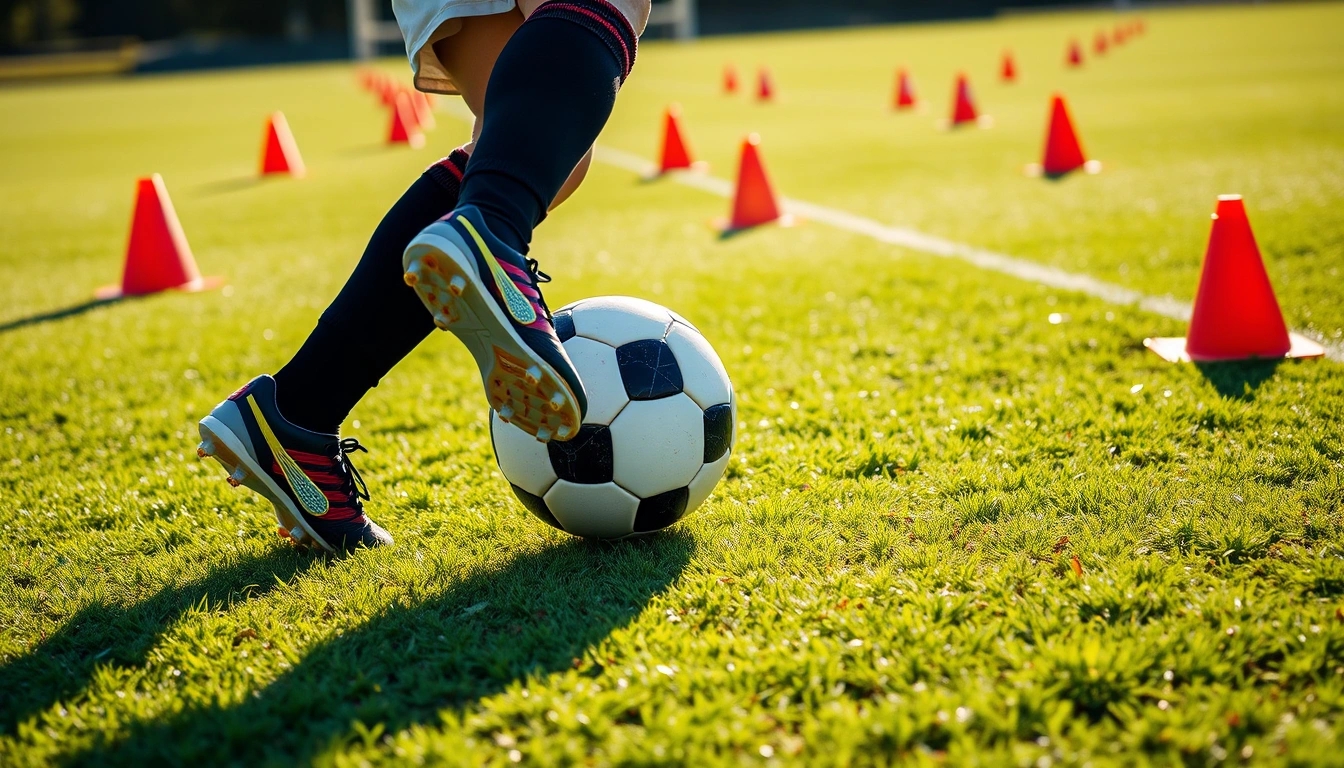
Top 5 Drills That Fit Into 20 Minutes
Look, we all know time’s tight. Between work, family, Netflix binges, and pretending to be productive, squeezing in training feels like a mission impossible. But here’s the kicker: you don’t need an hour-long session to sharpen your ball control. Just 20 minutes and these five drills can seriously up your game. No fancy equipment, no complicated setups — just pure, focused work. Let’s break it down.
| Drill | Purpose | Time | Key Tip |
|---|---|---|---|
| 1. Toe Taps | Improves foot-eye coordination and keeps ball glued to feet | 4 minutes | Keep your head up, don’t just stare at the ball |
| 2. Inside-Outside Roll | Builds agility and preps for tight spaces | 4 minutes | Use both feet evenly, don’t rush |
| 3. Wall Pass Control | Enhances first touch and reaction speed | 4 minutes | Focus on cushioning the ball, not just kicking it back |
| 4. Cone Weaving | Boosts dribbling and quick directional changes | 4 minutes | Stay low, bend your knees, keep close control |
| 5. Sole Rolls | Develops ball control underfoot and changes of pace | 4 minutes | Roll smoothly, avoid heavy touches |
- Toe Taps: Sounds boring? Maybe. But it’s like the spinach of drills—looks dull but packs a punch. Tap the top of the ball quickly with the sole of each foot, alternating. This drill forces your brain and feet to sync, which is crucial when defenders are breathing down your neck.
- Inside-Outside Roll: Imagine you’re a magician making the ball vanish and reappear on the other side of your foot. Rolling the ball from the inside to the outside of your foot, alternating feet, is killer for tight spaces. Don’t just fling the ball around; control is king here.
By now, you might be thinking, “Cool, but how do I keep this fun and not just another chore?” Good question. Mix up the drills, add some music, or challenge yourself to beat your own time. The key is to stay sharp and engaged—otherwise, your brain checks out, and so does your progress.
- Wall Pass Control: Find any wall, kick the ball against it, and control the rebound with your first touch. This drill is sneaky effective for reaction time and controlling unpredictable passes. Bonus points if you can do it with both feet.
- Cone Weaving: Set up cones (or anything resembling them) in a line. Dribble through the cones as fast as you can without losing control. It’s like threading a needle but with a soccer ball. Keep your knees bent and stay light on your feet.
- Sole Rolls: This one’s all about finesse. Roll the ball under your foot from heel to toe and back, switching feet. It sounds simple, but mastering this helps you change direction and pace without losing the ball.
Pro Tip: Use a stopwatch or your phone timer to keep each drill tight. No dawdling! Twenty minutes of focused practice beats an hour of distracted messing about any day.
So, next time you’re thinking, “I don’t have time,” remember these drills. They’re the perfect little workout to sharpen your touch, boost your confidence, and maybe even impress your mates on the pitch. No excuses, just results.
Drill 1: The Toe Taps
Alright, let’s talk about the humble toe taps — they might look like a toddler’s first dance moves, but don’t let that fool you. This drill is a sneaky little gem for anyone wanting to seriously up their close ball control game. You basically tap the top of the ball with the tip of your foot, alternating feet, as quickly as you can. Sounds simple, right? Well, that’s the charm. It’s simple but incredibly effective. It’s like the secret handshake of soccer drills. If you nail these, you’re building foot-eye coordination that’s tight as a drum, and trust me, that’s gold on the pitch.
Why does it work? Because toe taps force you to keep the ball glued to your feet, no matter how fast you go. It’s about control, rhythm, and staying light on your toes. You’re training your brain and feet to communicate faster than a team huddle. Plus, it’s a killer warm-up for your ankles and calves, so you’re not just improving skill but also prepping your body to handle the ball under pressure.
- Start slow: Don’t rush it. Begin with steady taps to get the feel.
- Increase speed: Once you’re comfy, speed it up and challenge your coordination.
- Mix it up: Try tapping on the balls of your feet or even the sides to add variety.
| Common Mistakes | How to Fix Them |
|---|---|
| Looking down at the ball constantly | Keep your head up, trust your feet to do the work |
| Using too much force | Light taps work better; it’s about finesse, not power |
| Stiff legs and body | Stay relaxed, keep your knees slightly bent for quick movement |
And here’s the kicker — you don’t need fancy boots or a perfect pitch for toe taps. A flat surface and a ball will do just fine. You can sneak in this drill anywhere: in your room, at the park, or even while waiting for your coffee. It’s a no-excuse, high-return exercise that fits snugly into your 20-minute daily grind.
Just a heads-up though, toe taps can get boring if you don’t mix it up. So, throw in some variations like tapping faster for 30 seconds, then slowing down, or combining toe taps with side rolls. Keep your brain guessing, or you’ll end up zoning out faster than a sleepy referee on a slow afternoon.
In short, toe taps are your go-to drill for sharpening that elusive close control. They’re quick, efficient, and once you get the hang of them, your feet will feel like they’ve got a mind of their own — in a good way. So lace up, get tapping, and watch your ball control transform from clumsy to classy.
Drill 2: The Inside-Outside Roll
If you’re serious about sharpening your close ball control, the Inside-Outside Roll is a drill you absolutely can’t skip. It’s not just some fancy footwork trick to show off at the park; this move is a genuine game-changer when it comes to maneuvering in tight spots and outsmarting defenders. The essence of the drill is switching the ball smoothly between the inside and outside of your feet while maintaining control—sounds simple, right? But don’t be fooled. It’s tougher than it looks, especially when you’re tired or under pressure.
Why bother with this drill? Well, think of those moments in a match when you’re boxed in by two or three opponents. You need quick feet and sharp agility to wiggle out, and that’s exactly what the Inside-Outside Roll trains. It builds foot dexterity and balance, helping you keep the ball glued to your feet even when the space around you shrinks to almost nothing. Plus, it’s a sneaky way to improve your coordination because your brain has to constantly adapt to the ball’s position and your foot’s movement.
- Step 1: Start by standing still with the ball at your feet.
- Step 2: Use the inside of your right foot to roll the ball to the outside of your left foot.
- Step 3: Then immediately roll it back using the outside of your left foot to the inside of your right foot.
- Step 4: Repeat this switching motion rhythmically, trying to keep the ball close and controlled.
If you want to spice things up, try to speed up gradually or add a slight forward movement while doing the drill. It’s a killer way to simulate real-game pressure. You might stumble at first—hey, nobody’s perfect—but that’s part of the fun. The more you practice, the more natural it feels, and soon enough, you’ll be slipping through defenders like they’re standing still.
| Benefit | Explanation |
|---|---|
| Improved Agility | Quick foot switches train your muscles to react faster in tight spaces. |
| Enhanced Ball Control | Keeps the ball close, reducing chances of losing possession. |
| Better Coordination | Requires synchronization of foot and eye movements. |
| Increased Confidence | Mastering this drill boosts your self-belief in tricky game situations. |
Now, here’s a little insider tip: don’t just practice this drill on a perfect, flat surface. Try it on uneven ground, or even on a slightly wet patch if you dare. It forces your body to adapt and makes you less likely to trip up during unpredictable match conditions. Also, don’t obsess over perfection. If you mess up, laugh it off and try again. It’s all part of the grind.
Remember, the Inside-Outside Roll isn’t just a drill—it’s your secret weapon for those moments when the game feels like a crowded mess and you just need to keep your cool and your ball control sharp. So lace up, get moving, and let those feet do the talking. Your future self on the pitch will thank you.
Tracking Your Progress: Why It’s Not Just About Reps
Alright, let’s get real for a second. You can’t just mindlessly bang out drill after drill, thinking that sheer volume alone will make you a close ball control wizard. Nope, that’s not how it works. Keeping track of your progress isn’t just some boring checklist — it’s the secret sauce that turns those repetitive moves into actual skill. Without tracking, you might as well be running in circles, hoping something sticks. Spoiler alert: it rarely does.
Think of it like this: if you’re working out at the gym, you don’t just lift weights willy-nilly and expect to bulk up overnight. You keep tabs on your reps, weights, and how you feel each day. Same deal with ball control. When you monitor your improvements, you get a clear picture of what’s working and what’s just a waste of time. Plus, it’s a huge motivation booster. Seeing that tiny bit of progress — even if it’s just a millimeter better control or a quicker touch — keeps you hooked.
| Why Track Progress? | What Happens If You Don’t? |
|---|---|
| Identifies strengths and weaknesses | Keep repeating same mistakes |
| Allows adjustment of training routines | Plateau with no improvement |
| Boosts motivation with visible results | Lose interest and give up |
Now, how do you actually track it without turning into a spreadsheet zombie? Keep it simple. Use a notebook or an app to jot down what drills you did, how many reps, and how you felt. Did the ball stick to your foot better today? Did your touches feel sharper? Write that stuff down. If you’re feeling fancy, record yourself every few days — it’s wild how much you can see when you watch yourself back.
- Tip 1: Set small, achievable goals. “I want to do 50 toe taps without losing control” is way better than “I want to be Messi tomorrow.”
- Tip 2: Mix up drills based on what the notes tell you. If inside-outside rolls are killing you, spend more time there.
- Tip 3: Celebrate tiny wins. Did you keep the ball closer today? Awesome. That’s progress.
Here’s a quick example of what a progress tracker might look like:
Date | Drill | Reps/Time | Notes-----------------------------------------------------------2024-04-01 | Toe Taps | 40 reps | Felt clumsy, lost ball 3x2024-04-03 | Inside-Outside Roll| 30 reps | Better footwork, less fumbling2024-04-05 | Toe Taps | 50 reps | Much smoother, ball stayed close
One last thing — don’t get obsessed with perfection or numbers. Sometimes you’ll have off days, and that’s okay. The key is to keep the habit alive and use your notes to tweak your routine. Tracking isn’t about pressure; it’s about progress. So, next time you’re tempted to just grind mindlessly, remember: tracking your progress is like having a GPS for your skills. Without it, you’re just wandering aimlessly on the soccer field.
In short: Keep an eye on your improvements, adjust your drills accordingly, and don’t forget to pat yourself on the back for every little win. Your future self — the one dazzling defenders with buttery smooth close control — will thank you for it.
Common Mistakes to Avoid When Practicing
Let’s be honest, even the top dogs in soccer mess up sometimes. You’re grinding through your 20-minute close ball control routine, thinking you’re nailing it, but then—bam!—you realize you’ve been doing something all wrong. Don’t sweat it; it happens to everyone. The key is to spot these slip-ups early so your precious practice time doesn’t go down the drain.
First off, rushing through drills like you’re in a sprint race is a classic blunder. Close ball control isn’t about speed alone; it’s about precision and finesse. If you’re zipping through toe taps or inside-outside rolls without focus, you’re just teaching your brain to mess up faster. Slow down, feel the ball, and let your feet do the talking. Quality beats quantity every single time.
| Common Mistake | Why It Hurts | How to Fix It |
|---|---|---|
| Rushing drills | Leads to sloppy touches and poor muscle memory | Focus on controlled, deliberate movements |
| Ignoring proper warm-up | Increases injury risk and reduces effectiveness | Spend 3-5 minutes warming up muscles and joints |
| Using only one foot | Creates imbalance and limits versatility | Practice drills equally with both feet |
| Not tracking progress | Leads to stagnation and loss of motivation | Keep a simple log or video yourself regularly |
Another rookie mistake? Skipping the warm-up. Yeah, we get it—20 minutes isn’t a lot, and you want to dive straight into the fun stuff. But no warm-up means your muscles are cold, your brain’s not firing on all cylinders, and you’re more likely to flub those delicate touches. A quick jog, some leg swings, or even a few light ball touches can make a world of difference.
- Neglecting the non-dominant foot: Soccer’s a two-foot game. If you’re only dribbling or doing toe taps with your right foot (or left, no judgment), you’re handicapping yourself. Make sure to spend just as much time training your weaker foot. It’s painful at first, sure, but the payoff is huge.
- Practicing without a plan: Just kicking the ball around aimlessly might feel good, but it won’t get you anywhere fast. Set clear goals for each session—whether it’s improving your touch, quick feet, or ball rolls—and stick to them.
Here’s a quick checklist to keep you honest during practice:
✔ Warm-up done? ✔ Both feet worked equally? ✔ Drills done slowly and precisely? ✔ Progress tracked (notes or video)? ✔ No distractions (phone off, no chatting)?
If you’re nodding along but still feel stuck, it might be time to shake things up. Sometimes, doing the same drills every day turns into a snooze fest, and your brain just tunes out. Mix in some new moves, challenge yourself with tighter spaces, or practice under pressure by setting a timer.
In the end, remember this: perfection is a myth. You’re gonna trip up, lose the ball, and feel frustrated. That’s part of the process. The trick is to avoid wasting your limited practice time on mistakes that don’t teach you anything. Stay sharp, be mindful, and your close ball control will thank you.
Keep your eyes peeled for these pitfalls, and you’ll make every minute count.

Incorporating Ball Control Into Real Game Situations
Alright, so you’ve been grinding those drills for weeks — toe taps, inside-outside rolls, and all that jazz. But now comes the million-dollar question: how the heck do you actually take that slick close ball control from your backyard or training ground and make it work when the whistle blows on game day? Because let’s be honest, it’s a whole different beast when you’ve got defenders breathing down your neck and the clock ticking.
First off, don’t expect to be a magician right away. Close control under pressure isn’t just about fancy footwork; it’s about decision-making speed and spatial awareness. You can dribble like Messi in practice, but if you stare at the ball too long during a match, you’re toast. So here’s a quick reality check: keep your head up. This isn’t just coach talk — it’s crucial. Get comfortable with glancing around while you’re controlling the ball, so you know where your teammates and opponents are before you even touch it.
- Tip #1: Use your peripheral vision. Try to keep the ball close but don’t tunnel-vision on it. Practice “head-up” ball control drills where you tap the ball lightly but keep looking forward.
- Tip #2: Master the art of the quick touch. When you’re under pressure, big fancy moves usually get you tackled. Instead, focus on small, sharp touches that keep the ball glued to your feet and help you change direction fast.
- Tip #3: Fake it till you make it. Feints and body fakes aren’t just for show. Incorporate simple shoulder drops or eye-fakes to throw defenders off balance while keeping control.
Now, let’s be real — sometimes you’re gonna lose the ball. It’s part of the game, no shame there. What separates the good from the great is how quickly you recover and adapt. So here’s a practical drill for gameday mindset: simulate pressure in training by having a buddy or coach close you down fast while you try to keep control. It’s messy, it’s chaotic, but it’s exactly what happens in matches.
| Situation | What to Focus On | Quick Action |
|---|---|---|
| Receiving a pass with a defender nearby | First touch control & shielding | Use body to shield ball, take a quick touch away from pressure |
| Dribbling through tight spaces | Close, controlled touches & change of pace | Small, quick touches; sudden acceleration or stop |
| Under heavy defensive pressure | Decision speed & passing options | Look for quick pass or safe clearance instead of risky dribble |
One last nugget — confidence is king. If you’re second-guessing every touch, you’re gonna look like a deer in headlights. So trust your training, trust your feet, and don’t be afraid to make mistakes. Remember, even pros botch close control sometimes. The key is to keep the ball close, stay calm, and make smart moves.
So yeah, drills build the muscle memory, but bringing that magic into the chaos of a real match takes practice, patience, and a bit of street smarts. Next time you step onto the pitch, try some of these tips and watch how your close control starts to shine — even when the pressure’s on.
Got a favorite game-day ball control trick? Or a disaster story when close control went sideways? Share it with your squad — because that’s how we all get better.
Gear and Environment: Does It Really Matter?
You might be under the impression that you need the latest, flashiest boots or a pristine, perfectly manicured pitch to make any real progress in your close ball control. Well, let me burst that bubble right now—while good gear and a decent environment can help, they’re far from the be-all and end-all. In fact, sometimes over-focusing on equipment and surroundings can do more harm than good, especially if it becomes an excuse to procrastinate on actual practice.
First off, boots. Sure, having a pair that fits well and feels comfortable is important—no one wants to hobble around in boots that pinch or slide off. But you don’t need the latest $300 cleats to get better at dribbling or tight ball control. Plenty of pros swear by old, beaten-up boots that have molded perfectly to their feet over time. It’s more about how you use your feet than what you wear on them.
| Boot Feature | Why It Matters | Overrated? |
|---|---|---|
| Fit | Prevents injury, improves touch | No |
| Brand/Price | Mostly marketing hype | Yes |
| Weight | Lighter boots can aid speed | Depends on player preference |
| Stud Type | Match surface for grip | No |
Now, about the environment—oh, the perfect pitch fantasy! We all dream of that silky smooth turf with no divots or mud patches. Reality check: most of us don’t have access to that. And guess what? Practicing on uneven or tougher surfaces can actually improve your control because it forces you to adapt your touch constantly. If every touch is easy, you might not develop the finesse needed when the ball behaves unpredictably in a game.
- Grass vs. Artificial Turf: Both have pros and cons. Grass can be slippery or patchy, turf offers consistency but sometimes too fast a bounce.
- Indoor vs. Outdoor: Indoor courts can help with quick touches and ball control in tight spaces, but outdoor practice builds stamina and adjusts you to weather conditions.
- Space Constraints: Limited space? No problem! Small areas force tighter control and quicker decision-making.
Here’s a little secret: your mindset towards the gear and environment is often more important than the gear itself. If you’re constantly blaming your boots or the pitch for mistakes, you’re just giving yourself an out. Instead, use whatever you have and make it work. Adaptability is key in football.
Tips for Practicing Regardless of Gear or Environment:- Use old boots if new ones aren’t available; focus on comfort.- Practice on different surfaces to improve adaptability.- Don’t wait for perfect conditions—start now.- Focus on ball feel and control, not on what you’re wearing or where you are.
To wrap it up, yes, gear and environment do play roles, but they’re not dealbreakers. Passion, consistency, and smart practice trump fancy boots and perfect pitches any day. So stop waiting for the “ideal” and get your 20 minutes in—boots, no boots, grass, or concrete—it’s all about the touch.
Frequently Asked Questions
- How long does it take to see improvement in close ball control?
Great question! If you stick to just 20 minutes a day with focused drills, you can start noticing subtle improvements in as little as two weeks. Consistency is key here—think of it like watering a plant daily rather than flooding it all at once.
- Do I need special equipment or a fancy pitch to practice effectively?
Not at all! You don’t need the latest boots or a pristine field to get better. A simple ball and any flat surface will do. The magic happens in your dedication and how you practice, not the gear.
- What’s the best way to warm up before ball control drills?
Warming up should be quick but purposeful—think light jogging, ankle rotations, and a few dynamic stretches. This wakes up your muscles and brain, making your 20-minute session way more productive.
- How do I track my progress without getting overwhelmed?
Keep it simple! Jot down what drills you did, how many reps, and how you felt. Maybe even record short videos once a week. This way, you can see your growth and tweak your routine without stress.
- What common mistakes should I avoid while practicing close ball control?
One biggie is rushing through drills without focus—quality beats quantity every time. Also, don’t forget to keep your head up and body relaxed; tension kills fluid control.
- Can these drills actually help me during real games?
Absolutely! Practicing tight ball control drills builds muscle memory, so when you’re under pressure in a match, your feet just know what to do. It’s like training your brain and body to dance together seamlessly.
- Is it better to practice all drills every day or focus on just one?
Mixing it up keeps things fresh and hits different skills, but if you’re struggling with a particular move, spending extra time on it can pay off big. Think of it as tuning different strings on a guitar to get the perfect sound.