Alright, let’s cut to the chase: if you wanna be the player defenders dread seeing on the field, mastering that first-step quickness is non-negotiable. Seriously, it’s like the difference between a snail and a cheetah when the whistle blows. You can have all the fancy plays in the world, but if you’re slow off the line, you might as well be invisible. So, what’s the secret sauce? Buckle up, because we’re diving deep into how to get that explosive start that leaves opponents eating dust.
Why First-Step Quickness Matters More Than You Think
Ever noticed how the best players seem to jump off the line like they’re on springs? That’s no accident. The first step is your moment of truth. Nail it, and you’re setting the tone for the entire play. Botch it, and well, you’re playing catch-up. It’s not just about speed; it’s about explosiveness and reaction time. A quick first step can turn a decent play into a highlight reel.
- Separates the good from the great: Those who can’t explode off the line often get swallowed up by defenders.
- Dictates play tempo: Quick first steps set the pace and put pressure on the opposition.
- Boosts confidence: When you know you can get off the line fast, you play more aggressively.
Targeting the Right Muscles for That Pop
You can’t just hope for lightning speed without training the right muscle groups. The legs, hips, and core are your powerhouses here. Forget about doing endless squats without purpose; let’s talk about what really works.
| Muscle Group | Recommended Exercises | Why It Matters |
|---|---|---|
| Legs (quads, hamstrings, calves) | Jump squats, lunges, calf raises | Generate the raw power to push off explosively |
| Hips | Hip thrusts, lateral band walks | Enhance lateral quickness and stability |
| Core | Planks, Russian twists | Maintain balance and transfer power efficiently |
Drills That Actually Make a Difference
Okay, now for the fun part — drills. But don’t get lazy and just jog through them; execution is key.
- Ladder Drills: Not just flashy footwork, these drills build coordination and speed. Think of it like teaching your feet to dance lightning fast.
- Resistance Training: Bands and sleds might sound like torture, but they build the explosive strength you need. Just don’t overdo it or you’ll end up slower, not faster.
- Reaction Time Drills: Use a partner or a ball drop to force your brain and body to sync up quickly.
Nutrition & Recovery: The Sneaky Game-Changers
Here’s something that often gets overlooked: how you fuel and rest your body massively impacts your quickness. Skimp on sleep or chow down on junk, and you’re basically sabotaging your own gains.
- Eat smart: Protein and complex carbs fuel your muscles and keep energy steady.
- Hydrate: Dehydration kills reaction time faster than you’d think.
- Rest: Your muscles rebuild and get stronger while you sleep, no magic pills here.
Common Pitfalls to Dodge
Here’s a reality check: many players ruin their progress by overtraining or ignoring form. Also, don’t sleep on the mental side — hesitation kills quickness.
| Mistake | Consequence |
|---|---|
| Overtraining | Leads to fatigue and slower reaction times |
| Poor form | Increases injury risk and reduces efficiency |
| Neglecting mental sharpness | Slow decision-making ruins explosive starts |
Tracking Progress Like a Pro
Finally, if you’re serious, you gotta track your progress. Use simple timed sprints, video analysis, or apps designed for athletes to get real, honest feedback. Guessing won’t cut it.
In the end, improving first-step quickness isn’t magic — it’s a grind. But with the right focus on muscles, drills, nutrition, and mindset, you’ll be the player defenders hate to see explode off the line. Ready to leave them in the dust?
Understanding the Importance of First-Step Quickness
Alright, let’s get real for a second — in football, that very first move off the line? It’s everything. Seriously, it’s like the difference between being a spectator and the star of the show. You can have all the strength and skill in the world, but if you’re slow off the snap, good luck keeping up. That initial burst, that lightning-fast first step, can literally make or break a play. It’s what separates the good players from the great ones, no joke.
Imagine this: the quarterback snaps the ball, and you’re frozen for a split second. That hesitation? It’s a death sentence. Meanwhile, the guy next to you explodes forward like a rocket, leaving defenders grasping at air. That’s first-step quickness in action — it’s the secret sauce that turns a decent play into a highlight reel moment.
- Why is it so crucial? Because football is a game of inches and milliseconds. Being just a fraction of a second faster off the line means you’re already in position to make the tackle, catch the ball, or block the defender.
- It’s a mental game too. Quickness isn’t just about muscles firing; it’s about your brain processing the snap and reacting instantly. Hesitation kills plays faster than a bad call.
| Good Player | Great Player |
|---|---|
| Decent reaction but sometimes slow off the line | Explosive first step, consistently beats opponents |
| Relies on strength and positioning | Uses quickness to create opportunities |
| Misses plays due to slow starts | Often the first to the ball and makes game-changing plays |
Now, don’t get me wrong — quickness isn’t just about raw speed. It’s about explosiveness, about how fast you can push off, how well your body coordinates that initial movement. It’s the difference between a sluggish start and a snap decision that leaves your opponent eating your dust.
Here’s a little insider nugget: coaches often say they can tell a player’s potential just by watching their first step. It’s that telling. So if you want to elevate your game, obsess over that first step. Train it, sharpen it, and make it your weapon. Because in football, the race is won before it even begins — right at that very first move.
Tips to Boost Your First-Step Quickness:- Focus on explosive leg drive, not just speed- Practice reaction drills that mimic game situations- Strengthen core and hips for better power transfer- Avoid overthinking — trust your instincts and train your brain
In the end, mastering your first step is like having a cheat code in football. It doesn’t guarantee a win, but boy, does it stack the odds in your favor. So next time you’re on the field, remember: the game doesn’t just start with the snap, it starts with that very first step. Nail it, and you’re already halfway there.
Key Muscle Groups to Target
Alright, let’s cut to the chase — if you want to explode off the line like a rocket, you’ve got to know which muscles are actually pulling their weight. Forget random workouts that promise the moon but deliver squat. We’re talking legs, hips, and core — the real MVPs when it comes to your first-step quickness. These are the powerhouses that launch you forward, and if they’re not in tip-top shape, you’re basically running with a wet noodle instead of a spring.
- Leg Muscles: Think quads, hamstrings, calves, and glutes. These bad boys provide the raw power and push-off strength for that explosive first move.
- Hips: The hips are like the engine’s gearbox — they transfer power from your core to your legs. Hip flexors and abductors help with quick directional changes and rapid acceleration.
- Core: This isn’t just about looking good; a strong core stabilizes your body and helps transfer energy efficiently from upper to lower body.
Now, here’s a quick rundown of exercises that actually do the trick. No fluff, no nonsense — just pure muscle-building goodness.
| Muscle Group | Exercise | Why It Works |
|---|---|---|
| Legs | Squats (Back or Front) | Builds explosive power in quads and glutes, mimicking that powerful push-off. |
| Legs | Deadlifts | Targets hamstrings and glutes, crucial for hip extension and speed. |
| Hips | Hip Thrusts | Isolates glutes and hip flexors, enhancing hip drive and acceleration. |
| Hips | Lateral Band Walks | Strengthens hip abductors, improving side-to-side stability and quick cuts. |
| Core | Planks & Russian Twists | Builds core stability and rotational strength, essential for balance during rapid movements. |
Look, it’s tempting to just jump into endless sprints and hope for the best. But without a strong foundation, you’re just spinning your wheels. The legs generate power, hips transfer it, and the core keeps everything aligned and balanced. Miss one, and your first step is gonna be weak sauce.
Also, don’t overlook the importance of mobility and flexibility in these areas. Tight hips or stiff calves can seriously cramp your style. Incorporate dynamic stretches or foam rolling into your routine to keep those muscles loose and ready to fire.
- Tip: Try a mix of strength training and plyometrics — box jumps, bounding, and explosive lunges — to bridge the gap between raw strength and quickness.
- Warning: Don’t overtrain. Muscles need time to recover or you’ll be hobbling around like a rookie instead of darting like a pro.
So, next time you’re hitting the field, remember: it’s not just about how fast your legs move, but how well your whole body works together to launch you forward. Nail these muscle groups, and you’ll leave defenders eating your dust — or at least scrambling to keep up.

Drills to Sharpen Your Reaction Time
Alright, let’s cut to the chase — reaction time is the secret sauce for anyone looking to dominate on the football field. It’s not just about raw speed; it’s about how fast your brain and body sync up to explode off the line the instant you see the snap. If you’re dragging your feet or hesitating for even a split second, you’re handing the advantage right to the defender. Lucky for you, there’s a bunch of drills that can help you sharpen that lightning-fast reflex without turning you into a robot.
- Partner Reaction Drill: Grab a buddy and stand facing each other about 10 feet apart. One person randomly points left, right, or forward, and the other has to sprint in that exact direction immediately. Sounds simple, right? But the randomness keeps your brain on its toes, forcing quicker decision-making. Pro tip: don’t just bolt blindly — focus on your first step’s explosiveness.
- Ball Drop Drill: This oldie but goodie never gets old. Have someone hold a tennis ball at shoulder height and drop it without warning. Your job? Catch it before it bounces twice. It’s a brutal test of hand-eye coordination and reaction speed. Plus, it’s cheap and you can do it anywhere.
- Light or Sound Cues: Using a reaction light system or even a simple whistle, train yourself to explode off the mark when you see or hear the cue. This mimics the unpredictable nature of a snap count and gets your nervous system primed for game situations.
Now, before you go all-in and start hammering these drills non-stop, here’s a quick heads-up: quality beats quantity. Doing a drill 100 times with sloppy form or half-hearted effort is a waste of your precious training time. Focus on crisp, explosive movements. If you find yourself getting sloppy or tired, take a breather. Your muscles and nervous system need to be fresh to adapt and improve.
| Drill | Purpose | Execution Tips |
|---|---|---|
| Partner Reaction Drill | Improves decision-making & first-step explosiveness | Stay low, focus on quick directional changes, avoid false starts |
| Ball Drop Drill | Enhances hand-eye coordination and reflexes | Keep eyes on the ball, react instantly, practice both hands |
| Light/Sound Cue Drill | Simulates snap count unpredictability | React immediately, maintain athletic stance, avoid anticipation |
Oh, and one last nugget — don’t forget to warm up properly before diving into these drills. Skipping warm-ups is like trying to start a car on a freezing day without letting it idle for a bit: you’ll get nowhere fast, or worse, end up injured. Dynamic stretches, some light jogging, and mobility work will get your body primed and ready to explode.
In the end, sharpening your reaction time is a mix of consistent practice and mental focus. You want your body to move almost automatically when the play starts, no second-guessing allowed. So yeah, it’s tough, but with these drills and a little grit, you’ll be leaving defenders eating your dust in no time.
Ladder Drills for Foot Speed
Okay, let’s get real for a second. Ladder drills? Yeah, they might look like some fancy gym decoration or a warm-up thingy that coaches throw in just to keep you busy. But don’t be fooled—these little footwork exercises pack a serious punch when it comes to boosting your first-step quickness. You see, it’s not just about running fast; it’s about how fast your feet can react, change direction, and get you out of the blocks like a rocket. And ladder drills do exactly that.
Here’s the deal: ladder drills improve your coordination and foot speed simultaneously. When you’re hopping, stepping, or shuffling through those tiny squares, your brain and muscles are forced to sync up in a way that’s hard to replicate with other workouts. It’s like teaching your feet to think faster than your brain can catch up. This lightning-fast neural connection is what gives you that edge when the whistle blows.
- Why coordination matters: Without it, you’re basically a deer in headlights. Ladder drills force your body to move in precise patterns, which translates to smoother, quicker movements on the field.
- Foot speed is king: The faster your feet move, the quicker you can explode off the line or dodge a tackle.
Now, I’m not saying ladder drills are some magic pill that instantly turns you into a speed demon. You gotta put in the work, and mix them up with other training. But if you’re skipping them because they look “too simple” or “not intense enough,” you’re seriously missing out.
| Common Ladder Drill Variations | What They Target |
|---|---|
| Two-Foot In Each Square | Basic foot speed and rhythm |
| In & Out (sideways stepping) | Lateral quickness and coordination |
| Single-Leg Hops | Balance and explosive power |
| Crossover Steps | Agility and hip mobility |
Quick tip: don’t rush through these drills like you’re late for a pizza delivery. Precision beats speed here. It’s better to nail the foot placement and coordination first, then crank up the tempo. Otherwise, you’re just flailing around and wasting time.
And here’s a little secret—ladder drills also help with your mental sharpness. Your brain’s gotta stay alert to keep up with the quick foot movements, which means you’re training your reaction time too. That’s crucial when you have less than a second to decide if you’re going left, right, or straight at the defender.
So next time someone scoffs at ladder drills, just smile and know you’re working on the kind of quickness that makes defenders eat your dust. It’s not flashy, but it’s effective. And in football, effectiveness wins games.
Bottom line: Ladder drills aren’t just for show. They’re a tried-and-true method to sharpen your foot speed, coordination, and reaction time—all essential ingredients for that lightning-fast first step that sets you apart on the field.
Resistance Training Techniques
Resistance Training Techniques: Using Bands and Sleds to Build Explosive Strength
Alright, so you want to get that lightning-fast first step on the football field, huh? Well, if you’re serious about it, resistance training with bands and sleds is where the magic happens. But beware—it’s not just about slapping on some bands and dragging a sled around like a beast; there’s a method to the madness. And yes, plenty of folks mess this up, slowing themselves down instead of speeding up. Let’s break down how to do it right.
Why Bands and Sleds?
Resistance bands and sleds provide variable resistance that forces your muscles to recruit more fibers during explosive movements. Think of it like this: the harder the resistance, the more your body has to fight to move quickly, which in turn builds power and speed. But don’t just jump in with the heaviest sled or tightest band—you’ll just end up looking like a flailing octopus.
| Equipment | Primary Benefit | Common Mistake |
|---|---|---|
| Resistance Bands | Enhance hip drive and quick leg turnover | Using bands that are too tight, causing poor form |
| Sleds | Build raw explosive power and acceleration | Overloading weight leading to slow, lumbering steps |
How to Use Them Properly
- Start light: With bands, pick a resistance level that challenges you but doesn’t compromise your sprint mechanics. If your knees cave in or your stride shortens, you’re overdoing it.
- Focus on form: It’s tempting to just muscle through, but that’s a fast track to injury. Keep your chest up, hips driving forward, and arms pumping like you mean it.
- Sled pulls: Use sleds for short bursts—think 10 to 15 yards max. Too long and you’re just building endurance, not explosive power.
Now, here’s a little secret most folks don’t talk about: rest between sets matters. If you’re dragging a sled or snapping bands and then hopping right back in without catching your breath, you’re not training explosiveness—you’re training fatigue resistance. Different goals, people!
Common mistakes to avoid:- Using resistance that’s too heavy or tight- Sacrificing sprint technique for brute force- Overtraining and not allowing muscles to recover- Ignoring the importance of hip and core engagement
Practical Drill Idea: Attach a light resistance band around your waist and anchor it behind you. Practice explosive starts for 5-10 yards, focusing on driving your knees up and pushing off the ground hard. Rest for 60 seconds, then repeat for 6-8 reps. This drill mimics game-like bursts without wrecking your form.
In short, resistance training with bands and sleds, when done right, can turn you from a sluggish starter into a first-step nightmare for defenders. But if you rush, overload, or ignore technique, you’ll just end up slower and frustrated. So, slow your roll, dial in your form, and watch those explosive gains stack up.
Remember: It’s not about how much weight or resistance you use—it’s about how clean and powerful your movement is. Quality beats quantity every time.
Nutrition and Recovery Tips for Maximum Performance
You might think that being quick on your feet is all about grinding hard in practice or hitting the gym like a maniac. Well, hold your horses! There’s a sneaky but massive factor that often gets overlooked: how you fuel your body and recover afterward. If you want to boost your first-step quickness, you gotta treat your body like a high-performance machine because, frankly, that’s what it is. And just like any machine, it needs the right fuel and downtime to operate at its peak.
Let’s get real. Chowing down on junk food and skimping on sleep won’t magically turn you into a speed demon. Your muscles need quality nutrients to repair and grow stronger, and your nervous system needs rest to stay sharp. Miss out on these, and you’re basically asking your body to run on empty.
| Nutrition Tips | Why It Matters |
|---|---|
| Protein Intake – Aim for lean sources like chicken, fish, beans | Protein repairs muscle fibers torn during explosive movements |
| Complex Carbs – Oats, sweet potatoes, brown rice | Provides steady energy for training and recovery |
| Healthy Fats – Avocados, nuts, olive oil | Supports hormone production and brain function |
| Hydration – Water and electrolyte drinks | Prevents fatigue and keeps muscles firing efficiently |
Timing is everything. Eating a balanced meal 2-3 hours before training can give you the energy to explode off the line. But don’t stop there. Post-workout nutrition is just as crucial. Your body is like a sponge after intense activity, soaking up nutrients to recover fast. A combo of protein and carbs within 30 minutes after training can speed up muscle repair and replenish glycogen stores.
- Pre-Workout Snack: Banana with peanut butter or a small turkey sandwich
- Post-Workout Meal: Grilled chicken breast, quinoa, and steamed veggies
Now, about rest—don’t even think about skimping on it. Sleep is where the magic happens. During deep sleep, your body releases growth hormone, which helps repair and build muscle. Plus, your brain consolidates the motor skills you practiced, making your movements smoother and faster next time.
Common Recovery Mistakes:- Ignoring sleep schedules (trying to “catch up” on weekends doesn’t cut it)- Overtraining without adequate rest days (hello, burnout!)- Neglecting stretching and mobility work (tight muscles slower reactions)
To wrap it up, if you want to see real gains in your first-step quickness, stop treating nutrition and recovery like optional extras. They’re the silent MVPs behind every explosive move you make on the field. Fuel smart, rest well, and watch your quickness skyrocket.
Quick Recap:
- Eat balanced meals rich in protein, complex carbs, and healthy fats
- Hydrate consistently throughout the day
- Time your meals around workouts for maximum energy and recovery
- Prioritize quality sleep and rest days
- Incorporate stretching and mobility routines to stay agile
There you have it—no fluff, just solid advice to help you outpace the competition. Now, go crush it!
Common Mistakes to Avoid When Training Quickness
Alright, let’s get real for a sec. Training for quickness isn’t just about grinding harder or clocking more hours on the field. Nope, there’s a whole bunch of sneaky mistakes that players keep falling into, and trust me, these blunders can seriously stall your progress or worse, mess you up physically and mentally. So, buckle up, because if you want to get faster off the mark, you need to dodge these traps like a pro.
Overtraining: The Silent Progress Killer
You might think that going all out every single day is the ticket to blazing speed, but here’s the kicker — overtraining can backfire hard. Your muscles and nervous system need time to recover and adapt. Without rest, your body gets worn down, and instead of getting quicker, you’re just dragging your feet (literally). Plus, injuries become way more likely. So, if you’re feeling wiped out or your times are plateauing, it’s probably time to dial it back.
| Signs of Overtraining | What to Do |
|---|---|
| Persistent fatigue | Incorporate rest days and light recovery workouts |
| Decreased performance | Assess training load and adjust intensity |
| Increased muscle soreness | Focus on stretching and mobility exercises |
Neglecting Proper Form: Speed is Nothing Without Control
You’d be surprised how many players rush their drills with sloppy technique, thinking speed will magically appear. Spoiler alert: it won’t. Poor form not only reduces efficiency but also opens the door to injuries. Quickness is about explosive, controlled movements, not wild flailing. Make sure you’re focusing on posture, foot placement, and balanced power. Sometimes slowing down to get it right is the fastest way to actually speed up.
- Tip: Record yourself doing drills and compare to pro athletes.
- Tip: Work with a coach or use mirrors to check your form.
- Tip: Focus on core stability—your body’s control center.
Ignoring Mental Sharpness: Quickness is as Much Mind as Muscle
Here’s a biggie that often flies under the radar: your brain’s role in quickness. Reaction speed, decision-making, and focus are just as crucial as raw muscle power. If you’re zoning out or mentally tired, your first step will be sluggish no matter how strong your legs are. Training your mind to stay sharp, anticipate plays, and react instantly can seriously up your game.
| Mental Quickness Drills | Purpose |
|---|---|
| Reaction ball drills | Improve hand-eye coordination and reflexes |
| Visualization techniques | Enhance anticipation and decision-making |
| Focus meditation | Boost concentration during high-pressure moments |
So, bottom line? Don’t just hammer your legs day after day and hope for the best. Be smart about rest, nail your technique, and train your brain just as hard as your body. Quickness isn’t a sprint — it’s a well-rounded hustle.
Remember: Progress isn’t always flashy or fast. Sometimes the biggest gains come from avoiding the mistakes that slow you down. Keep that in mind next time you hit the field.
Tracking Progress: Metrics and Tools
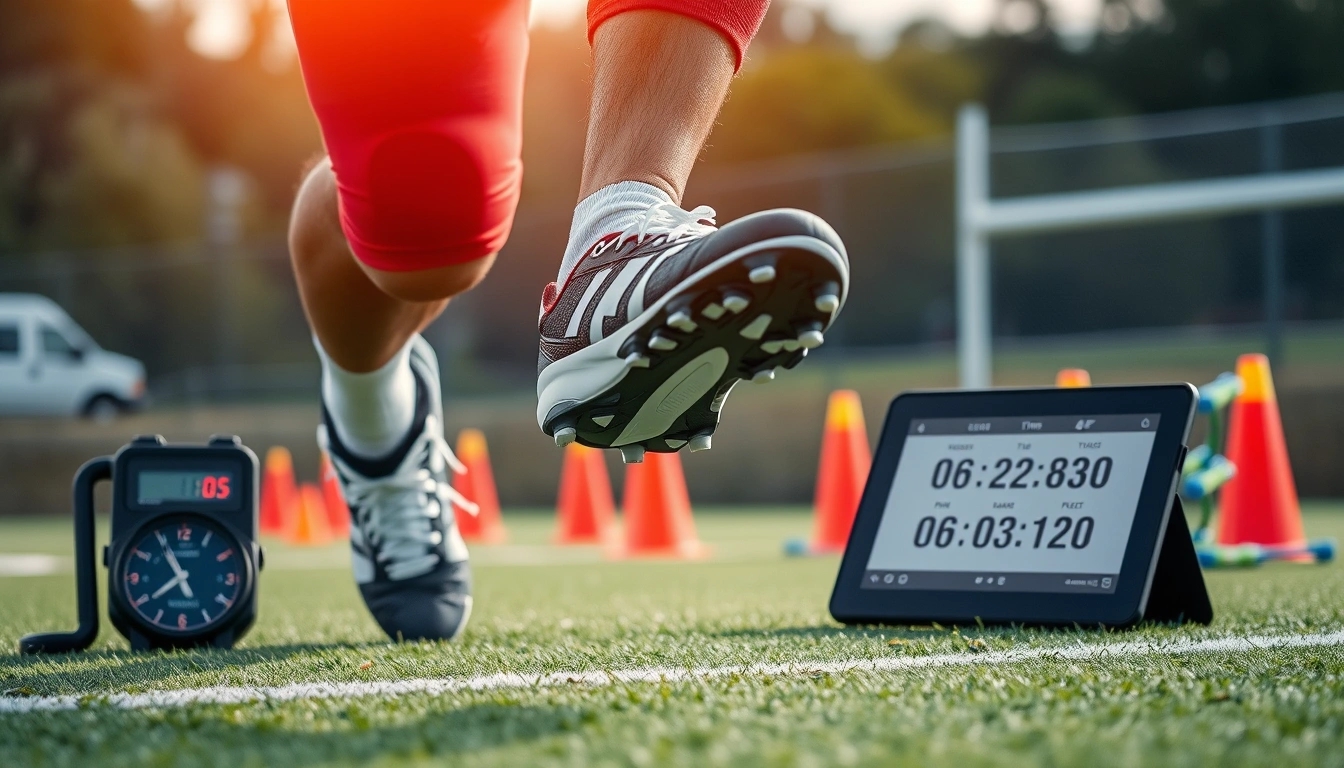
Alright, so you’ve been busting your tail on the field, hammering those drills, and trying to shave milliseconds off your first-step quickness. But how do you really know if you’re improving or just spinning your wheels? Guesswork? Nah, that’s for amateurs. Let’s dive into some legit ways to track your progress without relying on your gut feeling or your coach’s “looks faster to me” nod.
Simple Tests You Can Do Anywhere
- 10-Yard Sprint: The classic. Time yourself from a standing start to 10 yards. It’s short enough to highlight your explosive start, not just your top speed.
- Reaction Time Test: Grab a stopwatch or an app, have a partner drop a ruler, and measure how fast you catch it. It’s old school but effective to gauge your reflexes.
- Pro Agility Shuttle (5-10-5 drill): This one’s a little more involved but fantastic for measuring lateral quickness and first-step explosiveness. Time it and jot down your best attempts.
Keep a simple logbook or spreadsheet with your times and notes. Seeing that steady drop in your sprint time or faster reaction catches? That’s your progress talking.
Tech Tools That Bring the Heat
Look, technology’s not just for nerds in labs. There are some killer gadgets and apps that make measuring your quickness a breeze—and way more accurate than your phone’s stopwatch.
| Tool/App | What It Does | Why It Rocks |
|---|---|---|
| Blast Motion Sensor | Attaches to your shoe or wrist, tracks movement metrics including first-step acceleration and foot speed. | Real-time data, super precise, and easy to use during drills. |
| SpeedClock App | Uses your phone’s camera to time sprints and reaction drills automatically. | No extra gear needed, instant results, and you can compare sessions over time. |
| VertiMax Training System | Resistance training combined with performance tracking to improve explosive power and quickness. | Pro-level tool, tracks force and speed, but yeah, it’s an investment. |
Don’t Forget Consistency and Context
Tracking progress is more than just numbers. Your mood, fatigue, and even weather can mess with your times. So, don’t freak out if one day your sprint time jumps up. Log everything and look for trends over weeks, not days.
Also, mix in video recordings. Watching your own first step in slow-mo can reveal flaws no stopwatch can catch. Notice if you’re leaning too far forward or if your foot placement is off? Fix that, and your numbers will follow.
Bottom line? Use a combo of basic tests, tech tools, and good old-fashioned video analysis. Keep it real, keep it regular, and you’ll see those improvements stack up. No more guessing games—just cold, hard evidence that you’re getting faster off the line.
Frequently Asked Questions
- Why is first-step quickness so important in football?
Think of first-step quickness as your secret weapon on the field. That initial burst can leave defenders eating dust, turning a good play into a game-changing moment. Without it, even the best strategies can fall flat because you’re always a split second behind.
- Which muscles should I focus on to improve my first step?
Your legs, hips, and core are the powerhouse trio behind explosive starts. Strengthening these areas with targeted exercises not only boosts power but also enhances balance and stability—key ingredients for a lightning-fast launch.
- Are ladder drills really effective for quickness?
Absolutely! Ladder drills do more than just look cool. They sharpen your foot speed, coordination, and agility, helping you move with precision and snap. It’s like training your feet to think and react faster.
- How can resistance training help without slowing me down?
Resistance tools like bands and sleds build explosive strength by forcing your muscles to work harder. The trick is to keep form tight and avoid overdoing it, so you get faster, not fatigued or stiff.
- What role does nutrition play in improving quickness?
Fueling your body right is like giving your engine premium gas. Proper nutrition and hydration speed up recovery and keep your muscles primed for explosive movement. Skipping this step is like trying to sprint on an empty tank.
- What are common mistakes that can hinder quickness training?
Overtraining, sloppy form, and neglecting mental focus are the usual suspects. These slip-ups can stall progress or even cause injury. Remember, quality beats quantity, and a sharp mind equals a sharp body.
- How can I track my progress effectively?
Simple tests like timed sprints combined with tech tools—think apps or wearable sensors—give you clear, objective feedback. Tracking progress keeps you motivated and helps fine-tune your training for maximum gains.