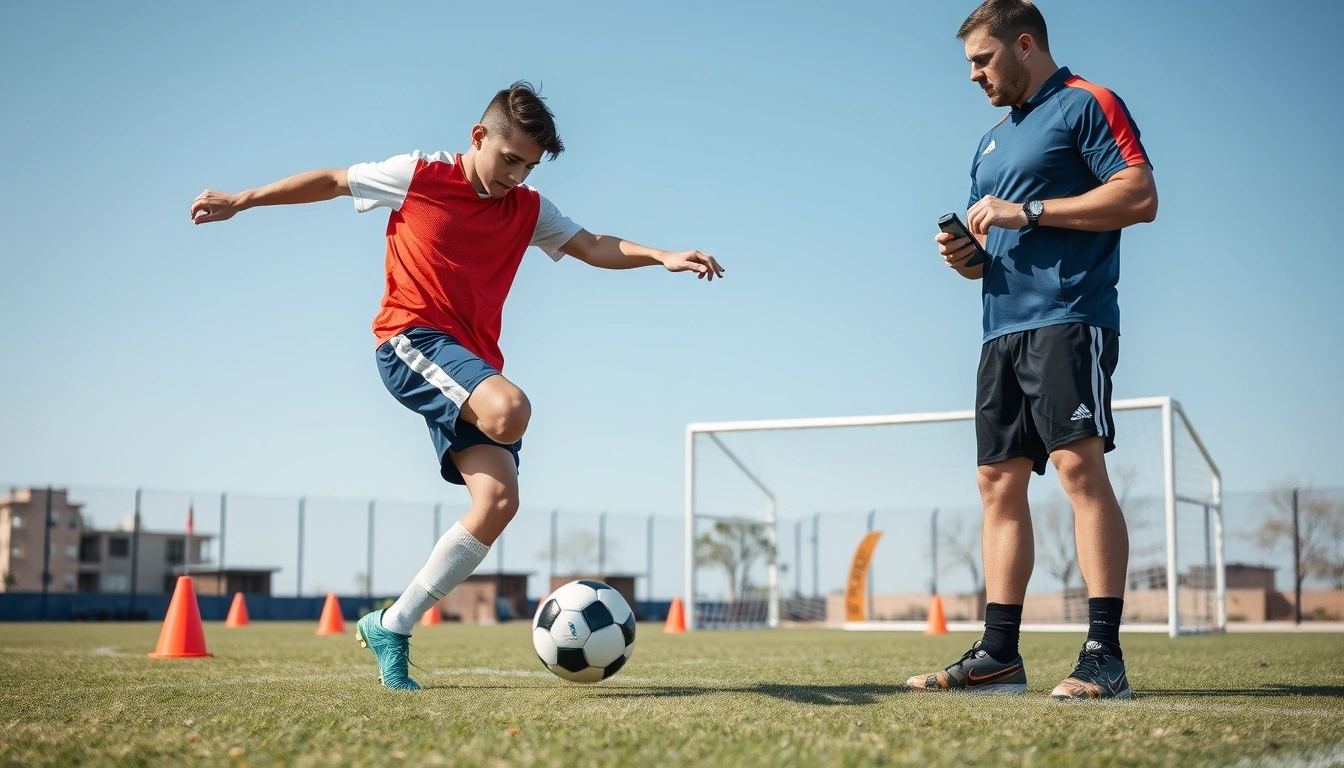
Alright, so you want to blast that soccer ball like a pro but without turning yourself into a walking injury statistic? Good call. Shooting power isn’t just about smashing the ball with all your might—it’s a mix of technique, timing, and yes, some good old-fashioned body mechanics. Young athletes often think “harder is better,” but trust me, if you don’t do it right, you’ll end up hurt or with bad habits that are tough to shake off later.
First things first, understanding what shooting power really means helps. It’s not just leg strength; it’s how you position your body, how you swing your leg, and even how you plant your standing foot. Think of it like a chain reaction—if one link is weak or out of place, your shot won’t have the punch you want.
| Key Factors for Shooting Power | Why It Matters |
|---|---|
| Body Position | Maintains balance and maximizes force transfer |
| Leg Swing Technique | Ensures efficient energy use and accuracy |
| Foot Placement | Helps control direction and power |
Now, before you even think about kicking, warm-ups and stretching are your best friends. Skipping them? Rookie mistake. Cold muscles are like brittle twigs—they snap. Simple stretches and light jogging get your muscles ready to explode with power without snapping, pulling, or cramping. Plus, a good warm-up wakes your nervous system up so your timing and coordination get a boost.
- Dynamic stretches: leg swings, high knees, butt kicks
- Static stretches: hamstring and quad stretches post-practice
Building strength is crucial, but here’s the kicker: young players shouldn’t be hitting the gym like bodybuilders. Instead, focus on age-appropriate exercises that target core and leg muscles. Think squats, lunges, and planks rather than heavy weights. These build a solid foundation for powerful shots without overloading growing bodies.
Here’s a quick strength routine you can try:
1. Bodyweight squats - 3 sets of 122. Forward lunges - 3 sets of 10 each leg3. Plank holds - 3 sets of 30 seconds4. Calf raises - 3 sets of 15
Technique is king. Mastering the shooting motion means breaking down the kick into parts: plant foot placement, backswing, contact point on the ball, and follow-through. Common mistakes? Rushing the shot or leaning back too much, which kills power and accuracy. Practice slow, controlled kicks first, then ramp up speed.
Don’t forget flexibility and mobility! If your joints are stiff, your shot will suffer. Regular stretching and mobility drills keep your hips, knees, and ankles moving smoothly, reducing injury risk.
Fueling your body right is often overlooked. Nutrition and hydration play a big role in muscle power and recovery. Dehydrated muscles cramp, and poor diet means weaker muscles. Load up on proteins, carbs, and don’t skimp on water.
One cool trick is using video analysis. Record your shots, then watch them back. You’ll spot flaws you never noticed and track your progress. It’s like having a personal coach in your pocket.
Finally, balance is key. Overtraining can lead to burnout or injuries. Mix intense shooting drills with rest days. Your muscles need time to recover and grow stronger.
| Common Mistakes to Avoid | Quick Fix |
|---|---|
| Rushing shots | Slow down, focus on form |
| Poor posture | Keep your back straight, eyes on the ball |
| Neglecting warm-up | Always warm-up before practice |
| Overtraining | Schedule rest days |
So yeah, improving shooting power isn’t just about brute force. It’s a smart mix of preparation, technique, strength, and rest. Get these right, and you’ll be blasting those shots like a champ—without the ouch factor.
Understanding the Basics of Shooting Power
Alright, let’s cut to the chase — shooting power isn’t just about slamming the ball with all your might and hoping for the best. Anyone who’s ever tried knows it’s way more complicated than that. Sure, kicking hard helps, but if you’re just flailing your leg like a wild bird, chances are your shot will either sail over the goal or flop embarrassingly short. So what’s the secret sauce? It’s a combo of technique, timing, and body mechanics — the holy trinity of a powerful, accurate strike.
Let’s break it down a bit. First, technique. This is about how you position your foot, how you swing your leg, and where exactly you make contact with the ball. Hitting the ball with the right part of your foot, usually the instep, can make a world of difference. Think of it like tuning a guitar — if you don’t get the strings right, it’s just noise. Same with your foot placement. Then there’s timing. You gotta hit the ball at the peak of your leg’s swing — too early or too late, and you lose power and accuracy. And finally, body mechanics. Your hips, core, and even your arms play a role in generating force. It’s like a well-choreographed dance where every part has a role to play.
- Foot placement: Use the instep for power, side of the foot for accuracy.
- Body alignment: Lean slightly over the ball to keep shots low and controlled.
- Follow-through: A proper follow-through boosts power and direction.
Now, here’s a little secret most young players overlook — strength alone won’t save you. You can have Hulk-level quads but if your technique is off, your shot will look like a sad noodle. And don’t get me started on timing; it’s like catching a fastball in baseball — miss by a millisecond and it’s a swing and a miss.
| Component | Why It Matters | Common Mistakes |
|---|---|---|
| Technique | Ensures efficient transfer of power to the ball | Hitting the ball with the toe or wrong foot part |
| Timing | Maximizes force and accuracy | Striking too early or late in the swing |
| Body Mechanics | Engages multiple muscle groups for power | Stiff posture, lack of hip rotation |
So, if you’re a young player itching to blast the ball into the net, don’t just go full throttle blindly. Spend time mastering these basics — it’s like building a house; you need a solid foundation before decking it out with fancy stuff. And remember, shooting power is a skill you can improve with practice, patience, and yes, a little bit of trial and error (because hey, nobody’s perfect on the first try).
In the end, it’s about syncing your body and brain to work as one. When you nail that perfect shot, it’s not just power — it’s poetry in motion. So next time you’re on the pitch, think less “kick hard” and more “kick smart.” Your future self (and your goal tally) will thank you.
Importance of Proper Warm-Up and Stretching
Alright, let’s get real for a sec—skipping warm-ups? Rookie move. Seriously, it’s like trying to sprint a marathon without tying your shoes first. You might get away with it once or twice, but sooner or later, your muscles will throw a tantrum. Warm-ups aren’t just some boring, time-wasting ritual coaches force on you—they’re the secret sauce to prepping your body for those thunderous shots you dream about. Think of warm-ups as the ignition key that revs up your muscles, joints, and nervous system, getting you ready to unleash power without snapping something important like a tendon or ligament.
Now, before you roll your eyes and say, “Stretching? Meh, I’m good,” hear me out. Simple stretching routines are like a mini insurance policy for your muscles. They increase blood flow, improve flexibility, and basically whisper to your body, “Hey, we’re about to work hard, so loosen up!” Without this, your muscles stay tight and stiff, which is a prime recipe for injuries. And injuries? They don’t care if you’re young and tough—they’ll bench you faster than you can say “penalty kick.”
- Dynamic stretches (think leg swings, arm circles) are your go-to before practice or games because they mimic the movements you’ll be doing.
- Static stretches (holding a position for 20-30 seconds) are better post-game to help muscles relax and recover.
| Warm-Up Elements | Purpose |
|---|---|
| Light Jogging or Skipping | Raises heart rate and blood flow |
| Dynamic Stretching | Prepares muscles and joints for action |
| Sport-Specific Drills | Activates neuromuscular pathways for shooting |
Look, I get it—sometimes you’re pumped and just wanna get to the ball, but trust me, spending 10 minutes warming up is a small price to pay compared to weeks off the field with a pulled hammy or worse. Plus, a good warm-up actually makes your shots more powerful. Why? Because your muscles are warmed, flexible, and firing on all cylinders, so they contract more efficiently. It’s like trying to snap a dry twig versus a fresh, green one—guess which one breaks easier?
Also, here’s a little nugget for you: skipping warm-ups messes with your coordination and timing. Ever notice how your first few shots in a game feel off? That’s your body still waking up, fumbling the mechanics. Proper warm-ups sharpen your focus and muscle memory, so when it’s game time, you’re not just kicking hard—you’re kicking smart.
Quick Warm-Up Routine Example:1. 5 minutes light jogging or jump rope2. 10 leg swings (each leg)3. 10 arm circles forward and backward4. 10 walking lunges5. 5 practice shots at 50% power
Bottom line: don’t be that player who thinks warm-ups are optional. They’re your best friend in the quest for shooting power and injury-free play. So next time, lace up, stretch out, and warm up like a pro. Your muscles—and your scoreboard—will thank you.
Strength Training Tailored for Young Players
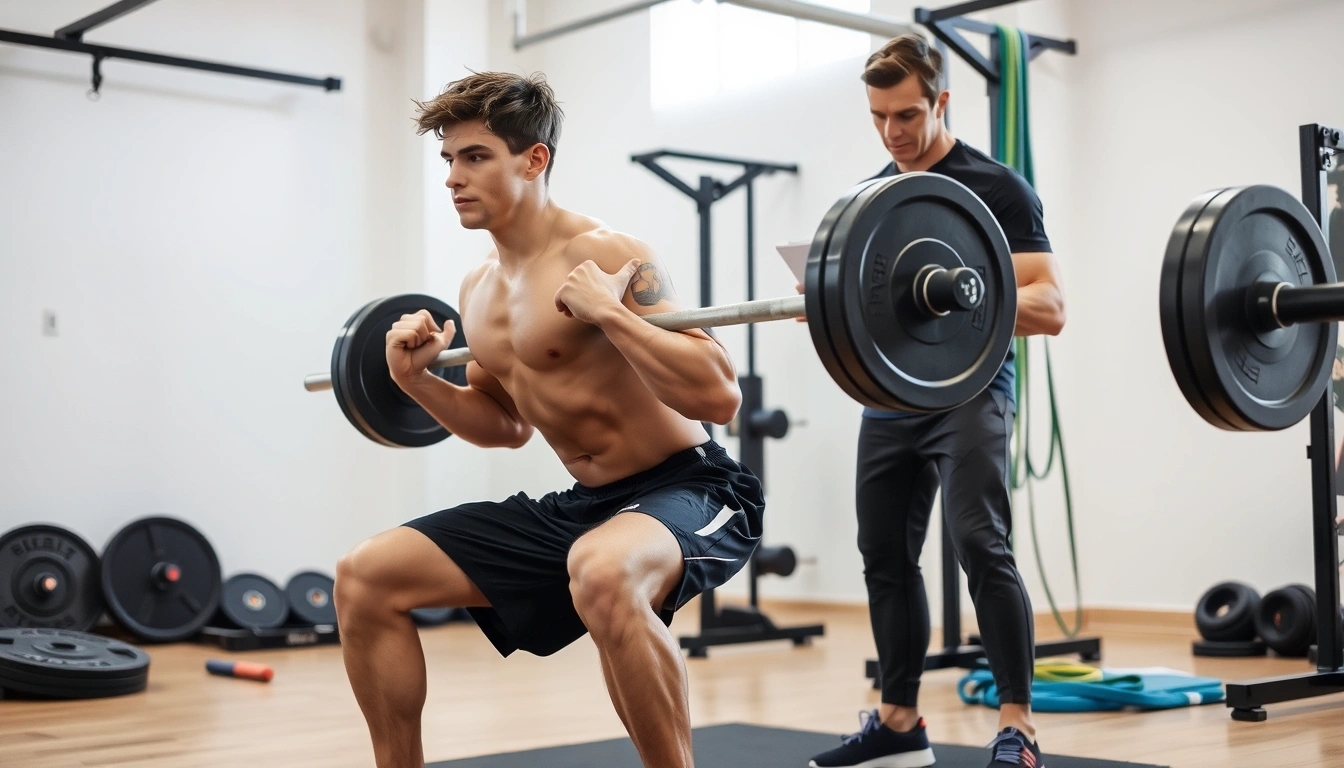
Alright, let’s get real about strength training for young athletes. It’s tempting to jump straight into heavy lifting or intense workouts when you want to boost your shooting power, but hold your horses! Young bodies are still growing, and the last thing you want is to mess up that development by overdoing it. The key here is age-appropriate exercises that focus on building muscle power safely and effectively — especially targeting the core and legs, since those are the main engines behind a powerful shot.
- Core strength is your foundation. Without a solid core, you’re basically trying to shoot with a wobbly tower. Planks, bird dogs, and gentle Russian twists are fantastic for young players. These moves strengthen the abdominal and lower back muscles without stressing the spine.
- Leg power drives the shot. Squats, lunges, and step-ups are great, but here’s the catch — keep the weights light or just use bodyweight. It’s all about mastering form and control rather than maxing out reps or weights.
| Exercise | Focus Area | Why It’s Good for Young Players |
|---|---|---|
| Bodyweight Squats | Legs | Builds strength without risking injury from heavy weights |
| Planks | Core | Improves stability and balance, essential for shooting accuracy |
| Lunges | Legs & Balance | Enhances muscle coordination and unilateral strength |
| Bird Dogs | Core & Back | Strengthens core while promoting proper spinal alignment |
Now, don’t even think about rushing through these exercises. Quality beats quantity any day. Your muscles need time to adapt and grow stronger — and your nervous system needs to learn how to fire the right muscles at the right time. Overdoing it? That’s a one-way ticket to strains, sprains, or worse. Plus, young players often get impatient and try to lift too heavy or push too hard, thinking more is better. Spoiler alert: it’s not.
Here’s a quick checklist for safe strength training:
- Warm up properly before starting any exercise to get the blood flowing and muscles ready.
- Focus on technique — have a coach or experienced adult check your form.
- Use bodyweight or light resistance to avoid stressing growth plates.
- Rest adequately between sessions to allow muscles to recover.
- Listen to your body — if something hurts (not just the usual muscle burn), stop immediately.
Remember, strength training at a young age isn’t about bulking up or lifting heavy like a pro. It’s about building a strong, stable base that supports better movement, balance, and ultimately, more powerful and controlled shots on the field. So, take it slow, keep it smart, and your shooting power will thank you later.
Tip: Mix strength exercises with fun drills like jumping, sprinting, or agility ladders to keep things interesting and build explosive power naturally.
In the end, the goal is sustainable progress. No shortcuts, no magic pills — just consistent, safe training that respects your body’s limits while pushing you to improve. And hey, if you’re having fun along the way, that’s the real win.
Mastering the Right Shooting Technique
Alright, let’s get real about shooting power — it’s not just about smashing the ball as hard as you can and hoping for the best. Nope, there’s a whole science behind it, and if you mess up the basics, you’re just wasting energy and probably embarrassing yourself on the pitch. So, buckle up, because we’re breaking down the shooting motion step-by-step, pointing out the usual screw-ups, and showing how nailing the form can make your shots pack a punch without turning you into a walking injury risk.
- Step 1: The Approach
This is where many young players go sideways. If you’re running straight at the ball like a bull, your shot’s gonna be all over the place. The trick? Approach the ball at a slight angle — about 30 to 45 degrees. This gives you better control and balance. Plus, it sets you up to use your hips and torso properly, which is where the real power comes from. - Step 2: Plant Foot Placement
Your non-kicking foot is your anchor. If it’s too close or too far from the ball, you lose stability and power. Aim to plant it roughly 6 to 12 inches beside the ball, pointing in the direction you want the ball to go. Sounds simple, but you’d be surprised how often this is botched. - Step 3: Body Position
Leaning back? Bad idea. That’s a classic rookie blunder that sends the ball sky-high — hello, air shots! Instead, lean slightly forward, keep your head down, and eyes on the ball. This helps keep your shot low and powerful.
| Common Errors | How to Fix Them |
|---|---|
| Rushing the shot without proper setup | Slow down your approach, focus on foot placement and body balance |
| Hitting the ball with the toe | Use the instep (the curved part of your foot) for better contact and power |
| Not following through | Complete your kicking motion to transfer maximum energy to the ball |
Now, here’s a little secret: the power isn’t just in your leg muscles. It’s about timing and coordination. When your hips rotate correctly and your kicking leg swings through with a smooth follow-through, you’re basically turning your whole body into a power generator. Think of it like a whip — the more fluid the motion, the harder the crack.
- Step 4: Follow-Through
Don’t just stop after hitting the ball. Let your kicking leg continue forward naturally. This follow-through adds extra oomph and improves accuracy. Also, it helps prevent injuries because your muscles aren’t abruptly stopping. - Step 5: Practice with Purpose
Shooting drills aren’t just about hitting the ball a hundred times. Focus on quality over quantity. Record yourself, ask a coach or buddy to watch, and get feedback. Sometimes, you don’t realize you’re doing something wrong until you see it on video.
Pro Tip:- Warm up properly before practicing shooting.- Stretch your hips and legs to improve mobility.- Start slow, then build up speed as your form improves.
Remember, even the pros started with messy shots and awkward stances. The difference? They kept tweaking their technique and didn’t just rely on brute force. So next time you line up for a shot, think about your approach, plant foot, body lean, and follow-through. Nail those, and you’ll see your shot power jump — without risking a pulled muscle or a facepalm moment on the field.
In short: Good technique trumps raw power every time. Master your form, and the goals will follow — probably faster than you expect.
The Role of Flexibility and Mobility
Alright, let’s talk about something that often gets overlooked by young players eager to blast the ball into the net: flexibility and joint mobility. You might think, “Why bother stretching when I just want to kick harder?” Well, here’s the scoop—improving these areas can seriously up your shooting game and keep those pesky injuries at bay.
First off, flexibility is all about how much your muscles and tendons can stretch without snapping like a rubber band. Joint mobility? That’s how freely your joints can move through their full range without feeling like rusty gears. When these two buddies are in sync, your body moves smoother, which means your shooting mechanics get a major upgrade.
Think about it: when you’re winding up for a shot, your hips, knees, and ankles all need to work together like a well-oiled machine. Tight muscles or stiff joints? That’s like trying to shoot a cannonball with a bent barrel—not gonna fly straight or far. Plus, if your body isn’t moving properly, you’re more likely to pull a muscle or twist an ankle, which is the last thing you want when you’re just getting started.
| Benefit | Impact on Shooting | Injury Prevention |
|---|---|---|
| Improved Range of Motion | Allows for a fuller backswing and follow-through, generating more power | Reduces strain on muscles and ligaments during explosive movements |
| Better Muscle Coordination | Enhances timing and precision in your shooting technique | Prevents overcompensation injuries from poor form |
| Faster Recovery | Keeps muscles supple and ready for the next shot | Decreases soreness and risk of chronic injuries |
Now, don’t get it twisted—stretching isn’t just about touching your toes or doing splits (though if you can, props!). It’s about dynamic movements that mimic the shooting action. For example, leg swings, hip circles, and ankle rotations warm up the joints and muscles you’ll be firing up on the field.
- Dynamic stretches before practice help activate muscles and improve blood flow.
- Static stretches post-training aid in muscle relaxation and flexibility gains.
- Incorporate mobility drills like lunges with twists or deep squats to train joint control.
Let’s be honest, skipping this stuff because it’s “boring” or “not important” is a rookie move. Trust me, your body will thank you when you’re still shooting strong while others are nursing sprains. And if you’re wondering how often to do this, aim for at least 10-15 minutes before and after practice.
Pro Tip:Consistency > IntensityBetter to do light mobility work regularly than cramming once and feeling like a pretzel.
In the end, improving flexibility and joint mobility isn’t just about dodging injuries or looking cool doing leg swings. It’s about creating a foundation for efficient, powerful, and injury-free shooting mechanics. So, next time you lace up, don’t just think about how hard you can kick—think about how well your body can move. Because power without control? That’s just wasted energy.

Nutrition and Hydration for Optimal Performance
Alright, let’s get one thing straight: fueling your body right isn’t just some boring adult lecture. For young players who want to crank up their shooting power, what you shove into your mouth and how much water you gulp down can make or break your game. Seriously, you can practice your shot till the cows come home, but if your muscles don’t have the proper fuel or you’re dehydrated, all that hard work might just fizzle out.
First off, muscle strength and recovery are like Batman and Robin — they work best together. When you eat the right foods, you’re basically giving your muscles the building blocks they need to get stronger and bounce back after intense training. Think of proteins as the bricks that repair and build muscle tissue. Without enough protein, your muscles are like a half-built wall — weak and prone to crumble.
- Protein sources: chicken, fish, eggs, beans, and nuts.
- Carbohydrates: your energy fuel — whole grains, fruits, and veggies.
- Fats: yes, good fats are essential — avocados, olive oil, and fatty fish.
Now, let’s talk about carbs. They’re not the enemy here. In fact, they’re your main energy source during those explosive shots. Without enough carbs, your muscles will feel like they’re running on empty, and your shooting power? Forget about it.
| Nutrition Component | Role in Muscle Strength & Recovery | Examples |
|---|---|---|
| Protein | Repairs muscle fibers, builds new muscle tissue | Chicken, eggs, beans, nuts |
| Carbohydrates | Provides energy for training and recovery | Whole grains, fruits, vegetables |
| Fats | Supports hormone production and joint health | Avocados, olive oil, fatty fish |
| Water | Prevents dehydration, aids nutrient transport | Plain water, sports drinks (in moderation) |
Hydration, oh boy, this is where many young athletes mess up. You might think, “I’m just sweating a bit, no big deal.” Wrong! Even mild dehydration can zap your strength and slow your recovery. Your muscles are about 75% water, so keeping them hydrated is like oiling a machine — no oil, no smooth moves. Drink water before, during, and after training, and if you’re sweating buckets, a sports drink with electrolytes can help replace lost salts. But don’t go overboard with sugary drinks; that’s just asking for trouble.
Here’s a quick hydration checklist for young players:
- Drink at least 8 cups of water daily, more on training days.
- Aim for small sips during practice instead of chugging all at once.
- Post-training, rehydrate with water and a balanced snack.
Lastly, don’t overlook timing. Eating a balanced meal 2-3 hours before training gives your body time to digest and absorb nutrients. Right after practice, a combo of carbs and protein within 30 minutes helps kickstart recovery — think a banana with peanut butter or yogurt with some fruit.
So, in short: if you want to shoot harder and recover faster, stop treating food and water like an afterthought. Your muscles are hungry for good stuff, and if you feed them well, they’ll reward you with stronger, more powerful shots. No magic pills here, just smart fueling and hydration habits — the secret weapons for any young player chasing greatness.
Using Video Analysis for Technique Improvement
Alright, let’s talk about something that’s honestly a game-changer when it comes to refining your shooting skills: video analysis. You might think, “Hey, I just kick the ball as hard as I can, what’s so complicated about that?” Well, spoiler alert: it’s way more than just brute force. Recording your shots and then reviewing them can shine a light on those sneaky little flaws you never even noticed. And trust me, everyone has them—even pros.
First off, grabbing your phone or a camera and filming your shooting attempts is like holding up a mirror to your game. You get to see what your body’s actually doing, not just what you feel like it’s doing. Maybe your plant foot is too far forward, or your follow-through is weak, or you’re leaning back instead of forward. These small details? They add up and can seriously kill your shot power or accuracy. Without video, you’re basically guessing.
| Flaw | Impact on Shot | What to Look For |
|---|---|---|
| Poor Plant Foot Placement | Reduces balance and power | Is the foot beside the ball pointed correctly? |
| Insufficient Follow-Through | Limits shot distance and accuracy | Does the kicking leg swing fully? |
| Leaning Back | Causes shots to go high and weak | Is your upper body leaning forward? |
Now, here’s the kicker: reviewing your own footage isn’t just about spotting mistakes. It’s also a fantastic way to track progress. Imagine looking back after a few weeks or months and seeing how your technique has improved. That’s some serious motivation right there. Plus, it helps you set realistic goals—because you can literally see what you need to work on next.
- Tip #1: Film from multiple angles! Side views show leg swing and follow-through, while front views reveal balance and posture.
- Tip #2: Use slow-motion playback. Sometimes mistakes happen in a blink, and slow-mo helps catch those subtle errors.
- Tip #3: Compare your clips to pro players or your own past videos to spot differences and improvements.
But hey, don’t get too obsessed with perfection. Watching yourself on video can be awkward or even frustrating at first—“Why do I look so stiff?” or “That shot looks terrible!” But remember, it’s all part of the process. The goal isn’t to turn into a robot but to make smarter, more effective training choices. Video analysis turns guesswork into concrete feedback, which is pure gold.
In short, if you’re serious about upping your shooting game, grab a camera, start filming, and be honest with what you see. It’s like having a coach in your pocket 24/7. Just don’t forget to actually practice what you learn from those videos—because no amount of footage will help if you don’t put in the work.
Balancing Practice Intensity and Recovery
Alright, let’s get real about overtraining — it’s like that sneaky trapdoor you don’t see coming until you’re halfway down the rabbit hole. Young players often think the secret to shooting power is just grinding harder, longer, and more often. Spoiler alert: it’s not. Overtraining doesn’t just zap your energy; it can wreck your progress, mess with your muscles, and even put you on the sidelines with injuries. So, how do you dodge this bullet and actually get stronger without burning out? Let’s break it down.
First off, what’s overtraining anyway? It’s basically when your body doesn’t get enough time to recover between intense sessions. Picture this: you’re hitting shooting drills day after day, pushing yourself to max power, but your muscles, tendons, and nervous system are waving white flags underneath. The result? Diminished gains, fatigue, and a higher chance of pulling something nasty. Not cool.
Now, here’s the kicker — rest days aren’t a sign of weakness or laziness. They’re your secret weapon. Your muscles need time to repair and grow stronger. Without rest, you’re just spinning your wheels, or worse, backsliding.
| Practice Day | Focus | Intensity | Purpose |
|---|---|---|---|
| Day 1 | Shooting drills (technique focus) | Moderate | Perfecting form and timing |
| Day 2 | Strength & conditioning | Moderate | Building muscle power |
| Day 3 | Rest or light mobility work | Low | Recovery and flexibility |
| Day 4 | High-intensity shooting drills | High | Power output and speed |
| Day 5 | Rest | Low | Muscle repair |
Scheduling drills and rest days like this helps keep your body guessing in a good way — pushing hard when it counts, but chilling out enough to come back stronger. And don’t forget, quality beats quantity every time. Doing 30 minutes of focused, smart shooting practice beats an hour of sloppy, tired kicks.
- Tip 1: Listen to your body. If your legs feel like jelly or your shots look sloppy, it’s probably time to back off.
- Tip 2: Mix it up. Alternate between technique drills, strength work, and recovery sessions.
- Tip 3: Sleep like your gains depend on it — because they do.
Here’s a little secret — some of the best players out there swear by their recovery routines just as much as their training. Ice baths, foam rolling, stretching, even meditation can all play a part in keeping you sharp and injury-free.
Common Overtraining Symptoms:- Persistent muscle soreness- Decreased performance- Irritability or mood swings- Trouble sleeping- Frequent injuries
Ignoring these signs? That’s just asking for trouble. So, if you spot these red flags, it’s time to hit the brakes and prioritize rest. Remember, building shooting power isn’t a sprint; it’s a marathon. And like any marathon, pacing yourself is key.
In the end, balancing practice intensity with recovery is about respecting your body’s limits while pushing its potential. Nail this balance, and you’ll see your shooting power soar — minus the burnout, injuries, or the dreaded “plateau” phase. So, train smart, rest smart, and watch those goals fly into the net!
Common Mistakes to Avoid When Increasing Shooting Power
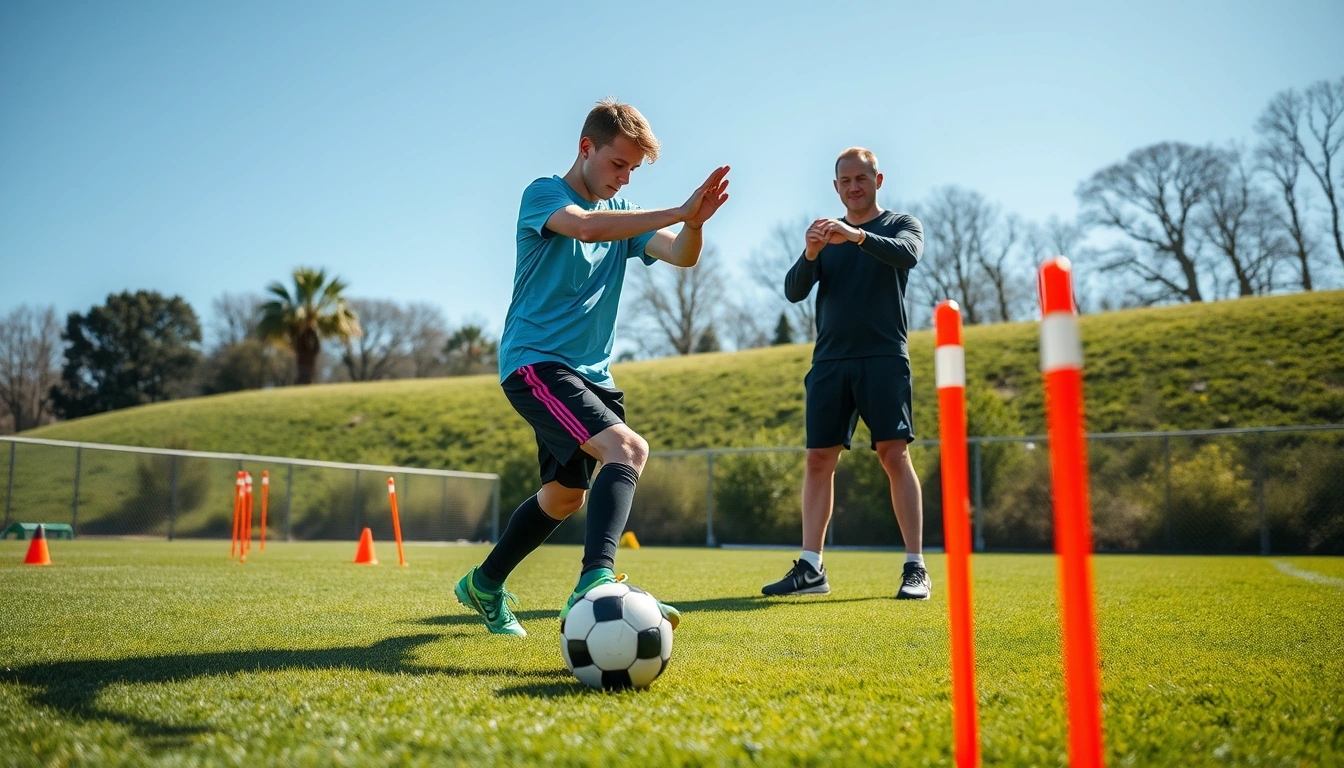
Alright, so you’re fired up to crank up that shooting power and blast the ball like a pro. But hold your horses! Before you start hammering shots like there’s no tomorrow, let’s talk about some of the classic blunders young players often stumble into. Trust me, these pitfalls can not only stall your progress but also land you in the injury zone faster than you can say “goal!”
Poor Posture is probably the sneakiest culprit here. You might think slapping the ball with all your might is the key, but if your body’s crooked or your foot placement is off, you’re just wasting energy—and risking strains. Imagine trying to shoot with your back hunched over or your non-kicking foot planted too far away. Not pretty, right? It’s like trying to drive a car with a flat tire—awkward and ineffective.
- Tip: Keep your upper body balanced and your supporting foot close to the ball, pointing in the direction you want the shot to go.
- Tip: Engage your core muscles to stabilize your torso during the shot.
Then there’s the classic rushing shots. We get it, sometimes you just wanna get that ball off your foot and into the net ASAP. But blasting shots without control can cause sloppy technique and poor accuracy. Plus, it’s a quick ticket to muscle pulls or worse. Slow it down, focus on the motion, and build power with precision.
| Rushing Shots | Controlled Shots |
|---|---|
| Hasty foot placement | Deliberate, balanced foot positioning |
| Inconsistent follow-through | Full, smooth follow-through |
| Higher injury risk | Lower injury risk |
| Poor accuracy | Better shot placement |
Now, here’s a biggie: neglecting safety. Seriously, some young players think they’re invincible and skip warm-ups, or worse, ignore pain signals. That’s a recipe for disaster. Your muscles and joints need to be prepped before you start blasting shots, or you’ll pay the price with strains, sprains, or chronic issues down the line.
- Tip: Always warm up with light jogging and dynamic stretches before shooting practice.
- Tip: Listen to your body—if something hurts, stop and rest.
Another mistake that sneaks up on players is overtraining. It’s tempting to shoot hundreds of balls every day thinking it’ll make you stronger, but your muscles need time to recover. Without rest, you’re just asking for burnout or injury. Balance is key.
Here’s a quick checklist to keep your training on track:
✔ Maintain good posture and foot placement✔ Don’t rush your shots—focus on technique✔ Warm up properly every time✔ Pay attention to pain and fatigue✔ Schedule rest days between intense sessions
In the end, boosting your shooting power isn’t about brute force alone. It’s about smart, consistent practice with safety front and center. Avoid these common mistakes, and you’ll not only shoot harder but last longer on the pitch without sidelining yourself. So, lace up, warm up, and shoot smart!
Frequently Asked Questions (The title must be written in English.)
- What is the most important factor in improving shooting power safely?
It’s not just about kicking harder—it’s about perfecting your technique, timing, and body mechanics. Think of your shot like a well-oiled machine; every part must work in harmony to unleash maximum power without injury.
- Why should young players never skip warm-ups before shooting practice?
Skipping warm-ups is like trying to start a car on a freezing day without letting the engine warm up first. Proper warm-ups and stretching prepare your muscles and joints, reducing the risk of strains and boosting your shot power.
- Are strength training exercises safe for young athletes?
Absolutely—but they need to be age-appropriate and focused on building core and leg strength gradually. Overdoing it can lead to injuries, so think of strength training as planting seeds; with patience, you’ll grow powerful muscles safely.
- How can flexibility improve my shooting power?
Flexibility and mobility act like lubricants for your joints, allowing smoother and more powerful movements. When your body moves freely, your shooting technique becomes more efficient, helping you strike harder without risking sprains.
- Can nutrition really impact how strong my shots are?
Yes! Your muscles need the right fuel to perform and recover. Proper hydration and balanced nutrition act like premium gas for your engine, giving you the energy and strength to shoot with more power consistently.
- How does video analysis help in improving shooting technique?
Watching your shots on video is like having a mirror that reveals hidden flaws. It helps you spot mistakes you can’t feel in the moment, making your training smarter and accelerating your progress.
- What’s the risk of overtraining when trying to increase shooting power?
Overtraining is a sneaky trap that can lead to burnout and injuries. Balancing intense practice with proper rest is key—think of it as charging your phone; if you never unplug, it overheats and shuts down.
- Which common mistakes should I avoid to safely boost my shooting power?
Watch out for poor posture, rushing your shots, and ignoring safety measures. These mistakes are like cracks in a dam—they weaken your performance and increase injury risk. Focus on form and steady progress instead.