Spatial awareness — sounds fancy, right? But in the sports world, it’s basically your secret weapon. Imagine knowing exactly where you, your teammates, opponents, and the ball are without even glancing. That’s spatial awareness for you. It’s like having a sixth sense on the field or court. And the good news? You don’t need to be some kind of psychic to boost it. Some simple drills can crank up your spatial smarts and seriously improve your game. So, let’s jump right in and see how you can sharpen that edge.
Understanding Spatial Awareness Basics
Before you start throwing cones around or chasing balls, it’s smart to understand what spatial awareness really means. In plain speak, it’s knowing where your body is in relation to other objects and people around you. For athletes, this is crucial — it affects everything from dodging opponents to nailing that perfect pass. Without it, you’re basically playing blindfolded. So, getting a grip on this concept sets the stage for all the drills ahead.
| Key Components of Spatial Awareness | Why They Matter in Sports |
|---|---|
| Body Positioning | Maintains balance and control during movement |
| Distance Judgment | Helps in passing, shooting, and avoiding tackles |
| Peripheral Vision | Allows you to spot teammates and opponents without turning your head |
Why Spatial Awareness Matters in Sports
Okay, here’s the deal — spatial awareness isn’t just some fancy skill coaches throw around to sound smart. It straight-up changes how you play. Good spatial awareness means faster decisions, quicker reactions, and a better feel for the game’s flow. Ever wonder how top players seem to be everywhere at once? It’s not magic; it’s their brain and body working together, constantly aware of the play’s dynamics.
- Decision-Making: Knowing where everyone is helps you pick the best option fast.
- Reaction Time: If you sense an opponent closing in, you can dodge or counter quicker.
- Game Strategy: Spatial awareness lets you anticipate plays rather than just react.
Simple Warm-Up Exercises to Boost Awareness
Before diving into hardcore drills, wake up your brain and body with some warm-ups. Think of these as your spatial awareness “coffee” to get things buzzing.
- Side-stepping along a line while keeping your head up- Tossing a ball against a wall and catching it with alternating hands- Walking backward while turning your head side to side
These might sound basic, but they’re gold for tuning your senses. Trust me, skipping warm-ups is like trying to run a marathon in flip-flops — just don’t.
Drill 1: The Cone Maze Challenge
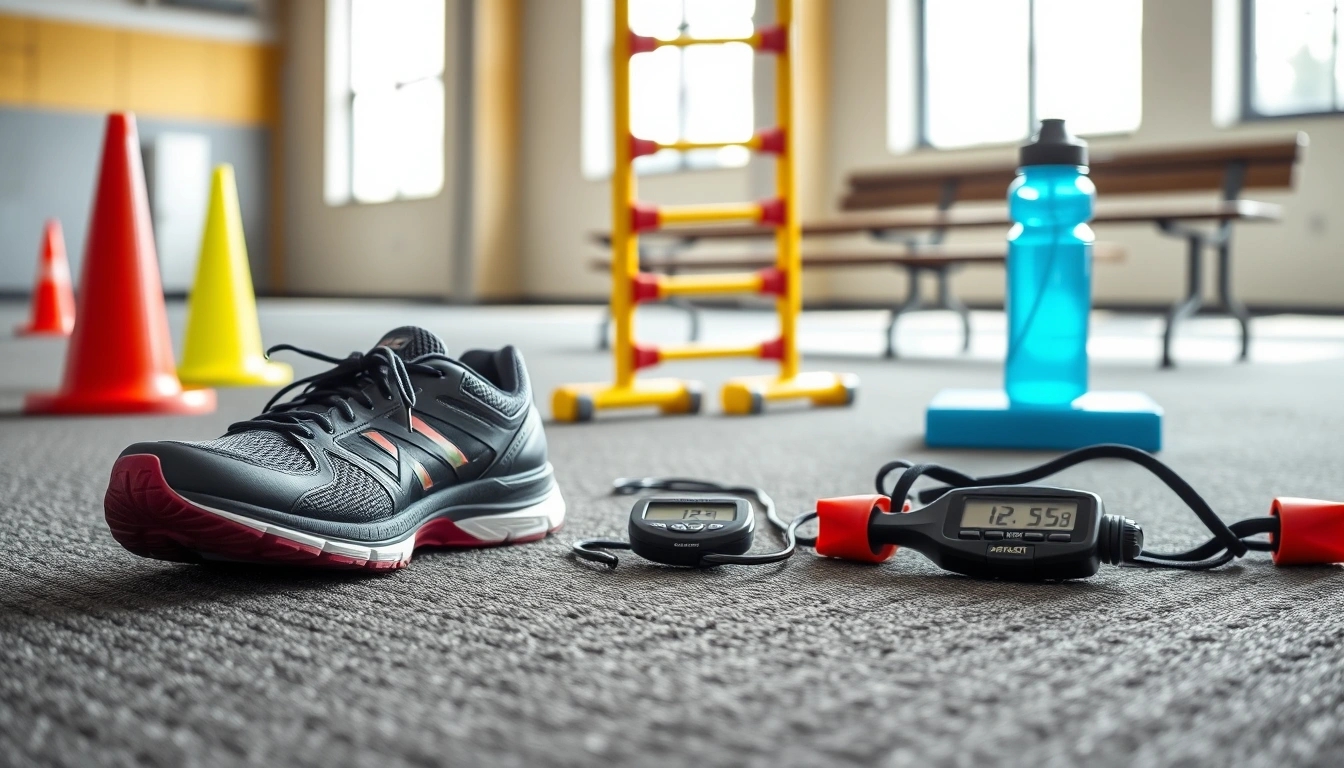
Set up cones in a zigzag or maze pattern. Your mission? Navigate through without knocking any down, as fast as you can. This drill forces you to judge distances, control your speed, and maneuver tight spaces — all while under pressure. It’s like a mini obstacle course for your brain and body.
| Step | Action | Benefit |
|---|---|---|
| 1 | Set cones 2 feet apart in a zigzag | Creates tight navigation paths |
| 2 | Run or dribble through the maze | Improves control and distance judgment |
| 3 | Time your run, try to beat it | Builds pressure handling and speed |
Stick around for more drills and tips, because spatial awareness isn’t something you nail overnight — it’s a journey, and every step counts. Ready to level up? Let’s keep going!
Understanding Spatial Awareness Basics
Before you even think about lacing up your sneakers or grabbing that ball, it’s crucial to wrap your head around what spatial awareness actually means. Now, don’t roll your eyes — this isn’t some fancy term tossed around by sports scientists to sound smart. It’s the secret sauce behind many athletes’ success, whether they’re on the basketball court, soccer field, or even the swimming pool. At its core, spatial awareness is your brain’s ability to recognize where your body is in relation to the environment and other objects around you. Sounds simple? Well, it’s a bit more complex than that.
Imagine trying to dribble past defenders without knowing exactly how close they are or where your teammates are positioned. That’s a recipe for disaster. Spatial awareness helps you avoid collisions, make smarter plays, and react faster to unpredictable situations. It’s like having a sixth sense that tells you, “Hey, watch out, someone’s coming from your left!” or “You’ve got just enough space to take that shot.” Without it, even the most skilled athletes could find themselves tripping over their own feet.
- Proprioception: This is your body’s internal GPS, letting you know where your limbs are without looking.
- Peripheral Vision: Picking up on movement and objects outside your direct line of sight.
- Depth Perception: Judging distances accurately so you don’t overshoot a pass or misjudge a jump.
Put these together, and you get a powerhouse combo that’s essential for any athlete. But here’s the kicker — spatial awareness isn’t just something you’re born with. It’s a skill that can be trained, sharpened, and fine-tuned through deliberate practice.
| Component | Description | Why It Matters |
|---|---|---|
| Proprioception | Awareness of body position and movement | Helps maintain balance and coordination during complex maneuvers |
| Peripheral Vision | Detecting objects outside your central focus | Allows quick reaction to opponents or teammates entering your space |
| Depth Perception | Estimating distance between objects | Crucial for timing passes, shots, and defensive moves |
So, before you jump headfirst into drills, take a moment to appreciate why this skill matters so much. It’s not just about moving around; it’s about moving smart. Once you get a grip on these basics, you’ll be better equipped to tackle the exercises designed to boost your spatial game. Trust me, it’s worth the effort — because in sports, knowing exactly where you are and where everything else is can be the difference between winning and wiping out.
Quick Tip: Try closing your eyes and touching your nose with your finger. Sounds silly, but it’s a simple way to tap into your proprioception. If you miss, no worries — that’s just your brain telling you there’s room for improvement!
In the end, spatial awareness is like the unsung hero of athletic performance. It might not get the spotlight like a slam dunk or a game-winning goal, but it’s working behind the scenes, quietly making you a better player every second you’re on the field.
Why Spatial Awareness Matters in Sports
Alright, let’s get real for a moment. Spatial awareness isn’t just some fancy term coaches throw around to sound smart. It’s actually the secret sauce behind those jaw-dropping plays you see on the field or court. Imagine trying to make a split-second decision without knowing where your teammates or opponents are — chaos, right? That’s exactly why having sharp spatial awareness can turn a good athlete into a game-changer.
First off, spatial awareness is all about understanding where your body is in relation to everything else around you. Sounds simple, but in a fast-paced game, it’s anything but. This skill helps athletes anticipate movements, avoid collisions, and position themselves perfectly to make those clutch plays. Without it, you’re basically fumbling in the dark.
- Decision-Making: When you’re aware of your surroundings, decisions come quicker and smarter. You don’t just react — you predict. For example, a soccer player who knows where defenders are can decide whether to pass, dribble, or shoot in a heartbeat.
- Reaction Time: Ever notice how some players seem to move faster than others? It’s not just speed; it’s their brain processing spatial info lightning-fast. Better spatial awareness means your body responds quicker to unexpected changes.
- Game Effectiveness: Ultimately, being spatially aware means you’re more efficient on the field. You conserve energy by moving smarter, not harder, and you’re less likely to get caught out of position.
| Aspect | Benefit | Example |
|---|---|---|
| Decision-Making | Faster, smarter choices | Passing before opponent closes in |
| Reaction Time | Quicker responses to play changes | Dodging tackles or intercepting passes |
| Overall Gameplay | Better positioning and energy use | Staying open for a shot or defending efficiently |
Now, don’t get me wrong — having good spatial awareness isn’t a magic pill. It takes practice, drills, and yeah, sometimes feeling like a headless chicken before things click. But once you get the hang of it, your gameplay just feels smoother, more natural. You’re not just running around hoping for the best; you’re playing chess while everyone else is stuck playing checkers.
And here’s a nugget of truth: spatial awareness also helps reduce injuries. Knowing where your body is means you’re less likely to collide awkwardly or overstretch. So, it’s not just about winning games, it’s about staying in the game — literally.
Quick Tips to Boost Your Spatial Awareness:
- Practice drills that involve quick changes in direction and focus.
- Play small-sided games to increase your decision-making speed under pressure.
- Use visualization techniques — imagine the field and player positions before and during play.
In the end, spatial awareness is the unsung hero of athletic performance. It’s not flashy, it doesn’t get highlight reels by itself, but it’s the backbone of every smart, fast, and effective move you see. So next time you’re out there, try to pay attention to where everything and everyone is — your game might just thank you for it.
Simple Warm-Up Exercises to Boost Awareness
Alright, let’s be honest — warming up isn’t exactly the most thrilling part of training, but if you want to get your spatial awareness on point, it’s absolutely non-negotiable. Think of warm-ups as the spark plugs for your brain and body, firing up those senses that help you know where you are in space and how you’re moving through it. Without this prep, you’re basically driving blindfolded. So, here’s the deal: start with some easy, no-nonsense exercises that shake off the cobwebs and tune your mind-body connection.
- Body Scans: Close your eyes and slowly move your head side to side, then up and down. Feel your body’s position changing? That’s your spatial awareness kicking in. It’s like rebooting your internal GPS before the chaos begins.
- Arm Circles: Big, exaggerated circles with your arms help you get a sense of the space around you. Don’t rush it — the goal is to feel your limbs moving through the air, not just flapping around.
- Side Steps: Step side to side with small, controlled movements. Keep your eyes forward and notice how your feet land. This drill wakes up your balance and coordination, two key players in spatial awareness.
Now, if you’re thinking, “Seriously? That’s it?” — trust me, it’s more than enough to get started. These warm-ups aren’t about breaking a sweat; they’re about waking up your senses. You want your brain to start processing space and movement before you dive into anything intense. Plus, they’re quick, so no excuses about skipping them.
| Exercise | Purpose | Duration |
|---|---|---|
| Body Scans | Enhance internal body positioning awareness | 1-2 minutes |
| Arm Circles | Activate limb movement and spatial sense | 1-2 minutes |
| Side Steps | Improve balance and foot placement awareness | 2 minutes |
One thing to keep in mind: don’t rush these warm-ups like you’re late for a coffee date. The slower and more mindful you are, the better your brain can tune into what’s going on around you. It’s like telling your body, “Hey, pay attention, stuff’s about to get real.”
Here’s a quick checklist to get you going every time:
- Start slow and steady — no need to sprint through warm-ups.
- Focus on the feeling of movement, not just the movement itself.
- Keep breathing steady to help oxygenate your brain.
- Visualize the space around you — walls, other players, obstacles.
In the end, these easy warm-ups are your ticket to sharper spatial awareness, making those split-second decisions and movements less of a guessing game. So next time you’re gearing up, don’t skip the warm-up — your brain and body will thank you.
Drill 1: The Cone Maze Challenge
If you’re serious about leveling up your spatial awareness, the Cone Maze Challenge is a solid go-to drill that’s as straightforward as it is effective. Picture this: a series of cones scattered in a maze-like pattern, and your job is to weave through them without knocking a single one over — all while the clock’s ticking and your heart’s racing. Sounds simple? Well, don’t get cocky just yet. This drill sneaks in some serious pressure to sharpen your ability to judge distances and maneuver tight spaces like a pro.
Why cones, you ask? Because they’re the perfect stand-ins for obstacles or opponents you’d face on the field or court. Navigating through them forces you to constantly adjust your body positioning and spatial judgment. It’s like a dance with invisible defenders, demanding precision and quick thinking. Plus, the mental strain of “not messing up” under time pressure adds a whole new layer of intensity — exactly what you need to simulate game-day nerves.
- Setup: Arrange 8-12 cones in a zigzag or random maze pattern, leaving just enough space to challenge but not frustrate.
- Objective: Sprint or jog through the maze without touching cones, focusing on smooth, controlled movements.
- Variations: Add a ball to dribble, or wear a weighted vest to up the difficulty.
Now, here’s the kicker — it’s not just about speed. Rushing blindly through might get you to the finish line faster, sure, but you’ll probably knock over half the cones and look like a hot mess doing it. The real magic happens when you balance speed with spatial control. Think of it as a game of “slow and steady” but with a dash of adrenaline.
| Skill Targeted | How It Helps |
|---|---|
| Distance Judgment | Improves your ability to gauge how close or far objects are, crucial for tight plays. |
| Agility & Balance | Teaches quick footwork and body control in confined spaces. |
| Focus Under Pressure | Simulates game stress, forcing you to maintain composure and decision-making. |
Here’s a little pro tip: try doing the drill blindfolded with a partner’s voice guiding you. Sounds nuts? Maybe. But it’s a killer way to enhance your internal sense of space, forcing you to rely on non-visual cues. Just make sure you’re in a safe environment — nobody wants a cone-induced faceplant!
In short, the Cone Maze Challenge isn’t just a drill — it’s a mini battlefield where your brain and body learn to work in perfect sync. Whether you’re an aspiring athlete or just someone looking to move smarter, this drill packs a punch in boosting spatial awareness. So grab those cones, set up your maze, and get ready to zigzag your way to sharper instincts and tighter control. Trust me, your future self on the field will thank you.
Quick Summary:
- Set cones in a challenging pattern.
- Navigate without touching cones, balancing speed and control.
- Incorporate variations like dribbling or added weight.
- Optional blindfold version for advanced spatial sense training.
Drill 2: Mirror Movement Drill
Ever tried to keep up with a partner who’s just a little too quick or sneaky with their moves? That’s exactly what the Mirror Movement Drill is all about — a dynamic, interactive exercise that pushes your reflexes and spatial awareness to the limit. It’s not just about copying; it’s about anticipating, reacting, and syncing with someone else’s moves in real-time. Think of it as a physical game of “follow the leader,” but with a twist that sharpens your brain and body simultaneously.
Why bother with this drill? Well, in sports, the ability to quickly read and respond to an opponent’s movements can be the difference between a win and a total faceplant. This drill forces you to stay alert, process spatial information rapidly, and adjust your position without hesitation. It’s like giving your brain a workout on top of your muscles. Plus, it’s pretty fun — watching your partner try to trick you with sudden direction changes or unexpected gestures keeps you on your toes.
- Setup: Stand facing your partner about an arm’s length apart.
- Objective: One person leads with slow or fast movements, while the other mirrors every action as closely as possible.
- Variations: Switch roles every 30 seconds to keep both sides engaged.
Now, don’t expect to be perfect right away. You’ll stumble, miss a beat, and probably laugh at yourself when you flail trying to keep up. That’s the charm of this drill — it exposes your reaction time weaknesses and spatial blind spots in a low-pressure setting. Over time, those little hiccups become fewer, and your body naturally starts to anticipate moves before they even happen.
| Key Benefits | How It Helps on the Field |
|---|---|
| Improved Reflexes | Respond faster to sudden changes in opponent’s movement or ball direction. |
| Enhanced Spatial Recognition | Better judgment of distance and positioning relative to other players. |
| Increased Focus | Boosts ability to concentrate amidst chaotic game scenarios. |
Here’s a quick tip: add some unpredictability. Your partner can throw in random claps, hand signals, or even verbal cues to spice things up. This forces your brain to multitask — processing spatial info while reacting to auditory or visual distractions. And yes, it’s a bit like juggling flaming torches, but hey, that’s how you grow.
In the end, the Mirror Movement Drill isn’t just a fancy name for copying someone’s moves. It’s a practical, engaging way to turn your spatial awareness from “meh” to “heck yeah!” So grab a buddy, clear some space, and let the mimicry madness begin. You might just surprise yourself with how quickly your body learns to read the room — or at least how fast you can dodge that sneaky fake-out.
Drill 3: Ball Toss and Catch Variations
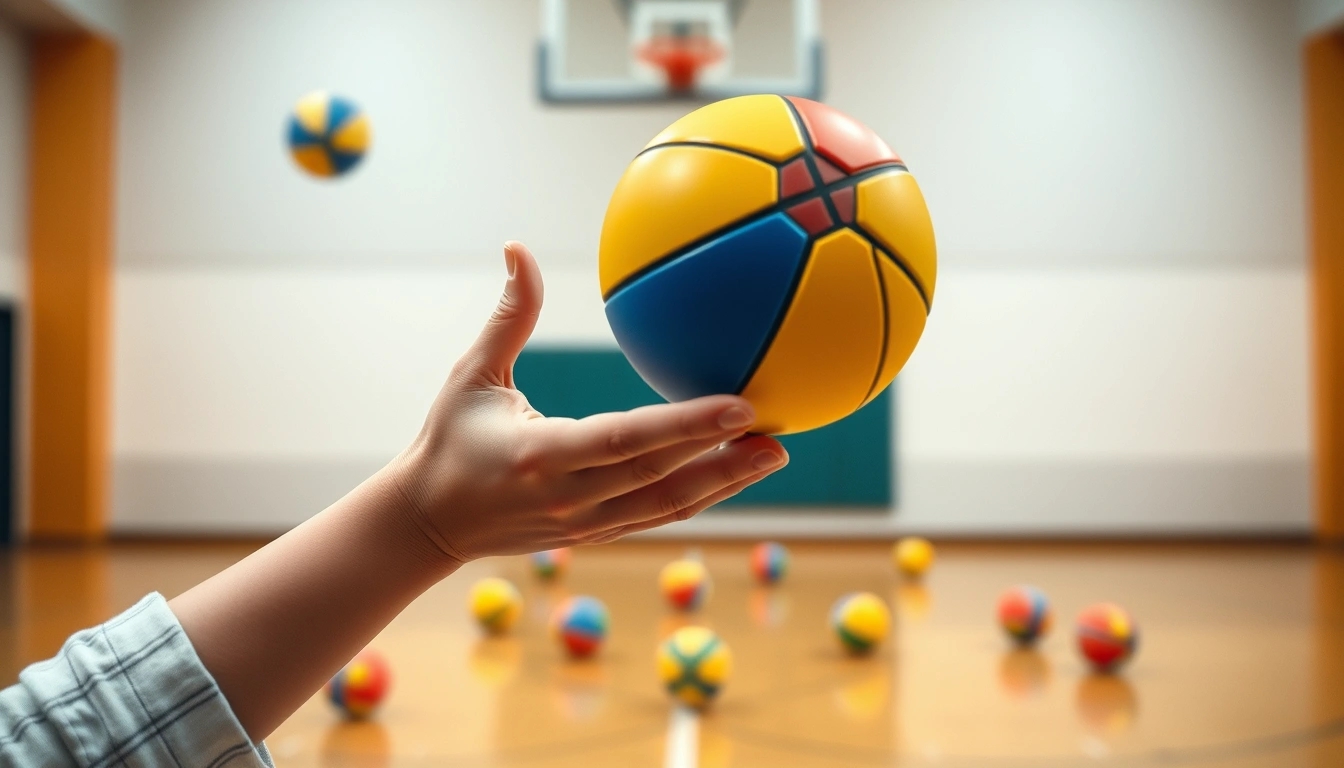
Alright, let’s talk about one of the most underrated yet insanely effective drills for boosting your spatial awareness: ball toss and catch variations. Now, you might be thinking, “Throwing and catching a ball? That’s kid stuff!” But hold your horses — this drill is way more than just a simple catch. It’s a sneaky little beast that sharpens your hand-eye coordination while forcing your brain to get smarter about where things are in space. It’s like giving your brain and body a double shot of espresso.
First off, the magic lies in mixing up the patterns and distances. Tossing the ball straight back and forth at the same speed? Snooze fest. Instead, try tossing at different angles, speeds, and heights. Sometimes toss it low, sometimes high, sometimes far, sometimes close. This variety forces your brain to constantly adjust and predict the ball’s trajectory, which is exactly what spatial awareness is all about — knowing where things are in relation to you and reacting quickly.
- Practice different toss patterns: diagonal, circular, zigzag, or even random throws.
- Vary distances: start close (around 3 feet), then increase to 6, 9, or even 12 feet.
- Use different balls: tennis balls, baseballs, or even a slightly heavier medicine ball to challenge your grip and timing.
| Variation | Purpose | Difficulty Level |
|---|---|---|
| Close-range rapid toss | Improves reaction time and quick hand adjustments | Easy to Medium |
| Long-distance lob toss | Enhances spatial judgment and catching accuracy | Medium to Hard |
| Random pattern toss | Boosts unpredictability handling and brain adaptability | Hard |
One thing that often trips people up is underestimating the mental workout involved. Your eyes have to track the ball, your brain calculates its path, and your hands have to respond accordingly — and all within split seconds. Don’t be surprised if you fumble a few times; that’s part of the process. Heck, even pros mess up sometimes. The key is to keep pushing those limits and not get frustrated when your coordination feels off. It’s like learning to juggle — awkward at first, but once you get the rhythm, it’s smooth sailing.
Here’s a little practical tip: try tossing and catching with a partner, but add a twist — call out a number or color before you toss the ball, and your partner has to react accordingly. This adds a cognitive layer, forcing your brain to multitask and improving your spatial awareness even more.
Example Drill Routine:1. Warm-up: 5 minutes of simple toss and catch at close range.2. Variation 1: Diagonal tosses at 6 feet, 10 reps each side.3. Variation 2: High lob tosses at 9 feet, 8 reps.4. Variation 3: Random pattern tosses with partner calling out commands, 10 reps.5. Cool down: Slow, easy tosses to relax muscles.
To sum it up — this drill isn’t just about catching a ball. It’s about training your brain and body to work together in a chaotic, unpredictable environment. So next time you’re on the field or court, remember: those random tosses you practiced? They might just save your butt when the game gets intense.
Keep tossing, keep catching, and watch your spatial awareness skyrocket.
Integrating Technology for Spatial Training
Alright, let’s talk tech—because, honestly, who doesn’t want to feel like they’re training in the future? Spatial awareness isn’t just about running drills with cones and balls anymore. Nope, now we’ve got apps and VR stepping into the game, adding a whole new dimension (literally) to how athletes sharpen their senses. Imagine this: slipping on a VR headset and suddenly you’re dodging virtual defenders or navigating a maze that adjusts difficulty based on your progress. Sounds cool, right? Well, it is. But it’s also a bit of a game-changer for how we train spatial skills.
First off, apps designed for spatial training are popping up everywhere. These aren’t your average “tap the screen” games. Many apps use augmented reality (AR) to blend digital objects with your real environment, forcing your brain to constantly update its map of space around you. Some apps even track your head movement, eye focus, and reaction times, giving you feedback that’s way more detailed than your buddy yelling “faster!” from the sidelines.
- Example App Features:
- Real-time spatial challenges that adapt to your skill level
- Progress tracking with detailed analytics
- Integration with wearable devices for heart rate and movement data
- Multiplayer modes for competitive training
Now, VR tools take this a step further. Instead of just tapping or swiping, you’re physically moving in a controlled virtual space. This immersion helps your brain build more accurate spatial maps because it’s getting input from multiple senses at once—visual, vestibular, and proprioceptive. Plus, VR environments can simulate scenarios that are tough or dangerous to recreate in real life, like a crowded basketball court or a fast-moving soccer game.
| Technology | Benefits | Potential Drawbacks |
|---|---|---|
| Spatial Awareness Apps | Portable, easy to use, customizable difficulty, data tracking | Screen time overload, may lack physical movement |
| Virtual Reality Tools | Full immersion, multi-sensory input, realistic scenarios | Costly equipment, possible motion sickness, space requirements |
But hey, don’t get me wrong—technology isn’t a magic fix. It’s more like a high-tech sidekick. You still need to sweat it out with the classic drills, because muscle memory and real-world unpredictability don’t show up in a VR headset (yet). What tech does do well is keep you motivated by making training feel less like a chore and more like a game. And tracking your progress? That’s where it really shines. Seeing your reaction times improve or your spatial judgment get sharper, backed by cold, hard data, can be a major confidence booster.
So, if you’re serious about leveling up your spatial awareness, consider mixing in some of these tools with your usual drills. It’s like adding a turbo boost to an already solid engine. Just remember, don’t get lost staring at screens—balance is key. Use tech to complement your training, not replace the sweaty, gritty work on the field.
Quick Tips for Using Tech in Spatial Training:
- Start with beginner-friendly apps before jumping into VR.
- Set specific goals—don’t just play endlessly.
- Combine tech sessions with physical drills for best results.
- Take breaks to avoid fatigue or dizziness.
- Track your progress weekly to stay motivated.
In the end, blending technology with traditional drills is like giving your spatial awareness a 21st-century upgrade. It’s not perfect, it’s not flawless, but it’s definitely exciting—and who doesn’t want to train like tomorrow’s athlete today?
Common Mistakes to Avoid During Training
Training spatial awareness might sound straightforward, but boy, it’s a minefield of sneaky errors that can totally throw off your progress. You’d think just running drills would do the trick, right? Not quite. Let’s break down some of the usual suspects that trip up athletes and how you can dodge them like a pro.
- Overloading Too Fast: One classic blunder is trying to cram too many drills or too much intensity into one session. Your brain and body need time to adapt — slam too much at once, and you’re just setting yourself up for confusion and burnout. Think of spatial awareness like learning to dance: you don’t jump into a salsa routine without mastering the basic steps first.
- Ignoring Rest and Recovery: Sounds obvious, but some athletes treat training like a nonstop grind. Spatial skills sharpen best when your nervous system isn’t fried. Skipping rest days or neglecting mental breaks can actually dull your spatial senses instead of sharpening them.
- Neglecting Real-World Application: Drills are great, but if you don’t bridge the gap to actual gameplay, you’re missing the point. Practicing cone drills in isolation without simulating game-like pressure or unpredictability? That’s like rehearsing a speech in an empty room and expecting to nail it in front of a crowd.
| Mistake | Why It Happens | How to Fix It |
|---|---|---|
| Rushing Progress | Impatience to see quick results | Set small, achievable goals; focus on consistency |
| Overlooking Mental Focus | Training becomes purely physical | Include mindfulness or visualization exercises |
| Using Poor Technique | Lack of proper guidance or feedback | Work with a coach or record yourself for review |
Now, here’s a curveball — sometimes, athletes get too comfortable with their drills. Yeah, comfort zones are cozy, but spatial awareness thrives on challenge and unpredictability. Mixing up your routines, adding random elements, or training with different partners can keep your brain on its toes. Otherwise, your progress plateaus faster than you can say “game over.”
Another thing, and this one’s a pet peeve: over-reliance on technology. Sure, VR and apps are cool and all, but if you’re glued to gadgets without grounding your training in real-world movements, you’re basically playing a video game, not preparing for actual sports. Balance is key — tech is a tool, not a crutch.
- Failing to Track Progress: Without some way to measure your gains, how do you know if you’re actually improving? Just winging it can lead to frustration or wasted time. Keep a training log, jot down times, success rates, or even how you feel during drills.
- Skipping Feedback: Nobody’s perfect, and that includes you. Ignoring feedback — whether from coaches, teammates, or even your own video recordings — means repeating mistakes. Embrace critique like it’s your new best friend.
Quick Tips to Avoid Pitfalls:- Start slow, build gradually.- Mix drills with actual gameplay.- Rest is part of training, not laziness.- Use tech wisely, not obsessively.- Record and review your sessions.- Listen to feedback, even if it stings.
At the end of the day, spatial awareness training isn’t some magic fix you slap on and forget. It’s a messy, sometimes frustrating process filled with trial, error, and aha moments. But sidestepping these common mistakes? That’s your shortcut to making those drills actually stick — and trust me, your game will thank you for it.
Tracking Progress and Setting Realistic Goals
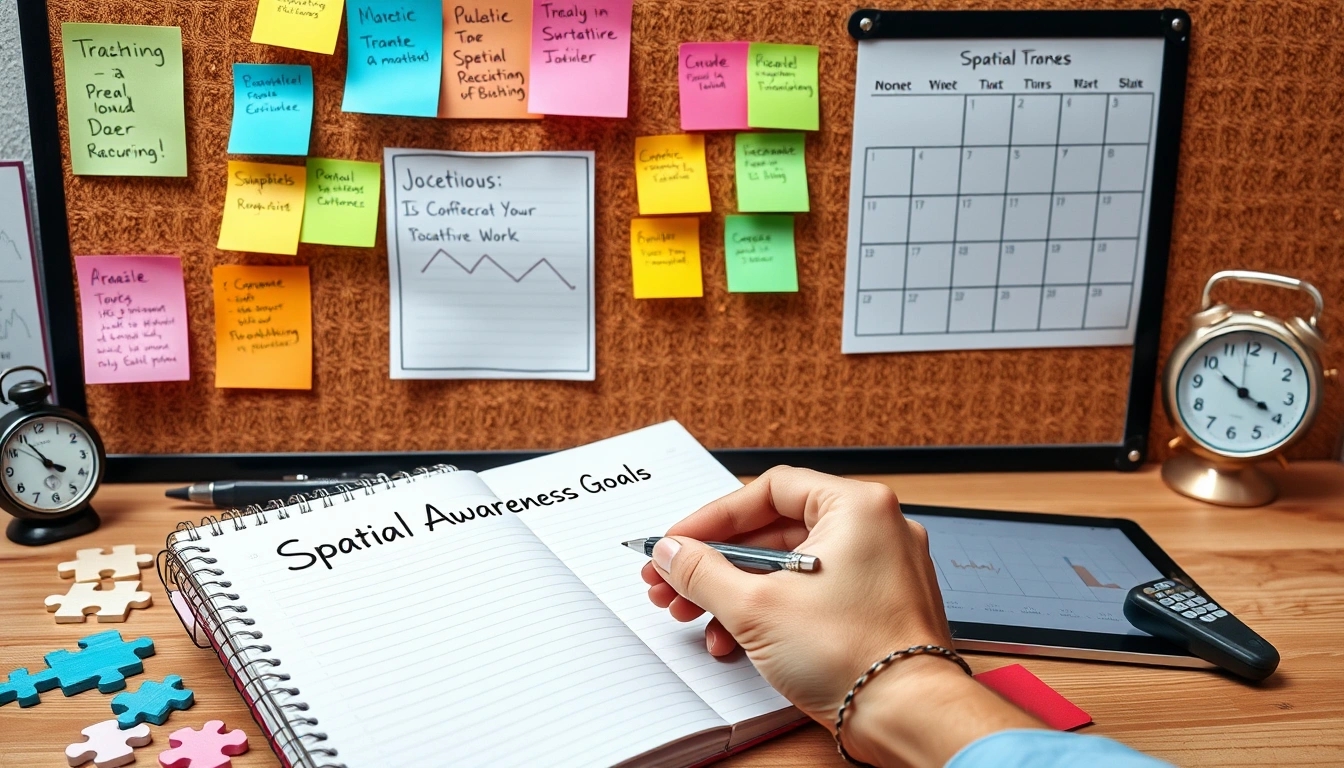
Alright, so you’ve been grinding through those spatial awareness drills, sweating buckets, and maybe tripping over a cone or two. But how the heck do you actually know if you’re getting better? Just hoping for the best isn’t gonna cut it. Tracking your progress and setting goals that don’t make you want to throw in the towel are the secret sauce to keeping your spatial skills sharp and your motivation alive.
First off, let’s talk about measuring improvement. It’s tempting to just say, “Yeah, I feel faster, I’m better,” but feelings can be deceiving, especially after a tough session. Instead, use simple, objective methods. For example, keep a training log. Note down times, number of successful catches, or how quickly you navigate that dreaded cone maze. You can even rate your confidence or focus on a scale of 1 to 10—hey, subjective but helpful!
| Metric | How to Track | Why It Matters |
|---|---|---|
| Completion Time | Record time taken for drills like cone maze | Shows speed and efficiency improvements |
| Accuracy | Count successful catches or correct moves | Reflects precision and spatial judgment |
| Reaction Time | Use apps or stopwatch for response drills | Measures how fast your brain processes spatial info |
| Self-Assessment | Rate focus, confidence, and fatigue | Tracks mental and physical state during training |
Now, about setting achievable milestones—don’t be that person who aims to become a spatial genius overnight. That’s a recipe for frustration and quitting. Instead, break your big goal into smaller chunks. For instance, if you’re struggling with the ball toss drill, maybe aim to catch 8 out of 10 throws without dropping it this week, then ramp it up gradually.
- Short-term goals: Improve accuracy in drills by 10% over two weeks.
- Mid-term goals: Decrease cone maze completion time by 5 seconds in a month.
- Long-term goals: Consistently perform all drills with minimal errors over three months.
And don’t forget to celebrate the small wins. Did you shave off a second? Nailed a tricky drill? That deserves a fist bump or at least a little mental high-five. Tracking progress isn’t just about numbers; it’s about recognizing growth, even if it’s messy or slower than you hoped.
Pro Tip:- Use smartphone apps or wearable tech to get real-time feedback.- Video record your drills occasionally to see improvements you might miss.- Buddy up with a friend for accountability and honest feedback.
Finally, remember that spatial skills are a marathon, not a sprint. Some days you’ll feel like a champ, and other days you might question your life choices mid-drill. That’s normal. Keep your goals flexible, adjust when needed, and most importantly, stay curious. Because if you’re not having fun with it, what’s the point?
So, track smart, set realistic goals, and watch your spatial awareness go from “meh” to “heck yeah!” over time. Your future self on the court or field will thank you.
Frequently Asked Questions
- What exactly is spatial awareness and why does it matter in sports?
Spatial awareness is your brain’s ability to understand where your body is in relation to objects and other players around you. Imagine it as your internal GPS that helps you dodge opponents, catch a ball, or find the perfect spot on the field without constantly looking around. It’s crucial because it sharpens your reaction time and decision-making, giving you a serious edge during fast-paced games.
- Can beginners really improve spatial awareness with simple drills?
Absolutely! You don’t have to be a pro to start enhancing your spatial skills. Easy drills like navigating a cone maze or mirroring a partner’s movements can boost your brain’s ability to judge distances and react quicker. Think of it like training a muscle—the more you practice, the stronger and more natural it becomes.
- How do warm-up exercises help with spatial awareness?
Warm-ups are like waking up your brain and body’s spatial senses before the real action begins. They prepare you to be more alert and responsive by gently activating your coordination and balance. Skipping warm-ups is like trying to drive a car with a cold engine—it just doesn’t perform at its best.
- Is technology really useful for spatial awareness training?
Technology can be a game changer! Tools like VR and specialized apps create immersive environments where you can practice spatial drills with instant feedback. It’s like having a personal coach in your pocket, helping you track progress and push your limits in a fun, futuristic way.
- What are common mistakes to avoid when training spatial awareness?
One big pitfall is rushing through drills without focus—quality beats quantity every time. Also, neglecting proper warm-ups or ignoring feedback can slow down progress. Remember, consistency and mindful practice are your best friends here, so keep your eyes on the prize and avoid shortcuts.
- How can I measure my improvement in spatial awareness?
Tracking progress can be surprisingly simple. Set clear, realistic goals like reducing your cone maze time or improving catch accuracy. Using tech tools can also provide data on your reaction times and coordination. Celebrate small wins—they’re the building blocks of big leaps forward!