Unlocking the secrets to better vision and awareness on the field isn’t some magic potion you can gulp down. Nope, it’s a combination of hard work, smart practice, and a pinch of patience. For any young player wanting to kick it up a notch from “just okay” to “wow, who’s that?” mastering these skills can be a game-changer. But where do you even start? Let’s dive into the nitty-gritty.
First off, vision and awareness might sound like twins, but they’re more like distant cousins. Vision is the straightforward part — it’s your eyes doing their job, spotting the ball, the goal, or that sneaky opponent creeping up behind you. Awareness? That’s the brain’s playground. It’s about understanding the whole field, predicting what’s coming next, and knowing where your teammates are without turning your head like a confused owl.
| Term | Definition | Why It Matters |
|---|---|---|
| Vision | The ability to see clearly and quickly. | Spotting immediate threats and opportunities. |
| Awareness | Understanding the context and environment around you. | Making smarter decisions and anticipating plays. |
Now, if you think drills for peripheral vision are dull, think again. These exercises help you catch those sneaky movements on the edge of your sight without having to turn your head every two seconds. Imagine spotting a teammate making a run while keeping your eyes on the ball — that’s gold. Try this simple drill: stand still, focus straight ahead, and have a partner flash numbers or colors to your side. The quicker you react, the sharper your peripheral vision gets.
- Peripheral Vision Drill: Partner flashes numbers/colors from the side.
- Scanning Drill: Practice quick head movements to check surroundings.
- Ball Awareness: Keep your eyes on the ball but stay alert to other players.
Anticipation is another beast altogether. It’s not some Jedi mind trick; it’s about learning the game’s rhythm. Watch professional matches, rewind and study how players position themselves before a pass or a shot. The more you watch, the better you get at predicting the play. Video analysis can be brutal — yes, watching yourself mess up is painful — but it’s also the fastest way to spot blind spots and fix them.
Communication often gets overlooked, but don’t underestimate the power of yelling “man on!” or “switch!” on the field. It’s not just noise; it’s a way to boost everyone’s awareness and keep the team synced. Plus, it keeps you mentally engaged.
| Tip | Why It Helps |
|---|---|
| Use Video Analysis | Spot errors and improve decision-making. |
| Communicate Constantly | Enhances team awareness and coordination. |
| Stay Physically Fit | Fatigue kills focus and sharp vision. |
Physical fitness is sneaky important. When you’re wiped out, your brain and eyes don’t work as well. Staying in good shape keeps your focus razor-sharp, especially during those nail-biting last minutes.
Lastly, mindfulness and focus techniques might sound like new-age mumbo jumbo, but they actually help. Training your brain to stay present means fewer mistakes and better reactions. And hey, everyone falls into traps like tunnel vision or poor scanning habits — it’s part of the journey. The key is setting realistic goals and tracking your progress. Improvement doesn’t happen overnight, but with consistent effort, you’ll see those “aha” moments more often.
Remember: Vision and awareness are skills, not gifts. Practice smart, stay curious, and don’t be afraid to mess up — that’s how you get better.
Understanding Vision vs. Awareness
Alright, before you rush off to practice those fancy footwork drills or try to bend it like Beckham, let’s pump the brakes for a sec and talk about something that often gets overlooked: the difference between vision and awareness. Sounds simple, right? But trust me, mixing these two up is like confusing a pizza with a salad — both are food, but they serve totally different purposes.
So, vision is your ability to literally see what’s in front of you and around you. Think of it as the hardware — your eyes capturing the scene. It’s spotting the ball, noticing a teammate sprinting down the wing, or catching the referee’s whistle. Without decent vision, you’re basically playing blindfolded. But here’s the kicker: just having great eyesight doesn’t automatically mean you’re aware of what’s going on.
This is where awareness steps in. Awareness is the software — your brain’s ability to process and understand all that visual info. It’s about making sense of the chaos on the field, predicting where the ball might go next, realizing that the defender is about to close in, or sensing that your teammate is open for a pass. Awareness is what separates the good players from the great ones. You can see everything, but if you don’t know what it means or how to react, you’re kinda stuck.
| Vision | Awareness |
|---|---|
| Physical ability to see objects | Mental ability to interpret surroundings |
| Focuses on what is visible | Focuses on what is happening and what might happen |
| Relies on eye function and visual processing | Relies on experience, anticipation, and decision-making |
| Examples: spotting the ball, noticing players | Examples: predicting opponent moves, recognizing open spaces |
Now, here’s a little reality check: many young players think having eagle eyes means they’ve got it all figured out. Nope. I’ve seen plenty of kids who can spot a needle in a haystack but freeze like a deer in headlights when it comes to reacting quickly or reading the game. That’s because awareness is a skill you build over time — it’s about training your brain to connect the dots faster than your opponents.
- Vision drills often focus on improving your ability to detect movement, track objects, and expand your peripheral sight.
- Awareness exercises challenge you to think ahead, read player intentions, and make split-second decisions.
Here’s a quick tip: try to combine both in your training. For example, while doing passing drills, don’t just stare at the ball — keep your head up and scan the field. Ask yourself, “Where are my teammates? What’s the defense doing? What’s my next move gonna be?” This simple habit can skyrocket your game IQ.
In the end, vision and awareness are like peanut butter and jelly — they work best together. One without the other? Well, you’re just eating plain bread. So, before you jump into your next practice session, take a moment to think about how you’re seeing the game and how well you’re actually understanding it.
Remember: seeing is believing, but awareness is winning. Keep that in mind, and you’ll be miles ahead of the pack.
Drills to Sharpen Peripheral Vision
Alright, let’s get real for a sec — peripheral vision drills might not be the flashiest thing you’ll ever do on the field, but don’t let that fool you. These exercises are absolute game-changers when it comes to spotting teammates, opponents, and the ball without having to whip your head around like a bobblehead doll. Seriously, mastering your side vision can turn you from a player who’s always a step behind into the one who’s two moves ahead.
Now, here’s the kicker: peripheral vision isn’t just about seeing stuff out of the corner of your eye. It’s about training your brain and eyes to process information quickly and react before things get chaotic. Imagine this — you’re dribbling down the field, and instead of having to stop or slow down to look around, you already know where your teammate is making that sneaky run or where the defender’s creeping in. That’s the magic of sharp peripheral vision.
- Wall Ball Drill: Stand about 6 feet from a wall and toss a tennis ball against it using just your peripheral vision to catch it. The trick? Keep your eyes fixed straight ahead — no cheating by looking directly at the ball!
- Flashcard Recognition: Have a partner flash cards with numbers or colors on your side while you focus forward. Call out what you see without turning your head. It’s harder than it sounds, trust me.
- Mirror Movements: Stand facing a partner and mirror their side arm or leg movements without looking directly at them. This helps your brain pick up subtle cues in your peripheral field.
| Drill Name | Purpose | How Often |
|---|---|---|
| Wall Ball Drill | Enhance eye-hand coordination and peripheral tracking | 3 sets of 30 catches daily |
| Flashcard Recognition | Improve quick recognition and processing of side stimuli | 5 minutes, 4 times a week |
| Mirror Movements | Boost awareness of body and opponent’s movements in peripheral field | 10 minutes per session, 3 times a week |
Don’t get me wrong — these drills can feel a bit tedious, especially when you’re itching to do something more “exciting” like scoring goals or making slick passes. But here’s the deal: consistent practice with peripheral vision drills pays off big time. You’ll start noticing that you’re less likely to get blindsided, and your passing accuracy skyrockets because you’re aware of options you previously missed.
One last nugget of wisdom: peripheral vision development isn’t just for soccer or basketball players. It’s a universal skill for any sport that requires spatial awareness. So whether you’re on the pitch, court, or even the ice rink, these drills have got your back.
In the end, sharpening your peripheral vision is like upgrading your internal radar. It takes patience, some awkward moments, and a bit of stubbornness, but once you get the hang of it, you’ll wonder how you ever played without it.
Practical Tip: Try combining peripheral vision drills with real-game scenarios. For example, during practice scrimmages, challenge yourself to make decisions based only on what you see in your peripheral field. It’s tougher than it sounds but super effective.
So, next time you’re tempted to skip those “boring” drills, remember: the pros swear by them. And hey, if it helps you spot that sneaky defender before they steal the ball, isn’t it worth a shot?
Reading the Game: Anticipation Skills
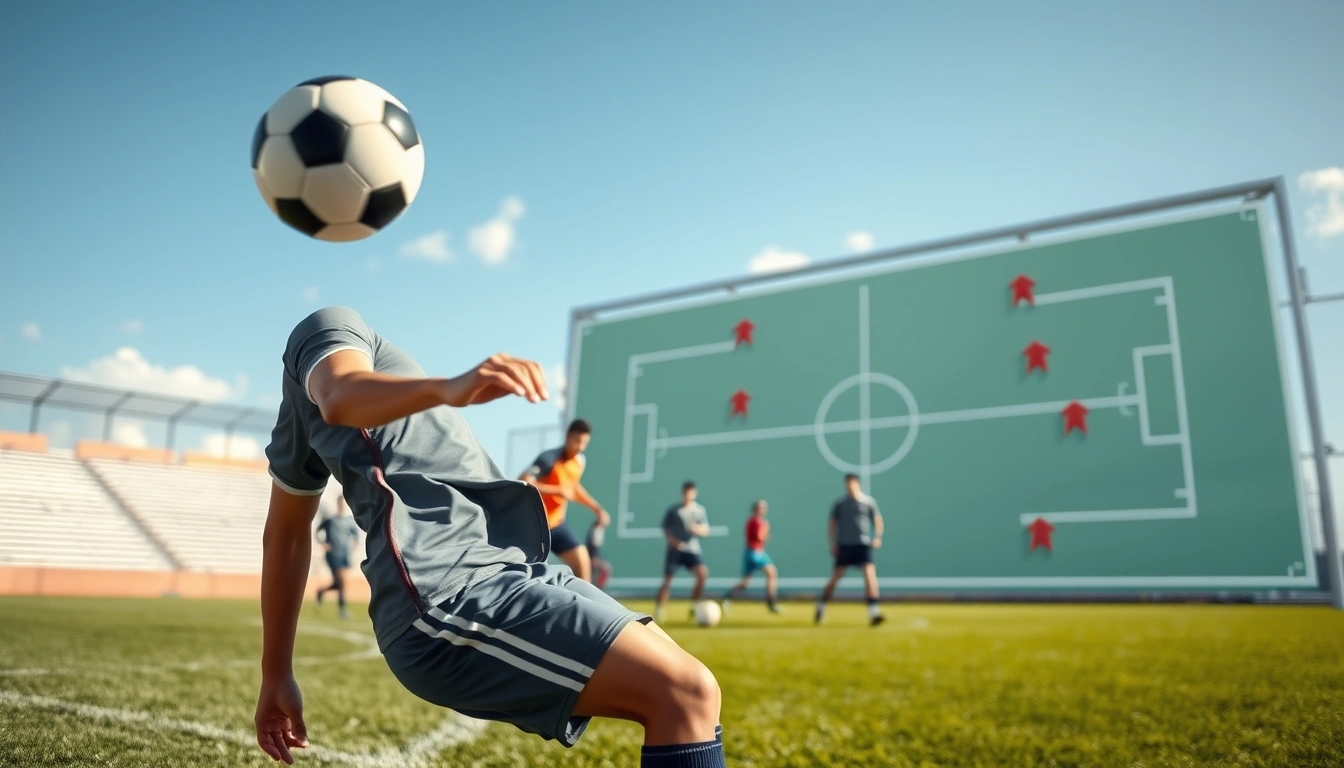
Anticipation in sports isn’t some mystical power reserved for the chosen few or a secret weapon locked away in a vault. Nope, it’s more like a muscle you flex and train over time, and honestly, it’s one of the most underrated skills young players often overlook. Think about it: the best players don’t just react; they predict what’s coming next, almost like they’ve got a sneak peek into the future. But how do you get there? It’s not about magic, but about watching, learning, and understanding the game’s rhythm before the ball even lands at your feet.
Let’s break it down. Anticipation starts with observation. When you’re on the field, it’s tempting to just focus on the ball, right? But the trick is to lift your head, scan your surroundings, and catch those subtle cues — the way a defender’s shoulders shift, a midfielder’s eyes dart, or the way a winger’s body leans. These little signals are like breadcrumbs leading you to what’s about to unfold. It’s almost like reading a story, but instead of words, you’re decoding body language and game flow.
| Key Elements of Anticipation | Why They Matter |
|---|---|
| Watching Player Movements | Predict next passes or runs |
| Understanding Team Strategies | Know where spaces open up |
| Reading Opponent Patterns | Exploit weaknesses or avoid traps |
| Game Flow Awareness | Stay one step ahead |
Now, don’t get me wrong — mastering anticipation isn’t an overnight thing. It’s messy, frustrating, and sometimes you’ll look like you’ve got two left feet trying to keep up. But here’s a little secret: every pro was once there, fumbling and guessing. The difference? They kept at it, piecing together bits of info from every game, every practice.
- Watch more games: Not just your own, but professional matches too. Try to guess what’s going to happen next and then see if you were right.
- Ask questions: Why did that player pass there? What was the defender thinking?
- Practice situational drills: Simulate game moments that force you to make quick decisions based on reading the play.
Here’s a quick tip that often flies under the radar: mental rehearsal. Sounds fancy, but it’s basically picturing scenarios in your head — imagining how a play might unfold and how you’d react. It’s like a mental warm-up that primes your brain for real-time anticipation.
Example Mental Rehearsal:1. Visualize receiving the ball under pressure.2. Scan for open teammates quickly.3. Predict where defenders might move.4. Decide your next move before the ball arrives.
In the end, anticipation is less about reacting and more about being proactive. It’s about turning chaos into order by reading the subtle signs and preparing yourself mentally and physically. So, next time you’re on the pitch, don’t just chase the ball — watch the whole story unfold around you. That’s how you get ahead of the game.
Remember: Anticipation is a skill, not a superpower. Train it, trust it, and watch how your game changes.
Using Video Analysis to Boost Awareness
Alright, let’s get real for a second — watching yourself play on video? Yeah, it’s like opening a window to your own personal cringe fest. You’ll catch that awkward stumble, the missed pass, or the facepalm-worthy decision that made you want to disappear right after the game. But here’s the kicker: video analysis isn’t just about self-roasting. It’s one of the best tools out there to sharpen your awareness and overall game smarts.
Think of it this way: when you’re on the field, things are moving fast. You’re sprinting, dodging, thinking two moves ahead, and sometimes, your brain just can’t keep up with everything happening around you. That’s where video analysis swoops in like a superhero. It slows the game down so you can actually see what you missed in the heat of the moment — blind spots, hesitation, or poor positioning.
- Blind Spots: Those sneaky areas around you where you just didn’t notice an opponent or a teammate.
- Decision-Making Errors: Times when you made a choice that, in hindsight, was about as smart as a screen door on a submarine.
- Positional Awareness: Are you standing where you should be? Or just wandering around like a lost tourist?
Now, don’t get me wrong. Watching yourself mess up repeatedly can feel like punishment, but it’s also a chance to take control of your improvement. The magic happens when you pair video review with some honest reflection and targeted practice.
| Step | What to Look For | How to Improve |
|---|---|---|
| 1. Watch Without Judgement | Focus on the flow, not just mistakes. | Take notes on moments you felt unsure or rushed. |
| 2. Identify Patterns | Are you always missing passes on one side? Or failing to spot runs behind you? | Work on drills that target those specific weaknesses. |
| 3. Get Feedback | Show clips to coaches or teammates for their take. | Use their insights to adjust your positioning or decision-making. |
| 4. Practice Purposefully | Recreate scenarios from the video in training. | Focus on improving the exact moment where you struggled. |
A quick heads-up: don’t expect overnight miracles. Video analysis is a slow burn, not a lightning bolt. The key is consistency — keep reviewing, keep practicing, and slowly but surely, your awareness will start to jump off the screen.
And hey, if you’re feeling a bit overwhelmed by all the “what did I do wrong?” moments, just remember even the pros do this. They spend hours pouring over footage to find that tiny edge. So, next time you cringe at your own highlights, flip the script — you’re actually leveling up.
Tips for Effective Video Analysis:- Stay patient and avoid harsh self-criticism.- Focus on one or two areas at a time.- Use slow-motion to catch subtle details.- Combine video sessions with on-field practice.- Celebrate small improvements — they add up!
In the end, video analysis isn’t just about spotting errors; it’s about training your brain to see the game differently. Once you start recognizing patterns and anticipating plays better, your awareness will improve naturally — and that’s when the magic really happens on the field.
So, grab that replay, brace yourself for some awkward moments, and get ready to become a sharper, smarter player. Your future self will thank you — trust me.
Communication: The Unsung Hero of Awareness
If you think talking on the field is just background noise or some annoying chatter, well, think again. Communication is like the secret sauce that turns a group of players into a well-oiled machine. It’s not just about yelling “Pass!” or “Watch out!”—it’s about creating a shared understanding, a collective brain, if you will. And honestly, without it, even the most talented players can look like they’re playing a different game.
Let’s be real for a second: staying aware of everything happening on the pitch is tough. The ball’s moving fast, opponents are closing in, teammates are shifting positions, and your own brain is trying to process all that info at lightning speed. That’s where communication swoops in to save the day. When players talk, they’re basically handing out little updates, warnings, and suggestions that help everyone stay sharp and react quicker.
- Calling for the ball: A simple “Here!” or “Over here!” can make all the difference between a smooth pass and a turnover.
- Alerting teammates: Saying “Man on!” warns a teammate that an opponent is closing in fast.
- Organizing defense: Commands like “Mark up!” or “Switch!” help keep the backline tight and coordinated.
| Type of Communication | Purpose | Example |
|---|---|---|
| Informative | Sharing real-time information | “Left side clear!” |
| Directive | Giving instructions to teammates | “Press high!” |
| Encouragement | Boosting morale and confidence | “Keep pushing, team!” |
Now, here’s the kicker: communication isn’t just about talking louder or more often. It’s about effective communication. If you’re shouting random stuff or talking over your teammates, you’re just adding to the noise, not helping. The best players know when to speak up and when to listen. They use short, clear phrases that everyone understands instantly. Sometimes, it’s even non-verbal—like a quick hand signal or eye contact—because the field can get noisy, and you don’t want your message lost in the chaos.
And don’t underestimate how communication improves your own awareness. When you’re constantly exchanging info, you’re forced to scan the field more, read the play better, and anticipate what’s coming next. It’s like your brain is wired to stay alert because it knows it’s part of a team effort. Without talking, you’re basically flying blind, and that’s a fast track to mistakes.
So, next time you’re out there, don’t just focus on your footwork or shooting skills. Make it a point to talk, listen, and connect with your teammates. It might feel awkward at first, or you might think you’re being annoying. Trust me, you’re not. You’re building a communication habit that can elevate your game and your team’s performance.
Tips for Better On-Field Communication:- Keep it short and simple: Use quick, clear words or phrases.- Stay positive: Encourage teammates even when things get tough.- Be consistent: Make communication a regular part of your play.- Use body language: Sometimes a nod or pointing is enough.- Practice in training: Make talking as natural as passing the ball.
In the grand scheme of things, communication is the unsung hero of awareness. It’s not flashy or glamorous, but it’s what keeps the team connected, focused, and ready to react. So, don’t just play the game—talk it, live it, and let your voice be part of your winning strategy.

Physical Fitness and Its Role in Vision
Ever caught yourself squinting or missing a pass right when the game’s heating up? Yeah, it’s not just bad luck or poor eyesight; it’s often your body waving a big red flag saying, “Hey, I’m wiped out!” When you’re running on empty, your brain and eyes don’t exactly team up like superheroes—they fumble, slow down, and frankly, let you down in clutch moments.
Here’s the kicker: staying physically fit does more than just pump up your muscles or boost your stamina. It sharpens your vision and awareness too. Crazy, right? But think about it, your eyes and brain are connected through a complex network, and when your body is tired, that connection weakens. Blood flow slows, reaction times lag, and suddenly, you’re missing those sneaky passes or failing to spot an opponent creeping up behind you.
- Cardiovascular health is king. A strong heart pumps oxygen-rich blood to your brain and eyes faster, keeping them alert and ready to react.
- Muscle endurance means you can keep your head in the game longer without your body screaming for a break.
- Proper nutrition fuels your brain and eyes, giving them the energy to process information swiftly.
Now, before you roll your eyes and think, “Great, more running,” hold up. It’s not just about pounding the pavement. Incorporating exercises that enhance coordination and balance can actually improve the way your brain processes visual information. For example, agility drills or even yoga can help sync your body’s movements with your visual input, making you quicker to react when the ball’s flying your way.
| Fitness Component | Impact on Vision and Awareness | Example Exercises |
|---|---|---|
| Cardiovascular Endurance | Improves blood flow to brain and eyes, enhancing focus and reaction time. | Running, cycling, swimming |
| Muscle Strength & Endurance | Supports maintaining posture and head position for better visual scanning. | Bodyweight exercises, resistance training |
| Coordination & Balance | Enhances brain-eye communication and quick decision-making. | Agility drills, balance boards, yoga |
Look, it’s easy to underestimate the role of fitness when you’re just trying to “see better” on the field. But trust me, if you’re dragging your feet or gasping for air, your vision and awareness are the first casualties. So next time you’re tempted to skip that cardio session or shrug off a strength workout, remember: you’re not just training your body, you’re training your eyes and brain to perform like a well-oiled machine.
And hey, don’t forget about rest! Overtraining can backfire big time. When you’re exhausted, your vision gets foggy, and your brain’s processing speed takes a nosedive. It’s a delicate dance—push yourself enough to improve, but not so much that you crash and burn.
In the end, physical fitness isn’t some boring side quest; it’s a vital piece of the puzzle to keep your vision razor-sharp and your awareness on point. So lace up those sneakers, fuel your body right, and watch how your game—and your eyesight—level up.
Mindfulness and Focus Techniques
Okay, I know what you’re thinking — mindfulness sounds like some kind of new-age mumbo jumbo, right? But hear me out, especially if you’re a young player trying to keep your head in the game when the pressure’s on. It’s not just about sitting cross-legged and chanting “om.” Mindfulness exercises are actually like a workout for your brain, training it to stay sharp, present, and, most importantly, not get totally distracted when things get intense.
Here’s the deal: during a critical play, the last thing you want is your brain wandering off to what’s for dinner or that embarrassing thing you said last week. Mindfulness techniques help you anchor your attention firmly in the moment. Think of it as mental glue that keeps your focus from slipping away. It’s surprisingly effective, and it doesn’t take hours of your day either.
- Breathing exercises: Simple but powerful. Take slow, deep breaths, focusing purely on the sensation of air moving in and out. This calms the nervous system and clears mental clutter.
- Body scan: Mentally check in with different parts of your body, from your toes to your head. It sounds weird, but it helps you stay connected to your physical self, which is crucial when you need to react fast.
- Focused attention drills: Pick an object or sound and keep your attention locked on it for a set time. It’s like training your brain to ignore distractions, which is gold on the field.
| Technique | Purpose | Duration |
|---|---|---|
| Breathing Exercises | Calm nerves and improve focus | 2-5 minutes |
| Body Scan | Enhance body awareness and reduce tension | 5-7 minutes |
| Focused Attention | Train brain to resist distractions | 3-5 minutes |
Now, before you roll your eyes and say, “Yeah, yeah, but how does this help me catch that sneaky pass or avoid a tackle?” — it’s all about mental clarity. When you’re calm and focused, your brain processes information quicker. You notice subtle cues, like a defender’s body language or a teammate’s eye movement, that you’d otherwise miss when you’re jittery or distracted.
Here’s a quick tip: try incorporating mindfulness into your warm-up routine. Spend a few minutes on breathing or body scans before practice or a game. It’s like tuning a guitar before a concert — you want your mind and body in sync.
Oh, and don’t expect miracles overnight. Like any skill, mindfulness takes practice. At first, your mind will wander like a lost puppy, but that’s normal. The key is to gently bring it back to the present moment again and again. Over time, this becomes easier, and your focus on the field will thank you.
In short, mindfulness isn’t just some fluffy add-on; it’s a secret weapon for young players serious about upping their game. So next time you’re feeling scatterbrained, remember: a few minutes of mindful focus might just be the difference between a good play and a game-changing one.
Common Mistakes Young Players Make
Let’s be honest—young players often trip over some pretty obvious pitfalls when it comes to vision and awareness on the field. It’s like they’re wearing blinders, literally. The biggest offender? Tunnel vision. Instead of soaking in the whole scene, many get stuck staring at the ball or the player right in front of them, missing out on what’s happening just inches away. It’s as if the rest of the world disappears, and that’s a surefire way to get caught off guard or make a poor decision.
Now, don’t get me wrong, focusing is great, but when it turns into a laser beam that blocks everything else out, you’re in trouble. This narrow focus kills the chance to read the game, spot open teammates, or notice lurking opponents. It’s like trying to drive with your eyes glued to the speedometer instead of the road. Rookie mistake, right?
| Mistake | Why It Happens | How To Fix It |
|---|---|---|
| Tunnel Vision | Over-fixation on the ball or a single opponent | Practice peripheral vision drills and scanning the field regularly |
| Poor Scanning Habits | Lack of awareness training and bad habits | Develop a habit of quick head movements to survey surroundings |
| Ignoring Communication | Shyness or underestimating teammates’ calls | Encourage vocal interaction and listening on the field |
| Overthinking Plays | Nervousness or trying to predict too much | Focus on simple decisions and trust instincts |
Speaking of scanning, many young players simply don’t do it enough. They’ll fix their gaze and forget to shift it, which is like trying to read a book without turning the pages. Scanning is a habit, and like any habit, it takes time and conscious effort to build. The problem? Coaches often focus on technical skills and forget to drill players on this subtle but critical aspect. Without good scanning, players miss out on opportunities to intercept passes, find open teammates, or avoid defenders sneaking up behind them.
- Quick tip: Encourage players to take “mental snapshots” every few seconds, capturing the positions of teammates and opponents.
- Another hack: Use peripheral vision training tools or apps that force players to notice movement outside their direct line of sight.
Another classic error? Not talking enough. Communication is the unsung hero of awareness, yet many young players either stay quiet or mumble on the field. This silence is a killer because awareness isn’t just personal—it’s collective. When players shout out info like “man on,” “switch,” or “time,” it keeps everyone alert and ready. Plus, it builds chemistry and trust. So, if you’re the quiet type, try stepping up your vocal game. It might feel awkward at first, but your team will thank you.
And let’s not forget the mental fog that creeps in when players get overwhelmed. Overthinking can freeze decision-making, causing hesitation or rushed plays. The key? Keep it simple and trust your instincts. Sometimes, the best move isn’t the flashiest one but the one that keeps the play flowing.
To wrap it up, here’s a quick checklist for young players to avoid the usual traps:
- Don’t stare down the ball—lift your head!
- Make scanning a regular habit.
- Speak up and listen on the field.
- Keep decisions simple; don’t overthink.
- Practice peripheral vision drills often.
Remember, awareness and vision aren’t just skills—they’re habits you build day by day. Avoid these common mistakes, and you’ll be well on your way to seeing the game in a whole new light.
Setting Realistic Goals and Tracking Progress
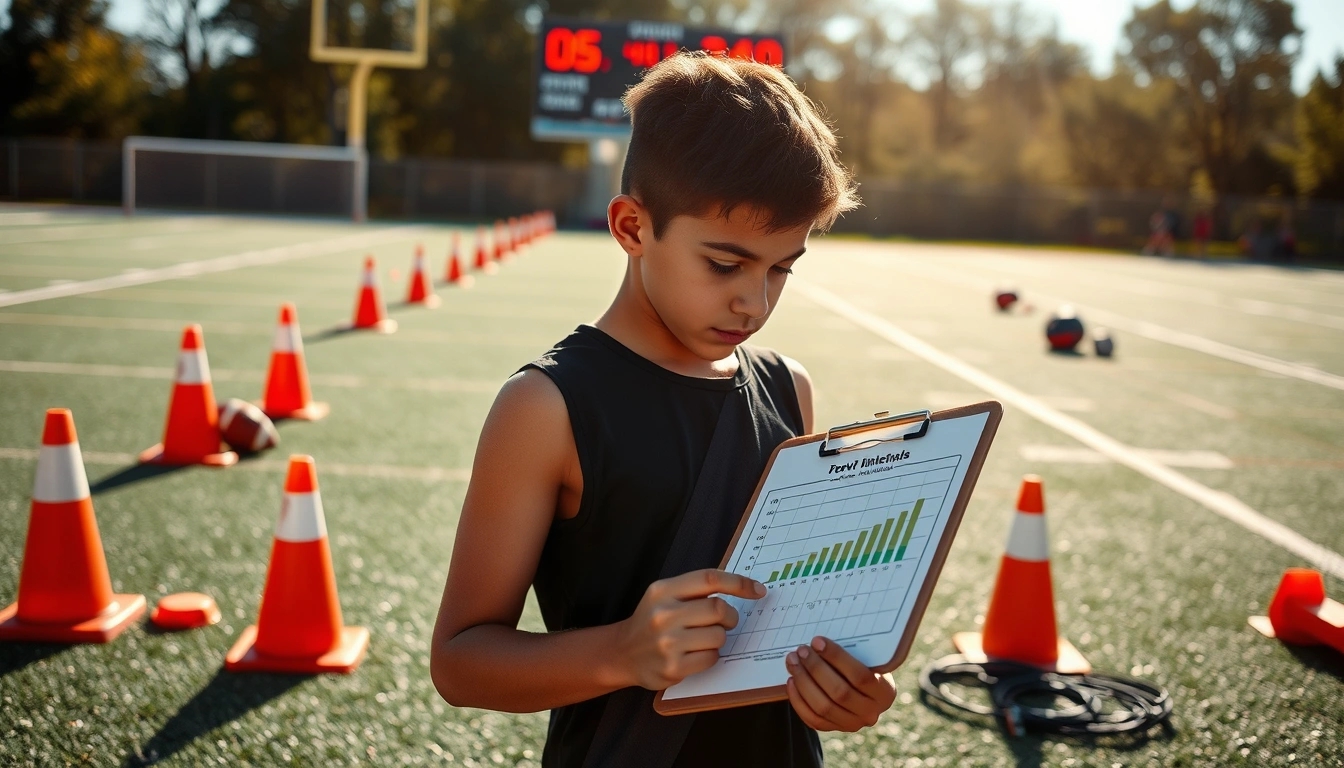
Improvement in vision and awareness on the field? Yeah, it’s not some overnight miracle. You don’t wake up one day seeing the entire pitch like a hawk or predicting plays like a psychic. It’s a grind, a steady climb, and the secret sauce? Setting realistic goals and actually tracking your progress. Sounds simple, right? But most young players either aim too high, get discouraged, or don’t bother measuring their growth at all. And that’s where the magic fades.
Let’s be real: if you try to overhaul your entire game vision in one week, you’re setting yourself up for disappointment. Instead, break it down. Focus on small, manageable targets — like improving your peripheral vision by noticing two more players without turning your head, or calling out teammates’ positions twice as often during a match. These bite-sized goals keep you motivated because you actually see yourself getting better. And trust me, seeing progress is like rocket fuel for your confidence.
- Start Small: Pick one aspect of your vision or awareness to work on each week.
- Be Specific: Instead of “improve vision,” try “spot 3 open teammates before receiving the ball.”
- Write It Down: Keep a journal or app to track what you practiced and how it felt.
Now, tracking progress isn’t just about bragging rights or filling up a notebook. It’s about identifying what works and what’s just a waste of time. For example, if you spend hours on peripheral drills but still miss clear passing options, maybe it’s time to tweak your approach or add video analysis to the mix. Speaking of which, pairing your goals with video reviews can highlight blind spots you didn’t even know existed.
| Goal | How to Track | Why It Matters |
|---|---|---|
| Improve scanning speed | Time yourself during drills and note reaction time | Faster scanning means quicker decisions and fewer turnovers |
| Increase verbal communication | Count the number of calls made per game | Better communication boosts team awareness and cohesion |
| Anticipate opponent moves | Review game footage and mark correct predictions | Anticipation reduces reaction time and increases interceptions |
Don’t get discouraged if progress is slow — it’s supposed to be. Sometimes you’ll feel like you’ve hit a wall, and that’s perfectly normal. The key is sticking with it, adjusting goals as you improve, and celebrating the small wins. Remember, even the pros weren’t born with perfect vision and awareness; they built it piece by piece.
So, next time you’re training or playing, ask yourself: “What’s one small thing I can improve today?” Then jot it down, track it, and watch how those tiny steps turn into giant leaps. Because at the end of the day, it’s not about instant perfection — it’s about consistent progress that keeps you hungry and moving forward.
Keep your eyes on the prize, but don’t forget to enjoy the journey.
Frequently Asked Questions
- What’s the difference between vision and awareness in sports?
Great question! Vision is basically your ability to physically see the field, players, and the ball. Awareness, on the other hand, is like having a mental radar—it’s understanding what’s happening around you, predicting plays, and knowing where everyone is without looking directly at them. Both are crucial to playing smarter, not just harder.
- How can I improve my peripheral vision quickly?
Peripheral vision drills might sound dull, but they’re your secret weapon. Try exercises like focusing on a central point while catching glimpses of objects or teammates out of the corner of your eyes. Even simple things like playing “spot the moving object” can sharpen this skill. Consistency is key—practice a little every day and watch your field awareness explode!
- Why is anticipation important, and how do I get better at it?
Anticipation is like having a sneak peek into the future of the game. It lets you react faster and be one step ahead. You build it by studying game patterns, watching experienced players, and replaying game footage. Think of it as reading the opponent’s mind—once you get the hang of it, your reaction times will skyrocket.
- Is video analysis really worth the effort?
Absolutely! Watching yourself play might feel awkward at first, but it’s like holding up a mirror to your game. You’ll spot mistakes and missed opportunities that you never noticed in the heat of the moment. This kind of self-review is a game-changer for improving awareness and decision-making.
- How does communication improve awareness on the field?
Talking on the field isn’t just chatter—it’s your team’s lifeline. Calling out plays, warning about opponents, or just sharing info helps everyone stay synced. It boosts your situational awareness by keeping you mentally engaged and connected with teammates, turning individual vision into a collective superpower.
- Can physical fitness really affect my vision and awareness?
Surprisingly, yes! When you’re tired, your brain and eyes don’t work as sharply. Staying fit keeps your energy levels high, so your vision stays clear and your mind stays alert during crucial moments. Think of your body as the engine powering your mental skills—keep it tuned!
- What are some common mistakes young players make with vision and awareness?
Many young players fall into the trap of tunnel vision—focusing too narrowly on the ball or one player. Others forget to scan the field regularly or rely too much on instinct without thinking ahead. Avoid these by practicing scanning techniques and staying mentally present throughout the game.
- How do I set realistic goals to improve my vision and awareness?
Start small! Instead of aiming to “become a pro overnight,” focus on achievable targets like improving your scanning frequency or mastering one peripheral vision drill. Track your progress weekly to stay motivated. Remember, improvement is a marathon, not a sprint—celebrate every little win!