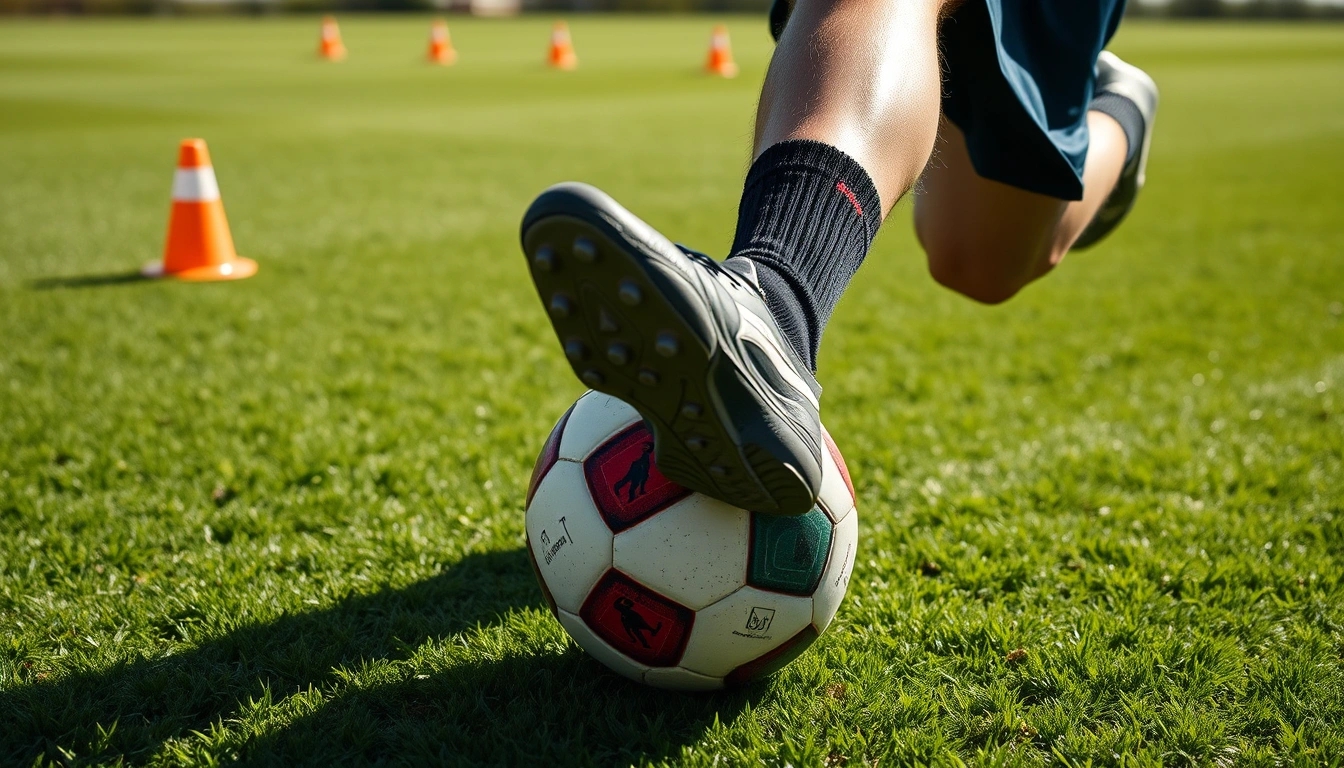
Passing accuracy — sounds fancy, right? But honestly, it’s just about getting the ball where you want it without making your teammates want to pull their hair out. If you’ve ever watched a game and thought, “Why on earth did he pass it there?” you know exactly what I mean. Sharpening that passing skill isn’t rocket science, but it does take some elbow grease and smart practice. So, let’s cut through the noise and get straight to the juicy stuff: easy drills that anyone can do to boost those passing skills.
Why Passing Accuracy Actually Matters
Passing isn’t just about “kicking the ball to someone else.” It’s the heartbeat of the game — controlling tempo, setting up plays, and basically making sure your team doesn’t look like a bunch of headless chickens. When you nail your passes, you’re not just helping your team; you’re controlling the flow and creating chances to score. Miss it, and well… chaos ensues.
| Passing Accuracy Benefits | Impact on Game |
|---|---|
| Improved ball control | Maintains possession under pressure |
| Better timing and decision making | Creates scoring opportunities |
| Enhanced team coordination | Reduces turnovers and mistakes |
Common Mistakes That Kill Your Passing Game
Look, we’ve all been there — blasting a pass like you’re trying to launch a rocket, only for it to sail way off target. Or standing like a statue, making your body do zero work to direct the ball properly. These little slip-ups can mess your accuracy big time. Some usual suspects:
- Too much power, not enough control: It’s about finesse, not just brute force.
- Bad body positioning: Your hips and shoulders should guide the ball, not just your foot.
- Not watching your target: Eyes up, people! Don’t stare at the ball the whole time.
Warm-Up Drills to Get You Ready
Before you go all out, warm up those feet. Think of it like stretching before a marathon — it’s gotta be done. Try these:
- Simple Back-and-Forth Passing: Stand about 5 yards apart with a partner or against a wall. Pass the ball gently and focus on accuracy, not speed.
- Footwork Shuffle: Move side to side, passing as you go. This builds balance and helps you pass on the move — because, spoiler, games aren’t played standing still.
Short Passing Drill
This one’s a classic. Stand close with a buddy or use a wall. Pass the ball back and forth, focusing on smooth touches and timing. It’s boring, sure, but it builds muscle memory, and trust me, that pays off.
Triangle Passing Drill
Set up three cones in a triangle about 5 yards apart. Pass around the triangle, moving to the next cone after each pass. This drill teaches you to think about angles and movement — two things every good passer needs.
Long Passing Techniques Made Simple
Long passes scare a lot of folks — they look hard, and yeah, they kinda are. But with the right technique, you can send the ball flying exactly where you want.
| Drill | Focus | Why It Works |
|---|---|---|
| Instep Drive Drill | Striking the ball with the instep | Generates power and accuracy for long passes |
| Lofted Pass Drill | Lifting the ball over defenders | Improves finesse and ball control in the air |
Use Walls and Teammates — No Fancy Gear Needed
Don’t have fancy equipment? No sweat. Walls are your best friend. Pass against the wall, control the rebound, and pass again. It’s like having a practice buddy that never complains.
Track Your Progress and Keep Your Head Up
Improvement takes time, and sometimes you’ll feel stuck. Keep a simple journal or video your drills to see how you’re doing. Celebrate small wins — maybe you hit 8 out of 10 passes right today, and that’s a win!
Consistency is the Secret Sauce
No magic pill here. Make these drills part of your routine, even if it’s just 10 minutes a day. Over time, you’ll see sharper, cleaner passes that make your teammates smile.
Final Pro Tips
- Keep your head up and eyes on your target.
- Relax your foot and ankle for smoother contact.
- Practice under pressure — have a friend rush you during drills.
So, ready to stop passing like a rookie? Grab a ball, find a wall or a buddy, and get cracking. The field’s waiting, and your passes? They’re about to get a whole lot sharper.
Understanding Passing Accuracy: Why It Matters
Passing accuracy — it’s not just about booting the ball to your mate and hoping for the best. Nah, it’s way more than that. Think of it as the heartbeat of the game, the pulse that keeps everything ticking smoothly. When you nail your passes, you’re not just moving the ball; you’re dictating the tempo, setting up chances, and basically making your team look like a well-oiled machine. Miss a few, and suddenly chaos creeps in — teammates lose trust, momentum stalls, and the opposition smells blood. So yeah, passing accuracy is pretty darn crucial.
But why exactly does it matter so much? Let’s break it down a bit:
- Control of the game: Precise passing lets you maintain possession longer. The longer you hold the ball, the more options you create. It’s like playing chess — every pass is a move that sets up the next play.
- Creating scoring opportunities: A sharp pass can slice through defenses like a hot knife through butter. It opens up space, pulls defenders out of position, and sets your forwards up for those sweet goal moments.
- Building confidence: When you know your passes will land where you want, you play with more swagger. That confidence spreads through the team, and suddenly everyone’s on the same wavelength.
| Aspect | Impact on Game |
|---|---|
| Passing Accuracy | Maintains possession and controls tempo |
| Timing of Pass | Creates and exploits space effectively |
| Body Positioning | Improves balance and precision |
| Vision | Enables anticipation and smarter decisions |
Now, let’s be honest — getting that accuracy isn’t as simple as it sounds. It’s not just about “kick it harder” or “aim better.” Nope, it’s a combo of technique, timing, and a pinch of game sense. Ever seen a player smack a pass with all their might only to send it sailing over the teammate’s head? Yeah, that’s the classic “too much power, too little control” scenario. Or the poor soul who doesn’t watch their body position and ends up with a wonky pass that’s easier to intercept than a bad joke.
Here’s a quick checklist to keep in mind when you’re out there trying to sharpen your passing game:
- Keep your eyes up: Know where your teammates and opponents are before you pass.
- Use the right part of your foot: Instep for long balls, inside foot for short, precise passes.
- Balance is key: Stay grounded and position your body so you’re not off-balance when striking the ball.
- Timing beats power: Sometimes a well-timed soft pass is better than a hard, rushed one.
So, bottom line? Passing accuracy is the glue holding your team’s performance together. Nail it, and you’re halfway to controlling the game and creating those magic moments everyone dreams about. Screw it up, and well… you might as well be playing keep-away with the other team.
Remember: Practice might feel repetitive or boring, but every accurate pass you make on the training ground is a step closer to owning the pitch on match day. Don’t just pass the ball — command it.
Common Passing Mistakes to Avoid
Passing the ball might seem like the easiest part of the game, right? Just kick it to your mate and move on. But nah, it’s way trickier than that. Many players unintentionally sabotage their own passes without even realizing it. You think you’re doing fine, but then the ball ends up in the opponent’s boots or sailing way over your teammate’s head. So, what’s going wrong? Let’s dig into some of the classic blunders that sneak into your game and how to spot ‘em before they become habits.
1. Kicking Too Hard
Ever noticed how sometimes your pass just rockets off like a missile? Yeah, that’s the “kick too hard” syndrome. It’s tempting to blast the ball as hard as you can, thinking it’ll reach your teammate faster. But here’s the kicker (pun intended): power without control is just chaos. A heavy pass often bounces awkwardly or flies past the target. A softer, controlled touch usually wins the day.
2. Poor Body Positioning
This one’s subtle but sneaky. If your body isn’t aligned properly, your pass is doomed from the start. Imagine trying to pass with your hips facing the wrong way or your plant foot too far from the ball. It throws off your balance and accuracy big time. Always square up your body toward your target and keep your eyes on the ball.
| Mistake | Why It Happens | How to Fix It |
|---|---|---|
| Kicking Too Hard | Overestimating power over precision | Focus on controlled passes; practice soft touches |
| Poor Body Positioning | Neglecting stance and alignment | Square hips, plant foot placement, and eye contact with ball |
| Not Following Through | Stopping motion too soon | Complete your kicking motion for better accuracy |
| Looking Away Too Early | Trying to see teammate before ball leaves foot | Keep eyes on ball until contact is made |
3. Not Following Through
Sometimes players stop their kicking motion halfway through, like they’re scared the ball might go too far. This hesitation ruins the fluidity and power of the pass. A proper follow-through helps direct the ball where you want it to go. Think of it like a golf swing—stop too early, and your shot’s off.
4. Looking Away Too Early
Here’s a classic rookie move: looking up at your teammate before the ball even leaves your foot. This breaks your focus and makes the pass less precise. Keep your eyes glued to the ball until after you’ve kicked it, then quickly scan for your target.
- Tip: Practice passing drills with a partner or against a wall to build muscle memory and improve your focus.
- Tip: Record yourself during practice to catch bad habits you might not notice otherwise.
- Tip: Don’t rush your passes—accuracy beats speed every time.
In the end, passing isn’t just about brute force or speed; it’s a mix of technique, timing, and smarts. Keep these common mistakes in check, and you’ll see your game improve faster than you thought possible. Remember, even the pros mess up sometimes—so don’t sweat the slip-ups, just keep grinding and learning.
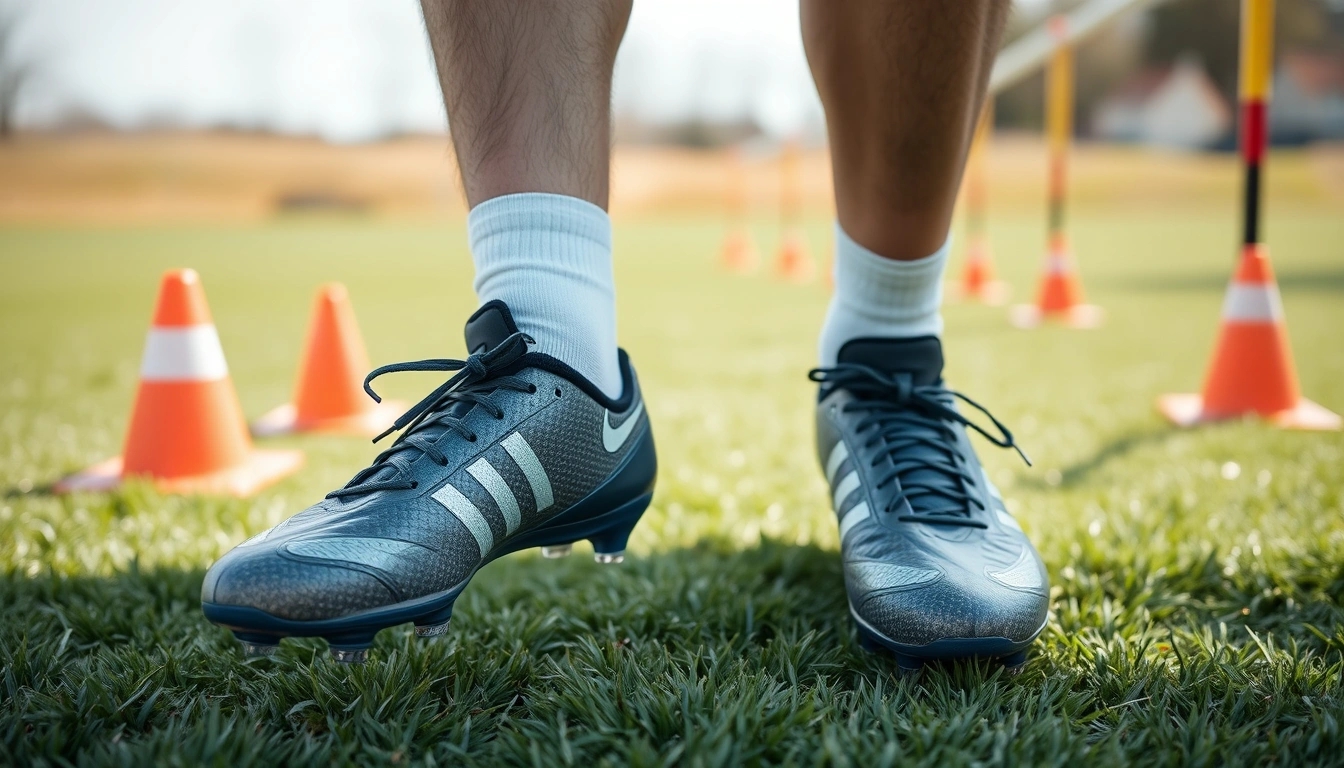
Warm-Up Drills to Get Your Feet Moving
Alright, before you go all Hulk on the ball with those thunderous passes, you need to get your body—and more importantly, your feet—ready to dance. Skipping warm-ups? Big no-no. You might think, “Eh, I’m just gonna kick a few balls, I’m good.” Trust me, that’s how you pull muscles or end up looking like a newborn giraffe on the field. The secret sauce here is to loosen up your ankles, knees, and hips to improve balance and footwork, which are the real MVPs of passing accuracy.
- Why Warm Up? It’s not just about avoiding injuries. When your feet move smoothly and your balance is on point, you get better control over the ball. That means your passes go where you want, not where you hope.
- Focus Areas: Foot agility, balance, and coordination. These drills might look simple, but they lay the groundwork for everything else.
Let’s break down a couple of warm-up moves that don’t feel like torture but actually make a difference:
| Drill Name | What it Works On | How to Do It |
|---|---|---|
| Ladder Footwork | Speed, agility, foot placement | Use an agility ladder or draw one with chalk. Step in and out quickly, focusing on light, precise foot touches. |
| Balance Board or Single-Leg Stands | Balance, ankle strength | Stand on one leg for 30 seconds, then switch. Add small ball taps while balancing to up the challenge. |
| Side-to-Side Shuffles | Lateral movement, quick feet | Shuffle sideways between two markers about 5 yards apart, keeping low and light on your feet. |
Now, if you’re thinking, “Sounds too easy, what’s the payoff?”—here’s the deal. These drills fire up your neural pathways, meaning your brain and feet start communicating better. So when you’re under pressure and need that laser-precise pass, your body just knows what to do.
Oh, and don’t underestimate the power of rhythm here. You wanna be light and nimble, not a clumsy elephant stomping around. Try to keep your movements smooth and controlled—like a dancer, but with cleats.
Pro Tip:- Start slow and gradually speed up.- Keep your knees slightly bent; this helps absorb shock and keeps you balanced.- Breathe! Sounds dumb, but when you’re tense, your passes get stiff and awkward.
Finally, mixing these warm-up drills into your routine means you’re not just preparing your body, but also your mind. It’s like telling yourself, “Okay, game on!” before you even touch the ball. So next time you hit the field, don’t just rush into blasting passes. Warm up your feet, find your balance, and watch your passing game level up without breaking a sweat—well, maybe just a little.
Remember: Practice doesn’t make perfect, but it sure makes better. And better feet make better passes. Simple as that.
Short Passing Drill
Okay, let’s get real about this short passing drill — it might look like child’s play, but don’t let the simplicity fool you. This is the bread and butter of any player wanting to sharpen their quick passing skills. Imagine you and a buddy standing about 5-10 yards apart, just ping-ponging the ball back and forth. Sounds dull? Maybe. But it’s actually a sneaky way to build muscle memory and timing that’ll save you when the pressure’s on in a real match.
Now, here’s the kicker: the drill isn’t just about kicking the ball back and forth. It’s about precision, speed, and reading your partner’s body language. You want your passes crisp, not sloppy. The trick is to use the inside of your foot, keep your ankle locked, and follow through gently — no need to blast it like you’re shooting for a goal here. It’s all about control.
- Step 1: Stand facing your partner, about 7 yards apart.
- Step 2: Use the inside of your foot to pass the ball back and forth.
- Step 3: Focus on a consistent rhythm — don’t rush, but don’t dawdle either.
- Step 4: Keep your eyes on the ball, then glance up to anticipate the return pass.
You might think, “Hey, I can do this in my sleep,” but here’s where it gets interesting. Try mixing it up — add a one-touch pass round, or throw in a quick fake before passing. Suddenly, your brain and feet have to sync up faster than before. This drill, simple as it is, forces you to develop quick decision-making under tight conditions.
| Common Mistakes | How to Fix Them |
|---|---|
| Kicking too hard and losing control | Focus on gentle touches and using the inside foot for better accuracy |
| Not watching the ball or partner | Keep your eyes up and anticipate the pass to react quicker |
| Poor body positioning (leaning back or off-balance) | Stay on the balls of your feet, knees slightly bent for better stability |
Remember, this drill is all about building confidence in tight spaces where you don’t have much time or room. It’s not glamorous, but it’s the foundation for slick, professional-level passing. So, if you’re serious about improving, don’t skip this one. It might be basic, but it’s effective — and sometimes, that’s exactly what you need.
Pro Tip: Try doing this drill against a wall if you don’t have a partner handy. Mark a spot on the wall, and pass the ball to hit that mark consistently. It’s like having a teammate who never gets tired or complains!
So yeah, don’t underestimate the power of a simple back-and-forth drill. It’s the kind of practice that sneaks up on you — one day you’re fumbling passes, the next you’re threading needles in the tightest spots. Trust the process, and keep those feet moving.
Triangle Passing Drill
— now here’s one drill that’s been around forever, and honestly, it’s got a good reason for sticking around. It’s not just about kicking the ball around in a triangle; it’s a whole lesson in movement, angles, and timing that can seriously up your game if you let it. You see, passing isn’t just about where the ball goes but also where you and your teammates are standing, moving, and expecting the ball. This drill puts all that into play.
Imagine three players forming a triangle, spaced out just right. The magic happens when the ball starts moving from one player to the next, but not in a boring back-and-forth way. Instead, each player must move into new positions after passing, constantly shifting the shape and forcing everyone to think about the best passing angle. It’s like a dance, but with more sweat and less music. This constant movement helps players get a feel for how to create passing lanes and anticipate where their teammates will be. Timing is everything here — pass too early or too late, and the whole rhythm falls apart.
- Movement: Players don’t just stand still; they move to open spaces, making it easier to receive the ball.
- Passing Angles: Learning to pass at the right angle means less chance for the ball to get intercepted.
- Communication: Even if it’s just a quick shout or a nod, players learn to signal where they want the ball.
Now, don’t get me wrong, it’s not as simple as it sounds. At first, you’ll probably fumble, miss passes, or end up crowding each other. But that’s part of the charm. The drill forces you to think on your feet and adjust quickly — just like in a real game when defenders are breathing down your neck.
| Aspect | Details |
|---|---|
| Players | 3 per triangle |
| Distance | 5-10 meters between players |
| Focus | Movement after pass, accurate passing angles |
| Duration | 5-10 minutes per set |
One of the best parts? You can tweak this drill to fit your team’s skill level. Newbies can slow it down, focusing on clean passes and basic movement. More advanced players can speed it up, add one-touch passes, or even include defenders to raise the stakes.
So yeah, it’s a classic drill for a reason. It’s simple, but it works. It teaches you to see the field differently — not just as a place to kick a ball but as a space to control, manipulate, and outsmart your opponents. If you want to get better at passing, this drill is like your secret weapon. Just remember: patience and practice, because no one nails it on the first try.
Pro Tip: Try mixing in some verbal cues during the drill. It might feel awkward at first, but it’ll pay off big time when you’re under pressure in real matches.
In short, the Triangle Passing Drill is more than just a warm-up — it’s a brain game, a footwork challenge, and a team-building exercise all rolled into one. Give it a shot, and watch your passing game get sharper and smarter in no time.
Long Passing Techniques Made Easy
Long passes – they’re the flashy, crowd-pleasing moves that can flip the whole game in a heartbeat. But let’s be honest, nailing a long pass isn’t as simple as just booting the ball downfield and hoping for the best. It’s a bit of an art and a whole lot of practice. If you’ve ever felt like your long balls are either sailing into the stands or just falling short like a sad little flop, you’re not alone. The good news? Mastering these passes can turn you into a real game-changer. So, how do you get that perfect blend of power and pinpoint accuracy? Let’s break it down.
First off, don’t just think about kicking hard. Sure, power matters, but if you’re blasting the ball without control, you’re basically throwing away possession. The trick is generating enough force while keeping your body balanced and your foot locked in the right position. Think of it like a golf swing or a tennis serve – it’s all about technique.
- Body Positioning: Your standing foot (the one not kicking) should be planted firmly beside the ball, pointing toward your target. This alignment guides the ball’s direction.
- Foot Contact: Use the instep (the curved part on top of your foot) to strike the ball. This surface offers a larger area for contact, helping with both power and accuracy.
- Follow Through: Don’t just stop after hitting the ball. Your kicking leg should continue its motion toward the target, like you’re pointing an arrow right where you want it to go.
| Common Mistakes | How to Fix Them |
|---|---|
| Kicking with the toe, causing a wild, unpredictable ball flight | Focus on striking with the instep, practice slow and controlled kicks |
| Leaning back too much, making the ball rise uncontrollably | Keep your torso slightly forward to keep the ball low and accurate |
| Not planting the support foot correctly | Ensure the non-kicking foot points to the target for better direction |
Now, here’s a little nugget that might surprise you: don’t rush your long passes. It’s tempting to just hammer the ball when you see a teammate sprinting down the field, but patience pays off. Taking a split second to line up your body and visualize the trajectory can make all the difference.
Instep Drive Drill is a classic for a reason. Set up a target about 30-40 yards away (could be a cone, a teammate, or even a goalpost). Focus on striking the ball with your instep, aiming for the target while keeping your follow-through smooth and controlled. Repeat this until it starts feeling natural – and yes, it might take a while, but stick with it.
Another gem is the Lofted Pass Drill. This one’s about finesse, not just power. The goal? Lift the ball gently over defenders without sending it into orbit. Try practicing with a partner: pass the ball softly but with enough height so it clears their head, landing right where they can run onto it. It’s tricky, but once you get the hang of it, you’ll be pulling off those cheeky passes that leave defenders scratching their heads.
Tips for Long Passing Success:- Keep your eyes on the target, not the ball- Start with short to medium passes to build confidence- Use your arms for balance during the kick- Practice under different weather conditions (wind can be a sneaky enemy)
Finally, don’t forget to mix these drills into your regular training. Long passing is a muscle memory game – the more reps you get, the better you’ll become. And hey, if you mess up? Laugh it off and try again. After all, even the pros have their off days.
So next time you’re out on the pitch, remember: a well-executed long pass isn’t just a kick – it’s a statement. Power, precision, and a little bit of patience will have you turning heads and changing games in no time.
Instep Drive Drill
Instep Drive Drill: the secret sauce to those booming long passes that actually hit the target instead of wandering off into the great unknown. If you’ve ever tried to send a long ball downfield only to see it sail way over your teammate’s head or just plain miss the mark, then this drill is your new best friend.
So what’s the deal with the instep drive? Basically, it’s all about using the top part of your foot — the instep — to strike the ball. This part of your foot gives you a nice, flat surface, perfect for both power and control. When you nail this technique, you get that sweet combo of distance and accuracy, which is exactly what you want when you’re trying to launch a ball across the pitch.
- Step 1: Position the ball slightly ahead of your standing foot.
- Step 2: Lock your ankle, so your foot is firm and stable.
- Step 3: Swing your kicking leg through the ball with a smooth, controlled motion.
- Step 4: Follow through fully to maintain power and direction.
Now, don’t get cocky thinking just because you’ve got a powerful kick, you’re set. The trick is in the precision. If your foot isn’t angled right or your body is leaning too far back or forward, your pass will go sideways or just plain miss. Trust me, it happens to the best of us. Even pros mess it up sometimes — hey, nobody’s perfect!
| Common Mistakes | How to Fix Them |
|---|---|
| Hitting the ball with the toes | Focus on striking with the instep, not the tip of your foot |
| Poor body posture (leaning back) | Keep your chest over the ball for better control |
| Insufficient follow-through | Finish your kicking motion fully to generate power |
Here’s a little pro tip: practice this drill on different surfaces and distances. Try hitting a target 20 yards away, then 40, then even longer. The more you practice, the more your brain and muscles sync up to deliver those pinpoint passes. And if you’re feeling fancy, add a little pressure by having a teammate act as a defender or use cones as obstacles.
Instep Drive Drill Routine:- Warm up with light jogging and dynamic stretches (5-10 mins)- 15 instep kicks at 20 yards focusing on accuracy- 10 instep kicks at 40 yards focusing on power and control- Cool down with light passing drills
Remember, this drill isn’t about blasting the ball as hard as you can. It’s about control, technique, and consistency. If you rush or try to muscle it, you’ll probably end up with a wild pass that’s more comedy than skill. So take your time, focus on form, and watch your long passing game improve dramatically.
In short, if you want those long balls to land exactly where you want — not where you hope — the instep drive drill is a must-try. It’s simple, effective, and once you get the hang of it, you’ll wonder how you ever played without it.
Lofted Pass Drill
Lofted Pass Drill: mastering this skill is like adding a secret weapon to your soccer arsenal. It’s not just about blasting the ball high and far; it’s about precision, timing, and control. You want to float that ball over defenders like a magician, making it look effortless, but trust me, it takes practice and patience.
First off, don’t get carried away with power. This isn’t a contest to see who can kick the ball the hardest. Instead, focus on the delicate touch needed to lift the ball just enough to clear the defender’s reach while keeping it accurate enough for your teammate to receive comfortably. Rushing this drill usually ends with the ball sailing over everyone or dropping way short — and that’s just frustrating.
- Start slow: Begin by practicing the motion without worrying about distance. Get the feel of your foot under the ball, the angle, and the follow-through.
- Foot placement: Position your non-kicking foot beside the ball, pointing in the direction you want it to go. This helps with control.
- Strike the ball: Use the front part of your foot (just behind the toes) to scoop the ball upwards gently.
| Common Mistakes | How to Fix Them |
|---|---|
| Hitting the ball too hard | Focus on a smooth, controlled strike rather than power. |
| Incorrect foot placement | Practice aligning your non-kicking foot properly. |
| Rushing the pass | Slow down, visualize the pass path, and execute calmly. |
Now, here’s a little secret: the lofted pass is as much mental as physical. You’ve got to read the game, anticipate defenders’ positions, and decide when a lofted pass makes sense. It’s not just about technique but also about game intelligence.
Try this drill with a partner or against a wall. Set up imaginary defenders using cones or markers. Your goal? Lift the ball just over these obstacles with pinpoint accuracy. Don’t get discouraged if you mess up — even pros fluff their passes sometimes. Just keep tweaking your approach.
Step-by-step Lofted Pass Drill:1. Place cones 5-7 yards apart to simulate defenders.2. Start with short lofted passes over cones.3. Gradually increase distance as control improves.4. Add movement by jogging before the pass.5. Practice both feet for versatility.
Remember, this drill is less about brute force and more about finesse. It’s a dance between strength and subtlety, and nailing it can really open up the field during matches. So, next time you’re on the pitch, don’t just kick — float your passes like a pro and watch your game change.
Using Walls and Teammates for Realistic Practice
Alright, so you’re thinking, “I don’t have fancy training gear or some high-tech passing machine.” Chill out, because that’s not the end of the world. In fact, some of the best passing drills come from just a simple wall and a couple of buddies willing to put up with your sometimes wild kicks. Seriously, walls and teammates can be your best friends when it comes to sharpening your passing accuracy — no expensive equipment needed.
First off, let’s talk about the wall drill. Sounds basic, right? But don’t underestimate it. Find a sturdy wall — brick, concrete, whatever — and start passing against it. What’s cool about this drill is it forces you to focus on your touch, timing, and precision. Miss the target, and the ball goes flying off in some random direction. Hit it right, and the ball bounces back like a loyal teammate ready for the next pass.
- How to do it: Stand about 5-10 feet away and pass the ball against the wall using the inside of your foot.
- Try to control the rebound and pass it back immediately.
- Increase the speed gradually to simulate game pressure.
- Mix in different types of passes — short, long, lofted — to keep it interesting.
Now, here’s where your buddies come into play. Nothing beats practicing with real people because they bring unpredictability — just like in a real game. You can set up simple drills where one player acts as a defender applying pressure, while the other tries to pass accurately under that pressure. This helps you develop that quick decision-making skill and composure when the heat is on.
| Drill | Purpose | How to Execute |
|---|---|---|
| Wall Passing | Improve touch and precision | Pass against wall, control rebound, repeat with increasing speed |
| Pressure Passing with Teammate | Develop passing under pressure | One player pressures, other passes quickly and accurately |
| Triangle Passing | Enhance movement and angles | Form a triangle, pass and move continuously |
But hey, not everything will go smoothly. Sometimes your pass will hit the wall too hard and bounce off like a rogue ping-pong ball, or your teammate might be a bit of a pain and not return the pass properly. That’s part of the charm and learning curve. Embrace the mess-ups because each one teaches you something. Maybe your foot positioning was off, or you didn’t watch your teammate’s body language enough.
Pro tip: Always keep your eyes on the ball AND your target. Passing isn’t just about leg power; it’s about vision and anticipation. Use walls to practice your eye-foot coordination, and teammates to sharpen your awareness of pressure and space.
In the end, practicing with walls and teammates is about simulating real-game unpredictability in a controlled environment. It’s cheap, accessible, and surprisingly effective. So next time you’re itching to improve your passing but don’t have fancy tools, just grab a ball, find a wall, and recruit a friend. You’ll be surprised how quickly your passing accuracy can level up.
Remember: Consistency beats complexity. Keep at it, and those simple drills will pay off big time on the pitch.
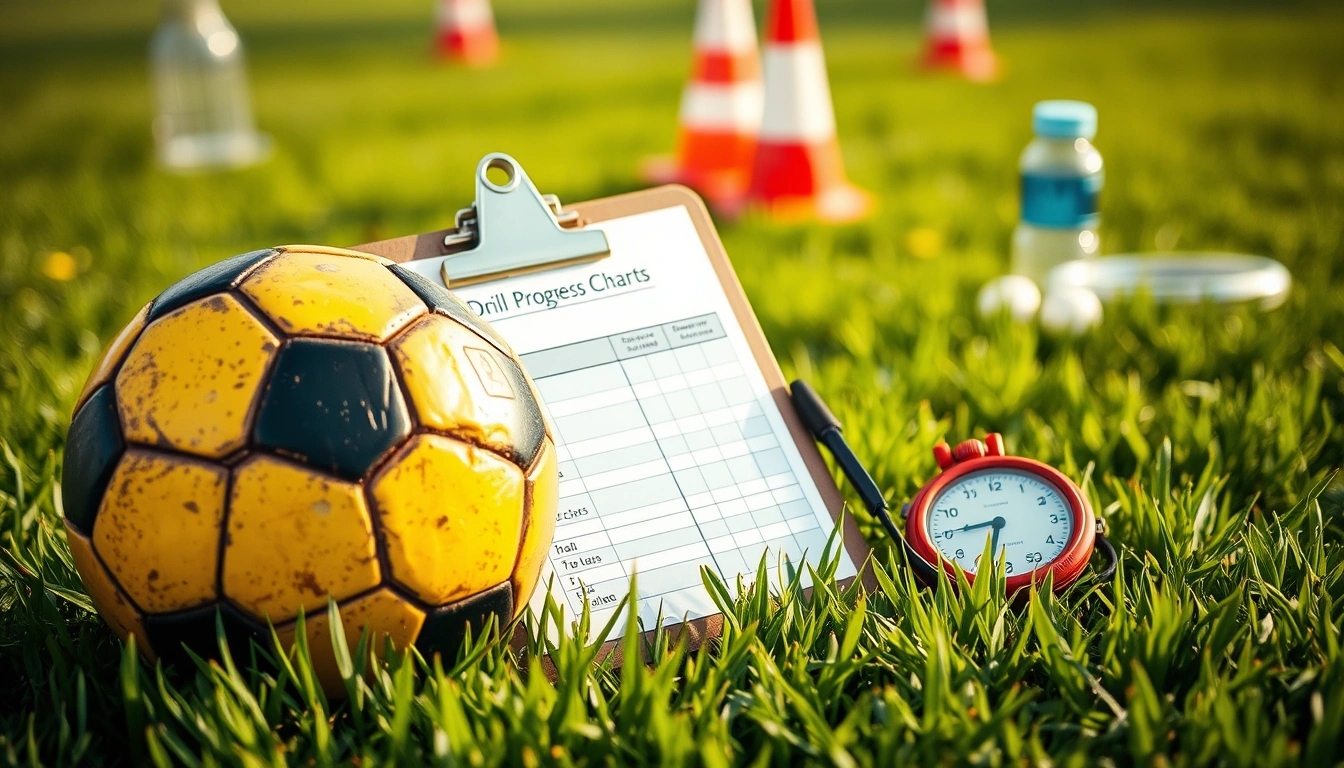
Tracking Your Progress and Staying Motivated
Improvement in sports—or pretty much anything worth doing—rarely happens in one giant leap. It’s more like a slow crawl, a few steps forward, a couple back, and then, if you’re lucky, a sudden burst of progress that feels like winning the lottery. When it comes to sharpening your passing accuracy, patience is your best friend, even if it’s the kind of friend who’s a bit boring sometimes.
So how do you actually know if you’re getting better? Just hoping for the best and crossing your fingers won’t cut it. You need a way to measure your growth, and luckily, that doesn’t require rocket science or expensive gadgets. Here’s a quick rundown of some practical methods you can use to keep tabs on your passing skills:
| Method | How It Works | Why It Helps |
|---|---|---|
| Video Recording | Record your practice sessions or games. | See your technique, spot mistakes, and track improvements over time. |
| Pass Completion Rate | Count successful passes versus attempts in drills or matches. | Gives you a clear percentage to aim to improve. |
| Feedback from Coaches/Teammates | Ask for honest opinions after sessions. | Gets you fresh perspectives and tips you might miss. |
| Personal Journaling | Write down what worked, what didn’t, and how you felt. | Tracks not just skills but your mental game and motivation. |
Now, here’s the kicker: even with all these tools, progress can feel maddeningly slow. You might nail a few passes perfectly and then suddenly start missing like you’ve forgotten how to kick a ball. It’s frustrating, and yes, it’s normal. The key is not to let these rough patches crush your spirit.
- Celebrate small wins. Did you get your pass right 7 out of 10 times today instead of 5? That’s progress, no matter how tiny.
- Set realistic goals. Don’t expect to be Messi overnight. Maybe aim for better foot positioning this week rather than perfect passes.
- Mix it up. Doing the same drill over and over can get dull fast. Try different drills, play small-sided games, or practice with a wall to keep things fresh.
And if all else fails, remember this: even the pros have off days. They don’t wake up every morning with perfect accuracy either. The difference is they keep showing up, keep pushing, and keep believing that the next pass could be the one that changes the game.
Tips for Staying Motivated:- Track your progress weekly, not daily.- Use a buddy system for accountability.- Reward yourself for milestones (even if it’s just an extra slice of pizza).- Keep a highlight reel of your best passes to remind yourself why you’re grinding.
So, don’t sweat the setbacks too much. Improvement is a marathon, not a sprint. Stick with your drills, keep measuring your progress, and most importantly, enjoy the ride—even when it feels like you’re passing the ball to thin air.
Remember: Passing accuracy is a skill you build brick by brick. Tracking your growth and staying motivated are the mortar holding those bricks together. Without them, your tower might just come tumbling down.
Incorporating Passing Drills Into Your Regular Training
Let’s be honest — sticking to a routine can feel like a drag sometimes, especially when you’re juggling life, work, and that ever-tempting couch. But here’s the kicker: consistency really is the secret sauce when it comes to sharpening your passing skills. You can’t just hammer out a bunch of drills one day, then slack off for a week and expect magic to happen. Nope, it’s about weaving those drills into your schedule in a way that doesn’t make you want to pull your hair out.
So how do you do that without burning out or losing your focus? First off, don’t go overboard. It’s tempting to think more is better, but that’s a one-way ticket to fatigue and sloppy technique. Instead, aim for short, focused sessions — even 15 to 20 minutes a day can do wonders if you’re deliberate about it. Think of it like brushing your teeth: daily habits build up over time.
- Set realistic goals: Maybe today you want to nail 50 perfect short passes, or master the lofted pass drill without the ball bouncing twice.
- Mix it up: Variety keeps things fresh and challenges different muscles and brain pathways.
- Schedule smart: Slot your drills when you’re most alert — for some, it’s morning, for others, after work.
| Tip | Why It Works | Example |
|---|---|---|
| Short, frequent sessions | Prevents burnout and keeps focus sharp | 20 minutes of triangle passing drill, 4x a week |
| Use a buddy or wall | Simulates real-game pressure and feedback | Passing against a wall with varied distances |
| Track your progress | Motivation boost and identifies weak spots | Keep a log of successful passes per session |
Now, here’s a little nugget that often gets overlooked — rest. Yeah, I know, it sounds lame, but your muscles and brain need downtime to soak up what you’ve practiced. Overtraining is a sneaky beast; it’ll sneak up and mess with your coordination and enthusiasm. So, sprinkle in some light days or active recovery, like jogging or stretching, to keep the engine running smoothly.
And don’t forget to keep it fun! If drills start feeling like a chore, your mind will wander, and your passes will show it. Try turning drills into mini challenges or competitions with teammates. Who can hit the target 10 times in a row? Who messes up first? Adding a bit of friendly rivalry can keep the energy alive.
Consistency Checklist:- Schedule drills 3-4 times a week- Combine short and long passing drills- Use walls or partners for realistic practice- Log your progress to spot trends- Take rest days seriously- Keep sessions fun and goal-oriented
In the end, it’s about balance. You want to push yourself just enough to improve but not so much that you dread picking up the ball. Trust me, the players who shine aren’t always the flashiest; they’re the ones who show up day after day, grinding those passes until they’re second nature. So lace up, grab that ball, and make passing drills a part of your life — but don’t forget to live a little outside the lines, too.
Remember: Passing drills aren’t a sprint; they’re a marathon. Keep at it, and your accuracy will thank you.
Final Tips and Tricks From the Pros
Alright, before you lace up and storm the pitch, let’s spill some pro-level secrets to sharpen your passing game. These nuggets come straight from the mouths of top players and seasoned coaches who’ve been around the block more times than you can count. No fluff, just the real deal to help you slice through defenses like a hot knife through butter.
- Keep your head up, always. Sounds cliché, right? But seriously, the best passers don’t just look at the ball—they scan the field like hawks. You gotta know where your teammates and opponents are before the ball even leaves your foot.
- Less power, more precision. You don’t need to blast every pass like it’s a rocket. Sometimes, a gentle, well-placed tap beats a wild kick any day. Think finesse over force.
- Body positioning is king. Align your hips and shoulders toward your target. If your body’s twisted like a pretzel, good luck getting that ball where you want it.
Now, let’s talk drills that the pros swear by. These aren’t your run-of-the-mill exercises; they’re designed to mimic real-game chaos and make you think on your feet.
| Drill Name | Key Focus | Why It Works |
|---|---|---|
| One-Touch Passing | Speed and reaction | Forces you to control and pass in one motion, simulating tight game situations. |
| Pressure Passing | Accuracy under pressure | Practicing with a defender closing in trains your composure and precision. |
| Wall Pass Variations | Consistency and control | Using a wall helps develop muscle memory and quick decision-making. |
One thing you’ll hear again and again is “practice smart, not just hard.” Grinding out hours without focus is like spinning your wheels in mud—exhausting and pointless. Instead, mix up your drills, challenge yourself with new angles, and always analyze what went wrong when a pass misses the mark.
Now, a quick heads-up: don’t get discouraged by bad days. Even Messi probably flubbed a few passes in his time (shocking, right?). Progress is messy. Sometimes you’ll nail a pass perfectly, other times you’ll wonder if your feet are on the same planet as your brain.
Pro Tip Checklist:- Scan the field before passing- Control your body alignment- Focus on timing over power- Use one-touch passes to speed up play- Practice under pressure regularly- Review and learn from mistakes
And hey, don’t forget to keep your mental game sharp. Confidence can make or break a pass. Believe you’ve got it, and half the battle’s already won.
So, next time you’re out there, channel these pro tips, keep your cool, and remember: passing isn’t just a skill—it’s an art form. Now go on, make those passes sing.
Frequently Asked Questions (The title must be written in English.)
- Why is passing accuracy so important in soccer?
Passing accuracy isn’t just about connecting with your teammate; it controls the rhythm of the game and opens up scoring opportunities. Think of it like the heartbeat of your team’s play—when your passes are on point, the whole squad moves smoother and faster.
- What are the most common mistakes players make when passing?
Many players unknowingly kick too hard or position their bodies poorly, which throws off their aim. It’s like trying to throw a dart with a shaky hand—without proper technique, your passes won’t hit the target consistently.
- How can warm-up drills improve my passing?
Warm-up drills get your feet nimble and your balance steady, setting the stage for sharper control. They’re like stretching before a run—skip them, and your performance might just stumble.
- What makes the Triangle Passing Drill so effective?
This drill teaches you to read angles and move smartly, much like a chess player anticipating the next move. It’s a classic because it trains both your brain and feet to work in harmony.
- How do I improve my long passing without losing accuracy?
Mastering long passes is about striking the ball with the right part of your foot and controlling your power. Think of it as tossing a paper airplane—you want it to fly far but still land exactly where you aim.
- Can I practice effectively without fancy equipment?
Absolutely! Using walls and teammates can mimic real-game pressure and give you instant feedback. It’s like having a personal coach anytime, anywhere.
- What’s the best way to track progress in passing skills?
Keep a simple log of your drills, noting improvements and challenges. Watching yourself grow over time keeps motivation high and helps you tweak your training for better results.
- How often should I incorporate passing drills into my training?
Consistency is key, but balance is crucial too. Aim for regular, focused sessions without overdoing it—think of it as seasoning your practice just right, not drowning it in spice.
- Any pro tips to instantly improve my passing game?
Stay relaxed, keep your eyes up, and trust your instincts. Pros say that confidence and calm under pressure often make the difference between a good pass and a great one.