
Alright, listen up young footballers! If you’ve ever found yourself stuck behind defenders, wishing you could just zoom past them like a flash, then this little guide is for you. Sprinting fast isn’t just about running like the wind; it’s a mix of technique, training, and yeah, sometimes a bit of luck. But mostly, practice and smart work. So, let’s dive into some real talk on how to boost your sprint speed on the football field without turning into a couch potato or pulling a muscle every other day.
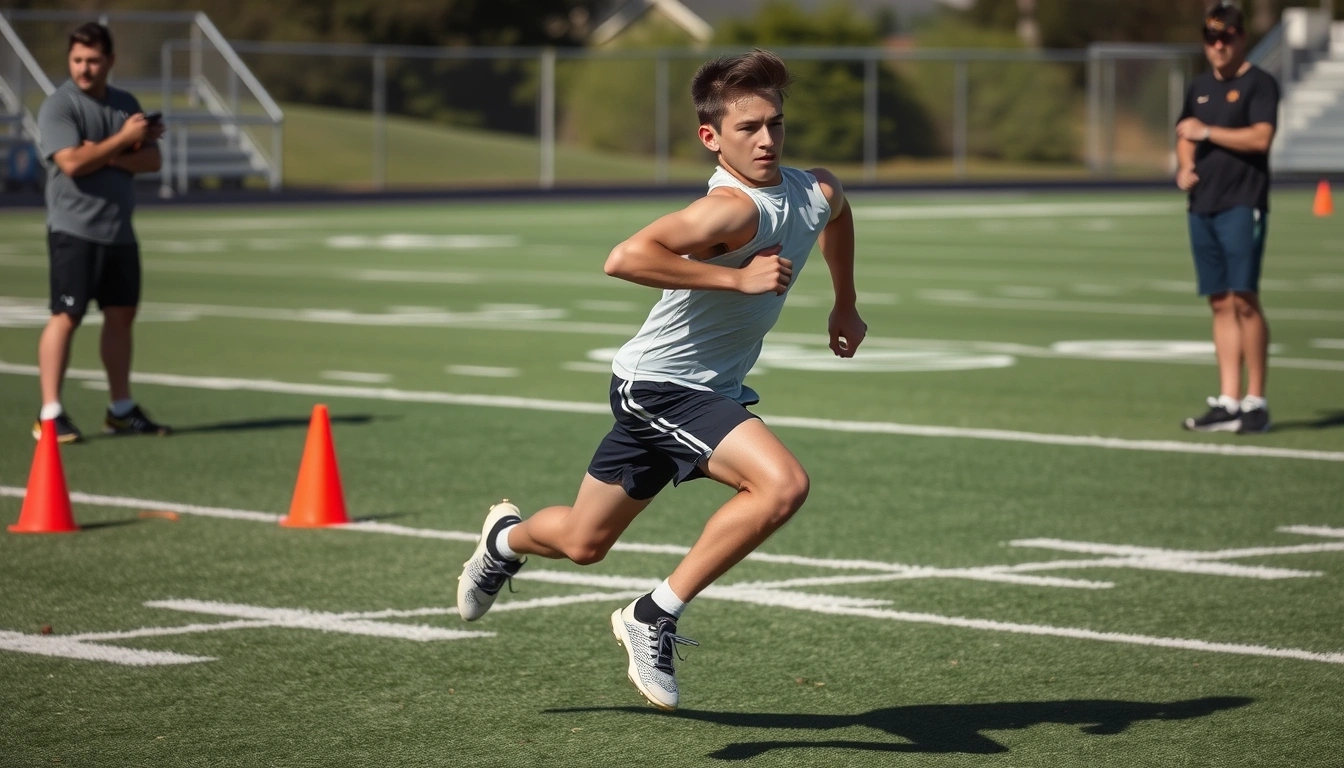
First off, understanding sprint mechanics is like knowing the secret handshake in a club. Without it, you’re just flapping your arms and legs hoping for the best. When you sprint, your body should be in a slight forward lean, arms pumping hard but controlled, and your feet landing beneath your hips—not way out front like you’re trying to stop a runaway train. This helps you generate maximum power and avoid injuries. Remember, it’s not about how fast your legs move, but how efficiently they push you forward.
| Common Sprinting Errors | Fixes |
|---|---|
| Overstriding (foot lands too far ahead) | Focus on short, quick steps |
| Upright posture (no forward lean) | Lean slightly forward from ankles |
| Flailing arms | Keep elbows at 90 degrees, pump forward-backward |
Now, don’t even think about skipping warm-ups. I mean, seriously, who wants to pull a hammy before the game even starts? Dynamic stretches like leg swings, high knees, and butt kicks get your muscles ready to explode. Static stretching before sprinting? Nah, that’s for yoga class, not football sprints. You want your muscles firing, not snoozing.
When it comes to drills, short bursts are your best friends. Think 10 to 20 meters at max effort, then rest. Repeat. Quick feet ladder drills also help your legs move faster and improve coordination. Here’s a quick list to try:
- Flying sprints (build speed gradually, then sprint)
- Hill sprints (for power and explosiveness)
- Resisted sprints (using resistance bands or sleds)
Strength training isn’t just for the gym rats. Building muscle in your glutes, hamstrings, and calves can shave off those precious milliseconds. Squats, lunges, and deadlifts (with proper form, please) are gold. But don’t overdo it; young bodies need balance and rest.
| Muscle Group | Recommended Exercise | Benefits |
|---|---|---|
| Glutes | Hip thrusts, squats | Powerful hip extension for sprinting |
| Hamstrings | Nordic curls, deadlifts | Improved leg recovery and speed |
| Calves | Calf raises | Better push-off and ankle strength |
Nutrition and recovery? Don’t even get me started. You can’t sprint on empty or expect magic if you’re burning the candle at both ends. Hydrate, eat balanced meals with protein and carbs, and get your sleep. Your muscles grow when you rest, not when you’re grinding non-stop.
Watch out for these rookie mistakes:
- Training too hard, too fast (hello, burnout!)
- Ignoring form just to run “faster”
- Skipping rest days
Tracking your progress is key. Use a stopwatch, apps, or even good old video to see how you improve. Nothing beats seeing yourself get faster—it’s a huge motivator.
Finally, sprinting isn’t just about raw speed. It’s about when and how you use it on the field. Timing your runs, reading the game, and staying confident can turn a fast player into a game-changer.
So, lace up, hit the drills, and remember: speed is earned, not given. Now go leave those defenders eating your dust!
Understanding the Basics of Sprint Mechanics
Before you even think about tearing down the field like a rocket, it’s super important to get a grip on what your body is actually doing during a sprint. Honestly, sprinting isn’t just “run fast and hope for the best.” Nope, there’s a whole science behind it that can make the difference between blazing speed and a faceplant on the turf.
First off, your sprint starts with the drive phase. This is where you’re basically pushing off the ground like a spring-loaded jack-in-the-box. Your body leans forward, arms pumping like pistons, and legs churning to generate that initial burst. If you’re standing upright or slouching at this point, you’re robbing yourself of power. Think of it like trying to push a heavy door open with your fingertips instead of your whole hand. Spoiler: it ain’t gonna work.
Then comes the transition phase, where you gradually shift from that forward lean to a more upright posture. This is key because it helps you maintain speed without wasting energy. If you’re still leaning too far forward, you’ll slow down or even trip yourself up. And trust me, nobody wants to see that highlight reel.
| Phase | Body Position | Key Actions |
|---|---|---|
| Drive Phase | Forward lean (~45 degrees) | Powerful push-offs, aggressive arm drive |
| Transition Phase | Gradual upright position | Maintain speed, prepare for max velocity |
| Max Velocity Phase | Fully upright | Quick leg turnover, relaxed arms |
Now, about those arms — they’re not just there to look cool or wave at your fans. Your arms act like a metronome, setting the rhythm for your legs. Swinging them too wide or crossing your body can throw off your balance and slow you down. Keep ’em tight and controlled, like you’re punching the air behind you.
Leg mechanics? Oh boy, that’s a whole other beast. You want a high knee lift and a quick foot strike right under your hips. Overstriding — that’s when your foot lands way out in front — is a classic rookie mistake. It’s like trying to sprint with a parachute strapped to your back. Slow and painful.
- Tip 1: Focus on explosive power from your hips and glutes.
- Tip 2: Keep your core tight to maintain stability.
- Tip 3: Relax your face and shoulders — tension wastes energy.
And here’s a fun fact that often gets overlooked: your breathing. Sounds weird, but controlling your breath during a sprint can make a noticeable difference. Shallow, erratic breathing? That’s a recipe for premature fatigue. Instead, try rhythmic, deep breaths to keep oxygen flowing.
Quick Recap:
- Start low, push hard (Drive Phase)- Gradually stand up, keep momentum (Transition Phase)- Sprint tall and fast (Max Velocity Phase)- Arms swing straight, legs quick and light- Breathe steady, stay relaxed
So yeah, sprinting is more than just running fast. It’s about mastering your body’s mechanics so you can blast off safely and keep improving without ending up sidelined. Nail these basics, and you’re already ahead of half the players out there who just “run fast” without thinking.
Keep practicing these movements, and soon enough, defenders won’t just be chasing you—they’ll be eating your dust. But hey, don’t get cocky too soon. Sprinting is a craft, and even the fastest pros keep tweaking their form.
Warm-Up Routines That Actually Work
Look, if you’re one of those who think warm-ups are just a boring “extra” before the real action, you’re in for a rude awakening. Skipping warm-ups? That’s a big no-no, especially for young football players chasing that explosive sprint speed. Your muscles aren’t magical; they need a proper wake-up call before you can expect them to perform like Usain Bolt on the field. So, what’s the secret sauce? Dynamic stretches and prep exercises that actually get your body ready to explode off the line. No static stretches that leave you stiff and slow—those are for after the game, trust me.
Let’s break down some of the best moves you can do before you hit the turf:
- Leg swings: Front-to-back and side-to-side, these loosen up your hips and hamstrings. Think of it as swinging open the gates for your legs to move freely.
- Walking lunges with a twist: Step forward and twist your torso toward the leading leg. This not only stretches your quads and glutes but also activates your core—super important for sprinting.
- High knees: Pump those knees up fast and high while jogging in place. It’s like revving your engine before the race.
- Butt kicks: Run in place while trying to kick your own butt. Sounds funny, but it fires up the hamstrings and gets blood flowing.
| Exercise | Purpose | Duration/Reps |
|---|---|---|
| Leg Swings | Loosen hips and hamstrings | 10-15 swings per leg |
| Walking Lunges with Twist | Stretch quads, glutes, activate core | 10 lunges each leg |
| High Knees | Increase heart rate, activate hip flexors | 30 seconds |
| Butt Kicks | Activate hamstrings | 30 seconds |
Now, here’s the kicker: warming up isn’t just about moving your muscles. It’s about getting your nervous system fired up, too. Ever notice how sometimes you’re physically ready but mentally sluggish? That’s why adding some light sprints or acceleration drills right after your dynamic stretches is clutch. Try 3-4 short sprints at about 60-70% max effort, gradually ramping up. This primes both your body and brain for that full-throttle burst when the whistle blows.
And don’t even get me started on skipping warm-ups because “I’m just gonna run easy today.” Nah, buddy, even easy runs can lead to pulled muscles or cramps if you’re cold. Plus, consistent warm-ups build a habit that keeps injury risks low and performance high. You want to be the player who’s ready to blow past defenders, not the one limping off the pitch because you thought warm-ups were optional.
So, next time you lace up your cleats, remember: warm-up smart, sprint faster. Your muscles will thank you, your coach will notice, and hey, maybe you’ll even avoid that awkward “I didn’t stretch” excuse after a bad run.
Quick Warm-Up Checklist:- Dynamic stretches (leg swings, lunges, high knees, butt kicks)- Gradual acceleration sprints (3-4 reps)- Mental focus (visualize the sprint)- Hydrate a bit (don’t be a cactus)
Get this routine down, and you’ll be off the line quicker than you can say “touchdown.” No magic pills, just good old-fashioned prep work that actually works.

Top Drills to Boost Acceleration and Explosiveness
Alright, so you want to leave defenders eating your dust, huh? Well, it’s not just about sprinting full tilt and hoping for the best. The secret sauce lies in those short bursts, rapid-fire footwork, and power-packed moves that transform a regular runner into a sprinting beast on the football field. These drills aren’t just some random exercises tossed together—they’re carefully crafted to sharpen the exact skills you need to explode off the line and keep that speed blazing.
Let’s break it down: acceleration is all about how quickly you can get from zero to full speed. And guess what? Most players screw this up by focusing too much on top-end speed and ignoring the first few explosive steps. That’s where these drills come in.
- Sled Pushes: Sounds old school, but pushing a weighted sled forces you to generate force through your legs like a freight train. It’s brutal, but trust me, it builds that leg power you need to launch yourself forward.
- Hill Sprints: Running uphill isn’t fun, but it’s a killer for building explosive strength. The incline forces your body to recruit more muscle fibers, making your legs work harder and faster.
- Quick Feet Ladder Drills: Set up an agility ladder and just go nuts—fast feet, light on your toes, no fumbling. This drill improves coordination, speed, and foot placement, which are all critical when dodging defenders.
| Drill | Primary Focus | Why It Works |
|---|---|---|
| Sled Pushes | Leg Strength & Power | Builds raw force for explosive starts |
| Hill Sprints | Explosiveness & Endurance | Increases muscle recruitment and stamina |
| Quick Feet Ladder Drills | Agility & Coordination | Enhances foot speed and balance |
Now, if you think just hammering these drills willy-nilly will turn you into Usain Bolt overnight, hold your horses. Technique matters big time. For example, during sled pushes, keep your chest up and drive those knees forward. When doing hill sprints, don’t lean too far forward or you’ll end up face-planting. And ladder drills? Stay light on your feet—no stomping like you’re trying to kill a bug.
Pro Tip:- Keep sessions short but intense. About 15-20 minutes focused on these drills is plenty.- Rest adequately between sets. Sprint training isn’t a marathon.- Mix it up! Variety keeps your muscles guessing and prevents boredom.
One last nugget: these drills do more than just boost your sprint speed. They sharpen your mind-body connection, teaching you to react faster and move smarter. So next time you’re out there on the field, you won’t just be fast—you’ll be lightning-fast, with the power and agility to back it up.
Remember, consistency beats intensity every time. So lace up, commit to these drills, and watch your acceleration and explosiveness skyrocket. Defenders won’t know what hit ’em.
The Role of Strength Training in Sprint Speed
When it comes to sprinting, most young football players think it’s all about how fast you can move your legs. Sure, speed is king, but here’s a little secret: it’s not just about running faster—it’s about getting stronger in the right places. Building muscle strength in key areas can actually trim those precious milliseconds off your sprint time, and trust me, in football, every millisecond counts.
Let’s break it down. Your legs aren’t the only players here; your core and even your upper body play a massive role in how explosive and efficient your sprint is. Think about it: when you’re dashing down the field, your arms pump hard, your core stabilizes your torso, and your legs generate power. If any part of that chain is weak, you’re leaving speed on the table.
- Leg Strength: Squats, lunges, and deadlifts are your best friends. They target the quads, hamstrings, glutes, and calves—muscles directly responsible for pushing against the ground and propelling you forward.
- Core Stability: Planks, Russian twists, and leg raises help build a strong core. A solid core means better balance and the ability to transfer power from your upper body to your legs.
- Upper Body Power: Don’t skip on push-ups, pull-ups, and shoulder presses. Strong arms and shoulders help with the arm drive, which can increase your stride frequency and overall sprint speed.
| Muscle Group | Recommended Exercises | Benefits for Sprinting |
|---|---|---|
| Legs | Squats, Lunges, Deadlifts | Improves ground force production and stride length |
| Core | Planks, Russian Twists, Leg Raises | Enhances balance and power transfer |
| Upper Body | Push-ups, Pull-ups, Shoulder Press | Boosts arm drive and sprint rhythm |
Now, don’t get me wrong—just lifting weights won’t magically make you Usain Bolt overnight. You gotta combine strength training with sprint drills and proper technique. But neglecting strength? That’s like trying to build a house without a solid foundation. You’ll be fast for a bit, but you won’t last the whole game.
Here’s a little pro tip: focus on explosive strength rather than just raw power. Exercises like jump squats, power cleans, and medicine ball throws train your muscles to fire quickly, which is exactly what you need for those rapid bursts off the line.
Sample Weekly Strength Routine for Young Sprinters:Monday: - Squats: 3 sets of 8 reps - Planks: 3 sets of 45 seconds - Push-ups: 3 sets of 12 reps
Wednesday: - Deadlifts: 3 sets of 6 reps - Russian Twists: 3 sets of 20 reps - Pull-ups: 3 sets of 8 reps
Friday: - Jump Squats: 3 sets of 10 reps - Leg Raises: 3 sets of 15 reps - Medicine Ball Throws: 3 sets of 10 throws
Remember, quality beats quantity. Don’t just go heavy for the sake of it. Form matters—bad technique can lead to injuries faster than you can say “sprint.” And hey, rest days? They’re not a sign of weakness. Your muscles need time to recover and grow stronger.
So, next time you’re itching to get faster, don’t just hit the track—hit the weights too, but smartly. Build that strength, and watch as your sprint speed kicks up a notch. Because in football, speed isn’t just about how fast your legs move—it’s about how powerful your whole body is working together. Now go crush it!
Nutrition and Recovery Tips for Young Sprinters
When it comes to sprinting, a lot of young players think it’s all about grinding out those drills and pushing their limits on the field. Sure, training hard is essential, but if you’re not fueling your body right and giving yourself enough downtime, you’re basically running on empty — and that’s a fast track to burnout, injury, or just plain old sluggishness. So, let’s get into how you can keep your tank full and your legs fresh without feeling like a robot stuck in a routine.
First off, nutrition isn’t just about stuffing your face with whatever looks good. It’s about timing and quality. Think of your body like a high-performance machine: it needs the right fuel at the right time. Before sprinting, you want something light but packed with energy — like a banana or a small bowl of oatmeal. Post-workout? That’s when your muscles scream for protein and carbs to repair and rebuild. Chicken, eggs, or even a smoothie with some yogurt and fruit can do wonders.
- Pre-Workout Snack Ideas: Banana, whole-grain toast with peanut butter, a handful of nuts, or a small fruit smoothie.
- Post-Workout Recovery Meals: Grilled chicken with brown rice, scrambled eggs and veggies, or a protein shake with a piece of fruit.
And don’t underestimate hydration. Water is your best friend, but sometimes you need a little extra kick — sports drinks with electrolytes can help if you’re sweating buckets, but don’t go overboard with sugary stuff.
| Recovery Tip | Why It Matters | How to Do It |
|---|---|---|
| Sleep | Muscle repair and mental refresh | Aim for 8-10 hours per night, keep a consistent bedtime |
| Active Recovery | Keeps blood flowing, reduces soreness | Light jogging, stretching, or swimming on rest days |
| Foam Rolling | Breaks up muscle knots, improves flexibility | Spend 5-10 minutes on tight areas after training |
Now, about rest — don’t skip it. Seriously, some young sprinters get this idea that more training equals better speed. Nope. Your body actually gets faster and stronger when it’s resting, not when you’re grinding away every day. Sleep is your secret weapon here. Without enough shut-eye, your reaction times slow down, and your muscles just don’t bounce back as well.
Also, mixing in some active recovery days can feel weird because you’re not “training hard,” but trust me, a light jog or some stretching keeps your muscles from locking up and helps flush out the lactic acid. Foam rolling or even just a good massage can be a game-changer for keeping those legs feeling fresh.
Quick Recovery Checklist:- Hydrate consistently throughout the day- Eat balanced meals with carbs, proteins, and fats- Prioritize 8+ hours of sleep nightly- Incorporate foam rolling/stretching post-training- Schedule active recovery days weekly
In the end, sprinting isn’t just about how fast you can run — it’s about how smart you train and take care of yourself. So next time you’re tempted to skip your post-run snack or stay up late binge-watching shows, remember: your body is your biggest asset on the field. Treat it right, and it’ll pay you back with speed, power, and endurance.
Stay fueled, stay rested, and watch those seconds drop off your sprint times!
Common Mistakes to Avoid When Training Speed
Alright, so you’re pumped to get faster on the football field, right? But hold your horses before you dive headfirst into every sprint drill you find on YouTube. Speed training isn’t just about running like a bat outta hell—it’s about doing it smart. And trust me, there are plenty of traps that can slow you down or, worse, put you on the sidelines for weeks. Let’s break down some of the most common mistakes young players make when trying to boost their sprint speed—and how to dodge them like a pro.
1. Overtraining Like There’s No Tomorrow
You might think, “More is better!” but nah, your body needs time to recover. Sprinting is explosive and intense, and if you’re doing max effort sprints every single day without rest, you’re just asking for injuries like pulled hamstrings or shin splints. Plus, your muscles won’t actually get stronger or faster—they’ll just get tired and cranky.
| Overtraining Signs | What to Do Instead |
|---|---|
| Persistent soreness | Take at least 1-2 rest days per week |
| Drop in performance | Mix sprint days with lighter workouts |
| Feeling mentally burnt out | Incorporate fun, low-pressure activities |
2. Ignoring Proper Sprint Form
Speed isn’t just about leg power; it’s about technique. Ever seen someone sprint with their arms flailing like a windmill? Yeah, that’s a no-go. Poor form can waste energy and even cause injuries. Focus on keeping your head neutral, driving your knees up, pumping your arms close to your body, and landing on the balls of your feet. If you’re not sure, get a coach or buddy to film you—seeing yourself can be a real eye-opener.
- Tip: Practice sprint drills that emphasize form, like high knees or A-skips.
- Tip: Avoid overstriding; it slows you down and stresses joints.
3. Skipping Warm-Ups and Cool-Downs
Look, I get it. Warm-ups can feel like a drag when you just wanna sprint. But skipping them is a rookie mistake. Your muscles need to be ready to explode, not shocked into action. Dynamic stretches like leg swings, lunges, and butt kicks get blood flowing and reduce injury risk. And don’t forget to cool down with light jogging and stretching to help muscles recover.
4. Neglecting Strength and Flexibility
Speed isn’t just about running fast—it’s about being strong and flexible too. If your hamstrings are tight or your core is weak, you’re limiting your sprint potential. Incorporate strength training exercises targeting your glutes, quads, hamstrings, and core. Deadlifts, squats, and planks are your friends here. And don’t overlook flexibility work; yoga or simple stretches can keep your muscles happy and responsive.
Common Mistakes Summary:- Overtraining without rest- Poor sprint mechanics- Skipping warm-ups/cool-downs- Ignoring strength & flexibility
So yeah, it’s not all about running flat out until you drop. Smart training means mixing in rest, focusing on technique, and building a strong, flexible body. Avoid these speed training slip-ups, and you’ll be leaving defenders scratching their heads before you know it.
Remember: Speed is a journey, not a sprint (pun intended). Take care of your body, and the results will come faster than you think.
Tracking Your Progress: Tools and Techniques
Keeping an eye on your sprinting progress might sound like a no-brainer, but honestly, a lot of young players skip this step and then wonder why their speed just won’t budge. It’s not just about running faster; it’s about knowing where you started, how you’re improving, and what needs fixing. Without tracking, you’re basically sprinting blindfolded. So, let’s dive into some practical ways to keep tabs on your journey to lightning speed.
First off, the simplest tool you’ve got is a stopwatch. Yeah, it sounds old school, but it works wonders. Time your sprints over a fixed distance—say 20 or 40 meters—and jot down the results. Do this regularly, maybe once a week, and watch those numbers drop. If you’re feeling fancy, smartphone apps like “SprintTimer” or “SpeedClock” can give you more precise readings and even video analysis. They might not turn you into Usain Bolt overnight, but they’ll definitely show you if you’re moving in the right direction.
- Manual Timing: Grab a stopwatch or your phone’s timer. Have a friend help or set up a self-timer if you’re solo.
- Video Analysis: Record your sprints to check your form and stride length. Apps like Hudl Technique or Coach’s Eye are perfect for this.
- Wearables: Fitness trackers with GPS and accelerometers can track your speed and acceleration in real-time.
But hold on, don’t just obsess over the clock. Your body’s feedback is gold. Keep a training journal or use a notes app to record how you felt during each session—energy levels, soreness, or any weird twinges. This info helps you tweak your routine before injuries sneak in.
| Tool | What It Does | Pros | Cons |
|---|---|---|---|
| Stopwatch | Measures sprint time manually | Simple, cheap, easy to use | Less precise, human error possible |
| Video Apps | Analyzes form and timing | Visual feedback, detailed analysis | Requires setup and tech skills |
| Wearables | Tracks speed, acceleration, distance | Accurate, hands-free, data-rich | Can be expensive, battery dependent |
Now, here’s a little nugget that often gets overlooked: consistency in tracking. Don’t just measure once and forget about it. Set a schedule—weekly or biweekly—and stick to it. This habit not only fuels motivation but also helps spot plateaus or sudden drops in performance. When you see progress, even if it’s just a tiny 0.1-second cut, it’s like a shot of adrenaline to keep pushing.
Finally, remember that numbers aren’t everything. Sometimes, you’ll feel faster even if the stopwatch doesn’t show it yet. That’s okay. Speed training is a messy, non-linear process. Use your tracking tools as guides, not judges. Adjust your drills, rest days, and nutrition based on what your data and body tell you.
In short, tracking your sprint speed is like having a map on your journey to football greatness. Without it, you’re wandering in the dark. With it, you can celebrate wins, learn from slip-ups, and sprint smarter—not just harder. So grab that stopwatch, download an app, or slap on a fitness tracker and start keeping score. Your future self will thank you.
Mindset Matters: Staying Motivated and Confident
Alright, let’s get real for a second. When it comes to sprinting on the football field, most folks obsess over technique, drills, and strength training—which are all important, no doubt. But here’s the kicker: speed isn’t just about how fast your legs move. Nope, it’s equally about what’s happening upstairs, in that noggin of yours. Mental toughness and confidence? They’re the secret sauce that can push you past those annoying plateaus and that nagging self-doubt that creeps in just when you think you’re making progress.
Picture this: you’re lining up for a sprint, heart pounding, and suddenly your brain starts throwing shade—“You’re too slow,” “You’ll never beat that defender,” or “What if you trip?” Sound familiar? That’s the mental game trying to trip you up. But here’s the good news: you can train your mind just like your body. It’s about rewiring those thoughts into something like, “I’ve got this,” “I’m faster than I think,” or “Let’s leave ’em in the dust.”
| Tip | Why It Helps |
|---|---|
| Visualization | Imagine yourself sprinting fast and winning. It prepares your brain for success. |
| Positive Self-Talk | Replaces doubt with confidence, boosting performance under pressure. |
| Set Small Goals | Keeps motivation high by celebrating tiny wins along the way. |
| Learn from Mistakes | Turns setbacks into stepping stones, not excuses to quit. |
Now, don’t get me wrong—building confidence isn’t some overnight magic trick. It’s messy, it’s frustrating, and sometimes you’ll feel like you’re running in circles. But that’s part of the journey. One day, you’ll surprise yourself by breaking your personal best and thinking, “Wait, did I just do that?” That moment? Pure gold.
Also, let’s talk about motivation. It’s easy to feel pumped after a killer training session, but what about those days when your bed feels like a magnet and the field looks miles away? That’s when mindset kicks in. Find what lights your fire—whether it’s your dream to play pro, beating your buddy, or just proving to yourself you can get better. Write it down, shout it out, or heck, scream it in the mirror if it helps.
- Keep a journal: Track your progress and jot down what you’re grateful for. Seeing improvements, no matter how small, can be a real game-changer.
- Surround yourself with positivity: Hang out with teammates and coaches who lift you up, not drag you down.
- Celebrate failures: Sounds weird, but every stumble is a lesson disguised as a pain in the butt.
And here’s a little nugget for you: confidence often comes from preparation. The more you practice, the less your brain freaks out when it’s go-time. So yeah, train hard, but train smart. Mix in some mental drills with your physical ones. Because when your mind believes you’re fast, your body usually follows suit.
To wrap it up, remember this isn’t just about running faster—it’s about becoming the kind of player who knows they can outrun anyone on the field. That swagger? It’s earned, not given. So lace up, get your head in the game, and don’t let doubt steal your thunder.

Integrating Sprint Speed into Game Situations
Alright, so you’ve been grinding on your sprint drills, your legs feel like pistons, and your stopwatch shows improvements. But here’s the kicker — none of that raw speed means jack if you can’t apply it when it counts: during the actual game. Training is one thing, but using your speed smartly during matches? That’s where the magic happens, and honestly, it’s a whole different beast.
Think about it. Football isn’t just a straight dash from point A to B. It’s a chaotic dance full of sudden stops, sharp turns, and moments where you gotta decide in a split second whether to burn past a defender or hold back. So, just sprinting full throttle every time you get the chance? Yeah, that’s a rookie move and a great way to run yourself into the ground before halftime.
The first trick is learning when to unleash your speed. Imagine this quick checklist for game situations:
- Breakaways: When you spot a gap, don’t hesitate. That’s your moment to sprint like your life depends on it.
- Defensive recoveries: Sometimes you need to use speed to get back and cover, but conserve energy — no point blowing up your legs chasing shadows.
- Positioning: Use bursts of speed to get into the right spot, then slow down and read the play.
| Scenario | Speed Strategy | Common Mistake |
|---|---|---|
| Counter-Attack | Full sprint exploiting open space | Starting too slow, missing the gap |
| Defensive Pressure | Controlled sprint to intercept or block | Overcommitting and losing balance |
| 1v1 Dribble | Explosive acceleration to beat defender | Burning out early, losing stamina |
Now, here’s a little secret not many coaches yell about: mental speed is just as important as physical speed. You can be the fastest kid on the pitch, but if your brain’s lagging behind, you’re toast. Reading the game, anticipating moves, and deciding when to sprint is what separates the sprinters from the game changers.
Try this simple drill to practice that split-second decision-making:
1. Have a teammate randomly point left or right.2. You sprint in that direction immediately.3. Combine this with ball control to simulate real game pressure.
It’s chaotic, unpredictable — just like a real match.
Oh, and don’t forget about energy management. Sprinting full throttle every minute? Nope. Your legs will file a formal complaint. Instead, think of your speed like a secret weapon: use it sparingly, with purpose, and watch how defenders start second-guessing themselves.
In short, speed without strategy is like a Ferrari stuck in traffic — fast, but useless. Master the art of smart sprinting during games, and you’ll not only leave defenders in the dust but also keep yourself fresh to dominate the entire match.
So next time you’re out there, remember: training builds the engine, but game sense drives the car. Use your speed wisely, and watch the magic unfold.
Frequently Asked Questions
- How important is sprint mechanics for improving speed in football?
Great question! Sprint mechanics are like the blueprint of your speed. If your form is off, you’re basically trying to build a house on sand. Proper mechanics help you run efficiently, prevent injuries, and unlock your full speed potential. Think of it as tuning a race car before a big race—every detail counts!
- Can skipping warm-ups really affect my sprint performance?
Absolutely! Skipping warm-ups is like trying to start a cold engine—it just won’t run smoothly. Warming up gets your muscles loose and ready to explode off the line, reducing the risk of pulls or strains. Dynamic stretches and light drills are your best friends here.
- What are the best drills to increase acceleration quickly?
If you want to leave defenders eating dust, focus on short burst drills like hill sprints, ladder drills, and resisted sprints. These exercises sharpen your quick-twitch muscles and teach your body to explode faster. Remember, it’s not about running long distances but about lightning-fast starts.
- How does strength training help my sprint speed?
Strength training is the secret sauce many overlook. Building powerful muscles in your legs, core, and glutes acts like rocket fuel for your sprints. It helps you push harder against the ground and maintain top speed longer. Think of it as upgrading your engine for maximum horsepower!
- What should I eat to fuel my sprint training and recovery?
Nutrition is your energy bank. Focus on balanced meals with lean proteins, complex carbs, and healthy fats to keep your muscles fueled and repair faster. Hydration is key too—dehydrated muscles don’t perform or recover well. Treat your body like a high-performance machine!
- How can I avoid common speed training mistakes?
Overtraining, poor form, and neglecting rest are the biggest traps. It’s tempting to push hard every day, but your body needs time to rebuild stronger. Listen to your body, focus on quality over quantity, and never sacrifice technique for speed.
- What’s the best way to track my sprint progress?
Consistency is king! Use tools like stopwatches, sprint apps, or even video analysis to monitor your times and form. Keeping a training journal can also help you spot patterns and celebrate milestones, which keeps motivation sky-high.
- How can I stay motivated during tough training phases?
Speed training isn’t always easy, but mindset makes all the difference. Set small goals, visualize your success, and remind yourself why you started. Surround yourself with supportive teammates or coaches who push you forward. Remember, mental toughness can be your secret weapon!
- How do I apply sprint speed improvements during an actual football game?
Training is just the practice; the game is where the magic happens. Use your speed smartly by reading the play, timing your bursts, and conserving energy when needed. It’s like having a superpower—knowing when and how to unleash it makes all the difference on the field.