
Ball juggling might look flashy, sure, but don’t be fooled—it’s way more than just some fancy show-off move. For every newbie stepping onto the pitch, juggling is like the secret sauce that spices up your control and confidence. You get to feel the ball, almost like it’s an extension of your own foot, and trust me, that connection makes a world of difference when the game speed picks up and the pressure’s on. It’s not just about keeping the ball in the air; it’s about mastering touch, timing, and that elusive rhythm every footballer craves.
Why Ball Juggling Matters in Football
At first glance, juggling can seem like a pointless circus trick, but here’s the kicker: it’s actually a fundamental skill that sharpens your overall gameplay. By juggling, you’re training your brain and legs to work in sync, improving coordination and focus. Ever struggled to control a bouncing ball during a match? Juggling drills help you get a better feel for the ball’s weight and movement, so when it’s crunch time, you don’t flail around like a fish out of water.
| Benefits of Ball Juggling | Impact on Game |
|---|---|
| Improved Touch | Smoother ball control and passing accuracy |
| Enhanced Coordination | Better foot-eye coordination and balance |
| Increased Concentration | Sharper focus during high-pressure moments |
Getting Started: Basic Techniques for Beginners
Alright, don’t just kick the ball wildly and hope for the best. Start by planting your feet firmly, keep your knees slightly bent, and lean forward just a tad. The first touches are tricky—expect the ball to bounce off in weird directions. The trick? Use the top part of your foot (the laces area) and aim for gentle taps rather than hard kicks. Keep your eyes on the ball but try not to stare like a hawk; it’s about feeling the rhythm.
- Step 1: Drop the ball from your hands and tap it gently with your dominant foot.
- Step 2: Alternate feet as you get comfortable.
- Step 3: Count your juggles out loud—it helps keep focus and tracks progress.
Common Mistakes to Avoid When Juggling
Let’s be honest, everyone messes up. But some mistakes are just plain annoying and can kill your vibe faster than a red card. For example, kicking too hard sends the ball flying off, and staring down at the ball makes you lose balance. Also, don’t get discouraged if you drop the ball a dozen times—that’s part of the game.
Common Mistakes:- Too much power on touches- Looking only at the ball- Stiff legs and poor posture- Losing patience too quickly
Stick with it, and you’ll see progress. Promise.
Training Drills to Improve Your Juggling Skills
Practice makes perfect, or at least less embarrassing on the pitch. Try these drills:
| Drill Type | Description | Goal |
|---|---|---|
| Solo Drill | Juggle with one foot only, then switch | Build balance and muscle memory |
| Partner Drill | Pass juggling back and forth with a friend | Improve timing and coordination |
| Wall Drill | Kick ball against a wall and juggle the rebound | Enhance reaction and control |
Keep a juggling log! Write down your best streaks and try to beat them daily. It’s weirdly satisfying to see those numbers grow.
Equipment and Environment: What You Need to Succeed
Not all footballs are created equal. A worn-out ball can be a nightmare to juggle, bouncing unpredictably or feeling too heavy. Find a ball that’s just right—not too hard, not too soft. Also, practice on flat, grass surfaces or even indoors on turf. Avoid rocky or uneven ground unless you want to develop ninja-like reflexes.
From Juggling to Game Day: Applying Skills on the Pitch
Remember, juggling isn’t just for impressing your mates at halftime. The skills you build translate directly to better ball control when defenders are closing in. You’ll find yourself more composed, able to receive and pass under pressure, and maybe even pull off that slick flick or nutmeg you’ve been dreaming about.
So, lace up, get your ball, and start juggling—because every pro was once a beginner who dropped the ball a hundred times.
Why Ball Juggling Matters in Football
You might be thinking, “Ball juggling? Isn’t that just some flashy circus act for show-offs?” Well, hold your horses because juggling is way more than just a party trick. It’s actually a cornerstone skill that can seriously up your game in ways you didn’t expect. For beginners especially, juggling is like the secret sauce that improves your touch, coordination, and focus — all those things that make you look like you’ve been playing forever instead of just yesterday.
First off, juggling forces you to develop an intimate relationship with the ball. When you’re constantly keeping it in the air, you start to understand its weight, bounce, and how it reacts to different parts of your foot. This means your ball control on the pitch becomes sharper. No more fumbling when the ball rolls unexpectedly or missing a pass because you didn’t feel it right. Juggling builds that muscle memory where your feet just know what to do without overthinking.
- Improved touch: The more you juggle, the softer and more precise your touches become.
- Enhanced coordination: Your brain and feet start working in sync, which translates to smoother dribbling and passing.
- Better focus: Juggling demands your full attention, training your mind to stay sharp under pressure.
Now, don’t get me wrong. It’s not like you’ll be juggling your way through defenders on match day (though that’d be a sight!). But the skills you develop juggling transfer directly to real game situations. For example, ever struggled to control a high ball? Juggling helps you get comfortable with the ball in the air, so those moments feel less like panic and more like routine.
Here’s a quick table to break down what juggling improves and why it matters on the pitch:
| Skill Developed | How It Helps in Football |
|---|---|
| Touch Sensitivity | Allows you to control passes and dribbles with finesse |
| Foot-Eye Coordination | Improves timing and accuracy in ball handling |
| Concentration | Keeps you mentally engaged during fast-paced plays |
| Balance and Agility | Enhances your ability to maneuver quickly and stay on your feet |
If you’re still skeptical, consider this: some of the greatest players in history swear by juggling. It’s like their daily warm-up ritual, a way to get their feet and brain in sync before tearing up the pitch. So, next time you see someone juggling, don’t just roll your eyes—try it yourself. It might feel awkward at first (and yeah, you’ll probably drop the ball more times than you’d like), but stick with it. The payoff? A more confident, skilled, and focused player ready to take on any challenge.
In short, juggling isn’t just for show-offs or street performers. It’s a fundamental training tool that builds the foundation for everything else you do in football. So lace up, get that ball in the air, and start juggling your way to better football skills. Who knows? You might even impress your mates along the way.
Getting Started: Basic Techniques for Beginners
Alright, so you’ve decided to dive into the world of ball juggling — good on ya! But before you start dreaming of dazzling your mates with endless flicks, let’s get something straight: juggling is less about flashy moves and more about building solid fundamentals. If you don’t get the basics right, your ball will be bouncing away faster than your patience on a rainy training day.
First things first: foot positioning. Sounds simple, right? Yet, many beginners stand too stiff or too flat-footed, making the ball bounce off in unpredictable directions. You want to keep your feet slightly apart — roughly shoulder-width — to maintain balance. Think of it as your base camp where all the action begins. Your toes should be relaxed, ready to gently caress the ball, not stomp on it like you’re squashing a bug.
| Key Positioning Tips | Why It Matters |
|---|---|
| Feet shoulder-width apart | Maintains balance and control |
| Keep knees slightly bent | Absorbs impact and allows quick adjustments |
| Weight on the balls of your feet | Prepares for quick reactions |
Next up: body posture. No, you don’t need to look like a statue, but don’t slouch either. Keep your upper body relaxed but upright, with a slight forward lean. This stance helps you stay nimble and ready to react. Your eyes? Always on the ball — but try not to stare like it’s your ex at a party. Instead, develop a soft focus, so you can anticipate its movement without losing your head.
Now, the initial touches — the make-or-break moment for many rookies. That first tap on the ball should be gentle but purposeful. Imagine you’re trying to keep a delicate egg balanced on your shoe, not kicking a rock down the street. Use the top of your foot (the laces area) to get a clean, controlled touch. Avoid slamming the ball, or you’ll be chasing it all over the place.
- Start small: Try juggling just one or two touches at a time.
- Use both feet: It’s tempting to favor your dominant foot, but mixing it up builds overall skill.
- Practice patience: Losing the ball is part of learning — don’t sweat it.
Look, juggling isn’t about perfection right out the gate. It’s about getting comfortable with the ball’s unpredictable nature and training your body to react smoothly. As you practice, you’ll notice your confidence grow, and those “losing the ball every two seconds” days will fade into distant memories.
Step-by-Step Starter Drill:1. Stand with feet shoulder-width apart, knees slightly bent.2. Hold the ball in your hands, drop it from waist height.3. Use the top of your foot to tap the ball back up.4. Catch it again and repeat.5. Once you’re comfy, try to tap twice before catching.6. Gradually increase the number of touches.
So, don’t rush, keep your cool, and remember: every pro was once a beginner fumbling around like you. That awkward wobble? It’s just the beginning of something better. Stick with it, and soon enough, the ball won’t be running away — you’ll be in full control.
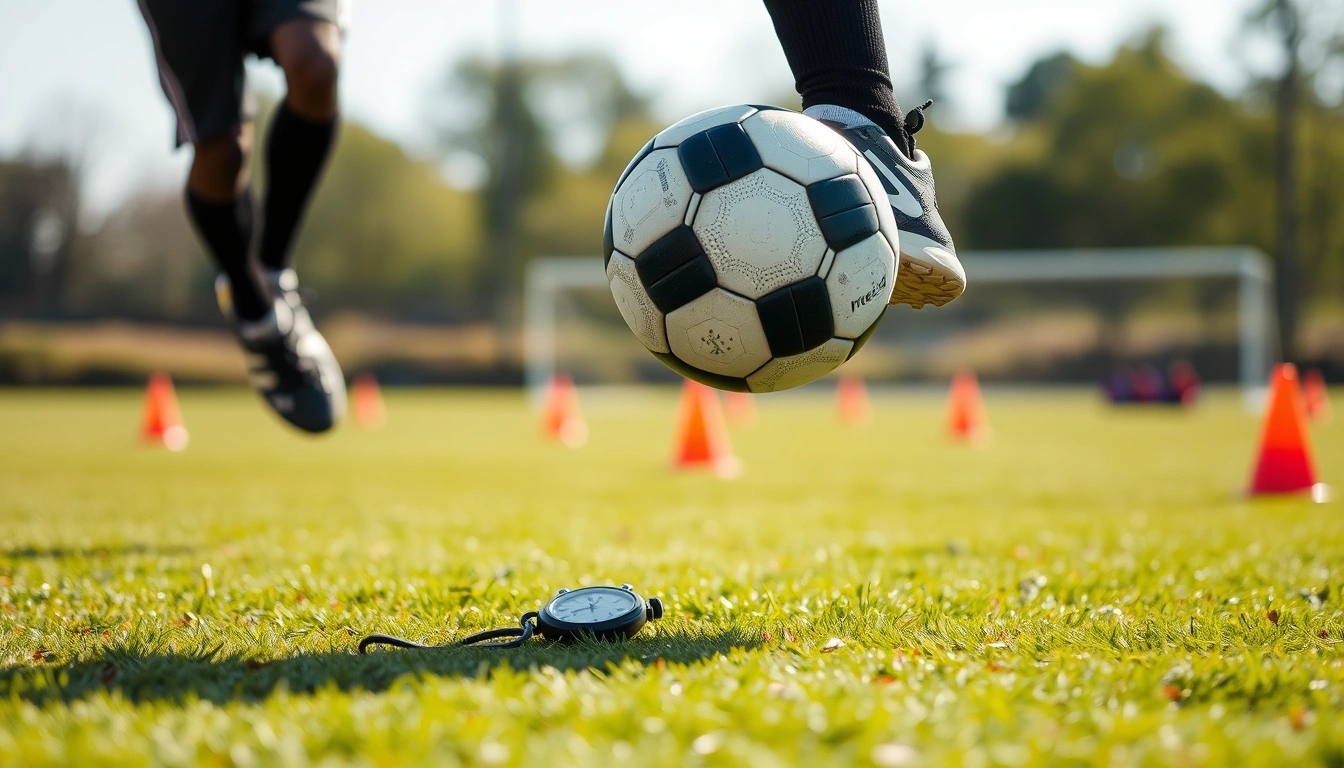
Common Mistakes to Avoid When Juggling
Let’s be honest — ball juggling looks cool, but it’s a slippery slope for beginners. You try, you fail, you swear, and sometimes you just want to chuck the ball across the field. But hey, we all mess up! The trick is knowing which mistakes are just harmless flubs and which ones are the real sneaky progress killers. So buckle up, because we’re diving into the usual suspects that trip up newbies and how to dodge them like a seasoned pro.
- Overthinking Every Touch: You’d think focusing hard would help, but nope. Obsessing over each tap can freeze you up, making your juggling look robotic and stiff. Instead, relax—let your feet do their thing. Trust me, the ball doesn’t care if you’re stressed.
- Starting With the Wrong Foot: Many beginners pick their dominant foot to start juggling, which sounds logical. But here’s the kicker — relying only on one foot limits your control and balance. Practice switching feet early on, even if it feels awkward. It’s like learning to walk all over again but worth it.
- Ignoring Body Posture: Slouching or standing too stiff? Big no-no. Your body is the engine here. Keep a slight bend in your knees, stay light on your toes, and lean forward just a bit. Otherwise, you’re basically juggling with one hand tied behind your back.
Okay, let’s throw a quick table here to sum up these rookie mistakes and their fixes:
| Mistake | Why It’s Bad | How to Fix |
|---|---|---|
| Overthinking Touches | Creates tension, slows reaction | Stay relaxed, focus on rhythm |
| Starting with Dominant Foot Only | Limits skill development | Practice both feet equally |
| Poor Body Posture | Reduces balance and control | Keep knees bent, lean slightly forward |
Now, here’s a mistake that’s *painfully* common: chasing the ball. You know the drill — the ball dribbles away from your foot and suddenly you’re sprinting after it like it owes you money. This just kills your flow and makes juggling feel like a nightmare. Instead, focus on gentle, controlled touches that keep the ball close. It’s tempting to smash the ball upwards, but slow and steady wins the juggling race.
Another sneaky blunder is neglecting your eyes. Some folks stare at the ball like it’s the last slice of pizza, while others look everywhere but the ball. The truth? You want a soft gaze — keep the ball in your peripheral vision so you can anticipate its movement without turning into a statue. This subtle skill takes time but separates the dabblers from the jugglers.
- Giving Up Too Soon: Juggling is frustrating. You’ll drop the ball a million times, and yes, sometimes it feels like you’re getting nowhere. But don’t bail after a few tries. Consistency beats talent here. Even pros started with a mess of dropped balls — it’s part of the journey.
- Skipping Warm-ups: Jumping straight into juggling cold is like expecting your car to zoom off without warming the engine. Stretch those calves, ankles, and hips first. A little prep goes a long way in preventing cramps and awkward misses.
Here’s a quick checklist to keep handy before you start juggling:
✔ Warm-up your legs and ankles✔ Choose a flat, open space✔ Start with soft, controlled taps✔ Use both feet alternately✔ Keep your body relaxed and balanced✔ Maintain a soft gaze on the ball✔ Don’t rush — build rhythm gradually
Look, juggling isn’t rocket science, but it’s definitely a test of patience and persistence. Avoid these common pitfalls, and you’re already miles ahead of the average beginner. Remember, every pro was once a beginner who dropped the ball more times than they can count — so cut yourself some slack and keep kicking!
Training Drills to Improve Your Juggling Skills
Look, there’s no secret sauce or magic pill when it comes to mastering ball juggling. It’s all about consistent practice—yeah, that old chestnut everyone hates but can’t ignore. You might think juggling is just a flashy party trick, but trust me, those little taps and flicks build the foundation for serious ball control. So, if you’re ready to stop embarrassing yourself every time the ball comes your way, buckle up. Here’s the lowdown on some practical drills that’ll keep your juggling game sharp and your motivation from flatlining, even on those lazy, “meh” days.
- Warm-Up Juggling: Start with 30 seconds of simple foot taps, alternating feet. It’s boring but necessary. Focus on soft touches, don’t just whack the ball like you’re trying to kill a spider.
- Thigh Control Drill: Toss the ball up and catch it on your thigh. Repeat 10 times per leg. This drill is a killer for balance and control, and it makes you look less like a clumsy newbie.
- Wall Juggling: Find a wall and juggle the ball against it. The ball rebounds unpredictably, so you gotta stay alert. Try for 50 touches without dropping it. If you fail, well, welcome to reality.
Now, if you’re the kind who hates doing the same thing over and over, mix it up with some variations. For example, try juggling with only your weaker foot or set a timer and see how many juggles you can do before the ball hits the ground. It’s like a game within the game, and trust me, it keeps things spicy.
| Drill Name | Purpose | Duration/Reps | Difficulty Level |
|---|---|---|---|
| Foot Tap Warm-Up | Soft touch and coordination | 30 seconds | Easy |
| Thigh Control | Balance and control | 10 reps per leg | Medium |
| Wall Juggling | Reaction and timing | 50 touches | Hard |
One thing you gotta watch out for: don’t get too obsessed with perfection. Dropping the ball? Happens to the best of us. The trick is to keep your head up, laugh it off, and try again. Remember, juggling is as much mental as physical. If you’re feeling lazy or unmotivated, set small goals—like 10 juggles in a row—and reward yourself when you hit them. Maybe a snack, maybe a quick break scrolling through memes. Hey, whatever works.
Tips for Lazy Days:- Keep sessions short (5-10 mins)- Focus on quality, not quantity- Use music to pump yourself up- Challenge yourself with mini-goals
Finally, don’t forget to track your progress. It might sound nerdy, but logging your juggling counts or times can be surprisingly motivating. Seeing those numbers creep up feels like leveling up in a game—and who doesn’t want that? So grab your ball, hit the pitch or your backyard, and start juggling your way to football glory.
Consistency beats talent when talent doesn’t practice.
Solo Drills for Home Practice
Okay, so you’re flying solo, no teammates around, no fancy gear lying about—just you, the ball, and maybe a stubborn wall that’s seen better days. Sounds familiar? Well, here’s the good news: you can still make some serious progress with juggling drills that don’t need a crowd or a coach breathing down your neck. These exercises are all about building muscle memory and balance, which, let’s be honest, are the backbone of any decent footballer’s control game. Plus, juggling solo means no one’s judging your embarrassing flubs (okay, maybe just the cat).
- Wall Touches: Stand about 2-3 feet from a wall and gently tap the ball against it using your foot. Try to keep a rhythm—think of it like a metronome for your feet. This drill is fantastic for honing your timing and touch. Don’t rush; it’s not a race. The goal? Consistency over speed.
- Foot Taps: Simply tap the ball up and down using the top of your foot. Start slow, then gradually increase speed as you get more comfortable. Try alternating feet to avoid becoming a one-foot wonder.
- Thigh Juggles: Toss the ball slightly up and catch it with your thigh, then repeat. It’s a bit trickier but brilliant for improving control when the ball’s airborne.
Here’s a quick table to track your progress over a week. Trust me, seeing numbers improve is way more satisfying than just guessing how good you’re getting:
| Day | Wall Touches (count) | Foot Taps (per foot) | Thigh Juggles (count) |
|---|---|---|---|
| Monday | 50 | 30 / 25 | 10 |
| Tuesday | 60 | 35 / 30 | 12 |
| Wednesday | 70 | 40 / 35 | 15 |
| Thursday | 75 | 45 / 40 | 18 |
| Friday | 80 | 50 / 45 | 20 |
Now, don’t get cocky just because you can juggle ten times in a row. The real magic is in the repetition. Those tiny adjustments you make each time you miss? That’s your brain rewiring itself. And yes, it’s frustrating when the ball keeps bouncing off your shin like it’s got a mind of its own. But stick with it.
Here’s a little secret: juggling is as much about balance as it is about touch. Try standing on one leg while juggling with the other foot. Sounds nuts? Maybe. But it’s a game-changer for your stability and body control.
- Balance Drill: Stand on your left leg, juggle with your right foot for 10 touches, then switch. If you wobble, no shame—just laugh it off and try again.
- Slow-Mo Juggling: Deliberately slow down your touches. This forces you to focus on every movement, making your control sharper when you speed back up.
And hey, if you ever feel like chucking the ball out the window because it won’t cooperate, remember: even the pros started somewhere. The difference? They kept at it, imperfections and all. So, grab that ball, find your space, and let the juggling chaos begin. Your feet—and future teammates—will thank you.
Partner Drills to Boost Coordination
So, you’ve been juggling solo for a while, and now you’re itching to spice things up? Well, grab a mate and dive into some partner juggling drills that’ll not only crank up the fun factor but also sharpen your timing and spatial awareness — two things that often get overlooked when you’re just kicking the ball around by yourself.
First off, why bother with a partner anyway? Sure, juggling alone builds your control and confidence, but working with someone else introduces unpredictability. You’re no longer just reacting to your own touches but syncing with another person’s rhythm. That’s where the magic happens. Plus, it’s way more fun to have someone to laugh with when the ball inevitably bounces off your head.
- Basic Pass-and-Juggle Drill: Stand about 5-7 feet apart. One player gently tosses the ball to the other, who tries to juggle it three times before passing it back. Repeat and try to increase the number of juggles. Sounds simple, right? But trust me, keeping that flow going is trickier than it looks.
- Alternating Foot Juggling: This one’s a bit more advanced. Toss the ball back and forth, but each time you receive it, you have to juggle with the opposite foot from the last time. It forces you to use both feet evenly, which is a lifesaver during actual matches.
- Circle Juggling: If you’ve got a small group, form a circle and keep the ball moving with juggling passes. This drill is fantastic for improving quick decision-making and spatial awareness because you’ve got to be alert to who’s next in line.
| Drill Name | Main Focus | Difficulty Level | Equipment Needed |
|---|---|---|---|
| Basic Pass-and-Juggle | Timing, control | Beginner | 1 ball, 2 players |
| Alternating Foot Juggling | Foot dexterity, ambidexterity | Intermediate | 1 ball, 2 players |
| Circle Juggling | Spatial awareness, teamwork | Advanced | 1 ball, 3+ players |
Now, don’t expect to nail these drills on your first try. You’ll probably be chasing the ball more than juggling it at first — but hey, that’s part of the charm. The key is to keep the communication flowing with your partner. Call out when you’re ready, when you want the ball softer or harder, or when you just want to mess around and see what happens. This back-and-forth chatter helps build that unspoken connection which is gold on the pitch.
One practical tip? Try mixing in some challenges like “no hands” (yes, you can’t catch or stop the ball with your hands) or “speed rounds” where you try to keep the ball moving as fast as possible without dropping it. These little twists keep things fresh and push your skills to the next level.
Pro Tip:- Always warm up with some solo juggling before starting partner drills.- Keep sessions short but frequent — 10-15 minutes daily beats a 2-hour crash course.- Record your sessions sometimes; watching yourself can reveal habits you didn’t notice.
In sum, partner juggling drills aren’t just about showing off fancy footwork — they’re about building real football sense. The timing, the anticipation, the spatial judgment — all these skills translate directly to better ball control during matches. So, find a buddy, hit the yard or park, and turn those juggling sessions into a fun, competitive game where both of you come out better players.
Remember: It’s not about perfection; it’s about progress, laughs, and maybe, just maybe, a few epic fails that you’ll laugh about later. Now, go on, get juggling — and don’t blame us when you suddenly start dominating the pitch like a pro!
Tracking Your Progress: Using Metrics and Logs
Alright, let’s be honest — juggling the ball might feel like a circus act at first, but keeping an eye on how you’re improving? That’s where the magic really kicks in. It’s easy to get lost in the moment, tossing the ball up again and again, but without some sort of record, how do you really know if you’re getting better or just spinning your wheels? That’s why tracking your juggling stats isn’t just some nerdy thing coaches do — it’s a game changer for anyone serious about leveling up.
First off, don’t overcomplicate it. You don’t need a fancy app or some high-tech gadget. A simple table or a logbook is your best friend here. Jot down your daily juggling attempts, the highest number of touches you hit without dropping the ball, and even how you felt during the session (because hey, mood affects performance more than you think). Here’s a quick example of what your juggling log might look like:
| Date | Max Juggles | Session Duration (mins) | Notes |
|---|---|---|---|
| April 1 | 15 | 20 | Felt clumsy, dropped ball a lot |
| April 3 | 27 | 25 | Better control, more confident |
| April 5 | 35 | 30 | Good rhythm, slight fatigue |
See? Nothing fancy, but it’s incredibly motivating to see those numbers climb. You might surprise yourself — what felt like a frustrating session can actually be a stepping stone to smashing your previous record. Plus, this kind of honest self-assessment keeps you accountable. No more telling yourself “I’m getting better” without any proof. The numbers don’t lie.
Now, if you’re feeling a bit more tech-savvy (or just like to show off), you can spice things up with charts or graphs. Visualizing progress over weeks or months can really light a fire under your feet. Nothing like a line graph shooting upwards to make you wanna practice just a little longer.
- Tip 1: Record your best juggling streak each session.
- Tip 2: Note conditions — was it windy? Were you tired? These little details matter.
- Tip 3: Set weekly goals and reward yourself when you hit them (ice cream, anyone?).
Remember, progress isn’t always a straight line. Some days you’ll feel like a juggling wizard, other days… well, the ball might just have a personal vendetta against you. That’s okay! The logs help you spot patterns — maybe you juggle better in the morning or after a good meal.
So, next time you’re out there kicking the ball up, bring along your trusty notebook or open that spreadsheet. Keep track, stay honest, and watch as those juggling numbers climb higher — and higher. Because in football, just like in life, what you measure gets done.
Happy juggling!
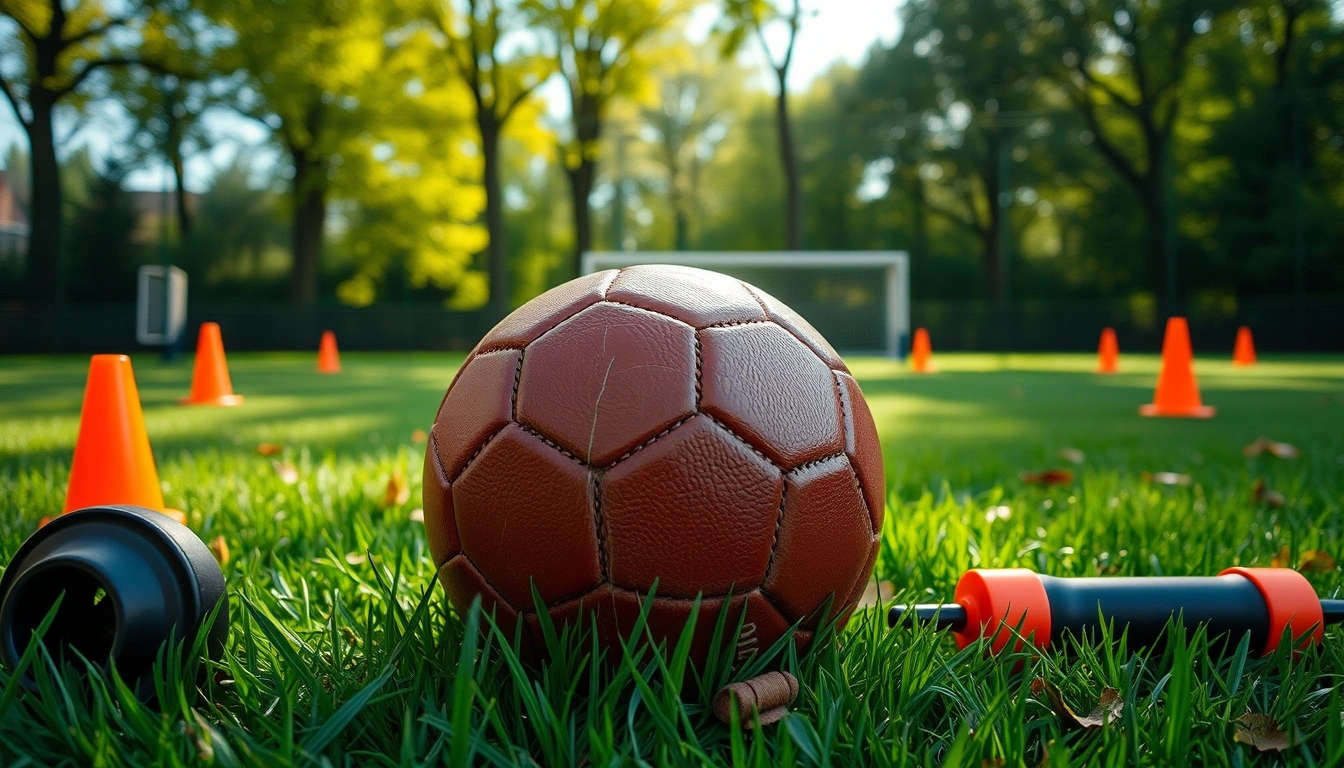
Equipment and Environment: What You Need to Succeed
Alright, let’s cut to the chase: if you think any old ball and any random patch of grass will do for juggling practice, well, you’re in for a surprise. Not all balls are created equal, and the same goes for where you decide to hone your skills. It might sound obvious, but the right equipment and environment can seriously make or break your juggling game — and that’s not just coach talk.
First off, the ball itself. You’d think a ball is a ball, right? Nope. Footballs come in different sizes, weights, and materials, and these differences can mess with your touch. For beginners, a slightly lighter ball with a softer surface can be a blessing. It’s easier to control, less punishing when you miss, and helps you get a feel for the ball without feeling like you’re trying to juggle a brick. On the flip side, heavier, slick balls can be brutal, especially if you’re just starting out. So, if you’re juggling with a brand-new, shiny, heavy ball, don’t be shocked if your feet feel like they’re doing their own thing.
| Ball Type | Pros | Cons |
|---|---|---|
| Lightweight Training Ball | Easier control, softer touch | Less realistic for match conditions |
| Standard Match Ball | Realistic feel, prepares for games | Harder to control, heavier |
| Old or Worn Ball | Affordable, good for rough practice | Unpredictable bounce, less consistent |
Now, onto the environment — your practice spot. A smooth, flat surface is your best friend when juggling. Uneven ground or rough surfaces can send the ball bouncing off in directions you didn’t bargain for, which is just frustrating and slows your progress. Grass fields are great if they’re well-maintained, but patches of dirt or gravel? Forget it. Those spots are juggling nightmares. Concrete or asphalt can work if you’re careful, but watch out for bruised shins when the ball inevitably hits your leg at the wrong angle.
- Indoor gyms: Perfect for controlled environments, no weather worries.
- Flat backyard lawns: Good if the grass is short and even.
- Public parks: Can be hit or miss, depending on maintenance.
- Driveways and pavements: Hard surfaces help with bounce but beware of injuries.
Also, lighting and weather conditions matter more than you’d think. Trying to juggle under glaring sunlight or in heavy wind? That’s just setting yourself up for frustration. And rain? Unless you’re some sort of juggling superhero, wet balls are slippery nightmares. So pick your time and place wisely.
Quick Tip: If you’re serious about improving, invest in a decent ball and pick a spot where you won’t be constantly chasing the ball or tripping over bumps. It might sound like common sense, but you’d be surprised how many beginners overlook this and blame themselves for slow progress. Spoiler: sometimes it’s just bad gear or a dodgy practice spot.
To wrap it up, juggling isn’t just about foot skills — it’s about setting yourself up with the right tools and environment to succeed. Get this right, and suddenly those frustrating moments turn into small wins, which, trust me, keep you coming back for more. And isn’t that what it’s all about?
From Juggling to Game Day: Applying Skills on the Pitch
Alright, let’s get one thing straight: juggling a football isn’t just some fancy circus act to show off at parties or annoy your mates. Sure, it looks cool when you’re flicking the ball up and down like a pro, but beneath all that flair is a seriously useful skill that can boost your game in ways you might not expect.
First off, juggling is like the ultimate ball control bootcamp. When you practice juggling, you’re training your feet to get super comfortable with the ball, no matter what part of the foot you use. It’s all about building that soft touch and quick reflexes. You start to develop a feel for the ball’s weight and bounce — stuff that translates directly into better dribbling, trapping, and passing during matches.
| Benefit | How It Helps on the Pitch |
|---|---|
| Improved Touch | Allows you to control fast passes and tricky bounces with ease. |
| Enhanced Coordination | Better timing and footwork during dribbling and shooting. |
| Increased Confidence | Less hesitation when receiving the ball under pressure. |
But here’s the kicker — juggling alone won’t magically turn you into Messi overnight. You gotta learn to translate those juggling skills into real-game situations. That means practicing how to control the ball when it’s coming at you fast, or when you’re on the move, or under pressure from a defender breathing down your neck.
- Practice receiving passes: Use juggling drills that involve stopping or controlling the ball with different parts of your foot or thigh.
- Simulate game pressure: Try juggling while moving or after a sprint to mimic the fatigue and chaos of a match.
- Mix it up: Don’t just stick to foot juggling — use your thighs, chest, and even head to keep the ball up and improve overall control.
Here’s a little secret — the more you juggle, the more intuitive your ball control becomes. You start to anticipate how the ball will react, which means you’re quicker to make decisions on the pitch. It’s like your brain and feet develop a secret handshake.
Still skeptical? Think about this: pros spend hours juggling because it’s the foundation for all those slick moves and killer passes you admire. So next time you’re out training, don’t just chuck the ball around aimlessly. Focus on juggling with purpose, and watch how it slowly but surely adds that extra edge to your game day performance.
Tips for Applying Juggling Skills in Matches:- Stay relaxed and keep your eyes on the ball- Use light touches to control and redirect the ball quickly- Practice juggling with both feet to stay unpredictable- Combine juggling drills with dribbling and passing exercises
In short, juggling isn’t just a party trick — it’s your secret weapon for mastering ball control and stepping up your game. So, get out there, juggle like mad, and then take that newfound confidence straight to the pitch. Your teammates (and your scoreboard) will thank you.
Frequently Asked Questions (The title must be written in English.)
- Why is ball juggling so important for beginner footballers?
Great question! Ball juggling might seem like a flashy skill, but it’s actually a secret weapon for improving your touch, coordination, and overall control. Think of it as the foundation that makes everything else on the pitch easier and more natural. When you master juggling, you’re training your brain and feet to work in perfect harmony, giving you that extra edge during matches.
- How do I start juggling without losing the ball every few seconds?
Starting out can be frustrating, but don’t sweat it! Focus on the basics: stand with your feet shoulder-width apart, keep your eyes on the ball, and use gentle taps with the top of your foot. Imagine you’re coaxing the ball to stay close rather than kicking it away. Patience and consistent practice are your best friends here.
- What are the most common mistakes beginners make when juggling?
Oh, there are a few classic blunders! One biggie is trying to kick the ball too hard, which sends it flying off. Another is poor posture—leaning too far forward or back can throw off your balance. Also, don’t forget to keep your eyes on the ball. Fixing these little slip-ups can make a huge difference quickly.
- Can I practice juggling at home without fancy equipment?
Absolutely! You don’t need a stadium or expensive gear to get better. Solo drills like tapping the ball repeatedly or juggling against a wall can build muscle memory and confidence. Even a small patch of grass or a smooth floor works wonders for your practice sessions.
- How do partner drills help improve juggling skills?
Partner drills are like a fun game that boosts your timing and spatial awareness. When you juggle with a friend, you learn to anticipate the ball’s movement and adjust quickly. It’s also a great way to stay motivated and add some friendly competition to your training.
- What equipment should I use for juggling practice?
Not all balls are created equal! A standard size 4 or 5 football with good grip is ideal for juggling. Avoid balls that are too heavy or too light because they can mess with your touch. Also, choose a flat, safe practice area to avoid unexpected bounces or injuries.
- How can I track my juggling progress effectively?
Tracking your progress can be surprisingly motivating. Use simple logs or tables to record how many juggles you can do without dropping the ball. Watching your numbers climb day by day is like watching your own personal highlight reel unfold!
- How does juggling translate to better performance on game day?
Juggling isn’t just for show—it sharpens your ball control, focus, and confidence under pressure. When you’ve spent time mastering juggling, you’ll find it easier to keep the ball close during tight situations, making you more unpredictable and effective on the pitch.