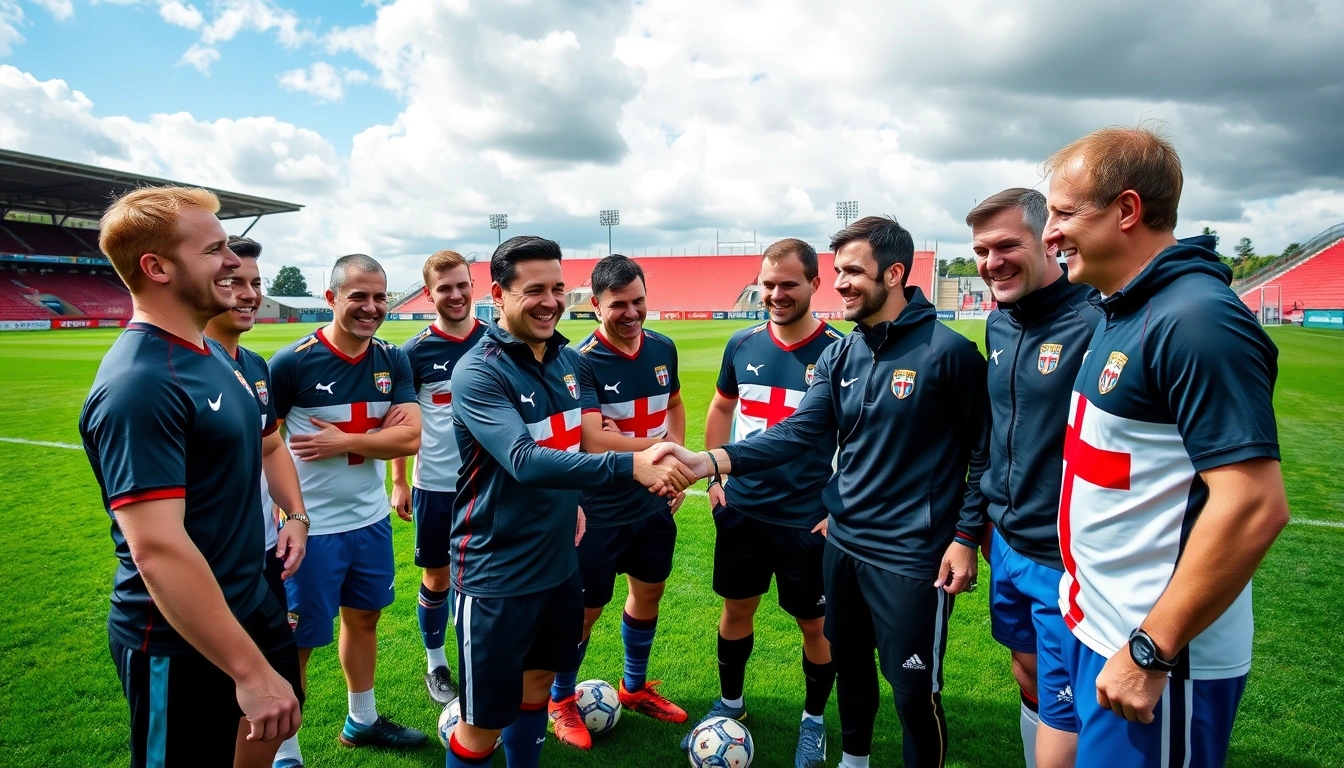
Jumping into the lively scene of UK sports is more than just about scoring goals or smashing sixes; it’s a cracking way to meet new folks, make mates, and weave yourself into the community fabric. Honestly, there’s something about the shared sweat, the cheers, and even the groans that breaks down walls faster than your average icebreaker at a party. Whether you’re a seasoned player or just fancy giving something new a whirl, sports open doors to friendships that go way beyond the pitch or court.
Now, why are sports such a brilliant social glue? Well, imagine this: you’re out there, kicking a ball around or chasing a rugby ball, and suddenly you’re part of a team, a gang with a common goal. No awkward small talk needed — the game does the chatting for you. You bond over wins, losses, and the occasional hilarious mishap (we’ve all been there, tripping over our own feet at some point). It’s like instant camaraderie, minus the forced chit-chat.
| Popular Team Sports | Why They’re Social Magnets |
|---|---|
| Football | Everyone loves a good kickabout; banter and teamwork are part of the package. |
| Rugby | Tough on the field, friendly off it; post-match pints are legendary. |
| Cricket | Long games, lots of breaks – perfect for nattering and getting to know your mates. |
| Netball | Fast-paced and fun, great for mixing with new people in a lively setting. |
But hey, if team sports aren’t your cup of tea, no worries. Solo sports like running, cycling, or tennis might sound like a one-person show, but they’re surprisingly social. Join a running club or a cycling group, and you’ll find yourself part of a buzzing community before you know it. It’s less about competition and more about shared passion—and maybe swapping stories about that one time you almost faceplanted during a sprint.
- Running clubs: Regular meetups, friendly faces, and post-run coffee.
- Cycling groups: Scenic rides and plenty of chances to chat on the way.
- Tennis meetups: Casual games with folks who love a laugh as much as a good rally.
Joining a local sports club is like stepping into a ready-made social hub. You get regular meetups, familiar faces, and a sense of belonging that’s hard to beat. Plus, many university and college sports clubs welcome community members too, so don’t assume it’s just for students. It’s a fantastic way to dip your toes in the social pool without feeling out of place.
And let’s not forget the digital age—apps like Meetup or Strava make finding sports buddies and local events a breeze. You can swipe right on a cycling group or RSVP to a casual football game without leaving your sofa (though, maybe get off it eventually).
| Digital Tools for Sports Socializing | What They Offer |
|---|---|
| Meetup | Find local sports groups and events tailored to your interests. |
| Strava | Track your runs or rides and connect with others doing the same. |
| Facebook Groups | Join community pages for sports meetups and casual games. |
Volunteering at sports events is another sneaky way to meet people—plus, you get the warm fuzzies from giving back. Whether it’s helping out at a local tournament or managing refreshments, you’re in the thick of the action and making mates without even trying.
If you’re new to all this, it’s normal to feel a bit like a fish out of water. But trust me, everyone was new once, and most folks are more welcoming than you’d think. The trick is to show up, have a laugh, and maybe not take yourself too seriously when you inevitably mess up a pass or two.
Finally, remember that sports aren’t just about the game. Post-match socials, pub nights, and team dinners are where the real friendships often blossom. So, gear up, get out there, and let the games—and the friendships—begin!
Why sports are the ultimate social icebreaker
Let’s face it, meeting new people can be a bit of a minefield. The usual small talk? Yawn. But sports? Now, that’s a whole different ball game. Sports have this magical way of cutting through the awkwardness and getting people to connect without even realizing it. It’s almost like the game itself does the talking, leaving you to just enjoy the moment and maybe crack a smile or two. Why is that? Well, sports are inherently social — they demand teamwork, communication, and a shared goal. Whether you’re passing the ball, cheering from the sidelines, or even just waiting your turn, you’re part of a collective experience. That shared experience becomes the perfect conversation starter, no cheesy icebreaker lines needed.
Think about it: when you’re on a football pitch or in a running club, you don’t have to introduce yourself with “So, what do you do?” Instead, you bond over the game — “Did you see that pass?” or “Man, that run was brutal today!” Suddenly, you’re not strangers fumbling for words; you’re teammates, competitors, or fellow enthusiasts. It’s a natural way to build rapport because the focus isn’t on you as an individual but on the shared activity. And, let’s be honest, talking about sports is way more fun than discussing the weather or your latest Netflix binge.
| How Sports Help Break the Ice | Examples |
|---|---|
| Shared Goals – Working together towards a win or personal best | Football teams strategizing, relay runners encouraging each other |
| Physical Activity – Endorphins boost mood and reduce social anxiety | Post-game smiles, high-fives, and relaxed chats |
| Common Language – Sports jargon creates instant connection | “Nice try!”, “Pass it here!”, “Good hustle!” |
| Friendly Competition – Encourages playful banter and bonding | Joking about missed shots or epic saves |
Of course, it’s not all sunshine and rainbows. Sometimes, you might feel like the odd one out, especially if you’re new to a sport or the group. But here’s the kicker: sports communities tend to be pretty welcoming. Most folks remember what it was like starting out and are usually happy to help newbies find their feet. Plus, since the focus is on the game, you’re less likely to feel judged on your social skills or small talk prowess.
- Tip 1: Show up regularly. Familiarity breeds friendship.
- Tip 2: Don’t be afraid to ask questions about the game or rules.
- Tip 3: Join in post-game socials, even if just for a quick drink or snack.
And here’s a little secret: sometimes, the best conversations happen off the pitch or track — during those moments when everyone’s catching their breath or sharing a laugh over a clumsy tackle. Sports create these natural pauses where people can relax and open up. So next time you’re thinking about how to meet new folks without the usual “So, where are you from?” snooze fest, remember that sports might just be your golden ticket.
In short, sports don’t just build muscles; they build bridges. They turn strangers into teammates and teammates into friends. So lace up those trainers, grab a ball, or just show up and watch — because the social perks of sports? Absolutely priceless.
Popular team sports for socializing in the UK
If you’re looking to dive into the bustling social scene of the UK, nothing quite beats the camaraderie found in team sports. Football, rugby, cricket, and netball aren’t just games here—they’re full-blown social institutions where banter flows as freely as the tea at halftime. Let’s break down why these sports are absolute goldmines for meeting new people, sharing laughs, and maybe even forming lifelong friendships.
Football – The nation’s obsession. Whether you’re kicking a ball around in a muddy park or cheering from the stands, football is the social glue that binds communities. The beauty here? You don’t need to be a pro. Local amateur leagues and Sunday matches are packed with folks just as keen to chat as they are to score. Expect plenty of cheeky one-liners, spontaneous chants, and the occasional light-hearted rivalry. It’s the perfect icebreaker—nothing like bonding over a dodgy pass or a spectacular goal to get conversations rolling.
| Sport | Social Vibe | Typical Setting | Why It Works for Socializing |
|---|---|---|---|
| Football | Competitive, lively, humorous | Local pitches, pubs, amateur leagues | Easy to join, lots of shared passion, natural banter |
| Rugby | Intense but friendly, team-focused | Clubs, universities, community fields | Strong sense of brotherhood/sisterhood, post-match socials |
| Cricket | Relaxed, strategic, tradition-rich | Village greens, county clubs | Great for long chats, tea breaks, and getting to know people slowly |
| Netball | Fast-paced, social, inclusive | Indoor courts, community centres | Welcoming for all ages, team spirit, lots of laughs |
Then there’s rugby, which might intimidate the uninitiated with its rough-and-tumble reputation, but trust me, it’s one of the friendliest sports you’ll find. The physicality is real, sure, but so is the sense of belonging. Clubs often have legendary post-match socials where the stories get taller and the laughs louder. If you’re up for a bit of grit and a lot of goodwill, rugby’s your ticket to an instant social circle.
Now, cricket might seem a bit old-school or even snoozy to some, but don’t be fooled. It’s a game of patience and precision, and the slow pace means you’ve got plenty of time to chat between overs. Village greens across the UK become buzzing hubs on sunny weekends, where the game is as much about community as it is about runs and wickets. Plus, the tradition of tea breaks? Perfect excuse to bond over a cuppa and some biscuits.
Finally, netball is often the unsung hero of team sports, especially popular among women but open to everyone. It’s fast, fun, and a fantastic way to meet people without the pressure of high-impact contact sports. Community leagues and casual games are buzzing with energy and laughter, making it super easy to jump in and feel part of the gang.
- Pro tip: Don’t worry about skill level. Most clubs are more interested in your enthusiasm than your prowess.
- Join a mixed team if you want to widen your social circle quickly.
- Attend socials and post-game events—they’re where the real friendships often start.
In short, these sports aren’t just about winning or losing—they’re about sharing moments, swapping stories, and creating memories. So lace up those boots or grab a ball, and get ready to meet a whole new tribe of mates who share your love for a good game and a good laugh.

Solo sports that still connect you with others
You might think solo sports are all about going it alone—just you, your gear, and maybe a stubborn streak of competitiveness. But hold your horses! In the UK, plenty of so-called “solo” sports are secretly social butterflies, drawing folks together like bees to a honey pot. Running clubs, cycling groups, and tennis meetups might sound like individual pursuits, but they’re actually buzzing hubs of chatter, encouragement, and the occasional post-activity pint. It’s like having your cake and eating it too—getting your personal fitness fix while making new mates.
- Running clubs: These are everywhere, from city parks to countryside trails. You don’t have to be Usain Bolt to join—most clubs welcome all paces. The beauty? Everyone’s sharing the same struggle of huffing and puffing, which makes for instant camaraderie. Plus, many clubs organise socials, charity runs, and even fancy dress jogs, so the fun doesn’t stop at the finish line.
- Cycling groups: Fancy yourself as the next Bradley Wiggins? Or just looking for a gentle Sunday spin? Cycling groups cater to all levels, and the group rides are more about the chat and the scenery than smashing records. It’s a great way to explore hidden gems of the UK countryside with a bunch of friendly folks.
- Tennis meetups: Tennis might seem a bit posh or intimidating, but local meetups are surprisingly welcoming. You get to practice your backhand and volley while swapping stories and tips with fellow players. Plus, it’s easier to bond over a shared double fault than you’d think!
| Benefit | Why It Matters |
|---|---|
| Flexible Participation | You can join a session when it suits you, no strict team schedules. |
| Builds Confidence | Less pressure than team sports; easier to ease into social circles. |
| Varied Social Scenes | From casual chats during warm-ups to organised socials after the activity. |
Of course, not every solo sport is a social goldmine. Some folks prefer the zen of solitary swimming or the quiet focus of golf. But for those craving a bit of human connection without the full-on team drama, these activities hit the sweet spot. You get the best of both worlds: the freedom of solo training and the buzz of group energy.
And let’s be honest, sometimes it’s just easier to start chatting when you’re both trying not to trip over your shoelaces or catch your breath. Shared struggles make for great icebreakers, even if your running pace is more turtle than hare. Plus, the UK’s weather might be unpredictable, but the warmth of a friendly running club or cycling crew? That’s pretty reliable.
So next time you think “I want to meet people but hate team sports,” give these solo-but-social options a whirl. Who knows? You might end up with a new running buddy, a cycling gang, or a tennis partner who’s just as rubbish at serves as you are. And that, my friend, is the start of something brilliant.
Local sports clubs: your new social hub
Jumping into a local sports club might just be the best move you never thought you’d make. Seriously, it’s like stepping into a world where everyone’s already got your back—even if you’re the newbie fumbling to remember the rules. These clubs aren’t just about the game; they’re buzzing mini-communities, packed with friendly faces and weekly meetups that make your social calendar suddenly look way more interesting.
Picture this: you turn up for your first training session, a bit nervous, clutching your gear like it’s a lifeline. But within minutes, someone’s cracking jokes, another’s sharing tips, and before you know it, you’re part of the banter. No awkward icebreakers needed—sports do that magic naturally. When you’re chasing the same ball or sprinting for the same goal, conversations flow easier than at a dull office party.
| Benefits of Joining a Local Sports Club | Why It Matters |
|---|---|
| Instant Community | Regular sessions mean you see the same people often, building familiar bonds fast. |
| Structured Socializing | Planned games and events give you a reason to meet up—no awkward scheduling. |
| Support Network | Beyond sports, members often help out with life stuff too—think job tips or weekend plans. |
And here’s the kicker: local clubs often host more than just matches. Think socials, bar nights, charity fundraisers, or even casual Sunday brunches after a game. It’s like a secret pass to the town’s social scene disguised as a sports membership. You might start out just wanting to get fit or improve your skills, but you’ll quickly find yourself with a calendar full of invites and a group chat buzzing with memes and weekend plans.
- Try before you buy: Many clubs offer trial sessions or guest passes. Don’t be shy—jump in and see if the vibe fits.
- Variety is key: From football and netball to ultimate frisbee and badminton, there’s a club for every interest and skill level.
- Don’t sweat the skill gap: Most clubs welcome all abilities. They’re more interested in your enthusiasm than your stats.
Of course, it’s not all sunshine and rainbows. Walking into a tight-knit group can feel like crashing a party you weren’t invited to. You might worry about being the “awkward newbie” or worry that you won’t keep up with the fitness freaks. But here’s a little secret: everyone’s been the new person at some point. The key is showing up consistently and being open to the friendly chaos that comes with team sports.
Pro tip:- Show up early and chat to folks warming up.- Volunteer for small tasks like bringing water or organizing gear.- Celebrate others’ wins, even if you’re still finding your footing.
By plugging into a local sports club, you’re not just signing up for exercise—you’re joining a tribe. Whether it’s the shared groans after a tough match or the collective cheers when someone scores, these moments forge connections that go way beyond the pitch. So, lace up those trainers, take a deep breath, and dive into your new social hub. You might just find that the game is the least of what you gain.
University and college sports: not just for students
Now, here’s a little secret that many folks outside the academic bubble don’t quite get — university sports aren’t locked behind student ID cards. Yeah, you read that right. While it’s true that campuses buzz with student athletes, the reality is way more inclusive. Many universities and colleges in the UK open their sports clubs and facilities to the local community. So, if you’re thinking, “Nah, that’s just for students,” it’s time to rethink that assumption.
Imagine this: a local rugby club hosted by a university, where students and community members clash on the pitch, sharing laughs, bruises, and post-game pints. Or a netball team where a retired teacher from the neighborhood joins forces with fresh-faced first-years. This blending of ages and backgrounds creates an atmosphere that’s less about exclusivity and more about camaraderie.
- Community-friendly clubs: Many university sports clubs actively encourage locals to join, offering memberships or pay-as-you-go options.
- Flexible schedules: Evening and weekend sessions mean it’s not just the 9-to-5 students who get to play.
- Wide range of sports: From football and cricket to ultimate frisbee and rowing – there’s something for everyone.
Now, you might wonder, “But won’t I feel out of place among all those young, sporty students?” Honestly, that’s a common worry. But here’s the kicker: sports have this magic way of leveling the playing field. Shared goals, team spirit, and the occasional friendly banter quickly dissolve any awkwardness. Plus, many clubs have mixed-age teams or social squads that focus more on fun than fierce competition.
| Benefit | Why It Matters |
|---|---|
| Access to quality facilities | University gyms and pitches are often better equipped than local community centers. |
| Meeting diverse people | Mixing with students, staff, and locals broadens your social circle. |
| Affordable membership | Community rates are usually lower than private clubs, making it budget-friendly. |
If you’re itching to jump in, here’s a quick tip: check your local university’s sports website or social media pages. They usually list clubs open to the public and how to join. Don’t be shy—drop them a message or turn up to a trial session. Remember, everyone was a newbie once, and most clubs thrive on welcoming fresh faces.
In short, university and college sports clubs are hidden gems for anyone looking to meet new people through sport without the student-only label. So, whether you’re a weekend warrior or just fancy trying something new, these clubs could be your ticket to new friendships and a healthier lifestyle.
Bottom line: Don’t let the “university” tag fool you — these sports clubs are often community hubs in disguise, waiting to welcome you with open arms (and maybe a sweaty handshake or two). So, lace up, show up, and get ready to meet some new mates. Who knows? Your next best friend might just be waiting on the sidelines.
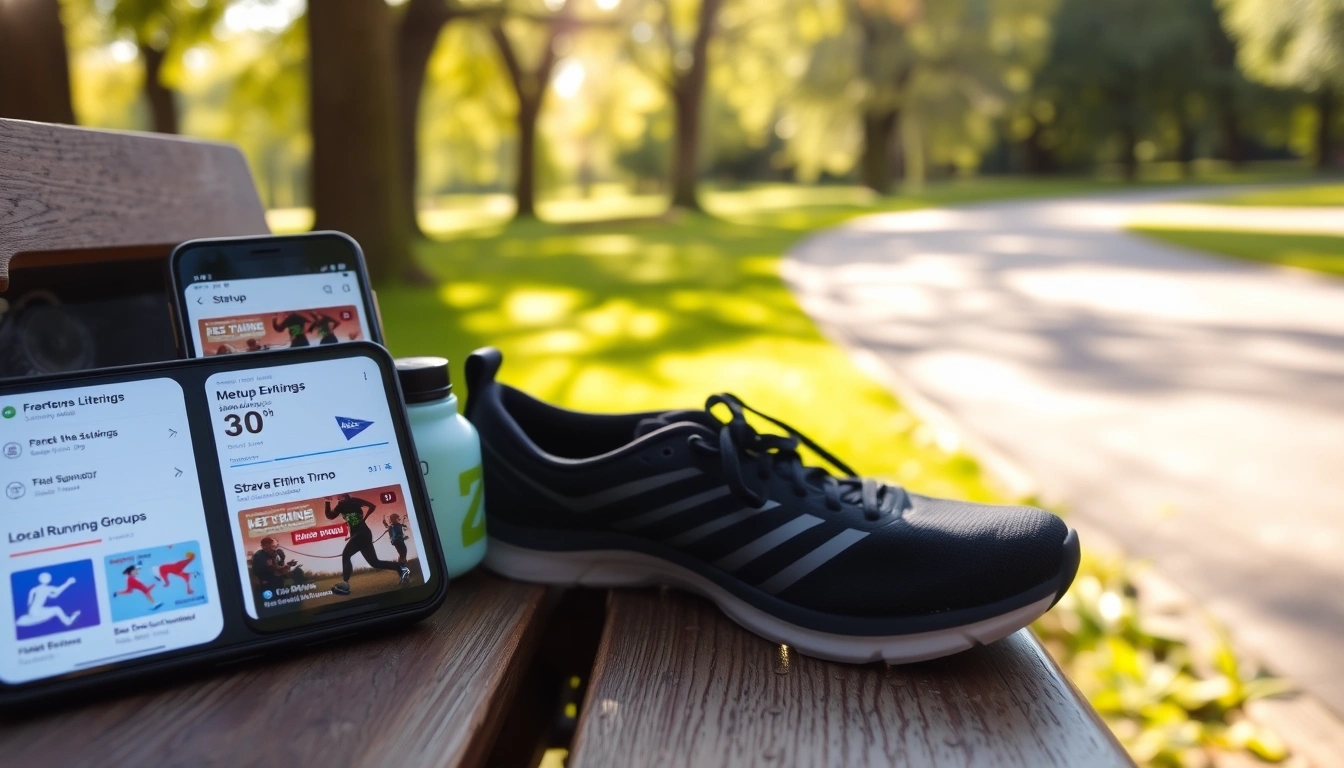
Sports apps and online platforms for UK players
In this digital age, finding sports buddies or local events in the UK has never been easier—or more confusing, if you don’t know where to look. Gone are the days when you had to rely on word of mouth or awkward flyers pinned to noticeboards. Now, with just a few taps on your phone, the world of sports socializing opens up like a freshly painted football pitch on a sunny Saturday.
Let’s start with Meetup, a classic for anyone looking to join a group without the usual awkward intros. Whether you’re into casual runs, cycling, or something a bit niche like ultimate frisbee, Meetup has a group for you. The best part? You can scope out the event details, check who’s going, and even message the organiser before you show up, which is a godsend if you’re the shy type. It’s like having a social icebreaker built right into the app.
| App/Platform | Primary Use | Unique Feature |
|---|---|---|
| Meetup | Organising and finding local sports groups | Easy messaging and event RSVP |
| Strava | Tracking runs, rides, and workouts | Social feed with challenges and clubs |
| TeamUp | Scheduling and managing sports teams | Integrated calendar and communication tools |
| Playfinder | Booking sports facilities | Instant booking and venue reviews |
Then there’s Strava, which is basically the social media for runners and cyclists. It’s not just about logging your miles; it’s about joining clubs, competing in challenges, and cheering on mates. The community vibe is strong here—people post photos, share routes, and comment on each other’s efforts. If you’re the competitive type or just want to find a running buddy who won’t bail on you, Strava’s your go-to.
But what if you’re part of a team? TeamUp</b is a lifesaver for managing schedules, sending reminders, and even sorting out who’s bringing the snacks (crucial, trust me). It cuts down on the endless group chats and confusion about timings, making team sports less of a headache and more fun.
- Playfinder helps you book courts, pitches, or halls nearby. It’s perfect if you want to organise a game but don’t know where to start.
- Sportpartner matches you with local players of similar skill levels—great for tennis or badminton.
- Facebook Groups still hold a lot of community power—search for local sports clubs or casual meetups.
Of course, no app is perfect. Sometimes you’ll RSVP to a group run and end up the only one there (awkward), or you’ll find a meetup that’s way too competitive for your casual vibe. But hey, that’s part of the adventure.
Tips for using sports apps effectively:- Always check recent reviews or comments before joining a group.- Don’t be shy—send a quick message to the organiser if you’re unsure about anything.- Use apps to supplement, not replace, face-to-face interaction.- Mix and match platforms to find what suits your style and sport.
In short, these digital tools are revolutionising how UK players connect, making it easier than ever to lace up your trainers and find your tribe. So, next time you’re itching to get active but don’t know where to start, fire up one of these apps and dive in. You might just find your new best mate or the perfect weekend game waiting for you.
Remember: the first step is the hardest, but with a little help from technology, you’re never really alone on the pitch.
Volunteering at sports events: meet people and give back
Alright, let’s be honest—volunteering at sports events might not be the first thing that pops into your head when you’re itching to meet new folks or get involved in the local scene. But here’s the kicker: it’s actually one of the sneakiest awesome ways to score both social connections and that warm fuzzy feeling you get from lending a hand. Seriously, it’s like a double scoop of goodness with sprinkles on top.
Picture this: you’re at a buzzing football match or a lively tennis tournament, clipboard in hand, maybe directing players or handing out water bottles. You’re not just standing around—you’re in the thick of the action, chatting with other volunteers, players, and even the odd enthusiastic fan. Suddenly, you’re part of a team, a community, and those casual chats? They turn into laughs, high-fives, and sometimes even plans for a pint after the game.
- Why volunteering rocks socially: It’s a built-in icebreaker. Everyone’s there for the same reason—to help out and keep things running smoothly. No awkward small talk needed; you bond over shared tasks and the collective buzz of the event.
- Learn new skills: From timekeeping to event coordination, you pick up handy stuff that looks great on your CV and gives you bragging rights at parties.
- Flexible commitment: Volunteering gigs come in all shapes and sizes—whether it’s a one-off weekend or a regular slot, you can find something that fits your schedule.
| Role | What You Do | Social Perks |
|---|---|---|
| Match Official Assistant | Help with scorekeeping, timing, and player check-ins | Close contact with players and coaches, insider chatter |
| Event Setup Crew | Set up equipment, signage, and seating areas | Teamwork with other volunteers, quick bonding |
| Hospitality Helper | Serve refreshments, manage food stalls | Chatty environment, meet fans and staff |
Now, don’t get me wrong—volunteering isn’t all sunshine and roses. Sometimes you’ll be on your feet for hours, dealing with the chaos of last-minute changes or the odd grumpy spectator. But hey, that’s part of the charm, right? It’s real, unfiltered, and often hilarious. Plus, the sense of accomplishment when you see everything running smoothly? Priceless.
Here’s a quick pro tip: don’t be shy about striking up conversations. Most volunteers are just as keen to make friends as you are. Ask about their favourite sports, swap stories about past events, or even suggest grabbing a coffee after your shift. You’d be surprised how fast these casual chats turn into genuine friendships.
Tips for Volunteering Success:- Show up with a smile (even if it’s early morning)- Be open to learning and trying new roles- Bring snacks and water—you’ll thank me later- Keep your phone handy for quick breaks and social media updates- Remember, everyone started as a newbie once!
In the end, volunteering at sports events isn’t just about helping out—it’s about plugging yourself into a vibrant community, making memories, and yeah, feeling pretty darn good about doing something worthwhile. So next time you see a call for volunteers at your local match or tournament, don’t just scroll past—jump in and see where it takes you. Who knows? You might just score a whole new squad of mates and a story or two worth telling.
Social leagues and casual games: low pressure, high fun
If you’re new to the UK sports scene or just looking to shake off the stress of competitive pressure, social leagues and casual games are your golden ticket. These aren’t your high-stakes, sweat-dripping championships; instead, they’re all about having a laugh, meeting people, and maybe scoring a goal or two without losing your mind over it. Imagine a bunch of people who just want to kick a ball around or toss a frisbee without worrying about trophies or rankings. Sounds refreshing, right? That’s exactly the vibe you get in these laid-back setups.
- Why choose social leagues? Because they’re designed for fun, not for glory. You’ll find folks from all walks of life, skill levels ranging from “I once played in school” to “I just learned yesterday,” and a general atmosphere that screams, “No pressure, just play.”
- Pick-up games are another gem. Often organized spontaneously or through apps, these games let you drop in, join a team, and start playing. No long-term commitment, no fancy gear required—just show up and enjoy.
| Type | Typical Sports | Why It’s Great |
|---|---|---|
| Social leagues | Football, netball, dodgeball, volleyball | Regular schedule, easygoing rules, great for making friends |
| Pick-up games | Basketball, ultimate frisbee, touch rugby | Drop-in play, flexible timings, no pressure to commit |
One of the best bits about these casual setups is how they naturally break down social walls. When you’re trying (and probably failing) to catch a ball or remembering the rules mid-game, it’s hard not to laugh with your teammates. That shared silliness is a brilliant icebreaker. Plus, no one’s expecting you to be a pro, so the fear of messing up fades fast. You’re there to have fun, not to win a medal.
It’s also worth mentioning that these leagues often come with a social side hustle. Think post-game pints at the local pub or casual barbecues where the competitive talk fades into friendly banter. It’s in these moments that friendships really take root. You might show up just to play, but you leave with a bunch of new mates—and maybe even a nickname you didn’t expect.
Tips for diving into social leagues and casual games:
- Don’t sweat your skill level. Everyone’s there to enjoy themselves, not to judge.
- Be open to meeting all sorts of people. From seasoned players to absolute beginners, the diversity is part of the charm.
- Bring a sense of humour. You’ll probably trip over your own feet at some point, and that’s okay.
- Check community boards and apps. Websites like Meetup or local Facebook groups are gold mines for finding casual games near you.
- Stick around after the game. The real magic often happens off the field.
So, if you’ve been hesitating because you think sports are all about intense competition or you’re worried you’ll be the odd one out, give social leagues and pick-up games a shot. They’re the perfect playground for new faces, where the scoreboard takes a backseat to good times and new friendships.
Remember, it’s not about how many goals you score but how many laughs you share. And honestly, that’s the kind of win everyone can celebrate.

Challenges newbies face and how to overcome them
Joining a new sports group can feel like stepping into a whirlwind of unfamiliar faces, jargon, and sweaty handshakes. You’re not alone if you’ve ever felt like a total fish out of water—maybe even a slightly soggy one. It’s totally normal to get the jitters when you’re the newbie in a well-oiled team machine. But hey, everyone was new once, and there are some handy ways to ease into the chaos without wanting to run for the hills.
First up, the anxiety of fitting in. You might worry about being the slowest runner, the worst at catching, or just not knowing the secret handshake (okay, maybe not that last one). The truth? Most sports groups are surprisingly welcoming. They’ve been through the newbie phase too, so don’t hesitate to ask questions or even admit you’re nervous. A simple “Hey, I’m new and probably going to trip over my own feet” can break the ice better than any fancy intro.
| Common Hurdle | Tip to Overcome |
|---|---|
| Feeling out of place | Arrive early to chat with members before practice starts |
| Not knowing the rules | Watch a few games online or ask for a quick rundown |
| Fear of poor performance | Focus on fun and improvement, not perfection |
| Intimidation by clique-like groups | Join social events beyond games to bond |
Another biggie is grappling with the skill gap. It’s easy to feel like everyone else is some kind of sports wizard while you’re still figuring out which end of the racket to hold. Spoiler alert: most people are more focused on their own game than judging yours. Plus, many clubs run beginner sessions or have mentors who love to help rookies get up to speed. Don’t be shy about seeking out these resources — your confidence will get a boost faster than you can say “goal!”
- Tip: Ask if there’s a beginner-friendly subgroup or training session.
- Tip: Practice a bit solo or with a friend before joining the main group.
- Tip: Remember, showing up consistently beats talent every time.
And let’s not forget the social awkwardness that often tags along. Sports are social, sure, but jumping into conversations mid-game or during intense drills can be daunting. The trick? Hang around after sessions for the casual chats or grab a coffee with someone from the team. These moments often turn strangers into mates.
Pro Tip:“Don’t wait for others to approach you. A simple ‘How’s your week been?’ can open doors.”
Lastly, the dreaded time commitment can throw a spanner in the works. Balancing work, family, and a new hobby isn’t always straightforward. Be upfront about your availability and look for groups with flexible attendance. Some leagues even have casual or drop-in games that don’t require a long-term commitment.
In a nutshell, joining a sports group as a newbie is less about nailing every skill and more about embracing the journey — awkward moments, sweaty high fives, and all. Keep your chin up, laugh at the blunders, and remember: every seasoned player was once the new kid wondering where to sit.
Summary Table: Newbie Challenges & Solutions
| Challenge | How to Handle It |
|---|---|
| Feeling Nervous | Be honest, ask questions, arrive early |
| Skill Gaps | Join beginner sessions, practice solo |
| Social Anxiety | Attend socials, start small conversations |
| Time Constraints | Find flexible groups, communicate availability |
So, next time you’re staring down that first practice, remember: it’s okay to feel like a fish out of water. With a bit of patience, humor, and a willingness to jump in, you’ll soon be swimming with the school — or at least not flapping around on the sidelines.
Mixing sports with social events: beyond the game
When you think about sports, what usually pops into your head? The adrenaline, the competition, the sweat? Sure, all that’s part of it, but there’s a whole other layer that often flies under the radar—the social magic happening after the final whistle blows. Post-game socials, pub nights, and team dinners aren’t just afterthoughts; they’re the secret sauce that turns a bunch of strangers into a tight-knit crew. Seriously, these aren’t just excuses to grab a pint (though, let’s be honest, that’s a big perk). They’re where the true social benefits of sports participation really kick in.
Think about it: after a tough match or a friendly scrimmage, everyone’s adrenaline is still buzzing, but now the pressure’s off. The game’s done, so suddenly people are more relaxed, chatty, and open to sharing stories—sometimes embarrassing ones from the game itself. It’s the perfect setting to bond over shared experiences, laugh at the same blunders, and celebrate the wins, big or small.
- Post-game socials create a casual atmosphere where teammates can connect beyond their roles on the field or court.
- Pub nights in the UK are practically a tradition, offering a cozy, familiar spot for players to unwind and get to know each other.
- Team dinners offer a sit-down chance to deepen friendships with good food and even better conversations.
| Social Event | Key Benefit | Typical Setting |
|---|---|---|
| Post-game Socials | Relaxed mingling, shared laughter about the game | Clubhouse, park benches, local cafés |
| Pub Nights | Informal chats, team bonding over drinks | Local pubs, sports bars |
| Team Dinners | Stronger personal connections, celebrating milestones | Restaurants, members’ homes |
Now, don’t get me wrong—sometimes these social events can feel a bit intimidating, especially if you’re new to the group. “Will I fit in? What if I say something dumb?” Yep, been there. But here’s the kicker: everyone’s there because they like the sport and, more importantly, because they want to connect. Even the loudest banter is usually just a way to break the ice. So, showing up and being yourself—even if you’re awkwardly clutching a pint or nervously nibbling on chips—goes a long way.
Practical tip: if you’re shy, try to ask questions about the game or the club. People love talking about their favourite sport, and it’s an easy way to get the convo flowing without feeling like you’re on the spot. Plus, you might discover some hilarious behind-the-scenes stories or future game plans that you wouldn’t hear anywhere else.
In the end, these social gatherings are where the real community forms, far beyond the scores and stats. They’re the moments when teammates become friends, and friends become a support network. So next time you lace up your boots or grab your racket, remember: the game’s only half the fun. The real win? The laughs, the chats, and the connections made when the whistle blows.
Summary:
- Post-game socials ease tension and spark genuine conversations.
- Pub nights are quintessentially British and perfect for casual bonding.
- Team dinners deepen friendships through shared meals and stories.
- Newcomers should embrace the awkwardness—it’s part of the process.
- Asking about the sport or club can help break the ice effortlessly.
Remember: Sports + Socials More than just a game.
Success stories: real people who found friends through sports
You know, it’s pretty wild how a simple kick of a ball or a casual game can turn strangers into lifelong mates. Sports aren’t just about the sweat and the score; they’re these quirky little social machines that churn out friendships like there’s no tomorrow. Let me share some genuine tales of folks who stumbled into friendships on the pitch, track, or court — and honestly, it’s a reminder that sometimes, all it takes is showing up.
Case 1: The football team that became a family
Mark, a guy who’d just moved to Manchester, felt like a fish out of water. Work was fine, but the social scene? Crickets. Then, he joined a local Sunday league football team. At first, he was just the “new guy” who missed a few passes and tripped over the ball. But slowly, the banter started flowing — cheeky jokes, shared pints after matches, and even birthday invites. Now, it’s not just a team; it’s his second family.
- Key takeaway: Team sports create instant common ground. You’re all chasing the same goal (literally), which breaks the ice faster than any awkward small talk.
- Bonus: The post-match socials? Goldmine for bonding.
Case 2: Running circles around loneliness
Then there’s Sarah, who wasn’t into team sports but craved some social buzz. She found a local running club in Bristol. At first, it was just about getting fit, but those group runs turned into weekly catch-ups. They swapped stories about everything — work drama, dating disasters, even the best coffee spots. Running solo but socially? Yep, it’s a thing.
Sarah’s running club schedule:- Monday: Easy 5k jog + coffee meetup- Wednesday: Interval training + group stretch- Saturday: Long run + brunch at local café
Case 3: Netball and the unexpected friendships
Lisa never thought netball would be her scene. She joined a local mixed league on a whim and found herself in a whirlwind of laughter, fierce competition, and surprisingly deep conversations. The team’s WhatsApp group is buzzing all week with memes, match strategies, and weekend plans. She swears the friendships she’s made there are as strong as any she had in school.
| Sport | Social Perk | Common Outcome |
|---|---|---|
| Football | Post-game pubs and banter | Close-knit groups, lifelong mates |
| Running | Regular meetups + coffee runs | Fitness buddies and social catch-ups |
| Netball | Group chats and weekend plans | Supportive social circles |
The magic here? It’s not just the sport itself but the shared moments — the wins, the losses, the inside jokes. Sports give you a front-row seat to people’s personalities and quirks. You see them at their best and their sweaty, exhausted worst, and somehow, that’s the glue.
So, if you’re sitting on the sidelines wondering if sports can really help you meet people, take it from these stories: it’s worth the stumble, the awkward first “hello,” and the occasional missed catch. Because on the other side? There might just be a friendship waiting to kick off.
Pro tip: Don’t sweat perfection. Nobody’s watching your skills as closely as you think — they’re too busy trying not to trip themselves! Just show up, have a laugh, and let the friendships find you.
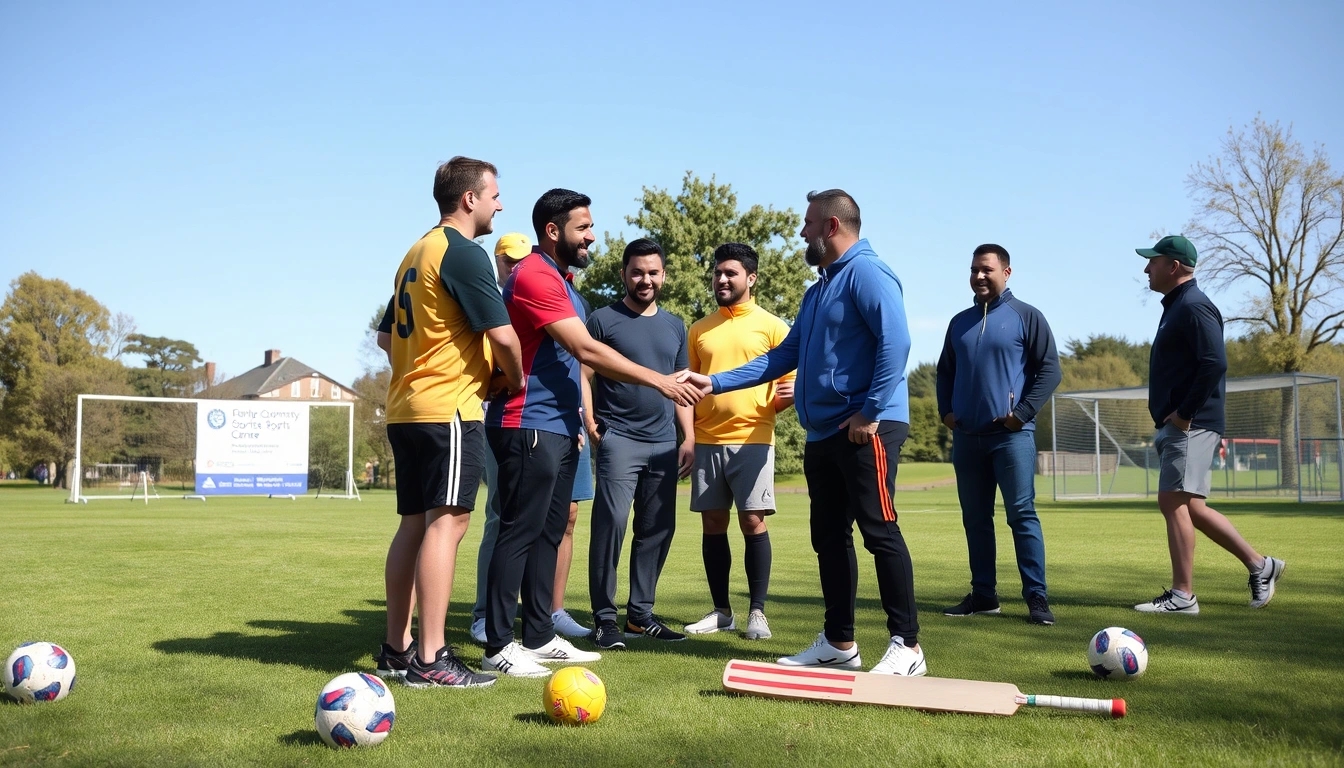
Quick-start guide: first steps to meet people through sports
So, you’ve decided to dive into the world of sports to meet new people in the UK. Brilliant choice! But hold your horses — it’s not always as straightforward as just lacing up your trainers and showing up. The first step can feel like walking into a room full of strangers who all know each other already. Yeah, awkward. But don’t sweat it, here’s some practical advice to get you started without feeling like a total fish out of water.
1. Pick the right sport for your vibe
Not all sports are created equal when it comes to socializing. If you’re a chatterbox, team sports like football or netball can be gold mines for banter and bonding. Prefer something a bit more low-key? Running clubs or cycling groups often have a social side without the pressure of constant interaction.
| Sport Type | Social Vibe | Best For |
|---|---|---|
| Football | High energy, lots of team talk | Extroverts, banter lovers |
| Running Clubs | Casual, post-run chats | Introverts easing in |
| Netball | Teamwork + social events | Social butterflies |
| Cycling Groups | Group rides + coffee stops | Casual socializers |
2. Use local clubs and apps to your advantage
Local sports clubs are basically social hubs disguised as athletic meetups. Don’t be shy—show up, introduce yourself, and ask questions. Most people remember their first day and will appreciate your effort. If that feels too old-school, apps like Meetup or Strava are great for finding groups and events near you.
- Tip: Join a few groups online before attending to get a feel for the community.
- Tip: Check event descriptions carefully to match your skill level and interests.
3. Break the ice with simple, genuine gestures
That first “hello” can feel like climbing Everest, but it doesn’t have to be dramatic. A smile, a quick compliment, or a question about the game can open doors. Remember, everyone was new once. If you’re nervous, arrive a little early or stay a bit after to chat when it’s quieter.
Examples of easy icebreakers:- "Hey, how long have you been playing here?"- "Any tips for a newbie?"- "That was a great pass! Mind if I join in next time?"
4. Embrace the awkwardness and keep showing up
Look, it’s okay to feel out of place at first. Most people do. The trick is persistence. Regular attendance helps you become a familiar face, and before you know it, you’ll be swapping stories and planning post-game pints. Sports aren’t just about fitness—they’re about connection, laughs, and sometimes, a bit of friendly rivalry.
| Common Newbie Challenges | How to Overcome |
|---|---|
| Feeling shy or intimidated | Bring a friend or attend beginner-friendly sessions |
| Not knowing the rules | Ask for a quick rundown or watch a few sessions first |
| Fear of being the worst player | Remember everyone starts somewhere; focus on fun |
In summary: Start with a sport that suits your personality, use clubs and apps to find your crowd, break the ice with simple chat, and don’t let first-day nerves stop you. The UK’s sports scene is buzzing with opportunities to meet people who could soon become your mates. So go on, take that first step—you might just surprise yourself.
Ready, set, socialise!
Frequently Asked Questions
- How can sports help me meet new people in the UK?
Sports act like a natural icebreaker, giving you a shared goal and a fun environment to connect with others. Whether you’re kicking a football or joining a running club, the camaraderie built during these activities makes starting conversations and friendships much easier than typical social settings.
- What are some popular team sports to join for socializing?
In the UK, football, rugby, cricket, and netball are fantastic options. These team sports not only keep you active but also come with a built-in social scene full of banter, teamwork, and regular meetups, making it simple to bond with new faces.
- Are there solo sports that still offer social opportunities?
Absolutely! Sports like running, cycling, and tennis might seem solo, but joining clubs or groups transforms them into social activities. These communities often organize group sessions or meetups, so you’re never really alone on your fitness journey.
- How do local sports clubs help with meeting people?
Local sports clubs are like social hubs where friendly faces and regular events create a welcoming atmosphere. Joining one plugs you into a community eager to share their passion and often includes social gatherings beyond just playing.
- Can non-students join university or college sports clubs?
Yes! Many university and college sports clubs welcome community members, not just students. This is a great way to access well-organized teams and social events, opening doors to new friendships outside the student bubble.
- What role do sports apps and online platforms play?
Apps like Meetup and Strava make finding local sports groups and events a breeze. With just a few taps, you can connect with like-minded players, join casual games, or discover new activities, making the social side of sports more accessible than ever.
- How can volunteering at sports events help me meet people?
Volunteering offers a double win: you get to meet fellow sports enthusiasts while contributing to the community. Whether it’s helping organize a tournament or assisting at matches, the shared experience builds connections and gives you a sense of belonging.
- What are social leagues and casual games?
These are low-pressure environments focused on fun rather than competition. Perfect for newbies, social leagues and pick-up games emphasize laughs, teamwork, and inclusivity, making it easier to relax and make friends without the stress of winning.
- What challenges might I face as a newbie, and how can I overcome them?
Feeling nervous or out of place is common when joining new sports groups. To overcome this, start small, attend beginner-friendly sessions, and remember everyone was new once. Being open, asking questions, and showing up consistently helps you blend in and build confidence.
- How do social events beyond the game enhance the experience?
Post-game socials like pub nights or team dinners turn casual acquaintances into real friends. These relaxed settings allow you to unwind, share stories, and deepen bonds formed on the field, making your sports experience richer and more rewarding.
- What’s a good first step to start meeting people through sports?
Pick an activity that genuinely excites you, then find a local club or group to join. Don’t be afraid of that first awkward hello—it’s just the start of a new adventure. Remember, everyone’s there to have fun and connect, just like you!