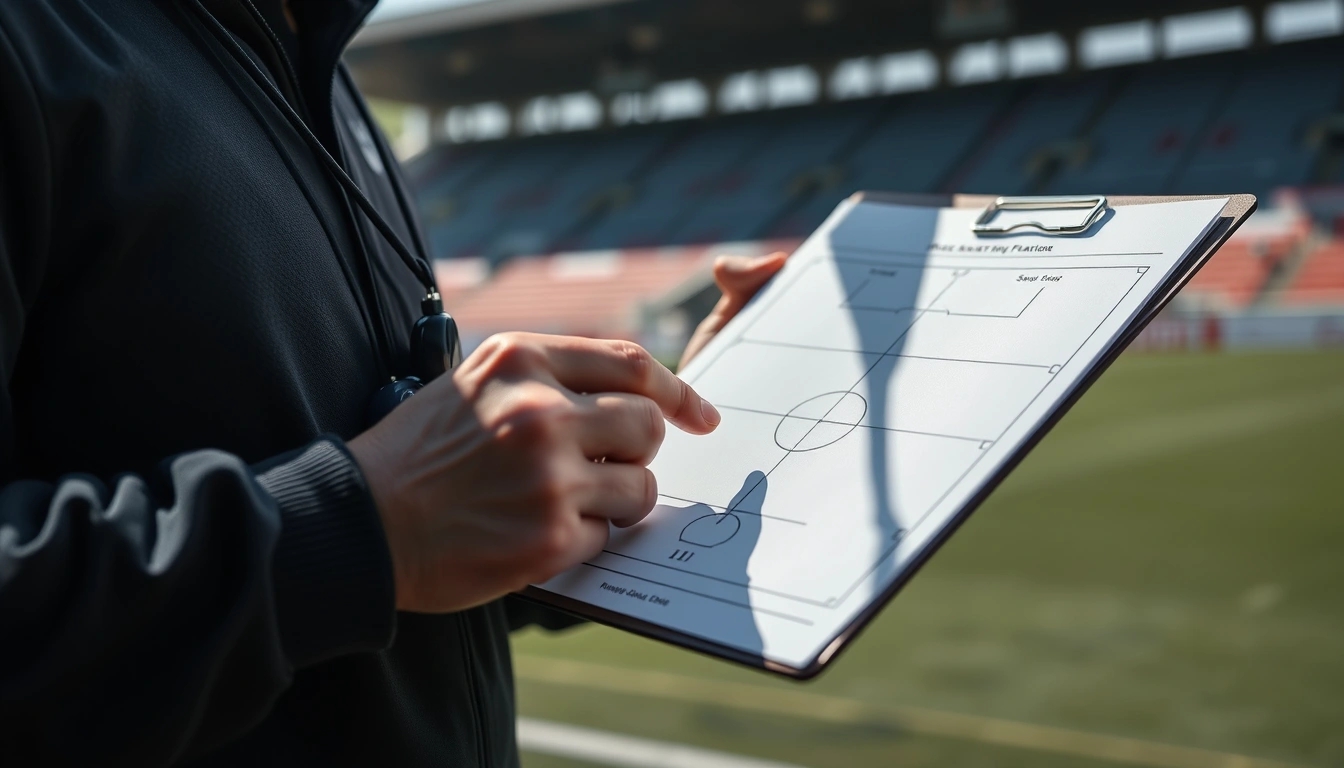
Alright, so you’ve just started playing your favorite sport—be it football, basketball, or even rugby—and you’re already feeling like everyone else is ten steps ahead. Trust me, you’re not alone. Reading the game is this mystical skill that pros seem to have in spades, but it’s actually something you can get better at, even if you’re fresh off the bench. The trick? It’s all about training your brain and eyes to catch what’s really going on, not just chasing the ball like a headless chicken.
Understanding What ‘Reading the Game’ Actually Means
Before you start imagining yourself as some sort of sports psychic, let’s break it down. Reading the game means anticipating what’s going to happen next by noticing patterns, player behaviors, and positioning. Think of it as playing chess, but at 100 miles per hour. It’s not just physical skill; it’s mental hustle. And if you’re a newbie, this might feel overwhelming, but here’s a little secret: everyone starts clueless.
| Key Elements of Game Reading | Why It Matters |
|---|---|
| Pattern Recognition | Predict opponents’ moves by spotting repeated tactics. |
| Body Language | Small cues give away next plays. |
| Positioning | Being in the right place helps intercept or support effectively. |
Spotting Patterns: Your Secret Weapon
Here’s the deal: players and teams often fall into habits. They repeat certain moves under pressure or favor specific plays when they’re ahead or behind. Beginners tend to miss this because they’re too busy reacting. Instead, try to watch how players move without the ball. Are they favoring their left foot? Do they always pass to a certain teammate when trapped? This kind of detective work can give you a huge edge. It’s like having a cheat sheet, but you gotta put in the work.
- Watch for repeated plays during warm-ups or practice.
- Notice how players react after scoring or conceding points.
- Keep track of who tends to make risky moves and when.
Body Language and Player Cues
You might think this sounds a bit like spy stuff, but seriously, body language is gold. Opponents often telegraph their intentions—maybe a slight lean, a glance, or a shift in weight. Beginners usually overlook this because they’re too focused on the ball or their own moves. Next time you’re on the field or court, try to catch these tiny hints. It’s not foolproof, but it’s a skill you can sharpen with practice.
Example:If a basketball player looks at the basket but their body points sideways, they might be faking a shot and planning a pass instead.
Common Mistakes Newbies Make
Let’s not sugarcoat it—reading the game can be a headache at first. New players often overthink, trying to anticipate everything at once and ending up frozen or making bad decisions. Others ignore subtle signals because they’re too caught up in the action. The key? Focus on one or two things at a time. Maybe today it’s reading body language, tomorrow it’s positioning. Rome wasn’t built in a day, and neither is your game sense.
| Common Mistake | How to Fix It |
|---|---|
| Overthinking every move | Focus on key cues, not everything at once |
| Ignoring teammates’ signals | Communicate more on and off the field |
| Standing out of position | Learn where to be during different phases of play |
Wrapping It Up
Game reading isn’t magic; it’s a muscle you build. Don’t expect to be a genius overnight. Watch games, talk with teammates, and don’t be afraid to mess up. The more you train your eyes and mind to pick up on these hidden signs, the more natural it’ll feel. So next time you’re out there, instead of chasing the ball, try watching the bigger picture—you’ll be surprised how much easier the game becomes.
Remember: Patience, practice, and a little bit of curiosity are your best friends on this journey. Now go get out there and start reading that game like a pro-in-the-making!
Understanding the Basics of Game Reading
Alright, before you start dreaming about outsmarting those speedy opponents or pulling off jaw-dropping plays, let’s get one thing clear: game reading isn’t just some fancy term coaches throw around to sound smart. It’s the secret sauce that separates the players who react like robots from those who seem to predict the game before it even happens. Sounds like magic? Nah, it’s just sharp observation mixed with a bit of experience and, yeah, a sprinkle of luck here and there.
So, what exactly is game reading? In plain English, it’s your ability to anticipate what’s coming next—whether you’re on the field, court, or rink. It’s about noticing patterns, spotting subtle cues, and understanding the flow of the game so you’re not just chasing the ball or puck but actually positioning yourself ahead of the action. For beginners, this skill can feel like trying to catch smoke with your bare hands. But trust me, it’s totally doable.
- Why bother? Because speed alone won’t save you when everyone else is lightning fast. Reading the game gives you a head start.
- What to watch for? Things like player positioning, body language, and even their breathing can tip you off about their next move.
- When to practice? Always. Even watching games on TV or YouTube counts. Repetition builds that mental muscle.
Here’s a quick table to break down some key elements beginners should focus on when learning to read a game:
| Element | What to Look For | Why It Matters |
|---|---|---|
| Player Positioning | Where players stand relative to the ball and each other | Helps predict passing lanes and possible plays |
| Body Language | Eye direction, stance, and subtle movements | Can reveal intentions before the actual move |
| Game Flow | How the ball or puck moves across the field/court | Understanding momentum helps in anticipating shifts |
Now, don’t get discouraged if at first it feels like you’re staring at a chaotic mess. Everyone starts there. The trick is to slow things down mentally—try to think one or two steps ahead instead of reacting to every single move. It’s like chess but with sweat and dirt instead of knights and bishops.
A little heads-up: game reading isn’t about knowing the future; it’s about stacking the odds in your favor. You won’t always get it right, and sometimes you’ll look like you’re guessing wildly (because, well, sometimes you are). But with time, those guesses start feeling more like educated predictions.
Tip for beginners:- Watch replays of your own games.- Pause and rewind moments where you got caught off guard.- Ask yourself, "What signs did I miss?"- Try to spot patterns in your opponents’ playstyles.
In the end, understanding the basics of game reading is like learning to read a new language. At first, it’s confusing and frustrating, but once you get the hang of it, the whole game starts to make a lot more sense. And hey, isn’t that what makes playing even more fun?
Spotting Patterns: The Beginner’s Secret Weapon
Alright, so you’re fresh to the game, and the pace feels like a tornado whipping past you, right? But here’s a little secret: you don’t have to be lightning-fast or a tactical genius to start getting a leg up on your opponents. The trick lies in spotting patterns — those recurring moves and strategies that players keep pulling out like rabbits from a hat. Once you get the hang of these, you’ll find yourself predicting plays before they even happen. Sounds like magic? Nah, it’s just paying attention.
- Why patterns matter: Sports, whether it’s soccer, basketball, or even tennis, often revolve around repeated tactics. Players tend to favor certain moves or setups because they work. Recognizing these can give you the upper hand, especially when you’re still learning the ropes.
- Start small: Don’t overwhelm yourself by trying to catch everything at once. Focus on one or two players or specific situations — like how a striker approaches the goal or a defender’s positioning before a pass.
Think of it like watching your favorite TV series — after a few episodes, you start anticipating plot twists because you recognize the writer’s style. Same deal here. For example, if you notice a midfielder always dribbles left before passing right, or a basketball player who fakes a shot before driving in, you’re onto something. That’s your predictive edge. And trust me, even if you’re new, your brain is wired to pick up on these cues faster than you think.
| Sport | Typical Pattern | What It Tells You |
|---|---|---|
| Soccer | Wingers cutting inside before crossing | Prepare to defend the box or anticipate a shot |
| Basketball | Point guard dribbling twice then passing left | Watch for a pick or drive on the right side |
| Tennis | Opponent’s body leans before a forehand | Get ready to move to the backhand side |
Now, don’t get me wrong — it’s not like opponents won’t mix things up to throw you off. They do, and that’s where it gets spicy. But even the best players fall into habits, especially under pressure. Your job? Catch those little tells and use them to your advantage.
Here’s a quick checklist to help you get started with pattern spotting:
- Watch footage: Replays are gold mines. Slow it down, pause, rewind — whatever it takes.
- Take notes: Jot down what you see. It helps your brain lock in those details.
- Test your guesses: During practice or casual games, try predicting moves and see if you’re right.
Remember, spotting patterns isn’t about being perfect; it’s about getting better bit by bit. So, next time you’re on the field or court, don’t just run around like a headless chicken. Take a breath, watch closely, and let those patterns do the talking. You might just surprise yourself.
Pro tip: Share what you notice with teammates or coaches. Sometimes, a fresh pair of eyes can spot something you missed. Plus, discussing patterns sharpens your understanding — teamwork makes the dream work, after all.
So, keep your eyes peeled, trust your gut, and embrace the messy, unpredictable journey of learning. Because in sports, as in life, the little things often make the biggest difference.
Body Language and Player Cues
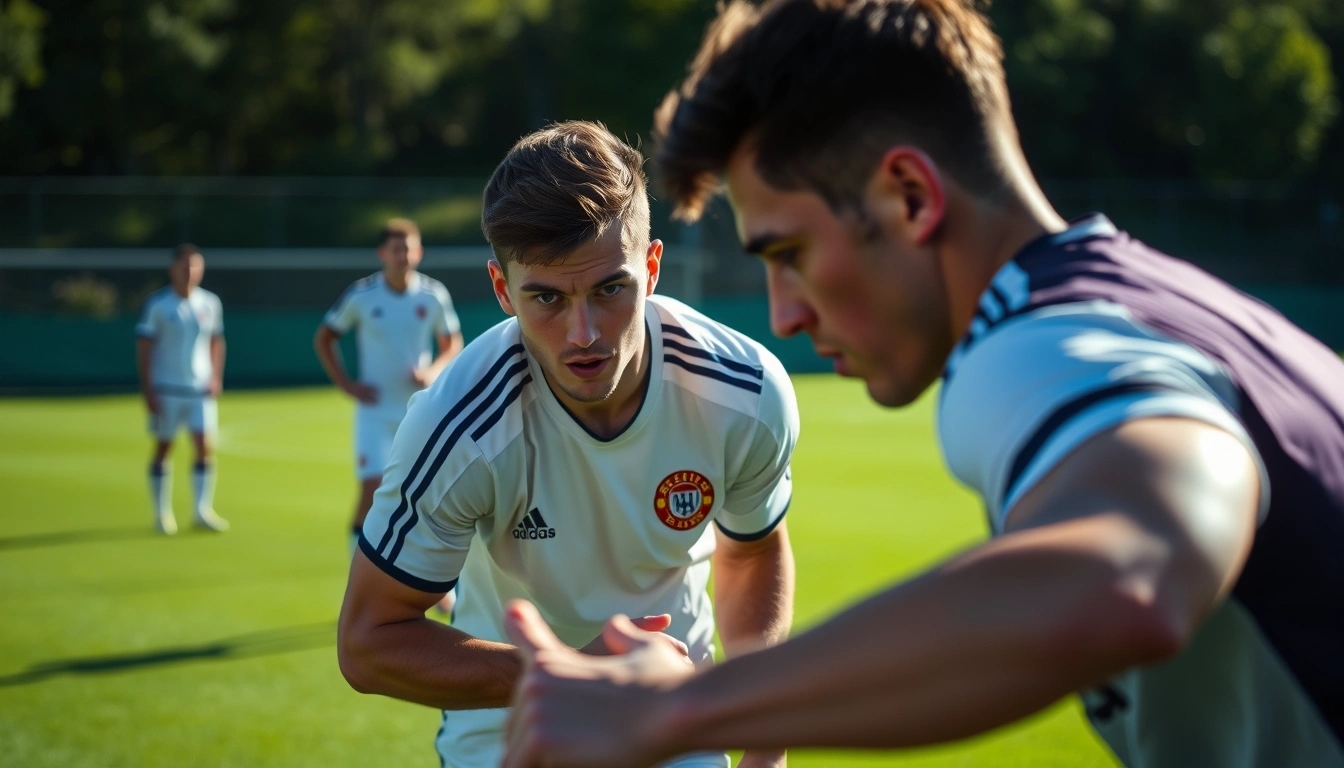
Ever watched a game and thought, “How on earth did they predict that move?” Well, the secret sauce often lies in body language and those tiny, almost invisible player cues. For rookies, it’s like trying to read hieroglyphics without a decoder ring. But trust me, once you start tuning into these subtle signals, you’ll feel like you’ve got a sixth sense on the field or court.
First off, posture is a dead giveaway. Is your opponent leaning forward, ready to pounce? Or are they standing tall, maybe bluffing to throw you off? These little tells can clue you in on their next move. And don’t forget about the eyes—yeah, the old “eyes are the window to the soul” cliché is spot on here. Players often glance towards where they plan to move or pass before they actually do it. If you catch that glance, you’re halfway to stealing the play.
- Shoulder orientation: Shoulders often point to the intended direction of a move.
- Foot placement: The foot that’s planted or slightly angled can hint at the next step.
- Facial expressions: Tension or relaxation in the face can reveal confidence or hesitation.
Now, don’t go overthinking every twitch or blink—sometimes players fake you out on purpose. But here’s a quick table to help you spot the most common cues:
| Player Cue | What It Means | How to Use It |
|---|---|---|
| Leaning forward | Ready to attack or sprint | Prepare to defend or intercept |
| Eyes shifting to a teammate | Planning a pass | Anticipate and block passing lanes |
| Quick glance down | Checking ball position or footing | Watch for sudden change in control |
| Tight jaw or clenched fists | Player under pressure or frustrated | Exploit hesitation or mistakes |
Honestly, the tricky part is that these cues don’t always shout out their secrets loud and clear. You gotta practice watching games, maybe even slow-motion replays, to catch what you missed in real-time. And hey, don’t beat yourself up if you miss some signals—rookies do it all the time. The key is to stay curious and keep observing.
Here’s a quick exercise for you: next time you watch a match, pick one player and focus solely on their body language for five minutes. Jot down any patterns you notice—like how often they look left before passing or how they shift weight before moving. You’ll be surprised how much you can learn without even touching a ball.
In the end, reading body language isn’t about being a mind reader; it’s about catching the unspoken hints that players give away. It’s a bit like detective work, piecing together the tiny clues that predict the big play. So, don’t just watch the ball—watch the player. Your game sense will thank you.
Remember: Even the pros rely on these cues, but they’ve spent years sharpening their instincts. So, give yourself time, mess up a bit, and keep tuning in. Game reading is a marathon, not a sprint.
Positioning and Spatial Awareness
Positioning and Spatial Awareness: the unsung heroes of game reading that can totally flip your play from “meh” to “wow.” Seriously, where you plant your feet on the field or court isn’t just about looking good or following some coach’s arbitrary rule. It’s about being in the right place at the right time—and trust me, that’s where the magic happens.
Now, beginners often think, “Hey, just chase the ball or the player with it, right?” Wrong. That’s a rookie move. If you’re constantly trailing the action, you’re basically playing catch-up, and that’s no fun. Instead, spatial awareness means understanding the entire playing area—where your teammates and opponents are, where the ball might go next, and where you can move to create opportunities or cut off threats. It’s like having a sixth sense, but it’s totally learnable.
- Why does positioning matter so much? Because it lets you anticipate plays before they unfold. When you’re standing in the right spot, you can read the game faster, react quicker, and even mess with your opponents’ heads.
- How to train yourself to be there? Start by watching the flow of the game, not just the ball. Notice where the gaps open up, where defenders bunch up, and where your teammates tend to move. Then, practice moving into those spaces during drills.
Here’s a quick table to break down some common positioning spots and their purpose:
| Positioning Spot | Purpose | Beginner Tip |
|---|---|---|
| Central Zone | Controls the game tempo and intercepts passes | Stay alert and ready to pivot quickly |
| Flanks/Wings | Creates width and stretches the opponent | Keep an eye on your opponent’s backline |
| Behind the Play | Anticipate counterattacks and cover space | Don’t just hang back; be ready to sprint forward |
But hey, it’s not just about standing still. Spatial awareness means moving smartly. It’s about reading the rhythm of the game and adjusting your spot accordingly. Beginners, here’s a little secret: you don’t have to be lightning-fast or super strong to outsmart others. Often, it’s the player who’s best at reading where the ball and players will be next who ends up making the big plays.
Try this drill: during practice, pick a spot and watch how the ball moves around you. Then, try shifting a few steps left or right, forward or back, and see how that changes your ability to intercept or support. It’s like chess, but with sweat and sneakers.
And don’t forget, communication plays a huge role here. If you’re shouting out info to your teammates about “man on your left” or “gap at 10 o’clock,” you’re helping everyone stay aware and better positioned. It’s a team game, after all.
So, to wrap this up—standing in the right spot isn’t just a “nice to have,” it’s a game-changer. Beginners, focus less on chasing and more on anticipating. Train your eyes, feet, and brain to work together, and you’ll find yourself reading the game better without even breaking a sweat (well, maybe a little sweat). It’s not magic, just smart positioning and spatial awareness—your secret weapons for leveling up.
Common Mistakes Beginners Make When Reading the Game
Jumping into the world of game reading can feel like trying to decode an ancient language without a dictionary. Beginners often stumble into traps that, frankly, can make even the most enthusiastic player want to throw in the towel. So, let’s get real about some of the classic blunders that trip up newbies when they’re trying to anticipate plays and outsmart their opponents.
First off, overthinking is the silent killer. You know that moment when you see a player making a move and your brain starts spinning, “What if they do this? Or that? Or maybe something else?” Yeah, that’s where things go sideways. Instead of trusting your gut or focusing on the key signals, beginners often get tangled in a web of possibilities. The result? Slow reactions and missed opportunities. It’s like trying to solve a Rubik’s cube while running a sprint—just doesn’t work.
| Mistake | Effect on Game Reading |
|---|---|
| Analyzing every minor detail | Slows down decision-making drastically |
| Ignoring obvious cues due to doubt | Misses straightforward plays |
| Second-guessing instincts | Leads to hesitation and errors |
Another huge pitfall is ignoring key signals. You’d be surprised how many beginners just zone out or get distracted by flashy moves and miss the subtle stuff that actually matters. Things like a player’s body angle, eye direction, or even the way they shift their weight can give away their next move. But when you’re new, it’s easy to focus on the ball or the most obvious action, and completely miss the clues that could have saved your bacon.
- Tip: Train yourself to glance at the whole scene, not just the ball or puck.
- Tip: Watch for “tells” — little habits players have before making a move.
- Tip: Don’t get hypnotized by flashy plays; sometimes the quiet stuff is gold.
Then there’s the classic mistake of trying to predict too far ahead. It’s tempting to think, “If they pass here, then I’ll move there, and then…” but this kind of chess-playing in your head can backfire fast. The game evolves in milliseconds, and locking yourself into a rigid plan means you might miss the actual play unfolding right in front of you.
Instead, focus on reading the immediate cues and stay flexible. Think of it like surfing: you don’t plan the whole ride, you react to the wave as it comes. Same principle applies here.
Common Beginner Mistakes Summary:- Overthinking every move Paralysis by analysis- Ignoring subtle player signals Missed chances- Predicting too far ahead Getting caught off guard- Focusing only on the ball Losing the bigger picture
Finally, a quick note on patience. Game reading isn’t a magic skill you pick up overnight. Beginners often get frustrated when they don’t “get it” immediately and end up rushing or forcing their reads. Spoiler alert: that just makes things worse. Embrace the messiness, make mistakes, and learn from them. The sharper your instincts become, the less you’ll fall into these traps.
To wrap it up: ditch the overthinking, open your eyes to the subtle cues, keep your mind flexible, and above all, be patient with yourself. Game reading is a skill that grows with experience, not a switch you flip. So, keep grinding, and soon enough, you’ll start seeing plays before they even happen—no crystal ball needed.

Using Video Analysis to Improve Your Game Sense
Alright, let’s get real for a second. If you’re a beginner thinking you can just wing it on the field or court without ever watching yourself or others play, well… you’re kinda setting yourself up for a rude awakening. Video analysis isn’t just some fancy tool reserved for pro athletes with fancy budgets. It’s one of the most underrated, yet powerful ways to sharpen your understanding of tactics and player tendencies. And yet, so many newbies ignore it like it’s some boring chore. Big mistake.
Think of it this way: watching game footage is like having a cheat sheet for the game. You get to pause, rewind, and really *see* what’s going on — stuff you miss in the heat of the moment. Pros swear by it because it helps them spot patterns and tendencies that aren’t obvious at first glance. For example, maybe your opponent always favors a particular move when under pressure, or your team struggles to cover a certain zone during transitions. Catching these details can be a total game-changer.
| Benefits of Video Analysis | Why Beginners Often Miss Out |
|---|---|
| Identifies player habits and tendencies | Feels time-consuming and tedious |
| Improves tactical awareness | Don’t know what exactly to look for |
| Allows self-assessment and correction | Uncomfortable watching own mistakes |
| Enhances anticipation skills | Underestimate the value of reflection |
Now, before you roll your eyes thinking “Ugh, sitting and watching videos? Snooze fest,” hear me out. It’s not about watching the whole game start to finish like a Netflix binge. Instead, focus on short clips or specific moments where you or your team struggled or excelled. Jot down what you notice. For example:
- When does the opposing team tend to switch plays?
- Which players are most aggressive or passive in certain situations?
- How does your positioning affect the outcome of plays?
These little nuggets of insight add up fast.
Here’s a quick practical tip: try breaking down your video sessions into 15-minute chunks. That way, you won’t get overwhelmed or bored. And don’t just watch passively — pause and ask yourself questions like “Why did this happen?” or “What could I have done differently here?” This active thinking is what actually builds your game sense.
Example: - Watch a clip of your defensive play.- Notice if you’re reacting late to opponent’s moves.- Identify if you’re out of position frequently.- Plan drills to improve footwork or anticipation based on what you saw.
Look, nobody’s saying video analysis will magically turn you into a tactical genius overnight. It takes patience and a bit of grit to keep coming back and learning from your mistakes. But if you’re serious about leveling up, it’s one of the best investments of your time. Plus, it’s kinda satisfying to watch yourself improve little by little.
So, next time you’re tempted to skip reviewing that footage, remember: every pro was once a beginner who decided to put in the extra work. Video analysis isn’t just for the elite — it’s your secret weapon waiting to be unlocked. Don’t sleep on it.
Drills and Exercises to Boost Game Reading Skills
When you’re just starting out, the whole idea of reading the game can feel like trying to crack a secret code without the cipher. But don’t sweat it — there are practical, easy-to-follow drills that can sharpen your anticipation and decision-making, even if you’re still figuring out which way is up on the field or court. The key is to keep it simple and make these exercises part of your regular routine. No fancy equipment or rocket science needed!
- Mirror Movements Drill: Pair up with a teammate and have one person lead slow, deliberate movements while the other tries to mimic instantly. This trains your brain to pick up on subtle body language cues — the little things that scream what’s coming next.
- Pattern Recognition Game: Watch short clips of matches (even amateur ones) and jot down recurring plays or tactics. Then, test yourself by predicting what happens next. It’s like a game of “spot the pattern” but with real stakes.
- Decision-Making Under Pressure: Set up a small-sided game with limited time on the clock for each move. This forces you to make quick choices, improving your ability to think on your feet and anticipate opponents’ reactions.
| Drill Name | Focus Area | How It Helps |
|---|---|---|
| Mirror Movements | Body Language | Improves ability to read opponents’ physical cues |
| Pattern Recognition | Strategy & Tactics | Enhances predictive skills by identifying recurring plays |
| Quick Decision Games | Decision Making | Builds confidence in making fast, accurate choices |
Now, here’s the thing — don’t expect to be a game-reading wizard overnight. It’s a bit like learning to ride a bike: you’ll wobble, fall, maybe even question your life choices, but with persistence, it becomes second nature. The drills above aren’t magic potions, but they do lay down the groundwork for your instincts to sharpen.
Another nifty exercise is the “Freeze Frame” drill. During practice or watching games, pause at random moments and try to guess what happens next. It’s a fun way to train your brain to think ahead instead of just reacting.
- Spatial Awareness Walkthrough: Practice moving around the field or court without the ball, focusing on where you position yourself relative to teammates and opponents. Good positioning is half the battle when reading the game.
- Communication Drill: Pair up and call out what you see happening — who’s open, who’s about to make a move. This not only improves your reading but also builds teamwork and on-field chemistry.
To wrap it up, the secret sauce is consistency and a bit of patience. Don’t get discouraged if you miss a few cues or make the wrong call. Every pro was once a beginner who fumbled their way through these same drills. So, lace up, dive in, and remember: game reading is a skill you build one play at a time.
The Role of Communication in Reading the Game
When the game is flying at breakneck speed, trying to keep up with every move can feel like chasing a runaway train. Here’s where communication steps in as your secret weapon. Talking to teammates and coaches isn’t just about sharing a quick “pass it here” or “watch out!” — it’s about filling in those missing puzzle pieces that your own eyes might miss in the heat of the moment.
Imagine you’re on the field or court, and something’s happening just outside your peripheral vision. Without a heads-up from a teammate, you might stay clueless, reacting late or, worse, making a wrong move. But a quick shout or a subtle nod can instantly update your mental map of the game’s flow. It’s like having a real-time GPS system guiding you through the chaos.
- Teammates’ insights: They see angles and threats you don’t.
- Coaches’ perspective: They spot patterns and strategies unfolding beyond your immediate view.
- Shared signals: Pre-agreed calls or gestures help you anticipate plays without losing focus.
Communication is not just verbal either. Ever noticed how a quick glance or a hand gesture from a teammate can say more than words? These non-verbal cues are vital, especially when noise levels are off the charts. It’s a language of its own, built through practice and trust.
| Type of Communication | Purpose | Example |
|---|---|---|
| Verbal | Immediate updates and instructions | “Man on your left!” or “Switch!” |
| Non-verbal | Silent alerts and coordination | Pointing, eye contact, hand signals |
| Pre-game/Timeout Talks | Strategic planning and adjustments | Discussing opponent weaknesses or new tactics |
Now, don’t get me wrong — communication isn’t always smooth sailing. Sometimes teammates mumble, coaches yell confusing stuff, or the noise drowns everything out. That’s why building a clear and simple communication system is crucial. If everyone’s on the same page, you spend less time decoding messages and more time reacting smartly.
Here’s a quick rundown of tips to make communication work for you:
- Keep it simple: Use short, clear phrases or signals.
- Practice regularly: Build habits in training so it becomes second nature.
- Stay alert: Always scan for cues from teammates and coaches.
- Be vocal: Don’t hesitate to speak up, even if you’re new or unsure.
In the end, communication is like the glue holding your game reading skills together. It fills in blanks, sharpens your awareness, and helps you see the bigger picture — even when things get wild and unpredictable. So next time you’re out there, remember: talking (and listening!) might just be the edge you need to outsmart the competition.
Remember: Game reading isn’t a solo gig. It’s a team effort, and communication is the playbook everyone shares.

Patience and Practice: The Long Game of Game Reading
Let’s be real—mastering the art of reading the game isn’t some magic trick you pull off overnight. It’s more like planting a tree: you water it, you wait, and sometimes you wonder if it’s even growing at all. But trust me, that slow grind? It’s the secret sauce. Game reading is a skill that demands time, persistence, and a whole lot of patience. If you’re expecting to be a psychic on the field or court after a couple of sessions, well, you’re in for a surprise. And that’s okay! Progress often feels messy, confusing, or downright frustrating, but that’s exactly where the learning happens.
- Tip 1: Embrace the Slow Progress — When you’re starting out, it’s easy to get discouraged because your brain is juggling a million things at once. But those tiny “aha” moments? They add up. Don’t rush them.
- Tip 2: Keep a Journal — Sounds old school, but jotting down what you noticed during games or practices can help you spot patterns over time. It’s like building your own playbook in your head.
- Tip 3: Celebrate Small Wins — Did you predict a move correctly? Did you catch a subtle body language cue? Give yourself credit. These little victories fuel your motivation.
Now, here’s a quick reality check for you: sometimes, you’ll feel like you’re running in circles. You might watch a replay and still miss what the pros see instantly. That’s normal. Even the best players were beginners once, fumbling around with the basics before their instincts kicked in.
| Feeling | What It Means | How to Handle It |
|---|---|---|
| Overwhelmed | Too much information at once | Focus on one aspect at a time—like spotting body language or positioning |
| Frustrated | Not seeing progress | Remember, skills build gradually; take breaks and revisit basics |
| Confused | Mixed signals or contradictory cues | Ask coaches or teammates for insights; review footage with a fresh eye |
Here’s another nugget: motivation ebbs and flows. On some days, you’ll feel like a genius predicting every move, and on others, you’ll wonder if you’re just wasting your time. The trick? Keep showing up. Consistency beats bursts of enthusiasm every single time.
Practice Routine Suggestion:- Warm-up with 10 minutes of watching game footage focusing on one player’s movement- Spend 15 minutes on drills that emphasize spatial awareness- End with a quick chat with a teammate or coach about what you observed
Finally, don’t forget that game reading is as much mental as it is physical. Your brain needs workouts too. So, be kind to yourself, keep your curiosity alive, and remember: every pro was once a beginner who stuck with it. The long game is tough, but it’s also where champions are made.
Keep grinding, keep learning, and eventually, the game will start reading itself to you.
Frequently Asked Questions (The title must be written in English.)
- What exactly does “reading the game” mean for a beginner?
Reading the game is like having a sixth sense on the field or court. It means understanding and predicting what’s going to happen next by observing players’ moves, patterns, and positioning. For beginners, it’s about tuning your instincts to catch those subtle clues that make the difference between reacting late and being one step ahead.
- How can I spot patterns if I’m new and everything feels fast?
Think of patterns as the game’s secret rhythm. Even if you’re new, start by watching how players move in certain situations repeatedly. It’s like recognizing your favorite song’s chorus—you’ll begin to anticipate what’s coming next. Focus on common plays and strategies, and with time, your brain will start connecting the dots naturally.
- Why is body language so important in reading the game?
Body language is the silent language of sports. Players often give away their next move through subtle shifts—like a glance, a lean, or a change in pace. Beginners tend to overlook these, but tuning into these cues can give you a huge edge, like reading between the lines in a conversation.
- How can I improve my positioning to read the game better?
Positioning is your game-reading launchpad. Being in the right spot lets you see more, react faster, and anticipate plays. Imagine trying to watch a movie from the back row versus the front; the view (and your understanding) changes completely. Practice moving smartly and staying alert to where the action is headed.
- What are some common mistakes beginners make when trying to read the game?
One big trap is overthinking—getting stuck analyzing every detail and freezing up. Another is ignoring key signals like teammates’ calls or opponent’s body cues. Remember, game reading is about flow and instinct, so trust your gut and keep it simple.
- Can watching game footage really help me get better at reading the game?
Absolutely! Watching videos is like having a replay button for your brain. It helps you spot tactics, player habits, and mistakes you missed live. This practice sharpens your understanding and boosts your anticipation skills, turning theory into instinct.
- What drills can I do to boost my game reading skills as a beginner?
Simple drills like watching and predicting plays during practice, shadowing experienced players, or even playing slow-motion video games can help. These exercises train your brain to recognize patterns and react swiftly, building your confidence and game sense.
- How important is communication in enhancing game reading?
Communication is like the glue that holds your understanding together. Chatting with teammates and coaches fills in the blanks and helps you see the bigger picture. It’s a team sport, after all, and sharing insights makes your game reading sharper and more accurate.
- How long does it take to get good at reading the game?
Patience is key here. Like learning a new language, mastering game reading takes time, practice, and persistence. Don’t get discouraged by slow progress—think of it as planting seeds that will grow into strong instincts with consistent effort.