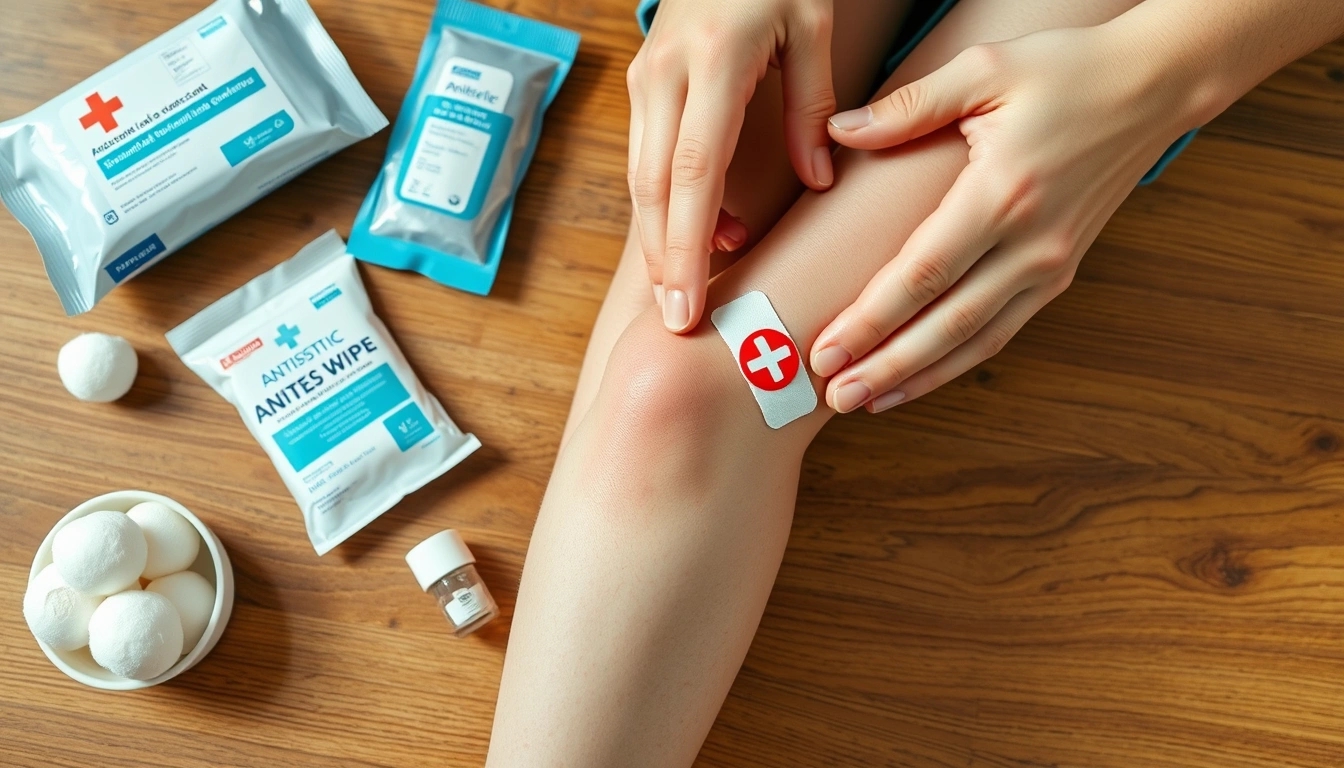
So, you took a tumble playing your favorite sport or maybe just tripped over your own feet in the kitchen (don’t worry, it happens to the best of us). Minor injuries are like those annoying little gremlins that pop up when you least expect them. They’re not usually serious, but if you ignore them, they can turn into a bigger hassle than you bargained for. Here’s a no-nonsense, straight-talking guide to help you bounce back without making a mountain out of a molehill.
Understanding the Basics of Minor Injuries
First off, what exactly counts as a “minor injury”? Think bruises, small cuts, sprains, or a bit of swelling. Nothing that screams “ER visit” but enough to make you go “ouch.” Even though these injuries seem trivial, your body still demands a bit of TLC. Ignoring them is like leaving your car’s check engine light on and hoping it fixes itself — spoiler alert, it won’t.
- Bruises: Blood vessels get damaged under the skin, causing discoloration.
- Sprains: Ligaments get stretched or torn, usually in ankles or wrists.
- Small cuts and scrapes: Surface wounds that need cleaning to avoid infection.
Immediate Steps: The Good Old R.I.C.E. Method
You’ve probably heard of R.I.C.E. — Rest, Ice, Compression, and Elevation. Sounds simple, right? But there’s an art to doing it properly. Rest means avoiding activities that aggravate the injury, not becoming a couch potato forever. Ice helps reduce swelling but don’t overdo it — 20 minutes on, 20 minutes off, or you might freeze your skin off (okay, slight exaggeration, but you get the point). Compression with a bandage supports the area, and elevation helps blood flow back to your heart, reducing swelling.
| Step | What to Do | Why It Helps |
|---|---|---|
| Rest | Limit movement of injured area | Prevents further damage |
| Ice | Apply cold pack for 20 mins | Reduces inflammation |
| Compression | Wrap with elastic bandage | Supports injury and limits swelling |
| Elevation | Keep injured part above heart level | Decreases blood pooling |
When to See a Doctor: Don’t Play Hero
Look, we get it — you want to tough it out. But some injuries just won’t quit without professional help. If you notice severe pain, numbness, swelling that won’t go down, or if you can’t put weight on the injured limb, it’s time to wave the white flag and see a doc. No shame in that game.
Nutrition’s Role in Healing
Your body is basically a repair shop, and food is the fuel and building material. Chowing down on protein-rich foods like chicken, eggs, or beans helps rebuild tissues. Don’t forget vitamins C and D, zinc, and omega-3 fatty acids — these little guys are like your body’s construction crew. And yeah, junk food slows things down, so maybe hold off on the chips while you’re healing.
- Eat: Lean meats, leafy greens, nuts, citrus fruits
- Avoid: Excess sugar, alcohol, processed snacks
Gentle Movement: Why Rest Doesn’t Mean Couch Potato
Rest is essential, but too much rest can make your muscles lazy and joints stiff. Once the worst pain subsides, start moving gently — think light stretching or walking. It’s like telling your body, “Hey, we’re still in business here!” Just don’t go full throttle too soon, or you’ll be back at square one.
Topical Treatments and Their Effectiveness
Creams, gels, sprays — you name it. Some people swear by them, others think they’re just fancy lotions. The truth? Some do help reduce pain and inflammation, especially those with menthol or arnica. But don’t expect miracles. They’re more like a sidekick, not the superhero.
Psychological Impact of Small Injuries
It’s easy to overlook how a minor injury can mess with your mood. Feeling frustrated, impatient, or even a bit down is totally normal. Try to keep perspective — it’s temporary. Stay connected with friends, keep your spirits up, and maybe binge-watch that show you’ve been putting off.
Common Mistakes to Avoid During Recovery
- Ignoring pain and pushing too hard
- Skipping the R.I.C.E. steps
- Neglecting nutrition
- Not seeking medical advice when needed
Long-Term Prevention: Building Resilience
Want to dodge future knocks? Work on strength, flexibility, and balance. Warm up before activities, wear proper gear, and listen to your body. It’s not about being invincible, just smarter.
So next time you get banged up, remember: treat it with respect, don’t panic, and give yourself the best shot at a speedy comeback. You got this.
Understanding the Basics of Minor Injuries
Alright, before you rush off trying to slap some ice on that bump or pop a painkiller like candy, let’s just pause for a sec and get real about what exactly we mean by “minor injuries.” Because, honestly, not every scrape or bruise is created equal, and treating them all like a broken leg? That’s just overkill — and a bit dramatic, if you ask me.
So, what counts as a small injury? Think of those everyday mishaps: a slight twist of the ankle while chasing the dog, a nasty-looking but shallow cut from the kitchen knife (don’t ask), or a mild bruise after a clumsy collision on the soccer field. These are the kind of knocks that sting, sure, but usually don’t need a trip to the ER or a fancy cast. They’re your body’s way of saying, “Hey, pay attention!” rather than “Call the ambulance!”
But here’s the kicker — just because an injury is “small” doesn’t mean it’s okay to ignore it or brush it off like it’s no big deal. Those tiny knocks? They deserve respect. Why? Because even a minor sprain can turn into a big pain in the neck (or ankle) if you don’t give it some TLC early on. Plus, your body has this sneaky way of hiding how bad something might be, especially when you’re pumped up on adrenaline or stubbornly refusing to admit you’re hurt.
- Minor injuries include:
- Small cuts and scrapes
- Mild bruises or contusions
- Light sprains or strains
- Minor burns or irritations
- Why respect them?
- Prevent worsening damage
- Avoid prolonged pain or discomfort
- Help the healing process go smoother
| Injury Type | Common Causes | Signs to Watch Out For |
|---|---|---|
| Sprains | Twisting, falling, or sudden impact | Swelling, tenderness, limited movement |
| Bruises | Blunt force, bumps, collisions | Discoloration, tenderness, mild swelling |
| Scrapes | Falls, rough surfaces, friction | Redness, bleeding, pain at the site |
Now, don’t get me wrong — I’m not saying you need to wrap yourself in bubble wrap and live in fear of every little bump. But it’s about being smart. If you’re the kind who just shrugs off every ache until it screams louder, you might be setting yourself up for a longer recovery or worse, a chronic issue that sticks around like an unwanted guest.
Here’s a little nugget of wisdom: listen to your body. It’s not always going to shout, but it will whisper. And those whispers, like a twinge or a niggle, are worth paying attention to. They’re your first line of defense against turning a small injury into a big headache.
So next time you’re tempted to say “It’s just a scratch,” remember — even the tiniest bumps can throw a wrench in your daily grind if you don’t treat them right. Respect the small stuff, and your body will thank you down the road.
Immediate Steps: The Good Old R.I.C.E. Method
Okay, so you’ve just taken a spill or caught an unexpected knock during your weekend soccer game or maybe just tripped over your own feet (hey, it happens to the best of us). Now what? Enter the classic R.I.C.E. method — Rest, Ice, Compression, Elevation. Sounds straightforward, right? But trust me, doing it half-heartedly or skipping steps can drag out your misery way longer than necessary. Let’s break it down with some real talk and practical tips.
- Rest: This doesn’t mean you have to become a couch potato forever. It’s about giving the injured part a break, no heavy lifting or crazy workouts for a bit. But don’t just lie there staring at the ceiling — your body loves movement, so gentle, pain-free motions are your friends.
- Ice: Slap on some ice ASAP. No, not a hot shower or a warm compress. Cold numbs the pain, reduces swelling, and slows down the nasty inflammatory process. Pro tip: Wrap the ice pack in a thin towel — direct skin contact? Rookie mistake, you’ll get frostbite or a nasty burn.
- Compression: Wrap it up snugly but not like a mummy, please. Compression helps keep swelling down and supports the injury. Elastic bandages or sports wraps work well here. Just make sure your toes or fingers don’t turn blue — that’s a sign you wrapped too tight.
- Elevation: Keep the injured limb raised above heart level. Gravity’s on your side here, helping fluid drain away and reducing swelling. Prop it up on pillows, a chair, or whatever you’ve got handy.
| Step | What to Do | Common Mistakes |
|---|---|---|
| Rest | Avoid putting weight or stress on the injured area for at least 24-48 hours. | Over-resting and complete inactivity, leading to stiffness and longer recovery. |
| Ice | Apply ice packs for 15-20 minutes every 1-2 hours during the first 48 hours. | Leaving ice on too long or applying heat too early, which worsens swelling. |
| Compression | Use an elastic bandage to wrap the injury snugly but comfortably. | Wrapping too tightly, causing numbness or restricting circulation. |
| Elevation | Keep the injured limb elevated above heart level as much as possible. | Ignoring elevation or keeping the limb down, which increases swelling. |
Now, before you start thinking you’ve got this in the bag, a quick heads-up: R.I.C.E. isn’t a magic wand. It’s more like a first-aid buddy that sets you up for a smoother recovery. If the pain’s off the charts or swelling balloons like a party balloon, it’s time to wave the white flag and see a doc. No shame in it!
Also, don’t get cocky and rush back into action just because the swelling’s gone down. Healing is sneaky — the damage might still be lurking beneath the surface. Give your body the time it deserves, and you’ll thank yourself later.
In the end, mastering R.I.C.E. is about being smart, patient, and a little bit gentle with yourself. It’s not rocket science, but it sure beats hobbling around in pain or nursing a grudge against the couch. So next time you catch that unexpected knock, remember: Rest, Ice, Compression, Elevation — your four best pals in the game of quick recovery.
When to See a Doctor: Don’t Play Hero
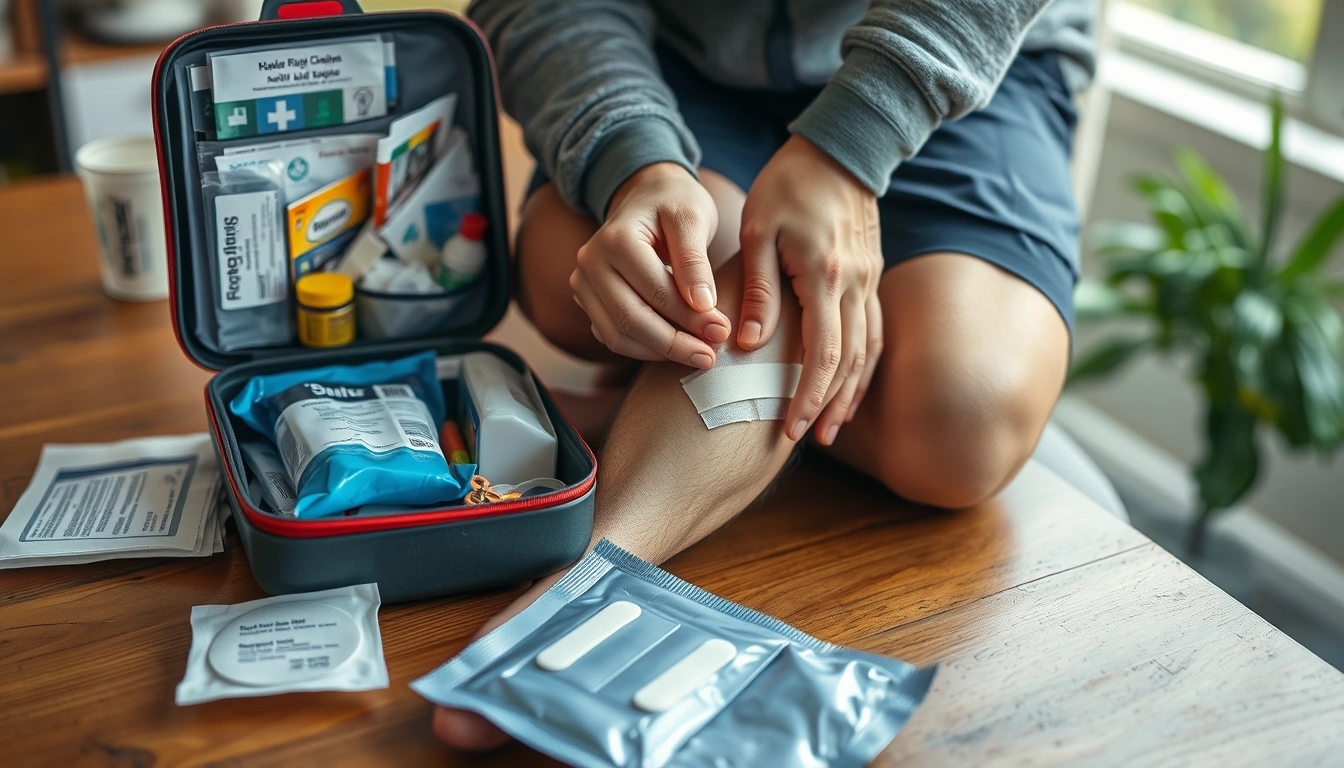
Alright, let’s get real for a second. We’ve all been there — you take a nasty tumble on the field or bump into something at home, and that little voice in your head goes, “Eh, it’s nothing, I’m fine.” Sure, sometimes a bit of stubbornness and grit can help you push through, but ignoring pain or pretending an injury isn’t serious? That’s a fast track to making things worse. Trust me, your body has a way of reminding you who’s boss.
So, when exactly should you throw in the towel and call in the pros? Here’s the deal: if you’ve got any of the following going on, it’s time to stop playing hero and get checked out.
| Warning Signs | Why You Should Care |
|---|---|
| Severe or worsening pain that doesn’t ease with rest | Could indicate a serious injury like a fracture or ligament damage. |
| Swelling or bruising that rapidly increases | May signal internal bleeding or a more severe tissue injury. |
| Loss of function or inability to move the affected area | Could be a sign of a dislocation or nerve damage. |
| Deformity or unusual shape in the injured area | Possible bone fracture or dislocation needing immediate attention. |
| Numbness, tingling, or weakness | Could mean nerve involvement — not something to mess around with. |
| Open wounds or deep cuts | Risk of infection and might require stitches. |
Look, I get it — sometimes the thought of dragging yourself to a doctor’s office or urgent care is about as appealing as a root canal. But here’s a little secret: catching a problem early can save you weeks of pain and frustration down the road. Plus, nobody wants to be sidelined longer than necessary.
And hey, if you’re just dealing with a minor knock — think a small bruise or a little sting — and you’re feeling okay otherwise, then go ahead and stick to the trusty R.I.C.E. method (Rest, Ice, Compression, Elevation). But if you notice that things aren’t improving after a couple of days, or you’re waking up feeling worse, that’s your body waving a red flag. Don’t ignore it.
- Tip: Keep a simple injury journal. Jot down when the pain started, what makes it better or worse, and any other symptoms. This info can be a lifesaver for your doctor.
- Another tip: Don’t rely solely on internet “diagnoses.” Google can be a blessing and a curse — sometimes it just fuels unnecessary panic or false confidence.
In the end, there’s a fine line between being tough and being reckless. Your body is a complex machine, and sometimes, it needs a little professional TLC to get back on track. So, next time you’re tempted to brush off that ache, remember: knowing when to see a doctor isn’t weakness — it’s smart. Don’t let pride turn a small injury into a big problem.
Nutrition’s Role in Healing
Alright, let’s get real for a moment. When you’re nursing a bruise or a sprain, it’s easy to think the magic potion for recovery is just rest and ice packs. Sure, those help, but here’s the kicker: your body is like a busy repair shop, and the fuel it craves? Food. Yep, what you chow down can either speed up your comeback or slow it to a crawl. So, what’s the game plan?
First off, protein is your best buddy. Think of it as the construction crew that rebuilds damaged tissues. Without enough protein, your body’s stuck twiddling its thumbs. Lean meats, fish, eggs, and plant-based options like beans and lentils are solid picks. But hey, don’t go overboard—too much protein won’t turn you into a superhero overnight.
| Nutrient | Role in Healing | Food Sources |
|---|---|---|
| Protein | Repairs tissues and builds new cells | Chicken, fish, tofu, beans, eggs |
| Vitamin C | Boosts collagen production for skin and tissue repair | Citrus fruits, strawberries, bell peppers |
| Zinc | Supports immune function and wound healing | Oysters, nuts, seeds, meat |
| Omega-3 Fatty Acids | Reduces inflammation | Fatty fish, flaxseeds, walnuts |
Now, vitamin C is another superstar here. It’s all about collagen, the protein that helps your skin and tissues bounce back. Grab some oranges, kiwi, or even bell peppers to keep that repair crew happy. And don’t forget zinc — often overlooked but crucial for immune defense and speeding up wound healing. A handful of nuts or some seafood can cover you.
But wait, before you start bingeing on junk food thinking calories energy, hold up. Processed foods, sugary snacks, and excessive alcohol are like throwing sand in the gears of your repair shop. They crank up inflammation and slow healing. So, yeah, that pizza binge might feel good now, but your body will throw a tantrum later.
- Hydration is key too — water flushes out toxins and keeps your cells happy.
- Antioxidants from colorful veggies help fight off those pesky free radicals that can mess with healing.
- Don’t forget healthy fats — they’re the unsung heroes that reduce inflammation.
One more thing — timing matters. Eating a balanced meal within a couple of hours after injury can help jumpstart the repair process. But if you’re not hungry, don’t force it. Your body knows what it needs, so listen up.
Quick Recovery Snack Idea:- Greek yogurt- A handful of berries- A sprinkle of flaxseeds- Drizzle of honey
It’s simple, packed with protein, antioxidants, and omega-3s. Perfect for keeping your repair shop humming along smoothly.
So, bottom line? Treat your body like the high-tech machine it is. Fuel it with the right nutrients, steer clear of junk, and you’ll be back on your feet faster than you can say “ouch.” Recovery isn’t just about popping pills or icing it down — it’s about feeding your body what it truly needs to get the job done.
Gentle Movement: Why Rest Doesn’t Mean Couch Potato
Alright, so you’ve taken a hit — maybe a sprain here, a bruise there — and everyone’s telling you to “just rest up.” Sure, rest is important, no doubt about that. But here’s the kicker: too much rest? Yeah, that can actually mess you up more than help. Sounds weird, right? Like, shouldn’t you just crash on the couch, binge-watch your favorite shows, and let your body do its thing? Well, not exactly.
When your body gets hurt, it craves a little TLC — and that includes some movement. Think of it like this: your muscles and joints are used to being in action. Suddenly freezing them out can lead to stiffness, weakness, and frankly, a longer recovery time. So, the idea isn’t to run a marathon the day after you twist your ankle, but rather to keep things light and easy. Gentle stretches, slow walks, or even a bit of yoga can do wonders.
- Why not just rest completely? Because immobilizing a part of your body for too long can cause muscle atrophy — that’s fancy talk for your muscles shrinking and getting weaker.
- How to find the sweet spot? Listen to your body. If it hurts like crazy, ease off. But if it feels like “hey, this feels okay,” then keep moving — just gently.
- Pro tip: Try to keep the injured area elevated and supported during rest periods, but sneak in some movement when you can.
| Activity | When to Start | Benefits |
|---|---|---|
| Gentle stretching | 1-3 days after injury | Improves flexibility, reduces stiffness |
| Light walking | 2-5 days after injury | Boosts circulation, speeds healing |
| Low-impact exercises (e.g., swimming) | After pain subsides | Builds strength without strain |
Now, don’t get me wrong — rest is still the MVP during those initial hours or even days. Ice packs, compression, elevation — all that jazz — keeps inflammation down and pain manageable. But once the worst of it’s over? Time to get moving, even if it’s just a few steps around the room. Your body’s repair mechanisms thrive on blood flow, and movement helps keep that going.
Here’s a quick rundown of what you should avoid: don’t jump back into full-on workouts or sports like nothing happened. That’s a one-way ticket to re-injury city. But also, don’t become a total couch potato, because that’s a fast track to muscle loss and joint stiffness. Balance is the name of the game.
And if you’re thinking, “Easy for you to say, but I’m scared to move it,” that’s totally normal. Fear of pain or re-injury can be a real buzzkill. But trust me, moving gently is your friend here. If you’re unsure, chat with a physio or healthcare provider — they can give you tailored advice so you don’t end up making things worse.
In the end, recovery is a bit like walking a tightrope — too much rest, and you’re stuck; too much activity, and you risk setbacks. So, keep it light, keep it easy, and keep listening to your body. Your future self will thank you.
Topical Treatments and Their Effectiveness
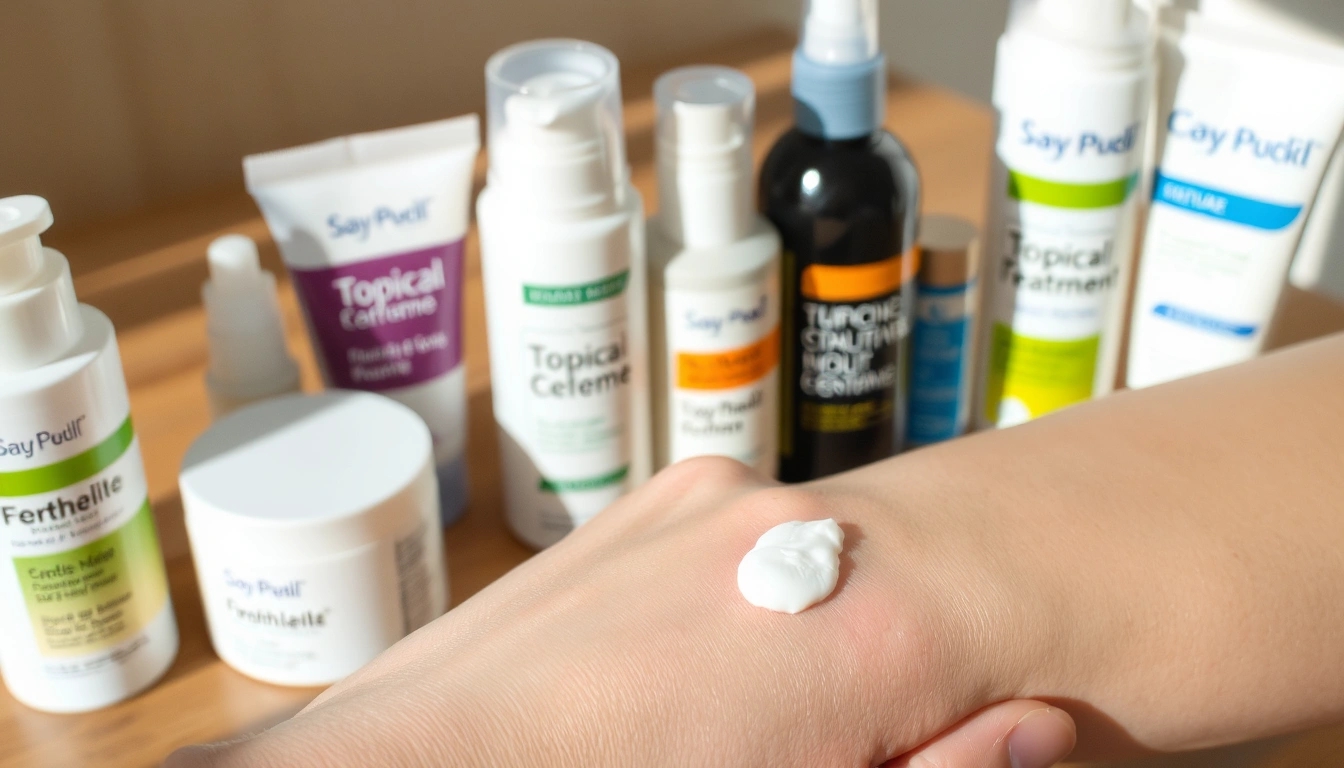
Alright, let’s get real about those creams, gels, and sprays that flood the shelves promising to zap your aches away like magic. You’ve probably seen them everywhere—from your local pharmacy to that dodgy corner shop—and wondered, “Do these things actually work, or am I just throwing money down the drain?” Spoiler alert: It’s a bit of both, depending on what you’re dealing with and how you use them.
First off, these topical treatments are designed to provide relief by targeting pain and inflammation right where it hurts. Sounds great in theory, right? But here’s the kicker: not all products are created equal. Some contain active ingredients like menthol, camphor, or capsaicin, which create sensations of cooling or heat to distract your brain from the pain—a nifty little trick known as counter-irritation. Others pack in anti-inflammatory drugs like NSAIDs (think ibuprofen or diclofenac) that actually reduce swelling and inflammation locally.
| Type of Topical Treatment | Common Ingredients | How They Work | Effectiveness |
|---|---|---|---|
| Cooling/Heating Gels | Menthol, Camphor, Capsaicin | Distract nerves by creating cooling or warming sensation | Good for mild pain relief, temporary effect |
| NSAID Creams/Gels | Diclofenac, Ibuprofen | Reduce inflammation and pain at the site | Moderate effectiveness, especially for muscle/joint aches |
| Herbal/Plant-Based | Arnica, Aloe Vera | Claimed anti-inflammatory and soothing properties | Mixed evidence; mostly mild relief or placebo |
Now, before you slather on the entire tube hoping for a miracle, a word of caution: these treatments usually work best as part of a bigger recovery plan. They’re not miracle cures. If you’re nursing a sprain or bruise, combining topical applications with rest, ice, compression, and elevation (the classic R.I.C.E. method) will give you a much better shot at bouncing back quicker.
- Pro tip: Avoid using heating gels right after an injury. Heat can increase swelling if applied too soon.
- Don’t expect overnight miracles—most topical treatments take a few days of consistent use to show benefits.
- Patch test any new cream or gel, especially if you have sensitive skin, to dodge nasty allergic reactions.
Here’s where the placebo effect sneaks in. Sometimes, just the act of rubbing something on your sore spot can trick your brain into feeling better. Hey, if it works, who’s complaining? But if you’re dealing with something more serious or persistent, don’t rely solely on creams and sprays. They’re a supporting actor, not the main hero.
In the end, topical treatments can be a handy part of your first aid kit, but don’t expect them to do all the heavy lifting. Use them wisely, listen to your body, and if the pain sticks around or worsens, it’s time to call in the pros. Because no fancy spray or gel can replace good old-fashioned care and common sense.
Summary:
- Topical treatments offer temporary relief, mostly by distracting nerves or reducing inflammation.
- Effectiveness varies widely—NSAID gels tend to be more effective than herbal or simple cooling creams.
- Best used alongside other recovery methods, not as a standalone fix.
- Always watch for skin reactions and avoid heat treatments immediately after injury.
Psychological Impact of Small Injuries
Look, getting a little banged up isn’t just about the aches and bruises on the outside. Nope, it messes with your head too. You might think, “It’s just a scratch, no biggie,” but suddenly, you find yourself feeling down, frustrated, or even downright annoyed. That’s totally normal! Small injuries have this sneaky way of poking at your patience and messing with your motivation. So, how do you keep your head in the game when your body’s playing spoilsport? Let’s dive in.
- Recognize the frustration: First off, don’t beat yourself up for feeling off. It’s common to get irritated when things slow down. You might feel useless or stuck, especially if you’re someone who’s usually on the move.
- Stay connected: Isolation is a sneaky enemy here. Chat with friends, teammates, or even that one person who always knows how to cheer you up. Social support can be a game-changer.
- Set small goals: Recovery isn’t a sprint, it’s more like a slow jog. Celebrate the little wins — like bending your finger without pain or walking a bit farther than yesterday. Progress, no matter how tiny, keeps morale up.
| Issue | Why It Happens | Quick Fix |
|---|---|---|
| Frustration | Body won’t cooperate, plans delayed | Practice patience, set realistic goals |
| Feeling isolated | Less social interaction due to limited activity | Stay in touch via calls, texts, or video chats |
| Anxiety | Worry about long-term effects or re-injury | Consult professionals, focus on what you can control |
Now, here’s a little nugget of wisdom: your brain is wired to crave action and routine. When injury throws a wrench in that, it’s normal to feel a bit lost or down in the dumps. But don’t let that spiral. Instead, try fun distractions — binge that TV show, pick up a new hobby, or even get into meditation. Trust me, your mind needs a break from stressing over every twinge of pain.
Tips for Staying Mentally Strong During Recovery:- Keep a journal: jot down your feelings and progress.- Visualize success: imagine yourself back in action.- Stay positive: remind yourself this is temporary.- Seek help if needed: therapists or counselors aren’t just for “big” problems.
Lastly, remember that setbacks happen. Maybe you pushed too hard and felt a flare-up, or the healing is slower than you hoped. Don’t throw in the towel! Instead, adjust your pace, listen to your body, and keep your spirits high. Your mind is your greatest ally — nurture it like you do your body.
In the end, recovering from a small injury isn’t just about healing skin or muscles; it’s about keeping your mental game strong. Because if your head’s not in it, your body’s got no shot. So, embrace the ups and downs, and come back stronger — both inside and out.
Common Mistakes to Avoid During Recovery
Look, we all slip up now and then—especially when nursing those pesky little injuries that seem harmless at first but then decide to throw a tantrum weeks later. It’s like your body’s way of saying, “Hey, remember me? You forgot to take care of that!” So, if you want to dodge the classic traps that turn a minor knock into a major headache, buckle up. Here’s the lowdown on what NOT to do when you’re on the mend.
1. Ignoring the Pain and Pushing Too Hard
You might think you’re some kind of superhero who can muscle through the pain, but spoiler alert: you’re not. Overdoing it before your injury has properly healed is like poking a sleeping bear. It might seem fine at first, but soon enough, you’re back to square one—or worse. Pain is your body’s way of waving a red flag. Listen to it, don’t just shove it aside.
2. Skipping the R.I.C.E. Steps or Doing Them Halfway
Rest, Ice, Compression, Elevation—sounds straightforward, right? Yet, so many people half-ass this part. Maybe you ice for five minutes instead of twenty, or you forget to elevate your ankle while binge-watching your favorite show. These little shortcuts can add up, delaying recovery big time.
| Common Mistake | Why It’s a Problem | Quick Fix |
|---|---|---|
| Ignoring pain and pushing too hard | Can worsen injury and prolong healing | Listen to your body; rest as needed |
| Skipping R.I.C.E. or doing it improperly | Delays recovery and increases swelling | Follow the full R.I.C.E. protocol diligently |
| Relying solely on painkillers | Masks symptoms, risking further damage | Use medication responsibly; consult a doctor |
| Neglecting gradual movement | Leads to stiffness and muscle loss | Incorporate gentle activity as advised |
3. Depending Only on Painkillers
Sure, popping a pill might make you feel like you’re back in the game, but that’s a double-edged sword. Painkillers can mask the warning signs your body is throwing out, making you think everything’s peachy when it’s not. This might lead you to do more harm than good. Use them wisely, not as a crutch.
4. Throwing Caution to the Wind and Skipping Professional Advice
Yeah, the internet’s full of advice—and some of it’s decent. But self-diagnosing and treating without a doctor’s input can be a recipe for disaster. If that injury just won’t quit or you’re unsure about severity, don’t be a stubborn mule. Get checked out.
- Don’t rush back into action. Patience is a virtue, even if it feels like a drag.
- Don’t ignore swelling or bruising. These are signs your body’s still fighting.
- Don’t forget to hydrate and eat well. Your body needs fuel to fix itself.
To wrap it up, recovering from small injuries isn’t about heroics or pushing limits—it’s about smart moves and respecting your body’s signals. Avoid these classic blunders, and you’ll save yourself from unnecessary setbacks. Remember, a little patience now means a lot less pain later. So chill, follow the basics, and get back out there stronger.

Long-Term Prevention: Building Resilience
Alright, so you’ve nursed your bumps and bruises, done your R.I.C.E., and maybe even swallowed your pride to see a doc. But what about the future? How do you stop those pesky knocks from crashing your party again and again? Well, strap in because building resilience isn’t just about toughening up physically—it’s a whole package deal.
First off, let’s get real: there’s no magic potion that makes you invincible overnight. It’s a mix of smart habits, a bit of patience, and some sweat (yes, actual hard work). Think of your body like a fortress; you want it strong enough to repel the minor invasions of life’s little accidents.
- Strength Training: This isn’t just for gym rats. Building muscle around vulnerable joints acts like shock absorbers. Squats, lunges, and resistance exercises can work wonders. Don’t go Hulk-mode immediately—ease into it.
- Flexibility and Mobility: Ever seen someone stiff as a board trip over their own feet? Yeah, flexibility is underrated. Stretching and mobility drills keep your muscles and tendons happy, reducing strain and sprains.
- Balance and Coordination: A lot of injuries happen because we lose balance or misstep. Yoga, tai chi, or even simple balance exercises can sharpen your body’s awareness.
| Focus Area | Why It Matters | Simple Practice |
|---|---|---|
| Strength | Protects joints and absorbs shocks | Bodyweight exercises 3x a week |
| Flexibility | Prevents muscle tears and stiffness | Stretching daily, especially post-activity |
| Balance | Reduces falls and awkward movements | Single-leg stands or yoga poses |
| Nutrition | Supports tissue repair and energy | Protein-rich meals with vitamins |
Now, let’s talk mindset because physical readiness is only half the battle. Being mentally prepared means accepting that knocks happen, but you’re not a sitting duck. Confidence in your body’s ability to recover actually speeds healing. Weird, huh? But science backs it up.
Don’t forget the importance of rest and recovery. No one’s saying you gotta be a couch potato, but pushing through pain like a stubborn mule is a shortcut to disaster. Listen to your body—it’s smarter than you think.
Lastly, gear up properly. Wearing the right shoes, supportive braces, or helmets depending on the activity can drastically cut down injury risk. It’s not just for the pros; everyday folks benefit big time.
- Pro Tip: Mix up your routine. Repeating the same motions over and over can cause wear and tear. Variety keeps your muscles guessing and growing stronger.
- Don’t Ignore Minor Aches: They’re like warning lights on your dashboard. Address them early before they turn into full-blown problems.
So yes, building resilience isn’t glamorous or quick. But with a bit of effort, some common sense, and a dash of stubbornness, you’ll be dodging those knocks like a pro in no time. Just remember: it’s about progress, not perfection. Now go on, get moving—your future self will thank you.
Frequently Asked Questions
- What exactly counts as a minor injury?
Great question! Minor injuries are usually those small knocks, bruises, or sprains that don’t stop you from moving but still cause some discomfort. Think of a stubbed toe, a mild sprain, or a little bump during your daily jog. They might seem trivial, but treating them properly can prevent bigger issues down the line.
- How soon should I apply the R.I.C.E. method after an injury?
Right after you get hurt is the golden window! Rest, Ice, Compression, and Elevation should be started as soon as possible—ideally within the first 20 minutes. This combo acts like a superhero squad, reducing swelling and calming the pain before it spirals out of control.
- When is it time to see a doctor instead of just toughing it out?
If the pain is sharp, swelling is severe, or you can’t put weight on the injured area, don’t play the hero. Also, if bruises spread rapidly or you notice numbness, it’s a red flag. Remember, early professional help can save you from long-term hassle.
- Can what I eat really speed up my healing?
Absolutely! Your body is like a repair shop, and food is the fuel and tools. Protein, vitamins C and D, and minerals like zinc are your best friends here. Avoid junk food and excessive sugar—they’re like throwing sand in the gears of your recovery machine.
- Is resting completely better, or should I keep moving?
Rest is crucial, but too much can turn your muscles into lazy couch potatoes. Gentle movement keeps blood flowing and speeds healing. Think of it as coaxing your body back to work without overloading it.
- Do topical creams and gels really work?
Some do, some don’t. Certain creams with anti-inflammatory ingredients can help ease pain and swelling, but they’re not magic potions. Think of them as icing on the cake—not the whole dessert.
- How can a small injury mess with my mental health?
It’s surprising, but even minor injuries can lead to frustration, anxiety, or feeling down—especially if they interrupt your routine. Staying positive and setting small recovery goals can keep your head in the game.
- What are the most common mistakes to avoid during recovery?
Jumping back into activity too soon, ignoring pain, and skipping proper care are classic blunders. These missteps can turn a minor injury into a long-term nagging problem. Patience and listening to your body are key.
- How can I prevent knocks and injuries in the future?
Building resilience is like training your body’s armor. Regular exercise, proper warm-ups, balanced nutrition, and protective gear all work together to keep those pesky injuries at bay. Think of it as investing in your body’s long-term health bank.