Mastering the art of shooting with both feet isn’t just some fancy skill to brag about at the local pitch; it can seriously transform your game. Imagine defenders sweating bullets because they can’t predict which foot you’ll use next. Yeah, that’s the kind of edge ambidextrous shooting gives you. But let’s be real, it’s not an overnight miracle. It takes grit, patience, and a bit of stubbornness to get there. So, buckle up! Let’s break down how to become that versatile shooter every coach dreams of.
- Why bother with both feet? Well, sticking to your dominant foot is like playing with one hand tied behind your back. You miss out on so many angles and chances. Plus, defenders get comfy marking you. But when you can shoot with either foot? Boom! You’re unpredictable, and that’s a nightmare for defenders.
- Check yourself before you wreck yourself: Before diving headfirst, figure out where you stand. Is your weaker foot just lazy, or does it genuinely need some serious rehab? Be honest, because knowing your starting point is key.
| Foot | Strength | Weakness |
|---|---|---|
| Dominant | Accuracy, power | Sometimes overconfidence |
| Weaker | Potential for surprise | Lack of control, power |
Now, onto the drills. Don’t expect magic right away. Shooting with your weaker foot feels like trying to write with your non-dominant hand — awkward and frustrating. But here’s a quick drill list to get you going:
- Simple wall passes focusing on the weaker foot
- Slow-motion shooting to build muscle memory
- Step-back shots to improve foot positioning
Keep this mantra: patience is a virtue. Results won’t show up after a day or two, but stick with it.
Once you’ve got the basics down, it’s time to crank it up. Think about adding power and precision — two things that don’t always come naturally with your weaker foot. Exercises like weighted ball kicks or resistance band training help build strength, while aiming for smaller targets hones your accuracy.
Advanced Tips:- Use your ankle to snap the ball, not just your foot’s side.- Keep your body over the ball to avoid sky-high shots.- Practice curling shots to add some flair.
But hey, practice alone won’t cut it. You gotta bring this into real game situations. That means quick decisions, reading defenders, and not freezing up when you have to use your weaker foot under pressure. Tactical drills and small-sided games are perfect for this.
Watch out for common blunders like overthinking or bad foot placement. These sneaky mistakes can kill your progress faster than you’d think. And don’t forget to track your journey — whether it’s a simple notebook or an app, seeing your progress keeps the fire alive.
| Common Mistakes | How to Fix |
|---|---|
| Overthinking the shot | Trust your training, keep it simple |
| Poor foot positioning | Focus on body alignment drills |
| Neglecting weaker foot practice | Schedule regular sessions, no excuses |
Before we wrap up, a quick shoutout to legends like Cristiano Ronaldo and Santi Cazorla — proof that shooting with both feet isn’t just a pipe dream. They got there with relentless practice and a stubborn mindset.
Putting it all together: Here’s a no-nonsense weekly plan to get you started:
- Monday: Basic drills focusing on weaker foot
- Wednesday: Advanced shooting exercises (power + precision)
- Friday: Tactical game scenarios using both feet
- Sunday: Rest and review progress
So, are you ready to confuse defenders and become a two-footed shooting machine? It won’t be easy, but hey, nothing worth having ever is. Now, get out there and start kicking!
Why Shooting With Both Feet Matters
Alright, let’s get real for a sec — if you’re still relying solely on your dominant foot to score goals, you’re kinda selling yourself short. I mean, sure, it’s comfortable, it’s familiar, and hey, it’s worked so far, right? But here’s the kicker: being able to shoot with both feet isn’t just some fancy skill to brag about at the pub. It’s a game-changer that can turn you from a predictable player into an absolute nightmare for defenders.
Think about it. Defenders love it when they can guess which way you’re gonna shoot — it makes their job easier. But if you suddenly whip out a slick shot with your “weaker” foot, they’re left blinking like a deer caught in headlights. That split-second hesitation? That’s all you need to slot the ball past the keeper.
- More scoring angles: When you can only shoot with one foot, your options narrow down to basically one or two shooting lanes. Add the other foot to your arsenal, and suddenly, you’ve got a whole new set of angles to exploit.
- Unpredictability: Ambidextrous shooting keeps defenders guessing. They can’t just force you onto your weaker side anymore, because surprise — you can finish just as well there.
- Better ball control: Training your weaker foot doesn’t just improve shooting; it enhances overall ball handling, dribbling, and passing.
Now, don’t get me wrong — mastering this isn’t a walk in the park. It takes patience, commitment, and yes, a fair bit of frustration. You’ll probably miss more shots with your weaker foot than you’d like at first. But that’s part of the process. Like anything worth doing, it’s messy before it’s magic.
| Benefit | Impact on Game | Why It Matters |
|---|---|---|
| Expanded Shooting Range | More goal-scoring opportunities from various positions | Opponents struggle to predict your moves |
| Enhanced Tactical Flexibility | Adapt quickly to different in-game scenarios | Improves overall team dynamics and fluidity |
| Improved Confidence | Less hesitation when under pressure | Boosts your mental edge during tight matches |
Here’s a little secret: coaches love players who can shoot with both feet. It shows dedication and versatility. Plus, it means you’re less likely to be sidelined just because the play doesn’t set up nicely for your dominant foot. It’s like having a secret weapon tucked away in your kit bag.
To put it simply, if you want to be the kind of player defenders dread marking, it’s time to stop making excuses and start training that weaker foot. It might feel awkward, maybe even downright frustrating at times, but trust me — the payoff is worth every bruised ego and missed shot.
- Tip: Start incorporating weaker foot drills into your daily routine — even 10 minutes can make a difference.
- Remember: Consistency beats intensity. Slow and steady wins the ambidextrous race.
- Don’t forget: Celebrate small wins, like your first successful weaker-foot shot on target. It’s a big deal!
So, next time you’re out there on the pitch, imagine the chaos you’d cause if defenders couldn’t predict your next move because you’re equally deadly with both feet. That’s not just skill — that’s pure football artistry.
Assessing Your Current Footedness
Before you even think about becoming a two-footed shooting maestro, you gotta take a long, hard look at where you stand. No, not just mentally—physically too. It’s all about understanding your natural tendencies and getting brutally honest about which foot feels like a trusty sidekick and which one’s more of a clumsy newbie. This isn’t just some warm-up chit-chat; it’s the foundation of your entire journey to ambidextrous shooting greatness.
Let’s face it, most players have a dominant foot that’s basically their go-to weapon. That’s not a crime! But if you wanna level up, you need to know exactly how much you rely on that “favored” foot and how your “weaker” foot stacks up. Spoiler alert: it’s usually a mixed bag of awkwardness, hesitation, and missed chances. But hey, that’s where the fun begins.
- Step One: The Basic Kick Test – Stand still and shoot the ball ten times with each foot. Count how many shots actually hit the target and how many feel “right.” This simple drill shines a light on your accuracy gap.
- Step Two: Power Check – Measure how far you can kick the ball with each foot. You don’t need fancy tech, just eyeball it or mark the spot where the ball lands. This tells you about your strength imbalance.
- Step Three: Control and Comfort – Dribble around cones or small obstacles using each foot. Which foot feels smoother? Which one trips you up? This reveals your coordination and confidence levels.
| Foot | Accuracy (out of 10) | Power (distance in meters) | Control (rating 1-10) |
|---|---|---|---|
| Dominant Foot | 8 | 25 | 9 |
| Weaker Foot | 4 | 15 | 5 |
Now, don’t get discouraged if your weaker foot looks like a total disaster zone. It’s supposed to! The key is to embrace those weaknesses instead of pretending they don’t exist. The more you avoid facing the truth, the longer you’ll stay stuck in one-footed misery.
Another thing: pay attention to your mental blocks. Sometimes, it’s not your foot that’s the problem but your brain screaming, “Don’t use that one!” You might hesitate, overthink, or just plain panic when the ball lands on your weaker side. Recognizing these moments is half the battle.
Here’s a quick checklist to help you self-evaluate your footedness honestly:
- Do you naturally favor one foot for shooting, passing, or dribbling?
- How often do you catch yourself avoiding using your weaker foot during games?
- Are you comfortable striking the ball with your weaker foot under pressure?
- Can you maintain balance and body control when using your weaker foot?
Once you’ve mapped out your strengths and weaknesses, you’ll have a clear picture of what you’re working with. This clarity helps you set realistic goals and pick drills that target your specific gaps. Remember, nobody becomes ambidextrous overnight—this is a marathon, not a sprint.
Pro Tip: Film yourself during these tests. Watching your own footwork can be an eye-opener. You’ll spot weird habits, missed opportunities, and maybe even a flicker of hidden talent.
In the end, assessing your current footedness is like taking a snapshot of your starting line. It might not be pretty, but it’s honest, raw, and absolutely necessary if you want to shoot with both feet like a pro someday.
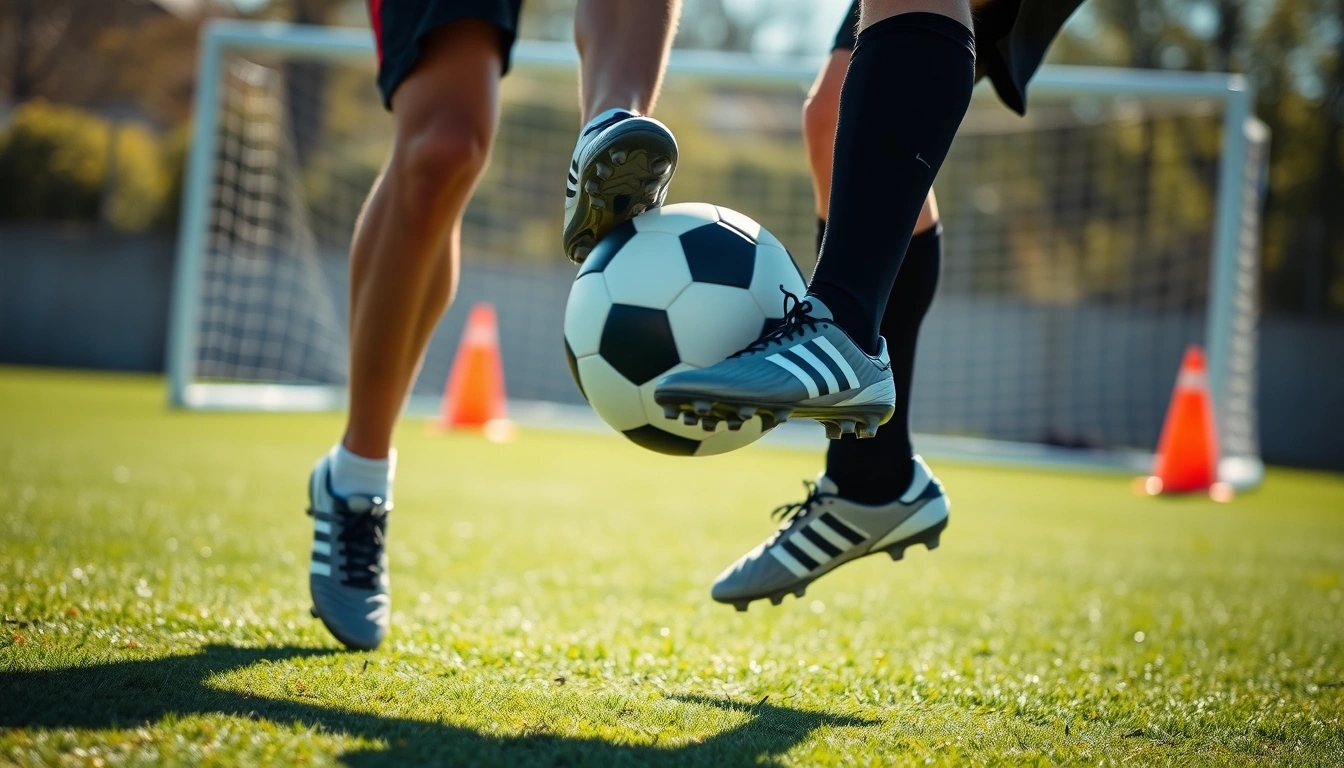
Basic Drills to Build Confidence
Alright, so you want to get that weaker foot of yours up to speed, huh? Well, buckle up because it’s not going to happen overnight. But hey, if you’re willing to put in the work, those simple, repeatable drills can seriously transform your game. The key word here? Patience. You’ll probably feel like your weaker foot is a stubborn mule at first—awkward, uncooperative, maybe even downright useless. But stick with it, and the payoff is absolutely worth the grind.
Let’s start with the Toe Taps and Wall Passes. These are the bread and butter of weaker foot drills. Find a wall, stand about 5-6 feet away, and start passing the ball with your weaker foot. Don’t try to blast it like Ronaldo just yet—focus on control and consistency. Try to do 50 passes without losing control. It sounds boring, but trust me, this builds muscle memory like crazy. Here’s a quick breakdown:
| Drill | Purpose | Reps |
|---|---|---|
| Wall Passes | Control and accuracy | 50 passes |
| Toe Taps | Foot coordination | 3 sets of 30 seconds |
Next up, the Stationary Shooting Drill. Set up a ball on the ground, and just shoot with your weaker foot from about 8-10 yards out. Don’t worry about power; aim for placement. Pick a target spot on the goal or a cone. Try to hit that target 10 times consecutively. If you miss, no sweat—just reset and try again. This drill helps build confidence because you start to trust your weaker foot to do the job.
- Tip: Keep your body over the ball to avoid sky-high shots.
- Tip: Use the inside of your foot for better accuracy.
- Tip: Breathe! Tension kills precision.
Now, don’t just stick to static drills. Movement matters. The Dribble and Shoot Drill is where things get a bit more realistic. Dribble the ball using only your weaker foot around cones spaced about 2 feet apart, then take a shot at goal. This mimics real game scenarios where you’re not just standing still, and it forces your weaker foot to perform under pressure.
Remember, frustration will hit. You’ll want to throw the ball against the wall or give up halfway through. But here’s the deal: every pro was once where you are now—awkward, slow, and unsure. The magic happens when you keep showing up.
Weekly Drill Plan Example:Monday: Wall Passes + Toe Taps (30 minutes)Wednesday: Stationary Shooting Drill (20 minutes)Friday: Dribble and Shoot Drill (30 minutes)Sunday: Light ball work and review progress (15 minutes)
Stick to a schedule like this, and you’ll start noticing your weaker foot isn’t just a decoration anymore. It’s a weapon. And hey, if you can surprise your opponents with a sneaky left-footer (or right-footer), you’ll be laughing all the way to the net.
So, grab that ball and get to work. Your future self will thank you when you’re banging in goals with both feet like it’s no big deal.
Advanced Techniques for Precision and Power
So, you’ve nailed the basics, right? You can comfortably shoot with both feet without feeling like you’re about to trip over your own laces. Great! But now, it’s time to crank things up a notch. Shooting with power and precision isn’t just about brute strength or blindly blasting the ball; it’s a fine art that requires a mix of technique, muscle memory, and a sprinkle of confidence. Let’s dive into some cool exercises and tips that’ll help you sharpen those shots and make defenders sweat.
1. Perfecting Your Plant Foot Position
Here’s a nugget many overlook: the position of your non-kicking foot (the plant foot) is crucial. It acts as your balance anchor and determines the direction and power of your shot. Place it about 6-12 inches beside the ball, pointing towards your target. Too close or too far, and you’ll either lose power or accuracy. Try this simple drill:
- Set up cones as targets 10-15 yards away.
- Focus on planting your foot correctly before shooting.
- Repeat 20 times with each foot.
2. The Art of the Follow-Through
You might be tempted to stop your foot right after striking the ball, but a proper follow-through is where the magic happens. It ensures your shot maintains direction and velocity. Think of your kicking leg as a whip — the snap comes after the hit. Try to swing your foot through the ball, aiming for a smooth, fluid motion rather than a stiff kick.
| Drill | Objective | How to Execute |
|---|---|---|
| Target Practice | Improve precision | Shoot at small goals or marked zones on the net. Focus on accuracy over power. |
| Power Shots | Build strength and shot velocity | Take long-range shots focusing on striking the ball with the laces and full body behind it. |
| Combined Drill | Balance power and precision | Alternate between power shots and target practice in sets of 10. |
3. Strengthening Your Shooting Muscles
Let’s get real — you can’t expect pinpoint shots if your leg muscles are weak. Incorporate strength training like squats, lunges, and plyometric jumps into your routine. These exercises build explosive power, which translates directly to harder and more controlled shots.
4. Visualizing Your Shots
Sounds a bit woo-woo, but visualization works. Before you strike, picture the ball curving past the keeper’s fingertips or zipping into the top corner. This mental rehearsal primes your brain and body to perform better under pressure.
- Tip: Use cones or markers on the goal to visualize your target zones.
- Tip: Record your shooting sessions to analyze and refine your technique.
Remember, don’t get discouraged if your weaker foot feels like a stubborn mule at first. The key is consistency and keeping your eyes on the prize — becoming a dual-footed threat. Keep mixing these drills into your training, and soon enough, you’ll be striking with the kind of finesse and power that leaves keepers guessing and defenders biting their nails.
Pro Tip: Try shooting with both feet after a sprint or some fatigue sets in. That’s when your brain and body really get tested, and it’ll prepare you for those intense match moments.
So, lace up, get out there, and start turning those shots into weapons. Your two-footed game is about to get seriously dangerous.
Incorporating Both Feet in Game Situations
Training alone with your weaker foot is one thing, but when it comes to actually using both feet effectively during matches, that’s where the real challenge kicks in. It’s not just about muscle memory or fancy drills anymore — it’s about tactical awareness, split-second decision-making, and adapting on the fly. The pitch is a chaotic place, and you can’t afford to be one-footed when defenders smell blood and close you down fast.
Let’s be honest, even the best players sometimes hesitate when forced to use their “off” foot in a crunch. That hesitation? It’s the difference between a goal and a missed chance. So how do you train yourself to trust both feet under pressure? First off, you gotta get comfortable with unpredictability. Matches aren’t neat and tidy; they’re messy, with defenders darting in and out, teammates shouting, and the ball bouncing in weird directions. You need to develop that instinct where your brain says, “Shoot with the right? Nah, left it is!” without overthinking.
- Situational drills: Practice shooting or passing with both feet while simulating game pressure. For example, have a teammate or coach close you down, forcing quick decisions.
- Small-sided games: These tight spaces force you to use both feet because you don’t have time or room to favor one side.
- Video analysis: Watch your games or training footage to spot moments you default to your stronger foot and consciously work on switching it up.
| Challenge | Tactical Solution | Training Tip |
|---|---|---|
| Pressure from defenders closing in quickly | Use your weaker foot to surprise defenders by shooting or passing unexpectedly | Drills with a defender closing in to force quick weaker foot use |
| Limited space for positioning | Master quick touches and control with both feet to create shooting angles | Practice tight control and flicks using both feet in small-sided games |
| Fatigue affecting dominant foot accuracy | Switch to weaker foot when tired to maintain unpredictability | Endurance drills combined with shooting practice on both feet |
Now, don’t get me wrong — it’s not like you magically become ambidextrous overnight. There will be moments when your weaker foot just won’t cooperate, and that’s okay. The key is building confidence through repetition and real-game scenarios. The more you force yourself to use that foot in matches — even if it feels clumsy at first — the faster your brain and body sync up. Plus, defenders hate guessing what you’ll do next, and that hesitation on their end? That’s your golden ticket.
One sneaky tip? Sometimes pretend you’re going to use your strong foot but switch at the last second. It messes with defenders and gives you a split-second advantage. But remember, this only works if your weaker foot isn’t a complete liability. So keep grinding those drills.
In the end, incorporating both feet in game situations is all about mental toughness and adaptability. You’ll fumble, you’ll miss, but if you keep pushing, you’ll soon find yourself naturally weaving between feet like a pro. And that, my friend, is how you become a nightmare for defenders and a blessing for your team.
Quick checklist for match-day:
- Stay calm under pressure — panic kills technique.
- Scan the field quickly to spot opportunities for your weaker foot.
- Practice “what if” scenarios in your mind before the game.
- Celebrate small wins when you successfully use your weaker foot in a game!
So next time you hit the pitch, remember: it’s not just about training solo, but bringing that two-footed magic alive when it counts. Game on!
Common Mistakes and How to Avoid Them
Shooting with your weaker foot isn’t just about kicking the ball and hoping for the best. It’s a whole different beast, and if you’re not careful, you’ll fall into some classic traps that can seriously stall your progress. Let’s be honest, almost every player trying to become two-footed trips over the same hurdles, so you’re not alone! But recognizing these pitfalls early can save you a lot of frustration down the road.
Overthinking Every Shot
One of the biggest killers of confidence is overthinking. When you’re trying to shoot with your weaker foot, your brain tends to go into overdrive, analyzing every tiny detail: “Is my foot angled right? Am I hitting the ball correctly? What if I miss?” This mental paralysis can cause hesitation, leading to weak or inaccurate shots. Instead, try to keep it simple. Focus on the basics: plant your non-kicking foot beside the ball, swing your kicking foot through, and follow through naturally. Repetition will help your brain trust your foot to do its job.
| Common Mistakes | What Happens | How to Fix It |
|---|---|---|
| Overthinking | Hesitation, weak shots | Practice simple drills, trust your instincts |
| Poor Foot Positioning | Mis-hits, loss of power and accuracy | Focus on proper plant foot placement |
| Neglecting Follow-Through | Shots lack power and direction | Emphasize smooth, full follow-through |
| Ignoring Body Balance | Unstable shots, awkward technique | Work on core strength and balance drills |
Poor Foot Positioning
It sounds obvious, but you’d be surprised how many players mess this up. Your plant foot—the one that doesn’t kick—needs to be positioned just right. Too close or too far from the ball? You’ll either scuff it or slice it wide. The angle of this foot also matters; pointing it too far away from your target will send the ball off course. A simple way to get this right is to imagine your plant foot pointing towards the target. It acts like a compass guiding your shot. Drill this until it’s second nature.
- Tip: Use cones or markers during practice to get consistent foot placement.
- Tip: Film yourself to check your positioning and adjust accordingly.
Neglecting Follow-Through
Many players think once the foot hits the ball, the job’s done. Nope! The follow-through is where power and accuracy get their mojo. Cutting your kick short or stopping abruptly kills momentum and wrecks your shot’s trajectory. Think of your kicking leg like a whip—it needs to snap through the ball fluidly. A proper follow-through also helps reduce injury risk, which is a bonus.
Ignoring Body Balance
Balance isn’t just for gymnasts. Shooting with your weaker foot demands solid core stability and control over your body. If you’re wobbling or leaning weirdly, your shot will suffer. Incorporate balance drills, like single-leg stands or stability ball exercises, into your training routine. It might sound boring, but trust me, it pays off.
Practical Insight:1. Warm-up with simple ball taps using your weaker foot.2. Set up a line of cones to practice shooting at targets.3. Record short clips to self-evaluate technique.4. Stay patient—improvement takes time.
Avoiding these mistakes isn’t rocket science, but it does require awareness and deliberate practice. So, next time you’re out there working on that weaker foot, remember: don’t get caught up in the mental noise, keep your feet planted right, follow through with flair, and stay balanced. Your two-footed game will thank you.
Tracking Your Progress: Tools and Tips
Keeping an eye on how far you’ve come while training to shoot with both feet isn’t just some boring task—it’s the secret sauce to staying pumped and actually seeing results. Let’s be honest, without tracking, it’s easy to get lost in the grind and feel like you’re running in circles. But how exactly do you keep tabs on your improvement without turning into a data-obsessed robot? Here’s the lowdown on simple, practical ways to measure your journey, from good old pen-and-paper to fancy tech gadgets.
Start with the Basics: Self-Assessment
Before you dive into high-tech stuff, get a grip on where you stand. Grab a notebook or your phone and jot down how many shots you can land on target with each foot during a practice session. Don’t just count goals—track shots on goal, distance, and even how comfortable you felt. This self-awareness is like a compass, guiding your next moves.
- Example Drill: Take 20 shots with your weaker foot, note how many hit the target.
- Repeat the same with your dominant foot for comparison.
- Record your feelings: confident, shaky, or downright frustrated?
Use Video to Your Advantage
If you’re not filming yourself, what are you even doing? Watching your technique in slow-mo can reveal all sorts of quirks you miss in the heat of the moment. Plus, seeing your progress over weeks is insanely motivating. Even a basic smartphone camera does the trick—no need for fancy gear.
| Tool | Purpose | Pros | Cons |
|---|---|---|---|
| Notebook / Journal | Track drills, feelings, and results | Simple, no tech needed, personal | Can be tedious, easy to forget |
| Smartphone Video | Analyze technique and progress visually | Accessible, detailed feedback | Requires self-discipline to review |
| Apps (e.g., Coach’s Eye, Hudl) | Advanced video analysis and stats | Professional-grade insights | Sometimes pricey, learning curve |
Embrace Tech, But Don’t Obsess
There’s a dizzying array of apps and gadgets promising to turn you into Messi overnight. Spoiler: they won’t do the work for you. However, tools like shooting trackers or performance apps can add a fun, competitive edge to your training. Just don’t get sucked into the trap of chasing perfect numbers instead of focusing on actual skill improvement.
Set Realistic Benchmarks and Celebrate Wins
Nothing kills motivation faster than setting impossible goals. Instead, aim for small, achievable milestones. Maybe it’s landing 10 shots on target with your weaker foot this week or increasing shot power by 5%. When you hit those, celebrate! Treat yourself to something cool (yes, pizza counts). This positive reinforcement keeps the fire alive.
- Track weekly progress in a chart or spreadsheet.
- Compare stats every month to spot trends.
- Ask a friend or coach for feedback to add perspective.
In the end, tracking your progress isn’t about obsessing over numbers or turning training into a chore. It’s about staying honest with yourself, recognizing improvements, and tweaking your approach when things stall. So grab that notebook, hit record, and start measuring your way to becoming a two-footed shooting machine. Trust me, your future self will thank you.
Inspiring Stories of Ambidextrous Players
Let’s be honest, mastering shooting with both feet in football isn’t just some fancy skill to brag about at the pub — it’s a genuine game-changer. Players who can rock shots with either foot leave defenders scratching their heads, wondering which way they’ll strike next. And while it sounds like something only pros can pull off, the truth is, with enough grit and practice, anyone can get there. But don’t just take my word for it; let’s peek at some legends who made ambidextrous shooting their trademark.
- Diego Maradona – The Argentine maestro wasn’t just about dazzling dribbles and cheeky passes. Maradona had this uncanny ability to shoot powerfully and accurately with both feet, making him unpredictable and deadly in front of goal. His left foot might get all the headlines, but his right foot wasn’t just a sidekick—it was a secret weapon.
- Lionel Messi – Okay, Messi’s left foot is basically a magic wand. But don’t sleep on his right. While he’s predominantly left-footed, the little magician has scored some crucial goals with his right, proving he’s not just a one-trick pony. It’s like having a backup plan that’s just as good as the main act.
- Cristiano Ronaldo – The Portuguese superstar is the epitome of ambidexterity on the pitch. His powerful shots come from both feet, and he isn’t shy about unleashing them. This versatility has made him a nightmare for goalkeepers worldwide. If you’ve ever watched CR7 in action, you know he can bend it left, right, or center—and with either foot.
Now, if you’re thinking, “Yeah, but those guys were born with talent,” hold your horses. Talent helps, sure, but dedication is what separates the legends from the wannabes. The truth is, these players spent countless hours honing their weaker foot, sometimes doing drills that are downright boring or frustrating. But that’s the secret sauce.
| Player | Known For | Ambidextrous Trait |
|---|---|---|
| Diego Maradona | Creative playmaking, dribbling | Powerful shots with both feet |
| Lionel Messi | Precision, dribbling, free kicks | Occasional right-footed goals |
| Cristiano Ronaldo | Powerful shooting, heading | Strong shots and volleys with both feet |
But hey, it’s not just the big names. Plenty of lesser-known players have surprised scouts and fans alike by being equally competent with both feet. Sometimes, it’s that extra unpredictability that opens doors to pro contracts or clutch moments in local leagues.
Tips to Train Your Weaker Foot Like the Pros:- Daily wall passes with your weaker foot- Shooting drills alternating feet- Juggling to improve touch and control- Watching footage of ambidextrous players for inspiration
In the end, the takeaway is simple: shooting with both feet isn’t some mythical talent reserved for a chosen few. It’s a skill that grows with persistence, patience, and a bit of stubbornness. So next time you’re on the pitch, give that weaker foot some love — who knows, you might just become the next ambidextrous legend everyone talks about.
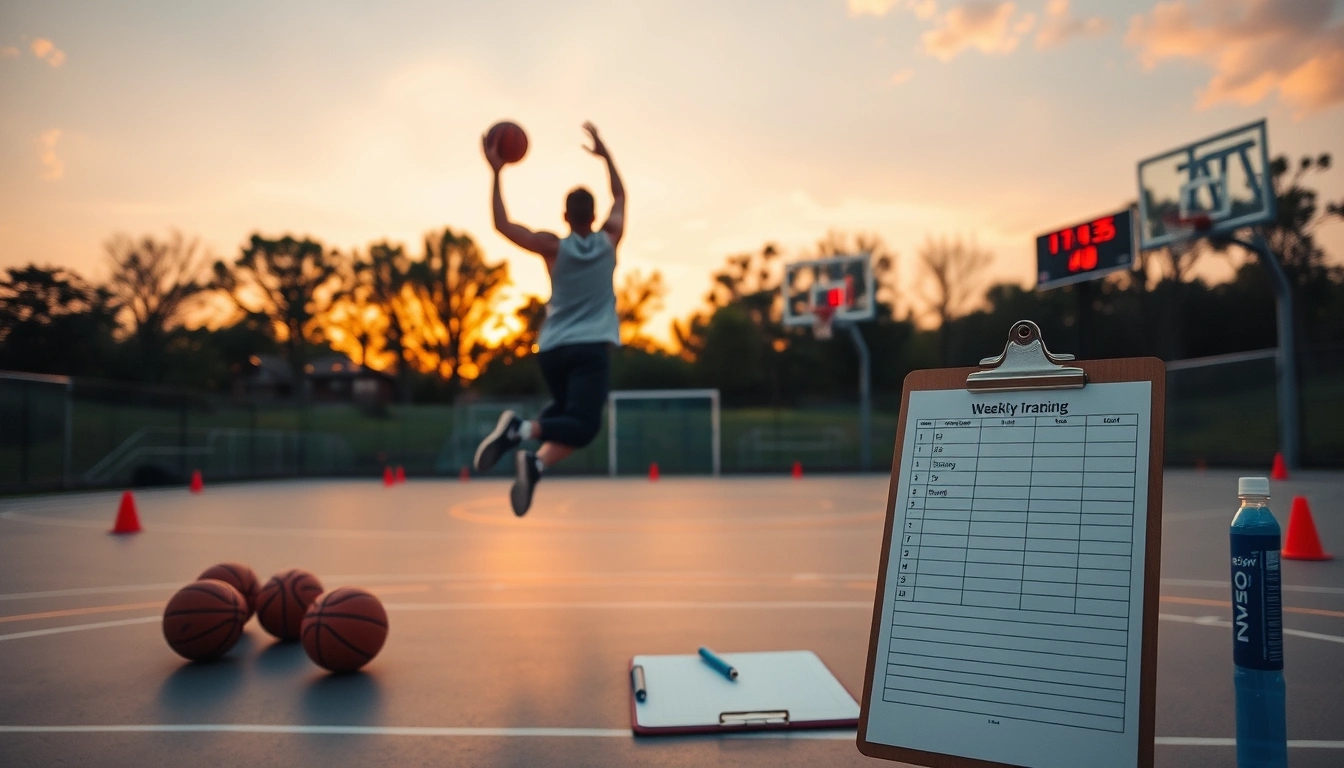
Putting It All Together: Weekly Training Plan
Alright, so you’ve learned why shooting with both feet is a game-changer, and you’ve got some drills under your belt. Now, the million-dollar question: how do you actually put it all together without burning out or losing your mind? Here’s a no-nonsense, practical weekly schedule that balances drills, rest, and match practice to help you steadily build those two-footed shooting skills.
| Day | Focus | Details |
|---|---|---|
| Monday | Weaker Foot Drills | Start the week fresh with 30 minutes of basic shooting drills using your weaker foot. Keep it simple: stationary shots, then moving shots. Focus on technique over power. |
| Tuesday | Rest & Recovery | Take a breather. Your muscles and brain need downtime to absorb the new skills. Light stretching or yoga if you’re feeling fancy. |
| Wednesday | Advanced Shooting & Power | Time to crank it up a notch. Spend 40 minutes on power shots and precision drills. Mix in some volley practice with both feet to build confidence. |
| Thursday | Game Simulation | Practice shooting under pressure. Set up small-sided games or shooting drills that mimic real match situations. Use both feet as much as possible. |
| Friday | Weaker Foot Touch-Up | Back to basics but faster pace. 20 minutes of quick-fire shots with your weaker foot, followed by 20 minutes of dribbling and ball control drills. |
| Saturday | Match Day or Scrimmage | If you’ve got a game, focus on applying your two-footed skills. If not, organize a scrimmage or a friendly match to simulate real pressure and decision-making. |
| Sunday | Active Recovery & Review | Light jogging, stretching, and review your progress. Watch videos of ambidextrous players, or record yourself to spot areas needing improvement. |
- Consistency beats intensity: Don’t go full throttle every day. Your weaker foot needs time to adapt, so steady, repeated practice is the name of the game.
- Rest is your friend: Skipping rest days is a rookie mistake. Your brain and muscles grow when you’re chilling, not just when you’re grinding.
- Mix drills with fun: Nobody likes boring routines. Throw in some challenges like shooting targets or timed shooting contests to keep things spicy.
Sample Drill for Weaker Foot (Monday & Friday):1. Stationary Shots - 10 minutes - Place the ball 10 yards from goal. - Shoot with your weaker foot aiming for corners.2. Moving Shots - 10 minutes - Dribble towards goal, then shoot.3. Quick Fire Shots - 10 minutes (Friday only) - One-touch shots from short passes.
Look, building two-footed shooting skills isn’t going to happen overnight. It’s more like a slow boil than a quick fry. You’ll have days when your weaker foot feels like a noodle, and days when it suddenly surprises you with a rocket shot. Stick with this plan, keep your ego in check, and don’t be afraid to mess up—because every miss is just a step closer to nailing that perfect strike.
Remember: The goal isn’t just to shoot with both feet—it’s to feel comfortable doing it under pressure, in the heat of the game. This weekly plan is your blueprint, but your attitude and grit will write the story.
Good luck out there—now get kicking!
Frequently Asked Questions
- Why is it important to shoot with both feet?
Great question! Shooting with both feet makes you unpredictable on the field. Imagine being a chess player who can move any piece with equal skill—defenders won’t know which way you’ll strike next. This versatility opens up more scoring chances and makes you a real threat to opponents.
- How can I assess which foot is my weaker one?
Start by paying attention during practice and games—notice which foot feels less natural or less accurate when shooting. Try simple drills like shooting at targets with each foot separately. Tracking your success rate and comfort level helps you pinpoint your weaker side.
- What are some easy drills to improve my weaker foot?
Consistency is key! Begin with basic drills like stationary shooting, passing against a wall, or dribbling through cones using your weaker foot. Repetition builds muscle memory—think of it as teaching your foot a new dance move that gets smoother every time.
- How do I add power and precision to shots with my weaker foot?
Once basics feel comfortable, focus on technique: plant your non-kicking foot firmly, swing your kicking leg with controlled force, and follow through. Incorporate exercises like weighted kicks or resistance bands to build strength and accuracy gradually.
- Is it hard to use both feet effectively during real matches?
It can be challenging at first, but with tactical awareness and quick thinking, it becomes second nature. Practice decision-making drills and small-sided games that force you to use your weaker foot under pressure—this builds confidence for match situations.
- What mistakes should I avoid when training my weaker foot?
Don’t rush or get discouraged! Common pitfalls include overthinking each shot, poor foot placement, or neglecting rest. Remember, progress is a marathon, not a sprint—stay patient and focus on proper technique rather than just power.
- How can I track my progress effectively?
Use simple tools like video recordings, shot accuracy charts, or smartphone apps designed for sports training. Regularly reviewing your performance helps you spot improvements and areas needing more work, keeping motivation high.
- Are there famous players who mastered shooting with both feet?
Absolutely! Legends like Cristiano Ronaldo and Lionel Messi have honed their ambidexterity, turning them into unstoppable forces. Their stories prove that dedication and smart training can transform your game dramatically.
- Can you suggest a weekly plan to practice shooting with both feet?
Sure! Mix drills, rest, and gameplay throughout the week. For example, start with basic drills on Monday and Wednesday, focus on advanced techniques Thursday, play small-sided games Friday, rest Saturday, and review progress Sunday. Balance is crucial for steady improvement.