
Identifying the right coach for young athletes? Oh, that’s like finding a needle in a haystack sometimes. It can make or break those early sports experiences, shaping not just skills but also how much kids fall in love with the game—or dread it forever. So, what’s the secret sauce that separates the coaching legends from the ones who, well, should probably stick to being fans on the sidelines? Let’s dive in, no holds barred.
Understanding the role of a youth sports coach
First off, a youth coach isn’t just the person yelling “Pass the ball!” or “Run faster!” They’re mentors, cheerleaders, and sometimes the much-needed voice of reason when emotions run high. Patience? A must. They’re molding character, not just muscle memory. If a coach treats the gig like a job on easy street, that’s a red flag. The best ones wear many hats—teacher, motivator, sometimes even a counselor.
Communication skills: The heart of coaching
If the coach can’t talk to kids in a way that makes sense—without sounding like a broken record or a drill sergeant—that’s a problem. They also have to handle parents and officials without losing their cool. Clear, encouraging communication is golden. Ever seen a coach mumble instructions so confusing that even the kids look lost? Yeah, avoid that.
| Good Coach | Poor Coach |
|---|---|
| Explains plays clearly | Uses jargon kids don’t get |
| Listens to players’ concerns | Ignores questions or feedback |
| Balances encouragement and discipline | Either too harsh or too lenient |
Experience vs. enthusiasm: Which matters more?
This one’s tricky. Some swear by years of coaching under their belt—experience means they’ve seen it all, right? But sometimes, raw passion beats experience hands down. A newbie coach might bring fresh energy and ideas, while a grizzled vet might be stuck in old ways. Ideally, you want a blend: someone who knows the ropes but still gets jazzed about every goal and every practice.
- Experience: Knows game strategies, handles pressure well.
- Enthusiasm: Infectious energy, builds team spirit.
- Best combo: Passionate, knowledgeable, adaptable.
Spotting patience and empathy in action
Kids mess up. They throw tantrums, forget plays, or just have an “off” day. The coach’s reaction here? Priceless. A good coach doesn’t lose their cool or shame the kid publicly. Instead, they guide with patience, understanding each kid’s pace of learning. If the coach snaps at every mistake or plays favorites, that’s a big no-no.
Technical knowledge: How much is enough?
Knowing the rules is just the tip of the iceberg. The real deal is understanding tactics and how to develop skills progressively. A coach who’s all about “win at all costs” but lacks skill-building insight? Beware. Youth sports are about growth, not just the scoreboard.
Technical Knowledge Checklist:- Understands basic rules & regulations- Can teach fundamental skills clearly- Plans practices with skill progression- Adapts strategies to team’s level- Balances competition & development
So, next time you’re scouting for a youth sports coach, don’t just look at their resume. Watch how they interact, listen to how they communicate, and see if they truly care about the kids—not just the wins. Because at the end of the day, a great coach makes the game fun, builds confidence, and turns young athletes into better players and better people. And if you find one like that? Hold on tight—they’re worth their weight in gold.
Understanding the role of a youth sports coach
Before you start sizing up a youth sports coach just by their whistle or clipboard, let’s pump the brakes and really get what’s cooking behind that role. It’s not just about teaching kids how to dribble, pass, or score. Nope, it’s way more layered than that. A youth coach wears a bunch of hats — mentor, motivator, sometimes even a therapist (whether they signed up for it or not). The game is just the stage, but the real show is the personal growth happening off the scoreboard.
Think about it: kids come to practice with all sorts of moods, energy levels, and backgrounds. The coach’s job is to navigate this wild mix, keep spirits up, and make sure everyone feels like they belong. That takes patience, a whole lot of it. You don’t just snap your fingers and expect a kid who’s struggling with coordination or confidence to magically turn into a mini-Messi overnight. It’s a slow grind, with plenty of encouragement and sometimes a gentle kick in the right direction.
- Mentorship: Coaches aren’t just about drills; they’re role models. They show kids how to handle wins, losses, and even those awkward moments in between.
- Building character: Sports teach teamwork, respect, and resilience. A good coach knows how to weave those lessons into every session.
- Creating a safe space: Kids need to feel safe to make mistakes. Coaches foster that environment where errors are just part of learning.
Now, if you think the coach’s role ends when the whistle blows, think again. They’re often the bridge between parents and players, managing expectations, calming nerves, and sometimes diffusing drama. It’s like being a referee off the field.
| Role Aspect | What It Means | Why It Matters |
|---|---|---|
| Mentorship | Guiding kids beyond sports | Shapes life skills and confidence |
| Patience | Allowing time for growth | Prevents frustration and burnout |
| Communication | Clear, honest, and kind talks | Keeps everyone on the same page |
| Inclusivity | Welcoming all skill levels | Boosts team spirit and self-esteem |
It’s tempting to think a coach’s job is just X’s and O’s, but really, they’re shaping how kids see themselves and their place in a team — sometimes even their whole outlook on sports and life. So next time you’re wondering if a coach is “good enough,” remember it’s not just about wins or losses. It’s about the impact they leave on those young players, long after the final whistle.
In short, a youth coach is more than a game teacher — they’re a mentor, a motivator, a patient guide, and sometimes the unsung hero behind a kid’s love for the sport. And honestly? That’s a pretty big deal.
Communication skills: The heart of coaching
So, you wanna know what really makes a coach tick? Spoiler alert: it’s all about how they communicate. And no, I’m not just talking about barking orders or blowing a whistle. A good youth sports coach? They’re part motivator, part mediator, part drill sergeant — all wrapped up in one. The way they talk to kids, parents, and officials can either make the whole experience a blast or a total nightmare.
Let’s start with the kids — the real MVPs here. A coach who can switch gears between being encouraging and firm is worth their weight in gold. Kids need to feel like they’re being heard and supported, not just yelled at to “run faster” or “pay attention.” You’ll notice the best coaches use simple, clear language that even the youngest players can grasp. And don’t get me wrong, sometimes a little tough love is necessary — but it’s all about balance. Too harsh, and you risk crushing their confidence; too soft, and you might end up with a team that’s more interested in snack time than the game.
| Audience | Communication Style | Purpose |
|---|---|---|
| Kids | Simple, supportive, sometimes firm | Build confidence, teach skills, maintain focus |
| Parents | Transparent, respectful, boundary-setting | Manage expectations, encourage support, avoid conflicts |
| Officials | Polite, clear, cooperative | Ensure smooth game flow, resolve disputes |
Now, parents — oh boy, that’s a whole other ball game. A savvy coach knows how to keep parents in the loop without letting them hijack the team. It’s a tightrope walk between being open about progress and setting firm boundaries. You don’t want a coach who either ignores parents or lets them run the show. The secret sauce? Respectful, honest conversations that keep everyone on the same page. Sometimes it means saying, “Hey, I get you’re passionate, but let me do my job.” And sometimes it means giving props when parents are doing the right thing.
And let’s not forget the officials — those often underappreciated folks trying to keep the chaos in check. A good coach treats them with respect, even when the whistle feels like a personal attack. Clear, calm communication with referees can prevent unnecessary drama and keep the game moving. After all, a coach who loses their cool with officials is usually the first to lose the respect of their team.
- Pro tip: Watch how a coach handles a tough call — do they argue, or do they model sportsmanship?
- Heads up: Coaches who avoid talking to parents or officials might be hiding something.
- Golden rule: Communication isn’t just about talking — it’s listening, too.
At the end of the day, it’s the quality of communication that separates the good coaches from the great ones. They don’t just teach plays; they build trust, handle emotions, and create an environment where young athletes can thrive — on and off the field. So next time you’re scouting for a coach, pay close attention to how they talk. It might just tell you everything you need to know.
Experience vs. enthusiasm: Which matters more?
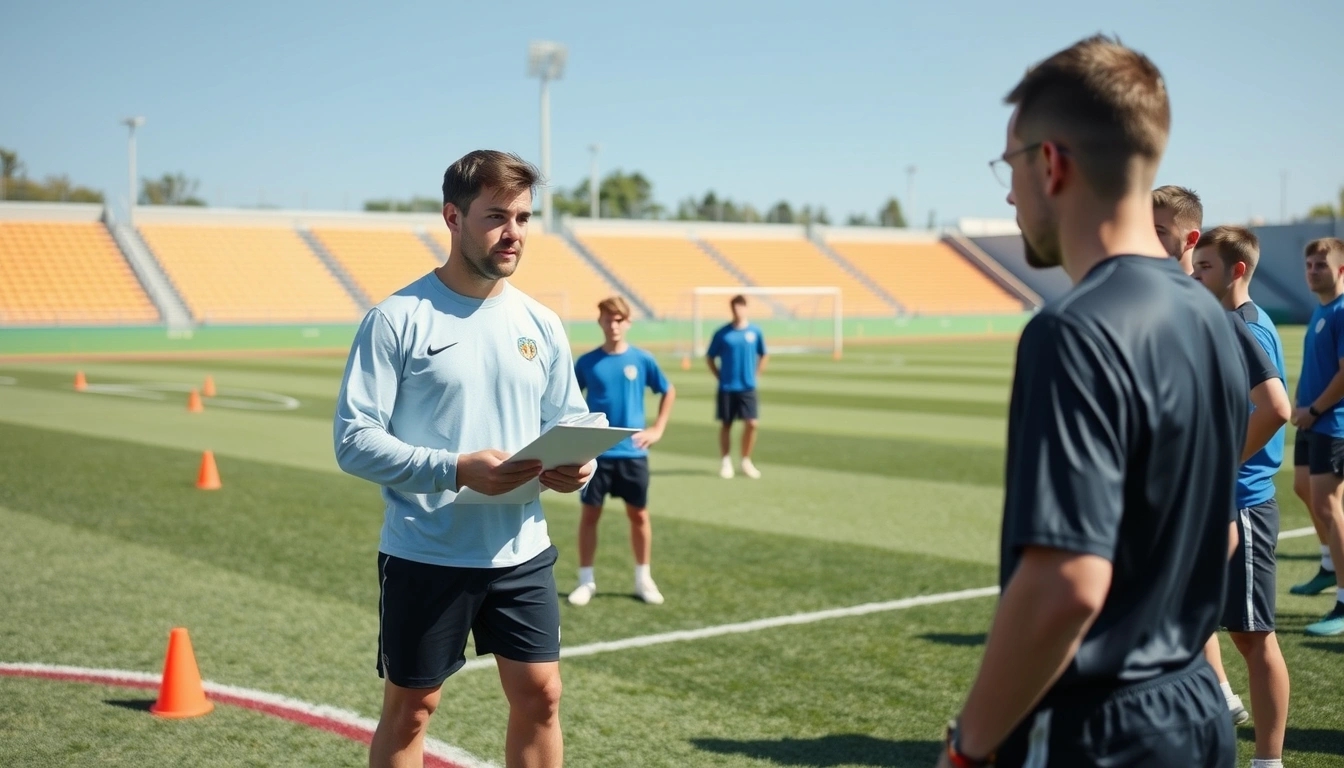
Choosing between a seasoned coach with decades of experience and a fresh-faced, passionate newbie is like picking between a trusty old pickup and a shiny sports car. Both have their perks, but which one really drives your young athlete forward? Let’s dig into this classic debate and see what really counts.
First off, experience isn’t just a fancy word tossed around to sound impressive. Coaches with years under their belt have usually seen it all — the wins, the losses, the tantrums, the breakthroughs. They know how to handle a kid who just can’t seem to get their head around a skill or a parent who’s a little too invested. Their playbook isn’t just about X’s and O’s; it’s about managing personalities, building resilience, and sometimes, just knowing when to call a timeout to cool things down.
- Pros of Experience: Stability, tested strategies, calm under pressure.
- Cons of Experience: Can sometimes be stuck in old ways, less flexible.
But hey, don’t count out the passionate rookie just yet. Sometimes raw enthusiasm is the secret sauce that sparks real joy and motivation in young players. A coach who’s fired up about the game can be contagious, making practices feel less like a chore and more like an adventure. They often bring fresh ideas, new drills, and a genuine eagerness to learn alongside the kids. Plus, their energy can drown out the usual “I don’t wanna” grumbles from the sidelines.
| Passionate Coach | Seasoned Coach |
|---|---|
| High energy and motivation | Deep understanding of game mechanics |
| Innovative and adaptable | Experienced in conflict resolution |
| May lack strategic depth | Sometimes resistant to change |
| Relatable and approachable | Reliable and consistent |
But here’s the kicker — neither experience nor enthusiasm alone guarantees a great coach. Imagine a coach who’s been around forever but has zero passion; that’s a snooze fest waiting to happen. Or a coach bursting with energy but clueless about fundamentals; that can lead to confusion and frustration.
So, what should you really look for? It’s a combo deal. A coach who’s got enough experience to guide effectively but also the enthusiasm to keep things lively is the sweet spot. They should be willing to learn and evolve, not just rest on their laurels or burn out from trying too hard.
Practical Tips to Spot the Right Balance:- Ask about their coaching journey: How do they keep their skills fresh?- Observe a practice: Does the coach engage with kids or just bark orders?- Listen to kids’ feedback: Are they excited or dreading sessions?
At the end of the day, youth sports coaching isn’t about ticking boxes; it’s about connecting with kids, inspiring growth, and making the game fun. Whether that comes from years of wisdom or a heart full of fire, the best coaches find a way to bring both to the field.
Remember: Passion without knowledge can fizzle out, and experience without passion can feel like a drag. The magic happens when both come together, creating a coach who’s not just a teacher but a true mentor.
So, next time you’re stuck between “old timer” and “newbie,” think beyond the surface. Look for that spark, that commitment, and that genuine care — because that’s what really makes a coach great.
Spotting patience and empathy in action
When it comes to youth sports, finding a coach who can keep their cool is like finding a unicorn in a sea of hotheads. Seriously, dealing with kids who throw tantrums, make endless mistakes, or just don’t quite get it right away is no walk in the park. So, how do you actually spot if a coach has that rare blend of patience and empathy? Let’s break it down.
First off, patience isn’t just about waiting quietly while a kid fumbles a drill for the tenth time. No, it’s about the attitude they bring to the field every single day. Does the coach sigh heavily or roll their eyes when a player messes up? Or do they take a breath, maybe crack a joke, and encourage the kid to try again? That’s the difference between someone who’s in it for the love of the game and someone who’s just counting the minutes until practice ends.
- Signs of patience:
- Consistent calm tone, even under pressure
- Willingness to repeat instructions without frustration
- Giving kids time to learn at their own pace
Empathy, on the other hand, is the secret sauce. It’s not just about understanding the rules or the sport; it’s about understanding the kid behind the helmet. A coach with empathy tunes into the emotional state of their players — whether Johnny’s upset because he missed a goal or Sally’s nervous about trying out for the team. They don’t just bark orders; they listen, offer reassurance, and adjust their approach accordingly.
| Empathy in Action | What to Look For |
|---|---|
| Active listening | Coach stops what they’re doing to hear a player out |
| Individualized encouragement | Tailors feedback based on each child’s personality and needs |
| Recognizing emotions | Notices when a player is frustrated, scared, or excited and responds appropriately |
Now, don’t get me wrong—being patient and empathetic doesn’t mean the coach is a pushover. Kids need boundaries and structure, but the best coaches know how to blend firmness with kindness. They understand that mistakes aren’t failures; they’re just part of the messy, beautiful process of learning.
Here’s a quick checklist to help you size up a coach’s patience and empathy on game day:
- Does the coach stay composed when a player makes a mistake?
- Do they offer constructive feedback instead of criticism?
- Are they approachable when a child wants to talk?
- Do they celebrate small victories, not just the big wins?
At the end of the day, youth sports are about growth, fun, and building confidence. A coach who masters patience and empathy isn’t just teaching the game—they’re shaping kids into resilient, happy humans. And honestly, that’s the kind of coach every kid deserves.
Technical knowledge: How much is enough?
Alright, so you’ve got a youth sports coach who knows the basic rules — great. But let’s be honest, that’s just scratching the surface. Anyone can memorize the rulebook, but the real magic happens when a coach understands the tactics and how to develop skills in young players. And no, this doesn’t mean drilling kids until they’re robots on the field. It’s about knowing when to push, how to teach, and why certain skills matter at different stages of development.
Here’s a little secret: technical expertise at the youth level isn’t about being a former pro or having a trophy cabinet full of medals. Instead, it’s about knowing how to break down complex moves into bite-sized pieces that kids can actually grasp. Imagine trying to teach a 7-year-old the offside rule in soccer — if you just spout the textbook definition, you’ll lose them faster than you can say “kick-off.” But if you use simple analogies or games, suddenly it clicks.
- Understanding skill progression: A good coach knows what skills are age-appropriate and how to build on them over time.
- Tactical awareness: They grasp how positioning, spacing, and teamwork fit into the bigger picture, not just individual talent.
- Adaptability: They adjust drills and instructions based on the players’ strengths and weaknesses.
Now, don’t get me wrong — tactical knowledge is important. But here’s the kicker: too much focus on tactics too early can overwhelm young players. Think of it like trying to teach chess to toddlers before they even know how to move the pieces. The trick is balancing technical know-how with patience and fun.
| Level | Focus | Coach’s Role |
|---|---|---|
| Beginner (ages 5-8) | Basic movement & coordination | Make learning fun, introduce simple rules, build confidence |
| Intermediate (ages 9-12) | Skill refinement & basic tactics | Explain positioning, encourage teamwork, start strategic thinking |
| Advanced (ages 13+) | Complex tactics & competitive skills | Develop game plans, analyze opponents, focus on mental toughness |
Here’s a quick reality check: a coach who only knows the rules but can’t teach skills or tactics effectively is like a GPS that only gives you the destination but no directions on how to get there. Meanwhile, a coach with solid technical knowledge but zero patience or communication skills? Well, that’s just a recipe for frustration.
So, how do you spot the right balance? Watch how the coach explains things during practice or games. Do they get frustrated when a kid messes up, or do they break it down and try again? Are they encouraging creativity and problem-solving, or just barking orders? These little moments reveal a lot about their technical grasp.
In the end, technical knowledge in youth sports coaching isn’t about perfection or encyclopedic knowledge — it’s about knowing enough to guide, inspire, and develop young athletes without turning them off the sport. Because at this stage, the goal isn’t to create mini-professionals overnight; it’s to foster a love of the game that lasts a lifetime.
Quick Tips for Parents and Guardians:
- Ask coaches how they tailor skill development for different age groups.
- Observe if they balance drills with fun activities.
- Check if they explain tactics in a way kids understand.
- See how they respond to mistakes — patience is key!
Remember, technical knowledge is a tool, not a trophy. The best coaches use it wisely to build confidence, not just competence.

Creating a positive and inclusive environment
When it comes to youth sports, the vibe a coach sets can totally change the game — literally. A good coach isn’t just about drills and plays; they’re the glue that holds the team together, making sure every kid feels like they belong. No exceptions. No sidelines for the shy ones or the slower learners. And definitely no room for bullying or cliques. Sounds simple, right? Well, it’s easier said than done.
Why does inclusivity matter so much?
Kids come from all sorts of backgrounds, with different skill levels and personalities. A coach who recognizes and celebrates these differences can turn a group of individuals into a tight-knit team. It’s about more than just winning games; it’s about building confidence and friendships that last beyond the final whistle. When kids feel safe and valued, they’re more likely to show up, try hard, and stick with the sport.
- Look for signs of genuine encouragement: Does the coach cheer for effort, not just goals?
- Notice how they handle mistakes: Are errors met with frustration or with patience?
- Watch interactions during practice: Are all players getting equal attention?
Now, spotting a coach who nails this isn’t always straightforward. Sometimes, they might be well-meaning but clueless about how to manage group dynamics. Other times, they might unintentionally favor the star players, leaving others feeling invisible. You know the type — the coach who only calls on the fastest kid or the one who scores the most. That’s a red flag waving right there.
| Behavior | What to Watch For |
|---|---|
| Team Meetings | Encourages open discussion, listens to all players’ opinions |
| Practice Drills | Rotates positions, ensures every kid participates equally |
| Conflict Resolution | Addresses bullying immediately, mediates fairly |
| Positive Reinforcement | Celebrates small wins and personal improvements |
And bullying? Oh boy, it’s a serious deal. A coach who ignores teasing or exclusion is basically giving it a green light. The best coaches step in fast, setting clear rules and consequences. They create an environment where kids feel safe to speak up, where respect isn’t just a buzzword but a daily practice.
Sometimes, you’ll see a coach who’s all about “tough love” — pushing kids hard and maybe even yelling a bit. That’s not necessarily bad, but if it crosses into belittling or singling out players, it’s a no-go. The goal is to build resilience, not resentment.
- Ask yourself: Does the coach make an effort to include quieter kids during drills and games?
- Do they encourage teamwork over individual glory?
- Are parents and players comfortable approaching them with concerns?
At the end of the day, a coach’s attitude toward inclusivity and positivity shapes the entire team culture. It’s not just about teaching sports skills — it’s about nurturing young humans who learn to support each other, celebrate differences, and grow together. And honestly, isn’t that what youth sports should be all about?
Handling wins and losses: The emotional rollercoaster
When it comes to youth sports, the way a coach handles the inevitable ups and downs on the scoreboard can either build a young athlete’s resilience or pile on unnecessary stress. It’s not just about celebrating a win with a high-five or sulking after a loss. No, it’s a whole emotional dance that a coach leads, and kids are watching every step.
First off, a coach who knows how to keep their cool after a tough loss sets a powerful example. Instead of yelling or blaming, they acknowledge the effort, point out the positives, and remind players that mistakes are part of learning. That kind of reaction teaches kids that failure isn’t the end of the world — it’s just a stepping stone. On the flip side, if a coach loses their temper or gets visibly frustrated, it can make the kids anxious and afraid to try new things. Imagine a kid thinking, “If I mess up, Coach’s gonna blow up.” Not exactly a recipe for confidence.
- Positive reinforcement after losses helps keep motivation alive.
- Balanced feedback — pointing out what went well and what can improve — is key.
- Emotional regulation from the coach signals to kids how to handle their own feelings.
Now, what about those big wins? You’d think it’s all smiles and cheers, right? Well, yes and no. A coach who goes overboard with praise can unintentionally teach kids to tie their self-worth only to winning. That’s a slippery slope. Instead, the best coaches celebrate the team effort, the growth, and the fun — not just the scoreboard. They help kids understand that winning is great, but it’s not everything.
| Coach Reaction | Effect on Kids | What to Look For |
|---|---|---|
| Calm and encouraging after losses | Keeps kids motivated and resilient | Positive language, constructive feedback |
| Overly critical or angry | Creates fear and stress | Harsh words, blaming players |
| Balanced celebration after wins | Builds healthy self-esteem | Focus on effort, teamwork |
| Excessive praise tied only to winning | Leads to pressure and fear of failure | Overemphasis on scoreboard |
Let’s not forget, kids pick up on emotional cues like pros. If a coach freaks out over a missed shot or a bad call, that tension seeps into the team. But if the coach shrugs it off and keeps the mood light, it helps kids bounce back faster. It’s a lesson in resilience that goes way beyond sports — it’s about life.
So, parents and observers, when you’re watching a coach handle the emotional rollercoaster of wins and losses, ask yourself: Are they teaching the kids to keep their heads up no matter what? Or are they turning every loss into a drama and every win into a pressure cooker? Because that difference? It’s the difference between kids loving the game or dreading it.
Quick tips for spotting a coach who’s got this right:
- They use losses as teachable moments, not blame sessions.
- They celebrate effort and improvement, not just the scoreboard.
- They model emotional control, showing kids how to handle disappointment.
- They encourage kids to support each other through highs and lows.
In the end, handling wins and losses well is about balance and empathy. A coach who masters this emotional rollercoaster doesn’t just build better players — they build stronger, more confident kids ready to take on whatever life throws their way.
Parental involvement and boundaries
When it comes to youth sports, the dance between coaches and parents can be as tricky as a last-second penalty kick. A coach has to be welcoming—no doubt about it. Parents want to feel like their child’s development is in good hands, and they want to be part of the journey. But here’s the kicker: too much parental interference can throw a wrench in the whole operation. Coaches often find themselves walking a tightrope, balancing openness with firm boundaries.
- Why parents matter: Parents are the biggest supporters, the cheerleaders on the sidelines, and often the ones driving kids to practice despite the rain or freezing cold. Their enthusiasm can really boost a young athlete’s confidence.
- Where it gets messy: Sometimes, parents get a little too involved—questioning every play call, coaching from the stands, or even arguing with referees. That’s a recipe for tension, and frankly, it can undermine the coach’s authority and the kid’s experience.
It’s not just about keeping parents at arm’s length; it’s about creating a partnership. Coaches who communicate clearly and regularly with parents tend to have fewer headaches. A quick weekly update or an open-door policy for questions can work wonders. But silence? That’s where rumors and frustration creep in.
| Good Coach Approach | Problematic Scenario |
|---|---|
| Sets clear expectations for parent behavior | Allows parents to micromanage practices |
| Encourages positive sideline support | Ignores or tolerates negative sideline comments |
| Communicates openly about team goals and challenges | Provides little to no communication, causing confusion |
Here’s a little secret: even the best coaches sometimes dread parent meetings. But avoiding them only makes things worse. It’s better to face concerns head-on, set boundaries early, and remind everyone that the kid’s well-being and enjoyment come first. Coaches who can diplomatically say “Hey, we appreciate your passion, but let’s keep the coaching to the sidelines” are worth their weight in gold.
- Tips for coaches: Start the season with a parents’ meeting. Spell out your philosophy, your expectations, and how you’ll keep everyone in the loop.
- For parents: Remember, the coach is the adult in charge. Trust their expertise, and save your critiques for private chats, not halftime rants.
At the end of the day, youth sports are about the kids. Coaches who master the art of balancing parental involvement with firm boundaries create an environment where young athletes can thrive without the sidelines turning into a battleground. It’s a delicate mix of respect, communication, and a dash of patience—because let’s face it, nobody said coaching kids and managing parents was easy. But when it works? Magic happens.
Commitment and reliability: Showing up matters
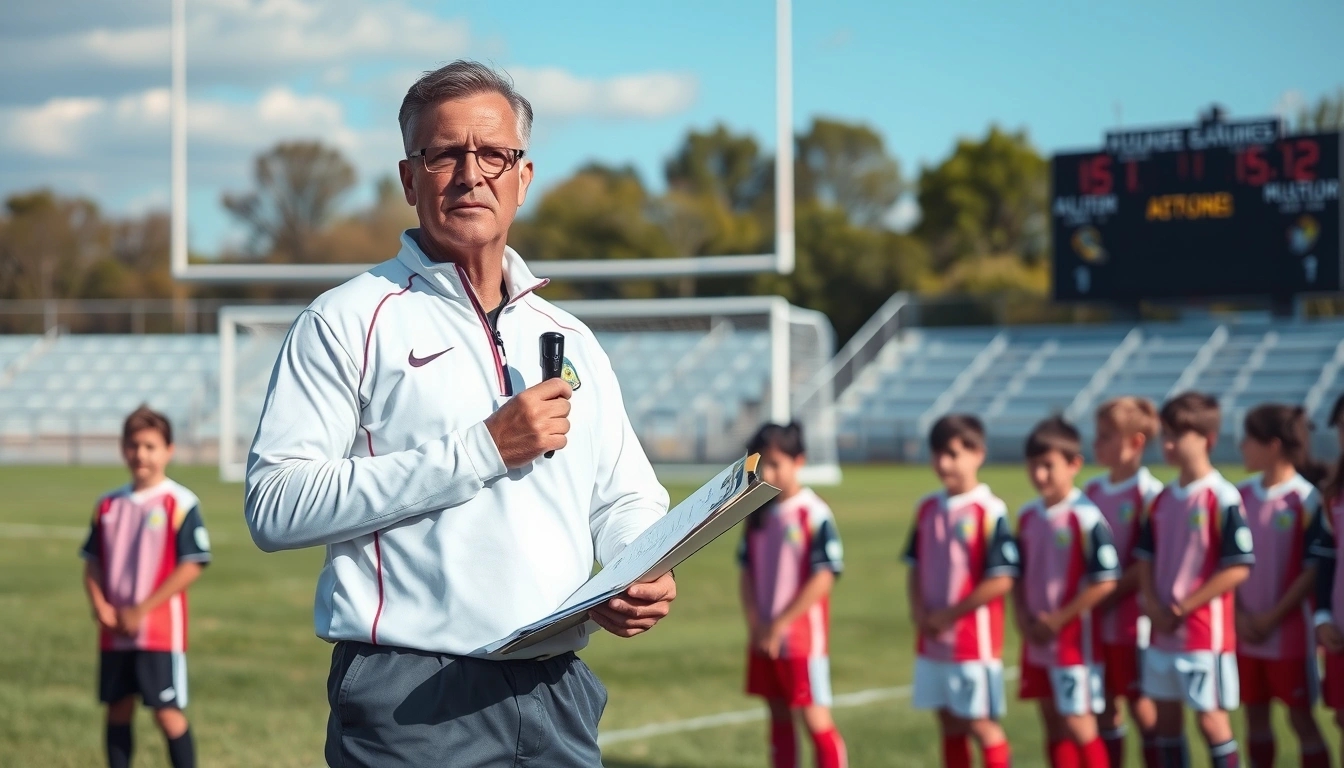
You know, in youth sports, consistency often gets overlooked like the quiet kid in class who actually knows the answers but never raises their hand. Coaches who are all over the place—flaky, inconsistent, or just plain unreliable—can do more harm than you’d imagine. It’s not just about missing a practice here or there; it’s the ripple effect that messes with the whole team’s rhythm and morale. Trust me, kids pick up on that faster than you think. When a coach bails or shows up late repeatedly, it sends a loud message: “This isn’t that important.” And guess what? The kids start feeling the same way.
| Aspect | Consistent Coach | Inconsistent Coach |
|---|---|---|
| Player Trust | High – Players feel supported and safe | Low – Players feel uncertain and anxious |
| Team Morale | Strong – Positive and motivated | Weak – Frustrated and disengaged |
| Skill Development | Steady progression | Interrupted, uneven growth |
| Parental Confidence | High – Trust in program | Low – Doubts and complaints |
Let’s be honest: life happens. Nobody’s perfect, and sometimes coaches have to miss a session. But the problem is when “sometimes” turns into “often.” That’s when the whole ship starts sinking. Kids need to know their coach is a constant, someone who’s there rain or shine, ready to guide them through drills, wins, losses, and everything in between. It’s about building a dependable foundation—not just for skills, but for character. When coaches show up consistently, they’re teaching commitment by example, which is arguably one of the biggest life lessons a kid can learn on the field.
- Reliability breeds respect: Players respect a coach who respects their time.
- Routine creates comfort: Predictability in practices helps kids focus better.
- Consistency builds momentum: Regular sessions keep skills sharp and motivation high.
Here’s something that often gets overlooked: parents are watching too. If a coach is flaky, parents start doubting the whole program. They wonder if their kid’s time and energy are being wasted. This can lead to less support, fewer volunteers, and even kids dropping out. So, reliability isn’t just about the players—it’s about the entire community around the team.
Tip for Coaches:- Set a schedule and stick to it as much as humanly possible.- Communicate early if you can’t make it—don’t leave parents and players hanging.- Have a backup plan or assistant coach ready to step in.
In the end, commitment and reliability aren’t flashy traits. They don’t get you headlines or trophies. But they build something way more valuable: a team that trusts each other, grows together, and loves the game. So next time you’re sizing up a youth coach, look beyond the fancy plays and pep talks. Ask yourself, “Can this person be counted on when it really matters?” Because in youth sports, showing up is half the battle.
Encouraging skill development over competition
When it comes to youth sports, the obsession with winning can sometimes overshadow what really matters: the kids themselves. Sure, trophies look shiny and bragging rights are tempting, but focusing solely on the scoreboard? That’s a slippery slope. Coaches who push kids relentlessly for victories might be missing the forest for the trees — and by forest, I mean the whole point of youth sports: growth, learning, and fun.
Let’s be real. Kids aren’t little pros yet, and expecting them to perform like seasoned athletes is like asking a toddler to run a marathon. It’s not just unfair — it’s counterproductive. The best coaches understand this and emphasize skill-building, resilience, and teamwork over just clinching that next win. They know that a kid who learns how to dribble, pass, or even just keep their head in the game will have a much better shot at long-term success — both on and off the field.
| Focus Area | What It Looks Like | Why It Matters |
|---|---|---|
| Skill Development | Drills tailored to individual improvement, patience with mistakes | Builds confidence and mastery, reduces burnout |
| Positive Reinforcement | Encouraging words, celebrating effort over outcome | Keeps motivation high, fosters love for the game |
| Balanced Competition | Games where everyone gets playtime, focus on fair play | Teaches sportsmanship, reduces pressure |
Now, don’t get me wrong — competition isn’t evil. It’s part of sports and life. But when a coach’s main goal is to stack up wins at any cost, you’ll often see kids stressed out, anxious, or worse, quitting altogether. That’s a big red flag. Instead, a coach who values skill development encourages kids to take risks, make mistakes, and learn from them. They celebrate progress, not just the final score.
- Does the coach praise effort? If they only cheer when the team wins, that’s a problem.
- Are players given equal opportunities? Or is the “star” hogging all the playtime?
- Is losing treated as a learning moment? Or is it met with frustration and blame?
Remember, youth sports are a marathon, not a sprint. The skills kids develop now — like teamwork, resilience, and self-discipline — will serve them far beyond the field. So if you spot a coach who’s more obsessed with trophies than teaching, it might be time to rethink your options. Because at the end of the day, the real victory is seeing kids grow into confident, happy athletes who love the game, no matter what the scoreboard says.
“Coaches who focus on development over competition build champions for life, not just for the next game.”
In summary, the goal should always be to nurture potential rather than pressure performance. Winning? That’s just the icing on the cake — not the whole bakery.
Red flags: When to walk away
Okay, let’s cut to the chase — not every coach out there is a diamond in the rough. Some are more like lumps of coal, and spotting those early can save your kiddo from a world of frustration, lost enthusiasm, or worse, emotional or physical harm. You might think, “Eh, maybe they just need a chance,” but trust me, some warning signs are flashing neon bright and ignoring them is just asking for trouble.
- Inconsistent behavior: One day they’re all sunshine and rainbows, next day they’re yelling like a drill sergeant. That kind of mood swing isn’t just confusing for kids; it’s downright toxic. If you see a coach who can’t keep their cool or flips between being buddy-buddy and dictator, that’s a big red flag.
- Lack of communication: Ever tried getting a hold of them and it’s like talking to a brick wall? Or maybe you get answers but they’re vague, dismissive, or just plain rude? A coach who can’t or won’t communicate properly with parents and players is a recipe for disaster.
- Ignoring safety protocols: This one’s a no-brainer but you’d be surprised. Coaches who don’t take injuries seriously, push kids past their limits, or neglect basic safety measures are crossing a line you shouldn’t tolerate.
Now, let’s toss in a quick table for clarity — because who doesn’t love a good checklist to spot trouble?
| Warning Sign | What It Means | Why It’s a Red Flag |
|---|---|---|
| Extreme favoritism | Only a few kids get attention or playtime | Hurts team morale and stifles development |
| Overly harsh criticism | Constant negative feedback without encouragement | Damages confidence and love for the sport |
| Ignoring parental concerns | Dismisses or belittles questions about coaching style or safety | Shows lack of respect and openness |
| Poor role modeling | Uses bad language, shows unsportsmanlike conduct | Sets a terrible example for impressionable kids |
And hey, here’s something to chew on: sometimes the red flags aren’t glaring. Maybe the coach is just a little too competitive, pushing kids to win at all costs. Sure, winning’s great, but if it’s crushing kids’ spirits or creating a cutthroat environment, that’s a warning bell. Youth sports should be about growth and fun, not stress and burnout.
- Disrespect for diversity and inclusion: If a coach makes any kid feel less-than because of background, skill level, or anything else — nope, walk away. Everyone deserves a safe, welcoming space.
- Unrealistic promises: Coaches who guarantee scholarships or professional careers? Yeah, that’s a red flag. Nobody can promise the future, and setting kids up with false expectations only leads to disappointment.
Bottom line: If your gut’s screaming something’s off, listen to it. Kids pick up on vibes faster than you think. And remember, it’s perfectly okay to say “thanks, but no thanks” and find a coach who truly has your kid’s best interests at heart.
Quick Red Flag Checklist:- Does the coach respect all players equally?- Are they approachable and open to questions?- Do they prioritize safety and well-being?- Is their feedback balanced and constructive?- Do they foster a positive, inclusive environment?If you answered “no” to any of these, it’s time to reconsider.
In the grand scheme of things, a bad coach can turn a promising season into a nightmare. So don’t settle for less than someone who inspires, supports, and genuinely cares. Your kid deserves that—and honestly, so do you.

Practical checklist: Questions to ask before choosing a coach
Choosing the right coach for your young athlete isn’t just about who shouts the loudest on the sidelines or who’s got the flashiest whistle. Nope, it’s way more nuanced than that. You want someone who’s going to nurture your kid’s love for the game, not scare it away after the first practice. So, before you jump in headfirst, here’s a handy checklist to keep in your back pocket when you’re interviewing or observing potential coaches. Think of it as your coaching radar, helping you spot the real deal from the wannabes.
- How do they handle mistakes? Kids mess up. It’s part of learning. A good coach won’t throw a tantrum or humiliate a kid for missing a catch. Instead, they’ll use mistakes as teaching moments. Ask yourself: Do they stay calm and constructive, or do they lose their cool?
- What’s their communication style? Can they explain things clearly without sounding like a drill sergeant? Do they encourage questions? Remember, coaching young athletes means talking to kids, parents, and sometimes even referees. Communication is the glue that holds everything together.
- How do they motivate? Are they all about positive reinforcement, or do they lean on fear and pressure? Nobody wants a coach who’s a walking stress ball. Look for someone who can hype the team up without turning every practice into a boot camp.
- What’s their approach to competition? Is winning the only thing on their mind, or do they focus on skill development and teamwork? It’s tempting to want trophies, but pushing kids too hard can backfire big time.
- How do they involve parents? Some coaches welcome parents with open arms, others want a hands-off approach. It’s crucial to find a balance that works, so ask how they handle parental involvement and set boundaries.
- Are they reliable and consistent? Showing up late or canceling practices last minute? Nope, that’s a red flag. Consistency builds trust and helps kids feel secure.
- What’s their experience and background? Experience matters, but raw enthusiasm can be just as valuable. Find out what kind of training or certifications they have, but don’t dismiss someone passionate just because they’re new.
| Question | Why It Matters |
|---|---|
| How do you handle a player who is struggling? | Shows patience and teaching ability. |
| What’s your philosophy on winning vs. development? | Reveals priorities and coaching style. |
| How do you communicate with parents? | Sets expectations for involvement. |
| Can you provide references or past coaching experiences? | Validates credibility. |
| How do you create an inclusive team environment? | Ensures no child feels left out or bullied. |
Now, don’t just stop at the questions. Watch the coach in action if you can. Do they smile? Do they listen? Or do they bark orders like a drill sergeant? Sometimes, the vibe you get is more telling than any answer. And hey, trust your gut. If something feels off, it probably is. Your kid deserves a coach who’s not just skilled, but also caring, patient, and genuinely invested in their growth.
Remember, picking the right youth coach is like picking the right pair of shoes — it’s gotta fit just right, or you’re in for a rough ride. So, use this checklist, ask the tough questions, and don’t settle for less than a coach who’s ready to bring out the best in your young athlete.
Frequently Asked Questions (The title must be written in English.)
- What qualities should I look for in a youth sports coach?
Great question! You want a coach who’s not just skilled but also patient, communicative, and genuinely passionate about mentoring kids. Think of them as a gardener nurturing young plants—consistent care, encouragement, and understanding are key to growth.
- Is experience more important than enthusiasm when choosing a coach?
It’s a bit of a balancing act. Experience brings wisdom and technical know-how, but enthusiasm fuels motivation and connection. Ideally, you want someone who blends both—like a seasoned chef with a fresh spark of creativity in the kitchen.
- How can I tell if a coach communicates well with kids and parents?
Watch how they speak during practices or games—are they clear, encouraging, and respectful? Good communication means they can switch gears between being firm and supportive, making everyone feel heard and valued.
- Why is patience so crucial in youth sports coaching?
Kids learn at their own pace, and mistakes are part of the journey. A patient coach is like a calm captain steering through choppy waters, helping kids stay confident and engaged without frustration or pressure.
- How much technical knowledge should a youth coach have?
They don’t need to be pro-level experts, but understanding the game’s rules, tactics, and skill development is essential. This helps them teach effectively and adapt to each child’s learning style.
- What does a positive and inclusive coaching environment look like?
It’s a place where every kid feels welcome and valued—no cliques, no bullying. Think of it as a team picnic where everyone brings something to the table and no one is left out.
- How should a coach handle wins and losses?
With grace and perspective. A good coach celebrates success without arrogance and treats losses as learning opportunities, teaching kids resilience instead of stress.
- What role should parents play in youth sports coaching?
Parents should be supportive but respectful of boundaries. A coach needs space to lead, but open communication keeps everyone on the same page—like a well-rehearsed orchestra.
- Why is a coach’s reliability so important?
Consistency builds trust and stability. When a coach shows up on time and prepared, it sets the tone for the whole team and helps kids develop commitment and responsibility.
- Should youth sports focus more on skill development or competition?
Skill development should always come first. Winning is fun, but the real victory lies in growth, confidence, and love for the game—think of it as planting seeds for a lifelong passion.
- What are some red flags to watch out for in a youth coach?
Watch for signs like harsh criticism, favoritism, ignoring safety, or poor communication. If a coach creates a stressful or unsafe environment, it’s time to reconsider.
- What questions should I ask when choosing a youth sports coach?
Ask about their coaching philosophy, experience with kids, handling of wins/losses, communication style, and how they foster inclusivity. This checklist helps ensure your young athlete is in good hands.