
Winter training — yeah, it’s that time when your bed suddenly feels like the most inviting place on Earth, and the mere thought of stepping outside sends shivers down your spine. But hey, if you want to crush those fitness goals, you gotta keep that motivation flame burning, no matter how gloomy and cold it gets. So, buckle up, because we’re diving into some real-talk tips and tricks to keep you moving through the frost and fog.
Understanding the winter slump
Ever wonder why your enthusiasm for working out nosedives as soon as the temperature dips? It’s not just you. Shorter daylight hours mess with your body’s internal clock, and lower sunlight means less serotonin — basically, your brain’s happy juice. Physically, cold weather tightens muscles and makes everything feel harder, so your brain’s like, “Nah, let’s just chill.” Knowing this helps you cut yourself some slack instead of feeling like a lazy slug.
Setting realistic goals for winter
Here’s the deal: expecting to hit your summer PRs in the dead of winter is like trying to wear flip-flops in a blizzard — just not happening. Instead, tweak your goals to fit the season. Maybe focus on consistency over intensity or try new activities that suit the chillier months. It’s all about keeping the momentum without burning out.
| Winter Training Goal | Example |
|---|---|
| Consistency | 3 workouts per week, regardless of duration |
| Flexibility | Swap outdoor runs for indoor cycling when weather sucks |
| Skill Improvement | Work on form or technique instead of speed |
Creating a winter training schedule
Consistency is king, but winter demands flexibility — because, let’s be honest, sometimes Mother Nature just laughs at your plans. Build a schedule that’s adaptable: have backup indoor workouts ready, and don’t beat yourself up if you miss a day. Remember, it’s about showing up more often than not.
- Morning workouts: Take advantage of daylight and warmer hours.
- Evening flexibility: Have quick indoor routines for days when it’s freezing.
- Rest days: Prioritize recovery, your body needs it more in winter.
Indoor vs outdoor training: pros and cons
Now, should you brave the cold or stay cozy inside? Both have their perks and pitfalls.
| Indoor Training | Outdoor Training |
|---|---|
| Controlled climate, no weather worries | Fresh air and natural scenery |
| Convenient and safe | Burns more calories in cold weather |
| Can get boring, limited space | Risk of slips, cold-related injuries |
Gear up: winter training essentials
Without the right gear, you might as well be asking for frostbite. Layering is your best friend — think moisture-wicking base layers, insulating mid-layers, and windproof outer shells. Don’t forget gloves, hats, and proper footwear with grip. Trust me, your future self will thank you.
Nutrition tips for colder months
Your body’s burning more calories just to stay warm, so fuel it right. Warm, hearty meals with plenty of protein and complex carbs are clutch. And hydration? Still important, even if you don’t feel as thirsty.
Using technology to stay motivated
If you’re not using apps, playlists, or gadgets to spice up your workouts, you’re missing out. From virtual races to heart-rate monitors, tech can turn a drag session into a game.
Finding a training buddy or community
Let’s be real: sometimes you just need someone to complain with or push you when you’re ready to quit. Training with pals or joining groups can make all the difference.
Mindset hacks to beat winter blues
Positive self-talk, visualization, and breaking workouts into bite-sized chunks can keep your spirits up. Remember, even small wins count.
Tracking progress and celebrating wins
Keep a journal, use apps, or just mark your calendar — seeing progress, however minor, fuels motivation. And don’t forget to celebrate! You earned it.
So, winter training might be a pain, but with the right mindset and strategies, you can turn it into a season of growth rather than dread. Stay warm, stay moving, and keep smashing those goals — frostbite or not!
Understanding the winter slump
So, why the heck does motivation seem to take a nosedive when the temperature drops? You wake up, it’s freezing, the sky’s gray, and suddenly the idea of training feels like climbing Everest in flip-flops. Well, it’s not just you; there’s some serious science and psychology behind this infamous winter slump.
First off, let’s talk about the physical side. When it’s cold, your body reacts in ways that can make exercise feel tougher than usual. Blood flow slows down a bit to keep your core warm, which means muscles might feel stiffer and less responsive. Plus, your metabolism kicks into a different gear trying to keep you warm, so your energy levels might feel off balance. And then there’s the dreaded lack of sunlight. Yep, the sun’s hiding, and that means less vitamin D and a drop in serotonin — the “feel-good” hormone. Without enough serotonin, your mood takes a hit, and motivation? Well, it’s the first to bail.
- Reduced daylight messes with your internal clock, making you feel groggier and less pumped to hit the gym.
- Cold weather can make your body want to conserve energy instead of burn it.
- And don’t forget the psychological drag — gray skies and gloomy days can make even the toughest athletes think twice.
Now, the mental game is just as crucial. Winter blues aren’t just about feeling cold; they’re about feeling isolated, less social, and frankly, a bit meh about everything. When you’re wrapped up in layers and the world outside looks like a frozen tundra, it’s easy to convince yourself that skipping that run or workout is totally justified. Spoiler alert: it kinda is, but only if you don’t let it become a habit.
| Psychological Factors | Physical Factors |
|---|---|
| Seasonal Affective Disorder (SAD) causing low mood | Lowered core temperature affecting muscle performance |
| Less social interaction reduces motivation | Reduced daylight impacts circadian rhythm |
| Increased feelings of isolation and boredom | Body conserves energy, leading to fatigue |
So what’s the takeaway? Winter’s not just messing with your thermostat; it’s messing with your brain chemistry and your body’s natural rhythms. Understanding this combo can help you cut yourself some slack and find smarter ways to keep moving. Because, let’s be honest — if you don’t get why your motivation’s tanking, you’ll just beat yourself up for it. And that’s the last thing you need when you’re already battling the cold.
In a nutshell, winter training slump is a cocktail of chilly muscles, dim moods, and a brain that’s begging for a break. But knowing the why behind it all? That’s half the battle won. Now, let’s figure out how to keep that fire burning despite the frostbite looming outside.
Setting realistic goals for winter
Let’s be honest: winter training is a whole different beast. When the temperature drops and daylight hours shrink, your usual ambitious targets might suddenly seem like climbing Everest barefoot. So, the first thing to do? Adjust your expectations. It’s not about giving up; it’s about being smart with what you can realistically achieve without feeling like you’re dragging a boulder uphill every day.
Think of winter goals like a dimmer switch, not an on/off button. Instead of aiming to smash personal records or ramp up your intensity every session, focus on maintaining consistency and avoiding burnout. You want to keep moving, but without the mental or physical crash that often follows overambition in cold months.
- Break big goals into smaller chunks: Instead of training for a marathon, maybe aim for a 5K or even just 3K runs a few times a week.
- Set flexible targets: Weather can be a jerk, so allow yourself wiggle room. If it’s a blizzard, maybe swap outdoor runs for indoor cycling or yoga.
- Focus on process, not just outcomes: Celebrate showing up, completing workouts, or simply sticking to your schedule.
| Goal Type | Example | Why It Works |
|---|---|---|
| Consistency | Train 3 times per week | Builds habit, keeps momentum |
| Flexibility | Swap outdoor runs for indoor workouts if needed | Prevents frustration, adapts to conditions |
| Process Focus | Track workouts completed, not speed | Boosts motivation, reduces pressure |
Now, here’s a little secret: setting goals that are too lofty in winter is a fast track to quitting. Your body and mind are already fighting the cold, the dark, and the temptation to binge-watch Netflix instead of lacing up. So, be kind to yourself. If your usual pace feels like torture, slow it down. If you’re used to daily training, maybe cut back to every other day. It’s not a failure, it’s survival.
Also, mix it up. Winter is the perfect excuse to try new activities that keep you moving but don’t feel like the same old grind. Maybe that’s a dance class, swimming in a heated pool, or even strength training with resistance bands at home. Variety can keep boredom at bay and your motivation levels up.
Tips for realistic winter goals:- Prioritize consistency over intensity.- Accept that some days will be “off” days.- Use weather as a cue, not a barrier.- Reward yourself for effort, not just results.- Keep a training journal to see progress over time.
Remember, winter is a season, not a sentence. Your goals should reflect that. Embrace the slower pace, celebrate the small wins, and keep your eyes on the bigger picture. When spring rolls around, you’ll be ready to hit the ground running — without the burnout baggage.
In summary: Adjusting your expectations isn’t about lowering standards; it’s about being realistic and compassionate with yourself. Set achievable, flexible goals that keep you moving forward. That way, you stay sane, motivated, and yes, even a little bit excited to train during the less-than-glamorous winter months.
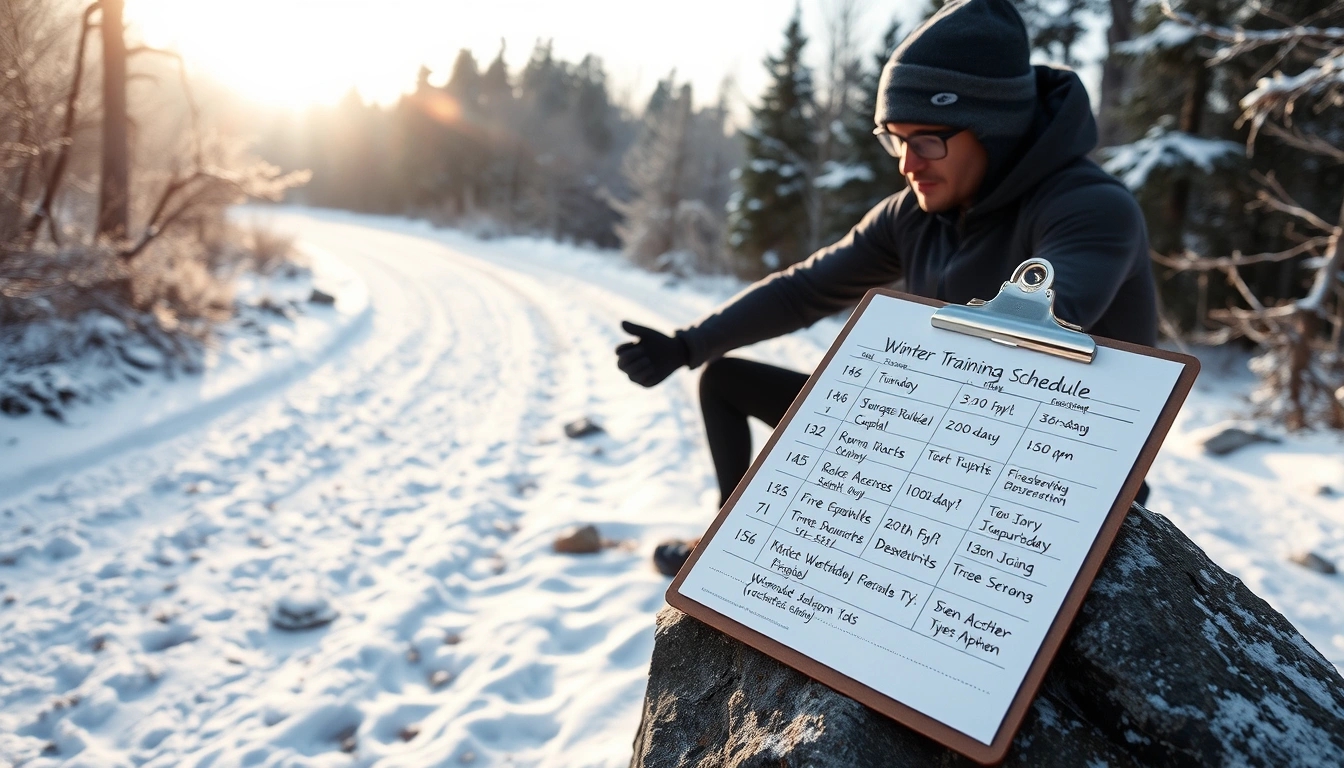
Creating a winter training schedule
Alright, let’s be honest — winter training is like trying to juggle flaming torches while riding a unicycle on ice. You want to keep things consistent because, well, consistency is king. But winter? It laughs in the face of your rigid plans. Shorter daylight hours, surprise snowstorms, and that bone-chilling wind make sticking to a strict schedule feel like a cruel joke. So, what’s the secret sauce? Flexibility. Yeah, that’s right. You gotta build a schedule that bends, not breaks.
First off, don’t expect to train at 6 a.m. every day if it’s pitch black and freezing outside. Instead, look at your week like a puzzle — where can you squeeze in your workouts when the sun is actually out? Maybe that means switching your usual morning jog to a lunchtime sprint or an evening gym session. Adaptability is your new best friend. Make a list of possible training windows and rank them by feasibility. Keep it handy and update it weekly, because, spoiler alert, winter weather loves throwing curveballs.
- Tip #1: Use a flexible calendar app (Google Calendar, anyone?) to block out tentative workout times.
- Tip #2: Plan backup indoor sessions for days when the weather’s just too nasty.
- Tip #3: Prioritize quality over quantity — better to do a solid 30-minute workout than forcing an hour-long slog you’ll dread.
Now, here’s a quick rundown of what a flexible winter training week might look like:
| Day | Primary Plan | Backup Plan |
|---|---|---|
| Monday | Outdoor run (afternoon) | Indoor cycling or treadmill |
| Tuesday | Strength training (gym) | Bodyweight exercises at home |
| Wednesday | Rest or yoga | Rest |
| Thursday | Outdoor interval training | HIIT workout indoors |
| Friday | Cross-training (swimming or gym) | Indoor cardio |
| Saturday | Long outdoor session (weather permitting) | Indoor endurance workout |
| Sunday | Active recovery (walk/stretch) | Rest |
Notice how this schedule isn’t set in stone? That’s the point. Some days you’ll wake up and feel like a champ ready to conquer the cold, other days you’ll just want to wrap yourself in a blanket and binge-watch your favorite series — and that’s okay.
Also, don’t forget to check the weather forecast daily. Yes, it’s annoying, but it’s better than showing up to a frozen trail only to turn around after five minutes because your fingers feel like popsicles. Pro tip: apps like Weather Underground or AccuWeather can be lifesavers.
- Pro insight: Keep your workout gear ready to go for both indoor and outdoor sessions. Switching gears quickly helps maintain momentum.
- Another thing: Try mixing up your training types. If running outside is off the table, maybe hit the pool or do a dance workout. Variety keeps boredom at bay.
In the end, building a winter training schedule isn’t about forcing yourself into a rigid routine that winter will inevitably wreck. It’s about being smart, staying flexible, and listening to your body. Because if winter’s taught us anything, it’s that the only constant is change — and your training schedule should reflect that.
Remember: Consistency doesn’t mean rigidity. It means showing up, adapting, and doing what you can — even if that means swapping a frosty run for a cozy indoor session. Keep your eyes on the prize, and winter will be just another challenge you smash.
Indoor vs outdoor training: pros and cons
Alright, so you’re staring down winter with a big question: should you brave the freezing outdoors or just stay snug inside for your workouts? It’s a classic dilemma every athlete or fitness junkie faces when the mercury dips and the wind bites. Let’s break down the ups and downs of each option so you can make a semi-informed decision without losing your sanity.
Indoor Training: The Comfort Zone
First off, indoor training is like having a warm blanket wrapped around your exercise routine. No shivering, no icy fingers, no slipping on mysterious patches of black ice. The climate control alone is a huge win. Plus, you’ve got all your gear right there—treadmills, stationary bikes, weights, yoga mats—whatever floats your boat. Convenience is king here, especially when daylight hours are shorter than your patience for cold weather.
- Pros: Temperature-controlled environment, no weather interruptions, easy access to equipment, safer surfaces.
- Cons: Can get monotonous, limited space for some activities, may lack fresh air and natural scenery.
But hey, let’s not kid ourselves. Staring at the same four walls while running in place isn’t everyone’s cup of tea. The boredom factor can hit hard, and motivation might take a nosedive faster than you’d like. Also, some folks swear that indoor air just doesn’t have the same “oomph” as the great outdoors.
Outdoor Training: The Wild Card
Now, if you’re the type who thrives on fresh air and changing scenery, outdoor training still has its charm, even in winter. Yes, it’s cold, and yes, the wind can be a total jerk, but there’s something invigorating about pushing through the elements. Plus, the uneven terrain and natural obstacles can actually boost your workout, challenging your body in ways a treadmill never could.
| Benefits | Drawbacks |
|---|---|
|
|
Look, no one’s saying it’s easy to lace up your shoes and step outside when it’s 20 degrees and gusting wind feels like a slap in the face. But if you dress smartly—think layers, moisture-wicking fabrics, gloves, and a hat—you might just find that winter workout buzz that’s hard to replicate indoors.
Quick Tips for Deciding:
- Consider your personality: Are you a “get it done” indoors type or an “embrace the elements” adventurer?
- Check the weather forecast daily and be flexible—sometimes a mix of both is the best strategy.
- Invest in good gear if you choose outdoors to avoid misery and injury.
At the end of the day, whether you’re sweating it out on a treadmill or crunching through snow-covered trails, the most important thing is to keep moving. Winter’s no excuse to hit pause on your training. So, gear up, pick your poison, and don’t let the cold win.
Benefits of indoor training
Alright, let’s be honest — winter workouts can be a real pain if you’re stuck outside battling the wind, cold, and that ever-annoying slippery ice. But hey, indoor training? That’s a whole different ball game. From the moment you step inside that cozy gym or your living room turns into a mini fitness studio, you’re stepping into a world where the weather can’t mess with your mojo. No more frostbitten fingers or having to layer up like a marshmallow just to jog around the block.
First up, climate control. This is probably the biggest win for indoor workouts. Whether it’s freezing outside or pouring rain, inside it’s always just right — not too hot, not too cold. This means your body doesn’t have to waste energy trying to keep warm or cool down, letting you focus all your juice on the workout itself. Plus, no shivering, no sweat freezing mid-run, and definitely no risk of hypothermia. Sounds pretty sweet, right?
| Aspect | Benefit |
|---|---|
| Climate Control | Consistent temperature boosts performance and comfort |
| Convenience | Work out anytime without worrying about daylight or weather |
| Variety of Equipment | Access to weights, machines, and cardio gear to mix up routines |
| Safety | Reduced risk of slips, falls, or frostbite |
Speaking of convenience, indoor training means you can squeeze in a session whenever you want. Early morning? No problem. Late night? Sure thing. No need to wait for the sun to come up or worry about the sidewalks being a skating rink. This flexibility alone can be a game changer for those who struggle to find time or motivation during the shorter, darker days.
Another perk? The equipment variety. Gyms and home setups offer everything from treadmills and stationary bikes to kettlebells and resistance bands. This means you can tailor your workouts with precision, targeting muscles or cardio endurance without the limitations of outdoor terrain or weather conditions. Plus, let’s not forget those fitness classes or virtual sessions you can join from your couch — talk about a win-win.
- Controlled environment: No weather surprises means fewer excuses.
- Social opportunities: Gyms and studios often foster a community vibe that keeps you accountable.
- Progress tracking: Machines and apps indoors often come with built-in tracking tools.
But hey, it’s not all sunshine and rainbows indoors. Sometimes it can get a bit monotonous staring at the same four walls or that blinking treadmill screen. Motivation might dip if you don’t switch things up or set clear goals. Still, compared to battling the elements, indoor training is like having a cozy little fortress of fitness — a place where you can keep your winter workout streak alive without turning into a popsicle.
So, next time you’re tempted to skip that chilly run outside, remember the perks waiting for you indoors. It’s comfy, controlled, and can seriously help you keep that winter motivation burning bright. No frostbite, no excuses — just pure, sweat-dripping goodness.
Challenges of outdoor training
Let’s not sugarcoat it — training outdoors in winter can be a downright pain. Cold air biting at your face, gusts of wind that feel like they’re trying to knock you off your feet, and those sneaky slippery surfaces lurking around every corner. It’s like nature’s way of testing if you really want it or not. But hey, if you’re stubborn enough to brave these conditions, here’s the lowdown on what you’re up against and how to keep going without turning into a popsicle.
- Cold Temperatures: The chill isn’t just uncomfortable; it actually affects your muscles and joints. They tighten up, making you more prone to injuries. Plus, your body burns extra energy just to stay warm, which can zap your endurance faster than you’d expect.
- Wind Resistance: Running or cycling against the wind feels like pushing through a wall. It’s exhausting and can seriously mess with your pace and breathing rhythm.
- Slippery Surfaces: Ice, frost, wet leaves — all these create a slipping hazard. One wrong step and boom, you’re flat on your back, nursing bruises instead of celebrating progress.
| Challenge | Impact | Quick Fix |
|---|---|---|
| Cold | Muscle stiffness, higher injury risk | Layer up, warm-up longer |
| Wind | Increased effort, disrupted breathing | Plan routes with wind at your back |
| Slippery surfaces | Falls and injuries | Wear shoes with good grip, slow down |
Now, before you throw in the towel and cozy up on the couch, try these tips to keep the momentum going:
- Dress Smart: Forget wearing just one thick jacket. Layering is your friend — it traps heat better and you can peel off layers when you warm up.
- Warm-Up Like a Pro: Spend extra time warming up indoors to get your blood pumping before facing the cold. Think jumping jacks, high knees, or a quick jog on the spot.
- Pick Your Time Wisely: Midday workouts often mean slightly warmer temps and less wind. Also, daylight helps keep spirits up — no one likes running in the dark and frostbite at the same time.
And oh, don’t underestimate the power of good footwear. Slipping on ice is no joke, so grab shoes with solid traction or even consider traction cleats if you’re really serious. Safety first, glory second.
Pro tip: If you’re cycling, lower your tire pressure a bit in winter to increase grip on slick roads.
Finally, keep your head in the game. It’s easy to let the cold and discomfort get inside your head and make you question why you started in the first place. But remember, every step you take in these tough conditions builds mental toughness and makes spring training feel like a breeze.
So, yeah, outdoor winter training is no walk in the park — it’s more like a hike through a blizzard. But with the right mindset, gear, and a sprinkle of stubbornness, you’ll not only survive but come out stronger on the other side.
Gear up: winter training essentials
Alright, let’s be honest — winter workouts can be brutal if you’re not properly equipped. You’re out there freezing your tail off, muscles stiff as a board, and the last thing you want is to be caught without the right gear. It’s like trying to win a race with sneakers full of water — just doesn’t work. So, before you even think about stepping outside, here’s the lowdown on what you absolutely need to survive and thrive during those cold training sessions.
Layering is your best friend. No, seriously, don’t just throw on a hoodie and hope for the best. You want a base layer that wicks sweat away (think synthetic or merino wool), a middle layer for insulation (fleece or something cozy), and a windproof, waterproof outer shell. Trust me, that wind will cut through you like a knife if you’re not protected.
| Layer | Purpose | Recommended Materials |
|---|---|---|
| Base Layer | Moisture management | Merino wool, polyester |
| Middle Layer | Insulation | Fleece, down, synthetic insulation |
| Outer Layer | Wind and water protection | Gore-Tex, nylon, waterproof fabrics |
Now, let’s talk about the extremities — fingers, toes, ears — those little guys are the first to throw in the towel when it’s freezing. Gloves with touchscreen compatibility are a godsend if you’re like me and can’t stop fiddling with your phone mid-run. And don’t even get me started on hats; a good thermal beanie or headband can save you from turning into a human icicle.
- Gloves: Look for insulated, breathable, and water-resistant options.
- Socks: Merino wool socks are magic for warmth and moisture control.
- Headwear: Thermal beanie or ear warmers to keep heat from escaping.
Footwear deserves a special shout-out. Slipping on ice isn’t just embarrassing — it’s dangerous. If you’re training outdoors, consider shoes with good grip or even attachable traction devices. Waterproof shoes? Yes, please. Wet feet cold feet miserable workout.
Pro tip: If you’re running or cycling in the dark (and who isn’t in winter?), reflective gear and a headlamp are non-negotiable. Visibility is a lifesaver when cars are zooming by and daylight is scarce.
Finally, hydration might not be on your radar because it’s cold, but your body still needs fluids. Insulated water bottles or hydration packs that won’t freeze are clutch. And hey, don’t forget sunscreen — snow reflects UV rays like a mirror, and sunburn in winter is a real thing.
In a nutshell, the right gear doesn’t just keep you warm — it keeps you safe and motivated. Because let’s face it, if you’re shivering and miserable, you’re not going to want to lace up tomorrow. So invest smart, layer up, and get out there — winter won’t know what hit it.

Nutrition tips for colder months
Alright, winter’s here and suddenly your body’s like, “Hey! I need more fuel!” It’s not just about piling on the layers or cranking up the heater; your nutrition game has to step up too. When temperatures drop, your metabolism actually kicks into a higher gear to keep you warm, which means you’re burning more calories even when you’re just chilling on the couch. But don’t go raiding the cookie jar just yet—what you eat and drink during these frosty months can make or break your energy levels and recovery. Let’s dig into how to keep your tank full without turning into a human marshmallow.
Eat to Warm Up, Not Just Fill Up
First off, your body craves comfort foods in winter, no surprise there. But instead of reaching for greasy, heavy dishes that leave you sluggish, aim for nutrient-dense meals that actually help you recover and keep your energy steady. Think hearty soups loaded with veggies, whole grains, and lean proteins. These meals provide the right balance of carbs, proteins, and fats. Carbs are your main energy source, especially if you’re training hard, but don’t neglect healthy fats—they’re essential for warmth and brain function.
| Food Group | Winter Benefits | Examples |
|---|---|---|
| Complex Carbohydrates | Slow energy release to keep you fueled | Oats, quinoa, sweet potatoes |
| Proteins | Muscle repair and immune support | Chicken, beans, fish, tofu |
| Healthy Fats | Insulation and hormone balance | Avocado, nuts, olive oil |
| Vitamins & Minerals | Boost immune system, fight winter blues | Citrus fruits, leafy greens, garlic |
Hydration? Oh Yeah, Still Important
You might think, “I’m not sweating buckets in the cold, so why bother?” Well, winter air is dry, and your body loses moisture just like in summer. Plus, if you’re bundling up and sweating under layers, you’re still losing fluids. Staying hydrated keeps your muscles happy and your mind sharp. Warm drinks like herbal teas or hot lemon water can be a cozy way to hit your hydration goals without feeling like you’re gulping down cold water all day.
- Tip: Add a pinch of salt or an electrolyte tablet if you’re training hard outdoors—winter sweat still steals those precious salts.
- Snack smart: Nuts, seeds, and dried fruits are great for quick energy boosts and help keep your metabolism humming.
Don’t Forget the Vitamin D Drama
With shorter days and less sun, vitamin D deficiency is a common winter woe. This little vitamin is crucial for bone health, mood regulation, and immune defense. If you’re not getting enough sun, consider foods rich in vitamin D like fatty fish (salmon, mackerel), fortified dairy, or even a supplement after chatting with your doc.
Winter Nutrition Quick Checklist:- Prioritize complex carbs & lean proteins- Include healthy fats every day- Stay hydrated with warm fluids- Snack on nuts, seeds & dried fruit- Boost vitamin D intake
So yeah, winter nutrition isn’t just about stuffing yourself silly or skipping meals because it’s too cold to cook. It’s about smart choices that keep your body fueled, warm, and ready to crush those workouts or just survive the daily grind without turning into a couch potato. Remember, your body’s working overtime to keep you warm, so give it the good stuff and it’ll pay you back in energy and recovery. And hey, if you want to treat yourself to a hot chocolate now and then, who’s gonna stop you? Just maybe skip the marshmallows.
Using technology to stay motivated
Alright, let’s be honest — dragging yourself to train when it’s freezing outside isn’t exactly everyone’s cup of tea. But hey, technology can be your secret weapon here. Whether you’re a gadget geek or just someone who loves a good playlist, there’s a whole arsenal of tech tools designed to keep your motivation from nosediving faster than the temperature. So, buckle up and let’s explore how apps, devices, and tunes can turn those dreary workouts into something you actually look forward to.
First off, apps. They’re everywhere, and some are absolute game-changers. Take running apps like Strava or Nike Run Club — these bad boys don’t just track your miles, they throw in challenges, leaderboards, and social features so you can compete with friends or strangers. Nothing like a little friendly rivalry to get you moving, right? Plus, many apps offer personalized coaching plans that adjust based on your progress, which means you’re not stuck doing the same boring routine over and over. Variety, my friend, is the spice of life (and training).
| Popular Training Apps | Key Features | Best For |
|---|---|---|
| Strava | GPS tracking, challenges, social sharing | Runners, cyclists |
| Nike Run Club | Guided runs, coaching, music integration | Beginners to advanced runners |
| MyFitnessPal | Nutrition tracking, calorie counting | Those who want to combine diet and training |
Now, let’s talk gadgets. Smartwatches, heart rate monitors, and fitness trackers aren’t just for data nerds; they actually make training more interactive. Seeing your heart rate spike or your step count climb can be oddly satisfying — almost like a game where you’re the main character. Plus, some devices offer real-time feedback, which is great for adjusting your pace or effort without guessing. And if you’re into virtual reality, there are even VR workouts that transport you to a beach or mountain trail, so you can escape the winter blahs without leaving your living room.
- Smartwatches: Track heart rate, calories burned, and provide workout reminders.
- Fitness trackers: Monitor daily activity and sleep patterns to optimize recovery.
- VR fitness games: Add fun and immersion to indoor workouts.
Last but definitely not least — music and playlists. Seriously, nothing gets you through a tough set like the right tune blasting in your ears. Whether it’s that pump-up playlist filled with high-energy beats or a podcast that makes the miles fly by, audio entertainment is a must-have winter training companion. Pro tip: mix up your playlists regularly to avoid boredom. And if you’re feeling extra fancy, some apps sync your music’s tempo to your running pace, so you’re literally running to the beat.
So, yeah, technology isn’t just about flashy gadgets or endless data. When used right, it’s a powerful motivator that can transform your winter workouts from a drag into something you actually want to do. Give it a shot — your future self (and your frostbitten fingers) will thank you.
Finding a training buddy or community
Alright, let’s be real for a second — winter training can feel like a lonely slog through a snowy wasteland. You’re bundled up like the Michelin Man, the sun’s clocking out early, and motivation? Well, it’s hiding under a pile of blankets somewhere. This is where the magic of a training buddy or a supportive community comes into play. Because, sometimes, misery really does love company.
Think about it: dragging yourself out the door at 6 a.m. in freezing temps is way easier when there’s someone waiting for you — someone who’s just as crazy or committed as you are. That shared sense of accountability can push you to hit that extra mile or squeeze in that one more set, even when Netflix and your couch are screaming your name.
| Accountability | Having someone to answer to means you’re less likely to bail on workouts. |
| Motivation | Friendly competition and encouragement keep you going when energy dips. |
| Safety | Training with others can be safer, especially on icy or slippery routes. |
| Social Connection | It’s a chance to chat, laugh, and share the pain — making workouts less of a chore. |
But hey, not everyone’s lucky enough to have a workout buddy just lying around. So, what’s the move? Joining a local running club, cycling group, or even an online fitness community can be a game changer. These groups often have scheduled meetups, virtual challenges, or forums where you can vent about how much you hate winter training — and get pumped up again.
- Local clubs: Check community centers or social media for groups that match your sport.
- Online communities: Platforms like Strava, Reddit, or Facebook groups offer virtual camaraderie.
- Fitness apps: Many apps have built-in social features to connect you with like-minded folks.
Here’s a little secret: sometimes, the buddy you start training with isn’t the buddy you finish with. People’s schedules clash, motivation fluctuates, or life gets in the way. Don’t sweat it. The key is to keep searching for that vibe that clicks. When you find your tribe, winter workouts suddenly feel less like punishment and more like a shared adventure.
Tips for Finding the Right Training Partner:- Look for someone with similar goals and fitness levels.- Be honest about your schedule and commitment.- Keep communication open; it’s okay to say when you need a break.- Mix things up to avoid boredom — try different workouts together.
Ultimately, training with others isn’t just about performance — it’s about connection. It turns the frozen dread of winter workouts into something you actually look forward to. So, next time you’re tempted to skip that chilly run or gym session, remember: your future self will thank you for having that buddy in your corner, pushing you through the frostbite and fatigue.

Mindset hacks to beat winter blues
Winter’s chill isn’t just about the cold air biting at your skin; it sneaks into your headspace too, making motivation as slippery as an icy sidewalk. When the sun clocks out early and the thermostat drops, it’s easy to feel like curling up and hitting snooze on your training goals. But hey, don’t let those frosty days freeze your spirit! Mental tricks and positive self-talk are your secret weapons to keep that fire burning bright.
First off, reframe your thinking. Instead of groaning about the cold or the dark, try flipping the script. Think of winter training as a challenge, a test of grit rather than a punishment. Tell yourself, “I’m tougher than this weather,” or “Every cold run builds my resilience.” It sounds cheesy, sure, but those little affirmations can rewire your brain to see the struggle as progress, not pain.
- Visualize success: Picture yourself smashing your goals despite the cold. Imagine crossing that finish line or hitting a new PR, feeling proud and accomplished.
- Chunk your goals: Break down your training into bite-sized, manageable chunks. Instead of “I have to train all winter,” think “I’ll focus on today’s workout.” One step at a time, baby.
Here’s a quick table to show how positive self-talk stacks up against negative thoughts:
| Negative Thought | Positive Reframe |
|---|---|
| “It’s too cold; I can’t do this.” | “Cold is just a feeling; I’m in control.” |
| “I’m so tired; I’ll never get better.” | “Rested or tired, every effort counts.” |
| “Winter sucks; I hate training.” | “Winter is tough, but I’m tougher.” |
Sometimes, you gotta get a bit cheeky with yourself. Try using humor to lighten the mental load. When the cold whispers, “Stay inside,” chuckle and say, “Nope, not today, frostbite!” It’s silly, but humor can ease the pressure and make training feel less like a chore.
Another hack? Set non-negotiable routines. When motivation dips, discipline takes the wheel. Make your workouts a non-optional appointment, like brushing your teeth. No “maybe later” or “if I feel like it.” This helps bypass the mental debate that winter loves to stir up.
And hey, don’t forget to celebrate small wins! Managed to get out for a 20-minute jog despite the wind? That’s a victory. Reward yourself — maybe a hot chocolate or a guilt-free Netflix binge. Positive reinforcement keeps you coming back for more.
Quick Mindset Hacks Summary:- Flip negative thoughts to positive affirmations- Visualize your success vividly- Break goals into tiny, doable chunks- Use humor to fight off gloom- Make workouts a non-negotiable habit- Celebrate every little win
Remember, winter blues are normal, but they don’t have to win. With a sprinkle of mental toughness and a dash of self-kindness, you can keep your motivation alive and kicking all season long. So, gear up mentally, and let the cold be just another opponent you’re ready to beat.
Tracking progress and celebrating wins
Alright, let’s get real for a minute—keeping track of your progress during winter training isn’t just some boring chore; it’s actually the secret sauce that keeps your motivation simmering when the cold outside makes you wanna crawl back under the covers. You might think, “Eh, I’m just plodding along,” but trust me, every small improvement counts and can give you that much-needed boost to push through those frosty mornings.
First off, tracking progress isn’t about obsessing over every tiny detail or turning yourself into a spreadsheet zombie. Nah, it’s about finding what works for you. Some folks swear by good old-fashioned journals—pen and paper, baby! Jot down how you felt, what you did, and any milestones you hit. Others are more tech-savvy, using apps or wearables that log your workouts, heart rate, even sleep patterns. Whatever floats your boat. The key is consistency. If you skip tracking for a week, you might lose sight of how far you’ve come, and that’s a motivation killer.
- Daily notes: Write down what you did, how hard it was, and how you felt.
- Weekly summaries: Review the week’s progress and adjust goals if needed.
- Visual aids: Use charts or graphs to see improvements over time.
Now, onto the fun stuff—celebrating wins. And no, I don’t mean throwing a party every time you manage to get out of bed before 9 AM (although that’s worthy of some celebration too). Celebrations are about acknowledging your effort and rewarding yourself in ways that keep you pumped for the next session. It could be as simple as treating yourself to a hot chocolate after a chilly run or buying that new pair of gloves you’ve been eyeing.
| Type of Win | Example Reward | Why It Works |
|---|---|---|
| Small daily achievements | Favorite snack or a relaxing bath | Instant gratification keeps motivation alive |
| Weekly milestones | New workout gear or a movie night | Creates anticipation and a sense of progress |
| Major goals reached | Weekend getaway or special experience | Reinforces long-term commitment |
But hey, don’t get carried away and turn celebrations into excuses for skipping workouts. Balance is key. Rewards should motivate, not derail. And if you’re feeling stuck, try mixing up your tracking methods or reward system. Maybe swap the app for a buddy check-in, or trade a material reward for a social one, like a celebratory group hike.
In the end, tracking progress and celebrating wins is like your personal pep talk, reminding you that every step forward—no matter how tiny—is a victory. So, keep a keen eye on those gains, give yourself credit where it’s due, and watch how your winter training transforms from a slog into something you actually look forward to.
Pro tip: Don’t shy away from sharing your progress with friends or online communities. Sometimes, a little external cheerleading is just the ticket to keep the fire burning bright.
So, grab your journal or your phone, start marking those wins, and don’t forget to give yourself a pat on the back—you’ve earned it!
Frequently Asked Questions
- Why does my motivation drop during winter training?
It’s totally normal to feel less motivated when the temperature drops. The cold weather, shorter daylight hours, and gloomy skies can mess with your body’s internal clock and mood. Plus, your muscles might feel stiffer, making workouts seem tougher than usual. Think of it like a bear wanting to hibernate—your body just craves comfort and warmth!
- How can I set realistic goals for winter workouts?
Winter isn’t the time to push for personal records or marathon distances. Instead, focus on smaller, achievable targets like consistency or improving technique. Imagine winter training as a maintenance phase—keeping your engine running smoothly rather than flooring the gas pedal.
- Should I train indoors or outdoors during winter?
Both have perks and challenges. Indoor training offers warmth and convenience, perfect for days when the weather is brutal. Outdoor sessions, however, can boost your mood with fresh air and sunlight but require extra gear and caution. The best choice? Mix it up to keep things exciting and adaptable.
- What gear is essential for winter training?
Layering is your best friend—think moisture-wicking base layers, insulating mid-layers, and windproof outer shells. Don’t forget gloves, hats, and proper footwear with good traction to avoid slips. Good gear turns the cold from a foe into an ally.
- How should I adjust my nutrition during colder months?
Winter training demands more energy to keep you warm and fueled. Focus on nutrient-dense foods rich in protein, healthy fats, and complex carbs. Hydration is just as vital—even if you don’t feel as thirsty, your body still loses fluids through sweat and breathing in cold air.
- Can technology help me stay motivated in winter?
Absolutely! Apps that track progress, virtual challenges, and upbeat playlists can transform dull workouts into engaging adventures. Think of tech as your personal cheerleader, keeping your spirits high when the cold tries to drag you down.
- Is training with others beneficial during winter?
Yes! Having a training buddy or joining a community adds accountability and makes workouts more fun. It’s like having a warm campfire on a cold night—sharing the experience makes the chill easier to bear.
- How can I maintain a positive mindset throughout winter training?
Try reframing challenges as opportunities. Use positive self-talk and visualize your goals to keep the fire burning inside. Remember, every step forward, no matter how small, is a victory against the winter slump.
- What’s the best way to track progress during winter?
Keep a simple log of your workouts, noting duration, intensity, and how you felt. Celebrate small wins—did you add an extra minute or conquer a tough session? These milestones fuel motivation and remind you that winter training is building your strength for the seasons ahead.