
Ah, the dreaded pre-match jitters — they hit everyone, no matter if you’re a weekend warrior or a seasoned pro. You’re pacing, sweating, heart racing like you just saw a ghost, and wondering, “Why me? Why now?” Well, guess what? You’re not alone in this chaotic mess. Nerves before a big match are about as common as bad calls by referees. But don’t just sit there biting your nails; there are ways to tame that wild beast inside you.
First off, understanding why nerves hit so hard is half the battle. It’s not just some random freak-out; your body’s actually prepping you for action. When you get nervous, your brain floods your system with adrenaline — that “fight or flight” hormone — which can make your heart pound like a drumline. Psychologically, it’s your mind trying to get you ready, but sometimes it overdoes it, turning excitement into a full-blown anxiety party.
| Cause | Effect |
|---|---|
| Adrenaline Surge | Increased heart rate, sweaty palms |
| Overthinking | Self-doubt and hesitation |
| Fear of Failure | Paralysis or rushed decisions |
Now, onto the good stuff: pre-match rituals that actually work. Forget the superstitions about lucky socks or chanting nonsense — the pros rely on routines that ground them. Think warm-ups that get your muscles loose but don’t tire you out, or listening to a specific playlist that either calms your nerves or fires you up. It’s all about creating a mental bubble where the noise of pressure can’t sneak in.
- Warm-up: Start with light jogging, dynamic stretches, and simple drills.
- Music: Curate a playlist with songs that either chill you out or pump you up.
- Focus: Spend a few minutes visualizing your best moves and outcomes.
Breathing techniques? Oh yeah, they’re a lifesaver. Simple stuff like the “4-7-8” method — inhale for 4 seconds, hold for 7, exhale for 8 — can slow down your heart and clear the mental fog. It’s like hitting the reset button on your brain. Try it a couple of times before stepping on the field and watch the chaos simmer down.
Visualization isn’t just some woo-woo nonsense either. Picture yourself nailing that perfect pass, scoring that goal, or blocking that shot. Your brain can’t tell the difference between real and imagined success, so this trick actually rewires your confidence. The more vivid the image, the better.
Here’s a little secret: sometimes, nerves are your secret weapon. Instead of fighting them, channel that energy. Think of it like a turbo boost — it can sharpen your focus and make you more alert. The key is to recognize when your nervous energy is helping, not hurting.
| What to Eat & Drink | Why |
|---|---|
| Bananas | Rich in potassium to prevent cramps |
| Water | Keeps you hydrated, avoids headaches |
| Green tea | Calming, with a gentle caffeine kick |
| Avoid: | Coffee and sugary drinks (they spike anxiety) |
And don’t forget the power of positive self-talk. That inner critic? Kick it to the curb. Replace “I can’t do this” with “I’ve trained for this” or “I’m ready.” Sounds cheesy? Maybe. But it works.
Finally, learn from the pros. Many athletes have been exactly where you are — shaking in their boots before the big game. Their advice? Embrace the nerves, prepare like a beast, and remember: no matter what, you’ll learn and grow.
Summary Tips to Keep Calm Before Matches:
- Understand your body’s nervous response
- Stick to proven pre-match routines
- Practice controlled breathing
- Visualize success vividly
- Use nerves as energy, not a handicap
- Fuel your body wisely
- Silence negative self-talk
- Learn from experienced athletes
So next time those butterflies start fluttering, don’t panic. They’re just your body’s quirky way of saying, “Hey, big moment ahead!” Harness that energy, and you might just surprise yourself with how well you perform.
Understanding Why Nerves Hit Hard
Alright, so before we dive headfirst into slapping those nerves down, we gotta get why they even show up uninvited in the first place. It’s like that annoying cousin who crashes your party — except this cousin messes with your head and heart rate before you even step on the field. So, what’s really going on inside when the jitters start kicking in?
First off, nerves before a match are mostly your body’s way of saying, “Hey, something big is coming!” It’s a classic fight-or-flight response kicking in, triggered by your brain’s amygdala — the tiny alarm system that senses danger even when it’s just a game. When you’re about to compete, your body floods with adrenaline and cortisol, those infamous stress hormones. Your heart pounds, palms sweat, and your stomach does somersaults. Sounds fun, right? Not so much.
But here’s the kicker: this reaction isn’t just some random freakout. It’s actually wired into us from way back when humans had to outrun saber-toothed tigers. The brain is basically yelling, “Survive or get eaten!” when really you’re just about to kick a ball or swing a racket. So, your body’s doing its job, but it’s a bit overdramatic.
| Cause of Nerves | What Happens in Your Body | Effect on Performance |
|---|---|---|
| Adrenaline Release | Increased heart rate, rapid breathing | Can improve alertness but may cause shakiness |
| Cortisol Surge | Heightened stress, muscle tension | May impair fine motor skills and focus |
| Psychological Pressure | Fear of failure, self-doubt | Can lead to negative self-talk and hesitation |
Now, let’s get a bit psychological. Anxiety before a match isn’t just physical; it’s mental warfare. Athletes often spiral into “what if” scenarios — what if I mess up, what if the crowd boos, what if I freeze? This mental loop can be a real jerk, amplifying that nervous feeling and sometimes making it downright paralyzing.
- Perfectionism: The craving to perform flawlessly can jack up stress levels.
- Fear of Judgment: Worrying about what coaches, teammates, or fans think.
- Uncertainty: Not knowing how the game will unfold fuels anxiety.
So yeah, nerves are this messy cocktail of biology and brain chatter. But here’s a plot twist: those nerves aren’t always enemies. Sometimes, that adrenaline rush can turbocharge your focus and energy — like flipping a switch from scared to savage. The trick? Learning how to read and redirect that nervous energy instead of letting it run the show.
Pro Tip:Next time you feel those nerves creeping in, try this quick mental check:1. Recognize the feeling (don’t shove it away).2. Remind yourself it’s your body gearing up, not failing.3. Channel the energy into excitement, not fear.
In the end, understanding why nerves hit so hard is step one to taming them. It’s not about erasing anxiety — that’d be like trying to stop your heart from beating — but about learning to dance with it. And trust me, once you get that rhythm, those pre-match butterflies might just become your secret weapon.
Pre-Match Rituals That Actually Work
Alright, let’s get one thing straight—pre-match rituals aren’t just some hocus-pocus mumbo jumbo cooked up by superstitious athletes. Sure, there are folks out there who won’t step on the field without their lucky socks or some bizarre handshake with a teammate, but beneath all that, many routines have solid reasons behind them. So, before you roll your eyes and dismiss every ritual as “woo-woo nonsense,” hear me out. Some of these habits are backed by science and championed by top athletes who’ve been in the trenches and know what it takes to stay cool when the pressure’s on.
First up, let’s talk about consistency. One of the biggest keys to calming those pre-match jitters is having a routine that your brain recognizes as a signal: “Hey, it’s game time, but chill, you’ve got this.” Think of it like your brain’s version of a warm-up playlist. When you repeat the same actions in the same order—whether it’s lacing your shoes a certain way, bouncing the ball a specific number of times, or even doing a quick mental checklist—you’re telling your mind to switch gears and focus. It’s like a mental “reset button.”
| Common Pre-Match Rituals | Why They Work | Pro Tip |
|---|---|---|
| Lacing shoes in a specific pattern | Creates muscle memory and focus | Keep it simple; don’t overthink |
| Listening to a curated playlist | Shifts mood and energy levels | Choose songs that pump you up or calm you down |
| Visualization exercises | Prepares brain for success scenarios | Be vivid; imagine every detail |
| Deep breathing routines | Reduces heart rate and anxiety | Try box breathing: 4 sec inhale, hold, exhale, hold |
Now, don’t get me wrong—rituals alone won’t magically erase nerves or guarantee a win. But they create a familiar environment in the chaos of competition, which can be a lifesaver for your mental game. The trick is to find what clicks for you personally. Some athletes swear by meditation apps, others by a quick chat with a coach or teammate, and a few even do goofy dances (hey, whatever works, right?).
- Routine + Focus Less Anxiety: When your mind is occupied with a known sequence, it’s less likely to spiral into “what if I mess up?” territory.
- Physical Movements Matter: Small, repetitive actions can ground you and bring your attention back to the present.
- Mindset Shift: Rituals can be a mental cue to switch from “nervous wreck” to “game face on.”
Here’s a little insider secret: many elite athletes use rituals not just to calm nerves but to build confidence. When you repeat a winning pattern, your brain starts associating it with success. It’s like giving yourself a psychological high-five before the whistle blows. But beware—overdoing it can backfire. If your ritual becomes a source of stress because you feel “off” without it, then it’s time to simplify.
Example of a simple pre-match ritual:1. Put on your gear in the same order every time.2. Listen to your go-to hype song.3. Take three deep breaths, focusing on the exhale.4. Visualize nailing your first play.5. Smile or laugh at something silly to lighten the mood.
In the end, pre-match rituals are less about superstition and more about creating a mental sanctuary amid the storm of competition. They help you own the moment rather than letting nerves own you. So, next time you see an athlete tapping their helmet thrice or bouncing a ball exactly five times, don’t scoff—there’s a method to the madness, and maybe, just maybe, you should try one for yourself.
Remember: The best ritual is the one that feels right for you. Experiment, tweak, and own it. Because when game day nerves hit, having a tried-and-true pre-match ritual might just be your secret weapon.
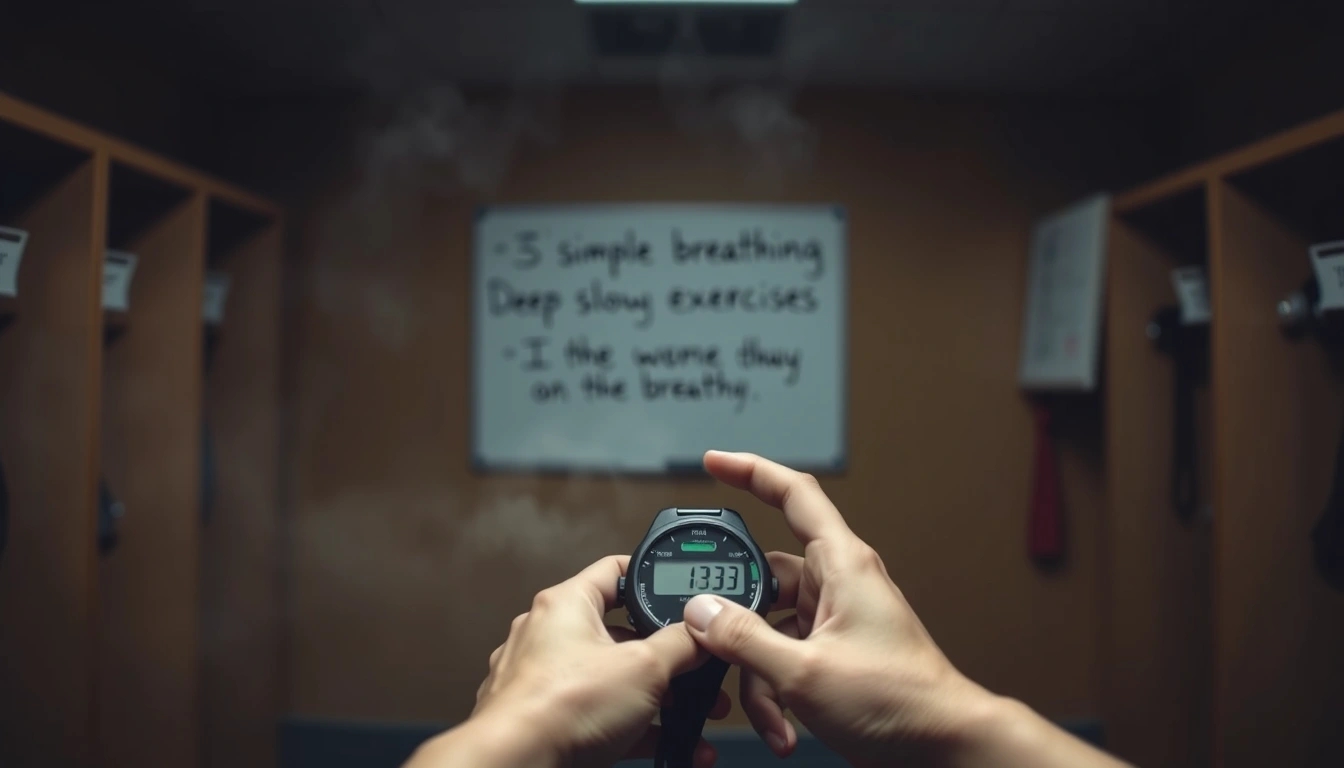
Breathing Techniques to Calm the Storm
Ever felt like your heart’s about to jump outta your chest just minutes before the whistle blows? Yeah, that frantic, sweaty-palmed feeling is classic pre-match jitters. But here’s the kicker — sometimes, all it takes is a few simple breaths to flip that panic switch off and get you back in the game mentally. Sounds almost too easy, right? Well, it kinda is. But don’t underestimate the power of your own breath. Breathing hacks aren’t just for yoga gurus or meditation fanatics; they’re your secret weapon against the chaos in your head.
Let’s break it down: when nerves hit, your body goes into fight-or-flight mode. Heart races, muscles tighten, thoughts scatter like a squirrel on espresso. That’s when these breathing exercises come in handy — they slow everything down, lower your heart rate, and bring focus back to the here and now. No magic potion, just good old oxygen.
- Box Breathing: Inhale for 4 seconds, hold for 4, exhale for 4, hold again for 4. Repeat. It’s like hitting the reset button on your nervous system.
- 4-7-8 Breathing: Breathe in quietly through your nose for 4 seconds, hold your breath for 7, then exhale forcefully through your mouth for 8. Weirdly satisfying and super calming.
- Diaphragmatic Breathing: Focus on deep belly breaths, not shallow chest ones. It’s about engaging your diaphragm, which tells your brain to chill out.
| Technique | How to Do It | Why It Works |
|---|---|---|
| Box Breathing | Inhale 4s, hold 4s, exhale 4s, hold 4s | Regulates nervous system, reduces stress |
| 4-7-8 Breathing | Inhale 4s, hold 7s, exhale 8s | Slows heart rate, promotes relaxation |
| Diaphragmatic Breathing | Deep belly breaths, slow and steady | Improves oxygen flow, calms mind |
Now, don’t get me wrong — these aren’t cure-alls. They won’t magically turn you into a zen master overnight. But, when the nerves start creeping in, taking a moment to breathe right can seriously make a difference. It’s kinda like telling your brain, “Hey, chill out, we got this.” Plus, you can do these anywhere — locker room, sidelines, even in the middle of a timeout.
Here’s a quick tip: pair your breathing with a simple mantra or positive phrase. Something like “I’m ready,” or “Focus and play.” It’s not just fluff. Saying it out loud or in your head while breathing helps lock in that calm, confident mindset.
Example Breathing Routine Before Match:1. Find a quiet spot2. Sit or stand comfortably3. Do 3 rounds of Box Breathing4. Follow with 2 rounds of 4-7-8 Breathing5. Repeat your mantra with each inhale and exhale6. Feel the calm wash over you
At the end of the day, nerves are part of the game — but letting them run the show? Not so much. So next time you’re pacing, heart pounding, remember: your breath is your best ally. Take control, slow it down, and get ready to crush that match.
Breath deep, play hard.
The Power of Visualization
You ever catch yourself daydreaming about nailing that perfect shot or crossing the finish line just a hair ahead of your rivals? Well, turns out, that little mental movie you run isn’t just a waste of time — it’s actually a secret weapon in the athlete’s toolkit. Visualization, or picturing your best performance before it even happens, can seriously change the game. And no, it’s not some flaky “mind over matter” mumbo jumbo; science backs it up.
When you imagine yourself succeeding, your brain starts firing off the same neurons it would if you were actually doing the task. Crazy, right? This means your mind is rehearsing the moves, the feelings, even the pressure, making the real thing feel a bit more familiar and less scary. So instead of freezing up or spiraling into panic, you get a boost in confidence and a drop in anxiety. It’s like tricking your brain into thinking you’ve already won.
- Step 1: Find a Quiet Spot – No distractions, no buzzing phones. Just you and your mental stage.
- Step 2: Visualize in Vivid Detail – Don’t just see the scoreboard; feel the sweat, hear the crowd, smell the fresh-cut grass.
- Step 3: Imagine Overcoming Obstacles – Picture yourself handling a tough opponent or bouncing back from a mistake.
- Step 4: Repeat Often – Make it a habit, not a one-off. The more you do it, the stronger the neural pathways get.
| Benefit | What It Does |
|---|---|
| Reduces Anxiety | Calms nerves by familiarizing the brain with the event |
| Boosts Confidence | Builds a positive mindset through mental rehearsal |
| Improves Focus | Helps maintain attention on key performance elements |
| Enhances Muscle Memory | Activates motor skills even without physical movement |
Now, don’t get me wrong — visualization isn’t a magic wand that guarantees a win. You still gotta put in the sweat and tears on the field. But it’s like giving your brain a sneak peek of success, so when the pressure’s on, you’re not scrambling in the dark. Instead, you’re stepping up with a clear head and a steady heart.
Here’s a little insider tip: some athletes combine visualization with deep breathing or even listening to a favorite pump-up tune. This combo can turbocharge the calming effect and get you in that “zone” where everything just clicks. And if you’re skeptical, try it before your next match — even just five minutes can make a noticeable difference.
So next time your stomach’s doing somersaults before a big game, don’t just try to ignore the nerves. Grab them, run a mental highlight reel of your best moves, and watch how your brain starts rooting for you instead of against you. Visualization isn’t just imagining success — it’s training your mind to believe it’s already yours.
Remember, the mind is a powerful muscle — treat it like one.
Why Embracing Nerves Can Be a Game-Changer
Alright, let’s get real for a second. Everyone, and I mean everyone, gets nervous before a big match. It’s like your brain’s way of saying, “Hey, this matters!” But here’s the kicker — nerves aren’t always the villain in your story. Sometimes, they’re your secret weapon, the very fuel that fires up your performance. Sounds weird? Stick with me.
You see, nerves are basically your body’s adrenaline kicking in. That jittery feeling? That’s your system waking up, getting ready to sprint, jump, and outplay. The problem is most folks try to squash those feelings, thinking they’re a sign of weakness or doom. But what if you flipped the script? What if instead of fighting those butterflies, you invited them to the party?
- Reframe the jitters: Instead of “I’m so nervous, I’m gonna mess up,” think “I’m pumped and ready to crush it.”
- Channel energy: Use that adrenaline rush to sharpen focus, boost reaction times, and get into “the zone.”
- Accept imperfection: Nerves mean you care. That’s good. It means you’re alive and in the game.
Here’s a quick table to break down what happens when you embrace nerves versus when you fight them:
| Fighting Nerves | Embracing Nerves |
|---|---|
| Increased anxiety and self-doubt | Heightened alertness and focus |
| Physical tension and stiff movements | Controlled energy and fluid performance |
| Negative spiral of thoughts | Positive adrenaline-fueled mindset |
Now, I get it — easier said than done. But here’s a quirky hack: next time you feel those nerves, try saying out loud, “I’m excited!” Sounds silly? Yeah, but it tricks your brain into shifting from anxiety mode to excitement mode. Science backs this up, by the way. Your body can’t really tell the difference between nervousness and excitement, so why not choose the vibe that helps you win?
And hey, don’t forget the power of breathing. Deep, rhythmic breaths can help you take that fiery energy and turn it into laser focus. It’s like tuning a guitar before the big show — get the strings right, and the music flows.
Pro Tip:- Feel the nerves? Don’t fight it.- Say “I’m excited!” (yes, out loud).- Breathe deeply: 4 seconds in, hold 4, 6 seconds out.- Visualize success, not failure.
In the end, nerves are just a sign that you care deeply about what you’re about to do. Instead of running from them, lean in. Use that adrenaline to fuel your competitive fire. Trust me, the athletes who learn to dance with their nerves don’t just survive the pressure — they thrive under it.
So next time those butterflies start flapping, smile, take a deep breath, and say, “Game on.” Because nerves? They might just be your best teammate.
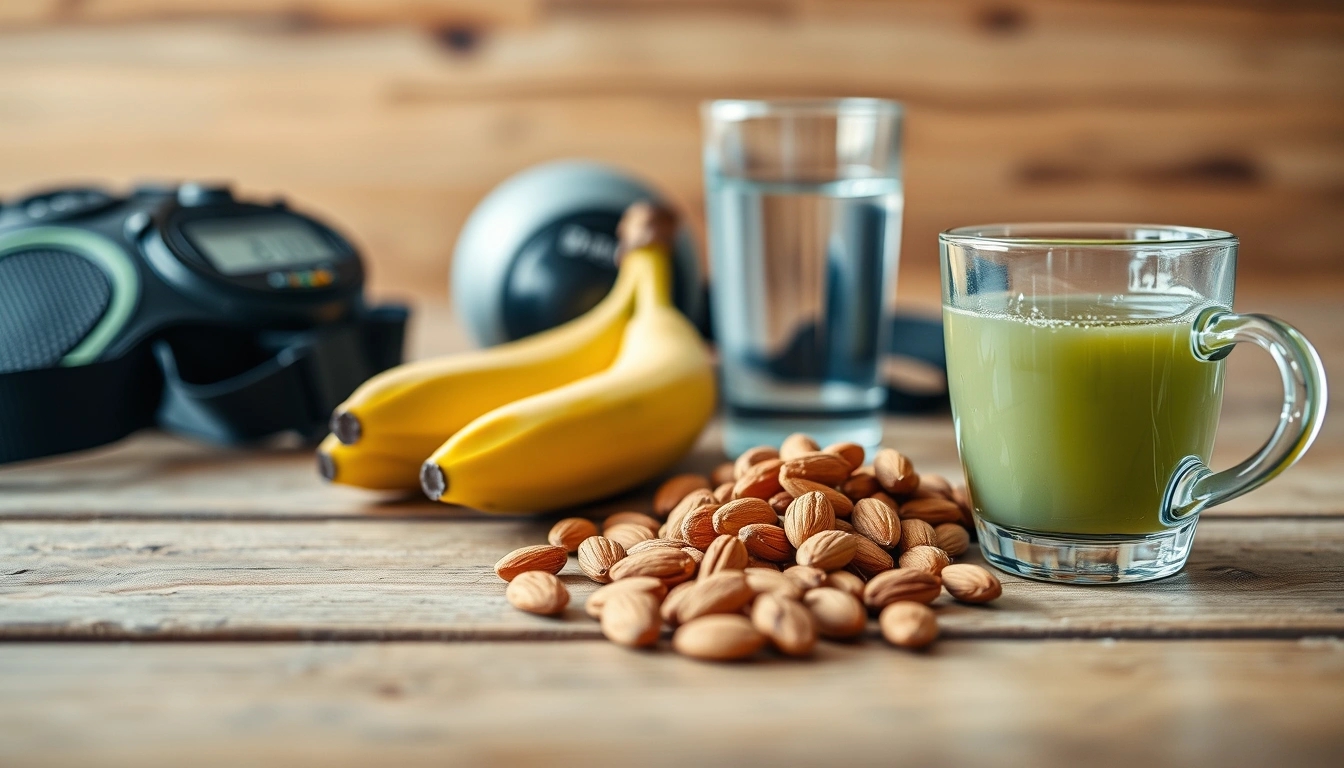
Nutrition and Hydration: Fueling Your Calm
Look, nerves before a match? Totally normal. But guess what can either crank those jitters up to eleven or dial them down to a chill hum? Yep, what you chow down and sip right before stepping onto the field. It’s not rocket science, but it’s also not just “eat whatever you want.” Your body’s basically a high-performance machine that runs on the fuel you give it — and some fuels make it sputter nervously, while others keep it humming smooth and steady.
Let’s get real: gulping down a double espresso or pounding energy drinks before a big game might seem like a power move, but it’s more like handing your nerves a megaphone. Caffeine spikes your heart rate and amps up anxiety — not exactly the recipe for calm confidence. Instead, aim for hydration that actually helps. Water is your best friend, no surprise there, but adding a splash of coconut water or a pinch of electrolytes can keep cramps and jitters at bay.
| Foods & Drinks to Embrace | Why They Help |
|---|---|
| Bananas | Loaded with potassium, they keep muscles relaxed and prevent cramping. |
| Oatmeal | Slow-release carbs provide steady energy without blood sugar spikes. |
| Herbal teas (like chamomile) | Natural calming effects; great for pre-game nerves. |
| Water & Electrolyte drinks | Maintain hydration and muscle function, reduce fatigue. |
| Greek yogurt with honey | Protein and probiotics support digestion and steady energy. |
On the flip side, steer clear of heavy, greasy foods and sugary snacks right before the match. They’re like a bad plot twist — they might give you a quick sugar rush, but soon after, you crash hard and your stomach might stage a rebellion. Imagine trying to focus on the game with your gut throwing a tantrum — not fun.
- Avoid: Fried foods, processed snacks, candy bars.
- Limit: High caffeine drinks, carbonated sodas, and energy shots.
- Skip: Excessive salt that can dehydrate you.
Now, don’t get me wrong — everyone’s different. Some players swear by a little pre-game coffee to wake up the brain, while others need a full-on carb feast. The trick is to test what works for you during practice, not on game day when you’re already sweating bullets.
Here’s a quick pre-match snack idea that’s easy to prep and won’t mess with your nerves:
- A banana- A small bowl of oatmeal with a drizzle of honey- A cup of chamomile tea or water with electrolytes
Simple, right? Keeps your energy steady, your stomach happy, and your mind less likely to freak out.
So next time you’re gearing up for a big match, remember: your nutrition and hydration game is just as important as your warm-up drills. Feed your body the right stuff, and you’ll be giving those nerves a serious run for their money.
Pro Tip: Pack your own snacks and drinks to avoid the temptation of vending machine chaos. Trust me, your future calm self will thank you.
In the end, it’s about balance — fueling your body to perform without feeding the anxiety monster lurking in the wings. Now, go get that win, fueled and fearless!
Creating a Pre-Match Playlist That Works
Alright, let’s get real about music and pre-match jitters. You might think, “Eh, just slap on some tunes and I’m good,” but nah, it’s a bit more nuanced than that. Music isn’t just background noise—it’s like a secret weapon that can totally flip your mood and energy before you hit the field. Whether you’re trying to chill out or get hyped, the right playlist can be a game-changer.
First off, why does music even have this power? Science says it’s all about how tunes affect your brain chemistry—dopamine, adrenaline, all that jazz. When you hear a beat you love, your body releases feel-good chemicals, which can calm nerves or pump you up. But beware: not every song works the same for everyone. That’s why curating a playlist tailored to your vibe is crucial.
- Relaxing tracks: Think slow tempo, soft vocals, maybe some acoustic or chill-hop. These help slow your heart rate and ease anxiety.
- Pump-up jams: High-energy beats, strong rhythms, and hype lyrics to get your blood pumping and mindset sharp.
| Type of Playlist | When to Use | Example Artists/Songs |
|---|---|---|
| Calm & Focused | Before warm-up or when anxiety spikes | Bon Iver, Ludovico Einaudi, Chillhop Essentials |
| High Energy & Motivation | Right before stepping onto the field | DMX, Imagine Dragons, Queen’s “Don’t Stop Me Now” |
Now, here’s the kicker—don’t just copy-paste some “Top Hits for Athletes” playlist. You gotta experiment. Maybe a song that pumps your buddy up makes you want to nap instead. So, spend some time figuring out what hits your sweet spot.
Also, mix it up! Sometimes you’ll want to start with calming tunes to get your head straight, then crank up the intensity as game time approaches. It’s like a musical warm-up for your brain.
Pro Tip:- Create two playlists: one for calming nerves, one for hype.- Test them during practice sessions.- Adjust based on what actually helps you feel ready.
Oh, and don’t forget about volume. Blasting music too loud might add to your stress, while too quiet won’t do the trick. Find that Goldilocks zone where the music fills your ears but doesn’t drown out your focus.
In the end, your pre-match playlist is a personal ritual. It’s part mental prep, part mood lifter, and sometimes just a good excuse to jam out and forget about the pressure for a bit. So, go on—get those tunes lined up and let the music work its magic.
Remember: Your playlist isn’t just songs—it’s your pre-game hype squad.
Dealing with Negative Self-Talk
Ah, that nagging little voice inside your head — the one that loves to throw shade just when you’re about to step onto the pitch. You know the type: “You’re gonna mess up,” “Everyone’s watching, don’t screw this up,” or the classic “Why even try? You’re not good enough.” That inner critic is a real party pooper, and if you don’t keep it in check, it’ll have you tangled up in nerves before the whistle even blows.
First off, recognize that this negative self-talk isn’t some mystical curse. It’s just your brain’s way of trying to protect you from failure — kinda like a bad coach who’s more about yelling than encouragement. The trick? Spot those sneaky thoughts early. Like, the moment you catch yourself thinking, “I can’t do this,” slap on the mental brakes and say, “Hold up, where’s this coming from?” Awareness is the first step to taking control.
| Common Negative Thoughts | How to Flip Them |
|---|---|
| “I’m going to fail.” | “I’ve prepared for this, let’s see what happens.” |
| “Everyone’s watching me mess up.” | “People watch every player, even the greats. I’m just one of them.” |
| “I’m not good enough.” | “I’m improving every day, and that’s what counts.” |
Next up, silence that critic by replacing negativity with facts and positive affirmations. Sounds cheesy? Maybe. But it works. Try jotting down a few powerful statements you can repeat before and during the game. Something like: “I’ve got skills, I’m ready, and I’m here to play.” Repetition rewires your brain, making those positive vibes louder than the doubts.
- Catch it: Notice when negative thoughts pop up.
- Challenge it: Ask yourself if the thought is really true or just fear talking.
- Change it: Swap the negative for a positive or realistic thought.
- Repeat: Keep practicing this to build mental muscle.
Here’s a neat little hack: write your negative thoughts down on paper, then literally rip it up or toss it away. Physically removing those words can feel oddly liberating — like kicking those worries to the curb.
Also, don’t forget that sometimes your inner critic is just a reflection of external pressure — coaches, teammates, or even social media hype. Remember, you don’t have to carry all that weight alone. Chat with a teammate or mentor about what’s bugging you. Sharing can shrink those worries big time.
Practical quick checklist to silence negative self-talk before a match:- Spot the negative thought ASAP.- Ask: “Is this thought helping or hurting me?”- Replace with a positive affirmation.- Take 3 deep breaths to reset.- Visualize a moment of success.- Remind yourself: nerves are normal, not fatal.
At the end of the day, beating that inner critic isn’t about never feeling nervous or doubting yourself. It’s about not letting those thoughts run the show. So next time your brain tries to rain on your parade, just smile, tell it to take a hike, and get ready to crush it on the pitch.
Remember: Your mind is your most powerful teammate — treat it like one.

Practical Tips from Athletes Who’ve Been There
Alright, let’s get real for a sec. Nerves before a big match? Yeah, they suck. But guess what? Even the biggest pros—those names you see lighting up the scoreboard or making jaw-dropping plays—have wrestled with those butterflies in their stomach. They’re not some superhuman robots without feelings; they get jittery just like the rest of us. The difference? They figured out how to handle it without losing their cool. Here’s some no-nonsense, down-to-earth advice straight from the trenches.
- Own your nerves instead of fighting them. NBA star Chris Paul once said, “I don’t try to silence the nerves; I let them remind me I care.” Instead of trying to shove those feelings down, acknowledge them. They’re a sign that your body’s gearing up for action.
- Stick to your routine like glue. Serena Williams swears by her pre-match rituals—not because they’re lucky charms, but because they create a sense of normalcy. When everything feels chaotic, a familiar routine is like an anchor.
- Talk to yourself like a coach, not a critic. Negative self-talk? Yeah, it’s a sneaky little devil. Olympic swimmer Michael Phelps uses positive affirmations to drown out the doubt. Try this: write down 3 encouraging phrases and repeat them until they stick.
| Tip | Why It Works | How to Apply |
|---|---|---|
| Embrace the nerves | Turns anxiety into energy | Visualize nerves as your body’s way of prepping for battle |
| Pre-match rituals | Creates mental stability | Find a consistent warm-up or playlist you trust |
| Positive self-talk | Shuts down the inner critic | Use affirmations or mantras before stepping on the field |
Now, here’s the kicker: some athletes swear by quirky hacks that sound a bit out there but actually do the trick. Take Simone Biles, for example. She’s been known to use visualization so intensely that she “sees” herself nailing every move before even touching the mat. Sounds like sci-fi? Maybe. But it’s all about tricking your brain into confidence mode.
And don’t underestimate the power of a good laugh or a chat with a teammate. Sometimes, breaking the tension with a silly joke or just venting a little can deflate the pressure balloon. Nobody’s saying you gotta be a zen master 24/7—sometimes, just being human and admitting “Yeah, I’m nervous” is enough to lighten the load.
Here’s a quick checklist to keep handy before your next match:- Acknowledge your nerves; don’t fight ‘em.- Stick to your tried-and-true pre-game routine.- Use positive affirmations (even if it feels cheesy).- Visualize your success in vivid detail.- Chat or joke around to ease tension.- Remember: nerves energy, not weakness.
Bottom line? The pros don’t have some secret sauce that magically kills nerves. They’ve just learned to dance with them instead of stepping on their own toes. Next time you feel those jitters creeping in, channel these tips and remember: it’s all part of the game. And hey, if it gets messy, well—that’s just another story to tell.
Frequently Asked Questions
- Why do I get so nervous before matches?
It’s totally normal to feel those butterflies! When you’re about to compete, your body’s natural “fight or flight” response kicks in, releasing adrenaline and increasing your heart rate. This physiological reaction is your body gearing up for action, but it can also make you feel jittery or anxious.
- Can nerves actually help my performance?
Absolutely! Believe it or not, nerves can be your secret weapon. When you channel that nervous energy into focus and motivation, it can boost your alertness and reaction time, helping you perform at your peak instead of holding you back.
- What are some quick ways to calm nervousness before a match?
Simple breathing exercises, like deep belly breaths or the 4-7-8 technique, can slow your heart rate and clear your mind. Also, try visualization—picture yourself succeeding on the field to build confidence and reduce anxiety.
- Are pre-match rituals really effective or just superstition?
While some rituals might seem quirky, many athletes find that consistent routines help signal their brain to relax and get in the zone. Whether it’s listening to a specific playlist or doing a warm-up sequence, these habits create a comforting sense of control.
- How does nutrition affect my nerves before playing?
What you eat and drink can either fuel your calm or spike your jitters. Avoid excessive caffeine and sugary snacks, and instead focus on balanced meals with protein, complex carbs, and plenty of water to keep your energy steady.
- What should I do if negative self-talk starts creeping in?
Catch those negative thoughts early and challenge them! Replace “I can’t do this” with “I’ve trained hard and I’m ready.” Positive self-talk rewires your mindset and keeps your confidence intact when pressure builds.
- How can I create a pre-match playlist that really helps?
Pick songs that either calm your nerves or pump you up—whatever suits your mood. Think of your playlist as your personal hype squad, guiding your emotions and energy exactly where you want them before stepping onto the field.
- Is it normal for even professional athletes to get nervous?
Oh yes! Even the pros feel the jitters before big games. The difference is they’ve learned how to manage those feelings and use them to their advantage. Remember, nerves mean you care, and that passion can drive you to greatness.