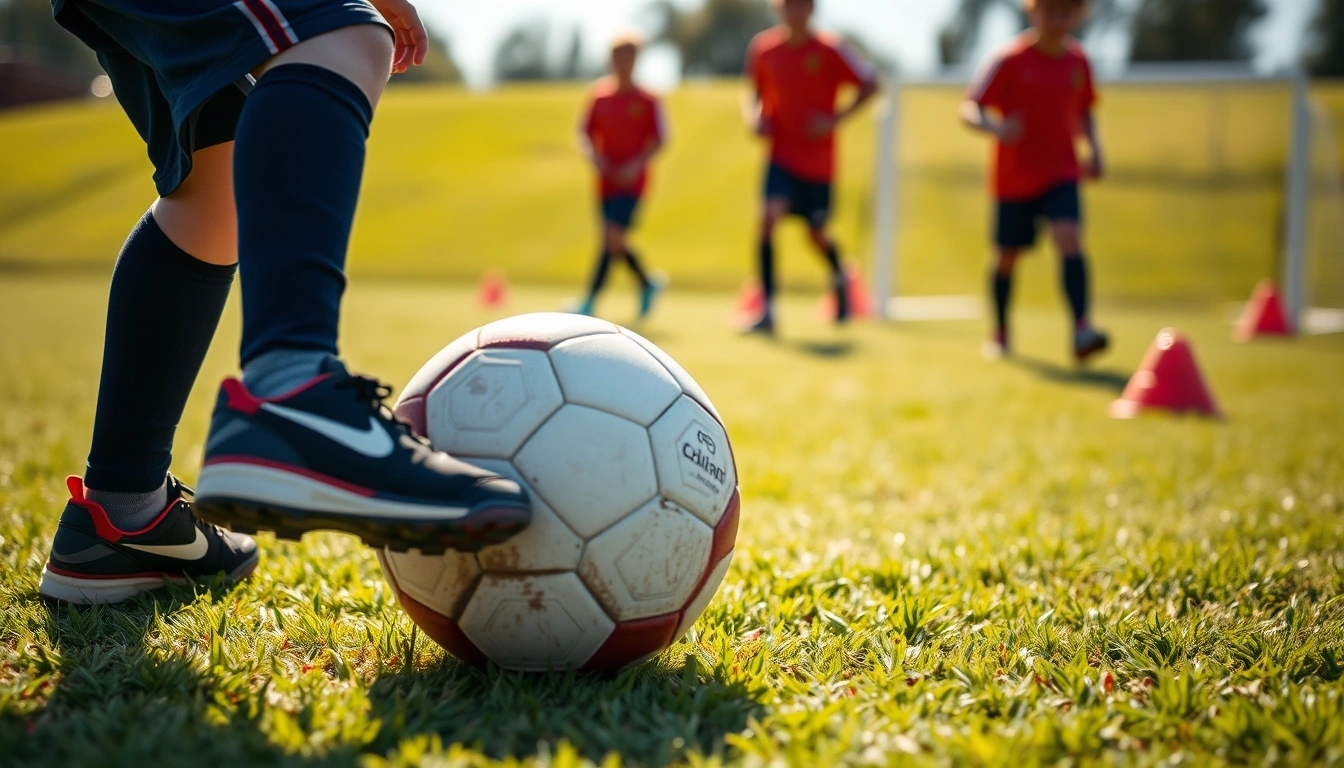
Alright, let’s be honest — if you’re a young player struggling to keep the ball glued to your feet, you’re not alone. Ball control isn’t just about fancy flicks or juggling in the backyard; it’s the bread and butter of any good game. Without it, well, you’re basically handing the ball over on a silver platter to the other team. This article’s gonna break down some solid, practical tips to help you clutch that ball like a pro and boost your confidence on the pitch. Ready? Let’s dive in.
First things first: understanding the basics. Ball control isn’t rocket science, but it does require patience and repetition. It’s about knowing how to receive, cushion, and move the ball with precision. If you’re constantly losing the ball, maybe you’re trying to do too much too soon — slow down, focus on the fundamentals. A simple drill like passing the ball against a wall with both feet can work wonders. Speaking of feet…
| Drill | Purpose | How to Do It |
|---|---|---|
| Wall Passes | Improve touch and passing accuracy | Pass the ball against a wall using right and left foot alternatively |
| Toe Taps | Enhance foot quickness and ball familiarity | Tap the top of the ball with the sole of each foot rapidly |
| Dribbling in Cones | Develop close control and agility | Weave the ball through cones placed a few feet apart |
Using both feet is a game changer — no kidding. If you’re sticking to your dominant foot like it’s your best mate, you’re limiting yourself big time. Opponents smell that weakness from miles away and will pounce. So, start practicing with your non-dominant foot. It feels awkward at first — like trying to write with your other hand — but trust me, it pays off. Plus, it opens up so many new angles and options on the field.
- Tip #1: Spend 10 minutes daily just juggling or passing with your weaker foot.
- Tip #2: Try dribbling drills exclusively with your non-dominant foot.
- Tip #3: Watch professional players and notice how they switch feet fluidly.
Now, let’s talk about body positioning and balance. You might think ball control is all about the feet, but your stance and posture are just as crucial. If you’re leaning too far forward or standing too upright, you’re setting yourself up for a stumble or a bad touch. Keep your knees slightly bent, stay low, and keep your center of gravity balanced. This way, you can adjust quickly when pressure comes from defenders. Remember, the ball is an extension of your body — move like it’s glued to you.
Here’s a quick checklist to keep your balance in check:
- Knees bent, ready to spring
- Head up, eyes scanning
- Weight evenly distributed on the balls of your feet
- Arms slightly out for balance
One last nugget before wrapping up: don’t beat yourself up over losing the ball now and then. It happens to everyone, even the pros. The key is to learn from those moments, stay patient, and keep practicing. Confidence grows with every successful touch, so celebrate the small wins. And hey, if your shoes are slipping or the field is a mud pit, that’s not on you — blame the gear and weather sometimes!
In summary:
| Focus Area | Key Advice |
|---|---|
| Basics | Master simple touches and passing first |
| Footwork | Use both feet equally; practice daily |
| Body Position | Stay balanced and low for better control |
| Mental | Be patient and confident; mistakes are part of learning |
So, lace up, get out there, and start treating the ball like your best friend. The more you work on these control techniques, the less you’ll be “losing” the ball and the more you’ll be owning the game. No magic pill here, just grit, practice, and a little bit of love for the beautiful game.
Understanding Ball Control Basics
Before young players even think about pulling off flashy tricks or dazzling their mates with fancy footwork, they need to get a solid grip on the basics of ball control. Sounds obvious, right? But you’d be surprised how many kids (and honestly, some adults too) rush headlong into complicated moves without truly understanding why controlling the ball is the bread and butter of the game. Without that foundation, all the fancy stuff just falls apart like a house of cards.
So, what exactly is ball control? At its core, it’s the ability to keep the ball close and maneuver it exactly where you want, when you want. It’s not just about stopping the ball dead in its tracks or dribbling like you’re in a Hollywood movie. It’s about reading the game, anticipating where the ball will be, and being ready to react instantly. This skill is what separates the players who constantly lose possession from those who dictate the pace of the match.
- Why does it matter? Because every single pass, every shot, every move depends on controlling the ball first. Lose control, and boom — possession gone, chance wasted.
- When does it matter? Pretty much all the time. Whether you’re under pressure, sprinting down the wing, or just chilling with the ball at your feet, control is your best friend.
- How do you get better? Through practice, patience, and yes, sometimes making a fool of yourself. No one becomes a maestro overnight.
| Common Ball Control Techniques | Why They Matter | Tips for Young Players |
|---|---|---|
| Trapping (Foot, Chest, Thigh) | Stops the ball quickly to set up next move | Relax your body, don’t stiffen up; practice soft touches |
| Dribbling | Maintains possession while moving | Keep the ball close, use both feet, look up often |
| Passing Control | Ensures accurate distribution | Focus on first touch; control the ball before passing |
Alright, let’s be honest here — mastering ball control is no walk in the park. It’s messy, frustrating, and sometimes downright annoying. You’ll lose the ball more times than you can count, and you’ll probably get tangled up in your own feet more often than you want to admit. But that’s part of the journey. The key is not to get discouraged and keep at it.
Here’s a quick checklist for young players to keep in mind when working on ball control:
- Stay relaxed: Tension kills touch. If you’re stiff, the ball will bounce away like it’s got a vendetta.
- Eyes up: It’s tempting to stare at the ball constantly, but you gotta learn to glance up and see the field.
- Use all parts of your foot: Inside, outside, sole — mix it up to keep defenders guessing.
- Practice regularly: Even 10 minutes a day beats an hour once a month.
In the end, ball control isn’t just a skill; it’s a mindset. It’s about being patient, staying calm under pressure, and trusting yourself to make the right move. So, before the fancy tricks and the highlight reels, nail down these basics. Your future self (and your teammates) will thank you.
Footwork Drills to Improve Touch
Alright, let’s be honest—keeping the ball glued to your feet isn’t some magical skill you’re born with. It’s all about practice, patience, and yes, some downright boring drills. But don’t roll your eyes just yet! These footwork drills are simple, straightforward, and seriously effective. They can turn any young player from a ball-losing disaster into a possession master. No joke.
First off, why footwork? Because your feet are the primary tools for ball control. If they’re clumsy, you’ll lose the ball faster than you can say “pass.” But with the right drills, you’ll develop a touch so soft, it’s like the ball’s got glue on it. Here’s the deal: these drills focus on improving your touch, balance, and quickness—the trifecta for keeping control under pressure.
- Toe Taps: This classic drill might seem basic, but it’s a gem. Simply tap the top of the ball alternately with each foot, as fast as you can, for 30 seconds. Repeat 3-4 times. It builds rhythm and coordination, making your feet quicker and more responsive.
- Inside-Outside Touches: Roll the ball from the inside of your foot to the outside, then back again. Do this while moving forward slowly, then speed it up. It’s all about learning to use different parts of your foot to manipulate the ball.
- Figure 8 Dribble: Dribble the ball around your legs in a figure 8 pattern. It might feel awkward at first, but stick with it. This drill sharpens control and helps you get comfortable with tight spaces.
| Drill | Focus Area | Duration |
|---|---|---|
| Toe Taps | Foot speed & coordination | 3 sets of 30 seconds |
| Inside-Outside Touches | Ball manipulation | 5 minutes |
| Figure 8 Dribble | Close control & agility | 4 sets of 1 minute |
Now, here’s a little secret—these drills alone won’t turn you into Messi overnight. You gotta mix them up, keep the sessions short but consistent, and most importantly, stay patient. If you’re losing the ball every other second, don’t freak out. Even pros mess up sometimes. The key is to learn from every slip.
One more thing: don’t just practice standing still. Add some movement! Try these drills while jogging or weaving through cones. It simulates real-game pressure and forces you to keep your touch sharp even when you’re not perfectly balanced.
- Cone Weave: Set up cones in a zigzag pattern and dribble through them using your improved footwork.
- Partner Pass and Control: Pass the ball back and forth with a teammate, focusing on soft touches and quick control.
Remember, footwork drills aren’t just about fancy foot moves—they’re about building confidence. When your feet trust the ball, you can focus on the game instead of worrying about losing possession. So, lace up, get to work, and don’t be afraid to get a little sweaty. Your future self will thank you.
Quick Tips Recap:
- Keep drills short and consistent.
- Focus on both speed and control.
- Practice with movement, not just standing still.
- Don’t get discouraged by mistakes—they’re part of learning.
In the end, footwork drills are like the bread and butter of ball control. Nail these, and you’re halfway to owning the pitch.
Using Both Feet: Why It’s a Game Changer
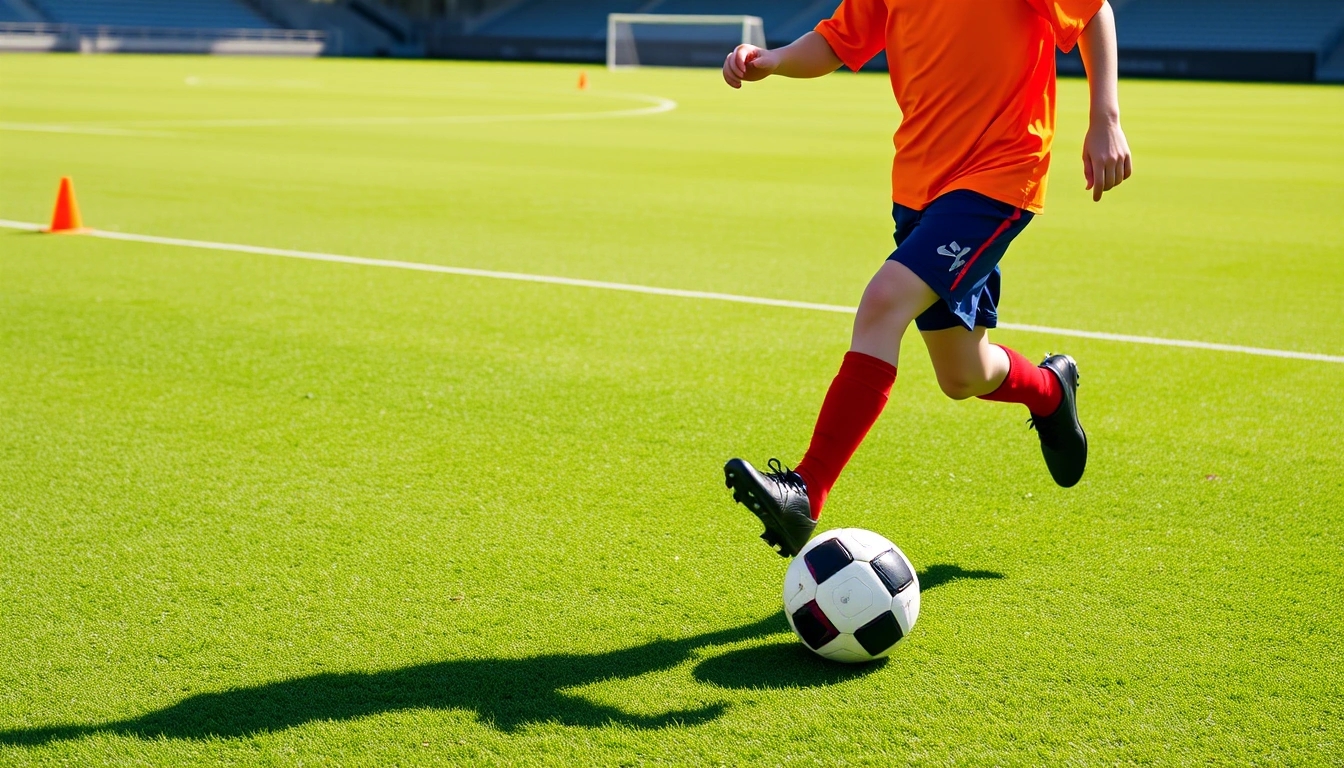
Alright, let’s cut to the chase — if you’re a young player who’s been relying on just one foot to control the ball, you’re kinda setting yourself up for trouble. It’s like trying to dance with one leg tied behind your back. Sure, you might pull off a few moves, but eventually, someone’s gonna catch you slipping. Developing the ability to use both feet effectively? That’s the real secret sauce to confusing defenders and unlocking new possibilities on the pitch.
Think about it: opponents usually size you up based on your dominant foot. They’ll anticipate your next move, close down space, and force you into predictable patterns. But when you start dribbling, passing, or shooting with your weaker foot, you throw a wrench in their game plan. Suddenly, they’re guessing, hesitating, maybe even panicking a little — and that’s when you seize the moment.
| Benefits of Using Both Feet | Why It Matters |
|---|---|
| Unpredictability | Opponents can’t easily read your next move, giving you a strategic edge. |
| Expanded Play Options | More passing lanes, shooting angles, and dribbling paths open up. |
| Improved Ball Control | You gain better touch and confidence in tight situations. |
| Enhanced Balance and Coordination | Using both feet strengthens your overall agility and body control. |
Now, before you throw your hands up and say, “But my left foot’s hopeless!” — chill out. Nobody becomes ambidextrous overnight. It’s a grind, a bit like learning to write with your non-dominant hand. The key is consistent practice and not being afraid to make mistakes. You’ll fumble, you’ll miss passes, and maybe even trip over the ball a few times. That’s all part of the process.
- Start with simple touches: Pass the ball gently with your weaker foot against a wall or with a friend.
- Dribble drills: Zigzag cones using your non-dominant foot to build control and confidence.
- Shooting practice: Take shots on goal using your weaker foot, even if they’re not perfect at first.
Remember, the goal isn’t perfection — it’s progress. Every little improvement makes you a tougher player to predict and defend. Plus, coaches love players who can switch it up and keep the opposition guessing.
Pro Tip:Don’t just train your feet in isolation. Combine ambidexterity drills with game-like scenarios.For example, try dribbling with your weaker foot while under pressure from a teammate.This helps simulate real match conditions and builds mental toughness.
In the end, mastering both feet isn’t just some fancy skill to brag about — it’s a genuine game changer. It’s what separates the good from the great, the predictable from the dangerous. So, if you’re serious about leveling up your ball control, stop playing it safe and start putting in the work with that “other” foot. Your future self (and your highlight reel) will thank you.
Body Positioning and Balance
Alright, let’s get real about something that often gets overlooked by young players: . You might think it’s all about fancy footwork or lightning-fast reflexes, but trust me, how you stand and move can make or break your control over the ball. It’s like the difference between a clumsy toddler and a graceful dancer—both can move, but one just looks more in control, right? So, if you want to stop losing the ball every two seconds, you gotta master this subtle art.
First off, think of your body as your personal control tower. If you’re leaning too far forward or standing too upright, you’re basically inviting the ball to slip away. The sweet spot? Keep your knees slightly bent, your center of gravity low, and your weight balanced on the balls of your feet—not your heels. This stance lets you react quicker and keeps you grounded even when the pressure’s on. Imagine you’re a boxer in the ring, always ready to pivot or dodge—same principle applies here.
- Stay low: A lower stance improves stability and makes it harder for opponents to knock you off the ball.
- Weight distribution: Keep your weight evenly spread, but be ready to shift quickly.
- Head up: Sounds simple, but looking down at the ball all the time kills your awareness.
Now, don’t get me wrong, it’s not just about standing still like a statue. Movement is king. When you’re dribbling or shielding the ball, your body should act like a shield, using your hips and shoulders to block defenders while keeping the ball close. Ever seen players who look like they’re dancing around opponents? They’re not just lucky; they’ve got balance and positioning nailed.
| Common Body Positioning Errors | Why It Hurts Control | Quick Fix |
|---|---|---|
| Standing too upright | Reduces stability and slows reaction time | Bend knees slightly and lower your stance |
| Weight on heels | Slows movement and makes you easy to push off the ball | Shift weight to balls of feet |
| Looking down at the ball | Limits field awareness and anticipation | Practice dribbling with head up |
Here’s a little secret: balance isn’t just physical, it’s mental too. When you’re nervous or rushed, your body tenses up, and suddenly your “perfect stance” feels like a wobble. Practice staying calm under pressure by simulating game scenarios where you have to keep control while being challenged. It’s messy at first, but you’ll thank yourself later.
Pro Tip:- Practice shifting your weight from one foot to the other while controlling the ball.- Use cones or markers to simulate defenders and focus on maintaining your stance.- Record yourself to spot if you’re leaning too much or standing tall.
To wrap it up, remember this: control starts from the ground up. Nail your body positioning and balance, and you’ll find the ball sticking to your feet like glue—even when the heat’s on. It’s not magic, just good old-fashioned practice and paying attention to how you carry yourself on the pitch. So next time you’re out there, channel your inner ballerina-meets-boxer and own that space.
Common Mistakes Young Players Make
Losing the ball is like the nightmare every young player dreads, right? One moment you’re cruising, thinking you got this, and the next—poof!—possession’s gone. It’s not just about bad luck; there are some classic slip-ups that keep popping up on the pitch. Let’s break down these blunders because, honestly, knowing what *not* to do is half the battle.
- Panicking Under Pressure: Nothing kills control faster than a sudden burst of nerves. When defenders close in, some kids freeze or rush their touch, turning a simple pass into a disaster. Instead of taking a breath and thinking, they just flail. It’s like their brain short-circuits and the ball slips away. The key? Practice staying calm. Easier said than done, but drills that simulate pressure can help build that muscle.
- Over-Controlling the Ball: Ever seen a kid treat the ball like a fragile egg? Over-controlling means they trap the ball too hard or stop it dead, giving defenders a chance to pounce. It’s tempting to keep the ball glued to your foot, but sometimes a gentle nudge or a quick flick is smarter. Think of it like dancing — sometimes you gotta let the ball flow rather than choke it.
- Ignoring Body Positioning: This one’s sneaky because it’s not just about the feet. If your body’s awkward or unbalanced, controlling the ball becomes a nightmare. Leaning too far forward or backward can throw off your touch and speed. A solid stance, knees bent, ready to move—that’s the secret sauce.
| Mistake | Why It Happens | How to Fix It |
|---|---|---|
| Panicking Under Pressure | Fear of losing ball, lack of experience | Simulate pressure in training, breathing exercises |
| Over-Controlling | Overthinking, lack of confidence in passing | Practice light touches, quick passes |
| Poor Body Positioning | Bad habits, weak balance | Balance drills, focus on stance |
And here’s a curveball: sometimes kids try to do too much fancy stuff too soon. Fancy flicks, rainbow tricks, or juggling when they haven’t nailed the basics? Recipe for disaster. It’s like trying to bake a cake without knowing how to crack an egg. Frustration creeps in, and the ball gets lost more often than not.
Another hiccup is relying too much on one foot. It’s comfortable, sure, but defenders catch on quickly. When you only use your right foot, it’s like shouting your next move out loud. Developing skills on both feet might sound like a pain, but it’s a game-changer. It opens up space, confuses opponents, and makes you less predictable.
- Not Looking Up: Heads down, ball glued to feet, zero awareness of teammates or opponents. This is a classic rookie error. You might control the ball well, but if you don’t see the field, you’re setting yourself up for trouble. Train yourself to glance up regularly—it’s like having eyes in the back of your head.
- Rushing Decisions: Soccer isn’t a sprint in your head. Sometimes young players rush passes or dribbles because they’re scared of losing the ball if they hesitate. Ironically, rushing often causes the loss. Patience is a virtue, even on the pitch.
Quick Tips to Avoid Losing Possession:- Stay calm, even when defenders swarm you.- Use soft, controlled touches instead of heavy stops.- Keep your body balanced and knees bent.- Practice with both feet equally.- Look around before and during ball control.- Don’t rush; think one step ahead.
To wrap it up, losing the ball isn’t just about poor skills; it’s a mix of mindset, technique, and sometimes just plain old nerves. Coaches and parents, don’t sweat it if young players mess up—mistakes are part of learning. Just keep encouraging them to focus on these common pitfalls and watch their control improve over time. After all, every pro was once a kid fumbling the ball in the backyard.

Game-Like Scenarios for Practice
Training young players isn’t just about running endless drills or mindlessly repeating passes until someone drops the ball (which, let’s be honest, happens way too often). The real magic happens when practice mimics the chaos and pressure of an actual match. If you want these kids to stop losing the ball at the worst moments — you know, like right before a goal-scoring chance — then you’ve got to throw them into scenarios that feel just as unpredictable and intense as a real game.
Think about it: in a real match, the ball isn’t just sitting there waiting patiently for a perfect touch. There’s pressure from opponents, teammates shouting, and the clock ticking down. So why should practice be any different? Setting up game-like situations forces players to think on their feet, make split-second decisions, and most importantly, learn how to keep their cool when the heat is on.
- Small-sided games: These are a coach’s best friend. Playing 3v3 or 4v4 on a smaller pitch cranks up the pressure and forces players to make quick passes and sharp turns. It’s chaotic, fast, and exactly what they need to improve ball retention under pressure.
- Pressure drills: Have players practice shielding the ball while a defender tries to snatch it away. It’s like a mini battle royale, teaching them to use their body effectively and keep possession even when opponents are breathing down their necks.
- Transition exercises: Simulate quick switches from defense to attack. These moments are where losing the ball can be deadly, so practicing ball control during transitions is crucial.
| Drill | Focus | Benefit |
|---|---|---|
| 4v4 Keep-Away | Passing accuracy under pressure | Improves quick decision-making and teamwork |
| Shield and Turn | Ball protection with body positioning | Builds strength and confidence in tight spaces |
| Quick Transition | Ball control during rapid play changes | Enhances adaptability and mental alertness |
One thing that’s often overlooked: the intensity of these scenarios has to be dialed just right. Too easy, and players zone out; too hard, and they get frustrated and give up. Coaches need to keep tweaking the difficulty, maybe by adding more defenders or limiting touches, so players stay engaged and challenged.
And let’s be real, kids don’t want to feel like they’re stuck in a boring routine. Mixing in these lively, unpredictable drills keeps things fresh and makes training feel less like a chore and more like actual fun. The payoff? Players who are less likely to panic, more likely to keep possession, and better prepared for the messy reality of a game.
So next time you’re planning practice, remember: it’s not just about repetition but about creating moments that feel like the real deal. That’s how you turn a good player into a great one who can hold onto the ball when it counts — no sweat, no drama.
Psychological Factors: Confidence and Patience
Let’s be honest, sometimes losing the ball isn’t about how fast your feet move or how sharp your reflexes are — it’s all up here (points to head). Mental game, folks! Confidence and patience might sound like buzzwords from a self-help book, but in soccer, they’re the secret sauce to keeping that pesky ball glued to your feet.
Imagine you’re dribbling down the field, and suddenly, panic sets in. You start rushing, overthinking every touch, and boom — the ball slips away like it’s got a mind of its own. Happens to the best of us. The truth? Building confidence isn’t about never making mistakes; it’s about trusting yourself enough to bounce back quickly when you do.
- Confidence means believing you can control the ball even when the pressure’s on.
- Patience is about waiting for the right moment to make your move instead of forcing it.
Both work hand in hand, but how do you actually develop these mental muscles? Here’s a quick rundown:
| Tip | What It Does | How to Practice |
|---|---|---|
| Positive Self-Talk | Boosts your belief in your skills | Before and during games, remind yourself “I got this” or “Stay calm” |
| Controlled Breathing | Calms nerves and sharpens focus | Take deep breaths when you feel overwhelmed on the pitch |
| Visualization | Prepares your brain for success | Picture yourself successfully keeping the ball and making smart plays |
Now, don’t get me wrong — patience doesn’t mean standing still like a statue. It’s about reading the game and knowing when to hold onto the ball and when to pass or dribble forward. Rushing leads to sloppy touches and turnovers, and that’s the fastest way to lose possession.
Here’s a little checklist for practicing patience during play:
- Keep your head up to spot open teammates and spaces.
- Don’t rush your first touch — control it before making your next move.
- Stay calm if an opponent is closing in; sometimes waiting for them to make a mistake is the best play.
And hey, if you’re thinking, “Easier said than done,” you’re not alone. Confidence and patience take time — like, a lot of time. But the good news? Even small improvements can make a huge difference in how often you keep the ball.
So next time you feel that ball slipping away, take a breath, trust your skills, and remember: sometimes the biggest battle is in your mind, not on the field. Keep working on that mental game, and watch your ball control skyrocket.
Equipment and Playing Surface Impact
You might think ball control is all about fancy footwork or lightning-fast reflexes, right? Well, hold your horses! There’s a sneaky duo that often gets ignored but can totally make or break your game: your shoes and the pitch condition. Yeah, sounds boring, but trust me, they’re like the unsung heroes (or villains) of ball control.
First off, let’s chat about shoes. Not all cleats are created equal. Slapping on any old pair you find lying around? Big no-no. The grip, the fit, the sole pattern—all these little details can seriously affect how you handle the ball. Ever tried dribbling on wet grass with shoes that have worn-out studs? It’s like skating on ice, and you’ll probably lose the ball before you even make a move. So, investing in decent shoes that fit snugly and are suited for the type of surface you play on is a game-changer.
| Shoe Features | Impact on Ball Control |
|---|---|
| Proper Stud Length | Ensures grip without sticking, allowing quick turns and stops |
| Snug Fit | Prevents foot slipping inside the shoe, improving touch and precision |
| Lightweight Material | Allows faster foot movement and better ball feel |
| Surface-Specific Design | Optimizes performance on grass, turf, or indoor courts |
Now, onto the pitch itself—oh boy, this one’s a wild card. Playing on a muddy, uneven field? Forget about perfect control. The ball might bounce weirdly, or you might get stuck mid-dribble. On the flip side, a well-maintained, flat pitch can make your life so much easier. You get consistent ball roll, which means you can predict and control the ball better. But hey, sometimes you gotta roll with the punches—learning to adapt to different surfaces is part of the game.
- Wet or muddy pitches: Slower ball movement, higher chance of slipping, requires softer touch
- Dry, hard pitches: Faster ball roll, risk of unpredictable bounces, demands quick reactions
- Artificial turf: Consistent surface but can be abrasive on shoes and skin
- Indoor courts: Smooth, fast surfaces, perfect for tight ball control but less forgiving on mistakes
So, what’s the takeaway? Don’t just blame yourself when the ball slips away. Sometimes, it’s the shoes or the pitch playing tricks on you. Next time you hit the field, give a quick glance down and around—your equipment and environment might be silently conspiring against your ball control. And if you’re serious about improving, start thinking about these factors as much as your drills.
Tips for Managing Equipment and Surface Challenges:- Check your cleats regularly for wear and replace when studs get smooth.- Choose shoes designed for the surface you play on (e.g., turf shoes for artificial grass).- Before games, inspect the pitch condition and adjust your playing style accordingly.- Practice on different surfaces to build adaptability and confidence.
In the end, ball control isn’t just about fancy foot tricks or muscle memory. It’s also about knowing your gear and respecting the ground beneath your feet. Overlook these, and you might find yourself losing the ball more often than you’d like. So, lace up smart, stay alert, and give your shoes and pitch the credit (or blame) they deserve!

Tracking Progress: Simple Metrics for Improvement
Keeping an eye on how young players improve their ball control skills doesn’t have to be some complicated math problem or a high-tech analysis session. Honestly, it’s more about consistency, awareness, and celebrating those small wins that make a big difference over time. So, how can coaches, parents, or even the players themselves keep tabs on progress without losing their minds? Let’s break it down with some straightforward and practical ideas.
First off, setting clear, measurable goals is crucial. Instead of vague hopes like “get better at controlling the ball,” try something more concrete—like “reduce ball losses to less than 3 per 10-minute drill” or “complete 20 consecutive touches without losing possession.” These goals give players something to aim for and a way to see if they’re actually improving or just spinning their wheels.
- Touch Count Challenge: Count how many times a player can touch the ball in a row without losing control. It’s simple, but surprisingly telling.
- Turnover Tracking: Keep a tally of how often a player loses the ball during practice games or drills. Less turnovers better control.
- Successful Pass Rate: Measure the percentage of passes that reach a teammate cleanly, which indirectly reflects good ball control under pressure.
Now, don’t get me wrong, numbers aren’t everything. Sometimes a player might have a rough day but shows great decision-making or improved composure. That’s why mixing qualitative feedback with these metrics is a smart move. Coaches should watch for things like body positioning, confidence in touch, and how a player recovers after a mistake—these subtle signs often predict long-term growth better than stats alone.
| Metric | What It Measures | How to Track | Why It Matters |
|---|---|---|---|
| Touch Count | Ball control consistency | Count continuous touches without losing ball | Builds focus and fine motor skills |
| Turnover Rate | Frequency of losing possession | Track turnovers during drills or scrimmages | Highlights areas needing improvement under pressure |
| Pass Accuracy | Precision and control under game conditions | Calculate percentage of successful passes | Reflects decision-making and ball handling |
And hey, don’t forget to celebrate those improvements, no matter how tiny they seem. A pat on the back, a quick shout-out, or even a sticker chart for the little ones can do wonders for motivation. Progress tracking shouldn’t feel like a chore or a test—it should be a way to keep players excited about their own journey.
In the end, tracking ball control progress is less about perfection and more about awareness and encouragement. Use simple tools, keep it fun, and watch as young players gain not just skills, but confidence to own the game.
Frequently Asked Questions
- Why is ball control so important for young players?
Think of ball control as the foundation of a house. Without a solid base, everything else crumbles. For young players, mastering control means they can confidently keep possession, create chances, and avoid turnovers. It’s not just about fancy tricks—it’s about building trust between the player and the ball.
- How can footwork drills improve my touch?
Footwork drills are like workouts for your feet—they build strength, agility, and precision. By practicing simple touches, taps, and rolls regularly, your feet start to “remember” how to handle the ball smoothly. This reduces those frustrating moments when the ball slips away, making you feel like you have the ball glued to your shoes.
- Is using both feet really that important?
Absolutely! Relying on just one foot is like being a one-trick pony. When you develop control with both feet, you’re unpredictable and versatile. This ambidexterity confuses defenders and opens up more passing or shooting options, giving you a serious edge on the field.
- How does body positioning affect ball control?
Your body is your control center. Proper positioning and balance allow you to absorb pressure and adjust quickly. Imagine being a surfer riding a wave—the better your stance, the easier it is to stay upright and in control, even when opponents are closing in.
- What are common mistakes that cause losing the ball?
Many young players panic when pressured or try to over-control the ball, which ironically leads to losing it faster. Other mistakes include poor awareness of surroundings and relying too much on one foot. Recognizing these pitfalls helps you focus on smarter, calmer play.
- How can game-like scenarios help in practice?
Practicing in real-game situations is like rehearsing before a big performance—it prepares you for the unexpected. Simulating pressure, defenders, and quick decisions helps your brain and body work together to keep the ball when it really matters.
- Why do confidence and patience matter in ball control?
Sometimes losing the ball isn’t about skill but mindset. Confidence lets you trust your abilities, while patience prevents rushed mistakes. Think of it as a dance—if you stay calm and composed, you’re more likely to lead the ball gracefully across the field.
- Do shoes and pitch conditions really affect ball control?
Yes! The right shoes give you grip and comfort, while the pitch’s surface can either help or hinder your touch. Playing on wet or uneven ground can make the ball unpredictable, so choosing proper equipment and adapting to conditions is a sneaky but crucial part of control.
- How can I track my progress in ball control?
Tracking progress doesn’t have to be complicated. Simple metrics like counting successful touches, reducing turnovers, or timing drills can show improvement. Celebrate small wins—they’re like checkpoints on your journey to becoming a control master!