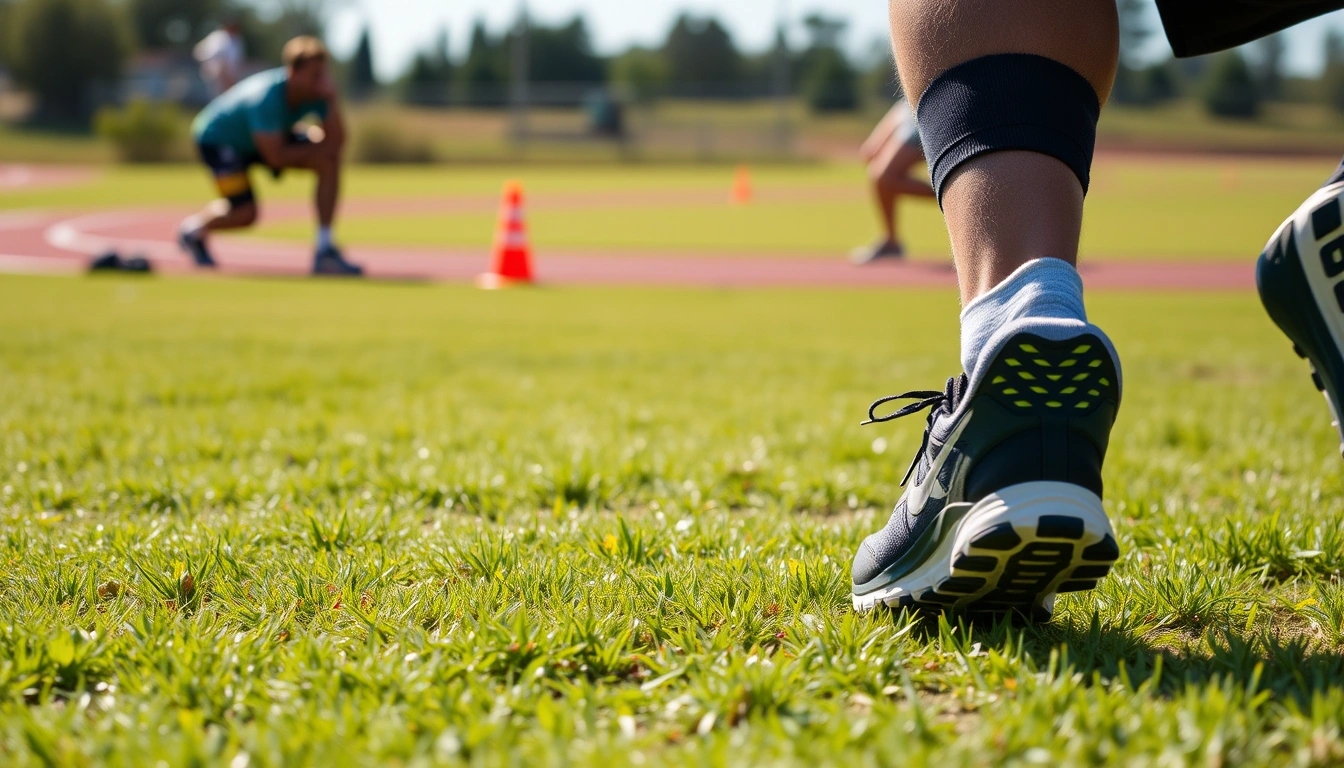
Alright, so you’re fresh on the field, staring down those lightning-fast runners, and wondering, “How the heck do I keep up with these speed demons?” Well, buckle up, because tracking runners is the bread and butter of any solid defense, and if you don’t get it right, you’re basically handing the game to the other side on a silver platter. This isn’t just about running after someone; it’s a whole mindset, a set of skills, and a bit of street smarts rolled into one.
First off, understanding the runner’s mindset is like having a cheat code. Runners aren’t just sprinting randomly; they’re plotting, calculating angles, looking for your weak spots. You gotta think like them. Imagine yourself as the runner for a second — where would you dart? What fake move would you pull? Anticipation is your secret weapon here. Don’t just chase; predict.
| Runner’s Thought Process | Defender’s Counter Move |
|---|---|
| Looking for open lanes | Cut off passing angles |
| Feigning direction changes | Stay balanced, don’t overcommit |
| Watching defender’s feet | Use deceptive footwork |
Next up, body positioning — sounds boring, but trust me, it’s the backbone of defense. If you’re all over the place, you’re toast. Keep your knees bent, weight centered, and eyes locked on the runner’s hips (not the ball, not the head, hips!). This stance keeps you ready to pivot or sprint without tripping over your own feet. Think of it as your defensive “home base.”
Footwork? Oh boy, if your feet aren’t moving right, you’re just a statue on the field. Quick, light steps are your best friends. No giant stomps that telegraph your moves. Here’s a quick list of drills to get you moving like a ninja:
- Ladder drills for speed and coordination
- Shuttle runs to boost explosive direction changes
- Mirror drills with a partner to practice reacting instantly
Don’t forget your hands! They’re not just for waving at the crowd. Proper hand placement can disrupt runners without fouling. Keep your hands active but controlled — poking at the ball, blocking passing lanes, or nudging the runner off balance. But hey, don’t go all wild west or you’ll be flagged faster than you can say “penalty.”
| Hand Use Tips | Common Mistakes |
|---|---|
| Keep hands between you and the runner | Reaching too far and causing fouls |
| Use palms to feel the runner’s movement | Grabbing or holding onto the jersey |
| Quick, light taps to disrupt | Overusing strength instead of technique |
Finally, remember this: tracking runners isn’t just physical; it’s mental. Keep your eyes and ears open for those little tells — a head tilt, a shoulder dip, a quick glance. These subtle cues can give you the split-second advantage to react faster than your opponent expects.
So, new defenders, don’t sweat it if you mess up. Everyone trips over their own feet at first. The key is to keep practicing, stay alert, and never stop learning. And hey, if you get caught flat-footed now and then, just laugh it off and get back in the game. After all, even the pros started somewhere!
Quick Recap:
- Think like the runner — anticipate their moves.
- Maintain solid body positioning — balanced and ready.
- Master footwork — stay light, stay quick.
- Use your hands smartly — disrupt but don’t foul.
- Watch for subtle cues — eyes and ears open!
Stick with these basics, and you’ll turn from rookie to reliable defender before you know it. Now go out there and show those runners you mean business!
Understanding the Runner’s Mindset
Alright, before you even think about sprinting after that lightning-fast runner, you gotta get inside their head. Sounds a bit creepy? Maybe. But hey, defense isn’t just about muscle and speed—it’s a mental game. Runners aren’t just randomly darting around; they’re plotting, scheming, and trying to outsmart you every step of the way. So, if you want to keep up, you need to understand what’s going through their mind.
First off, runners are always looking for openings. They’re scanning the field like hawks, hunting for that tiniest gap in your defense. You might think they’re just charging straight ahead, but nope—they’re constantly adjusting their path based on your stance, your speed, and even your breathing (okay, maybe not that last one, but you get the idea). Anticipation is their secret weapon—they want to make you guess wrong, freeze up, or take the bait.
- Deception is key: A good runner will fake a move to the left, then zip right before you can blink.
- Speed bursts: They don’t just run fast all the time; they conserve energy and explode at just the right moment.
- Eye contact avoidance: Don’t expect to read their eyes—they’re masters at looking one way and going another.
So how do you crack this code? Well, it starts with patience. Don’t rush in like a bull in a china shop. Instead, watch their hips and feet—the real indicators of where they’re headed. Their upper body can lie, but those lower parts? Not so much.
| Runner’s Move | What They’re Thinking | How to Counter |
|---|---|---|
| Fake Left, Go Right | Trying to throw you off balance | Stay low, don’t overcommit, watch hips |
| Sudden Speed Burst | Exploit your hesitation | Keep a balanced stance, be ready to pivot |
| Body Feint | Distract your focus | Focus on feet placement |
Now, here’s a fun little secret: runners hate being predictable. So they’ll mix up their moves to keep you guessing. But guess what? So should you. If you catch yourself always lunging forward at the same moment, they’ll eat you alive. Instead, try to read their rhythm—like a dance partner who’s just a bit too sneaky.
Tip: Think of yourself as a chess player, not a sprinter.- Anticipate the runner’s next move- Force them into making mistakes- Stay calm, stay collected
In the end, understanding the runner’s mindset is less about psychic powers and more about learning patterns and staying sharp. It’s a mix of watching, waiting, and reacting. If you nail this, half the battle is already won. Just remember, the runner’s mind is a wild beast—sometimes unpredictable, sometimes maddening—but always fascinating to decode.
So, next time you’re out there on the field, don’t just chase—think. Because in this game, the brain often outruns the legs.
Body Positioning: The Secret Weapon
Alright, listen up! If you think defense is all about speed and brute force, you’re missing half the picture. The real MVP here is body positioning. It’s like the secret sauce that turns a decent defender into a nightmare for any runner. You don’t just stand there hoping to react; you set yourself up to control the game before the runner even makes a move.
First off, let’s get one thing straight: good stance equals good defense. What does that even mean? Well, it’s about how you plant your feet, bend your knees, and hold your torso. Imagine you’re a boxer in the ring—if you’re stiff or off-balance, you’re toast. Same deal here. You want your weight slightly forward, knees bent just enough to spring into action, and feet shoulder-width apart. This setup keeps you grounded but ready to explode in any direction.
- Feet placement: Not too close, not too wide. Too close and you’re wobbly; too wide and you lose mobility.
- Knees: Slightly bent, like you’re about to jump. No straight-legged statues allowed.
- Upper body: Leaning a bit forward, but not hunched. You want to see everything, not just the ground.
Now, here’s the kicker—your stance isn’t just about looking cool or feeling comfortable. It’s about balance and readiness. When a runner darts left, right, or pulls some fancy footwork, you can’t be the guy who’s falling over himself. You gotta be the one who shifts smoothly, reacts fast, and stays on your feet.
| Common Body Position Mistakes | Why It Hurts You | How to Fix It |
|---|---|---|
| Standing too upright | Slow reaction time, easy to push off | Bend knees, lean slightly forward |
| Feet too close together | Loss of balance, unstable footing | Keep feet shoulder-width apart |
| Weight on heels | Slower forward movement | Shift weight to balls of feet |
Don’t get me wrong, mastering body positioning isn’t rocket science, but it definitely takes practice. You gotta feel it, not just memorize it. Try this simple drill: stand in your defensive stance and have a partner randomly point left or right. Your job? Move instantly in that direction while keeping your balance. Sounds easy? Try doing it after a few sprints when you’re winded.
Pro tip: Keep your eyes level and focused on the runner’s hips. That’s where the real action happens. The hips don’t lie—they tell you exactly where the runner’s headed before their feet even move.
To wrap this up, remember: perfect body positioning doesn’t mean you won’t get beat sometimes. Heck, even pros get juked. But if you nail this foundation, you’ll be that defender who looks calm, collected, and ready to pounce, no matter how crazy the runner’s moves get. So, get that stance right, stay balanced, and watch your defense game go from meh to legendary.

Footwork Fundamentals
Alright, let’s get real about footwork — because if your feet aren’t moving right, you might as well be standing still, waving a white flag. Fast feet aren’t just a nice-to-have; they’re the backbone of solid defense. You want to be the nightmare every runner dreads, the shadow that sticks to their every move. But how do you get there? It’s not magic, and it’s definitely not something you can fake with sheer willpower alone. It’s about drills, muscle memory, and a pinch of hustle.
First off, forget about just running after the runner. That’s rookie stuff. Your feet need to be light, quick, and ready to pivot at a moment’s notice. Imagine you’re on hot coals — one false step and you’re toast. The goal is to be balanced on the balls of your feet, knees slightly bent, hips low enough to spring but not so low you look like you’re about to sit down. This stance gives you the best chance to react to any sudden moves.
| Drill | Description | Why It Helps |
|---|---|---|
| Jump Rope | Classic, but effective. Jump rope for 2-3 minutes to build quick feet and coordination. | Improves ankle strength and rapid foot movement. |
| Ladder Drills | Use an agility ladder to practice quick step patterns, like two-in-two-out or lateral hops. | Enhances speed, precision, and foot placement. |
| Shadow Steps | Mirror a partner’s movements without touching them, focusing on staying light and balanced. | Sharpens reaction time and footwork adaptability. |
Now, here’s the kicker — footwork isn’t just about speed, it’s about control. Ever seen someone chase a runner only to trip over their own feet? Yeah, don’t be that guy. Control means knowing when to push off, when to shuffle, and when to hold your ground. Your feet should feel like extensions of your brain, ready to follow every twitch and juke.
- Shuffle, don’t cross: Crossing your feet is a fast way to lose balance. Keep your feet parallel and shuffle sideways instead of crossing over.
- Stay low and ready: The lower your center of gravity, the quicker your reaction time.
- Use short steps: Big strides look flashy but slow you down when you need to change direction fast.
Look, nobody’s perfect on day one. You’ll stumble, get caught flat-footed, and maybe even eat some dirt. But that’s part of the grind. Keep hammering those drills, and your footwork will start to feel like second nature. Before you know it, you’ll be the defender runners hate to face — the one who never lets them get comfortable.
Tip for practice sessions:- Warm up with jump rope for 3 minutes.- Move to ladder drills focusing on lateral quickness.- Finish with shadow steps against a partner.- Repeat 3 times per session, 3 sessions a week.
Keep your eyes peeled for subtle shifts in the runner’s body language — your feet need to be ready to react instantly. Because in the end, it’s not just about running fast; it’s about running smart. And that starts with your feet.
Remember: Fast feet win the race on defense, but smart feet keep you in the game.
Hand Placement and Use
Alright, so here’s the deal: your hands? They’re not just there to look cool or scratch your head when you’re confused. Nope, those bad boys are your secret weapons on defense—especially when it comes to tracking runners. But, and this is a big but, using your hands the wrong way can get you into all sorts of trouble. Fouls, penalties, you name it. So, how do you make sure your hands are helping, not hurting? Let’s break it down.
First off, think of your hands like the steering wheel of your defense. You want to guide, not grab. The goal is to disrupt the runner’s rhythm without crossing the line into illegal contact. That means no grabbing jerseys or shoving—seriously, don’t be that guy. Instead, use your fingers and palms to feel where the runner is going. Light touches on the hips or shoulders can give you the intel you need to anticipate their next move without fouling.
- Keep your hands active but soft: Stiff, rigid hands scream “foul” before you even move.
- Stay on the move: Your hands should dance with the runner, not lock in place like a statue.
- Use your thumbs wisely: Thumbs can be sneaky tools to check balance or direction but don’t overdo it.
Now, you might be wondering, “Okay, but what about when the runner tries to push past me?” Here’s where your hands need to be smart, not strong. Instead of brute force, think “redirect.” Use your hands to nudge or steer the runner into less dangerous spots on the field. It’s like playing chess with your fingers—always a step ahead without breaking the rules.
| Common Hand Placement Mistakes | Why It’s a Problem | Better Alternative |
|---|---|---|
| Grabbing jersey | Instant foul, stops play | Light touch on shoulder or hip |
| Pushing with open palm | Too aggressive, can cause penalty | Use fingertips to guide direction |
| Freezing hands in one spot | Limits reaction speed | Keep hands moving and adaptable |
Here’s a little insider tip: practice hand drills that build both control and sensitivity. Ever tried closing your eyes and feeling where a ball or object is with just your hands? It’s weirdly helpful for training that “feel” you need to track runners effectively. Plus, it keeps your hands from turning into those clumsy, overzealous tools that get you benched.
Remember, the best defenders aren’t the ones who just throw their weight around. They’re the ones who use every part of their body — especially their hands — to outsmart the runner. So, keep those hands busy, but keep them legal. It’s a fine line, but once you master it, you’ll be the nightmare every runner dreads.
- Practice light touches during drills.
- Watch game footage focusing on hand placement.
- Ask a coach or teammate for feedback on your technique.
In the end, your hands are your first line of defense—don’t let them be your downfall. Use them wisely, and you’ll disrupt runners like a pro without ever stepping into foul territory. Now go out there and show those speedy players what good hand placement looks like!
Reading Cues: Eyes and Ears Open
Alright, listen up! If you’re new to defense, figuring out how to read the runner’s subtle tells isn’t just some fancy skill—it’s the difference between looking like a pro or a total rookie. You might think it’s all about speed or strength, but nah, the real game-changer is your ability to spot those tiny hints that scream, “Hey, I’m about to bolt left!” or “Watch out, I’m faking right!”
First off, the body language of a runner is like an open book if you know what to look for. It’s not just about watching their feet (though that’s important too), but more about the torso angle, shoulder shifts, and even eye movement. For example, if a runner’s shoulders dip slightly before a sprint, that’s a classic sign they’re gearing up to explode forward. Or maybe their eyes glance toward the sideline—that’s a clue they’re thinking about cutting out wide.
| Body Part | What to Watch | What It Might Mean |
|---|---|---|
| Feet | Quick toe taps or heel lifts | Preparing to change direction or accelerate |
| Shoulders | Sudden drop or lean | Initiating a burst of speed or fake movement |
| Head/Eyes | Looking in a particular direction | Checking for openings or signaling a move |
Now, don’t get me wrong, this isn’t some magic crystal ball. You won’t always nail it. Sometimes runners are sneaky—like Houdini with cleats—and will throw off your read just to mess with you. But hey, that’s part of the fun, right? The more you practice, the better you get at catching these little giveaways.
- Tip #1: Keep your eyes on the hips. The hips rarely lie—they’ll give away the true direction faster than the head or shoulders.
- Tip #2: Listen closely. Yeah, sounds weird, but the runner’s breathing, footfalls, even the rustle of their clothes can hint at their next move.
- Tip #3: React fast, but don’t overcommit. Jumping the gun is a rookie mistake. Stay patient.
Here’s a little secret: sometimes, the best defense is pretending you don’t see the tell at all. Confuse the runner by staying unpredictable yourself. If they think you’re reading them too well, they might get rattled and make mistakes.
Example Reaction Drill:1. Watch a teammate run short sprints.2. Try to predict their move based on shoulder and hip cues.3. React accordingly, but don’t dive in too early.4. Repeat until your instincts sharpen.
In the heat of the game, your brain’s gotta be wired to pick up these signals instantly. It’s not just about seeing, but processing and acting on what you catch. So yeah, eyes and ears open, always.
Bottom line? Mastering these subtle tells will have you shutting down runners left and right, making you that defensive nightmare every offense dreads. And who doesn’t want that rep?

Common Mistakes New Defenders Make
Look, we’ve all been there — fresh on the field, all pumped up, ready to shut down that speedy runner. But let’s be real, rookie mistakes? They happen. And sometimes, they happen so often you’d think there’s a secret handbook titled “How to Look Like a Deer in Headlights.” So, if you want to avoid being the punchline of the next game recap, here’s a no-nonsense breakdown of those classic blunders new defenders tend to trip over.
1. Overcommitting Too Early
One of the most common traps? Lunging at the runner the second they make a move. It’s like jumping the gun — you’re all in, but then the runner pulls a sneaky fake and you’re left eating dust. Patience is key here. Instead of rushing, keep your stance balanced and wait for the runner to commit before you react.
2. Poor Body Positioning
If your body’s not in the right place, you might as well be standing still. New defenders often forget to keep their weight centered, leaning too far forward or back, which makes quick adjustments a nightmare. Staying low, knees bent, and weight on the balls of your feet? That’s the secret sauce.
| Mistake | Why It Happens | How to Fix It |
|---|---|---|
| Overcommitting | Too eager, reacting too soon | Practice patience, watch the runner’s hips |
| Bad Body Position | Improper stance, imbalance | Maintain low center of gravity, stay on toes |
| Flat-footedness | Not moving feet fast enough | Drill footwork, stay light on feet |
| Using Hands Incorrectly | Fouling or ineffective hand placement | Learn legal hand techniques, keep hands active |
3. Flat-footed Defense
Nothing screams “amateur” louder than a defender caught flat-footed. You gotta move your feet constantly — no standing still like a statue waiting to be carved. Quick, small steps keep you ready to pivot or sprint as needed. Trust me, those who master footwork get the upper hand every time.
4. Hands in the Wrong Place
Your hands aren’t just for waving at the crowd or wiping sweat off your forehead. Newbies often either freeze their hands or get too aggressive, leading to unnecessary fouls. The goal? Use your hands smartly to disrupt the runner’s rhythm without breaking the rules.
- Keep hands up and ready: This helps block passing lanes and keeps you balanced.
- Light touch: No need to grab or shove — a gentle nudge can throw off a runner’s stride.
- Practice legal hand techniques: Avoid penalties by knowing what’s allowed.
5. Ignoring Runner Cues
Ever noticed how some defenders seem to predict the runner’s next move? They’re not psychic — they’re just reading body language. New defenders often miss these subtle cues, like a slight lean or a glance, which can give away the runner’s intentions. Keep those eyes peeled and ears open.
Practical Tip:Watch the runner’s hips, not their head.Why? Because the hips rarely lie — they show the true direction before the runner’s upper body tries to fake you out.
6. Poor Timing on Engagement
Sometimes you rush in too soon, other times you hang back too long. Finding the sweet spot for when to engage is a skill that takes time to develop. Jumping in too early can get you juked; waiting too long lets the runner get a step ahead.
So yeah, new defenders, screw-ups are part of the journey, but if you can dodge these classic pitfalls, you’ll look a whole lot sharper on the field. Remember, defense isn’t about brute force; it’s a chess game with speed and smarts. Keep practicing, stay alert, and don’t be afraid to make mistakes — just learn from them fast.
Summary Table of Common Rookie Mistakes
| Mistake | Effect | Quick Fix |
|---|---|---|
| Overcommitting | Leaves you off-balance | Stay patient, watch hips |
| Bad Positioning | Slows reaction time | Keep low, balanced stance |
| Flat-footedness | Missed quick moves | Constant small steps |
| Wrong Hand Use | Fouls or ineffective defense | Use legal hand techniques |
| Ignoring Cues | Gets juked easily | Focus on body language |
| Poor Timing | Missed tackles | Learn when to engage |
Keep these in mind, and you’ll go from wide-eyed newbie to a defender who actually makes runners think twice. Now get out there and show ‘em what you’re made of!
Drills to Improve Tracking Skills
Alright, so you want to get better at tracking runners, huh? Well, buckle up because this isn’t just about running after someone and hoping for the best. Tracking is an art, a science, and sometimes, a bit of a guessing game. But hey, don’t sweat it — with some focused drills, you’ll be closing gaps and cutting off runners like a pro in no time.
First off, let’s talk about why drills matter. You can’t just wing it on the field and expect to magically improve your tracking skills. Like anything else, it’s about repetition and muscle memory. The more you practice, the sharper your reactions get. And trust me, you want those reactions sharp because runners are sneaky little devils who love to fake you out.
- Shadow Drill: Pair up with a teammate and try to mimic their every move without physically touching them. The goal? Stay as close as possible while mirroring their direction changes. This drill forces you to stay alert and anticipate movement, which is exactly what tracking is all about.
- Cone Zigzag: Set up cones in a zigzag pattern and sprint through them, focusing on quick changes in direction. This one’s killer for footwork and body positioning — both crucial for tracking runners who dart unpredictably.
- Reaction Ball Drill: Ever seen those funky balls that bounce all over the place? Use one of those! Have a partner drop or throw the ball, and your job is to react and catch it as fast as possible. It’s a fun way to train your eyes and reflexes.
| Drill Name | Focus Area | Why It Helps |
|---|---|---|
| Shadow Drill | Anticipation & Positioning | Teaches you to read and predict runner’s moves without physical contact. |
| Cone Zigzag | Footwork & Agility | Improves quick directional changes and balance. |
| Reaction Ball Drill | Reflexes & Focus | Sharpens your ability to react instantly to unexpected movements. |
Now, I gotta warn you — these drills aren’t exactly a walk in the park. You’ll get tired, maybe frustrated, and probably look a bit goofy at first. But hey, nobody said tracking runners was easy. The key is consistency. Even if you’re only squeezing in 10-15 minutes a day, those small efforts add up.
Here’s a little insider tip: mix up your drills. Don’t just stick to one routine because runners change their game constantly. One day you might focus on footwork, the next day on reaction time. Variety keeps your brain and body guessing, which is exactly what you want.
Also, don’t forget to watch actual games or footage of runners in action. Sometimes, seeing real-life examples helps you understand what drills you need the most. Spoiler alert: it’s often about learning to read body language and subtle cues.
- Tip 1: Practice with a stopwatch or timer to track your improvement over weeks.
- Tip 2: Record yourself doing drills to spot mistakes you might miss.
- Tip 3: Don’t ignore rest days; your muscles and mind need time to recover.
In the end, tracking runners isn’t just about speed — it’s about smarts, patience, and a little bit of street smarts. So, get out there, mess up a few times, laugh it off, and keep at it. Because with every drill you do, you’re one step closer to shutting down those pesky runners for good.
When to Engage and When to Hold Back
Alright, here’s the deal — timing in defense isn’t just some fancy phrase coaches throw around to sound smart. Timing is everything, seriously. You can’t just rush the runner like a bull in a china shop, nor can you be that guy who’s always hanging back like they’re afraid to get their shoes dirty. Finding that sweet spot? That’s the real game-changer.
So, how do you know when to close in and when to chill? First off, reading the situation is key. If the runner’s got a head start and looks like they’re about to break into a sprint, don’t dive in too early. You’ll just get left eating dust. Instead, stay patient, keep your body low and balanced, and watch their moves closely. Think of it like a cat stalking a mouse — you wait for the right moment to pounce.
- Close-in too soon: You risk getting juked or faked out. No one likes being embarrassed by a quick cut or sudden change of direction.
- Hang back too long: Runner gains too much ground, and you’re playing catch-up.
- Perfect timing: You cut off their path just as they try to accelerate, forcing a turnover or a bad pass.
Now, here’s a little secret not many tell you — pressure doesn’t mean panic. Keeping your cool under pressure is like the difference between a pro and a rookie. When you feel the heat, take a deep breath, steady your stance, and don’t just lunge blindly. Remember, a calm mind reacts faster than a frantic one.
| Scenario | Best Approach | Why? |
|---|---|---|
| Runner is close and slow | Engage aggressively | High chance to disrupt or steal the ball |
| Runner is fast and has momentum | Hold back, contain | Prevent easy breakaway, force to sideline |
| Runner shows hesitation | Close in quickly | Capitalize on their indecision |
| Runner has support nearby | Hold position, watch passing lanes | Aggressive move could open passing options |
And hey, don’t underestimate the power of body language and eye contact here. If you catch the runner looking down or glancing sideways, it’s like they’re telegraphing their next move. That’s your cue to close the gap. But if they’re locked on with laser focus, maybe it’s smarter to play the waiting game.
In the end, it’s all about practice and experience. No amount of advice replaces those sweaty drills where you learn to feel the rhythm of the game. So next time you’re out there, remember: don’t be the eager beaver who jumps too soon, but don’t be the scaredy-cat either. Find your balance, trust your instincts, and above all — keep your cool when the pressure’s on. That’s how you turn good defense into great defense.

Equipment and Gear Tips
Alright, let’s get real for a second—sometimes no matter how sharp your instincts are or how quick your feet move, your gear can make or break your game. Yeah, skill is king, but good equipment? That’s the trusty sidekick you don’t want to ignore. If you’re serious about tracking runners and not just flailing around like a lost puppy, here’s the lowdown on gear that can actually give you an edge.
Footwear: The Foundation of Your Defense
Look, you can’t chase down a slick runner if your shoes are slipping all over the place. Invest in cleats that fit like a glove and offer solid traction. No, not those old sneakers you wear to the grocery store—real cleats designed for your playing surface. Turf? Grass? Indoor? Each demands different soles. Don’t cheap out here; it’s like trying to run a marathon in flip-flops.
| Surface | Recommended Cleat Type | Why? |
|---|---|---|
| Natural Grass | Firm ground cleats | Optimal traction, prevents slipping |
| Artificial Turf | Turf shoes with rubber studs | Better grip, less wear and tear |
| Indoor Courts | Non-marking rubber soles | Prevents slipping, protects floor |
Gloves: More Than Just a Fashion Statement
Gloves aren’t just for catching balls or looking cool. When you’re trying to disrupt a runner’s rhythm, having gloves with a good grip can help you make those crucial touches or jabs without fouling. Look for gloves with tacky palms but breathable fabric—because sweaty hands are the enemy of control.
- Tip: Avoid bulky gloves that reduce finger dexterity.
- Pro move: Use gloves with moisture-wicking properties.
Protective Gear: Stay Safe, Stay Focused
Don’t be that player who gets sidelined because of a dumb injury. Knee pads, elbow guards, and mouthguards might not sound glamorous, but they keep you in the game longer. Plus, when you’re not worrying about getting hurt, you can concentrate better on tracking that speedy runner.
Tech Gadgets: When You Want That Extra Edge
Okay, this one’s a bit fancy, but hear me out. Some players swear by wearable tech like GPS trackers or heart rate monitors to analyze their movement and stamina. While it’s not essential, if you’re the kind who likes to geek out on stats and improve every tiny bit, these gadgets can help you see where you’re losing ground and how to fix it.
Example Gear Checklist:- Proper cleats for your playing surface- Grip-enhancing gloves- Protective pads (knees, elbows)- Mouthguard- Optional: Wearable performance trackers
Final Word? Don’t underestimate the little things. You might have the speed of a cheetah and the smarts of a chess grandmaster, but if your shoes are slipping or your gloves are soaked in sweat, you’re basically giving the runner a free pass. So, gear up smartly, practice hard, and watch how those runners suddenly find it a lot tougher to shake you off.
And hey, if you’re still on the fence about splurging on fancy gear, just remember: sometimes the difference between a good defender and a great one isn’t just what’s in your head, but what’s on your feet and hands. Trust me, your future self will thank you.
Frequently Asked Questions
- Why is tracking runners so important for new defenders?
Tracking runners is the backbone of solid defense. If you can anticipate and follow a runner’s moves effectively, you’re not just reacting—you’re controlling the game. Think of it like a chess match where every step counts. Mastering this skill early sets you apart from the pack and keeps the offense on their toes.
- How can I think like a runner to improve my defense?
Put yourself in their shoes! Runners often look for gaps, quick turns, or moments when defenders lose balance. By understanding their mindset—like knowing when they might sprint or fake—you can predict their next move. It’s like reading a story before it’s fully written, giving you the upper hand.
- What’s the secret to effective body positioning?
Body positioning is your secret weapon because it keeps you balanced and ready to react. Staying low with knees bent and weight centered allows you to pivot quickly. Imagine being a spring, coiled and ready to launch in any direction—that’s the stance you want.
- How do footwork drills help in tracking runners?
Fast, agile feet are your best friends on defense. Footwork drills sharpen your ability to move smoothly and stay in front of the runner. It’s like training your legs to speak the language of speed and precision, so you’re never caught off guard.
- Can hand placement really disrupt a runner without causing fouls?
Absolutely! Your hands can be powerful tools to steer or slow down a runner when used correctly. The key is subtlety—light touches and strategic positioning rather than aggressive grabs. Think of it as guiding a river’s flow instead of blocking it outright.
- How do I read a runner’s body language effectively?
Keep your eyes sharp and ears open! Runners often give away clues like shifting weight or eye direction before making a move. It’s like spotting the wind before a storm—once you catch these cues, you can react faster and smarter.
- What are common mistakes new defenders should avoid?
Rookie errors include lunging too early, losing balance, or focusing too much on the ball and not the runner. These mistakes can turn you into easy prey. Staying calm, patient, and balanced helps you avoid these traps and look like a pro.
- Which drills are best for improving tracking skills?
Drills that combine agility, reaction time, and situational awareness work wonders. Ladder drills, shadowing exercises, and quick change-of-direction practices are fantastic. Think of these as your training playground where every move gets sharper.
- When should I engage a runner and when should I hold back?
Timing is everything! Engage when you’re confident you can close the gap without overcommitting. Hold back if the runner is baiting you or if you need to force them into a less dangerous position. It’s like a dance—knowing when to step forward and when to pause keeps you in control.
- Does equipment really make a difference in tracking runners?
Yes, having the right gear can boost your performance. Lightweight shoes with good traction help you stay quick and stable. Comfortable gloves and breathable clothing keep you agile and focused. Think of your gear as the tools that sharpen your natural skills.