Training solo for football? Oh boy, it’s no stroll through the park, I’ll tell ya that much. Without teammates yelling or a coach breathing down your neck, it’s easy to slack off or feel like you’re just kicking a ball around for no good reason. But hey, with the right attitude and some clever drills, you can absolutely take your game up a notch all by yourself. No need to wait for the squad or a fancy pitch — just you, your ball, and a bit of grit. Here’s the lowdown on how to get it done.
Setting Realistic Goals for Solo Training
First things first, don’t just wander out there hoping to magically improve. Set some clear, achievable goals. Maybe it’s nailing 50 perfect passes against the wall or shaving a few seconds off your sprint time. Keep those targets specific and measurable — it’s the only way to stay pumped when no one’s watching.
- Write down daily or weekly goals.
- Mix skill targets with fitness goals.
- Celebrate small wins; they keep the fire alive.
Essential Warm-Up Routines to Avoid Injuries
Warming up might seem like a drag, but skipping it? Rookie mistake. Especially solo, when there’s no one to remind you. Do some dynamic stretches: leg swings, high knees, and butt kicks. Then add a few light jogs or shuffles to get the blood flowing. Trust me, your hamstrings will thank you later.
Dynamic Warm-Up Example:- 30 seconds high knees- 30 seconds butt kicks- 10 leg swings each leg- 5 minutes light jogging
Dribbling Drills You Can Do Solo
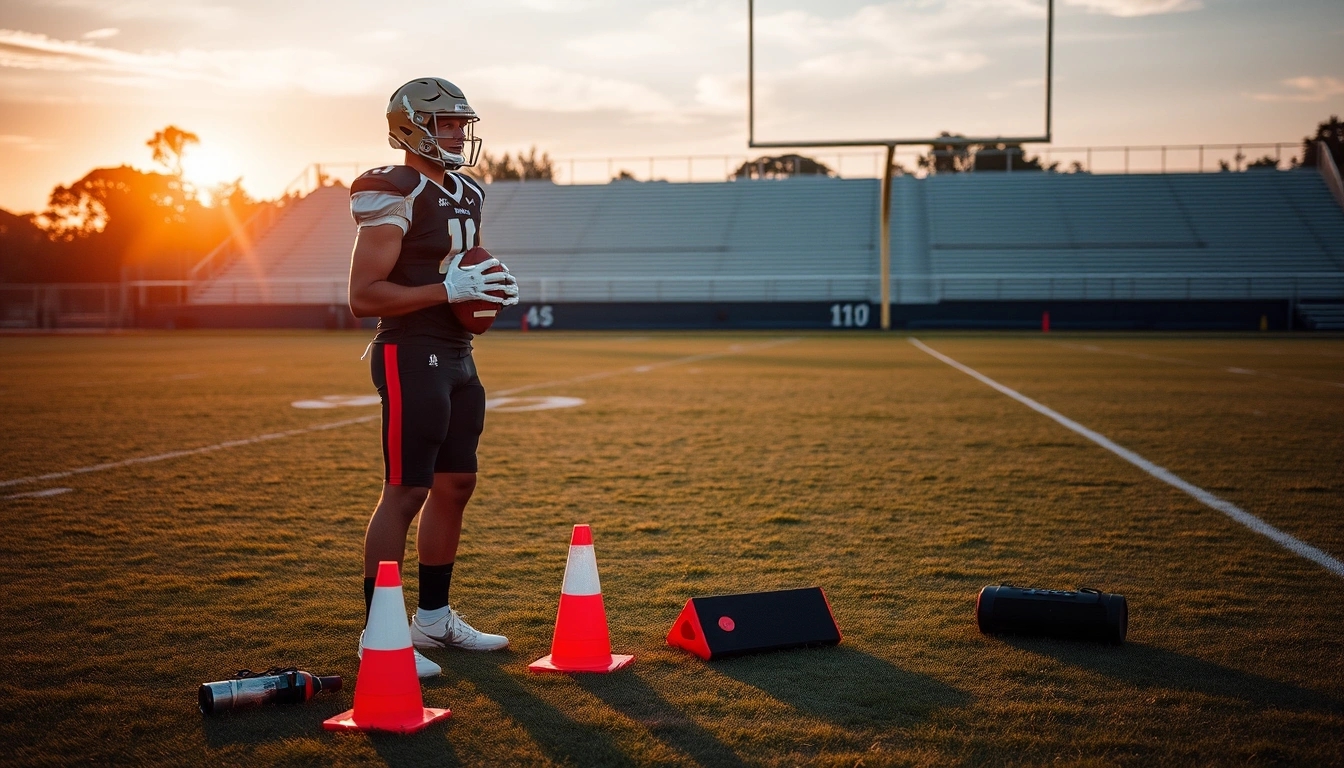
Ball control is the bread and butter of football, and guess what? You don’t need a buddy to practice it. Grab some cones or even bottles and set up a zigzag course. Weaving through them forces your feet to stay sharp and your mind focused.
| Drill | Description | Benefit |
|---|---|---|
| Cone Dribbling Patterns | Set cones in a line or zigzag and dribble through. | Improves agility and close ball control. |
| Wall Pass Drills | Pass the ball against a wall and control the rebound. | Enhances touch and reaction time. |
Solo Shooting Practice: Techniques and Tips
Shooting alone can feel a bit lonely, but think of it as your personal finishing boot camp. Set up targets in the goal — maybe mark corners with cones or hang something from the crossbar. This way, you’re not just blasting wildly but aiming with purpose.
- Target Practice Setup: Challenge your accuracy by hitting specific spots.
- Power vs. Placement: Sometimes you gotta smash it, other times you need finesse.
Building Endurance Without a Team
Football’s not just about fancy footwork; stamina is king. Running laps, interval sprints, or even hill repeats can boost your endurance. No gym? No problem. Find a park, a hill, or just run stairs. The key is consistency.
Tracking Progress and Staying Accountable
Without a coach to nag, you gotta be your own drill sergeant. Keep a training journal or use apps to log sessions and improvements. Video yourself now and then — it’s brutal but eye-opening. Plus, it keeps you honest.
In the end, training alone ain’t easy, but it’s totally doable. Embrace the grind, laugh off the frustrations, and remember: every pro was once just a kid kicking a ball alone in the backyard.
Setting Realistic Goals for Solo Training
Alright, so you’ve decided to train alone for football – brave move! But hold up, before you just start kicking the ball around hoping for magic, setting realistic goals is your first ticket to success. Trust me, flying blind won’t get you far, especially when nobody’s there to push you or call you out when you slack off. Solo training can get lonely real quick, and without clear goals, motivation tends to pack its bags and leave. So, what’s the game plan? Let’s break it down.
First thing’s first: make your goals SMART. No, not smart like Einstein, but Specific, Measurable, Achievable, Relevant, and Time-bound. Saying “I want to get better” is about as helpful as a chocolate teapot. Instead, try something like “I want to improve my dribbling speed by 20% in 6 weeks” or “I’ll practice 30 minutes of shooting drills every other day for a month.” See the difference? You’re not just hoping for improvement; you’re giving yourself a clear target to hit.
- Specific: Pin down exactly what skill or fitness aspect you want to improve.
- Measurable: Find a way to track progress. Timers, reps, distance, accuracy – anything quantifiable.
- Achievable: Don’t aim for Messi-level skills overnight. Be honest with your current ability.
- Relevant: Focus on goals that actually help your game, not just random stuff.
- Time-bound: Set deadlines to keep yourself accountable.
Now, here’s a little table to help you visualize how to set your goals:
| Goal Aspect | Example of Poor Goal | Example of SMART Goal |
|---|---|---|
| Specific | Get better at football | Improve left-foot passing accuracy |
| Measurable | Practice more | Complete 50 passes daily with 80% accuracy |
| Achievable | Score 10 goals in a week | Score 3 goals per week during solo practice |
| Relevant | Run 10k daily | Increase sprint speed for better attack runs |
| Time-bound | Get fit someday | Improve endurance by 15% in 8 weeks |
But hey, don’t get too obsessed with perfection here. Goals are meant to guide, not to crush your soul if you miss them by a bit. Life happens, motivation dips, and sometimes you just wanna Netflix instead of dribbling cones in your backyard. That’s normal! The trick is to keep your goals flexible enough to adjust when needed but firm enough to keep you moving forward.
Here’s a quick checklist to keep you honest during your solo sessions:
- Have I warmed up properly before starting drills?
- Did I focus on one or two specific skills today?
- Can I measure improvement from my last session?
- Am I pushing myself just enough without risking injury?
- Did I note down what worked and what didn’t?
And remember, solo training isn’t just about physical skills, it’s also a mental game. Setting goals builds discipline, and discipline builds champions – or at least better players. So, get those goals down on paper or your phone, set reminders, and celebrate small wins. Because when you’re your own coach, cheerleader, and sometimes your own worst critic, you need all the motivation you can get.
In the end, realistic goals are your compass in the solo training wilderness. They keep you from wandering aimlessly and make those lonely hours count. So, lace up, set those goals, and go smash them – one dribble, one shot, one sprint at a time.
Essential Warm-Up Routines to Avoid Injuries
Look, warming up isn’t just some annoying pre-game ritual your coach nags about—it’s actually crucial, especially when you’re flying solo on the pitch. When you’re training alone, the stakes are higher because there’s no one to catch you if you pull a muscle or twist an ankle. So, skipping your warm-up? Big no-no. You’re basically asking for trouble.
Now, I get it. Sometimes you just wanna jump straight into those slick dribbling drills or blasting shots into the net. But hold up! Your body needs to be primed like a well-oiled machine before you go full throttle. Here’s the deal: warming up gets your blood pumping, loosens tight muscles, and wakes up your nervous system so you’re sharp and ready to roll.
- Start with light cardio: Jogging or skipping on the spot for 5-7 minutes is perfect. Nothing too crazy, just enough to get your heart rate up and kickstart circulation.
- Dynamic stretches: Forget static stretches at this point; those are for after training. Think leg swings, arm circles, hip rotations—movements that mimic what you’ll be doing in your session.
- Joint mobility drills: Ankles, knees, hips, shoulders—give ‘em a good spin and wiggle. You want those joints feeling loose, not rusty.
| Warm-Up Component | Example Exercises | Duration |
|---|---|---|
| Light Cardio | Jogging, Jump Rope, High Knees | 5-7 minutes |
| Dynamic Stretching | Leg Swings, Arm Circles, Hip Openers | 5 minutes |
| Joint Mobility | Ankle Rolls, Knee Circles, Shoulder Shrugs | 3-5 minutes |
One thing to remember—don’t just go through the motions like a robot. Be mindful. Feel your body waking up. If something feels tight or off, spend a little extra time there. Your body’s trying to tell you something; listen up!
Here’s a quick pre-training warm-up checklist to keep handy:
- Have you raised your heart rate slightly?
- Are your muscles feeling warm and flexible?
- Did you loosen up your joints?
- Are you mentally tuned in and ready to crush it?
If you answered “no” to any of these, then guess what? You’re not ready yet. Don’t be that person who jumps in and regrets it five minutes later with a pulled hammy or worse.
Quick Warm-Up Routine Example:-----------------------------1. Jog around the field or in place - 5 minutes2. Leg swings front to back and side to side - 10 reps each leg3. Arm circles forward and backward - 15 reps each way4. Hip openers (standing or lying down) - 10 reps each side5. Ankle rolls and knee circles - 10 reps each direction6. Light ball touches or dribbling to get your feet moving - 3 minutes
Remember, warming up is your insurance policy against injuries. It might feel like a drag sometimes, but trust me, your body will thank you later. So next time you’re out there training solo, make that warm-up non-negotiable. Your muscles, joints, and future self will owe you big time!
Bottom line: If you want to keep playing football for years, never ever skip your warm-up. It’s the simplest, smartest move you can make before hitting those drills hard.

Dribbling Drills You Can Do Solo
Alright, so you’re flying solo in your football training journey—no buddies kicking around, no teammates to pass to, nada. But hey, don’t sweat it! Mastering ball control isn’t some mystical skill reserved for those lucky enough to have a squad. Nope, you can totally sharpen your dribbling game all by yourself. It’s all about getting those feet moving, the ball glued to your boots, and your head up, even if no one’s watching. Here’s the lowdown on some solo dribbling drills that’ll keep you on your toes and make defenders wish you had a team backing you up.
- Shadow Dribbling: Sounds fancy, but it’s just you mimicking game-like moves. Imagine an opponent in front of you and practice feints, step-overs, and quick cuts. No ball needed sometimes—just get your body used to the motions. Then, add the ball and see how smooth you can keep control while pretending to dodge defenders.
- Figure Eight Dribbling: Grab a couple of cones, shoes, or any objects you can find. Set them about a meter apart and dribble the ball weaving in a figure eight pattern. This drill hones your close control and sharpens your ability to change direction on a dime. Don’t rush it—focus on keeping the ball tight to your feet.
Look, nobody said solo training was a piece of cake. Sometimes it’s boring, sometimes you’ll feel like the ball’s got a mind of its own, but patience is key. Consistency beats talent, especially when you’re practicing alone. Here’s a quick table to keep you on track:
| Drill | Focus Area | Duration |
|---|---|---|
| Shadow Dribbling | Footwork & Agility | 10-15 minutes |
| Figure Eight Dribbling | Close Ball Control | 10 minutes |
| Wall Touches (Bonus Drill) | Passing & Reaction | 15 minutes |
Speaking of wall touches, don’t underestimate the power of a good ol’ wall. It’s like your silent teammate who’s always there, never complains, and returns the ball exactly how you want it. Use it to practice quick touches, control, and even some passing drills. Just stand a few feet away and pass the ball against the wall, then control the rebound and pass again. Sounds simple? It’s deceptively effective.
Tips for Solo Dribbling Success:- Keep your head up: Don’t stare at the ball like it’s a UFO.- Use both feet: Practice dribbling with your weaker foot too.- Mix it up: Change speeds, directions, and techniques.- Stay patient: Progress takes time; frustration is normal.
In the end, dribbling solo is less about fancy footwork and more about building a connection with the ball. The more you practice, the more natural it feels. Remember, even Messi had to start somewhere, often alone in a backyard or empty field. So get out there, get those feet moving, and make that ball your best mate. You got this!
Cone Dribbling Patterns
Alright, so you’ve got your cones ready and you’re staring at them like they’re some kind of football wizardry puzzle. Don’t sweat it, because setting up cones and weaving through them is one of the simplest yet most brutal ways to sharpen your agility and ball control. Seriously, it’s like the Swiss Army knife of solo football drills — straightforward but packs a punch if you stick with it.
First off, forget about just lining cones up in a straight line and running through them like a robot. Mix it up! Create zig-zags, staggered rows, or even a random scatter pattern if you want to challenge your brain and feet simultaneously. The goal? Keep your touches tight, your head up (yes, it’s tough), and your body balanced while you dart through. Speed isn’t everything here; control is king. If you blitz through like a maniac, you’ll lose the ball before you even finish the drill.
- Zig-Zag Pattern: Place cones about a meter apart in a zig-zag line. Dribble in and out, focusing on sharp turns and quick footwork.
- Staggered Cones: Set cones in two lines, offset from each other. This forces you to adjust your dribbling angle constantly.
- Random Scatter: Toss cones around randomly in a small area and weave through them, simulating unpredictable game situations.
Here’s a quick table to help you organize your cone setup and what to focus on during each drill:
| Pattern | Setup Distance | Focus Area | Common Mistakes |
|---|---|---|---|
| Zig-Zag | 1 meter between cones | Sharp turns, ball close to feet | Too wide touches, losing speed |
| Staggered | 1.2 meters apart, offset | Changing dribbling angles | Stiff movements, no body lean |
| Random Scatter | Varies, scattered in 3×3 meter area | Quick decision-making, agility | Looking down too much, poor balance |
Now, don’t just rush through these drills like you’re late for a date. Take your time, focus on your foot placement, and force yourself to keep your head up. It’s tempting to stare at the ball, but the magic happens when you can dribble without looking down all the time.
Here’s a little pro tip: time yourself! Set a stopwatch and see how fast you can weave through without losing control. Then, try to beat that time next session. It’s a simple way to make training less boring and keep yourself accountable. Plus, it taps into that competitive spirit we all have lurking inside.
Drill Routine Example:1. Warm-up with light jogging and dynamic stretches (5 mins)2. Zig-Zag cone dribbling - 3 sets of 30 seconds each, rest 30 seconds3. Staggered cone weaving - 3 sets of 30 seconds each, rest 30 seconds4. Random scatter drill - 2 sets of 45 seconds, rest 1 minute5. Cool down with light jogging and stretching (5 mins)
Remember, cone dribbling is not just about fancy footwork. It’s about training your brain and feet to communicate better. The more you practice, the more instinctive your movements become. And when the pressure’s on during a real game? That’s when all this solo grind pays off.
So yeah, grab those cones, get a little sweaty, and don’t be afraid to make mistakes. It’s all part of the process. Keep it up, and soon enough, defenders won’t know what hit ‘em.
Happy dribbling!
Wall Pass Drills
Alright, so you’re flying solo and want to sharpen your passing skills without a buddy around to toss the ball back? Enter the wall pass drill — your new best mate who never gets tired, complains, or judges your terrible first touch. Seriously, this drill is a goldmine for anyone looking to boost ball control, reaction time, and passing accuracy all at once.
First off, the beauty of using a wall is that it’s always there, rain or shine, ready to bounce the ball back at you. No awkward “hey, pass it here” moments or waiting around for your teammate to show up late. Plus, the wall doesn’t get mad when you mess up a pass — it just gives the ball right back, forcing you to hustle and adjust.
- How to start: Pick a flat, solid wall — brick or concrete works best. Mark a target spot with some tape or chalk about waist height; this is where you’ll aim your passes.
- Basic drill: Stand about 3-5 feet away and pass the ball against the wall using the inside of your foot. Control the rebound, then pass it back again. Repeat.
- Challenge yourself: Increase the distance, use your weaker foot, or try one-touch passes to ramp up the difficulty.
| Drill Variation | Purpose | How to Execute |
|---|---|---|
| One-Touch Wall Pass | Improve reaction time and quick decision-making | Pass the ball once and immediately control and return it with a single touch. |
| Two-Touch Control | Enhance ball control and composure | Let the ball bounce once, control it with your foot, then pass it back. |
| Weak Foot Only | Develop weaker foot proficiency | Use only your non-dominant foot for all passes and controls. |
Now, don’t get me wrong — it can feel a bit lonely at first, chatting to a wall and all. But trust me, this drill is a stealthy way to build muscle memory. The ball coming back at you forces you to think fast and react quicker, which is exactly what you need in a real game when the pressure’s on and there’s no time to hesitate.
A quick tip: mix in some movement. Don’t just stand still like a statue. Pass, then shuffle sideways or jog a few steps before receiving the ball again. This mimics the dynamic nature of a match and keeps your body guessing.
Example Drill Routine:1. Warm-up with 5 minutes of light jogging and stretching.2. 10 minutes of basic wall passes with both feet.3. 5 minutes of one-touch passes, focusing on speed.4. 5 minutes moving side to side with wall passes.5. Cool down with light ball juggling or dribbling.
Remember, the goal here isn’t to be perfect or score goals (yet). It’s about repetition and consistency. The more you practice, the sharper your touch becomes — and the less likely you’ll lose the ball in a tight spot.
So, next time you’re stuck without a training partner, grab a ball, find a wall, and get to work. Your future self on the pitch will thank you for it.
Solo Shooting Practice: Techniques and Tips
Shooting alone might sound like a drag—no cheering crowds, no teammates to pass to, just you and the ball. But hey, don’t get it twisted; solo shooting drills can be a game-changer for your finishing skills if you know how to approach it. It’s not about mindlessly kicking the ball over and over; it’s about quality, focus, and some smart setups that keep things interesting. So, grab your ball, find a goal or even a wall, and let’s get cracking.
First off, let’s talk about target practice. You can’t just shoot at a blank goal and hope for the best—that’s like fishing without bait. Set up some targets inside the goal: cones, hanging objects, or even taped squares on the net. If you don’t have a goal, a wall works wonders too. Aim for specific spots, like the top corners or just under the crossbar. This builds your accuracy and forces you to think about placement, not just power.
| Target Type | Purpose | How to Set Up |
|---|---|---|
| Cones in corners | Improve precision in tight spots | Place cones about a foot from each goalpost and near the crossbar |
| Taped squares on net | Practice hitting specific zones | Use colored tape to mark 1×1 ft squares in different goal areas |
| Imaginary defenders | Simulate pressure and angles | Visualize or place mannequins/objects to block certain shots |
Now, onto the eternal debate: power vs. placement. Sometimes you gotta blast that ball like it owes you money; other times, a cheeky, well-placed shot is the way to go. When training alone, you can experiment with both without feeling judged (because, well, no one’s watching). Blast shots help build leg strength and confidence, but if you only go for power, you’ll miss out on the finesse that separates good finishers from great ones.
- Power shots: Focus on planting your non-kicking foot firmly beside the ball, swing your kicking leg through with force, and follow through high. Don’t forget to keep your head down!
- Placement shots: Slow down, aim for corners, and use the inside of your foot for better control. It’s all about precision, not brute force.
Here’s a little secret: mixing both styles during your solo sessions keeps your brain sharp. Try shooting five balls with power, then five with placement. Repeat. It breaks the monotony and builds versatility.
Solo Shooting Practice Routine:1. Warm-up with light dribbling and stretching (5-10 mins)2. Set up targets in the goal or on the wall3. Shoot 10 balls aiming at different targets (focus on placement)4. Shoot 10 balls with maximum power (focus on technique)5. Rest for 2 minutes, repeat 3 cycles6. Cool down with light jogging and stretching
Remember, shooting alone isn’t about mindless repetition. It’s about smart training. Record yourself if possible. Watching your own footage can reveal flaws you never noticed. Plus, it’s kinda fun to see yourself in action—even if you miss a few shots or look ridiculous.
So yeah, solo shooting might feel lonely at times, but if you keep it fresh, challenging, and focused, it’s one of the best ways to sharpen your finishing skills. No teammates? No problem. Just you, the ball, and a goal waiting to be conquered.
Target Practice Setup
Alright, so you’re flying solo on the pitch and want to sharpen that shooting accuracy? Well, here’s the deal: just kicking the ball randomly into the net won’t cut it. You need to create specific targets within the goal that push your precision to the limit. Think of it like setting up mini challenges that keep your brain and footwork in sync—because let’s be honest, practice without purpose is just kicking about.
- Mark the Corners: The top and bottom corners of the goal are like sweet spots for any striker. Use cones, small flags, or even tape to mark these zones. Aim for them consistently and watch your ability to hit tight spaces improve dramatically.
- Crossbar Challenge: This one’s a bit cheeky but fun. Try to hit the crossbar dead-on. It’s a great way to refine your shot height control, and hey, if you miss, at least you’re practicing power and accuracy simultaneously.
- Imaginary Defenders: Visualize a wall of defenders or a goalkeeper standing in front of your target. This mental game forces you to be creative—curl it around, chip it over, or blast it low and hard. It’s like a mini tactical drill without needing an actual opponent.
| Target Area | Purpose | Drill Tip |
|---|---|---|
| Top Corners | Improve shot placement and accuracy | Use small markers and try hitting them from different angles |
| Bottom Corners | Master low shots that are tough for keepers | Practice striking the ball with the inside of your foot for better control |
| Crossbar | Enhance power and vertical control | Attempt to hit the bar consistently to develop precision |
| Imaginary Defenders | Simulate game pressure and decision-making | Visualize obstacles; try different shot techniques to bypass them |
Now, don’t get me wrong, setting up these targets might feel a bit over the top when you’re alone. But trust me, it’s the small details that separate the weekend warriors from the next Messi. Plus, having defined targets adds a layer of fun and purpose. Instead of just blasting the ball willy-nilly, you’re challenging your brain and body to work together. And that’s where the magic happens.
Here’s a quick rundown to keep your solo shooting practice sharp:
- Start Close: Begin with shots from a short distance to build confidence and technique.
- Vary Your Angle: Don’t just shoot straight on. Practice from the wings, diagonals, and even tight angles.
- Mix Power and Precision: Sometimes you need a thunderbolt, other times a cheeky placement. Work on both.
- Track Your Progress: Keep a simple log—how many shots hit the target vs. missed. It’s motivating and keeps you honest.
Oh, and don’t forget to mix in some mental visualization—picture defenders, goalkeepers, or even a crowd roaring. It sounds cheesy, but it amps up the pressure and makes your training more realistic. Plus, it’s way better than chatting to yourself like a madman on the pitch.
So, in short: set clear, challenging targets inside the goal, get creative with your drills, and keep pushing your limits. Solo shooting practice doesn’t have to be boring or aimless. With these tips, you’re not just kicking a ball—you’re crafting a sniper’s precision that’ll make defenders sweat when you’re back on the field.
Keep at it, don’t be lazy, and remember—practice doesn’t make perfect, but it sure makes better.
Power vs. Placement
Alright, let’s cut to the chase — when it comes to shooting in football, knowing when to blast the ball and when to place it carefully is like having a secret weapon up your sleeve. It’s not just about kicking hard and hoping for the best; it’s about reading the situation, your position, the goalie’s stance, and sometimes, just plain old instinct. Sounds complicated? Well, yeah, it kinda is. But that’s what makes it fun.
First off, power shots are your go-to when you’ve got a clear line to the goal and not much time to think. Imagine a loose ball bouncing your way and you’ve got a split second to make something happen — that’s when you crank up the power. The ball rockets off your foot, aiming to beat the keeper with sheer speed. But here’s the kicker: power shots need good technique to avoid skying it over the bar or sending it straight into the stands. You want to strike the ball with your laces, keep your ankle locked, and follow through. Don’t just kick wildly like you’re trying to swat a fly.
| Power Shot Tips | Placement Shot Tips |
|---|---|
|
|
Now, placement shots are a whole different beast. This is where finesse and brains come into play. You’re not trying to blow the net off here; you’re aiming to outsmart the goalie by placing the ball where it’s hardest to reach — think corners, just inside the post, or sneaky little chips over the keeper’s hands. It’s like playing chess with the goalie, and trust me, it feels great when you pull it off. You want to strike the ball with the inside of your foot, keep it smooth, and focus on accuracy. It’s less about power, more about precision.
Here’s a quick rundown of when to use each:
- Power: When you’re further out, have space, or need to catch the keeper off guard.
- Placement: When you’re close to the goal, face a well-positioned keeper, or want to guarantee a shot on target.
But hey, don’t get stuck thinking one is better than the other. The best players mix it up — surprise the keeper with a thunderbolt one moment, then slip a cheeky placement the next. It keeps everyone guessing.
Pro Tip:Try practicing both in your solo sessions. Set up targets in the goal — maybe a cone in the corner or a taped X — and alternate between blasting and placing. Keep track of your success rate and figure out which one feels more natural or which you need to work on more. Remember, variety is your friend.
So yeah, mastering power vs. placement isn’t just about technique; it’s about reading the game, reacting fast, and having the guts to try something different when the moment calls for it. Next time you’re solo shooting, don’t just mindlessly blast away — think about what the situation demands and make your shot count. It’s a game of brains and brawn, and both have their moments to shine.
Keep practicing, keep experimenting, and most importantly, have a blast doing it!
Building Endurance Without a Team
Look, football isn’t just about fancy footwork or that killer goal celebration. Nah, the real game-changer? Endurance. You can’t just sprint for 10 seconds, catch your breath, and then expect to dominate the entire 90 minutes. So, what’s a lone wolf to do when there’s no team around to push you? Don’t sweat it — you can build solid stamina all by yourself, no fancy gear, no cheering crowds, just you and some grit.
First off, let’s bust a myth: you don’t need a treadmill or a gym membership to get your endurance up. All you need is some open space and your own two legs. Running is your best friend here. But, and it’s a big but, just jogging around aimlessly won’t cut it. You gotta mix it up. Try interval training — sprint hard for 30 seconds, then jog or walk for 90 seconds. Repeat that cycle for 20-30 minutes. Trust me, your lungs will hate you at first, but that’s the sweet spot where endurance grows.
- Tip 1: Find a park or a track. Flat ground is easier on your joints.
- Tip 2: Keep a stopwatch or use your phone timer. Don’t just guess your intervals.
- Tip 3: Hydrate like your life depends on it. Because it kinda does.
Now, running alone can get boring fast. Here’s where creativity kicks in. Mix in some bodyweight exercises between runs — think jumping jacks, burpees, or mountain climbers. They’re brutal but effective, and they mimic the explosive movements you need on the field. Plus, they keep your heart rate up, which is the whole point.
| Activity | Duration/Reps | Purpose |
|---|---|---|
| Warm-up jog | 5 minutes | Get muscles ready, prevent injuries |
| Interval sprints | 30 sec sprint / 90 sec walk x 8 | Boost cardiovascular fitness |
| Burpees | 3 sets of 10 reps | Increase explosive power and stamina |
| Mountain climbers | 3 sets of 20 reps | Core strength and endurance |
| Cool down walk | 5 minutes | Lower heart rate gradually |
Don’t forget, endurance isn’t built overnight. You gotta be consistent, even on days when Netflix is calling your name louder than your running shoes. Keep a journal or app to track your progress — it’s surprisingly motivating to see those sprint times improve or the number of reps go up.
One last nugget of wisdom: rest days are just as important. Overdoing it solo can lead to burnout or injury, and nobody wants that. So, listen to your body, mix in some stretching or yoga, and come back stronger.
In the end, training alone for football endurance is about discipline, creativity, and patience. No teammates? No problem. You’ve got this.
Tracking Progress and Staying Accountable
Alright, so you’re flying solo in your football training journey. No coach shouting from the sidelines, no teammates nudging you when you slack off. It’s just you, the ball, and that stubborn desire to get better. But here’s the kicker — without someone pushing you, tracking your progress becomes not just helpful, but downright essential. Otherwise, how do you even know if you’re improving or just spinning your wheels? Spoiler alert: You’re probably spinning your wheels.
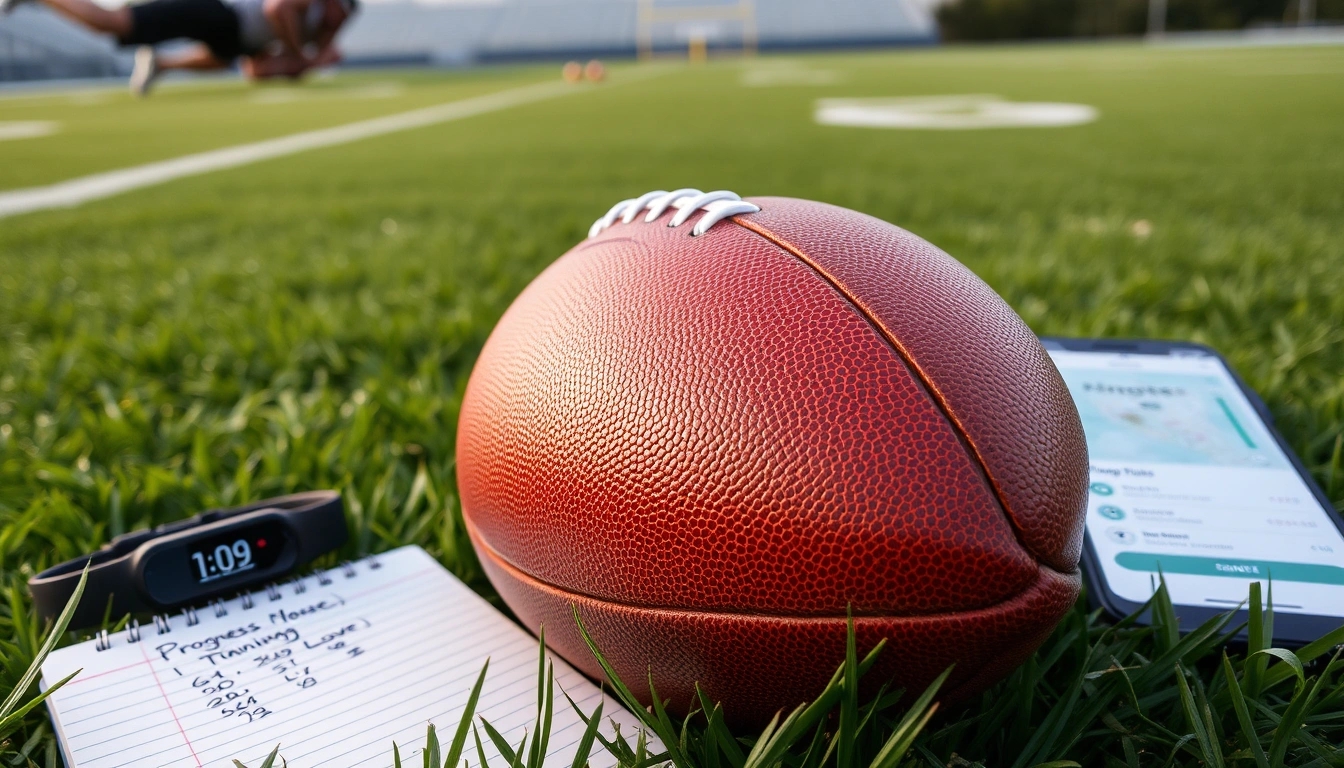
First things first, set up a system that keeps you honest. Think of it like your personal scoreboard. It doesn’t have to be fancy — a simple notebook, a spreadsheet, or one of those sleek apps can do wonders. What you want to track? Well, everything from how many shots you nail in a session, to how long you dribble without losing control, to your sprint times.
- Daily logs: Write down what you practiced, for how long, and how you felt. Was your stamina tanking? Did your touch feel sharper? These little notes help spot patterns.
- Video recordings: Nothing beats watching yourself mess up or crush it. Grab your phone, set it up, and record drills or scrimmages against the imaginary opponent in your head.
- Performance apps: Apps like MyFitnessPal, Strava, or specialized football training apps can track your runs, calories burned, and even skill improvements.
| Tool | Pros | Cons |
|---|---|---|
| Notebook/Journal | Simple, customizable, no tech needed | Can be easy to forget or lose |
| Video Recording | Visual feedback, helps self-correction | Requires setup, can be awkward |
| Training Apps | Automated tracking, progress graphs | May need subscription, tech glitches |
Now, let’s talk accountability. Without someone breathing down your neck, it’s tempting to slack off. Trust me, I’ve been there — telling yourself “just one more drill” turns into “maybe tomorrow.” So, here’s a little trick: find a buddy or community. It doesn’t have to be a teammate; it could be an online group, a friend who’s also training, or even a social media challenge. Sharing your progress publicly or semi-publicly adds a layer of pressure that’s surprisingly motivating.
Also, don’t shy away from setting mini-deadlines or milestones. For example, “I want to hit 50 successful cone dribbles by the end of the week” or “I’ll improve my shot accuracy to 70% in two weeks.” These bite-sized goals make the whole solo training thing less overwhelming and more… doable.
Sample Weekly Progress Tracker:Day | Drills Practiced | Duration | Success Rate | Notes---------------------------------------------------------------Monday | Cone Dribbling, Shooting| 60 mins | 65% | Felt sluggish, need more warm-upTuesday | Wall Passes, Sprinting | 45 mins | 70% | Good pace, focus on foot placementWednesday | Rest | - | - | Recovery day, felt tiredThursday | Shooting, Dribbling | 50 mins | 75% | Improved accuracy, keep it upFriday | Endurance Runs | 40 mins | N/A | Heart rate steady, stamina upSaturday | Mixed Drills | 70 mins | 80% | Best session this week!Sunday | Rest | - | - | Chill day, mental reset
Remember, tracking isn’t about obsessing over every tiny detail or beating yourself up when things go south. It’s about building awareness and celebrating progress, no matter how small. Solo training is a test of discipline, but also creativity — so don’t be afraid to experiment with different tools and routines until you find what clicks.
In the end, the ball’s in your court — literally and figuratively. Keep your eyes on the prize, stay honest with yourself, and watch how that lonely grind turns into serious skill gains.
Frequently Asked Questions
- Can I really improve my football skills training alone?
Absolutely! Training solo might sound lonely, but it’s a golden opportunity to focus deeply on your technique, control, and stamina. Without distractions, you can tailor drills to your needs and track your progress closely. Think of it as crafting your own masterpiece one brushstroke at a time.
- How do I stay motivated when training without a team?
Staying pumped solo can be tough, but setting clear, realistic goals is your secret weapon. Break your training into bite-sized challenges and celebrate small wins. Imagine each session as leveling up in a game—progress keeps things exciting and addictive!
- What’s the best warm-up routine to avoid injuries when training alone?
Warming up is your body’s wake-up call. Focus on dynamic stretches like leg swings, high knees, and light jogging to get blood flowing. Think of it as priming an engine before a race—skip it, and you risk a breakdown!
- How can I practice dribbling if I don’t have a teammate?
Dribbling solo is all about creativity. Use cones or markers to weave through, or pass the ball against a wall to improve touch and reaction. It’s like having a silent partner who’s always ready to challenge you.
- Is solo shooting practice effective without a goalkeeper?
Definitely! Setting up targets in the goal helps sharpen your accuracy and power. Visualize defenders and corners to mimic real-game pressure. Remember, even the best players started by aiming at imaginary spots before facing real opponents.
- How can I build endurance without fancy equipment or a team?
Endurance is about consistency. Incorporate running drills, interval sprints, and bodyweight exercises into your routine. Think of your body as a car—you don’t need a racetrack, just regular drives to build mileage.
- What tools help track progress when training alone?
Use apps, journals, or video recordings to monitor your skills and fitness levels. Reviewing your sessions is like looking in a mirror—you spot what’s working and what needs tweaking, keeping you honest and motivated.