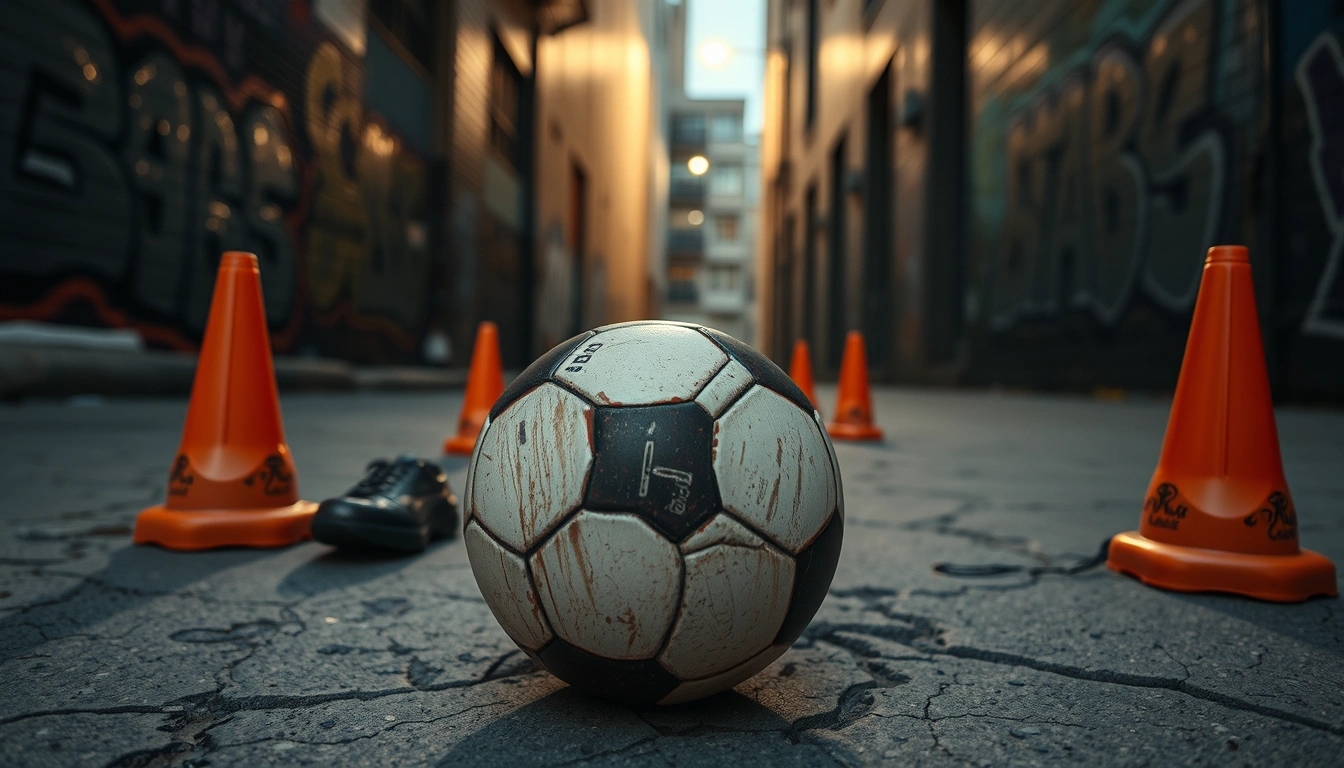
So, you’re stuck in a shoebox-sized apartment or a backyard that’s basically just a patch of grass with a suspiciously large rock in the middle. No stadium, no field, no endless green to run wild on. But hey, don’t toss the ball out the window just yet! Training football skills in cramped spaces might sound like a cruel joke, but it’s actually doable — and can even sharpen your game in ways sprawling fields can’t. Let’s dive into some creative, slightly quirky ways to keep those football skills sharp, even when the space is tighter than a goalkeeper’s gloves.
Mastering Ball Control in Tight Quarters
First off, ball control is king. Without a ton of room to run, you’re forced to get cozy with the ball. Think of it like a dance partner you can’t let slip away. Work on close touches — tap the ball lightly with the sole of your foot, then the inside, then outside. One-two touches, quick feet, and constant movement. Try this:
- Set a timer for 5 minutes.
- Keep the ball moving using only the inside of your right foot.
- Switch to the left foot for the next 5 minutes.
- Finish with alternating touches between feet, like a metronome.
This drill forces you to keep the ball glued to your feet, which pays off big time on the pitch.
Creative Dribbling Drills for Small Areas
Now for dribbling — it’s not all about sprinting past defenders. In tight spaces, agility and precision are your best pals. Set up a mini obstacle course with whatever you have: chairs, shoes, or even empty water bottles. Zigzag through them, focusing on quick changes of direction and keeping the ball close.
| Drill | Description | Benefit |
|---|---|---|
| Figure 8 Dribble | Weave the ball around two objects placed close together. | Improves footwork and ball control. |
| Toe Taps | Tap the top of the ball alternately with each foot, fast and light. | Enhances coordination and balance. |
| Pull Back | Use the sole to drag the ball backward, then push forward. | Teaches quick direction changes. |
Passing Practice: Walls and Household Items as Your Teammates
No buddy to pass with? No problem. Walls are surprisingly good teammates, though they don’t talk back much. Pick a spot on a wall or a sturdy door and aim your passes there. Vary the distance and power — soft taps, firm pushes, and even lofted passes if your ceiling’s high enough (careful with the lamps!).
- Mark a target with tape or sticky notes.
- Practice one-touch passes — hit and receive immediately.
- Try bouncing the ball off furniture for unpredictable returns.
This hones your accuracy and reaction time. Plus, it’s oddly satisfying to hear that “thwack” when the ball hits the mark.
Tabletop Tactical Training
Okay, this sounds weird at first: tactical training on a tabletop? But hear me out. Use a small board or even a printed pitch diagram and some coins or tokens to simulate player positions. Map out strategies, think through formations, and visualize game scenarios. If you’re tech-savvy, there are apps that let you do this digitally — moving players around, planning attacks, and studying opponents.
Why this works:- Sharpens your game intelligence- Improves decision-making speed- Helps you anticipate moves in real matches
Next time you’re stuck inside, don’t just scroll endlessly on your phone — map out a play instead!
Fitness and Agility Workouts at Home
No room to sprint? Fine. Sprint in place. Jumping jacks, high knees, lateral hops — these all fit in tight spots and keep your legs explosive. Try quick foot drills on a stair step or use a skipping rope if you have the ceiling height.
- 30 seconds of fast feet, 15 seconds rest, repeat 5 times.
- Wall sits for leg strength.
- Planks and core exercises to stay balanced.
Remember, football isn’t just about skill; it’s a brutal fitness test too.
Improving Shooting Accuracy Indoors
Shooting indoors sounds like a disaster waiting to happen, right? But with some clever setups, you can practice aim without turning your living room into a war zone. Use a soft foam ball or a rolled-up sock. Create a target zone on a wall using tape or a small net if you have one.
| Tip | Reason |
|---|---|
| Use soft balls | Protects your stuff and neighbors’ nerves. |
| Mark small targets | Improves precision and control. |
| Practice different angles | Builds versatility in shooting. |
Using Technology to Compensate for Space
Tech is a lifesaver here. Video yourself doing drills and analyze your form. Use apps that track your touches or simulate game scenarios. Virtual reality? If you’re lucky enough, it’s like having a full pitch in your living room.
Mindset and Mental Training for Footballers
When you can’t move much, your brain better work overtime. Visualization, breathing exercises, and mental rehearsals keep you sharp and confident. Picture yourself nailing that tricky pass or scoring the winning goal — your brain loves a good mental workout.
Setting Realistic Goals and Tracking Progress in Small Spaces
Finally, don’t just train aimlessly. Set small, achievable goals: “I’ll master 50 toe taps in a row” or “I’ll hit the wall target 10 times without missing.” Keep a journal or an app log. Celebrate the tiny wins — they add up.
So yeah, tight spaces are a pain, but with a pinch of creativity and a dash of stubbornness, you can turn your cramped quarters into a football skills lab. Who knows? Maybe your next big move was born between the couch and the coffee table.
Mastering Ball Control in Tight Quarters
So, you’re stuck in a shoebox-sized space but itching to keep your football skills sharp? Trust me, you’re not alone. Not everyone has a sprawling pitch in their backyard or a fancy training ground nearby. But here’s the kicker — you don’t need acres of grass to get better at ball control. In fact, some of the best ball wizards out there swear by cramped spaces to refine their touch and lightning-fast feet. It’s all about close control and quick reactions, not how far you can sprint. Let’s dive into some nifty tricks and exercises that’ll have you feeling like Messi in your living room (minus the crowd, of course).
- Keep the ball glued to your feet: This isn’t about power but finesse. Use the sole, inside, and outside of your foot to gently tap the ball back and forth. Imagine you’re threading a needle — every touch counts. Try to keep the ball within a square of about one meter. Sounds tiny? Good. That’s the point.
- Quick feet drills: Think of it like dancing with the ball. Tap the ball rapidly from one foot to the other, almost like a metronome. This builds the muscle memory for those tight turns and sudden stops in a game. Bonus points if you can keep your head up and not stare at your toes like a lost puppy.
- Wall passes: If you’ve got a sturdy wall nearby, use it as your silent teammate. Pass the ball against it and control the rebound with a single touch. This drill hones your reaction time and precision under pressure.
| Drill | Focus Area | Recommended Space | Duration |
|---|---|---|---|
| Toe Taps | Ball control, foot speed | 1m x 1m | 2-3 minutes |
| Wall Pass & Control | Passing accuracy, first touch | 1.5m x 1.5m | 5 minutes |
| Figure Eight Dribble | Close dribbling, agility | 2m x 2m | 4 minutes |
Now, you might be thinking, “Sure, but how do I make this less boring and more game-like?” Good question. Try mixing these drills up with some random touches — like flicking the ball up and catching it on your foot or thigh. It’s a bit flashy, yes, but it also improves your ball awareness and touch. If you’re feeling fancy, set a timer and challenge yourself to a certain number of touches within that time. Nothing like a little pressure to spice things up.
Also, don’t underestimate the power of footwear. If you’re practicing indoors, go barefoot or wear socks with grip. Too slippery? You’ll spend more time chasing the ball than controlling it. Too sticky? You’ll feel like you’re glued to the floor. Find that sweet spot.
Remember, tight spaces force you to think faster and be sharper. When you finally hit a real pitch again, those quick feet and close touches will feel like second nature — and your opponents won’t know what hit them. So, embrace the cramped quarters, get creative, and keep that ball glued to your feet.
Quick Tips Recap:
- Focus on small, precise touches rather than power.
- Use walls or any flat surface for rebound drills.
- Mix drills with freestyle touches to keep it fun.
- Wear appropriate footwear for better control.
- Practice consistently, even if it’s just 10 minutes a day.
Now, go on — turn that tiny corner of your world into your personal training ground. The pitch can wait.
Creative Dribbling Drills for Small Areas
Alright, so you’re stuck in a shoebox-sized space but itching to keep those dribbling skills sharp? Don’t sweat it! You don’t need a sprawling pitch to get your feet moving and your ball dancing. In fact, some of the best agility and precision drills can be done in a corner of your room or a tiny backyard. It’s all about creativity and focus, not the size of the playground.
First off, let’s talk about the “Cone Weave” — no actual cones? No problem. Grab some water bottles, shoes, or even books and line them up in a zigzag pattern. The goal? Dribble the ball through these obstacles with tight, controlled touches. It’s a killer way to improve your close control and foot speed. You’ll be surprised how much your brain and feet get a workout trying to navigate these tight turns.
- Tip: Keep your head up, even if it feels awkward. This builds the habit of scanning the field, even when you’re crammed in a corner.
- Variation: Use only your weaker foot to dribble through the course. Trust me, it’s painful but worth it.
Next up, the “Wall Tap Dribble”. Stand a couple of feet from a wall and gently tap the ball against it while moving side-to-side. This drill hones your reaction time and ball control under pressure because the ball bounces back at you unpredictably. Plus, it’s a great way to train your first touch, which is often overlooked when you’re stuck indoors.
| Drill Name | Space Required | Primary Skill Focus | Equipment Needed |
|---|---|---|---|
| Cone Weave | 2-3 meters | Close control, foot speed | Water bottles, shoes, or books |
| Wall Tap Dribble | 1-2 meters | First touch, reaction time | Wall and ball |
Now, let’s get a bit funky with the “Figure Eight” drill. This one’s all about dribbling the ball around two objects placed close together in a figure-eight pattern. Sounds simple, but the challenge is keeping the ball glued to your feet and making those tight turns without losing control. It’s a fantastic way to build agility and precision simultaneously.
Don’t forget to mix in some “Toe Taps” and “Inside-Outside Touches”. These are classic drills where you tap the top of the ball alternately with each foot or roll it side to side with the inside of your foot. They might seem basic, but when space is tight, perfecting these touches can make a huge difference in your overall dribbling game.
- Quick reminder: Dribbling drills aren’t just about speed; accuracy and control are king. Slow it down if you have to and focus on technique.
- Pro tip: Try timing yourself or counting touches to add a competitive edge. Nothing like a little self-challenge to keep boredom at bay.
In the end, small spaces don’t have to cramp your style. With a little imagination and some household items, you can turn any nook into a dribbling playground. So, lace up, get creative, and show that ball who’s boss — even if the only stadium you’ve got is your living room floor.
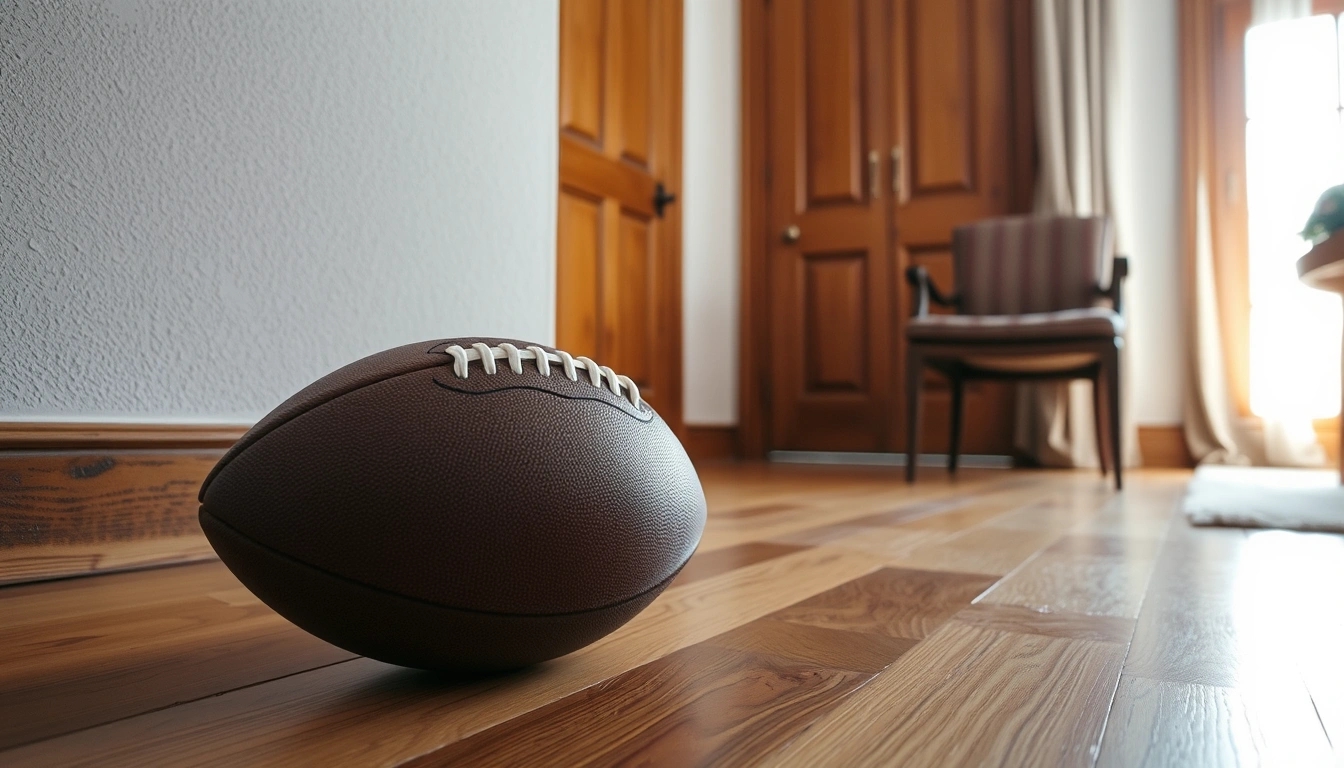
Passing Practice: Walls and Household Items as Your Teammates
Alright, so you’re stuck without a sparring buddy to toss the ball around? No sweat. When the usual pitch pals are MIA, your best bet is to turn your humble abode into a makeshift training ground. Sounds weird? Maybe. But trust me, using walls, doors, or even furniture can seriously sharpen your passing game and reaction time. It’s like having a silent teammate who never complains or misses a pass.
First off, walls are your MVP here. Pick a sturdy wall—preferably one that won’t mind a few thuds—and start practicing short, crisp passes. The trick is to focus on your accuracy and control. Don’t just boot the ball wildly; instead, aim to hit a specific spot on the wall. Mark it with a piece of tape or chalk if you have to. This little target gives you a goal to chase, making every pass count.
- Step 1: Stand about 2-3 meters from the wall.
- Step 2: Pass the ball with the inside of your foot, aiming for the marked spot.
- Step 3: Control the rebound and pass it back immediately.
Sounds simple, right? But here’s where it gets interesting. Try mixing up the pass types—use the inside, outside, or even the laces for a driven ball. This variety keeps your muscles guessing and your brain sharp. Plus, it’s a sneaky way to build muscle memory for those tricky passes during a match.
Now, if you’re feeling adventurous, doors and furniture can join the party too. Ever tried passing the ball against a door and catching the rebound? It’s a game-changer for improving reaction time. You can even set up a small obstacle course using chairs or tables to simulate defenders. Pass the ball against the door, then maneuver around your “defenders” before receiving the rebound. It’s like a mini-game that tests your agility and precision.
| Household Item | Training Focus | Tips |
|---|---|---|
| Wall | Passing accuracy, ball control | Mark targets, vary pass types |
| Door | Reaction time, quick passing | Use firm passes, catch rebounds fast |
| Furniture (chairs, tables) | Dribbling, evasion, passing under pressure | Set obstacle courses, combine with passing drills |
Here’s a little nugget for you: don’t get discouraged if your first few attempts feel clumsy. Practicing alone is a different beast compared to playing with mates. It’s easy to feel like you’re just kicking a ball against a wall for no reason. But patience, grasshopper. This kind of solo drill builds muscle memory and mental focus—two things that’ll make you a nightmare on the pitch.
Also, keep in mind your surroundings. Clear breakables away (unless you want to test your landlord’s patience), and use a softer ball if you’re indoors. A foam or futsal ball is perfect for tight spaces and won’t cause a mini disaster.
- Set a timer for short bursts—say, 5 minutes of intense passing drills.
- Track your progress by counting successful passes to the target.
- Challenge yourself daily by increasing distance or speed.
So next time you’re stuck with no one to play with, remember: your walls and furniture aren’t just boring old stuff—they’re your silent coaches. Get creative, stay consistent, and watch your passing skills improve, no matter how cramped your space is.
Tabletop Tactical Training
Sounds a bit off, right? Using a tabletop or some app to sharpen your football brain? But hey, it’s not as weird as it sounds. When you can’t hit the pitch or even kick a ball around your living room without knocking over the lamp, you’ve got to get creative. And that’s where tabletop tactical training sneaks in like a cheeky midfielder stealing the ball. It’s all about building your strategic thinking and game awareness without breaking a sweat—or a window.
Imagine a mini football pitch on your table, with tiny figurines or tokens representing players. You move them around, simulating different plays, formations, and scenarios. This kind of setup forces you to think like a coach or a playmaker, analyzing space, anticipating opponents’ moves, and planning your next attack or defense. It’s like chess but with shin guards and a bit more sweat (well, maybe less sweat).
- Why bother? Because football isn’t just about fancy footwork; it’s about reading the game and making split-second decisions.
- How to start? Grab any board game pieces, coins, or even paper cutouts to represent players.
- Apps to try: There are plenty of tactical football apps that let you simulate matches, test formations, and even replay famous games.
| Tool | What It Does | Best For |
|---|---|---|
| Miniature Figurines | Physical manipulation of players on a tabletop pitch | Hands-on, visual learners |
| Football Tactical Apps | Simulate matches, try tactics, analyze formations | Tech-savvy players, those who want instant feedback |
| Paper & Pen Diagrams | Sketching plays and positioning | Creative thinkers, those who like planning on paper |
Now, don’t get me wrong, this ain’t going to make you Messi overnight. But it definitely sharpens your football IQ. You’ll start spotting patterns, weaknesses, and opportunities that you might miss on the field when you’re just chasing the ball like a headless chicken. Plus, it’s a solid way to kill time when the weather’s crap or you’re stuck inside for whatever reason.
Here’s a quick rundown of a simple tabletop drill you can try:
1. Set up your “pitch” on a table (use tape or markers to outline boundaries).2. Place your player tokens according to a formation (4-4-2, 3-5-2, whatever floats your boat).3. Create a scenario: your team has the ball on midfield, opponent pressing high.4. Try to move your players to break the press and create a scoring chance.5. Think about passing lanes, space, and timing.
Don’t be afraid to mess up or make weird moves. Tactical training is as much about trial and error as it is about genius. And if you’re feeling fancy, record your moves or keep a journal of tactics you want to try on the real pitch.
Bottom line? Tabletop tactical training is a sneaky, fun, and surprisingly effective way to level up your football smarts. So next time you’re stuck inside, don’t just scroll endlessly—grab some tokens, open an app, and start outsmarting your opponents before you even lace up your boots.
Fitness and Agility Workouts at Home
Look, we get it. When you’re stuck inside a shoebox-sized apartment or a backyard that’s basically a patch of concrete with a weed or two, the last thing you want to hear is “no space, no excuses.” But here’s the kicker — you really don’t need a football pitch to get your heart pumping and legs moving. It’s all about being clever, making the most of what you’ve got, and yes, sometimes doing moves that look like a caffeinated squirrel on a tightrope. Don’t knock it till you try it.
First off, forget the idea that you need to run miles to boost agility. Short, sharp bursts of movement can do wonders. Think of it like this: football isn’t just about sprinting in straight lines; it’s about quick feet, sudden changes in direction, and explosive power. So, you can do ladder drills — even if you don’t have a real ladder, just mark spots on the floor with tape or chalk. Hop, skip, jump, shuffle — whatever keeps your feet moving faster than your brain.
| Workout | What You Need | Why It Works |
|---|---|---|
| Quick Feet Taps | Small space, stopwatch | Improves foot speed and coordination |
| Side-to-Side Shuffles | Clear floor space | Boosts lateral movement and balance |
| Wall Sit with Ball Pass | Wall, football | Builds leg strength and passing accuracy |
Now, if you’re thinking, “Yeah, but what about cardio? I can’t exactly do laps in my living room without knocking over the lamp,” then here’s a pro tip: interval training is your best mate. Thirty seconds of high knees or jumping jacks, followed by a short breather, then repeat. You’d be surprised how fast that builds stamina and leaves you gasping like you just got tackled by a linebacker.
- Jump Rope: If you’ve got a bit of ceiling height, this is a killer way to get your heart rate up and improve footwork. No rope? No problem — mimic the motion.
- Burpees: Love ‘em or hate ‘em, they work the whole body and fit into a tiny corner.
- Quick Direction Changes: Mark two spots a few feet apart and sprint, shuffle, backpedal — mix it up.
And don’t underestimate the power of core workouts. A strong core means better balance and control on the pitch. Planks, Russian twists, bicycle crunches — these are all possible without a gym or fancy gear.
Sample 15-Minute Home Agility Circuit:- 1 min quick feet taps- 30 sec rest- 1 min side-to-side shuffles- 30 sec rest- 1 min jump rope or mimic jumps- 30 sec rest- 1 min burpees- 30 sec rest- 1 min wall sit with ball passes- 30 sec rest- Repeat circuit 2 times
Look, no one’s saying you’re going to turn into Messi or Mbappé overnight just by hopping around your living room. But these little bursts of training add up. Plus, you’ll keep your muscles guessing and your mind sharp — both crucial when you finally get back outside to kick the ball around.
So, next time you feel like whining about the “lack of space,” remember: creativity beats square footage every time. Lace up those trainers, clear a corner, and get moving. Your future self on the pitch will thank you — even if your cat looks at you like you’ve lost it.
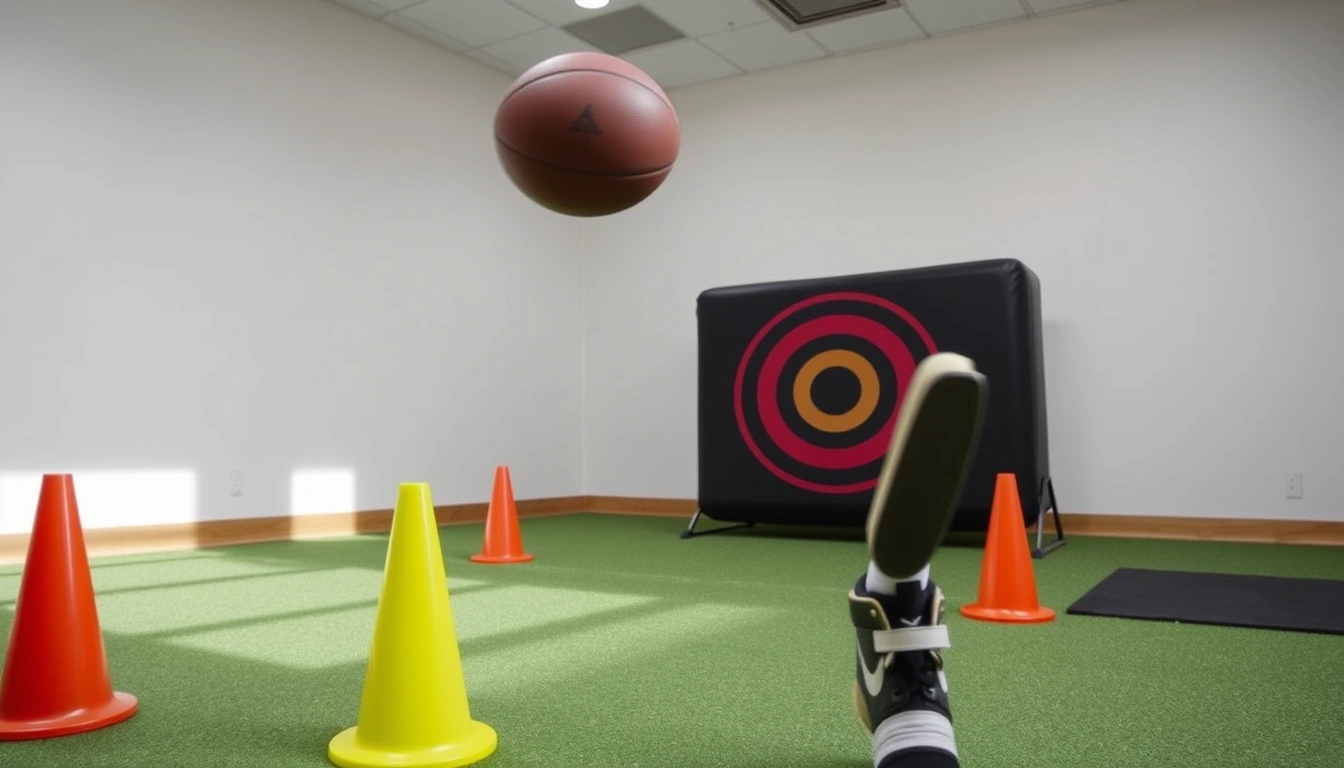
Improving Shooting Accuracy Indoors
Shooting drills indoors? Sounds like a nightmare, right? I mean, who wants to risk turning their living room into a disaster zone just to practice shooting? But hey, don’t toss your football dreams out the window (literally) just yet. With a pinch of creativity and a dash of patience, you can actually sharpen your shooting accuracy without breaking a single vase or setting off the smoke alarm.
First off, let’s talk about the space constraints. No, you don’t need a full-sized goal or a sprawling backyard to practice your shots. Think smaller, smarter. Set up a target—this could be anything from a cardboard box taped to the wall to a laundry basket on the floor. The trick is to have a defined spot to aim for. The smaller the target, the better your precision will get. Plus, it’s kind of fun to try and hit that tiny “goal” multiple times in a row without missing.
- Use soft balls or foam balls: To avoid damage and keep things safe, swap your usual football for a soft alternative. It’s easier on your furniture and less likely to cause chaos.
- Mark shooting lines: Use tape to create shooting spots at varying distances. This helps simulate different shooting ranges and forces you to adjust your power and accuracy accordingly.
- Practice one-touch shots: This drills your reaction time and helps you get used to quick shooting decisions, even in tight spaces.
Now, here’s a little secret: shooting indoors isn’t just about power—it’s all about control and finesse. You can’t just blast the ball like you’re trying to clear a stadium. Instead, focus on placement. Imagine the ball is glued to your foot, and you’re gently guiding it to hit your target dead center. This kind of precision training will pay off big time when you’re back on the pitch.
| Drill | Description | Benefits |
|---|---|---|
| Target Practice | Aim for small targets taped on walls or furniture. | Improves aim and shot placement. |
| One-Touch Shots | Practice shooting immediately after receiving a pass or bounce. | Enhances reaction time and shooting under pressure. |
| Power Control | Shoot from different distances using soft balls to control shot strength. | Teaches balance between power and accuracy. |
Oh, and don’t underestimate the power of mental visualization. When space is tight and you can’t really kick the ball as hard or as far as you want, close your eyes and picture the perfect shot. Imagine the ball curling just past the keeper’s outstretched fingers or bouncing off the post and in. Weird? Maybe. Effective? Absolutely.
Finally, remember that patience is key. You won’t become the next Messi overnight by shooting at a laundry basket in your hallway, but consistent, focused practice—even in cramped quarters—can make a noticeable difference. Just don’t blame me if your cat starts acting like the goalie and ruins your drill!
Quick Tips Summary:
- Use soft balls to avoid damage.
- Set up small targets to improve accuracy.
- Mark shooting spots with tape.
- Focus on controlled placement over power.
- Practice one-touch shooting to build quick reflexes.
- Use mental visualization to enhance technique.
So yeah, shooting indoors isn’t ideal, but it’s far from impossible. Get creative, keep it safe, and who knows? Your next indoor session might just be the secret weapon in your football training arsenal.
Using Technology to Compensate for Space
Alright, so you’re stuck in a shoebox-sized apartment or maybe a tiny backyard that barely fits a barbecue grill, and you’re wondering how on earth you can keep up your football skills without a sprawling pitch. Well, here’s the good news: technology’s got your back. Seriously, in this day and age, you don’t need acres of grass to keep your game sharp. Apps, virtual reality, and video analysis are like your personal coaches who never yell at you (well, most of the time).
First off, let’s talk about apps. There’s a whole universe of them designed to help you improve your ball control, dribbling, and even tactical understanding without needing to kick a ball a mile. Apps like “DribbleUp” or “Techne Futbol” offer tailored drills you can do indoors, tracking your progress and throwing challenges your way. Some even use your phone’s camera to monitor your footwork, giving feedback on your technique. It’s like having a coach in your pocket, minus the whistle and the sweat.
| App Name | Main Feature | Best For |
|---|---|---|
| DribbleUp | Smart ball tracking and skill challenges | Ball control and dribbling drills |
| Techne Futbol | Video analysis and skill tutorials | Technique improvement and feedback |
| HomeCourt | AI-powered movement tracking | Agility and fitness training |
Now, if you’re feeling fancy (or just desperate to escape reality), virtual reality (VR) steps in as a game-changer. VR setups let you immerse yourself in football scenarios that mimic real match situations. You can practice your decision-making, positioning, and even reaction time without ever leaving your living room. Sure, it won’t replace the feel of the grass under your cleats, but it’s a pretty neat way to keep your brain and eyes sharp. Plus, dodging virtual defenders is less painful than the real thing.
Video analysis is another gem in your tech toolbox. Recording yourself during drills or small-sided games at home and then reviewing the footage can reveal tons of tiny mistakes you’d never notice otherwise. Maybe your first touch is a bit heavy or your body position is off. Watching your own clips, even if it’s just you juggling in the hallway, helps you self-correct and track improvement over time.
- Tip 1: Use slow-motion features in video apps to catch subtle errors.
- Tip 2: Compare your videos week by week to see progress.
- Tip 3: Share clips with a coach or friends for feedback.
Look, none of these tech tools are magic wands. You still gotta put in the work, and sometimes it feels like your phone’s judging your every move (which, let’s be honest, it kind of is). But when space is tight and options are limited, embracing technology can turn your cramped quarters into a mini training ground. So, plug in those headphones, fire up the apps, and get to work — your next killer move might just be a tap away.
Mindset and Mental Training for Footballers
Alright, so here’s the deal: when you’re stuck in a tiny space, kicking a ball around like Ronaldo in a stadium isn’t exactly happening. But hey, don’t hang up your boots just yet! Your brain is the MVP here. Seriously, when your feet can’t do much, your mind can still run the show. Mental training is not just some fancy jargon thrown around by coaches—it’s the secret sauce that can turn you from a “meh” player into a clutch performer.
First off, let’s talk about focus. Ever tried to concentrate on that one thing while your phone’s blowing up or your dog’s barking like it’s the World Cup final? Yeah, focus is hard, but it’s a muscle you can train. Try simple exercises like mindful breathing or the classic “count backwards from 100 by sevens.” Sounds boring? Maybe. But it sharpens your attention, which is gold when you’re on the pitch and need to make split-second decisions.
- Visualization: Picture yourself scoring that winning goal or making the perfect pass. Close your eyes and really imagine the sights, sounds, and feelings. It’s like a mental rehearsal that preps your brain for real action.
- Self-talk: No, it’s not crazy to pep yourself up in the mirror. Positive affirmations like “I’ve got this” or “Stay sharp” can actually boost your confidence and calm those nerves.
| Exercise | Purpose | How to Do It |
|---|---|---|
| Focus Drills | Improve concentration | Set a timer for 5 minutes and focus on a single object or sound. When your mind wanders, gently bring it back. |
| Visualization | Enhance game awareness | Spend 10 minutes imagining different game scenarios and how you react. |
| Journaling | Track progress and mindset | Write down daily goals, feelings, and reflections about your training. |
Now, let’s not kid ourselves—mental training isn’t a magic wand. You gotta put in the work and be patient. Sometimes you’ll feel like a mental ninja, other times your brain will be as foggy as a London morning. That’s normal. The key is to keep pushing, even when motivation dips. And hey, when in doubt, remember that even legends like Messi and Neymar spend time sharpening their mental game.
One more thing: decision-making. Football isn’t just about speed or strength; it’s chess on grass. Quick thinking can make or break a play. Try playing tactical games or apps that simulate match situations. It’s fun, and it flexes those decision-making muscles without needing a giant field.
Before I forget, here’s a quick checklist to keep your mental game strong:
- Set clear, realistic goals (don’t aim to be Pele overnight)
- Practice mindfulness daily
- Use positive self-talk to boost confidence
- Visualize success regularly
- Review your performance honestly and learn
In the end, when space is tight and your legs are itching, remember: your mind can carry you through the toughest matches. Train it like a champ, and you’ll be surprised how much your game improves—even if you’re just dribbling around the living room.
Keep your head in the game, even when your feet can’t be.
Setting Realistic Goals and Tracking Progress in Small Spaces
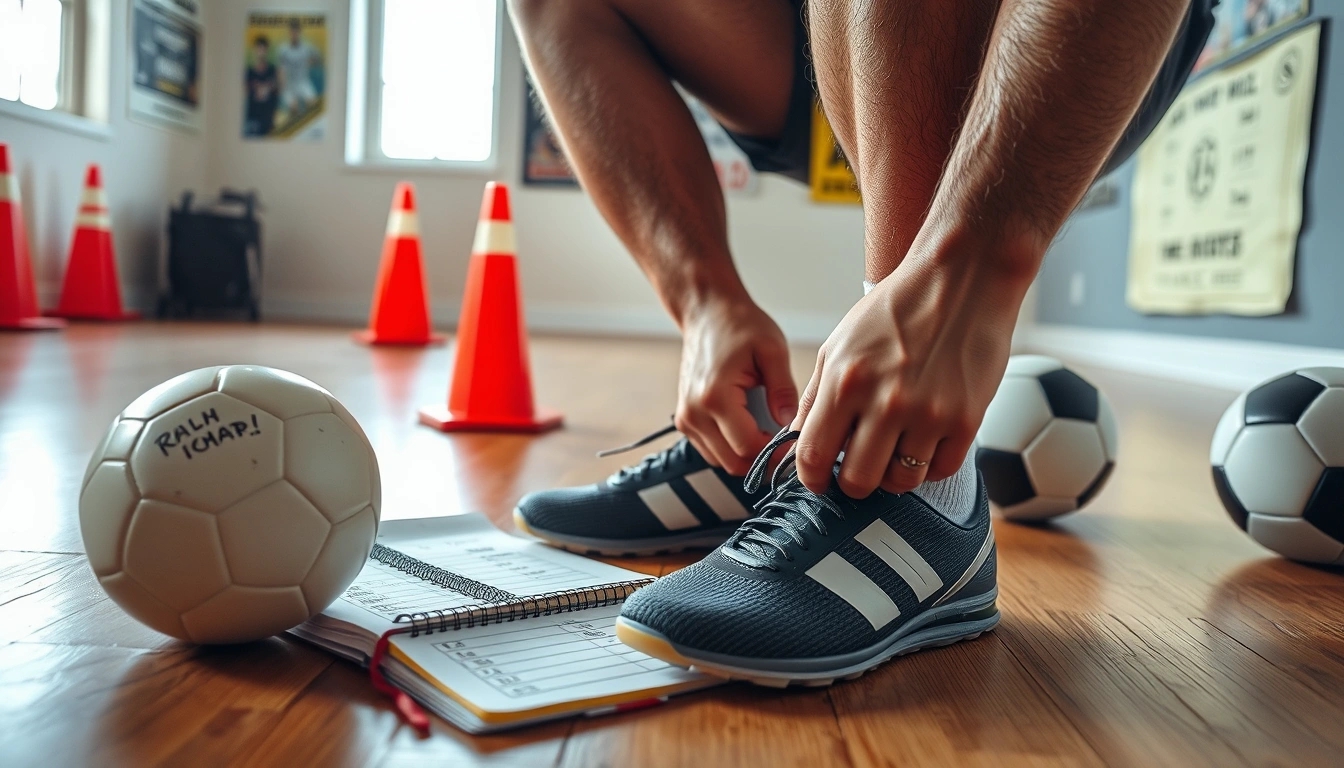
Alright, so you’re stuck training in a shoebox-sized room or maybe that tiny balcony that barely fits a chair — no big deal! The key to making your football skills actually improve when space is tight isn’t about fancy drills or expensive gear. It’s about setting realistic goals and keeping track of how you’re doing. Sounds simple, right? But you’d be surprised how many people just wing it and end up frustrated because they expect Messi-level magic after two cramped sessions.
First off, forget about trying to do everything at once. When space is limited, your goals need to be laser-focused and achievable. Instead of saying, “I want to master dribbling,” break it down into smaller chunks like “I’ll work on controlling the ball with my right foot for 5 minutes” or “I’ll improve quick touches against the wall.” These bite-sized targets are easier to hit and keep you motivated. Plus, they fit perfectly into tiny spaces.
| Goal Type | Example | Why It Works in Small Spaces |
|---|---|---|
| Ball Control | Practice 50 toe taps in 3 minutes | Minimal space needed, focuses on touch |
| Passing | Pass against the wall 30 times with both feet | Improves accuracy without a partner |
| Agility | Do ladder drills using tape on floor | Fits in a hallway, boosts foot speed |
Now, onto tracking progress — this is where most folks drop the ball (pun intended). If you don’t write down what you did and how it went, you’re basically guessing if you improved or not. Keep a simple training log, either on paper or your phone. Jot down what drills you did, how many reps, and how you felt. Maybe you notice you nailed 40 toe taps last week but only 30 this week — that’s a sign to tweak your approach or rest up.
- Tip 1: Use a notebook or app to log daily sessions.
- Tip 2: Rate each session on effort and enjoyment — it helps keep you honest.
- Tip 3: Set weekly mini-goals and review them every Sunday.
Remember, progress isn’t always a straight line. Some days you’ll feel like a pro, others like a total klutz. That’s normal, especially when you’re limited by space. But by setting realistic goals and tracking your efforts, you turn those tiny, cramped sessions into meaningful steps forward. It’s all about consistency, patience, and a bit of creativity.
Example Training Log Entry:Date: 2024-06-01Drill: Wall passes with left footReps: 40Effort: 7/10Notes: Felt awkward at first, got better by the end
So, don’t let your small space fool you — with the right mindset and a solid plan, you can make every inch count. And hey, if all else fails, just imagine your living room is Wembley and you’re about to score the winning goal. Works wonders for motivation!
Frequently Asked Questions (The title must be written in English.)
- Can I really improve my football skills in a small space?
Absolutely! Training in tight spaces forces you to focus on precision, quick footwork, and ball control. Think of it as sharpening your skills with a scalpel instead of a machete — it’s all about finesse over power.
- What are some effective drills for dribbling indoors?
Try weaving around household items like chairs or use tape to mark small cones on the floor. Quick touches and tight turns mimic real-game scenarios, helping you boost agility without needing a full field.
- How can I practice passing without a teammate?
Walls are your new best friend! Pass the ball against a wall and work on controlling the rebound. You can also use doors or sturdy furniture to vary angles and distances, making your passing game sharper.
- Is it possible to work on shooting accuracy indoors without breaking things?
Yes, with some creativity! Use soft balls or practice aiming at small targets like taped spots on a wall or a makeshift goal using cushions. This way, you develop precision while keeping your home intact.
- How does technology help when space is limited?
Apps and virtual reality can simulate game situations, analyze your movements, and provide feedback. Video analysis tools let you review your technique, turning your small space into a high-tech training zone.
- What mental exercises can improve my football mindset?
Visualization, tactical puzzles, and focus drills are powerful tools. When physical space is tight, training your brain to anticipate moves and stay confident can give you a winning edge on the pitch.
- How do I stay motivated training in cramped spaces?
Set small, achievable goals and track your progress. Think of each session as a stepping stone—celebrate those little wins and watch your skills explode over time, even in the smallest of spaces.