
Alright, let’s get real about training like a modern full-back. This isn’t your granddad’s defensive role anymore, where you just stayed back, cleared the ball, and hoped for the best. Nope, today’s full-backs are like Swiss Army knives on the pitch — expected to defend fiercely, launch attacks, and basically run a marathon every match. Sounds exhausting? It is. But that’s the game now.
First off, the physical demands are brutal. Imagine sprinting up and down the flank for 90 minutes, then still having the gas to whip in a perfect cross or track back and nail a last-ditch tackle. If you’re not training explosiveness and endurance simultaneously, you’re already behind. And don’t even get me started on stamina drills — interval running, hill sprints, and plyometrics are your new best friends.
| Physical Conditioning Components | Why They Matter |
|---|---|
| Explosive Sprints | Quick bursts to beat attackers or join attacks |
| Endurance Runs | Maintain energy over the entire game |
| Agility Drills | Change direction fast to keep up with tricky wingers |
| Strength Training | Hold off opponents and win physical battles |
But hold your horses — physicality is just one side of the coin. Defensive skills remain non-negotiable. Tackling, positioning, and interceptions can’t be sloppy if you want to be more than just a running back. Trust me, nothing screams “amateur hour” like getting caught out of position or missing an easy tackle. The best full-backs read the game like a book — anticipating passes, closing down spaces, and knowing when to step up or drop back.
- Tackling: Timing is everything. Too early, and you foul. Too late, and you’re toast.
- Positioning: Stay between the attacker and goal, but also be ready to cover your center-backs.
- Interceptions: Sniff out passes before they happen; it’s a game of anticipation.
Now, onto the fun part — attacking. Modern full-backs are basically part-time wingers. They’re expected to bomb forward, deliver crosses that scream “assist incoming,” and sometimes even cut inside to create shooting chances. So, if you’re not practicing your crossing and dribbling, you’re missing half the point.
Technical Drills for Full-Backs:- One-touch passing drills to sharpen quick decisions- Crossing practice from different angles and speeds- Dribbling through cones to mimic beating a defender- Small-sided games to improve ball control under pressure
And don’t forget, it’s not just about running and skills — your brain’s gotta be in the game too. Knowing when to overlap, when to hold your ground, or when to switch sides can make or break your team’s tactics. It’s like chess, but sweatier.
Lastly, if you think diet and rest are optional, think again. Recovery is where the magic happens. Without proper nutrition and enough sleep, all the training in the world won’t keep you sharp. So, load up on proteins, hydrate like a camel, and respect those Zzz’s.
To wrap it up, training as a modern full-back means juggling a crazy mix of stamina, skill, smarts, and recovery. It’s not for the faint-hearted, but hey, if you love the beautiful game, there’s no better position to embrace the chaos.
Understanding the Role of a Modern Full-Back
So, what’s the deal with full-backs these days? If you think their job is just to hang back and defend, well, you’re kinda living in the past. The modern full-back is like a Swiss Army knife on the pitch—versatile, tireless, and ready to jump into the thick of things whether it’s defending or launching an attack. It’s a role that demands more than just a good tackle or solid positioning; it’s about relentless energy, tactical smarts, and the guts to support the offense while keeping an eye on the backline.
Gone are the days when full-backs just marked wingers and cleared the ball. Now, they’re expected to sprint up and down the flank for 90 minutes, deliver crosses that can slice open defenses, and even cut inside to create chances or shoot. It’s like being a midfielder and defender rolled into one, except with a lot more running. Think of them as the engine of the team, constantly switching gears between defense and attack without missing a beat.
| Traditional Full-Back Role | Modern Full-Back Role |
|---|---|
| Primarily defensive duties | Balance of defense and attack |
| Stay back to guard the flank | Surge forward to support offense |
| Simple clearances and tackles | Precise crosses, overlaps, and link-up play |
| Limited involvement in build-up | Active participant in team’s buildup and transitions |
Now, don’t get me wrong—defending is still a big part of their job. But it’s not just about standing your ground; it’s about reading the game, anticipating passes, and making crucial interceptions. And when the opportunity arises, boom! The full-back is off like a bullet, overlapping the winger, creating overloads, or cutting inside to confuse defenders. This dual responsibility means their stamina has to be off the charts. No slouches here.
- Energy Management: Knowing when to push forward and when to hold back is key. Overcommitting can leave the defense exposed.
- Positioning: Smart positioning allows quick recovery after attacking runs.
- Communication: Full-backs often act as the link between defense and midfield, so talking and coordinating with teammates is crucial.
Let’s be honest, not every full-back nails this balance perfectly. Some get caught too far up the pitch, leaving gaps behind; others are too cautious and miss out on chances to influence the attack. The best ones? They’re the ones who look like they’ve got a sixth sense—knowing exactly when to surge forward and when to drop back, all while keeping their cool under pressure.
Tips for Aspiring Full-Backs:- Build explosive speed and endurance.- Practice crossing with both feet.- Work on defensive drills: tackling, marking, interceptions.- Watch and learn from top full-backs (think Trent Alexander-Arnold, Alphonso Davies).- Improve game awareness — understand your team’s tactics inside out.
To wrap it up, being a full-back today is no walk in the park. It’s a relentless blend of defense, offense, and brainpower. If you’re thinking about playing there, be ready to work hard, think fast, and run like your life depends on it. Because, honestly, it kinda does.
Physical Conditioning Essentials
Alright, let’s get real for a moment — being a modern full-back isn’t just about looking sharp in your boots or having the coolest haircut on the pitch. No sir, it’s about having a body that refuses to quit, a motor that just keeps humming from the first whistle to the last. You’ve got to be a sprint machine, an endurance beast, and a quick-recovery ninja all rolled into one. Sounds like a lot? Well, that’s exactly why physical conditioning is the backbone of any full-back’s game.
First off, explosive speed is non-negotiable. When your winger decides to dart past the halfway line or the opposing striker makes a sneaky run, you better be ready to explode off the mark like a cat on a hot tin roof. Sprint drills aren’t just for show — they train your fast-twitch muscle fibers to fire up instantly. Think short bursts of 10 to 30 meters with full recovery in between. Mix in some resisted sprints (yes, dragging a sled or wearing a weighted vest) and you’re cooking with gas.
| Key Fitness Components | Purpose | Sample Drill |
|---|---|---|
| Explosive Sprints | Enhance acceleration and top-end speed | 10 x 20m sprints with 90 seconds rest |
| Endurance Runs | Build stamina for 90-minute flank runs | Continuous 5km runs at moderate pace |
| Agility Drills | Improve quick changes of direction | Cone zig-zag drills with timed runs |
| Strength Training | Boost power for tackles and shielding | Squats, lunges, and deadlifts (3 sets of 8 reps) |
But hold your horses, full-backs are marathon runners in disguise. You can’t just be a one-trick pony sprinting up and down for 10 minutes before crashing like a souffle. Endurance training is the unsung hero here. Long-distance runs, interval training, and tempo runs keep your heart and lungs in tip-top shape to sustain those relentless overlaps and defensive recoveries.
Now, let’s not forget agility — because nobody wants a full-back who’s as stiff as a board when trying to cut inside or track a nimble winger. Ladder drills, shuttle runs, and quick feet exercises aren’t just fancy warm-ups; they’re the bread and butter for improving your change of direction speed and balance.
- Explosive power lets you beat opponents to the ball.
- Endurance keeps you fresh for the entire match.
- Agility helps you stay light on your feet and avoid getting caught out.
- Strength ensures you hold your ground in physical battles.
And here’s a little nugget of wisdom — recovery is just as critical as the training itself. Ice baths, foam rolling, and sleep? Don’t skimp on them unless you want to feel like you’ve been hit by a freight train come match day.
So yeah, if you’re dreaming of being the next Dani Alves or Trent Alexander-Arnold, don’t just practice crossing and tackling. Get your body ready to run those endless sprints, hold off attackers with some serious muscle, and recover like a champ. Because on the pitch, it’s not just skill that wins games — it’s the fitness that backs it up.

Mastering Defensive Techniques
Alright, let’s get down to business. When it comes to full-backs, anyone can run up and down the flank, but the real magic happens when you lock down your defensive game. Tackling, positioning, and interceptions — these are the bread and butter that separate the decent defenders from the ones who make strikers sweat bullets. If you’re not nailing these skills, you might as well be a spectator.
First off, tackling. It’s not just about lunging at an opponent and hoping for the best. Nope, it’s an art form. Timing is everything here. Jump in too early, and you’re out of the play, possibly handing over a penalty or a free kick gift-wrapped. Wait too long, and the attacker’s through on goal faster than you can blink. The trick? Patience and reading the attacker’s body language — that tiny shift in weight or a subtle glance can tell you when to pounce.
| Tackling Tips | Common Mistakes |
|---|---|
| Stay low and balanced | Overcommitting and losing footing |
| Use the inside of your foot for clean ball contact | Going in with studs up or reckless sliding |
| Anticipate rather than react | Chasing the ball blindly |
Next up, positioning. Now, this one’s a bit sneaky because it’s not flashy, but it’s absolutely crucial. A full-back with poor positioning is like a screen door on a submarine — holes everywhere. You want to be in the right spot before the attacker even thinks about moving. This means understanding your team’s defensive shape, knowing when to step up or drop back, and always keeping an eye on the ball and your man. Trust me, it’s a mental game as much as a physical one.
- Keep your body angled to force attackers wide.
- Stay goal-side to block direct routes to the net.
- Communicate with your center-backs and midfielders constantly.
Interceptions might sound like a fancy stat, but they’re just about reading the game and being in the right place at the right time. It’s that split-second decision to cut out a pass or step in front of a cross. The best full-backs don’t just react; they predict. But don’t get cocky — diving in too often can leave you exposed, and that’s when chaos ensues.
Practical Defensive Drill Example:1. Set up a 5v5 small-sided game.2. Full-backs focus on intercepting passes and maintaining tight marking.3. Coach blows whistle randomly to simulate unpredictable play.4. Full-backs must quickly adjust position and attempt clean tackles.
In the heat of tight defensive situations, it’s these subtle skills — the timing of your tackle, the precision of your positioning, and the anticipation for interceptions — that turn a good full-back into a game-changer. Remember, it’s not about being the flashiest player; it’s about being the most reliable one when the pressure’s on.
Offensive Contributions and Crossing Skills
In the modern game, the role of a full-back has evolved drastically. Gone are the days when full-backs were just the defensive wall on the flanks. Now, they’re expected to be dynamic, attacking machines who can sprint up and down the sidelines like their life depends on it. Why? Because the modern full-back must be comfortable bombing forward, delivering crosses that slice through defenses like a hot knife through butter, and even cutting inside to create scoring chances. It’s a tall order, no doubt, but that’s football for you—always changing, always demanding more.
Let’s break it down a bit. First off, when we say “bombing forward,” we’re talking about full-backs who don’t just jog up the pitch but explode into attack. This means they need the stamina of a marathon runner and the speed of a sprinter. The ability to make those overlapping runs not only stretches the opposition but also opens up space for midfielders and wingers. Without these surging runs, a team’s attack can look pretty one-dimensional.
| Key Offensive Attributes of Modern Full-Backs | Description |
|---|---|
| Explosive Pace | Essential for quick transitions from defense to attack. |
| Crossing Accuracy | Delivering precise balls into the box to set up strikers. |
| Dribbling Skills | Ability to cut inside and take on defenders. |
| Vision and Creativity | Spotting and executing scoring opportunities. |
Now, about crossing—oh boy, this is where many full-backs either shine or embarrass themselves. A pinpoint cross can be the difference between a goal and a wasted attack. It’s not just about whipping the ball in blindly; it’s about timing, weight, and knowing where your teammates are positioned. The best full-backs have this sixth sense for placing the ball exactly where their striker’s header or volley can do the damage.
But wait, there’s more. The modern full-back isn’t restricted to the sideline anymore. Cutting inside to create scoring chances adds another layer of unpredictability. It messes with the opposition’s defensive shape because suddenly, the full-back becomes an additional playmaker or even a goal threat. Think of players like Trent Alexander-Arnold or Jordi Alba—they’re masters at this. Their ability to drift inside and unleash a shot or thread a killer pass makes defenders sweat buckets.
- Practical Tip #1: Practice crossing with both feet. Being able to whip in a cross from either side makes you a nightmare to mark.
- Practical Tip #2: Work on your timing. Bombing forward too early can leave your defense exposed; too late, and you miss the attack.
- Practical Tip #3: Develop your vision. Watch game footage and see how top full-backs pick their moments to cut inside or overlap.
In short, the modern full-back’s offensive game is a blend of stamina, skill, and smarts. It’s not just about defending anymore—it’s about being a vital cog in the attacking machine. So if you’re training to be a full-back, don’t just focus on tackles and blocks; get comfortable with the ball at your feet, learn to whip in those crosses, and don’t be shy about making those daring runs inside. Football’s changed, mate—adapt or get left behind.
Technical Drills for Ball Control and Passing
Alright, let’s get real about what separates a decent full-back from one who actually turns heads on the pitch. It’s not just about running up and down the flank like a headless chicken; it’s about having slick ball control, razor-sharp passing, and the ability to think fast when the pressure’s cranked up to eleven. Because, honestly, no one wants a full-back who looks like they’re trying to juggle flaming torches when a simple pass would do.
- First up: the “One-Touch Passing Circuit”. Set up cones in a tight square, about 5 yards apart. The drill is simple but brutal—players have to pass the ball around with just one touch, no stopping, no hesitation. It forces quick decision-making and improves that all-important first touch. You’ll see the difference when your full-back starts pinging passes without breaking a sweat.
- Next, the “Pressure Cooker Drill”. This one’s a nightmare for anyone with shaky nerves. Pair up players and have one press aggressively while the other tries to keep control and find a teammate under tight marking. It’s all about composure under fire, something full-backs need when opponents swarm like angry bees.
| Drill Name | Focus Area | Key Benefits | Equipment Needed |
|---|---|---|---|
| One-Touch Passing Circuit | Quick passing & first touch | Improves speed of play and accuracy | Cones, footballs |
| Pressure Cooker Drill | Ball control under pressure | Enhances composure and spatial awareness | Football, cones, training bibs |
| Wall Pass Relay | Passing & movement off the ball | Builds teamwork and anticipation | Wall or rebounder, footballs |
Now, don’t get me wrong, these drills aren’t some magic potion that’ll instantly turn you into the next Dani Alves or Trent Alexander-Arnold. But they do lay the groundwork for muscle memory and sharpen those instincts that separate the clumsy from the classy. The Wall Pass Relay, for example, is a sneaky gem. Players pass against a wall or rebounder, then sprint to a new position to receive the return ball. It’s deceptively simple but teaches you to keep moving and thinking ahead—two things full-backs absolutely must nail.
And here’s a little secret: repetition is king. You gotta grind these drills day in, day out. The ball control won’t stick if you half-ass it. Plus, mixing in some small-sided games where space is tight and pressure is constant can do wonders. It’s like a pressure cooker but on steroids—forcing you to make split-second choices with the ball at your feet.
- Pro Tip: Don’t just focus on your strong foot. Work on your weak side too. A full-back who can whip in crosses or shift the ball smoothly with either foot is a nightmare for defenders.
- Watch the pros: Study how they receive the ball, how they position themselves to pass quickly, and how they don’t panic when opponents close in.
In the end, technical drills for ball control and passing are the bread and butter of a full-back’s training. Nail these, and you’ll not only keep possession better but also become a vital cog in your team’s attacking and defensive machinery. So, lace up, get messy, and don’t be afraid to make mistakes—because that’s where the real learning happens.
Game Intelligence and Tactical Awareness
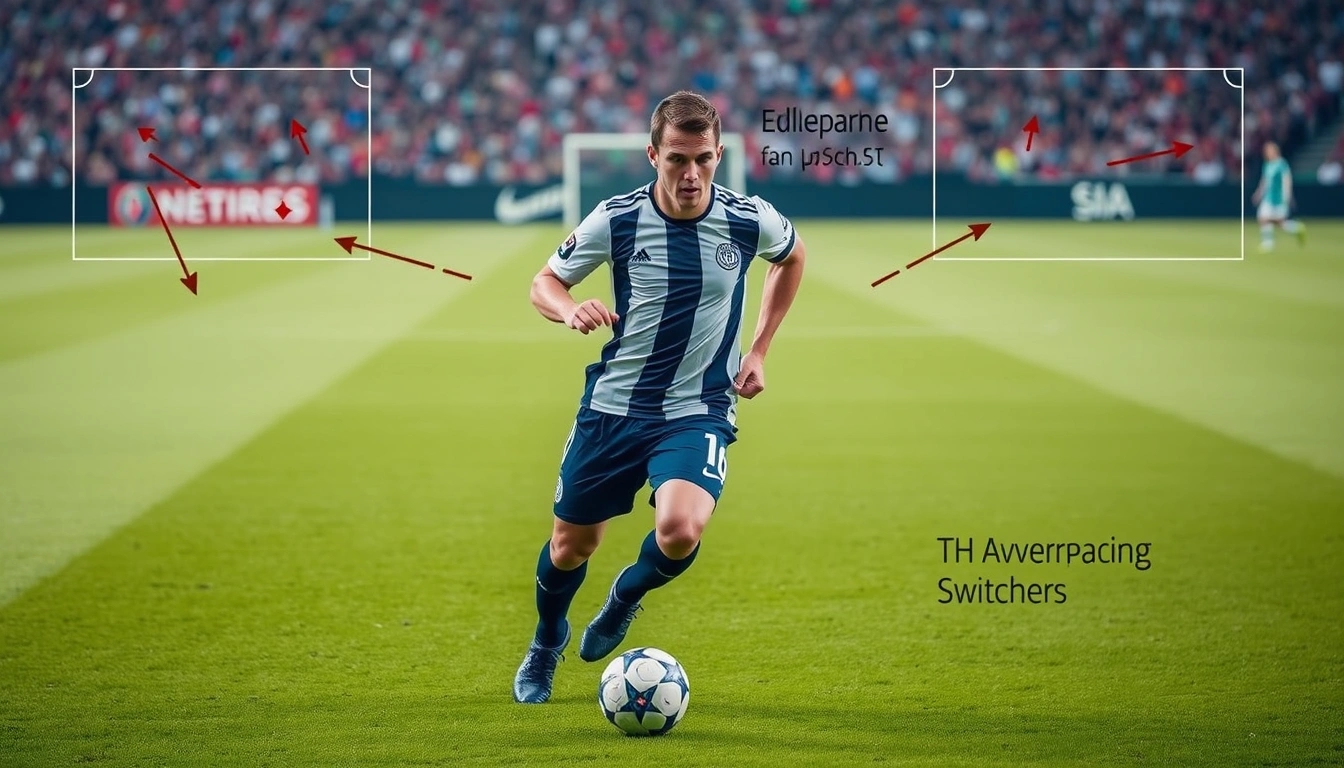
When it comes to playing as a modern full-back, it’s not just about running like a maniac up and down the flank or smashing tackles into oblivion. Nope, the real magic happens in the mind. Game intelligence—that subtle sixth sense of knowing when to overlap, hold back, or even switch flanks—is what separates the decent players from the ones who make fans go wild. You can have all the stamina in the world, but if you don’t read the game properly, you’re just a running robot with a jersey.
Think about it: a full-back’s role is a constant balancing act. You want to support the attack, sure, but if you get caught too far upfield, you leave your defense hanging like a bad punchline. So, understanding the flow of the game, predicting opponents’ moves, and timing your runs perfectly are absolute essentials. It’s like a chess match, but with sweat, mud, and a ball instead of pawns and knights.
- Overlapping Runs: Knowing when to surge past your winger to create overloads or stretch the opposition’s defense.
- Holding Back: Recognizing moments to stay put and shield your defensive line, especially when your team is vulnerable on the counter.
- Switching Flanks: Sometimes, the best way to break down a stubborn defense is to swap sides quickly, catching opponents off guard.
| Situation | Recommended Action | Key Considerations |
|---|---|---|
| Teammate in possession near midfield | Hold back to maintain defensive shape | Watch for counter-attack threats; stay alert |
| Winger making a run forward | Overlap to provide passing option and widen play | Timing is crucial; avoid getting caught offside |
| Opposition pressing high on your flank | Switch flanks quickly to exploit space on the opposite side | Communication with midfielders and forwards is vital |
Now, I’m not saying it’s easy. Far from it. Reading the game requires hours of watching not just your own matches but others too. You gotta soak in patterns, tendencies, and those little moments when a defender’s eyes flicker or a midfielder’s body language hints at a pass. It’s like being a detective, but instead of solving crimes, you’re trying to prevent goals or set them up.
And let’s not forget the mental fatigue. After 70 minutes of sprinting, sliding tackles, and crossing balls into the box, your brain’s probably fried. Yet, the best full-backs keep their heads cool, making smart decisions even when their legs scream otherwise. It’s a skill that only sharpens with experience and a bit of stubbornness.
Tips for Improving Tactical Awareness:- Watch game footage with a critical eye. Pause and analyze decisions.- Play small-sided games focusing on positional discipline.- Communicate constantly with teammates; build trust and understanding.- Train with scenarios simulating different phases of play.
In short, if you want to train like a modern full-back, don’t just hit the gym or run endless drills. Spend serious time sharpening your brain. Because, at the end of the day, the pitch is a battlefield, and the smartest soldiers win.
Nutrition and Recovery Strategies
When you think about a modern full-back tearing up and down the pitch for 90+ minutes, it’s easy to get caught up in the flashy sprints, pinpoint crosses, and last-ditch tackles. But here’s the kicker: none of that happens without the sneaky, behind-the-scenes magic of nutrition and rest. It’s like the unsung hero of the season grind, quietly keeping players sharp while everyone else is gasping for air.
Let’s be real — the football season is a marathon, not a sprint. And just like any marathon, what you put in your body and how well you recover between matches can make or break your performance. Full-backs, especially, need to fuel up right because they’re basically the engine room of the team, constantly running, defending, and attacking. Skimp on the right diet, and you’ll be running on empty faster than you can say “offside.”
- Carbohydrates: These are your primary fuel source. Complex carbs like whole grains, sweet potatoes, and oats provide sustained energy, which is crucial for those relentless runs up and down the flank.
- Proteins: Muscle repair is non-negotiable. Lean meats, fish, beans, and nuts help rebuild muscle fibers torn during intense games and training sessions.
- Fats: Healthy fats from avocados, olive oil, and nuts support long-term energy and reduce inflammation. Don’t shy away from them!
- Hydration: Sounds obvious, but you’d be surprised how many players underestimate water and electrolytes. Dehydration slower reactions and poor decision-making.
| Meal | Components | Purpose |
|---|---|---|
| Breakfast | Oatmeal with berries, nuts, and a glass of orange juice | Long-lasting energy and antioxidants |
| Lunch | Grilled chicken, quinoa, and steamed veggies | Protein for muscle repair and complex carbs |
| Snack | Greek yogurt with honey and banana | Quick energy boost and probiotics |
| Dinner | Baked salmon, sweet potato, and mixed greens | Omega-3 fats and recovery nutrients |
Now, onto the other side of the coin — rest and recovery. It’s not just about crashing on the couch after a game and binge-watching your favorite series (though, hey, that’s part of it). Recovery is a science and an art, blending sleep, active rest, and sometimes even massage or ice baths. The goal? To bounce back faster, reduce injury risk, and keep that edge razor-sharp.
Here’s a quick rundown of why rest is a full-back’s best mate: without adequate sleep (we’re talking 7-9 hours, folks), your body’s ability to repair muscles tanks, your reaction times slow, and your mental sharpness dips. And trust me, when you’re supposed to track a speedy winger or whip in a cross, being even a split second slow can spell disaster.
- Active Recovery: Light jogging, stretching, or swimming the day after a match helps flush out lactic acid and keeps muscles loose.
- Sleep Hygiene: Avoid screens before bed, keep your room cool and dark, and try to stick to a consistent sleep schedule. Easier said than done, right?
- Massage and Physiotherapy: These can feel like a luxury, but they’re game-changers in speeding up recovery and preventing injuries.
So, the takeaway? If you want to train like a true modern full-back, don’t just focus on the drills and gym sessions. Pay attention to what you eat and how you recover. It’s the quiet work behind the scenes that keeps you running full throttle all season long. Because at the end of the day, the body is a machine — and even the best machine needs the right fuel and downtime to keep performing at its peak.
Common Mistakes and How to Avoid Them
Full-backs are the unsung heroes of the pitch, but boy, do they have a lot to juggle! From darting up the wing to smothering attackers, it’s a tough gig. Yet, even the best slip up. Let’s dive into some classic blunders full-backs tend to make, and more importantly, how to steer clear of them.
1. Overcommitting in Attack
It’s tempting, isn’t it? When your team’s on the front foot, you want to join the party, overlap, whip in those crosses, and maybe even sneak a shot. But here’s the rub: going all-in offensively can leave your flank as empty as a pub at closing time. Opponents love exploiting that space, turning your adventurous run into a defensive nightmare.
- Tip: Always have an escape plan. Before bombing forward, check if your midfield or center-back can cover for you. If not, hang back a bit.
- Drill: Practice timed overlapping runs with your midfielders to build trust and understanding on when to push up.
2. Poor Positioning
Nothing screams “rookie” louder than a full-back caught ball-watching or caught out of position. Whether it’s drifting too far inside or lagging behind, bad positioning can lead to easy goals for the opposition.
| Common Positioning Errors | Consequences | How to Fix |
|---|---|---|
| Standing too high without cover | Exposed to quick counter-attacks | Maintain a balanced line with your defense |
| Failing to track runners | Opponent gets free runs behind | Improve awareness and communication |
| Drifting too centrally | Leaves wing vulnerable | Stick to your flank responsibility |
3. Neglecting Defensive Duties
Sometimes full-backs get so caught up in attacking flair that they forget their first job: defending. Neglecting tackles, intercepting passes, or staying goal-side can be a costly mistake.
- Tip: Prioritize defense first, then attack. Think of it as a “defend now, attack later” mantra.
- Drill: One-on-one defensive drills to sharpen tackling and positioning instincts.
4. Poor Decision-Making Under Pressure
The full-back’s role demands quick thinking—whether to pass, dribble, or hold position. Hesitation or rash choices can lead to turnovers or lost possession.
- Tip: Train your decision-making by simulating high-pressure scenarios in practice.
- Insight: Sometimes, the safest pass is the best pass. Don’t always try to be a hero.
Summary Table: Avoiding Full-Back Pitfalls
| Mistake | Why It Happens | Quick Fix |
|---|---|---|
| Overcommitting Forward | Too eager to support attack | Communicate with teammates, hold position when needed |
| Bad Positioning | Lack of awareness or tactical understanding | Watch game footage, work on spatial awareness |
| Ignoring Defensive Tasks | Overconfidence or fatigue | Prioritize defense, improve fitness |
| Poor Decisions Under Pressure | Nerves or lack of practice | Practice situational drills, stay calm |
In the end, full-back mistakes aren’t the end of the world—they’re just part of the learning curve. The key is to recognize these traps early and work relentlessly to avoid them. Remember, a great full-back isn’t just a fast runner or a solid tackler; they’re a smart, adaptable player who knows when to attack and when to hold the line. So, keep training, stay sharp, and don’t let these common pitfalls trip you up on the road to full-back greatness!
Training Schedule Sample for Aspiring Full-Backs
Alright, so you want to train like a modern full-back, huh? Well, buckle up because this position isn’t just about standing on the sidelines and waiting for the ball to come your way. It’s a full-on blend of stamina, skill, and smarts — and your weekly training plan needs to reflect that chaos. Here’s a practical, no-nonsense breakdown of how to get your body and brain ready for the rollercoaster ride that is playing full-back today.
| Day | Focus | Details |
|---|---|---|
| Monday | Fitness & Endurance | Start with a warm-up jog (10 mins), then hit interval sprints: 8x40m with 1-minute rest. Follow with 20 mins steady-state cardio. Finish with core stability exercises (planks, side planks, Russian twists). |
| Tuesday | Technical Drills | Ball control drills: tight space dribbling, quick touches. Passing under pressure: 2-touch passing in small groups. Crossing practice: from different angles, focusing on accuracy and timing. |
| Wednesday | Tactical Awareness | Video analysis of top full-backs, followed by on-field positioning drills. Practice overlapping runs, defensive recovery runs, and communication with midfielders and center-backs. |
| Thursday | Strength & Agility | Weight training focusing on lower body (squats, lunges) and upper body (push-ups, rows). Agility ladder drills and cone drills to improve footwork and reaction time. |
| Friday | Defensive Skills | Tackling drills, one-on-one defending, intercepting passes. Positioning exercises emphasizing anticipation and timing. Small-sided games to simulate match conditions. |
| Saturday | Match Simulation & Recovery | Light warm-up, then a 60-90 minute scrimmage focusing on applying the week’s learnings. Post-match stretching and foam rolling to aid recovery. |
| Sunday | Rest & Nutrition | Full rest day. Focus on hydration, balanced meals rich in protein and carbs, and plenty of sleep. Optional light yoga or meditation for mental relaxation. |
- Why such a jam-packed schedule? Because the modern full-back is basically a marathon runner with the skills of a playmaker and the grit of a defender. You gotta have the endurance to run up and down the flank for 90 minutes, the technique to whip in crosses or pass out of tight spots, and the tactical brain to know when to push forward or hang back.
- Don’t forget the mental game. Watching footage might seem boring, but trust me, spotting the subtle runs and positioning of elite full-backs will blow your mind and sharpen your instincts.
Pro Tip: - Mix up your sprints with uphill running to build explosive power.- Use cones for dribbling drills to simulate defenders.- Record your crossing drills and review them; sometimes you don’t realize how off-target you are until you see it.
Look, there’s no magic pill here. Training like a full-back means embracing the grind — the sweat, the sore muscles, the occasional frustration when you mess up a tackle or miss a cross. But stick with it, and soon enough, you’ll be the player your coach can’t take off the pitch.
Remember: Consistency beats intensity. It’s better to do this plan regularly than to go all out one day and crash the next. And hey, don’t be afraid to tweak things based on how your body feels — nobody wants an injured full-back on their team!
So, lace up those boots and hit the ground running — literally. Your journey to becoming a modern full-back starts now.
Frequently Asked Questions
- What makes the modern full-back role so demanding?
Think of a modern full-back as a hybrid athlete—part defender, part winger, and full-time engine. They’re expected to sprint up and down the flank tirelessly, defend fiercely, and support attacks with precise crosses and smart runs. It’s like juggling flaming torches while riding a unicycle—intense, but incredibly rewarding when done right!
- How important is physical conditioning for full-backs?
Physical fitness is the backbone of a full-back’s game. Explosive speed, endurance, and agility allow them to cover the entire pitch without gasping for air. Without solid conditioning, even the best technical skills can fall flat because the game simply won’t wait for you to catch your breath.
- What defensive skills should I focus on as a full-back?
Mastering tackling, positioning, and interceptions is crucial. Imagine being a chess player anticipating your opponent’s moves—that’s how you want to approach defense. Good timing and smart positioning can often stop attacks before they even start.
- Why is crossing so vital for full-backs?
Crossing is your secret weapon to turn defense into attack. Delivering accurate balls into the box can create scoring opportunities that change the game. Think of it as setting the table perfectly for your teammates to feast on goals.
- How can I improve my ball control and passing under pressure?
Practice quick, sharp drills that mimic game pressure. It’s like learning to dance in a crowded room—you need to stay light on your feet and make split-second decisions. Consistent repetition builds confidence and reduces those awkward moments on the ball.
- What role does tactical awareness play for full-backs?
Knowing when to push forward or hang back is key. It’s not just about running hard but running smart. Reading the game well helps you avoid costly mistakes and seize opportunities, almost like having a sixth sense on the pitch.
- How do nutrition and recovery impact a full-back’s performance?
Fueling your body with the right nutrients and getting proper rest is like tuning a high-performance engine. Without it, fatigue sets in faster, and injuries become more likely. Think of recovery as the secret sauce that keeps you sharp all season long.
- What are common mistakes full-backs make and how can I avoid them?
Overcommitting in attack or poor positioning can leave your team vulnerable. The trick is balance—knowing when to attack and when to defend. Regular video analysis and honest self-review can help you spot and fix these pitfalls before they become habits.
- Can you suggest a sample weekly training schedule for aspiring full-backs?
A balanced week might include endurance runs, sprint drills, defensive positioning exercises, crossing practice, and tactical sessions. Mixing these elements keeps training fresh and covers all the bases to develop a well-rounded full-back.