
Alright, so you’re stuck at home, no pitch in sight, but itching to boost your football IQ? Don’t sweat it. Football isn’t just about fancy footwork and muscle power; it’s a cerebral game too. You can actually sharpen your game smarts without lacing up your boots or stepping outside. Sounds too good to be true? Hang tight, because I’m about to spill some practical tips, drills, and mind hacks to get that football brain firing on all cylinders right from your living room.
Understanding Football Intelligence
First things first, what the heck is football intelligence anyway? It’s not just knowing the rules or memorizing player stats. It’s about reading the game like a chess grandmaster, anticipating moves, recognizing patterns, and making split-second decisions that can turn the tide of a match. Think of it as your brain’s agility — just as important as your physical speed. Training this mental muscle is essential because, let’s face it, if your brain’s slow, your feet might as well be glued to the ground.
Visualization Techniques for Game Scenarios
One underrated trick is visualization. No, not daydreaming about scoring that winning goal (although, hey, that’s fun too). I mean mentally rehearsing different plays, tactics, and situations. Picture yourself in various scenarios — a tight corner, a fast break, or defending a set piece. Imagine your movements, your passes, your decisions. This mental gym workout boosts your anticipation and decision-making. It’s like a secret weapon that pro players swear by.
| Visualization Drill | Purpose | How to Do It |
|---|---|---|
| Scenario Rehearsal | Improve anticipation | Close eyes, imagine a game situation, and think through your best move. |
| Role Play | Understand teammates’ perspectives | Visualize yourself as different players to grasp their decision-making. |
| Outcome Prediction | Enhance tactical foresight | Predict opponent reactions to your plays mentally. |
Watching and Analyzing Matches
Now, don’t just binge-watch football matches like it’s Netflix. Get analytical! Pay attention to formations, player roles, and how teams adapt mid-game. Notice how a winger exploits space or how a defender anticipates a striker’s run. Jot down these observations — yes, take notes like a nerdy scout. This practice hones your pattern recognition and tactical sense. Plus, it’s a great excuse to watch more football guilt-free.
- Tip: Use slow-motion replays to catch subtle movements.
- Tip: Focus on one player’s decisions per game to understand their thought process.
- Tip: Compare different teams’ strategies against the same opponent.
Memory Drills to Recall Plays
Memory is king in football. Imagine forgetting your team’s formation mid-match — nightmare, right? Boosting your memory helps you recall plays, formations, and strategies instantly. Try flashcards with common formations or run through sequences aloud. Another quirky drill: draw out plays on paper and explain them to a friend or even your dog (hey, it works!).
Decision-Making Exercises
Decision-making under pressure? Easier said than done. But you can practice this at home. Set timers and challenge yourself to make quick tactical calls based on hypothetical scenarios. Or play “what would you do?” with friends where you describe a situation and debate best responses. The more you practice, the sharper your instincts get.
| Exercise | Description | Benefit |
|---|---|---|
| Timed Tactical Calls | Answer football scenarios within 10 seconds | Improves speed of thought |
| Scenario Debates | Discuss best moves with friends | Encourages critical thinking |
| Play Recall | Recreate past match plays from memory | Strengthens retention |
Using Football Video Games Wisely
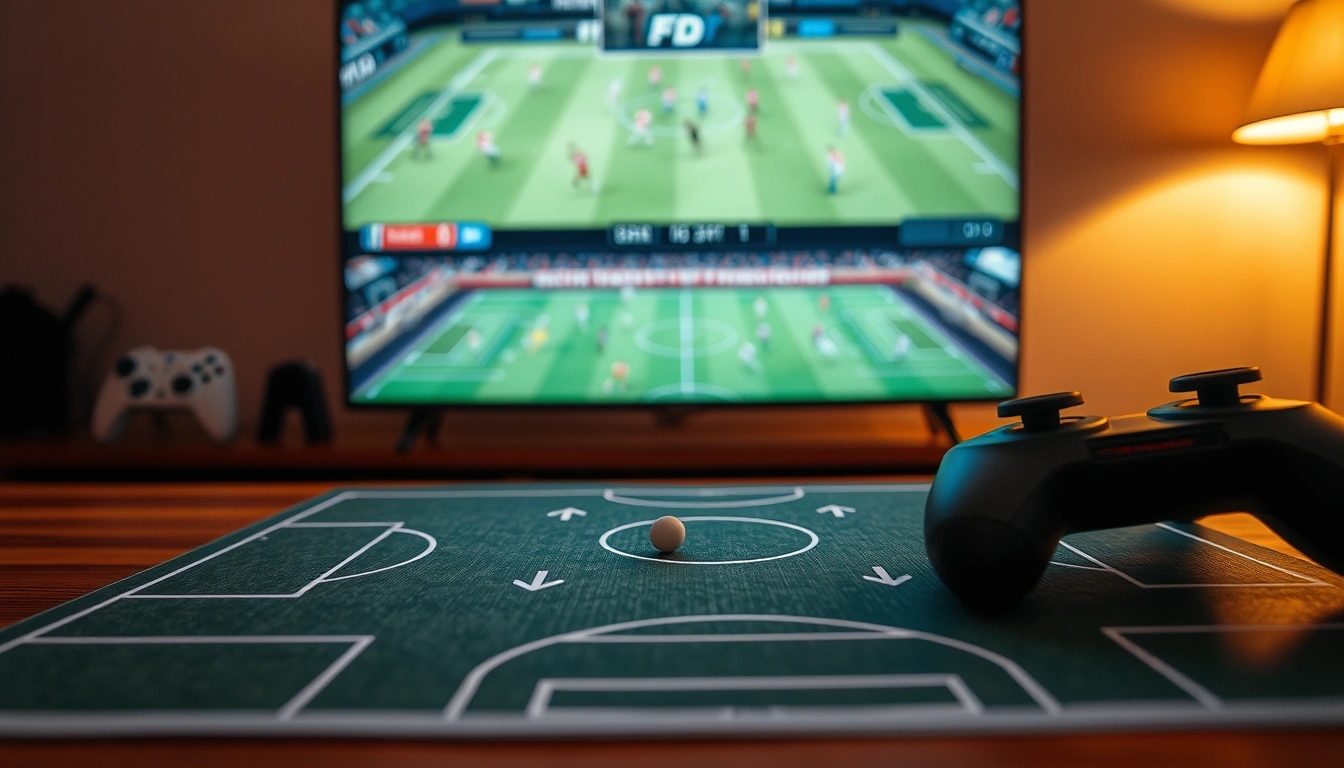
Before you roll your eyes, hear me out. Football video games aren’t just mindless fun. If used smartly, they can sharpen your tactical awareness and decision-making. Try modes where you control entire teams, focusing on strategy rather than just flashy dribbling. It’s like a low-key coaching session disguised as gaming.
Building Concentration and Focus
Concentration is the silent MVP of football intelligence. Without it, even the best tactics fall flat. Practice mindfulness or simple focus exercises like staring at a fixed point for a few minutes daily. Sounds dull? Maybe. Effective? Absolutely.
Tracking Your Progress with Journals
Keep a football brain journal. Write down what you learned, what drills you did, what worked, and what didn’t. Reflecting on progress keeps motivation high and helps spot areas needing extra love.
Balancing Physical and Mental Training
Finally, don’t ditch your physical training. The brain and body are a tag team. Neglect one, and the whole system falters. Mix your mental drills with physical workouts to become a well-rounded, sharp, and agile footballer.
So, next time you’re chilling on your couch, remember: your football IQ can be just as active as your legs. Train smart, stay curious, and watch your game intelligence skyrocket — no stadium required.
Understanding Football Intelligence
Alright, before you lace up your boots or even think about hitting the pitch, let’s take a moment to chew over what football intelligence really is. It’s not just about fancy footwork or how fast you sprint down the wing. Nope, it’s that sneaky, brainy side of the game that often flies under the radar but makes a massive difference. Think of it as your football IQ — the ability to read the game, anticipate what’s coming next, and make split-second decisions that can change the course of a match.
Now, why should you care about training your brain as much as your muscles? Because football isn’t just a physical battle; it’s a mental chess match played at lightning speed. You can be the fastest player on the field, but if you don’t know where to be or what to do with the ball, well… you’re just running in circles. Building football intelligence means sharpening your awareness, improving your tactical understanding, and basically becoming a smarter player.
| Key Components of Football Intelligence | Why They Matter |
|---|---|
| Spatial Awareness | Knowing where you and others are on the pitch to make better passes and moves. |
| Anticipation | Predicting opponents’ moves before they happen to intercept or counterattack. |
| Decision Making | Choosing the best option quickly under pressure, like when to pass, shoot, or dribble. |
| Game Reading | Understanding tactics and formations to exploit weaknesses or defend effectively. |
Here’s the kicker: just like you wouldn’t skip leg day, you shouldn’t skip brain training. Football intelligence can be developed with the right drills and practice — and guess what? You don’t even need a pitch for some of it. Mental exercises, watching games with a critical eye, and visualizing plays can all boost your football smarts from your couch.
Now, don’t get me wrong, this isn’t about turning you into some robotic calculator who’s too busy thinking to enjoy the game. It’s about blending your instincts with knowledge so you can react faster and smarter. Ever watched a player who seems to be everywhere at once, always one step ahead? That’s football intelligence in action.
- Tip #1: Start by paying attention to player movements in matches you watch. Try to guess what they’ll do next.
- Tip #2: Practice visualizing different game scenarios — imagine the ball at your feet and decide your next move.
- Tip #3: Use memory drills to recall formations and plays. It’s like giving your brain a workout alongside your legs.
In short, football intelligence is the secret sauce that separates good players from great ones. So, next time you’re chilling at home, don’t just binge-watch matches or scroll social media — engage your brain. Because in football, the mind and body have to be in sync, and the smarter you get, the better you’ll play.
Remember: Training your brain isn’t optional — it’s essential. And if you can master this, you’ll not only understand the beautiful game better but also enjoy it a whole lot more.
Visualization Techniques for Game Scenarios
Alright, let’s be honest — not everyone can be on the pitch 24/7, sweating it out and getting that ball glued to their feet. But here’s the kicker: your brain? That’s your secret weapon. Mental rehearsal, or visualization, is like a personal highlight reel you can run anytime, anywhere. It’s not just some fluffy idea; it’s how pros sharpen their instincts and get inside the heads of their opponents. So, how do you actually do it without zoning out or just daydreaming about scoring the winning goal? Buckle up, because this mental game is more tactical than you think.
First off, imagine the entire pitch. Not just the ball or your position, but the whole chessboard — teammates, opponents, the crowd noise (or silence), even the weather if you want to get fancy. Picture the ball coming your way, the pressure from defenders, the split-second decisions you have to make. This isn’t just daydreaming; it’s training your brain to react faster and smarter. Try breaking down plays step-by-step in your mind. Start with simple passes, then ramp up to complicated tactics like counter-attacks or set pieces.
- Step 1: Close your eyes and visualize a common play — say, a quick one-two pass.
- Step 2: Picture yourself receiving the ball, feeling the pressure, and deciding your next move.
- Step 3: Imagine the defenders’ reactions and how you might outsmart them.
- Step 4: Replay the scene, tweaking your decisions to see what works best.
Sounds simple? Well, it’s tougher than it looks. You gotta keep your mind sharp and focused, otherwise, you’re just daydreaming about scoring that epic goal (which, hey, is fun, but not the point here). Try to visualize multiple scenarios — what if a defender rushes you from the left? What if your teammate makes a run you didn’t expect? The more angles you cover, the better prepared you’ll be on the field.
| Visualization Practice | Purpose | How to Execute |
|---|---|---|
| Set Piece Rehearsal | Master free kicks, corners, and penalties mentally | Imagine the ball’s trajectory, your run-up, and goalkeeper’s moves |
| Defensive Positioning | Anticipate opponent’s attacking patterns | Visualize your positioning relative to attackers and teammates |
| Counter-Attack Scenarios | Improve quick decision-making under pressure | Mentally simulate fast breaks and passing options |
Here’s a pro tip: combine visualization with physical cues. For instance, when imagining a corner kick, mimic your run-up or foot positioning. This little trick bridges the gap between mind and body, making your mental rehearsal way more effective.
Remember, visualization isn’t magic; it’s practice. Like any skill, it gets better with time. So next time you’re chilling on your couch, don’t just scroll through your phone — take 5 minutes to mentally run through a few plays. You might just surprise yourself with how sharp your football brain becomes.
In the end, the goal is to anticipate opponents’ moves like a seasoned pro, making split-second decisions that leave them scratching their heads. And hey, if you nail this mental game, you might just outsmart your rivals before you even lace up your boots.

Watching and Analyzing Matches
So, you wanna get smarter about football without actually sweating it out on the pitch? Well, buckle up, because watching games isn’t just about cheering for your favorite team or yelling at the ref — it’s about training your brain to see the game differently. You gotta watch like a detective, not just a fan. Sounds fancy? Nah, it’s simpler than you think, but it takes a bit of patience and some serious eyeball work.
First off, forget just staring at the ball bouncing around. Instead, zoom out in your mind and catch the bigger picture. Where are the players positioning themselves? Are they bunching up or spreading out? This spatial awareness is key. It’s like chess but with more running and less sitting. Notice how defenders shift when the ball moves, or how midfielders create pockets of space. This is your first step to spotting patterns — those sneaky little habits teams and players repeat over and over.
| Focus Area | What to Look For | Why It Matters |
|---|---|---|
| Player Tendencies | Does a winger always cut inside? Does a striker favor his left foot? | Predicting moves helps you anticipate and react faster. |
| Tactical Setups | Is the team playing 4-3-3 or switching to 3-5-2 mid-game? | Understanding formations reveals the coach’s game plan. |
| Transitions | How quickly does the team switch from defense to attack? | Speedy transitions often decide tight matches. |
Okay, so you’re watching and you spot a player always drifting wide before cutting inside. Great! Now, ask yourself: what does that tell you about his strengths or weaknesses? Is he trying to shake off a defender or open up shooting space? This kind of thinking turns passive viewing into active learning.
- Tip 1: Use pause and rewind. Don’t be shy about stopping the action to study a particular move or formation.
- Tip 2: Take notes or even sketch out formations. Visual aids stick better than just mental notes.
- Tip 3: Watch with a friend and debate what you see — sometimes two heads are better than one.
Now, here’s where it gets a bit tricky — sometimes teams throw curveballs. They might switch tactics mid-game or a player suddenly changes their style. Don’t get frustrated; that’s part of the game’s charm. It’s like jazz music, unpredictable but exciting. Your job is to spot those moments and figure out why they happened. Was it a tactical tweak? A reaction to the opponent’s play? Or maybe just a player having an off day?
Example Scenario:- Team A plays a 4-4-2 but shifts to 3-5-2 after halftime.- Midfielders push higher up, wingbacks sprint down the flanks.- Opponent struggles to adjust, leaving gaps in defense.
See? By breaking down these moves, you’re training your brain to think like a coach or analyst. And trust me, this skill pays off big time when you’re out there on the field or even just chatting football with mates.
In the end, watching football with a critical eye isn’t about being a know-it-all. It’s about curiosity, patience, and a bit of detective work. So next time you plop down on your couch, grab that remote, and watch the game like your football IQ depends on it — because it does.
Memory Drills to Recall Plays
If you think football is just about running around and kicking the ball, well, you’re only half right. The other half? It’s that crazy mental game where remembering formations, plays, and strategies can make or break your performance on the pitch. So, how do you train that noggin to keep up? Let’s dive into some memory drills that’ll have you recalling complex plays faster than you can say “offside.”
Why Memory Matters in Football
Imagine this: the coach calls out a new formation, and the clock’s ticking. You need to snap into action, positioning yourself correctly without hesitation. That’s where memory drills come in—they sharpen your ability to retain and quickly recall tactical info, which is absolutely crucial during fast-paced matches.
- Chunking Plays: Break down complex formations into smaller, manageable chunks. Instead of trying to memorize an entire play at once, focus on key sections—like the midfield setup or attacking runs.
- Repetition and Spaced Recall: Don’t just cram once and forget. Revisit your plays periodically, spacing out your review sessions to help transfer info from short-term to long-term memory.
- Visualization: Close your eyes and picture the play unfolding. Imagine your teammates’ movements and your positioning. This mental rehearsal boosts retention and prepares you for real-game scenarios.
Practical Exercises to Boost Your Football Memory
Okay, enough theory. Here’s a quick rundown of exercises you can try at home, no fancy equipment needed:
| Exercise | Description | Why It Works |
|---|---|---|
| Play Recall Challenge | Write down a formation or play, then after 10 minutes, try to redraw or explain it without looking. | Forces active recall, which strengthens memory pathways. |
| Flashcard Drills | Create flashcards with different plays or player roles and quiz yourself or a buddy. | Engages repetition and helps identify weak spots in your knowledge. |
| Storytelling Method | Turn a play into a story—like “the winger sprints down the flank, passes to the striker who…” | Associates abstract info with narrative, making it easier to remember. |
Tips for Making Memory Training Less of a Chore
Look, memorizing plays isn’t exactly the highlight of anyone’s day. But here’s the kicker: mixing it up keeps things fresh. Try pairing drills with some football video highlights or use apps that simulate tactical scenarios. And don’t be shy about getting friends involved—turn it into a game or competition. Nothing like a little friendly rivalry to light a fire under your brain cells.
In the end, memory drills aren’t just about rote learning—they’re about training your brain to think fast and adapt on the fly. So next time you’re chilling at home, toss aside that phone for a bit and give your football brain a workout. Trust me, when you’re out there on the pitch, recalling that tricky play in a split second will feel like pure magic.
Remember: Your brain is your secret weapon. Treat it right, and it’ll pay dividends when the whistle blows.
Decision-Making Exercises
Alright, let’s get real about training that football brain of yours to make lightning-fast decisions when the pressure’s cranked up to eleven. It’s one thing to be physically fit, but if your noggin isn’t sharp, you’re basically a fancy mannequin on the pitch. The good news? You don’t need a fancy gym or a coach breathing down your neck to get better at this. There are practical drills you can do solo or with your mates right at home that’ll have you thinking like a pro in no time.
First off, let’s talk about reaction drills. These are simple yet ridiculously effective. For example, grab a ball and toss it against a wall, but here’s the twist: you don’t just catch it. You have to decide where to pass it next within a split second. If you’re solo, set up cones or markers around you and assign each a number or color. When the ball rebounds, shout out a number or color and sprint or pass the ball there immediately. Trust me, your brain will be scrambling to keep up, which is exactly the point.
| Drill | What You Need | How It Helps |
|---|---|---|
| Rapid Pass Decision | Ball, cones or markers | Improves quick thinking and spatial awareness |
| Flashcard Tactics | Custom-made cards with plays or formations | Boosts memory recall and tactical understanding |
| Pressure Timer | Timer or stopwatch | Builds speed in decision-making under time constraints |
Now, if you’re not flying solo, try competitive drills with friends. For instance, play a mini-game where each player has only 3 seconds to decide their next move after receiving the ball. No dawdling! This forces you to trust your instincts and ignore that annoying inner voice that second-guesses every pass or shot. Plus, it’s fun to watch your mates sweat when the clock’s ticking.
Here’s a neat little list of quick exercises you can rotate through during your training sessions:
- Shadow Play: Visualize yourself in different match scenarios and decide your moves aloud.
- Mental Mapping: Sketch out formations and try to predict opponents’ next moves.
- Decision Dice: Assign actions to dice numbers (pass, shoot, dribble) and roll to decide your next move instantly.
One more thing: don’t be shy about messing up during these drills. Your brain learns best when it’s challenged and occasionally embarrassed. So, if you flub a pass or make a dumb choice, laugh it off and try again. Consistency is key here, not perfection.
Pro Tip: Keep a small notebook handy to jot down moments when you hesitated or made a poor decision during drills or matches. Reviewing these notes weekly can help you spot patterns and work on specific weak spots.
So, bottom line? Decision-making isn’t just about reacting fast; it’s about training your brain to analyze, anticipate, and trust itself when the game’s on the line. With these exercises, you’ll be turning those split-second moments into game-winning plays faster than you can say “goal!”
Using Football Video Games Wisely
Alright, so you might think football video games are just about scoring that last-minute goal or pulling off some crazy trick shots, right? Well, hold your horses! There’s a whole lot more to these digital playgrounds than just mindless button mashing and celebrations. Believe it or not, football video games can actually be a sneaky way to boost your tactical awareness and sharpen your strategic thinking. Yeah, I know, sounds a bit nerdy, but stick with me here.
First off, these games put you in the manager’s shoes, even if you’re just controlling a single player. You’re constantly making decisions: who to pass to, when to press, how to set up your formation, and when to switch tactics mid-game. It’s like a fast-paced chess match, but with more sweat and less sitting around. And guess what? Repeating these scenarios helps your brain recognize patterns and anticipate what might happen next in real matches.
| Key Tactical Skills You Can Train with Football Video Games | How to Practice |
|---|---|
| Formation Adaptability | Try switching formations mid-match and observe how player roles and spaces change. |
| Pressing and Defensive Lines | Experiment with pressing triggers and defensive tactics to learn when to hold the line or press aggressively. |
| Set Piece Strategy | Practice free kicks and corners focusing on positioning and timing rather than just power. |
| Player Positioning Awareness | Play in different positions to understand the responsibilities and spatial awareness required. |
But hey, don’t just blindly grind the game! To really milk the tactical benefits, try this little exercise: after each match, pause and rewind to analyze what went right or horribly wrong. Was your defense too high up? Did you lose the midfield battle? This kind of post-game analysis is gold for your football IQ.
- Tip 1: Use the game’s replay feature religiously. Watch from different camera angles.
- Tip 2: Challenge yourself by playing against higher difficulty levels to force smarter decision-making.
- Tip 3: Try managing your own custom team and tweak tactics based on player strengths and weaknesses.
Now, I’m not saying video games will replace actual training (come on, nobody’s bench-pressing a controller), but they’re a surprisingly handy tool in your mental training toolkit. They help you think faster, react better, and understand the game’s flow without breaking a sweat. Plus, it’s way more fun than staring at a whiteboard full of Xs and Os.
Just remember, balance is key. Don’t become that guy who’s a FIFA legend on the console but can’t string two passes on the pitch. Use video games as a supplement — a brain gym if you will — to develop your football IQ alongside real-life practice.
In the end, it’s about training your mind as much as your feet. So next time you pick up that controller, think of it as a tactical boot camp disguised as entertainment. Who said you can’t have your cake and eat it too?
Building Concentration and Focus
Let’s be honest: staying sharp and focused during training sessions or on the pitch is easier said than done. You’re there, heart pumping, sweat dripping, but suddenly—bam!—your mind drifts off to what’s for dinner or that weird text you got earlier. Zoning out is the sneaky little enemy that kills performance faster than a bad tackle. But don’t sweat it; focus is a skill you can actually train, just like your shooting or dribbling. Here’s the lowdown on how to keep your football brain locked in, even when distractions are yelling at you from all sides.
- Start Small, Build Up: Attention span is like a muscle. You can’t expect to be laser-focused for 90 minutes straight if you’ve been daydreaming half the day. Begin with short bursts of concentration—try drills or mental exercises for 5-10 minutes, then gradually increase the time. It’s the classic “slow and steady” game.
- Practice Mindfulness: Sounds fancy, but it’s just about being present in the moment. When you’re training, really notice the ball, your feet, the sounds around you. When your mind wanders, gently bring it back. This mental “reset button” can be a game changer.
- Set Clear, Achievable Goals: Ever found yourself wandering aimlessly during drills? Set specific targets like “complete 10 passes without looking up” or “focus only on my breathing for the next 3 minutes.” Clear goals give your brain a mission and make zoning out less tempting.
| Common Focus Killers | Quick Fixes |
|---|---|
| Fatigue and poor sleep | Prioritize rest, aim for 7-8 hours, and avoid screens before bed |
| Overthinking mistakes | Practice positive self-talk and move on quickly |
| External distractions (phones, crowd noise) | Use noise-cancelling earbuds or practice with distractions to build resistance |
Another trick? Chunk your training into focused intervals. Think of it like interval running for your brain. Work hard, then take a quick mental breather. This stop-start approach keeps your brain fresh and less likely to wander off. And hey, don’t forget to hydrate and snack smartly—your brain runs on fuel just like your muscles.
Here’s a fun one: use visual cues during practice. For example, pick a spot on the wall or a teammate’s jersey number and keep your eyes locked on it during drills. It sounds simple, but it anchors your attention and helps block out distractions.
Tips to Boost Focus During Matches:- Breathe deeply when the pressure mounts.- Break the game into mini-challenges (win the next 5 passes).- Remind yourself why you love the game—it’s motivation fuel.
Look, nobody’s perfect. Even the pros zone out sometimes. The key is catching yourself and snapping back into the moment. Focus isn’t about being robotic—it’s about being present enough to make those split-second decisions that win games. So next time your mind drifts, take a deep breath, refocus, and remember: your brain is your best football weapon, don’t let it slack off.
Tracking Your Progress with Journals
Alright, so you’ve been grinding on your football brain training at home, right? But how do you actually know if all those mental drills, visualization sessions, and match analyses are paying off? Enter the trusty football brain training journal — your new best mate in this cerebral journey. Now, before you roll your eyes and think, “Journals? That’s for poets and diary keepers, not footballers!” — hear me out. This isn’t just scribbling random thoughts; it’s a strategic tool to track improvements, reflect on what you’ve learned, and keep your motivation tank full when the going gets tough.
Why Keep a Journal?
Think of your journal as a personal highlight reel for your brain. You jot down what exercises you did, what worked, what flopped, and those “aha!” moments when a tactic suddenly clicks. Plus, it’s a fantastic way to spot patterns over time — maybe you’re nailing memory drills but struggling with decision-making under pressure. Without a journal, you’re flying blind.
- Monitor Improvements: Seeing progress in black and white (or color, if you’re fancy) keeps you pumped.
- Reflect on Learning: Writing forces you to process what you’ve done, making it stick better.
- Stay Motivated: On days when your brain feels like mush, flipping back to earlier wins reminds you why you started.
Now, how to actually structure this journal so it’s not just a boring chore? Here’s a simple table format you can tweak and print out or keep digital:
| Date | Exercise/Drill | Duration | What I Learned | Challenges Faced | Next Steps |
|---|---|---|---|---|---|
| April 20, 2024 | Visualization of counter-attack plays | 20 minutes | Better anticipation of opponent’s moves | Difficulty maintaining focus throughout | Try shorter, more frequent sessions |
Feel free to customize it — maybe add a “Mood” column if you want to track how your mental state influences performance. Or a “Video Game Session” slot if you’re using FIFA to sharpen tactics.
Reflecting is where the magic happens. Don’t just jot down what you did; ask yourself questions like: “What surprised me today?”, “Where did I mess up?”, “How can I tackle this differently next time?” This kind of self-interrogation is gold for brain training.
Also, be honest. If you had a crappy day, write it down. It’s human to have off days — the goal is to notice trends, not to be perfect. And hey, if you’re feeling fancy, throw in some sketches or diagrams of plays you’re working on. Visual aids can help lock in those mental images.
- Pro tip: Make journaling a habit. Set aside 5-10 minutes after each session. Consistency beats intensity here.
- Don’t stress about grammar or neatness. This journal is for your eyes only — imperfections make it real.
In the end, this journal becomes your personal playbook of brain gains — a roadmap showing how far you’ve come and where you’re headed. So grab a notebook, open a doc, or even use a voice memo app if writing’s not your thing. Just start tracking, because your football brain deserves as much training as your legs.
Remember: Mental training isn’t a sprint; it’s a marathon. Your journal is the pace car keeping you on track.

Balancing Physical and Mental Training
Look, if you’re out there pounding the turf day in and day out but giving your brain the cold shoulder, you’re making a classic rookie mistake. Football isn’t just about those lightning-fast sprints or insane footwork—your mental game plays an equally massive role. Ignoring brain workouts is like trying to win a chess match by only moving pawns; you’re missing the real strategy behind the moves.
So, why is it such a big deal to blend physical drills with mental exercises? First off, football is a game of split-second decisions. You need to anticipate your opponent’s next move, remember complex formations, and adapt tactics on the fly. That’s where mental training swoops in like a superhero. Without it, you might be fit as a fiddle but slow as molasses when it comes to reading the game.
- Physical drills build your stamina, speed, and strength.
- Mental exercises sharpen your focus, memory, and decision-making skills.
If you’re thinking, “Okay, but how do I actually combine these two without turning into a confused mess?”—don’t sweat it. Here’s a quick rundown:
| Physical Drill | Mental Exercise | How to Combine |
|---|---|---|
| Agility ladder drills | Visualize game scenarios while performing | Focus on imagining your positioning during a counterattack as you shuffle through the ladder |
| Passing drills | Recall and call out formations | While passing, shout out the next play or formation you’re thinking of executing |
| Endurance running | Practice concentration with breathing and mindfulness | Use steady breathing to clear your mind and maintain focus throughout the run |
It’s not rocket science, but it takes practice. You’ll notice your brain starts firing faster, and your body follows suit. Plus, blending these workouts keeps boredom at bay—a win-win.
Here’s a little secret: some of the best footballers out there swear by mental drills just as much as their physical routines. Ever heard of players visualizing penalty kicks or game-winning passes? That’s no coincidence. It’s all about creating a mental blueprint so when the moment comes, your body acts without hesitation.
But hey, don’t just take my word for it. Try mixing in a few mental exercises this week. Maybe watch a match and pause to predict the next move, or jot down quick notes about player positioning while jogging. It might feel weird at first, but soon enough, your brain and body will be in sync like a well-oiled machine.
Remember: Being a well-rounded footballer means training your muscles and your mind. Ignore the brain workouts, and you’re basically playing with one hand tied behind your back. Embrace the combo, and you’ll not only run faster or kick harder—you’ll think smarter, react quicker, and outplay your competition.
So, next time you lace up those boots, don’t just think about the sweat and muscle burn. Give your brain a workout too. Because in football, the smartest player often wins the game.
Quick Tips to Blend Physical and Mental Training:
- Start small: add 5 minutes of visualization after your warm-up.
- Use drills that require decision-making, not just repetition.
- Keep a journal of mental notes from matches or training.
- Challenge yourself with memory games related to tactics.
- Stay consistent—mental fitness is a marathon, not a sprint.
There you have it. Now go out there and train that brain like a champ!
Frequently Asked Questions
- What exactly is football intelligence and why is it important?
Football intelligence is your ability to read the game, anticipate moves, and make smart decisions quickly. Think of it as the brain’s playbook—training it is just as crucial as physical drills because it helps you outsmart opponents and stay two steps ahead on the pitch.
- How can I practice visualization techniques at home?
Visualization is like a mental rehearsal. Find a quiet spot, close your eyes, and imagine different game scenarios—passing, defending, or scoring. Picture yourself making the perfect move and reacting to opponents. This mental workout sharpens your decision-making and reaction time without breaking a sweat.
- What’s the best way to analyze matches for learning?
Don’t just watch games for fun—be a detective! Focus on player positioning, team formations, and how strategies shift during the match. Jot down observations or discuss them with friends. This habit trains your brain to spot patterns and tactical nuances that you can apply to your own play.
- Are memory drills really effective for football?
Absolutely! Memory drills help you quickly recall formations and plays during fast-paced games. Try flashcards, mnemonic devices, or even simple repetition of strategies. The stronger your memory, the faster you can adapt and respond under pressure.
- Can video games actually improve my football IQ?
Surprisingly, yes! Football video games simulate tactical scenarios and require quick thinking. Use them wisely by focusing on strategy rather than just scoring goals. They’re a fun way to boost your tactical awareness and decision-making skills.
- How do I balance mental and physical football training?
Think of your brain and body as teammates. Neglecting mental training is like playing with one foot tied behind your back. Combine physical drills with brain exercises—like decision-making games or concentration techniques—to become a well-rounded player who’s sharp and agile.
- What’s a good way to track progress in football brain training?
Keeping a journal is a game-changer. Write down what drills you did, what you learned, and how you felt. Reflecting on your progress keeps you motivated and highlights areas that need improvement, turning your mental training into a rewarding journey.