Football is a game of inches, milliseconds, and sometimes just pure grit. But here’s a curveball: sleep—yes, that thing you might be skipping to binge-watch the latest series or scroll endlessly on your phone—is actually a secret weapon in football performance. You might think training, diet, and tactics are the holy trinity, but without quality sleep, all that hard work could be going down the drain. Let’s unpack why catching those Z’s is more than just a luxury for footballers; it’s a game-changer.
The Science Behind Sleep and Athletic Performance
Sleep isn’t just shutting down; it’s when your brain and body go into overdrive fixing stuff. Think of it like your personal pit stop. During deep sleep stages, your muscles repair micro-tears, your brain consolidates memory (hello, remembering those coach’s instructions), and your energy reserves get topped up. Without enough quality sleep, your reaction times slow, stamina dips, and focus? Forget about it. Studies show athletes who sleep well have better sprint times and sharper decision-making on the pitch. So, if you’re thinking you can skimp on sleep and still crush it, spoiler alert: you’re probably kidding yourself.
| Sleep Stage | Benefit for Footballers |
|---|---|
| REM Sleep | Boosts cognitive functions, memory, and tactical thinking |
| Deep Sleep | Muscle recovery, hormone release (growth hormone), physical repair |
| Light Sleep | Prepares body for REM and deep sleep cycles |
Why Football Players Often Skimp on Sleep
Let’s be honest: footballers aren’t immune to the usual suspects stealing their sleep. Late-night matches, adrenaline spikes, travel across time zones, and social media distractions are all culprits. Plus, the pressure to train harder and longer sometimes backfires, cutting into rest time. The irony? Less sleep can lead to poorer performance, increasing injury risk and burnout. It’s a vicious cycle that many players don’t realize they’re stuck in until it’s too late.
- Late-night games: adrenaline and excitement make falling asleep tough.
- Travel and jet lag: messing with circadian rhythms.
- Stress and anxiety: overthinking that missed penalty or upcoming match.
Optimal Sleep Duration for Footballers
Forget the “8 hours and you’re golden” myth. Footballers often need anywhere between 8 to 10 hours of quality sleep, especially during intense training or match weeks. The body’s demand for recovery spikes, so cutting corners here is like trying to run a marathon on empty. And don’t just count time in bed—it’s the quality that counts. Tossing and turning doesn’t help.
Pre-Game Sleep Strategies
Want to be a beast on match day? Prioritize sleep in the days leading up to it. That might mean going to bed a bit earlier, avoiding caffeine after mid-afternoon (I know, tragic), and steering clear of blue light from screens. If you’re thinking a big pre-game nap will do the trick, well, it’s complicated.
Power Naps: Friend or Foe?
Quick naps can be a lifesaver, especially if you’re running on fumes. A 20-30 minute nap can boost alertness and mood, but longer naps risk messing with your nighttime sleep cycle. So, it’s a balancing act. Use naps wisely, not as an excuse to stay up late.
Sleep Environment Hacks for Better Rest
Here’s some no-nonsense advice to turn your bedroom into a sleep sanctuary:
- Keep it cool: around 18-20°C is ideal.
- Block out light: blackout curtains or eye masks work wonders.
- Silence is golden: earplugs or white noise machines can help drown out distractions.
- Comfortable bedding: invest in a mattress that supports your body properly.
Post-Game Sleep: Recovery and Muscle Repair
After the final whistle, your work isn’t done. Sleep is when your body actually rebuilds muscle fibers damaged during the game and flushes out metabolic waste. Skimp on this, and you’re setting yourself up for soreness and sluggishness in the next training session.
| Post-Game Recovery Tips | Why It Matters |
|---|---|
| Hydrate well | Supports muscle repair and reduces cramps |
| Eat a balanced meal | Replenishes glycogen stores and aids muscle recovery |
| Prioritize sleep | Maximizes healing and mental reset |
Nutrition and Sleep: What to Avoid Before Bed
Beware of caffeine, heavy meals, and sugary snacks close to bedtime – they’re sleep killers. Instead, try light carbs or a bit of protein like a banana with peanut butter or a small yogurt. These help your body wind down and prepare for quality rest.
Tracking Sleep: Tech Tools Footballers Can Use
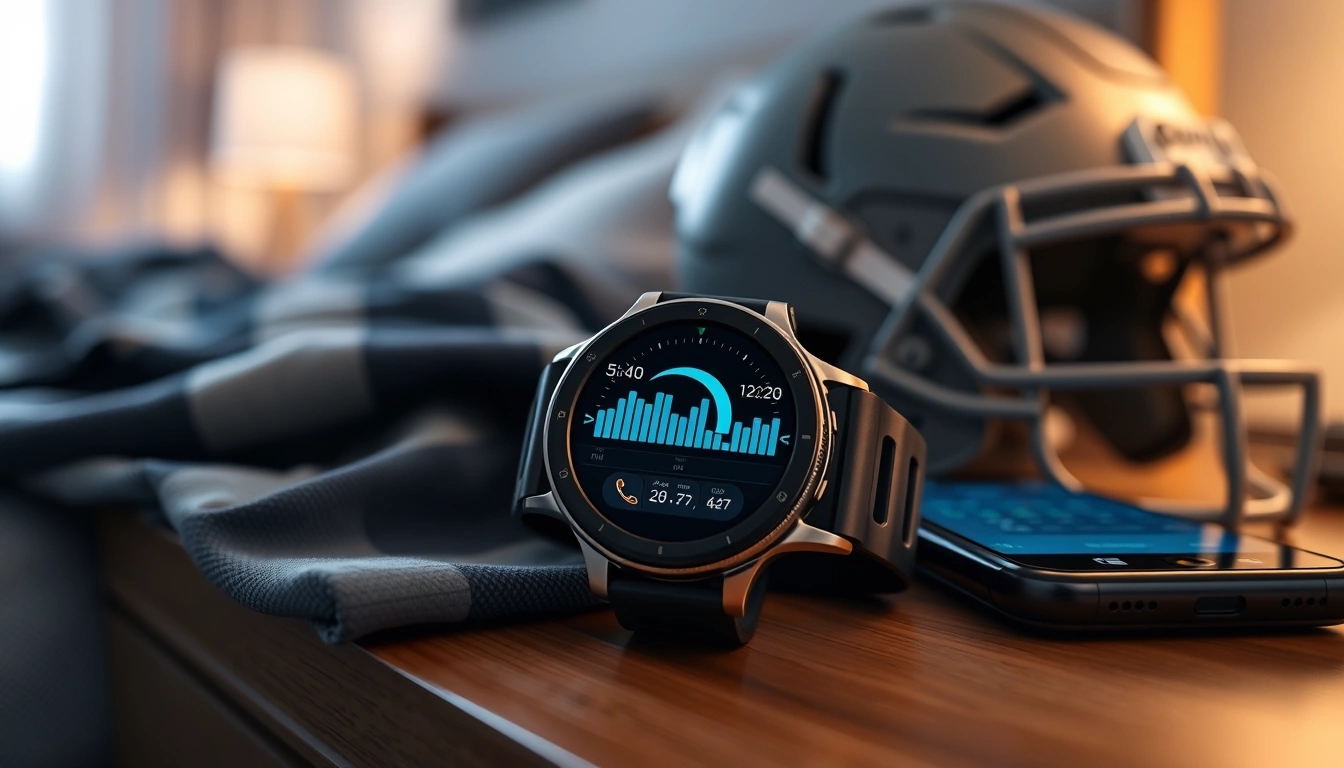
If you’re serious about leveling up, gadgets like smartwatches and sleep trackers can give you insight into your sleep quality and patterns. Apps can even suggest tweaks to your routine. But remember, tech is a tool, not a magic bullet. Nothing beats listening to your body.
In the end, sleep might just be the most underrated training tool in football. So, next time you’re tempted to pull an all-nighter, think twice—your stamina, focus, and recovery will thank you on the pitch.
The Science Behind Sleep and Athletic Performance
Alright, let’s cut to the chase: sleep isn’t just some boring downtime your body forces you into every night. For athletes—especially footballers—it’s a powerhouse that fuels both the brain and body in ways that might surprise you. You think you’re just “resting”? Nah, your brain’s busy running a midnight marathon of its own.
First off, sleep is the ultimate performance enhancer. When you hit the sack, your body dives into various sleep cycles, each with its own job. The deep sleep phases are where the magic happens—muscle repair, tissue growth, and hormone release (hello, growth hormone!). Without enough deep sleep, your muscles don’t recover properly, and you’re basically showing up to the pitch half-baked. That’s a no-go if you want to dominate.
| Sleep Stage | What Happens | Why It Matters for Athletes |
|---|---|---|
| Light Sleep | Transition phase, body starts to relax | Prepares body for deeper recovery phases |
| Deep Sleep (Slow Wave) | Muscle repair, hormone release | Critical for physical recovery and strength building |
| REM Sleep | Brain activity spikes, dreaming | Memory consolidation, mental sharpness, and decision-making |
Now, let’s talk about the brain because football isn’t just brawn—it’s brains too. REM sleep is where your noggin files away all the plays, strategies, and muscle memory you’ve been drilling. Skimp on REM, and suddenly your reaction times slow, your focus wavers, and you might as well be playing in slow-mo. Ever noticed how a tired player makes dumb mistakes? Yep, lack of sleep is usually the culprit.
- Physical Effects: Reduced muscle recovery, increased injury risk, slower reflexes
- Mental Effects: Poor decision-making, decreased concentration, mood swings
Here’s a kicker—sleep deprivation doesn’t just mess with your energy; it actually screws with your metabolism and immune system, making you more prone to illness. Imagine being sidelined not because you got tackled, but because you caught a cold thanks to lousy sleep. Not cool.
So, for football players aiming to be sharp as a tack and strong as an ox, sleep is non-negotiable. It’s like the secret coach whispering in your ear, “Recover better, think faster, play harder.” Ignore it, and you’re basically playing Russian roulette with your career.
Practical Tips for Better Sleep and Performance:- Stick to a consistent sleep schedule, even on weekends.- Create a dark, cool, and quiet sleep environment.- Avoid caffeine and heavy meals close to bedtime.- Limit screen time before bed to prevent blue light from messing with your melatonin.- Consider short naps (20-30 mins) to recharge without ruining nighttime sleep.
In the end, you can train till you drop, but if you don’t respect your sleep, you’re just spinning your wheels. Trust me, the best players don’t just grind on the field—they grind on their sleep game too. So next time you’re tempted to binge-watch that series till 2 AM, remember: your brain and body will thank you if you hit the hay instead.
Why Football Players Often Skimp on Sleep
Let’s be honest, footballers missing out on sleep? It’s more common than you think. You’d assume that athletes, especially those grinding day and night on the pitch, would be the first to respect the power of a good night’s rest. But nope, the reality is often a mixed bag of late-night training, early morning tactics, and social media scrolling that keeps their eyeballs glued to screens way past bedtime. The truth is, many football players unintentionally sabotage their own performance by skimping on sleep—and they might not even realize it.
- Training Schedules That Don’t Quit: Footballers often have grueling training routines that stretch into the evening. Add team meetings, video analysis sessions, and travel, and suddenly, bedtime is a distant dream.
- Adrenaline and Stress: The pressure to perform, contract negotiations, or even personal life stress can keep players tossing and turning. Stress hormones like cortisol spike, making it tough to wind down.
- Technology Temptations: Screens emit blue light, which messes with melatonin production. A quick Instagram scroll after training can easily turn into an hour-long rabbit hole, delaying sleep.
| Disruptor | Effect on Sleep | Typical Scenario |
|---|---|---|
| Late Night Training | Delays sleep onset, reduces total sleep time | Practice sessions running past 9 PM |
| Travel Across Time Zones | Disrupts circadian rhythm, causes jet lag | International matches with early flights |
| Pre-Game Anxiety | Increases heart rate, causes insomnia | Big match nerves keeping players awake |
| Screen Time | Suppresses melatonin, delays sleep | Checking social media late at night |
Now, you might wonder: “Is missing a couple of hours really that big of a deal?” Well, yes and no. Sure, a one-off late night won’t ruin a player’s career, but chronic sleep deprivation? That’s a silent killer for stamina, reaction times, and mental sharpness. Football is a game of split-second decisions and physical endurance. When sleep’s shortchanged, players risk slower reflexes, poor concentration, and increased injury susceptibility. Some studies even show that sleep loss can reduce sprint speed and accuracy in passing—ouch!
Here’s a quick rundown of what happens when footballers don’t clock enough quality sleep:
- Reduced Recovery: Muscles don’t repair as effectively, so fatigue piles up.
- Impaired Cognitive Function: Decision-making on the pitch gets fuzzy.
- Weakened Immune System: More prone to sickness, which means more missed games.
To put it plainly: footballers who skimp on sleep are basically shooting themselves in the foot. Yet, the culture around the sport often glorifies “pushing through” exhaustion. Coaches and players alike sometimes see sleep as a luxury rather than a necessity. That mindset needs a serious update.
Tips to Combat Sleep Skipping for Footballers:- Set a consistent bedtime, even on off days.- Limit screen time 1 hour before bed.- Use blackout curtains and cool room temps.- Practice relaxation techniques like deep breathing.- Avoid caffeine and heavy meals late in the day.
In the end, recognizing why sleep gets sidelined is the first step toward fixing it. Footballers owe it to themselves—and their teams—to treat sleep as the secret weapon it truly is. Because let’s face it, no one wants to be the player who’s running on empty when the final whistle blows.
Optimal Sleep Duration for Footballers
Alright, let’s cut to the chase: football players need more than just the classic “8 hours of sleep” mantra to truly bounce back and perform like beasts on the pitch. You’ve probably heard it a million times—“Get your 8 hours!”—but here’s the kicker: quality and quantity both matter, and sometimes, 8 hours just ain’t enough.
First off, football is brutal on the body. The constant sprinting, tackles, and mental focus demand serious recovery time. Research shows that elite athletes often benefit from 9 to 10 hours of sleep per night, not just the average adult recommendation of 7-8. Yeah, that sounds like a lot, but think about it—your muscles need the deep sleep phases to repair micro-tears and your brain craves REM sleep to sharpen strategy and decision-making skills.
| Sleep Duration | Benefits for Footballers |
|---|---|
| 7-8 hours | Basic recovery, but may not be enough for intense training days |
| 9-10 hours | Optimal muscle repair, cognitive function, and reduced injury risk |
| More than 10 hours | Possible over-sleeping, can cause grogginess or disrupt routine |
Now, before you start thinking “Great, I gotta spend half my day in bed,” hold up. It’s not just the hours spent horizontal that count—it’s the sleep quality. Tossing and turning for 10 hours won’t get you anywhere. The body cycles through different sleep stages—light, deep, and REM—and each plays a unique role. Deep sleep is your muscle’s best friend, while REM sleep is the brain’s power-up mode. If you’re constantly waking up or stressed, you’re basically cheating yourself.
- Tip 1: Stick to a consistent bedtime—even on weekends. Your body loves routine.
- Tip 2: Avoid screens at least 30 minutes before bed. Blue light is a sleep killer.
- Tip 3: Consider short power naps (20-30 minutes) to top up energy without messing your night sleep.
Here’s a little nugget for you: some football teams actually schedule sleep sessions as part of their training regimen. Crazy? Maybe. Effective? Absolutely. Because when you’re trying to shave milliseconds off your sprint or stay mentally sharp for 90+ minutes, every bit of recovery counts.
So, what’s the takeaway? Don’t just blindly follow the “8 hours” rule. Pay attention to how your body feels, aim for 9-10 hours if possible, and prioritize uninterrupted, high-quality sleep. It’s the secret weapon that separates the weekend warriors from the pros who leave everything on the field.
Sleep Duration Guide for Footballers:------------------------------------| Hours Slept | Effect on Performance ||-------------|-------------------------------|| 10 hours | Risk of grogginess, disrupts rhythm |
Remember, sleep isn’t just downtime—it’s game time for your body and brain. So next time you’re tempted to binge Netflix until 2 a.m., think about whether you want to be the guy sprinting out of steam or the one making the game-winning play.
Pre-Game Sleep Strategies
Alright, listen up! When it comes to gearing up for a big match, how you handle your sleep schedule can make or break your game. It’s not just about crashing early the night before and hoping for the best—there’s a whole method to this madness. If you want to be sharp, energized, and ready to tackle (literally), you gotta plan your sleep like a coach plans the lineup.
First off, don’t just flip a switch and expect to fall asleep at 9 PM if you’ve been partying or binge-watching Netflix till 2 AM for the past week. Your body clock needs time to adjust. Ideally, start shifting your bedtime gradually about 3-4 days before the game. Move your sleep and wake times earlier by 15-30 minutes each day. This slow tweak helps your internal clock sync up, so when game day hits, you’re not a zombie.
- Day 1: Sleep at 11:30 PM, wake at 7:30 AM
- Day 2: Sleep at 11:00 PM, wake at 7:00 AM
- Day 3: Sleep at 10:30 PM, wake at 6:30 AM
- Game Day: Sleep at 10:00 PM, wake at 6:00 AM
See? It’s like easing into cold water instead of cannonballing in.
Now, caffeine lovers, watch out! No more late-afternoon espresso shots or energy drinks. They might seem like your best friend, but they’ll mess with your ability to fall asleep. Instead, opt for herbal teas or just plain water. Staying hydrated is key, but don’t guzzle gallons right before bed or you’ll be making midnight bathroom trips.
| Do’s | Don’ts |
|---|---|
| Stick to a consistent sleep schedule | Pull all-nighters or sleep in wildly different times |
| Create a calming bedtime routine (reading, stretching) | Scroll endlessly on your phone or watch intense shows |
| Keep your room cool and dark | Leave lights or screens on |
| Limit caffeine and heavy meals before bed | Eat spicy or greasy food late at night |
Another golden nugget? Power naps. Are they your friend or foe? Well, it depends. A quick 20-minute nap in the early afternoon can boost alertness and mood. But if you nap too long or too late, you risk wrecking your nighttime sleep. So, keep naps short, sweet, and early.
Here’s a quick checklist for your pre-game sleep night:
- Wind down an hour before bed—ditch screens, try deep breathing or light stretching.
- Make your bedroom a sleep sanctuary—cool, dark, and quiet.
- Stick to your shifted sleep schedule; no last-minute late-night partying!
- Hydrate, but don’t overdo it.
- Set a regular wake-up time—even on rest days.
Remember, sleep isn’t just some boring downtime; it’s when your muscles repair, your brain sharpens, and your energy tanks refill. Screw this up, and no matter how hard you train, you’ll be dragging on the field like a sloth in cleats.
So next time you’re prepping for a big match, treat your sleep schedule like it’s part of your training regime. Because honestly? It kinda is.
Power Naps: Friend or Foe?
Ever caught yourself sneaking a quick nap in the middle of the day, only to wake up feeling groggier than before? Yeah, you’re not alone. The whole idea of power naps is like a double-edged sword—sometimes a lifesaver, sometimes a total sleep thief. So, are these short bursts of shut-eye actually helping football players boost their game, or are they just messing up that precious nighttime sleep? Let’s unravel this nap debate with a bit of science, some common sense, and a pinch of real-world experience.
First off, naps can be a game changer—literally. When you’re a footballer grinding through intense training sessions and matches, your body and brain scream for recovery. A quick 20-30 minute nap can sharpen focus, improve reaction times, and even give your muscles a mini-break. Think of it as a halftime for your brain. But—and this is a big but—if you nap too long or too late in the day, you might just be setting yourself up for a night of tossing and turning.
- Ideal Nap Length: 10-30 minutes is the sweet spot. Short enough to avoid deep sleep, which leads to that groggy, “nap hangover” feeling.
- Timing is Everything: Early afternoon naps, say between 1 PM and 3 PM, tend to be the most effective and least disruptive to nighttime sleep.
- Consistency Matters: Random naps thrown in at odd times can confuse your body clock and mess with your circadian rhythm.
Now, if you’re thinking, “Great, I’ll just nap all day then!” hold your horses. Napping isn’t a free pass to skimp on nighttime sleep. In fact, if you’re napping because you’re sleep-deprived, that’s a red flag—your body is screaming for more consistent, quality sleep at night. And trust me, no amount of daytime napping can fully replace that.
| Nap Duration | Effect | Best Use |
|---|---|---|
| 10-20 minutes | Boost alertness, minimal grogginess | Quick energy boost during training days |
| 30-60 minutes | Possible grogginess, some memory benefits | When you have more time but risk of sleep inertia |
| 90 minutes | Full sleep cycle, better memory & creativity | Rarely practical, but good if you can afford it |
Here’s a kicker: some footballers swear by power naps before games or intense training, claiming it’s like hitting the “refresh” button. Others find it throws off their rhythm, making them feel sluggish or less motivated. So, what’s the verdict? It boils down to personal preference and body response. You gotta experiment a bit—try that 20-minute nap and see if you feel like a champ or a zombie.
Pro tip: Pair your nap with a caffeine hit right after waking up (yes, weird but true). This combo, often called a “coffee nap,” can help shake off the grogginess and turbocharge your alertness.
In the end, naps are neither a magic bullet nor a total enemy. They’re a tool—use them wisely, and they can help you stay sharp and recover faster. Abuse them, and you might end up sabotaging your nighttime sleep and overall performance.
So next time you’re tempted to crash on the couch mid-afternoon, ask yourself: “Am I napping to recharge or just avoiding bedtime?” Because, in football and in sleep, timing and intention make all the difference.
Sleep Environment Hacks for Better Rest
Let’s be honest—after a brutal day on the pitch, the last thing you want is to toss and turn all night. But sometimes, no matter how wiped out you feel, sleep just doesn’t come easy. The good news? You don’t need to overhaul your entire life or buy fancy gadgets to get better rest. A few simple, smart tweaks to your bedroom can actually make a huge difference in how fast you fall asleep and how well you stay out cold, even when your muscles are screaming from training.
First things first: temperature. Your body’s gotta cool down to drift off properly, so keeping your room somewhere between 60-67°F (15-19°C) is the sweet spot. Too warm and you’ll be sweating bullets, too cold and you’ll be shivering under the covers instead of snoozing. If you’re not sure what your ideal temp is, experiment a bit—maybe open a window or grab a fan. It’s a small change but can make a world of difference.
- Light matters: Your brain is wired to react to light, so even a tiny bit of glow from your phone or streetlights can mess with your melatonin production (that’s the hormone that helps you fall asleep). Try blackout curtains or an eye mask if you’re stuck in a bright neighborhood. And please, put your phone on “Do Not Disturb” or better yet, leave it outside the bedroom. Blue light from screens is like a caffeine shot for your brain—totally counterproductive.
- Noise control: If you live somewhere noisy, a white noise machine or even a simple fan can help drown out distractions. Or, if you’re lucky enough to have a quiet place, keep it that way! Earplugs are a low-key game changer for light sleepers.
| Bedroom Element | Recommended Adjustment | Why It Helps |
|---|---|---|
| Temperature | 60-67°F (15-19°C) | Supports natural body cooling for sleep onset |
| Light | Blackout curtains, eye mask, no screens 1 hour before bed | Boosts melatonin production |
| Noise | White noise machine, earplugs | Masks disruptive sounds |
| Bedding | Comfortable mattress and pillows | Reduces tossing, improves spinal alignment |
Speaking of bedding—don’t underestimate the power of a good mattress and pillows. You might be tempted to scrimp here, but if your bed feels like a rock or your pillow’s flat as a pancake, your body will definitely complain. Proper support means less tossing and turning, and more deep sleep where all that muscle repair magic happens.
Now, a quick heads up on scents: some swear by lavender or chamomile essential oils to wind down. You don’t have to go full spa mode, but a subtle diffuser or pillow spray might just trick your brain into “relax mode.” Just don’t overdo it—too strong a smell can be irritating and backfire.
- Keep it tidy: Cluttered rooms cluttered minds. A clean, organized space can subconsciously calm your nerves and help you relax faster.
- Limit caffeine and heavy meals near bedtime: This isn’t just about what you eat but when you eat it, but hey, we’ll save that for another chat.
To sum it up, you don’t have to be a sleep guru or invest in expensive tech to improve your rest. Just dial in your room’s temperature, block out light and noise, invest in decent bedding, and keep things calm and cozy. Your body—and your next game—will thank you.
Practical checklist for tonight:
- Set thermostat to ~65°F (18°C)- Close blackout curtains or use an eye mask- Turn off all screens 1 hour before bed- Use white noise or earplugs if needed- Ensure mattress and pillows feel comfy- Spray a hint of lavender if you’re into that- Tidy up your room before hitting the sack
Try these out and see if you’re not out cold faster than you can say “goal!” Sleep smart, play smarter.
Post-Game Sleep: Recovery and Muscle Repair
After the final whistle blows and the crowd’s roar fades, what happens next can be just as critical as the 90 minutes on the pitch. Sleep isn’t just a luxury for football players; it’s an essential part of their recovery toolkit. Seriously, if you think you can skip out on those precious hours of shut-eye and still bounce back like a pro, you’re in for a rude awakening. Muscle repair, mental reset, energy restoration — all hinge on catching quality Z’s after a match.
Let’s break it down: during intense gameplay, muscles undergo tiny tears and inflammation. It’s the body’s way of adapting and getting stronger, but it needs time and resources to patch up the damage. Enter deep sleep stages — especially slow-wave sleep — where growth hormone production spikes. This hormone is like the body’s natural repairman, rushing to fix muscle fibers and reduce inflammation. Without enough deep sleep, you’re basically sending your body to work with half the tools missing.
- Muscle Repair: Sleep triggers protein synthesis, which is essential for rebuilding muscle tissue.
- Inflammation Reduction: Quality rest helps lower inflammatory markers, easing soreness and stiffness.
- Energy Restoration: Glycogen stores get replenished during sleep, fueling your muscles for the next grind.
Now, don’t get me wrong — it’s not just about quantity but quality. Ever had those nights where you’re tossing and turning, staring at the ceiling, replaying that missed penalty? Yeah, that kind of sleep isn’t doing you any favors. Disrupted or shallow sleep can stall recovery, leaving you groggy and sluggish for training or the next match.
| Sleep Stage | Role in Recovery | Why It Matters |
|---|---|---|
| Slow-Wave Sleep (Deep Sleep) | Growth hormone release, muscle repair | Critical for physical restoration and healing |
| REM Sleep | Mental recovery, memory consolidation | Helps with focus and tactical thinking on the pitch |
| Light Sleep | Transition stage | Prepares body for deeper restorative stages |
Here’s a kicker: post-game adrenaline and excitement can keep players wired, making it tough to fall asleep right after the match. Add in muscle aches and sometimes even a bit of dehydration, and it’s a recipe for a restless night. To combat this, some players swear by simple rituals — think light stretching, a warm bath, or even meditation apps — to calm the mind and body.
- Hydrate smartly: Replenish fluids but avoid gulping down too much water right before bed to dodge those annoying midnight bathroom trips.
- Snack wisely: A light protein-rich snack can aid muscle repair without causing digestive discomfort.
- Limit screen time: Blue light from phones or tablets can mess with your melatonin production, making it harder to drift off.
So, next time you’re tempted to burn the midnight oil after a game, remember: your body’s working overtime behind the scenes. Skimping on sleep isn’t just about feeling tired — it could mean slower healing, reduced performance, and a higher risk of injury. Catch those Z’s like your career depends on it — because, well, it kinda does.
Quick Tips for Post-Game Sleep Success:
- Wind down with calming activities (no Netflix thrillers!)- Keep your bedroom cool and dark- Stick to a consistent sleep schedule, even on game day- Avoid caffeine or heavy meals late in the evening
In the end, sleep is the unsung hero of football recovery. It’s not flashy, it doesn’t score goals, but without it? You’re just running on empty. So, respect the power of post-game sleep — your muscles, mind, and next match will thank you.
Nutrition and Sleep: What to Avoid Before Bed
Alright, let’s get real about what you’re shoving down your throat before hitting the hay — because, spoiler alert, some foods and drinks are basically sleep saboteurs. You might think a late-night snack is harmless or even helpful, but in reality, munching on the wrong stuff can turn your peaceful slumber into a tossing-and-turning nightmare. So, what should you dodge if you want to wake up feeling like a champ rather than a zombie? Let’s break it down.
Foods and Drinks That Wreck Your Sleep Quality
- Caffeine: This one’s obvious but still worth repeating. Coffee, energy drinks, black tea, and even some sodas can linger in your system for hours. Caffeine blocks adenosine, the chemical that tells your brain it’s time to chill out and snooze. So, gulping down a latte at 8 PM? Bad idea.
- Alcohol: Yeah, it might knock you out initially, but alcohol messes with your REM sleep — the stage where your brain does all its magic for memory and recovery. You’ll wake up feeling groggy and less refreshed, even if you technically slept for eight hours.
- Spicy and Fatty Foods: These bad boys can cause indigestion or heartburn, making it tough to fall asleep or stay asleep. Picture trying to relax with a fiery stomach — no thanks!
- Sugary Treats and Refined Carbs: Candy, white bread, pastries — they spike your blood sugar and then cause a crash, which can disrupt your sleep cycle and leave you waking up in the middle of the night.
Now, before you despair, don’t think you gotta starve yourself or go full monk mode at night. Instead, try swapping those pesky sleep wreckers with some sleep-friendly options.
What to Munch on Instead
| Food/Drink | Why It Helps | How to Use It |
|---|---|---|
| Almonds | Rich in magnesium, which promotes muscle relaxation and better sleep quality. | A small handful about an hour before bed. |
| Chamomile Tea | Contains antioxidants that calm the nervous system and reduce anxiety. | One cup, caffeine-free, about 30 minutes before bedtime. |
| Kiwi | Loaded with serotonin and antioxidants, both linked to improved sleep onset and duration. | Eat one kiwi an hour before bed. |
| Warm Milk | Contains tryptophan, an amino acid that helps produce sleep-inducing serotonin. | A small glass, warm (not hot), 30 minutes before sleep. |
Quick Tips to Wind Down Your Body and Mind
- Avoid heavy meals at least 2-3 hours before bedtime.
- Limit liquids close to bedtime to prevent those annoying bathroom trips.
- Try to keep a consistent eating schedule; your body loves routine.
- If you’re craving something sweet, go for fruit instead of processed sugar.
At the end of the day, your body isn’t just a machine that needs fuel — it’s a complex system that thrives on the right balance of nutrients at the right times. Messing with that balance, especially before bed, can tank your sleep quality and, by extension, your football performance. So next time you’re tempted to grab a midnight snack, think twice. Your muscles, brain, and overall game will thank you.
Tracking Sleep: Tech Tools Footballers Can Use
Alright, let’s be honest — football players are always looking for that edge, right? Whether it’s the latest cleats or some fancy training drill, everyone wants to be faster, stronger, and sharper. But here’s a curveball for you: what if the secret weapon isn’t on the pitch but rather in your bedroom? Yep, sleep! And not just any sleep, but quality, monitored, and optimized sleep. Luckily, we live in a world where tech gadgets are here to help you keep tabs on those precious Z’s.
First up, smartwatches. These bad boys have come a long way from just counting steps. Modern models like the Apple Watch, Garmin, or Fitbit track your sleep cycles — light, deep, REM — and give you a pretty decent snapshot of how well you’re actually resting. Some even throw in heart rate variability (HRV) data, which is a fancy way of saying how stressed your body is when you’re snoozing. If your HRV is all over the place, it might be time to chill out a bit.
- Apple Watch: Sleek, reliable, and integrates well with iPhones. Tracks sleep stages and offers gentle wake-up alarms.
- Garmin Forerunner: Great for athletes. Offers advanced sleep analytics plus recovery insights.
- Fitbit Charge: Budget-friendly and provides solid sleep tracking with a user-friendly app.
But hey, what if you’re not into wearing stuff all night? Enter sleep tracking apps for your phone. Apps like Sleep Cycle or Pillow use sound and movement sensors to analyze your sleep without any wristbands. They’ll even wake you up at the optimal moment during your lightest sleep phase — no more zombie mornings!
| Gadget/App | Key Features | Best For |
|---|---|---|
| Oura Ring | Sleep stages, HRV, temperature, and readiness score | Players wanting detailed recovery data without bulky gear |
| Sleep Cycle App | Smart alarm, sleep analysis via sound | Non-wearable option, easy to use |
| Whoop Strap | 24/7 HRV, sleep coaching, strain monitoring | Hardcore athletes tracking overall performance |
Now, a quick heads-up — these gadgets aren’t magic. They’ll tell you what’s going on but won’t tuck you in or banish stress. Plus, some players get a little obsessed with the numbers, which can ironically make sleep worse. So, use these tools as guides, not dictators. Also, keep in mind battery life and comfort: no point in wearing a tracker if it’s so annoying you toss it off halfway through the night.
Lastly, let’s not forget the little extras. Some footballers swear by white noise machines or apps that play calming sounds to help them drift off faster. Others use blue light filters on their phones or glasses to reduce that pesky screen glare that messes with melatonin production. It’s all about creating the right environment to maximize what your tech is telling you.
In a nutshell, whether you’re a rookie or a seasoned pro, keeping an eye on your sleep with these tech tools can seriously up your game. Because no matter how many drills you do or how many protein shakes you down, if your sleep is trash, your performance will be too. So gear up, track smart, and catch those Z’s like a champ.
Frequently Asked Questions
- How much sleep should a football player get each night?
Great question! While the classic “8 hours” rule is a good baseline, football players often need between 8 to 10 hours of quality sleep to fully recover and perform at their peak. Think of sleep as your body’s natural recharge station—more intense training means more juice needed.
- Can power naps really improve my game?
Absolutely! Short naps, ideally around 20-30 minutes, can boost alertness and reaction times without messing up your nighttime sleep. But beware: long naps might throw off your internal clock, making it harder to fall asleep later.
- Why do so many footballers struggle with getting enough sleep?
Between late-night training, travel, and adrenaline before games, it’s easy to skimp on sleep. Plus, stress and screen time can sneakily sabotage your rest. It’s like trying to drive a car on an empty tank—eventually, performance drops.
- What are some easy ways to improve my sleep environment?
Simple tweaks like keeping your room cool, dark, and quiet can work wonders. Also, ditching screens an hour before bed and using blackout curtains can help your brain switch into sleep mode faster.
- How does sleep affect muscle recovery after a game?
Sleep is when your body goes into repair mode—rebuilding muscles, reducing inflammation, and restoring energy. Skipping quality sleep is like skipping pit stops in a race; your body just can’t keep up.
- Are there foods or drinks I should avoid before bedtime?
Yes! Caffeine, heavy meals, and sugary snacks can keep you tossing and turning. Instead, opt for light, sleep-friendly options like a banana or a small portion of almonds to help you wind down.
- Can technology really help me track and improve my sleep?
Definitely. Devices like smartwatches and sleep apps give you insights into your sleep stages and patterns, helping you spot issues and adjust habits. Think of them as your personal sleep coach.