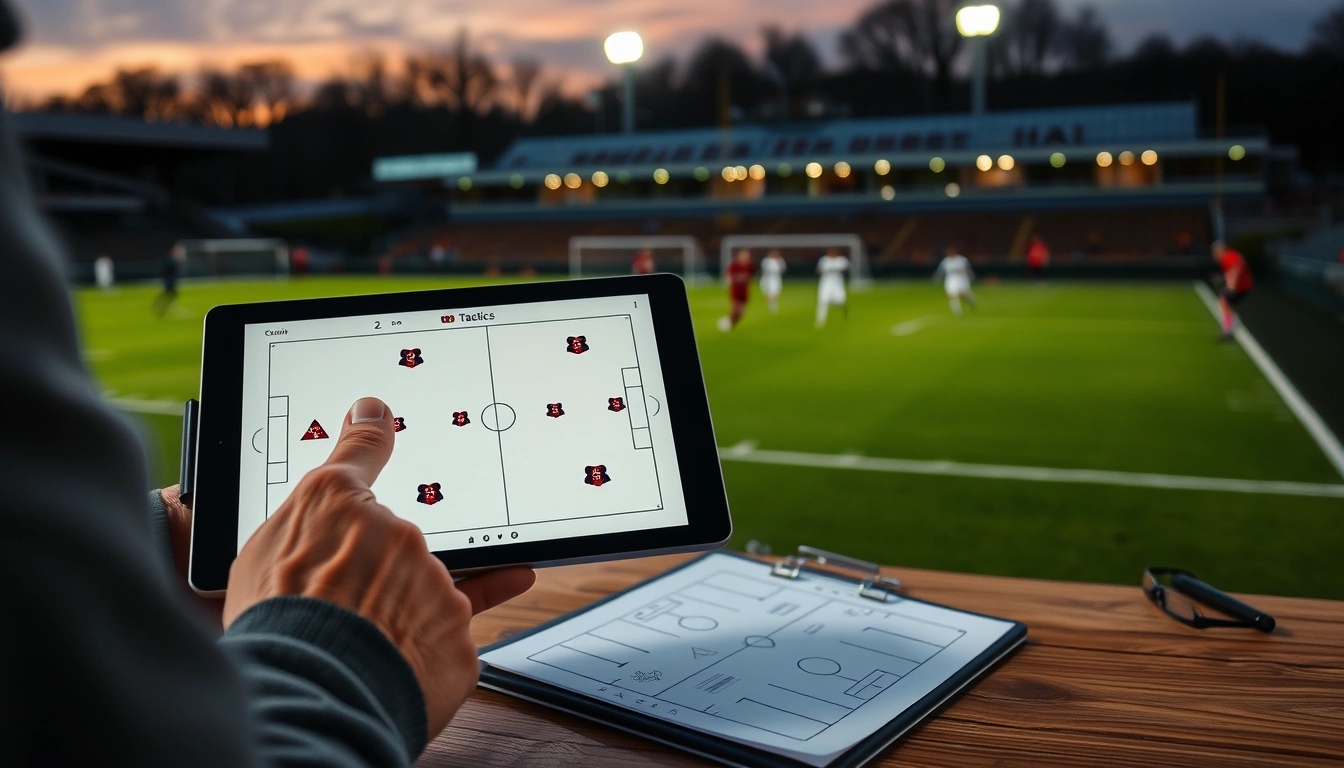
Ever sat on your couch, remote in hand, wondering what the heck those coaches see on the field that you miss? Yeah, me too. Watching football isn’t just about cheering for your favorite team or yelling at the ref when they blow a call. There’s a whole world of strategy, player roles, and game flow that coaches live and breathe every Sunday. So, if you want to kick your viewing skills up a notch and impress your friends with some serious football IQ, this guide’s got you covered.
Understanding the Basics of Football Strategy
Alright, before you get overwhelmed—take a deep breath. Football strategy isn’t rocket science, but it can feel like decoding hieroglyphics at first. The basics? Formations, offensive and defensive setups, and the tiny little moves that coaches obsess over. Think of formations like the chessboard layout before the game starts. Each piece (player) has a role, and where they line up says a lot about what the team’s trying to pull off.
| Formation | Purpose | Common Use |
|---|---|---|
| 4-3 Defense | Balance against run and pass | Most NFL teams use this as base defense |
| 3-4 Defense | More versatile pass rush | Great for confusing offenses |
| Spread Offense | Stretch defense horizontally | Favored for passing-heavy attacks |
Reading Formations Like a Pro
If you know what to look for, formations tell you a story before the ball even moves. For example, a tight formation with lots of players close to the line usually means a run-heavy play is coming. Wide formations? Probably a pass. But hey, don’t get fooled—coaches love to trick you with play-action passes or sneaky runs out of spread sets.
- Watch the alignment: Who’s where? Are the receivers bunched or spread out?
- Count the backs: More backs often mean running plays.
- Look for motion: Players shifting before the snap can signal what’s coming.
Key Player Roles to Watch
Every position has its own little world of responsibility, but some players? They’re the real game-changers. Quarterbacks, for instance, aren’t just throwing the ball—they’re reading defenses, making split-second decisions, and sometimes, just winging it (which can be a good or bad thing). Meanwhile, defensive players are like undercover agents trying to predict and disrupt the offense’s plans.
Quarterback Decision-Making:- Reads the defense pre-snap- Adjusts plays on the fly- Handles pressure from blitzesDefensive Alignments and Adjustments:- Shifts formations to confuse QB- Mixes coverage schemes- Uses blitzes to force mistakes
Spotting Play Calling Patterns
Here’s where you get to play detective. Coaches tend to stick to patterns—run, pass, blitz, repeat. If you notice a team running on first down a lot, or always passing on third-and-long, you’re starting to crack their code. Down and distance are like secret clues that tell you what might come next. And don’t forget situational football—time left on the clock and the score can totally flip a team’s game plan.
| Situation | Typical Play Call | Why? |
|---|---|---|
| 1st & 10 | Run or short pass | Safe plays to gain yards |
| 3rd & Long | Pass | Need big gain to convert |
| Late Game, Losing | Pass-heavy | Need quick scores |
Using Video and Stats to Enhance Viewing
If you really want to step up your game, don’t just watch live. Dive into video replays and stats. Numbers like completion percentage, yards after catch, and blitz rates tell a story that your eyes might miss. There are plenty of apps and websites that break down this data for fans who want more than just the final score.
Common Mistakes Beginners Make Watching Like a Coach
Look, nobody’s perfect. Beginners often get stuck focusing on just the flashy plays or the star players, missing the subtle chess moves happening all over the field. Also, trying to understand everything at once can be a brain overload—take your time and enjoy the learning curve. And seriously, don’t get frustrated if you can’t predict every play; even coaches get it wrong sometimes.
So, next time you tune in, remember: football’s like a giant puzzle, and every snap is a new piece. Watch closely, ask questions, and before you know it, you’ll be breaking down games like a pro coach — or at least sounding like one at your next tailgate party.
Understanding the Basics of Football Strategy
Alright, before you jump headfirst into the chaos of a football game and start yelling at the TV like you know what’s going on (hey, we’ve all been there), it’s crucial to get the basics down. Football isn’t just a bunch of guys running around chasing a ball—it’s a complex dance of formations, offensive and defensive setups, and a whole lot of mind games. Coaches? They obsess over every single move, and not just because they’re control freaks (well, maybe a little). It’s because each tiny adjustment can make or break the game.
Let’s break it down. Think of formations as the starting blueprint. They tell you who’s where and hint at what a team might try to pull off. For example, the classic “I-formation” has the running back lined up directly behind the quarterback—perfect for power runs. Meanwhile, a “spread formation” spreads out the receivers wide, signaling a likely passing attack. Recognizing these setups early gives you a sneak peek into the coach’s playbook.
| Formation | Typical Use | What to Watch For |
|---|---|---|
| I-Formation | Power running plays | Strong running backs, tight ends blocking |
| Shotgun | Quick passing, spread offense | Quarterback stands back, multiple receivers |
| Singleback | Balanced run/pass | One running back, versatile plays |
Now, flip the coin to defense. Defensive setups are like a chess game. You’ve got your base defense, but then you tweak and adjust depending on what the offense shows. Ever heard of a “4-3 defense”? That means four defensive linemen and three linebackers. It’s solid against the run but can be vulnerable to quick passes. Coaches shift players around like pieces on a board, trying to confuse the offense and force mistakes.
- Man-to-Man Coverage: Each defender sticks to a specific opponent.
- Zone Coverage: Defenders cover specific areas instead of players.
- Blitz: Extra defenders rush the quarterback to force a hurried throw.
Why all this obsession? Because football is a game of inches and seconds. A split-second decision by the quarterback, or a tiny defensive shift, can change the entire flow. Coaches pour over film, dissecting every gesture and movement. They’re looking for tells—little clues that give away what the other team plans to do.
So, next time you watch a game, don’t just stare at the players running around. Try to catch the formation, notice how the defense lines up, and think about why the coach might be calling that particular play. It’s like peeling an onion—layer after layer of strategy and mind games. And trust me, once you start seeing it, the game becomes a whole lot more thrilling.
Quick Tips to Spot Formations:- Check the number of receivers on the field.- Look where the running backs line up.- Notice the quarterback’s position (under center or shotgun).- Watch the defensive linemen and linebackers' alignment.
Remember: Football strategy is a beast, but with patience and curiosity, you’ll start to see why coaches obsess over every little move on the field. And hey, if you mess up, who cares? Even pros get it wrong sometimes. Just keep watching and learning. The game’s got plenty of surprises waiting.
Reading Formations Like a Pro
Alright, so you’re sitting there, eyes glued to the field, wondering what on earth those players are lining up for before the ball even moves. Well, here’s the kicker: formations are like the opening lines of a novel — they set the stage, hint at the story, and sometimes even give away the ending (or at least a peek at it). If you can get the hang of spotting common setups, you’re already halfway to thinking like a coach. But hey, don’t expect to become a football guru overnight. It’s a bit like learning a secret code; some of it makes sense, some of it makes you scratch your head and say, “Wait, what?”
Let’s break it down. The offense usually lines up in formations that tell you what kind of play they might run. For example, a “Shotgun” formation—where the quarterback stands several yards behind the center—often means the team is gearing up for a pass. But don’t be fooled, sometimes they run the ball to keep the defense guessing. On the flip side, a “I-formation” (where the running backs line up directly behind the quarterback) screams “run the ball!” loud and clear. Of course, teams love to mix it up, so these signals are more like educated guesses than guarantees.
| Formation | Typical Use | What It Hints |
|---|---|---|
| Shotgun | Pass-heavy offense | Quick throws, spread defense |
| I-formation | Run-focused plays | Power running, play-action passes |
| Singleback | Balanced offense | Mix of run and pass |
| Empty Backfield | Passing plays | Multiple receivers, no running back |
On defense, formations are just as telling — if you know what to look for. The classic “4-3 defense” means four linemen and three linebackers, which is pretty standard and versatile. But when you see a “Nickel” defense (five defensive backs), that’s a dead giveaway the defense is expecting a passing play. It’s like the defense is saying, “We’re ready for you to throw that ball, buddy!” But again, football is a sneaky game; teams use formations to bluff, to confuse, or to bait opponents into mistakes.
- Tip 1: Watch the number of players on the line of scrimmage. More linemen usually means a run play.
- Tip 2: Look at the positioning of wide receivers and tight ends. Spread out? Probably passing.
- Tip 3: Defensive backs creeping closer to the line? They might blitz or try to stop a short run.
Here’s a little secret: formations are only part of the story. Coaches love to disguise their plays, shifting players around at the last second, or using motion before the snap to throw off the defense. So, don’t get too hung up on one look. Instead, try to spot patterns over time — like how often a team runs from a certain formation or what they do on third down.
In the end, reading formations is like piecing together a puzzle with some missing pieces. Sometimes you nail it, sometimes you’re left scratching your head wondering why the offense just ran a trick play out of a “run” formation. But that’s the beauty of football — unpredictability wrapped in strategy.
Quick Formation Cheat Sheet:
Offensive Formations:- Shotgun: QB stands back, favors passing.- I-Formation: Power running, QB under center.- Singleback: Balanced attack.- Empty Backfield: Passing, multiple receivers.Defensive Formations:- 4-3: Standard defense.- 3-4: More linebackers, flexible.- Nickel: Extra defensive back, pass defense.- Dime: Even more defensive backs, heavy pass defense.
So next time you’re watching the game, don’t just stare at the ball — watch those players line up. They’re telling you a story before the snap. And if you catch on, well, you might just start sounding like a coach yourself. Or at least impress your buddies at the next game day party.
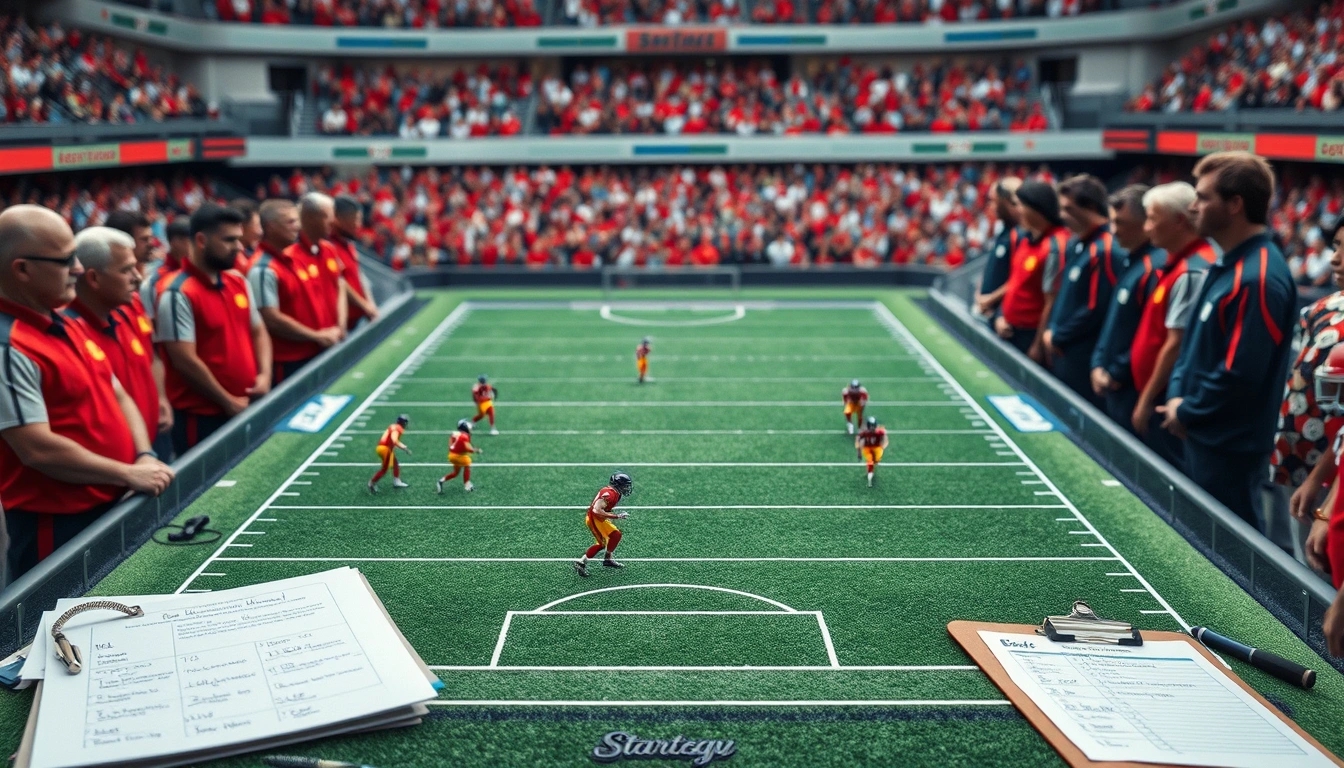
Key Player Roles to Watch
When you’re sitting on your couch, munching snacks and pretending to understand football, it’s easy to think every player is just running around chasing a ball. But trust me, some players? They’re the real deal, the game-changers. These folks don’t just play the game; they shape it, twist it, and sometimes, flip it on its head.
First off, let’s talk about the Quarterback. The QB isn’t just tossing the ball around like a kid in a playground. Nah, they’re the brain behind the operation, making split-second decisions that can either send their team soaring or crashing down. Watching a quarterback is like watching a chess grandmaster—always thinking two, three moves ahead. Pay attention to how they read the defense, adjust their throws, and handle pressure. Sometimes, it’s not about the perfect pass but about knowing when to run or throw it away.
| Position | Role | Why They Matter |
|---|---|---|
| Quarterback | Leader of the offense, decides plays | Controls the game tempo and scoring chances |
| Linebacker | Defensive captain, stops runs and covers passes | Disrupts opponent’s offense and forces turnovers |
| Wide Receiver | Primary pass catcher | Creates big plays and stretches defense |
| Cornerback | Defensive back, covers receivers | Prevents big passing plays and creates interceptions |
Now, don’t overlook the Linebackers. These guys are like the Swiss Army knives of the defense. They stop the run, cover receivers, and sometimes blitz the quarterback. It’s a tough gig, and their ability to read the offense can completely derail a game plan. A linebacker who’s on fire? That’s a nightmare for the opposing team.
Then there’s the Wide Receiver. They’re the flashy players making jaw-dropping catches and outrunning defenders. But it’s not all glamour; their routes and timing are crucial. A great receiver can force defenses to spread out, opening up the field for other plays. Watch how they create separation and adjust to the QB’s throws.
- Don’t forget the Cornerbacks. These defenders are often in one-on-one battles with receivers, and their job is to shut down the passing game. When they succeed, it frustrates the offense and boosts their own team’s morale.
- Special Teams players might not get the spotlight, but a clutch punt return or a blocked kick can swing momentum in a heartbeat.
In short: Sure, every player has a job, but some roles carry a heavier weight on the outcome. If you want to watch football like a coach, start by focusing on these key players. Notice how they influence the game, and you’ll find your viewing experience goes from “meh” to “wow, I get it now!”
Tips for Watching Key Player Roles:- Watch the QB’s eyes and footwork to predict plays.- Notice linebacker positioning and their reaction to runs.- Track wide receivers’ routes and how defenders respond.- Pay attention to cornerbacks’ coverage and interceptions.
So next time you’re glued to the screen, don’t just watch the ball—watch the players who make the magic happen. That’s where the real story unfolds.
Quarterback Decision-Making
The quarterback, or QB if you wanna keep it casual, is basically the team’s brain on the field. Their decisions? Oh, they can either be pure genius or total disaster. Seriously, one split-second choice can flip the whole game on its head. So, if you’re watching football and wanna feel like you’re part of the huddle, understanding what’s going on inside the QB’s head is key.
First off, let’s talk about “reading the defense.” It’s not just some fancy phrase coaches throw around to sound smart. When the QB scans the defense before the snap, they’re trying to figure out what kind of pressure or coverage is coming their way. Is it man-to-man? Zone? Blitz? Each one demands a different reaction.
| Defense Type | QB’s Typical Read | What to Watch For |
|---|---|---|
| Man-to-Man | Identify the matchup, look for mismatches | Receiver vs. defender speed and position |
| Zone Coverage | Find soft spots in the zone | Where defenders are looking and moving |
| Blitz | Spot extra rushers, adjust protection | Number of defenders near the line of scrimmage |
Now, here’s where it gets spicy: pressure moments. When the pocket starts collapsing and defenders are chomping at the bit, the QB has to make lightning-fast decisions. Sometimes they’ll scramble, sometimes they’ll throw it away, and sometimes… well, sometimes they just throw it up and hope for a miracle. And let’s be honest, miracles don’t happen every day.
- Step 1: Identify pressure – is it coming from the edge or straight through the middle?
- Step 2: Decide: throw, run, or dump off to a safer option.
- Step 3: Execute quickly – hesitation can mean a sack or interception.
One practical tip for fans: watch the QB’s eyes. Where they look can tell you their intended target or if they’re trying to fake out defenders. Sometimes, they stare down a receiver too long – that’s a classic rookie move or just plain poor decision-making.
It’s also worth noting that QBs don’t operate in a vacuum. Coaches send in plays, but QBs often have to adjust on the fly. Pre-snap reads might change post-snap depending on how the defense shifts. It’s like a high-stakes game of chess, only with sweat and helmets.
Example of a QB’s thought process during a play:- Snap! Quick glance to the left.- Sees linebacker creeping forward (blitz alert).- Shifts eyes to the right, receiver running a slant.- Pocket starts collapsing.- Decides to throw a quick pass to avoid sack.- Pass is completed for a modest gain.
So next time you watch a game, don’t just focus on the flashy touchdown throws. Pay attention to the QB’s choices under pressure, their reads, and how they adapt. It’s not always pretty, but that’s what makes football such a nail-biter.
In short: The QB’s decision-making is a rollercoaster of split-second judgments, pressure handling, and reading the defense. Understanding these elements will make you appreciate the game on a whole new level — or at least give you some solid trash talk material for your next football party.
Defensive Alignments and Adjustments
Okay, so here’s the deal: defense in football? It’s not just about standing there and hoping the offense messes up. Nah, defense is like playing chess on grass. You gotta think three moves ahead, anticipate, and then shift gears faster than a sports car on a racetrack. If you’re watching a game and think defense is just a bunch of guys running around trying to tackle someone, well… you’re missing the magic. Defensive alignments are where the real story starts. These are the formations defenders line up in before the snap, and trust me, they’re packed with clues about what’s coming next.
- Base defense: This is the bread and butter. Usually something like a 4-3 or 3-4 setup, meaning 4 linemen and 3 linebackers or vice versa. It’s balanced and ready for most plays.
- Nickel and Dime packages: When the offense brings out extra receivers, defenses respond with extra defensive backs. More speed, less bulk.
- Blitz looks: This is when defenders suddenly rush the quarterback with extra players, trying to cause chaos.
Now, here’s where it gets juicy: adjustments. These bad boys happen mid-game, sometimes even mid-play. Coaches and defensive captains are constantly reading the offense like a detective. If the offense lines up in a certain way, the defense might shift a linebacker a few yards left, or a safety might creep up closer to the line. It’s like a dance, but with more sweat and less grace.
| Adjustment Type | When It Happens | Purpose |
|---|---|---|
| Pre-snap Shift | Before the ball is snapped | To confuse the offense or better cover key players |
| Blitz Call | Based on down and distance | To pressure the quarterback and force quick decisions |
| Zone to Man Coverage Switch | During the play or at the snap | To adapt to offensive routes or player threats |
If you’re new to watching football, it might feel like a mess of random moves, but trust me, every shift has a reason. It’s almost like a secret language between defensive players and coaches. And the best part? Sometimes the offense tries to fake out the defense with their own shifts, turning this chess match into a wild game of cat and mouse.
So next time you’re watching a game, keep your eyes peeled for those subtle defensive movements. Notice how linebackers creep closer to the line on obvious run downs or how safeties drop back deep when the offense is in a passing mood. It’s these little things that separate a casual fan from someone who really gets football.
Pro Tip:- Watch the linebackers’ eyes before the snap- Notice if defensive backs are shading left or right- Listen for defensive calls shouted at the line (they’re telling each other what they see)
In the end, defense is a constant battle of wits and willpower. It’s messy, it’s unpredictable, and sometimes it downright frustrates the offense into making mistakes. And that, my friend, is the beauty of defensive alignments and adjustments — the silent, strategic war happening right before your eyes.
Remember: Defense doesn’t just react; it anticipates, disrupts, and often dictates the flow of the game. Watching it with this mindset? Suddenly, football’s a whole new beast.
Spotting Play Calling Patterns
If you’ve ever sat through a football game wondering why the same types of plays keep popping up, you’re onto something. Coaches are creatures of habit, and they love patterns. It’s like they’ve got a secret playbook of tendencies that they lean on, almost like a comfort blanket. Run, pass, blitz, repeat — rinse and repeat until the opposing team catches on, or maybe not. The trick for you, the keen-eyed fan, is to spot these rhythms before the players even break the huddle.
Now, don’t get me wrong, it’s not as simple as just saying, “Oh, they run every 3rd down.” There’s a whole matrix of factors influencing these decisions: down and distance, score, time left, field position, even weather sometimes. But once you start noticing the patterns, you can almost predict what’s coming next. And trust me, that’s half the fun of watching football like a coach.
- Run vs. Pass Tendencies: Some teams love to ground and pound, sticking to runs on early downs to set up manageable 2nd or 3rd downs. Others prefer to air it out, especially if they’ve got a hot quarterback or a star receiver.
- Blitz Frequency: Defensive coordinators have their favorite blitz packages. Maybe they blitz a lot on 3rd and long or mix it up to confuse the QB. Spotting these can clue you in on when the defense is feeling aggressive.
- Formation Shifts: Sometimes, the formation itself hints at the play call. A heavy set might mean a run, while spread formations usually indicate a pass.
| Situation | Common Play Call | Why It Happens |
|---|---|---|
| 1st & 10 | Run or short pass | Establish rhythm, keep defense guessing |
| 3rd & Long | Pass, often deep routes | Need big yardage, pressure on QB to make a play |
| Red Zone | Mix of runs and quick passes | Defense tightens, offense tries to exploit gaps |
Here’s a little secret: even the best coaches get predictable at times. They have their “go-to” plays when the game’s on the line. So, if you catch a team running the same route or blitzing in a familiar pattern, don’t be surprised. It’s not laziness; it’s trust in what’s worked before.
But be warned — some coaches are sneaky. They’ll throw in a curveball just to mess with you. Maybe a run when you expect a pass, or a fake blitz that turns into a coverage zone. That’s football’s little mind game, and spotting those moments is what separates the casual fan from the coach-in-training.
Tips for spotting play calling patterns:- Watch the down and distance closely.- Note the personnel on the field (who’s in, who’s out).- Pay attention to the score and clock.- Track how often certain plays come up in similar situations.- Don’t expect perfection; patterns evolve during the game.
So next time you’re glued to the screen, try this out. Pick a team, track their runs and passes, blitzes and coverages. You might just find yourself calling the plays in your head before the snap. And if you’re wrong? Well, that’s football — unpredictable, messy, and endlessly fascinating.
Remember: The magic isn’t just in the plays themselves but in understanding why they’re called. Once you crack that code, you’re not just watching football — you’re watching it like a coach.
Down and Distance Influence
When you’re watching football and someone throws around the phrase “down and distance,” it might sound like jargon from a secret playbook. But honestly, it’s one of the most crucial pieces to understanding how a team decides what to do next. Think of it like this: the down is which try the offense is on (first, second, third, or fourth), and the distance is how many yards they need to move the ball to get a fresh set of downs. Put those two together, and you’ve got the recipe for the next play call. Coaches obsess over this combo because it basically tells them what’s possible and what’s risky.
Let’s break it down a bit. On first down, teams usually play it safe or try to gain solid yardage to set up easier plays on second and third down. You’ll often see a run or a short pass here because the offense has three downs left to cover the remaining distance. But, on third down—especially if it’s “third and long” (say, more than 7 yards)—things get interesting. The offense has fewer chances to move the chains, so they might dial up a deep pass or a trick play, hoping to catch the defense off guard.
| Down | Typical Distance | Common Play Call | Coach’s Mindset |
|---|---|---|---|
| 1st Down | Usually 10 yards | Run or short pass | Establish rhythm, gain manageable yards |
| 2nd Down | Varies (long or short) | Depends on 1st down result, often pass or run | Adjust based on previous play, set up 3rd down |
| 3rd Down | Short (1-3 yards) or long (7+ yards) | Pass (especially if long), or run if short | High pressure, must convert or punt |
| 4th Down | Varies | Usually punt or field goal attempt | Risk vs. reward decision |
Now, distance is the sneaky little detail that really spices things up. A “third and short” might encourage a run play because the offense only needs a yard or two to keep the drive alive. But a “third and long” is a pressure cooker moment. The defense knows the offense has to pass, so they bring extra defenders to rush the quarterback or drop into deep coverage, making it a cat-and-mouse game.
- Short Distance: Offense can afford to be conservative, run the ball, or use quick passes.
- Medium Distance: Mix of runs and passes, trying to keep the defense guessing.
- Long Distance: Usually means a pass play, sometimes a desperation heave.
Here’s a quick tip for watching games like a coach: always keep an eye on the scoreboard and the clock alongside down and distance. Because third and long with two minutes left in the game? That’s a whole different beast than the same situation in the first quarter. Coaches will tweak their play calls based on these factors, mixing in some trickery or playing it safe depending on what the situation demands.
So next time you’re yelling at the TV about a “dumb” play call, remember that down and distance is the invisible hand guiding those decisions. It’s not always about guts or gutsiness; sometimes it’s just math and strategy wrapped up in a sweaty jersey. And honestly, that’s what makes football so darn fascinating.
Situational Football: Clock and Score
Alright, so here’s the deal—football isn’t just about running around smashing into each other. Nope, it’s a mental chess game, especially when the clock’s ticking down and the scoreboard’s looking a little scary. Coaches don’t just stick to their usual playbook; they twist, turn, and sometimes downright flip their strategies depending on how much time is left and what the score says. If you think it’s just “run or pass,” think again. This is where things get spicy.
Imagine you’re down by 7 points with only two minutes left. Suddenly, the coach’s mindset shifts from “grind the clock” to “throw it all out the window.” The offense might switch to a hurry-up mode, calling quick passes, maybe even some risky throws. On the flip side, if they’re up by a touchdown with just a minute, they’re probably gonna milk the clock, run the ball, and avoid any dumb mistakes. It’s a delicate dance of risk vs. reward.
| Game Situation | Typical Offensive Strategy | Typical Defensive Strategy |
|---|---|---|
| Leading with < 2 minutes left | Run-heavy, clock management, avoid turnovers | Prevent defense, focus on stopping big plays |
| Trailing with < 2 minutes left | Hurry-up offense, deep passes, aggressive play-calling | Blitzes, tight coverage, forcing mistakes |
| Close game, 2-minute drill | Mix of quick passes and runs, sideline plays to stop clock | Disguised coverages, pressure on QB |
Now, don’t get me wrong—this ain’t just about offense. Defenses have their own bag of tricks when the clock and score are tight. They might switch to a “prevent defense,” basically telling everyone to back off and not give up any big plays, especially if they’re protecting a lead. Or, if they’re desperate, they’ll go all out blitzing the QB, trying to force a hurried decision or a sack. It’s like watching a high-stakes poker game unfold on the grass.
- Time Management: Coaches obsess over the clock. They know exactly how long each play takes and how to use timeouts wisely.
- Score Awareness: Being up or down changes everything. Even a small lead can make a coach cautious.
- Field Position: Where the ball is on the field can influence whether they try a risky play or play it safe.
One of the most fascinating things is how some coaches become absolute wizards in these moments, tweaking their game plan on the fly. Others? Well, let’s just say they stick to their script and sometimes pay the price. Watching these adjustments happen live can make you appreciate the game on a whole new level.
So next time you’re glued to a close game, keep an eye on the clock and score, and watch how the strategies morph. It’s like a secret language coaches speak, and once you crack it, football becomes way more than just a game.
Quick Tips to Spot Situational Adjustments:
- Offense speeding up? Probably trailing or in hurry-up mode.- Defense backing off? They might be protecting a lead.- Sudden blitzes? Desperation or trying to force a turnover.- Running the ball repeatedly? Likely trying to run out the clock.
Trust me, catching these subtle shifts will have you sounding like a seasoned coach at your next game day party. And hey, if you mess up, just blame it on the chaos of situational football—it’s a wild ride for everyone.
Using Video and Stats to Enhance Viewing
Watching football live is undeniably thrilling — the roar of the crowd, the sudden bursts of speed, the nail-biting moments when everything hangs in the balance. But if you really wanna step up your game and watch football like a coach, just sitting there and gawking won’t cut it. You gotta mix in video analysis and stats, and trust me, that’s when things get juicy. Suddenly, the game’s not just a bunch of guys chasing a ball; it’s a complex chess match with layers you never noticed before.
First off, let’s talk video. Nowadays, it’s easier than ever to get your hands on multiple camera angles, slow-mo replays, and even player tracking footage. Tools like Hudl, Coach’s Eye, or even YouTube highlight reels let you dissect plays frame by frame. You start noticing things like how a receiver’s route subtly changes mid-play or how a defender’s positioning shifts to bait the QB. It’s like having X-ray vision for football!
- Tip 1: Focus on one player or one play type per video session. Trying to absorb everything at once is a recipe for headache.
- Tip 2: Use slow-motion to catch those micro-movements that make or break a play.
- Tip 3: Rewind and watch the same play from different angles to get the full picture.
But video alone doesn’t tell the whole story. That’s where stats come in. Now, I’m not talking about drowning yourself in a sea of numbers like “yards after catch” or “pressure rate” without knowing what they mean. The trick is to focus on the stats that actually matter and relate to what you see on screen.
Here’s a quick rundown of key stats that will make you sound like you know what you’re talking about at the next tailgate:
| Stat | Why It Matters | How to Spot It in Video |
|---|---|---|
| Completion Percentage | Shows QB accuracy and decision-making. | Look for passes that hit receivers in stride versus forced throws. |
| Yards After Contact (YAC) | Measures a player’s toughness and ability to gain extra yards. | Watch how often a running back breaks tackles or pushes through defenders. |
| Pressure Rate | Indicates how often the defense disrupts the QB. | Count how many times the QB is hurried, hit, or sacked. |
| Third Down Conversion Rate | Reflects a team’s efficiency in critical situations. | Observe play calls and execution on third downs. |
Now, don’t get me wrong, stats can sometimes be misleading if you don’t understand the context. For example, a QB might have a low completion percentage because the offensive line is trash and he’s under constant pressure. Or a receiver might rack up yards after catch because the defense is playing soft coverage. So always pair stats with what you see on video — it’s like peanut butter and jelly, they just work better together.
One last nugget: there are tons of apps and websites like Pro Football Focus, Next Gen Stats, or even NFL Game Pass that offer deep dives into video and analytics. Play around with them, but don’t get overwhelmed. Pick your favorite tools and learn them well.
In short, mixing video and stats turns football watching from a passive pastime into an active, brainy experience. You start catching the subtle things — the hesitation before a snap, the slight shift in defensive alignment, or the way a coach’s play-calling adjusts to the flow. Suddenly, you’re not just watching a game; you’re living it like a coach.
So next time you’re glued to the screen, don’t just watch — analyze, question, and enjoy the beautiful complexity of football.
Common Mistakes Beginners Make Watching Like a Coach
Alright, so you’ve decided to watch football like a coach — smart move! But hold your horses, because it’s not as simple as just staring at the field and nodding along. There’s a sneaky little pitfall waiting for every newbie, ready to trip you up. Don’t sweat it though; making mistakes is part of the game. Let’s break down some of the most typical blunders and how you can dodge them like a pro.
1. Trying to Understand Everything at Once
Here’s the deal: football is a beast of a sport. There’s formations, player roles, play calls, adjustments, and on top of that, a million things happening in seconds. Beginners often try to absorb it all in one go, which is like trying to drink from a firehose. Spoiler alert: it doesn’t work.
- Tip: Focus on one aspect at a time. Maybe start with formations this week, then move to player roles next. Rome wasn’t built in a day, and neither is your football IQ.
2. Ignoring Context – The Down, Distance, and Score
Ever seen someone say, “Why’d they throw a pass there?” without considering it was 3rd and long with 2 minutes left? Happens all the time. Context is king. Coaches watch the clock, the score, the down and distance like hawks because these factors massively influence decisions.
- Pro Insight: Keep a mental note (or even jot down) the situation. Is the team ahead? Behind? How much time is left? This helps you predict plays rather than just react.
3. Overlooking Defensive Adjustments
Beginners tend to focus on the offense — the flashy touchdowns and slick passes — but defense is where the real chess match happens. Defensive shifts, disguises, and blitzes can completely change the flow.
| Common Defensive Adjustments | What To Watch For |
|---|---|
| Zone to Man Coverage Switch | Players shifting their positions; defenders following specific receivers closely |
| Blitzes | Extra defenders rushing the quarterback unexpectedly |
| Formation Shifts | Linebackers or safeties moving pre-snap to confuse the offense |
4. Getting Frustrated by Mistakes
Listen, you’re gonna mess up. You’ll call a formation wrong, miss a key player’s role, or misinterpret a play call. It’s normal, and honestly, it’s part of the fun. Getting frustrated only kills your vibe and slows down learning.
- Keep this in mind: Even coaches watch game film multiple times to catch stuff they missed. Patience is your best friend here.
5. Overanalyzing Every Single Play
Here’s a rookie trap: obsessing over every single snap like it’s the Super Bowl’s final play. Football’s a long game, and sometimes plays are just… meh. Not every throw or run is a masterpiece or a disaster.
- Advice: Learn to spot patterns over time. Is the team favoring runs on 2nd down? Are they blitzing more in the 4th quarter? Patterns > random plays.
Summary Table of Beginner Mistakes and Fixes:| Mistake | How to Fix It ||--------------------------------|------------------------------------------|| Trying to learn everything now | Break it down; focus on one thing at a time || Ignoring game context | Always note down score, time, down, distance || Neglecting defense | Watch defensive shifts and blitzes || Getting frustrated | Be patient; learning takes time || Overanalyzing every play | Look for patterns, not just isolated plays |
In the end, watching football like a coach is about patience, observation, and a willingness to embrace the chaos. Don’t be too hard on yourself — even the best analysts started clueless. Keep your eyes open, your mind curious, and remember: the more you watch, the more you’ll start seeing the game’s hidden stories.
Now, go grab some popcorn and enjoy the next game with a fresh perspective!
Frequently Asked Questions (The title must be written in English.)
- What should I focus on first when learning to watch football like a coach?
Start with the basics! Understanding formations and player roles gives you a solid foundation. Think of it like learning the chessboard before making your moves. Once you grasp the formations, it’s easier to predict plays and appreciate the strategic dance happening on the field.
- How can I quickly identify a team’s formation during a game?
Look at the players’ positions before the snap—especially the offensive line and skill positions. Common formations like the 4-3 defense or the shotgun offense have distinct setups. With practice, spotting these becomes second nature, like recognizing a familiar tune in a noisy room.
- Why is the quarterback’s decision-making so critical?
The quarterback is the team’s on-field general, making split-second calls that can change the game’s momentum. Watching their reads and reactions is like watching a detective solve a mystery under pressure—every choice counts and can lead to a touchdown or a turnover.
- What role does defense play beyond just stopping the offense?
Defense is like a high-stakes puzzle, constantly shifting and adapting. Coaches use defensive alignments to confuse offenses and force mistakes. When you watch the defense adjust mid-game, you’re seeing a tactical battle unfold that’s as thrilling as any offensive highlight.
- How do down and distance affect play calling?
Downs and distance are like the game’s traffic signals—green means go for a big play, red might mean play it safe. Coaches use these clues to decide whether to run, pass, or even trick the opponent. Understanding this helps you anticipate what’s coming next.
- Can video and statistics really improve my football watching experience?
Absolutely! Stats offer the hidden story behind the numbers, while video lets you slow down and analyze key moments. Combining both is like having a coach’s clipboard—giving you insights that turn casual watching into a masterclass in football strategy.
- What are common mistakes beginners make when watching football like a coach?
One big pitfall is trying to catch everything at once—football is complex, so focus on one aspect at a time, like formations or play calling. Another mistake is getting frustrated when things seem confusing; patience and practice are your best friends here. Remember, even pros started as rookies!