Let’s be honest, nobody saw VAR coming to shake up football tactics the way it did. One minute, teams were playing with that classic flair and rhythm, the next, they’re second-guessing every offside line and holding their breath during every replay. VAR forced managers, players, and even referees to rethink their entire approach to the game — and not always in ways fans appreciated.
So, what’s the deal with VAR? At its core, Video Assistant Referee technology was meant to clean up the game — catch those missed calls, reduce controversy, and make football fairer. But as soon as it kicked in, the game’s flow took a hit. Coaches had to start factoring in these unexpected pauses, which felt like tactical timeouts nobody asked for. Imagine planning a substitution or a pressing move, only to have the game freeze while VAR checks a questionable handball. It’s a headache, no doubt.
| Impact Area | Before VAR | After VAR |
|---|---|---|
| Game Flow | Continuous, fast-paced | Interrupted by frequent pauses |
| Defensive Lines | More aggressive offside traps | More cautious, precise positioning |
| Player Behavior | Risk-taking fouls, bold runs | More calculated, wary of reviews |
One of the biggest headaches for defenders? Offside lines. Before, you could get away with a cheeky run, maybe a half-step ahead, and hope the ref missed it. Now? VAR’s eagle eyes catch even the tiniest toe offside. This has made teams obsess over their defensive lines like never before, sometimes pulling back just to be safe — which, let’s be honest, kills some of the attacking flair.
- Strikers have to be sharper, timing their runs to perfection.
- Wingers need to be extra careful not to stray offside.
- Midfielders often hold back, wary of committing fouls that could be caught on replay.
And speaking of fouls, VAR has definitely changed how players behave on the pitch. Some get frustrated, feeling like every little touch is under a microscope. Others play it safe, avoiding any risky tackles or confrontations. Meanwhile, referees? Their confidence can take a hit — second-guessing calls, relying on VAR as a crutch instead of their instincts.
Coaches? Oh, they’ve rewritten their playbooks. Some now plan substitutions around expected VAR stoppages, using those moments to give tactical instructions or catch a breather. Others tweak their strategies to minimize risky fouls or offsides, sometimes at the cost of aggressive pressing or attacking freedom. It’s a balancing act that wasn’t really part of the game before.
Here’s a quick glance at how some key stats have shifted since VAR’s arrival:
| Statistic | Pre-VAR Average | Post-VAR Average |
|---|---|---|
| Fouls per Game | 22 | 28 |
| Offsides per Game | 3.5 | 5.2 |
| Penalties Awarded | 0.9 | 1.4 |
But hey, it’s not all sunshine and roses. VAR has sparked its fair share of controversies and tactical gamesmanship. Some teams have tried to exploit the system — dragging fouls to force VAR reviews, or players deliberately stepping offside to disrupt the flow. And fans? Well, many still grumble about the breaks in momentum and the cold, robotic feel VAR sometimes brings.
Looking ahead, as VAR tech gets smarter and more integrated, expect teams to keep adapting. Maybe quicker reviews, or even new rules to speed things up. Whatever happens, one thing’s clear: VAR has rewritten football’s tactical playbook, and we’re still figuring out the final chapters.
Introduction to VAR and Its Impact on Football
VAR, or Video Assistant Referee, stormed onto the football scene with big promises: fairness, accuracy, and fewer blown calls. But oh boy, did it shake things up beyond just correcting referees’ mistakes! When VAR was first introduced, many thought it’d be a simple tech fix—like a magic replay button to fix those “offside” or “handball” dramas. Instead, it turned out to be a full-on tactical game-changer, forcing teams, players, and coaches to rethink their entire approach on the pitch.
Let’s get one thing straight: VAR isn’t just about reviewing goals or penalty decisions. It’s a whole new beast that messes with the flow of the game and how teams behave. Suddenly, every inch of the pitch became scrutinized, and that tiny offside toe? Yeah, VAR’s got it on camera. This meant defenders had to be more cautious about their lines, while attackers couldn’t just rely on sneaky runs hoping the ref missed it. The immediate tactical shifts were almost like a ripple effect across the entire football ecosystem.
| Aspect | Pre-VAR | Post-VAR |
|---|---|---|
| Offside Calls | More leniency, human error allowed some close calls. | Lines tightened, players stay onside more strictly. |
| Foul Play | Refs often missed subtle fouls or let play continue. | Players wary, less aggressive challenges to avoid VAR review. |
| Game Flow | Continuous, fast-paced with minimal stoppages. | More pauses, leading to strategic timeouts and resets. |
What’s fascinating is how coaches had to adapt on the fly. They started planning substitutions and set-pieces with VAR interruptions in mind, sometimes even using those breaks to shout last-minute instructions. And players? Well, some looked like they were walking on eggshells, afraid that one reckless tackle or offside run might get them caught on camera and cost their team dearly.
- Players’ Behavior: More cautious, less reckless challenges.
- Defensive Tactics: Deeper lines, tighter offside traps.
- Attacking Moves: More calculated runs, avoiding marginal offsides.
Of course, VAR also sparked debates—some fans and pundits moaned about the interruptions killing the game’s rhythm, while others praised the new layer of fairness. And let’s be honest, the “check the monitor” moments became meme gold but also a nerve-wracking experience for everyone involved.
In a nutshell, VAR didn’t just add technology to football; it rewired the tactical DNA of the sport. Coaches and players had to evolve, sometimes grudgingly, sometimes creatively. Whether you love it or hate it, VAR’s impact is undeniable—it’s changed how football is played, watched, and analyzed forever.
So next time you see a VAR review, remember: it’s not just a pause, it’s a tactical pivot point.
Slowing Down the Game: Tactical Timeouts and Delays
Let’s be honest, football was always this fast-flowing, edge-of-your-seat kind of sport—until VAR barged in and pretty much hit the pause button every now and then. Those VAR-induced stoppages? Yeah, they’ve thrown a serious wrench into the rhythm of the game, making coaches rethink their entire approach to timing and substitutions. It’s like the beautiful game suddenly got a few unexpected coffee breaks, and not everyone’s sipping smoothly.
Before VAR, a coach’s timing was all about reading the pitch, the players’ energy, and the clock ticking down. Now? They’ve got to factor in those unpredictable VAR interruptions that can last anywhere from a few seconds to what feels like an eternity. Imagine planning a substitution for the 70th minute, only to have the game frozen mid-play for a VAR check. Suddenly, your carefully laid-out strategy is scrambling to keep pace with a stop-and-go rhythm.
| Impact of VAR Stoppages | Coaches’ Tactical Adjustments |
|---|---|
| Frequent interruptions disrupt player momentum | Adjust substitution timing to avoid cold players entering |
| Extended stoppages lengthen total game time | Manage player stamina with more frequent hydration breaks |
| Uncertainty in game flow complicates tactical shifts | Prepare flexible game plans that can pause and resume smoothly |
One of the sneaky challenges is how these stoppages mess with player focus. You know how it feels when you’re in the zone and suddenly someone yells “VAR check!”? Yeah, that break can kill the momentum, and getting back into the groove isn’t always instant. Coaches have had to become part-time psychologists, prepping players mentally to stay sharp despite the on-and-off nature of the game.
- Timing substitutions is now like playing chess with a clock that can stop randomly.
- Players’ warm-up routines during the game have to be more dynamic to avoid injuries when they’re called off the bench.
- Game tempo management has become a tactical tool itself—sometimes slowing down after a VAR decision to regain control.
And let’s not forget the tactical timeout effect. While football doesn’t officially have timeouts like basketball, these VAR pauses have unofficially become coaches’ mini timeouts—moments to shout instructions, switch up formations, or even calm down a heated locker room vibe on the pitch. It’s a weird kind of “pause and plot” that’s reshaping how managers think about in-game communication.
Here’s a quick rundown of practical tips coaches are using to adapt:
- Monitor players’ heart rates closely to avoid cold muscles after stoppages.- Use VAR breaks to reset defensive lines and refocus marking assignments.- Delay substitutions slightly to coincide with VAR checks, ensuring fresh legs don’t get wasted.- Encourage players to maintain mental toughness by simulating VAR-like pauses in training.
So, while VAR’s original goal was to make the game fairer, it’s also inadvertently turned football into a bit of a tactical chess match with unpredictable pauses. Coaches who master this new rhythm—embracing the chaos of those VAR moments—might just find themselves one step ahead, turning what seems like interruptions into opportunities. In the end, the game’s heartbeat might be a little erratic now, but hey, that’s football evolving in real-time.
In summary: VAR stoppages have slowed the game’s natural flow, forcing coaches to juggle timing, player focus, and substitutions with a new level of finesse. It’s a balancing act between patience and aggression, strategy and spontaneity—welcome to football’s new normal.

Defensive Lines and Offside Awareness
It’s no secret that since VAR stormed onto the football scene, teams have become downright obsessed with the offside line — almost like it’s the new holy grail of defensive strategy. Coaches and defenders alike are scrutinizing that invisible line as if their careers depend on it, which, well, in some cases, they kinda do. Gone are the days when a sneaky forward could just sneak past the last defender and hope the ref didn’t catch it. Now, with VAR’s eagle eyes, even the tiniest toe ahead of the line gets flagged. And that’s changed everything.
- Defensive lines have tightened up — teams push their back lines higher up the pitch, but with surgical precision, trying not to get caught out.
- Communication is king — defenders constantly shout and wave to keep everyone on the same offside page.
- Offside traps are more calculated — no more guesswork, just cold, hard data and video analysis.
| Aspect | Pre-VAR | Post-VAR |
|---|---|---|
| Offside calls accuracy | Subjective, often missed | Highly accurate, video-assisted |
| Defensive line positioning | Flexible, sometimes risky | Rigid, cautious, precise |
| Frequency of offside traps | Moderate, opportunistic | Increased, strategic |
But here’s the kicker — this obsession with the offside line has turned defensive play into a bit of a chess match. Teams spend hours in video rooms, analyzing frame-by-frame replays, tweaking their line millimeter by millimeter. The phrase “line discipline” has never been more literal. Defenders know that one slip-up, one lazy step forward, and VAR will blow the whistle, costing the team a goal or worse, a crucial match.
And it’s not just about avoiding offsides anymore; it’s about game management. Some teams deliberately hold their defensive line deeper to nullify quick counter attacks, knowing that while it may invite pressure, it’s safer under VAR scrutiny. Others gamble with the high line, trying to squeeze the opponent into offside, but it’s a risky business — one wrong move and boom, penalty or goal disallowed.
Practical Defensive Tips Post-VAR:- Always keep an eye on the VAR monitor (if available) during breaks.- Train defenders to maintain spatial awareness, not just of attackers but also the offside line.- Use video sessions to simulate VAR reviews and reinforce discipline.
In the end, VAR has forced teams to be smarter, not just tougher. The days of “hope the ref doesn’t see it” are over. Instead, it’s “hope your line is perfect, every single time.” For defenders, that’s a huge mental load. But hey, that’s football evolving — sometimes painfully, sometimes hilariously frustrating, but always fascinating.
So next time you see a defensive line inching forward suspiciously close to the halfway line, remember: it’s not just nerves, it’s a calculated dance with the VAR gods. And trust me, nobody wants to be the one caught offside on camera.
Attacking Strategies Under the Microscope
When VAR stepped onto the pitch, it didn’t just shake up referees’ calls—it turned the entire attacking playbook upside down. Strikers and wingers, once able to rely on split-second sprints and cheeky offside runs, suddenly found themselves walking a tactical tightrope. The tiniest inch offside? Caught. A nudge in the box? Flagged. It’s like having an eagle-eyed analyst breathing down your neck every single moment. No more sneaky advantages slipping past the ref’s eye. Precision became the name of the game.
- Sharper Timing: Gone are the days when a striker could just dart forward hoping to beat the line by a hair. Now, every run is calculated with laser focus, because VAR will catch you. Players have to time their movements perfectly, often relying on split-second cues from teammates or even the crowd’s noise.
- Reduced Risk-Taking: The fear of being flagged offside or penalized for a foul has made attackers more cautious. That cheeky shoulder bump or a slight trip? Forget it. It’s all about clean, well-executed moves.
Let’s not kid ourselves—this has made attacking play a bit more predictable. The flair and spontaneity that made football so thrilling sometimes take a backseat when players are constantly watching their step. But on the flip side, it’s also pushed creativity in new directions. Instead of relying on those borderline offsides, teams are crafting intricate passing sequences and exploiting space in smarter ways.
| Aspect | Pre-VAR | Post-VAR |
|---|---|---|
| Offside Calls | Less frequent, often missed | Strictly enforced, even by millimeters |
| Fouls in Attack | More leniency | Closer scrutiny, fewer borderline challenges |
| Player Behavior | More aggressive, risk-taking | More cautious, calculated |
Now, wingers especially have had to up their game. No more sprinting down the line and hoping for a lucky break. They have to read the defensive line like hawks, timing their runs to perfection. The ball control has to be immaculate because any misstep might lead to a VAR review and a nullified goal. It’s like playing chess at 100 miles per hour.
And what about the psychological toll? Imagine being a striker, knowing that even the most minor slip-up can undo your hard work. It’s nerve-wracking. Some players have adapted brilliantly, turning this pressure into a laser-focused mindset, while others seem to hesitate just when they should be attacking. It’s a weird balance between aggression and caution.
- Practical Tip for Attackers: Practice timing runs with video analysis to mimic VAR’s scrutiny.
- Coaching Insight: Encourage attackers to develop quick decision-making skills to avoid hesitation.
In short, VAR has forced attackers to be smarter, not just faster. It’s a game-changer that’s rewriting the rules of engagement on the pitch. Whether you love it or hate it, there’s no denying that attacking strategies are under a microscope like never before.
Psychological Effects on Players and Referees
VAR is not just some fancy gadget sitting on the sidelines; it’s a real mind-bender for everyone involved on the pitch. Players and referees alike find themselves tangled in a web of second-guessing, hesitation, and sometimes downright frustration. You’d think technology would make things clear-cut, right? Well, not exactly. VAR has this sneaky way of messing with the mental game, turning confidence into doubt and boldness into caution.
First off, let’s talk about the players. Imagine you’re a striker who just scored a goal — pure joy, right? But wait, the referee’s pointing to the sidelines, and the VAR folks are busy reviewing the play. Suddenly, that celebration turns into a nervous wait, your heart pounding as the replay scrutinizes every millisecond. That pause, that uncertainty, it chips away at the player’s emotional rhythm. Some get rattled, others freeze up, and a few might even start overthinking their next move. The mental pressure piles up, especially in tight games where every call feels like a life-or-death decision.
| Player Psychological Effects | Description |
|---|---|
| Increased Anxiety | Waiting for VAR decisions creates nervous tension, disrupting focus. |
| Overthinking Moves | Players hesitate to commit fully, fearing VAR will catch minor fouls or offsides. |
| Frustration & Aggression | Delayed calls can spark tempers, leading to more fouls or confrontations. |
Now, referees — oh boy, VAR has flipped their world upside down. Once upon a time, refs made calls on the spot, trusting their instincts and experience. Now? They’re second-guessing every whistle, every flag, because VAR’s lurking in the background ready to overrule them. This can erode their authority on the pitch. Some referees become hesitant, fearing backlash or criticism if VAR overturns their decisions. Others might lean too heavily on VAR, losing that gut feeling that once defined great officiating. The result? A weird mix of uncertainty and reliance that changes how referees interact with players and control the game flow.
- Confidence Dip: The fear of being overturned shakes referees’ self-assurance.
- Increased Pressure: Knowing millions watch VAR reviews adds stress to every decision.
- Communication Challenges: Explaining VAR decisions to players and fans becomes a tricky balancing act.
To add some spice, VAR also alters confrontations. Players used to argue, plead, or even intimidate referees to sway calls. Now, with VAR’s cold replay, such antics lose some punch. But frustration doesn’t disappear; it just morphs. You see more subtle mind games, players trying to influence referees before the VAR check, or venting after decisions, knowing the tech might back them up or slam the door shut. It’s a psychological chess match layered with digital eyes watching every move.
"VAR isn’t just a tool; it’s a mental game-changer. It’s like playing poker with a camera catching every tell you try to hide."
In short, VAR is rewriting the psychological playbook in football. It’s not just about rules and calls anymore — it’s about managing nerves, confidence, and the invisible tug-of-war inside players’ and referees’ heads. And honestly? That’s probably the most unpredictable part of this whole VAR saga.
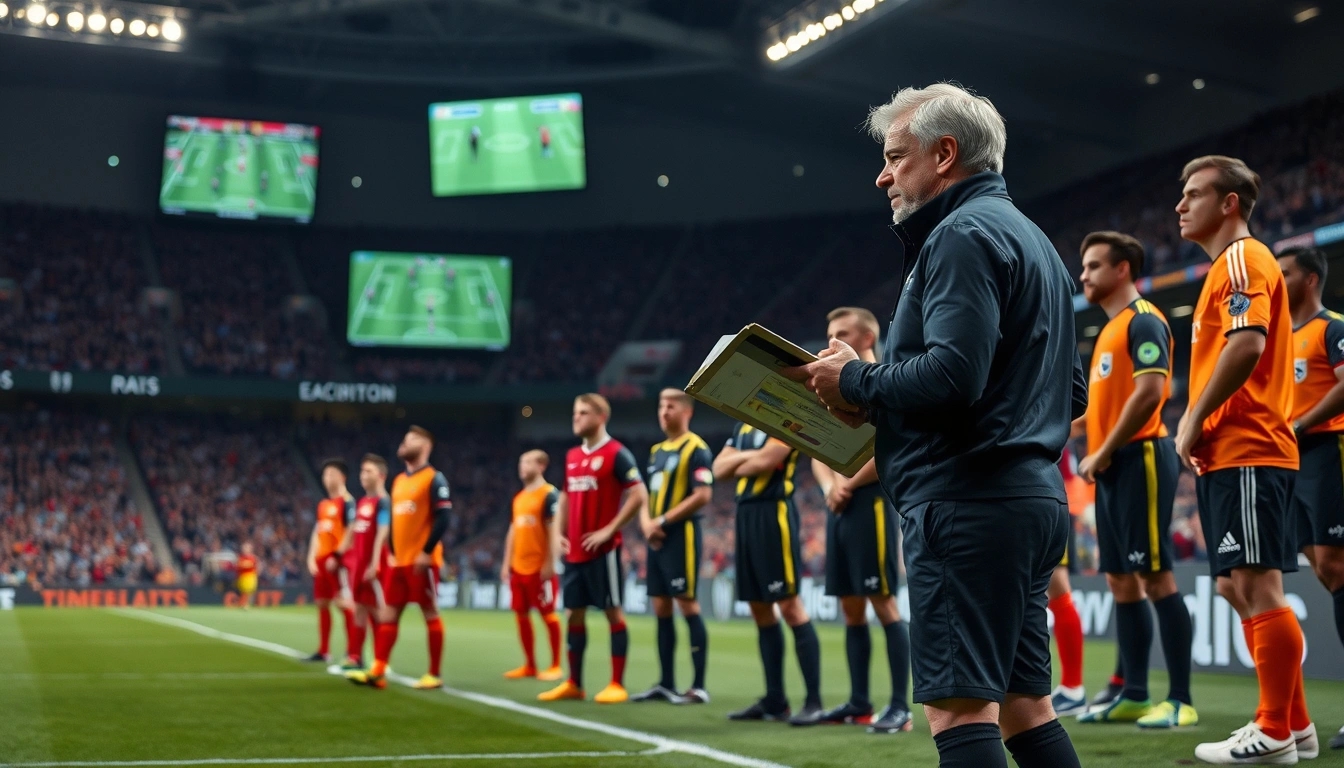
Coaches’ New Playbooks: Adapting to VAR Realities
It’s no secret that the introduction of VAR has thrown a massive wrench into the traditional football playbook. Managers, once comfortable with their tried-and-true tactics, now find themselves scrambling to rewrite strategies that factor in this game-changing technology. It’s like trying to dance while someone keeps pausing the music — frustrating, unpredictable, but necessary. The old instincts about fouls, offsides, and game flow? Tossed out the window and replaced with a new, more cautious approach.
Fouls and Physicality: Walking a Thin Line
Remember the days when a robust shoulder bump or a late tackle might just get a warning? Well, those days are fading fast. VAR’s eagle eye means players are under microscopic scrutiny, and managers have had to coach their squads to dial down the aggression — or risk costly penalties after a VAR review. This shift has led to more emphasis on clean tackling and positional discipline. Teams now spend hours analyzing footage, trying to figure out exactly what crosses the line in the VAR era. The balance between physicality and finesse is a tightrope walk, and one misstep can lead to a penalty or a red card that changes the entire game.
| Aspect | Pre-VAR Approach | Post-VAR Adjustments |
|---|---|---|
| Fouls | More physical, riskier tackles accepted | Increased caution, emphasis on clean challenges |
| Offside Calls | Often missed or lenient calls | Highly scrutinized, defensive lines pushed back |
| Game Flow | Continuous, fast-paced | Interrupted by VAR checks, tactical timeouts used |
Defensive Lines: The New Frontiers of Caution
One of the most obvious tactical shifts is how defensive lines are managed. Coaches have become obsessive about pushing their backlines deeper, sometimes frustratingly so, just to avoid the razor-thin offsides that VAR is merciless about catching. This cautiousness, while understandable, can sometimes kill the attacking momentum and make games feel a bit more “stop-start” than before. But hey, better safe than sorry, right? The risk of having a perfectly good goal chalked off is enough to make any coach twitchy.
- Training Focus: Defensive positioning drills to keep the line intact.
- Communication: Increased shouts and signals to keep track of attackers’ runs.
- Technology Use: Video analysis sessions to study offside patterns and VAR trends.
Managing Game Flow and Substitutions
VAR’s interruptions have forced coaches to rethink when and how they make substitutions. The usual rhythm of the game is disrupted, and timing a change can feel like trying to catch a moving train. Some managers have even started using VAR stoppages as unofficial “timeouts” to regroup or give instructions — a clever workaround if you ask me. But it’s a double-edged sword: too many delays and the team’s momentum can evaporate.
In the end, adapting to VAR is a bit like learning a new language. Coaches who embrace the change and tweak their playbooks accordingly might just find themselves ahead of the curve. Those who don’t? Well, they risk being left behind in a game that’s evolving faster than ever.
Key Takeaways for Coaches:
- Emphasize cleaner, less risky challenges to avoid VAR penalties.- Push defensive lines carefully, balancing offside risk with attacking intent.- Use VAR stoppages strategically for tactical discussions or substitutions.- Invest in video analysis to understand VAR trends and referee tendencies.
VAR isn’t going anywhere, so the managers rewriting their manuals now are the ones who’ll thrive in this brave new football world. And honestly, it’s about time the beautiful game got a little more cerebral — even if it means the occasional headache for coaches and fans alike.
Statistical Shifts Post-VAR Implementation
Alright, let’s get real about VAR and the way it’s turned football stats upside down. You can’t just brush it off as some tech gadget; it’s a full-on game-changer that’s rewritten the numbers game in ways even the sharpest analysts didn’t fully predict. The stats don’t lie—well, they might if you don’t consider VAR’s influence—but once you factor it in, a whole new picture emerges.
First off, fouls called have seen a noticeable uptick. Why? Because VAR’s eagle eyes catch things the refs might have missed in real-time. You know those sneaky little pushes or that borderline elbow? VAR’s got them on replay, and suddenly, what was once waved off is now flagged. Coaches and players alike have had to adjust, knowing that the margin for sneaky fouls has shrunk dramatically. This shift has forced teams to play cleaner or face the consequences, which, let’s be honest, isn’t necessarily a bad thing for the sport’s integrity.
| Stat Category | Pre-VAR Average per Match | Post-VAR Average per Match | Percentage Change |
|---|---|---|---|
| Fouls Called | 18.5 | 22.7 | +22.7% |
| Offsides | 2.8 | 4.3 | +53.6% |
| Penalties Awarded | 0.7 | 1.2 | +71.4% |
Then there’s offsides—oh boy, offsides! Before VAR, linesmen had to make split-second calls, often letting a few ghost offsides slide. Now, with the tech scrutinizing every inch, offsides have jumped dramatically. Teams have gone from barely caring about inch-perfect positioning to obsessing over it like it’s the secret sauce to winning. Defensive lines are tighter, and attackers have to be sharper than ever, timing their runs to the millisecond. It’s almost like watching a chess match with a hawk eye.
Penalties? Yeah, those have gone up too, and not just by a little bit. VAR’s replay system has meant that some soft calls get overturned, but more often than not, blatant fouls in the box that would’ve been missed are now spotted and punished. This has made strikers more cautious about going down too easily, and defenders more aware that a clumsy tackle might cost them big time.
- Fouls: Increased scrutiny means players play cleaner, but also get caught more.
- Offsides: Higher numbers due to precision calls, forcing tactical shifts.
- Penalties: Rise in awarded penalties, changing attacking and defending approaches.
But here’s the kicker—these changes haven’t all been smooth sailing. Some argue that the increased stoppages and statistical shifts have made the game less fluid, more stop-start, and frankly, a bit frustrating for players and fans alike. Others say it’s the price we pay for fairness. Whichever side you’re on, there’s no denying that VAR’s stats revolution is here to stay.
To sum it up, the introduction of VAR has done more than just influence decisions; it’s reshaped the very fabric of football statistics. From fouls to offsides to penalties, the numbers tell a story of a sport adapting to a new era of precision and scrutiny. Whether you love it or hate it, VAR’s impact on football stats is bold, undeniable, and game-changing.
Controversies and Tactical Exploits Around VAR
Let’s be honest, VAR was supposed to be the holy grail of fairness in football — a way to wipe out human error and bring some much-needed clarity to those nail-biting, edge-of-the-seat moments. But, oh boy, has it opened a whole Pandora’s box of new headaches and crafty maneuvers. Instead of just fixing problems, VAR sometimes feels like it’s created a new breed of controversy and tactical gamesmanship that no one saw coming.
First off, the whole idea of VAR was to reduce mistakes, right? But what we ended up with is a system that’s often criticized for inconsistency. One referee might overturn a goal for a millimeter offside, while another lets a blatant foul slide. This inconsistency has sparked endless debates on social media, in pubs, and even boardrooms. Fans and pundits alike are scratching their heads, wondering if VAR is really helping or just making things messier.
- Loopholes in the offside rule: Some teams have become masters at exploiting the tiniest gaps in the offside interpretation. Clever forwards will time their runs to the millisecond, knowing VAR might hesitate to call it. Meanwhile, defenders are forced to play on a knife-edge, trying not to step over the line but still keep attackers in check.
- Deliberate fouls and tactical stoppages: Ever noticed how some players seem to “accidentally” trip or fall right where the VAR can intervene? Tactical fouling has become an art form. Teams use these moments to slow the game down, disrupt momentum, or even influence the referee’s decision post-review.
| Controversy Type | Example | Impact on Tactics |
|---|---|---|
| Offside Margins | Goals disallowed for millimeters | Teams train forwards to time runs precisely, defensive lines pushed higher |
| VAR Delay Exploits | Players exaggerating fouls to trigger reviews | Game tempo manipulated, coaches adjust substitution timing |
| Referee Hesitation | Inconsistent decisions on similar incidents | Players and coaches second-guess calls, leading to frustration |
And here’s a kicker — some managers have actually started building their game plans around these VAR quirks. It’s like a chess match, but instead of just outplaying the opponent, you’re also trying to outsmart the technology and the officials. For example, teams might encourage players to push for borderline offsides, knowing the VAR might not catch it every time. Or they might instruct players to “go down easy” in certain zones, hoping for a penalty review. It’s tactical, it’s sneaky, and it’s sometimes downright frustrating to watch.
Psychologically, VAR has also thrown a wrench into the traditional referee-player dynamic. Players now argue less with refs on the pitch because they know VAR might step in, but at the same time, they’re more anxious and second-guess every touch, every sprint, every tackle. This tension seeps into the game, sometimes killing the spontaneous magic football is known for.
- VAR delays break the flow, and some players lose their rhythm.
- Referees, feeling the pressure of constant scrutiny, might become overly cautious.
- Fans get restless, grumbling about “robots ruining football.”
So, while VAR’s aim was pure — to make football fairer — it’s also become a playground for clever tactics and fresh controversies. Whether it’s borderline offsides, drawn-out reviews, or subtle gamesmanship, VAR has rewritten the rulebook in ways that no one predicted. Love it or hate it, one thing’s for sure: football tactics will keep evolving as teams keep finding new ways to dance around the system.
In the end, VAR isn’t just a tool — it’s a whole new battlefield for strategy, psychology, and yes, a fair share of controversy.
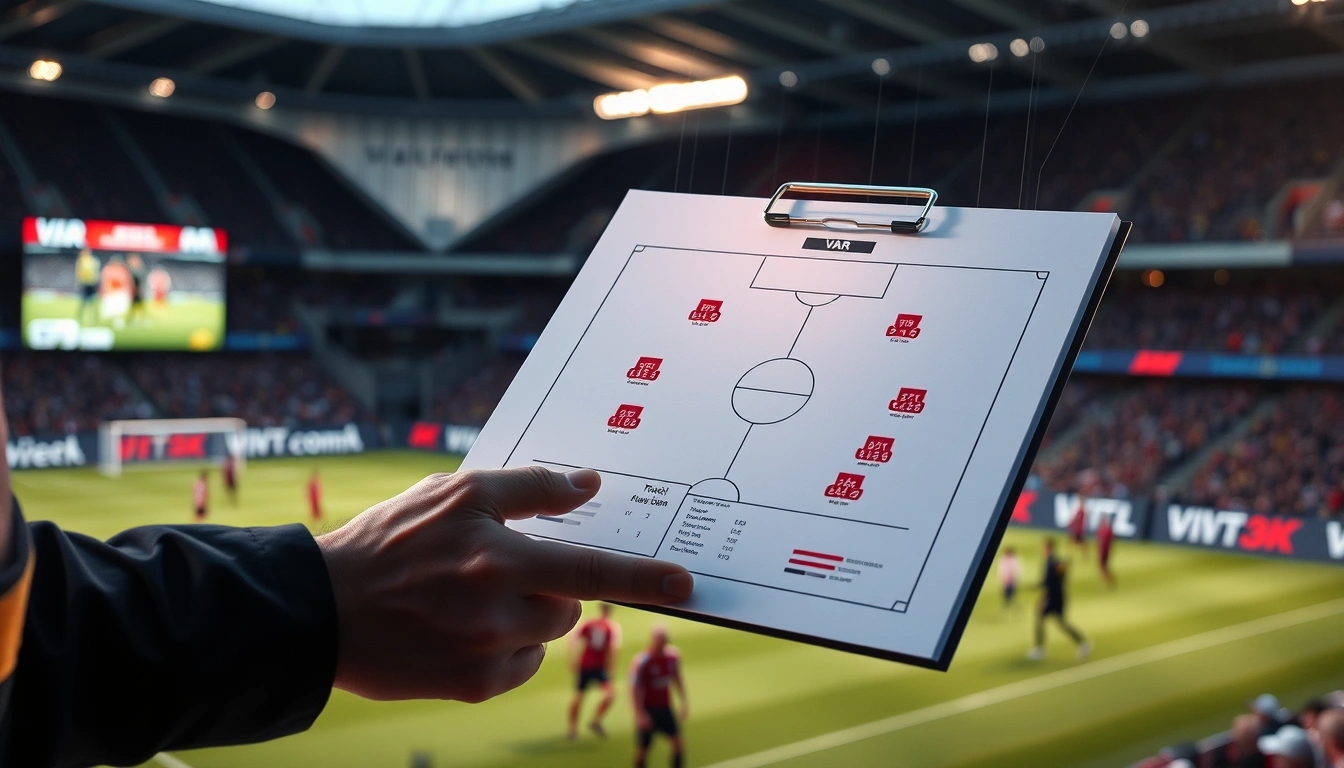
Future Tactical Trends in a VAR-Driven World
Alright, let’s get real about where football tactics might be headed as VAR tech keeps leveling up and weaving itself deeper into the fabric of the game. VAR’s no longer just a novelty or a controversial side show — it’s becoming a core part of how teams plan, play, and even breathe on the pitch. So, what’s next? Buckle up, because the future’s looking like a tactical chess match with a tech twist.
First off, expect teams to get even more obsessed with precision. We’re talking about players being drilled on millimeters of positioning, especially attackers and defenders. The days of “close enough” offsides are over. As VAR’s cameras get sharper and algorithms smarter, coaches will push their squads to the edge of the rules without crossing them — kind of like walking a tightrope with a referee’s eye glued to your every move.
- Micro-tactical adjustments: We’ll see more in-game tweaks based on VAR feedback loops. Imagine coaches using halftime or even quick VAR stoppages to relay instant data to players — “Hey, drop a yard on the offside line,” or “Be wary of that subtle handball.”
- Data-driven decisions: Analytics won’t just track passes and shots anymore. They’ll monitor VAR-related stats — offsides called, fouls overturned, penalties awarded — and these will shape training and matchday strategies.
Now, on the psychological front, players might become borderline paranoid. Knowing that VAR can catch the tiniest foul or offside, some might play it safe, curbing their natural flair and risk-taking. That’s a double-edged sword — on one hand, fewer reckless challenges, but on the other, less spontaneity and magic moments that make football, well, football.
| Aspect | Potential Tactical Impact | Examples |
|---|---|---|
| Defensive Lines | More conservative positioning to avoid offsides | Dropping the line deeper in high-press systems |
| Attacking Runs | Sharper timing and coordination to beat VAR scrutiny | Strikers rehearsing split-second movements |
| Set-Pieces | Increased focus on clean, legal positioning | Rehearsed routines avoiding handball risks |
But hey, VAR’s not perfect, and crafty coaches will find loopholes. We might see “VAR gamesmanship” — subtle fouls or offsides that are borderline enough to cause confusion but slip through the cracks. This cat-and-mouse game between referees, VAR tech, and tactical masterminds will keep evolving.
- Game management: Coaches might exploit VAR delays to disrupt opponents’ momentum or to calm their own players down.
- Substitution strategies: Expect more tactical substitutions timed with VAR reviews to maximize impact.
To sum it up, as VAR tech becomes sharper and more embedded, football will transform into a game where precision, patience, and psychological resilience are as vital as physical skill. The beautiful game’s future might just be a thrilling blend of human creativity and cold, hard tech scrutiny — and honestly, that’s a cocktail I’m curious to see shaken, not stirred.
So, keep your eyes peeled. The next decade of football tactics won’t just be about who’s faster or stronger — it’ll be about who’s smartest with VAR in their corner.
Frequently Asked Questions
- What exactly is VAR and how does it influence football tactics?
VAR, or Video Assistant Referee, is a technology used to review decisions made by the on-field referee through video footage. It has dramatically shifted football tactics by making players and coaches more cautious, knowing that even the smallest errors can be caught. This has led to smarter defensive lines, more calculated attacking moves, and an overall more disciplined style of play.
- How has VAR affected the pace and flow of football matches?
VAR introduces pauses for reviews, which can slow down the game’s rhythm. Coaches now use these moments as tactical timeouts, adjusting player positions and substitutions during stoppages. While some fans find it disruptive, teams have learned to embrace these breaks as opportunities to regroup and strategize.
- Why are defensive lines more cautious since VAR was introduced?
Before VAR, defenders sometimes took risks by pushing the offside trap, hoping the referee might miss a marginal call. Now, with video technology scrutinizing every move, defensive lines are more disciplined and precise to avoid costly offsides that can lead to goals against them.
- In what ways has VAR changed attacking strategies?
Attackers must be sharper and more aware of their positioning. Strikers and wingers can no longer rely on close calls or referee errors to gain an advantage. This has encouraged more intelligent runs and cleaner plays, as any foul or offside can be flagged instantly.
- Does VAR affect the psychology of players and referees?
Absolutely! Players feel the pressure of constant monitoring, which can lead to hesitation or frustration. Referees, on the other hand, may second-guess their calls, knowing VAR can overrule them. This mental game adds a new layer of complexity to football tactics and on-field behavior.
- How have coaches adapted their game plans because of VAR?
Coaches have rewritten their playbooks to factor in VAR’s influence. They emphasize cleaner play, smarter fouling, and more strategic positioning. Substitutions and game management are also timed around VAR stoppages, turning potential disruptions into tactical advantages.
- What statistical changes have been observed since VAR’s implementation?
Statistics show an increase in fouls called, offsides flagged, and penalties awarded. VAR has made the game more precise but also more cautious, which is reflected in these numbers. This shift has forced analysts and teams to rethink traditional football metrics.
- Are there any controversies or loopholes related to VAR tactics?
Yes, despite its goal to make decisions fairer, VAR has sparked debates. Some teams exploit timing or subtle fouls that are harder to catch on video. Controversies continue as the technology and its application evolve, keeping fans and experts on their toes.
- What might the future hold for football tactics in a world dominated by VAR?
As VAR technology advances, expect even more refined tactics. Teams will develop new ways to exploit or adapt to VAR’s presence, possibly leading to faster reviews and smarter gameplay. The beautiful game is evolving, and VAR is at the heart of this tactical revolution.