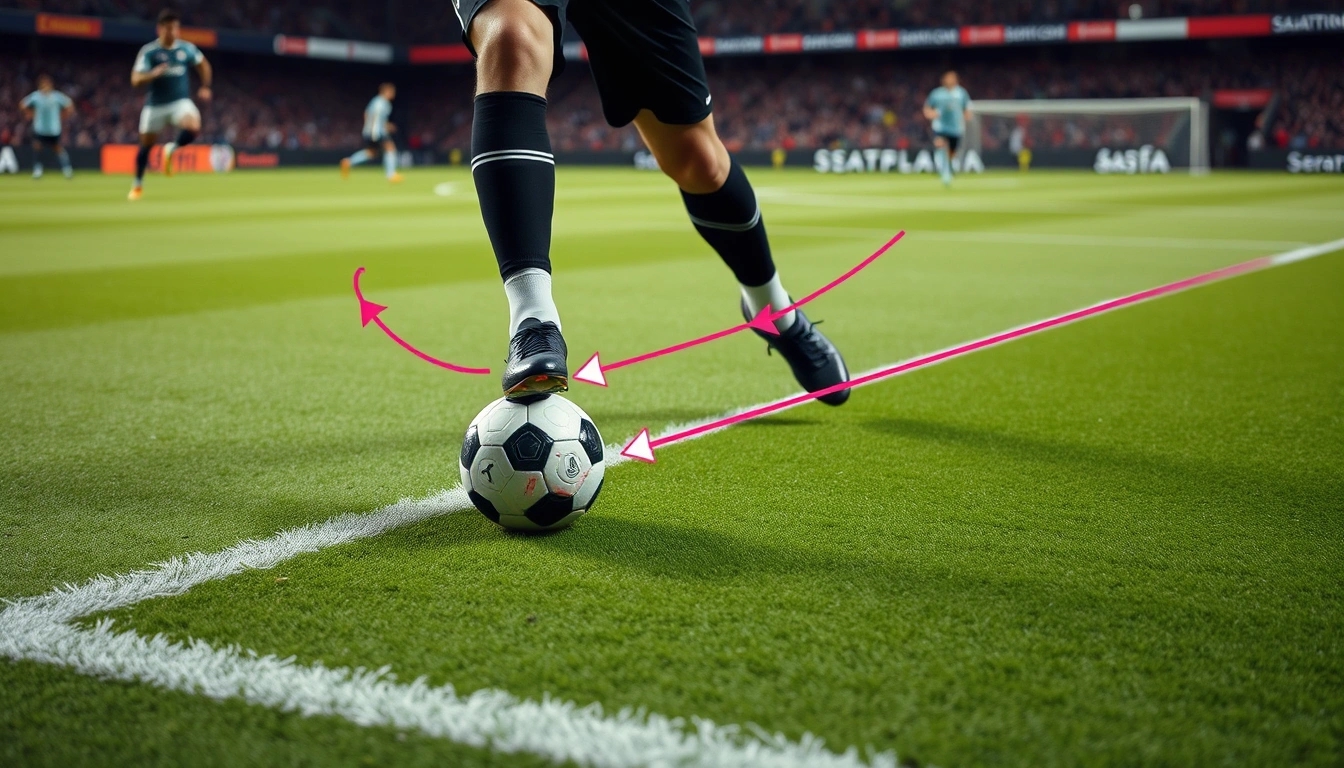
Ah, the classic winger cutting inside — a move that’s as old as football itself but somehow still manages to keep defenders scratching their heads. You see it all the time in modern football, those crafty wide players who, instead of hugging the touchline, decide to slice diagonally into the heart of the pitch. But what’s really going on here? Why do wingers do this, and how does it shake up the game? Let’s dive into the art and science behind this slick maneuver.
Understanding the Basics of Cutting Inside
At its core, “cutting inside” means that a winger moves from a wide position toward the center of the field, usually onto their stronger foot. This isn’t just a random dash; it’s a calculated move to open up better shooting angles or create space for overlapping fullbacks. Think of it as a chess move — by drifting inside, the winger forces defenders to make tough choices: do they follow and leave space wide open or hold their ground and risk letting the winger shoot or pass?
| Aspect | Effect of Cutting Inside |
|---|---|
| Offensive Dynamics | Creates shooting opportunities, overloads central midfield |
| Defensive Setup | Forces defenders to adjust positioning, risk of exposing flanks |
Why Do Wingers Prefer Cutting Inside?
It’s not just flair. Cutting inside offers a bunch of advantages: better angles for curling shots, the chance to combine with midfielders or strikers, and frankly, it messes with defenders’ heads. Take Premier League stars like Mohamed Salah or Son Heung-min — both love to cut inside and unleash a shot or thread a killer pass. It’s about creating unpredictability. Defenders hate guessing, and cutting inside is a way to keep them on their toes.
- Better shooting angles — more goal-scoring chances
- Overloads — numerical superiority in central areas
- Confusion — defenders unsure whether to follow or hold position
Role of Player Attributes in Cutting Inside
Not every winger can pull this off. You need pace to burst past defenders, dribbling skills to navigate tight spaces, and vision to pick out teammates or know when to shoot. Players like Eden Hazard or Raheem Sterling excel here — their speed and close control make defenders look silly. On the flip side, a winger lacking in these areas might find cutting inside a recipe for losing possession.
| Attribute | Impact on Cutting Inside |
|---|---|
| Speed | Helps beat defenders and exploit gaps |
| Dribbling | Essential for tight control and evading tackles |
| Vision | Crucial for decision-making and creating chances |
Common Defensive Reactions to Cutting Inside
Defenders aren’t just sitting ducks. When a winger cuts inside, fullbacks might tuck in tighter or midfielders drop back to cover. Sometimes you’ll see tactical fouls — a little nudge to stop the winger’s momentum. Teams might even adjust formations mid-game to counter this threat. It’s a cat-and-mouse game where every move counts.
Impact on Team Formation and Strategy
Cutting inside doesn’t happen in a vacuum. It changes the whole team shape. Fullbacks often push higher to maintain width, midfielders shift to cover spaces, and passing lanes open up differently. Formations like 4-3-3 or 4-2-3-1 encourage this style, allowing wingers to become inverted forwards who can shoot or create.
Statistical Insights: Success Rates and Outcomes
Numbers don’t lie. Studies show that wingers cutting inside lead to a higher percentage of shots on target and assists compared to hugging the touchline. However, it can also increase turnovers if the player isn’t careful. A quick glance at recent league stats reveals that teams relying heavily on inverted wingers often rank higher in expected goals (xG).
Training Drills to Master Cutting Inside
Coaches swear by drills focusing on timing, control, and decision-making. One popular exercise involves cones set up to simulate defenders, where wingers practice dribbling inside and either shooting or passing under pressure. Another drill emphasizes quick one-twos with midfielders to exploit space created by cutting inside.
Historical Evolution of the Cutting Inside Tactic
This isn’t a new invention. Back in the day, wingers stuck to the byline and crossed balls into the box. But as football evolved, so did roles. The “inverted winger” emerged, popularized by legends like Arjen Robben, who famously cut inside onto his lethal left foot. Today, it’s a staple tactic for many top teams worldwide.
Risks and Downsides of Cutting Inside
Of course, it’s not all sunshine and rainbows. Cutting inside can leave your team exposed on the flanks, making it vulnerable to counterattacks. Defenders might exploit the vacated wide spaces, and if the winger loses the ball inside, it can lead to dangerous turnovers. Coaches must balance the risk and reward carefully.
In the end, cutting inside is a beautiful blend of art and strategy — a move that demands skill, brains, and a little bit of audacity. When done right, it can change the course of a game; when done wrong, well… you might just find yourself chasing the ball back to defend.
Understanding the Basics of Cutting Inside
Cutting inside — sounds fancy, right? But at its core, it’s pretty straightforward: it’s when a winger, instead of sticking to the touchline, dribbles diagonally towards the center of the pitch. Now, why would they do that? Well, it’s a clever little trick to shake up the defense and open new doors for attack. When a winger cuts inside, they often leave their traditional wide area, creating a different angle to shoot or pass. This move isn’t just about individual flair; it’s a strategic chess play that influences the entire team’s offensive flow.
Think of it like this: defenders usually expect wingers to hug the sideline, crossing balls into the box or stretching the backline. But when the winger cuts inside, it messes with the defenders’ heads. Suddenly, the full-back chasing them has to decide — do they follow inside, leaving space out wide, or hold their position and risk giving the attacker room to operate? This split-second choice can create gaps in the defense, which teammates can exploit.
| Aspect | Effect of Cutting Inside |
|---|---|
| Offensive Dynamics | Creates shooting opportunities from central areas, overloads midfield, and opens passing lanes. |
| Defensive Setup | Forces defenders to shift positions, risks leaving wide spaces, and may invite tactical fouls. |
It’s also about the winger’s preferred foot. A right-footed player on the left wing cutting inside onto their stronger foot can unleash a curling shot or thread a killer pass. The same goes for left-footers on the right flank. This inverted approach has become a staple in modern football because it maximizes goal threat from wide players.
- Why cut inside? To get better angles for shots or create overloads in midfield.
- What’s the risk? Losing width and potentially exposing your own defense.
- Who benefits? The whole team — attackers get more options, midfielders find space, and strikers receive better service.
But it’s not all sunshine and rainbows. When wingers cut inside, their flank can become a no-man’s land if the full-back doesn’t push up to cover. That’s where team coordination kicks in — midfielders or wing-backs often have to fill the vacated wide spaces to maintain balance. Otherwise, you’re basically inviting the opposition to break on the counter.
In short, cutting inside is a tactical gamble — a move packed with potential rewards but also risks. It’s a dance between creativity and discipline, and when done right, it can turn the tide of a game. So next time you see a winger suddenly veer off the touchline and slice through the defense, you’ll know it’s not just flair — it’s football strategy in action.
Why Do Wingers Prefer Cutting Inside?
When you watch a winger suddenly veer away from the touchline and slice through the heart of the defense, it’s not just a whim or fancy — there’s a whole tactical chess game behind that move. Cutting inside has become one of the most effective and popular tricks in football, favored by coaches and players alike for a bunch of reasons that go way beyond just looking flashy on the pitch.
First off, the shooting angle is a game-changer. Imagine a right-footed winger hugging the right sideline – their shooting options are pretty limited, right? But when they cut inside toward the center, suddenly the goal opens up like a buffet. They get a better line to curl those beauties into the top corner or unleash a powerful strike. It’s no coincidence that some of the best goal scorers in football history, like Arjen Robben or Mohamed Salah, have made this move their bread and butter.
- Better shooting angles: Cutting inside shifts the winger into a more central position, giving them a clearer view of the goal and more space to shoot.
- Creating overloads: By moving inside, wingers can combine with midfielders and strikers, creating numerical superiority in tight areas.
- Confusing defenders: Defenders often expect wingers to stay wide, so when they cut inside, it forces defenders to make quick decisions, sometimes leading to mistakes or fouls.
| Classic Examples | League | Player | Impact |
|---|---|---|---|
| Robben’s iconic cut inside against Spain (2014 WC) | World Cup | Arjen Robben | Created a near goal-scoring chance |
| Salah’s deadly cuts inside for Liverpool | Premier League | Mohamed Salah | Multiple goals & assists |
| Messi’s dribble and cut inside routine | La Liga | Lionel Messi | Consistent goal threat |
Now, let’s not pretend this tactic is foolproof. It also messes with the defensive shape, forcing defenders to either follow the winger inside—leaving space on the flank—or hold their ground and risk getting beaten. This cat-and-mouse game can open up passing lanes for teammates or create chances for quick one-twos. But hey, defenders aren’t dumb; many teams have adapted by deploying defensive midfielders who drop back to plug the gaps or fullbacks who stay tight and try to force the winger back outside.
Here’s a quick rundown of why wingers are so hooked on cutting inside:
- More goal-scoring opportunities: Central areas are prime real estate for shooting and threading killer passes.
- Overloading midfield: By joining the midfield, wingers create numbers advantage, which can destabilize opponents.
- Unpredictability: Defenders hate guessing games, and cutting inside keeps them on their toes.
In short, cutting inside is a crafty blend of space exploitation and psychological warfare. It’s a move that demands skill, timing, and a bit of audacity — and when pulled off right, it’s pure magic that can change the course of a match. So next time you see a winger drifting inside, remember, it’s not just flair — it’s football strategy at its finest.
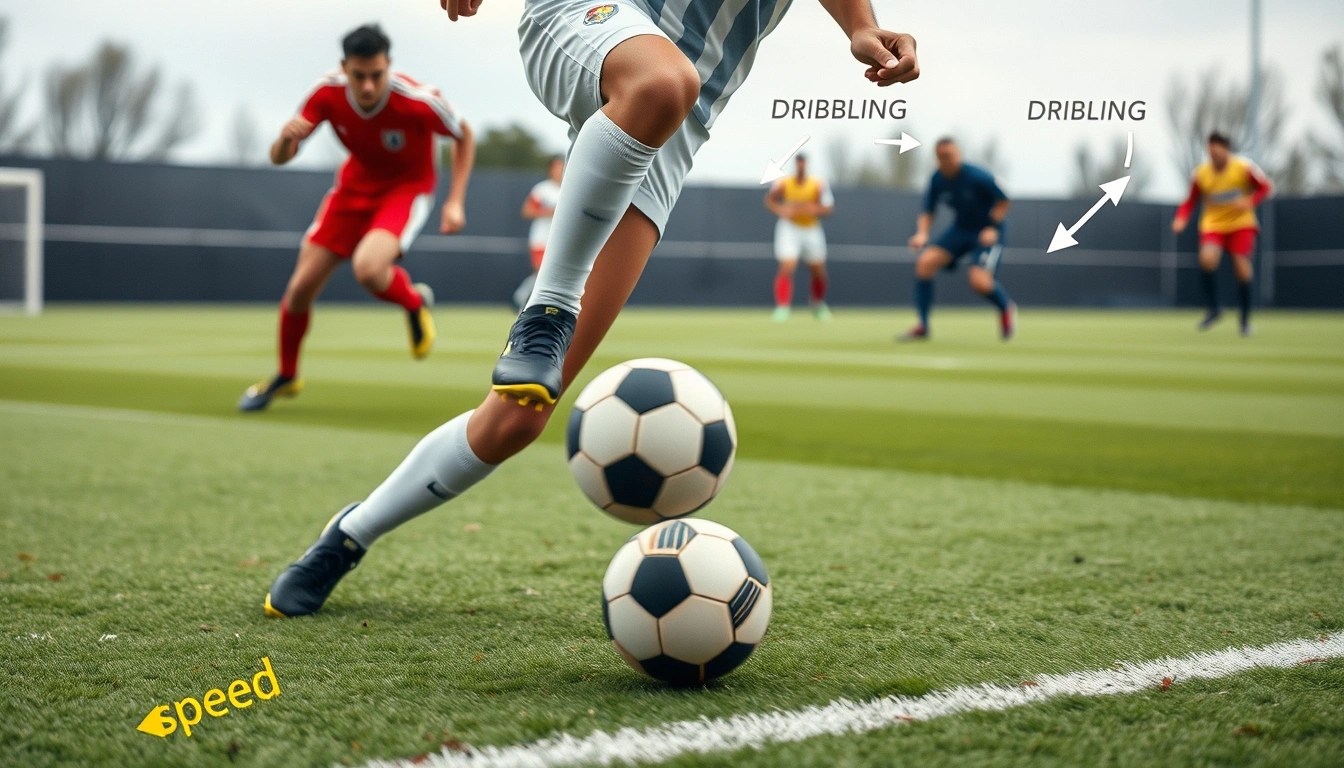
Role of Player Attributes in Cutting Inside
When it comes to wingers cutting inside, it’s not just a fancy move or a random dash towards the penalty box. It’s an art form that hinges heavily on a few key player attributes: speed, dribbling skills, and vision. These three elements combine to make or break the effectiveness of a winger’s attempt to slice through defenses and create scoring opportunities. Let’s unpack how each plays a crucial role and spotlight some players who either nail it or, well, flop it.
First off, speed—it’s the obvious one, right? But speed isn’t just about sprinting past defenders; it’s about acceleration and timing. A winger who can suddenly burst inside before a defender adjusts their position gains a massive advantage. Think of players like Kylian Mbappé or Raheem Sterling, whose lightning-fast pace allows them to dart inside and leave defenders eating dust. On the flip side, wingers lacking that explosive speed often find their attempts to cut inside easily snuffed out by defenders who can keep pace or anticipate the move.
| Attribute | Impact When Strong | Impact When Weak |
|---|---|---|
| Speed | Quick bursts create separation, catch defenders off guard | Defenders close down space easily, move becomes predictable |
| Dribbling Skills | Ability to maneuver tight spaces, evade tackles | Easy to dispossess, loses ball frequently |
| Vision | Sees passing lanes, anticipates teammate runs | Missed opportunities, poor decision-making |
Next up is dribbling skills. It’s not enough to be fast; a winger must control the ball tightly and change direction smoothly. This is where players like Mohamed Salah shine. His close control and quick feet let him weave inside defenders, making the move unpredictable and dangerous. Meanwhile, wingers who lack solid dribbling often end up fumbling the ball or getting stuck, making their cutting inside attempts a liability rather than an asset.
Now, let’s talk vision. This is the subtle, sometimes overlooked aspect. Vision is about knowing when to cut inside, spotting teammates making runs, or recognizing when to shoot. Lionel Messi is the textbook example—his ability to read the game means he rarely wastes a cut inside. He either finds a sniper in the box or slots a shot with surgical precision. Players without this foresight might cut inside blindly, often resulting in turnovers or wasted chances.
- Players excelling at cutting inside: Mbappé, Salah, Messi, Sterling
- Players struggling with the move: Those with limited pace, weak dribbling, or poor game awareness
Of course, even the best wingers can get caught out. Sometimes defenders predict the cut, or the winger misjudges their timing. And here’s a cheeky truth: some wingers who rely too much on cutting inside might become predictable, allowing defenders to set traps. So, while speed, dribbling, and vision are crucial, mixing up the play remains key.
In sum, cutting inside is a high-risk, high-reward tactic that demands a blend of physical attributes and mental sharpness. Speed lets you break the line, dribbling keeps you in control, and vision ensures you make the right decisions. Master these, and you’re a nightmare for defenders. Fail at one, and, well, you might just be handing the ball back to the opposition.
Common Defensive Reactions to Cutting Inside
When a winger decides to cut inside, defenders suddenly find themselves in a bit of a pickle. It’s not just about sticking to their man anymore; it’s about anticipating a whole new set of moves. Defenders have to be sharp, adaptable, and sometimes downright sneaky to stop these crafty attackers from carving open defenses like a hot knife through butter. So, what do defenders actually do when faced with a winger who loves to drift inside? Let’s break it down.
Shifting Formations and Defensive Shapes
One of the first things defenders do is adjust their positioning. Instead of rigidly marking the winger, full-backs often tuck in closer to the center-backs, effectively turning a back four into something resembling a back five temporarily. This shift helps clog the central channels that the winger is aiming for. Midfielders might also drop deeper to provide extra cover, making it tougher for the attacker to find space.
| Defensive Adjustment | Purpose | Effect on Attacker |
|---|---|---|
| Full-back moves inside | Close down central space | Limits shooting and passing lanes |
| Midfielder drops deeper | Provide additional cover | Reduces options for quick combinations |
| Center-backs shift laterally | Maintain compactness | Prevents through balls |
Tactical Fouls and Physicality
If the winger is particularly dangerous and persistent, defenders sometimes resort to the less glamorous but often effective tactic of tactical fouling. It’s a bit of a cat-and-mouse game—stop the winger’s rhythm, disrupt the flow, and force the referee’s whistle. Of course, this can backfire if overdone, leading to dangerous free-kicks or even bookings. But hey, desperate times call for desperate measures.
- Early challenges: Defenders might step in aggressively as soon as the winger starts to cut inside, trying to force a mistake.
- Body positioning: Using their body to shepherd the winger away from central zones and into less threatening wide areas.
- Double-teaming: Occasionally, a midfielder will drop back to help double up on the winger, especially if he’s a known game-changer.
Now, you might think that wingers have it easy once they start cutting inside, but defenders have developed plenty of tricks to keep them in check. The key takeaway? It’s a constant chess match, with defenders trying to anticipate and nullify the winger’s moves without leaving gaps elsewhere.
What This Means for Attackers
For attackers, this defensive adaptation means they can’t just rely on one move. Cutting inside is effective, sure, but only if it’s mixed up with other tactics—quick one-twos, sudden switches of play, or even feints to draw defenders out of position. Wingers who try to barrel straight through risk running into a brick wall of defenders ready to pounce.
Tips for Attackers Facing Adapted Defenses:- Vary your runs: Don’t always cut inside the same way.- Use pace and timing: Beat defenders before they can adjust.- Combine with teammates: Quick passes can break down compact defenses.- Stay unpredictable: Mix inside cuts with wide runs to stretch defenses.
In the end, the tug-of-war between wingers cutting inside and defenders adapting is what makes football so endlessly fascinating. It’s a dynamic dance of skill, strategy, and sometimes sheer stubbornness. And honestly, if it were easy, it wouldn’t be nearly as exciting to watch.
Impact on Team Formation and Strategy
When wingers cut inside, it’s not just a flashy move to get a better shot on goal—it fundamentally reshapes how the entire team operates on the pitch. You see, this tactic forces a ripple effect that touches midfield roles, passing lanes, and overall team shape. It’s like pulling a thread on a sweater; suddenly, everything shifts and adjusts.
First off, cutting inside pulls wingers away from the touchline, which means the team loses some natural width. This change makes the midfield busier since the central zones get crowded. Midfielders have to adapt quickly—some might drop deeper to cover the vacated wide areas, while others push up to support the now-central winger. This can lead to a more compact, narrow formation that’s great for quick, short passes but leaves the flanks vulnerable if the fullbacks don’t push up aggressively.
| Formation | Effect of Wingers Cutting Inside | Midfield Role Changes | Passing Lane Adjustments |
|---|---|---|---|
| 4-3-3 | Wingers move centrally, creating overloads in midfield | Midfielders cover wide spaces, sometimes becoming wing-backs | More diagonal passes to fullbacks, increased central passing |
| 4-2-3-1 | Attacking midfielders drift inside, supporting striker | Defensive mids provide width, fullbacks overlap | Passing lanes open up between midfield and attack |
| 3-5-2 | Wingbacks provide width as wingers cut inside | Midfield becomes congested, requiring quick ball movement | Emphasis on quick one-twos and vertical passes |
Popular formations like the 4-3-3 or 4-2-3-1 really embrace this move. Coaches love it because it creates numerical superiority in central areas, making it easier to dominate possession and break down stubborn defenses. But it’s a double-edged sword; if the fullbacks don’t have the stamina or tactical discipline to provide width, the team can get easily pinned back.
- Midfielders become the unsung heroes, tasked with covering wide zones and offering passing options.
- Fullbacks turn into auxiliary wingers, bombing forward to stretch the opposition defense.
- Passing lanes shift—instead of hugging the sidelines, the ball often zips through the middle with quick, incisive passes.
But let’s be honest, not every winger is a magician on the ball. Some players struggle to cut inside effectively because it demands a mix of vision, dribbling, and quick decision-making. When it works, it’s poetry in motion; when it doesn’t, it can leave the team disorganized and exposed.
In essence, cutting inside isn’t just a flashy move for individual glory; it’s a strategic chess move. It forces teams to rethink their formation on the fly, shifts midfield responsibilities, and opens up new passing channels. Coaches who master this tactic can unlock their team’s full attacking potential, while those who ignore it risk falling behind in the evolving tactical landscape of modern football.
So next time you see a winger slice inside, remember—it’s not just a dribble, it’s a tactical pivot that can make or break a game.

Statistical Insights: Success Rates and Outcomes
When it comes to the art of wingers cutting inside, numbers don’t lie — but they sure do tell a story with a few twists and turns. Let’s dive into some cold, hard stats from the biggest football leagues to see just how often this move actually translates into something useful: shots, assists, or, well, turnovers (because not every cut inside goes as planned). Spoiler alert: it’s a mixed bag, but mostly pretty effective.
First off, cutting inside isn’t just a flashy trick; it’s a tactical weapon. According to data collected over the last two seasons from the English Premier League, La Liga, and Serie A, wingers who cut inside average around 2.3 shots per 90 minutes. That’s a solid number considering the average winger doesn’t always get clean shooting opportunities. The logic? When a winger cuts inside, they open up better shooting angles, often moving from a tight sideline to a more central, dangerous position.
| League | Shots per 90 (Cut Inside) | Assists per 90 (Cut Inside) | Turnovers per 90 (Cut Inside) |
|---|---|---|---|
| English Premier League | 2.4 | 0.6 | 1.8 |
| La Liga | 2.1 | 0.7 | 1.5 |
| Serie A | 2.3 | 0.5 | 1.7 |
Assists? Yeah, that’s the sweet spot. When a winger cuts inside, they don’t just aim for glory themselves; they create overloads in the middle, drawing in defenders and freeing up teammates. The stats back this up: assist rates hover around 0.5 to 0.7 per 90 minutes for cut-ins, which is quite respectable. It’s no coincidence that players like Riyad Mahrez, Bernardo Silva, and Federico Chiesa, who love cutting inside, often rack up assists in addition to goals.
But hey, it’s not all sunshine and rainbows. The flip side is turnovers. Cutting inside means wingers often run into tighter spaces and more defenders, increasing the risk of losing possession. Turnovers per 90 minutes for cut-ins sit around 1.5 to 1.8, which is a bit higher than when wingers stick to the flank. It’s like playing with fire — you might get a goal or assist, or you might just gift the ball to the opposition and get a lecture from your coach.
- Why are turnovers so common? Because defenders expect it. They pack the middle, making it harder for the winger to dribble through or pass out cleanly.
- Is it worth it? Generally, yes. The potential reward outweighs the risk, especially for teams that rely on dynamic attacking play.
Now, if you’re wondering whether cutting inside is more effective at home or away, well, the stats show a slight edge at home games. Possibly because teams play more aggressively and wingers feel less pressure to stay wide.
Summary of Cutting Inside Outcomes:- Shots: ~2.3 per 90 mins (good frequency)- Assists: ~0.6 per 90 mins (creates chances)- Turnovers: ~1.7 per 90 mins (higher risk)
To wrap it up, cutting inside is a gamble that usually pays off. It’s a tactic that blends creativity with risk, and the numbers prove it’s a move coaches love to see. So next time you watch your favorite winger slice through defenders and whip in a shot or pass, remember — behind that moment is a whole world of stats backing the madness.
In football, sometimes you gotta risk losing the ball to create magic. Cutting inside? That’s the gamble wingers take every game.
Training Drills to Master Cutting Inside
Alright, let’s get real about how coaches get wingers to nail that tricky cutting inside move — it’s not just about fancy footwork or raw speed. It’s a whole package: timing, control, and quick decision-making all rolled into one. And trust me, pulling this off in a match is a different beast compared to just practicing in the backyard.
First off, timing is king. Coaches often run reaction drills where wingers have to sprint towards the touchline, then suddenly get a signal (like a whistle or a hand clap) to cut inside sharply. The idea? Train their brains and legs to sync perfectly so they don’t hesitate or get caught flat-footed. Hesitation is the enemy here — if you’re a split-second slow, defenders sniff you out and boom, your move is dead.
- Example Drill: Set up cones in a zigzag pattern near the wing. The player dribbles down the line, and on the coach’s signal, they cut inside between cones, accelerating into space.
- Why it works: It mimics the unpredictability of a real game and forces players to make split-second decisions while maintaining control.
Next, control is a huge deal. Think about it — cutting inside means changing direction sharply, often at full speed, with the ball glued to your feet. Coaches use close control drills where wingers dribble through tight spaces or around cones with limited touches. Sometimes, they add a defender or two to simulate pressure, making sure the winger can still keep the ball close and not just blast it away.
| Drill Name | Objective | Setup |
|---|---|---|
| Cone Weave | Improve dribbling tight turns | 10 cones spaced 1 meter apart in a straight line |
| 1v1 Shadow | Control under pressure | Winger vs. defender in 10x10m grid |
| Cut & Shoot | Decision-making + finishing | Player cuts inside from wing and shoots on goal |
Now, decision-making — oh boy, this is where many wingers trip up. When to cut inside? When to hold wide? Coaches throw in scenario-based drills where players must read the defender’s body language, teammates’ positions, and even the goalkeeper’s stance before deciding. It’s not just about instinct; it’s about training the brain to analyze the field in seconds.
- One drill involves a coach acting as a “defender” who moves unpredictably. The winger must decide whether to cut inside, pass, or cross based on the defender’s position.
- Another has players watch video clips of matches, then immediately practice similar moves on the pitch, reinforcing the link between theory and practice.
To wrap it up, mastering cutting inside isn’t a walk in the park. It’s a mix of explosive speed, razor-sharp control, and split-second decisions. Coaches know this, so they pile on drills that hit all these aspects, often layering them into intense training sessions. The best wingers? They don’t just practice these moves — they live and breathe them until cutting inside becomes second nature.
So next time you see a winger slice through defenders with that slick inside cut, remember: behind that magic moment is a mountain of sweat, drills, and some serious brain work.
Historical Evolution of the Cutting Inside Tactic
Alright, let’s take a stroll down football memory lane and see how the whole “cutting inside” business went from a cheeky little trick to a full-blown tactical staple. Back in the day, wings were all about hugging the touchline, sprinting down the flank, and whipping in crosses like their lives depended on it. Think of the classic wingers from the ’70s and ’80s — their job was pretty straightforward: stretch the defense wide, send in those pinpoint crosses for the strikers, and maybe take on a defender or two if the mood struck. Simple, right?
But then, football got a bit smarter, or maybe just sneakier. Enter the inverted winger — a player who doesn’t stick to the sidelines but instead cuts inside onto their stronger foot, usually moving from the flank towards the center of the pitch. This shift wasn’t just some random idea; it was a tactical evolution that changed how teams attacked and how defenders scrambled to keep up.
| Era | Wing Play Style | Key Characteristics | Notable Players |
|---|---|---|---|
| Traditional (Pre-1990s) | Classic Winger | Wide positioning, crossing focus, speed down the line | George Best, Stanley Matthews |
| Transition (1990s-2000s) | Emerging Inverted Winger | Cutting inside occasionally, shooting from distance | Ryan Giggs, Luís Figo |
| Modern (2010s-Present) | Inverted Winger | Regularly cuts inside, goal threat, playmaking role | Arjen Robben, Mohamed Salah, Eden Hazard |
If you look at legends like Arjen Robben, you’ll see the archetype of this tactic. The Dutchman was infamous for starting wide on the right and then slicing inside onto his left foot with surgical precision, leaving defenders grasping at thin air. His trademark move? That wicked cut inside followed by a curling shot that made goalkeepers look like they were frozen in time.
But it wasn’t just about scoring goals. This evolution also brought a new dimension to team tactics. Coaches started tweaking formations to accommodate these inside-cutting wingers, often deploying narrow midfielders or overlapping full-backs to maintain width. Suddenly, the old “winger stays wide” mantra was thrown out the window, replaced by a more fluid, unpredictable attacking style.
- Why the change? Because cutting inside creates better shooting angles and overloads central areas, forcing defenders into tough decisions.
- Who benefits? The wingers themselves, who get more goal-scoring opportunities, and the strikers, who find more space as defenders are dragged inside.
Of course, this tactic didn’t come without its critics. Some purists argue that by cutting inside, wingers “give up the width” and make the attack more predictable. But hey, football is always evolving, and the cutting inside move is now a weapon in the arsenal of almost every top team.
To sum it up, the journey from traditional wing play to the modern inverted winger role is a fascinating tale of adaptation and innovation. It’s a story of players who dared to break the mold and coaches who saw the potential in a simple, yet effective, change of direction.
Key Takeaways:
| Aspect | Traditional Winger | Inverted Winger |
|---|---|---|
| Positioning | Wide, near touchline | Moves inside, closer to center |
| Main Role | Crossing and pace | Shooting, playmaking, creating overloads |
| Defensive Impact | Stretches defense wide | Pulls defenders inside, creates space |
| Famous Example | Stanley Matthews | Arjen Robben |
So next time you see a winger cut inside and curl one into the top corner, remember — it’s not just flair, it’s decades of tactical evolution wrapped up in one slick move.
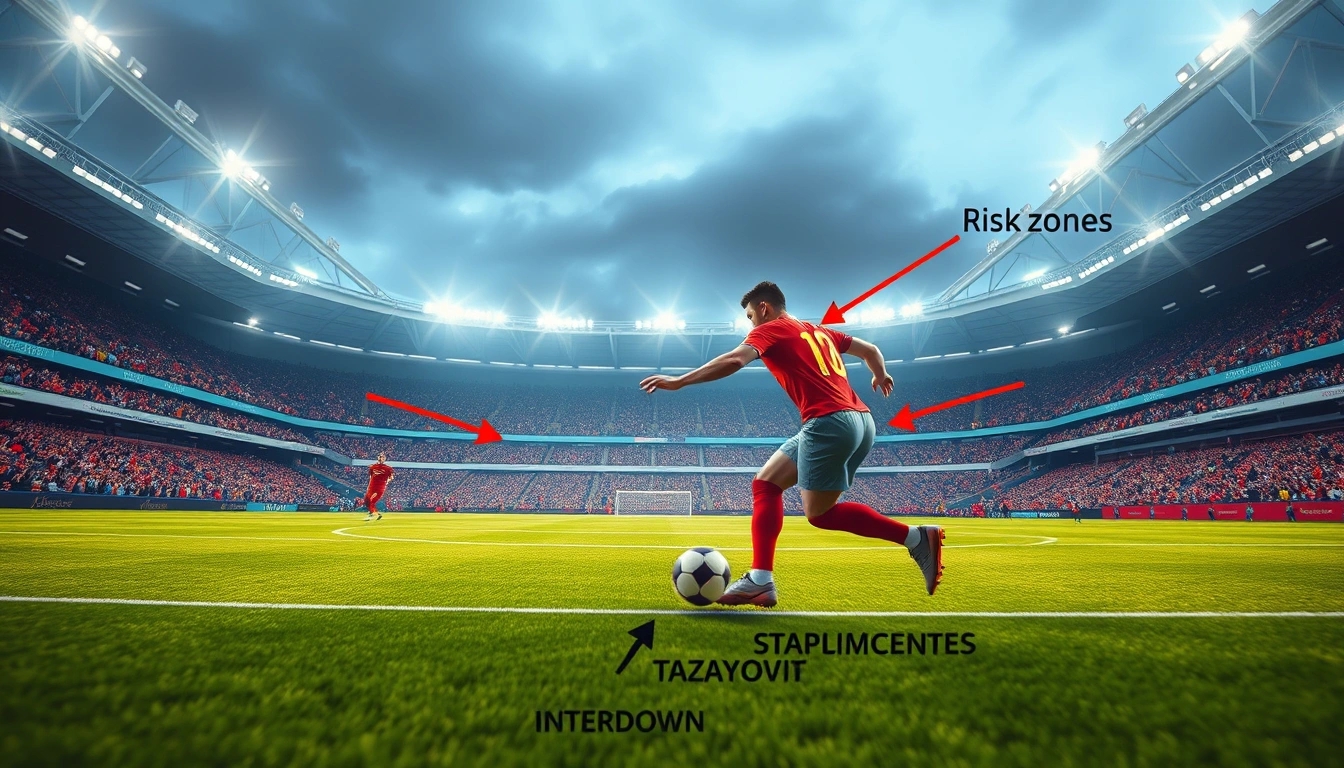
Risks and Downsides of Cutting Inside
Alright, let’s get real for a moment. While the move of wingers cutting inside has become a fan-favorite and a tactical staple, it’s not all sunshine and rainbows. There are some serious pitfalls teams and players have to watch out for. First off, when a winger cuts inside, they often leave the flank wide open. That’s right—losing width is a big deal. Defenses love to exploit that vacated space on the wings, especially speedy fullbacks who can dart forward and cause chaos. You can almost hear the opposing coach whispering, “Hey, here’s your counterattack!”
- Loss of Width: The natural width a winger provides gets sacrificed, which means the team’s overall shape can become too narrow.
- Vulnerability to Counters: Opponents can quickly exploit the empty flank, launching fast breaks with ease.
- Predictability: If a winger always cuts inside, defenders start to anticipate and pack the central areas.
| Potential Pitfall | Impact on Team | How Opponents Exploit It |
|---|---|---|
| Loss of Width | Team becomes narrow, limiting crossing options | Opposing fullbacks overlap freely, stretching defense |
| Counterattack Vulnerability | Exposed flanks lead to fast breaks | Quick transitions catch midfield and defense off guard |
| Predictability | Defenders close down central zones more aggressively | Wingers get trapped or forced into less dangerous areas |
Now, don’t get me wrong, cutting inside can be brilliant—but it requires a lot of team discipline and clever adjustments. For instance, a fullback should be ready to hold position or cover the vacated wing, but that’s easier said than done. Sometimes teams just don’t have the personnel or the stamina to maintain that balance throughout the match. And when the opposition smells blood, they’ll press hard, forcing turnovers and launching blistering counters. It’s like playing with fire—exciting but risky.
Also, some teams have figured out how to neutralize this move by crowding the middle with extra midfielders or defenders. This tactic can suffocate the winger’s space and force them into predictable patterns. So, if a player is too one-dimensional and always cuts inside, defenders will catch on quickly, and the tactic loses its edge.
Practical Insight:- Rotate winger roles to keep opponents guessing.- Train fullbacks to cover wide areas dynamically.- Encourage wingers to mix cutting inside with staying wide.
In conclusion, while cutting inside is an exciting weapon in modern football, it’s not without its flaws. Coaches and players must weigh the benefits against the risks carefully. Otherwise, they might find themselves caught out on the break or hemmed in by a well-organized defense. It’s a classic case of “no pain, no gain,” but sometimes the pain hits a little too hard.
Frequently Asked Questions
- What does it mean when a winger cuts inside?
Cutting inside is when a winger dribbles from the wide areas toward the center of the pitch, usually aiming to create better shooting angles or link up with teammates. Think of it like a painter moving from the edge of the canvas to the heart of the artwork—this move adds depth and surprise to the attack.
- Why do wingers prefer cutting inside instead of staying wide?
Wingers cut inside to open up more dangerous attacking opportunities. By moving centrally, they can shoot with their stronger foot, combine with midfielders, or overload defenders in tight spaces. It’s like switching lanes on a highway to avoid traffic and speed up your journey.
- Which player attributes are essential for successfully cutting inside?
Speed, dribbling skills, and vision are crucial. A fast winger can burst past defenders, while excellent ball control helps maintain possession during the cut. Vision allows them to spot passing options or shooting chances, turning a simple move into a game-changer.
- How do defenders typically react to wingers cutting inside?
Defenders often shift their positioning to block the central lanes or use tactical fouls to disrupt the rhythm. Imagine a chess game where the opponent anticipates your move and sets traps—defenders adapt quickly to minimize the threat.
- Does cutting inside affect the team’s overall formation?
Absolutely! When wingers cut inside, it changes the team’s shape, often requiring fullbacks to push wide to maintain width. This dynamic reshapes passing lanes and midfield roles, making the formation more fluid and unpredictable.
- Are there any risks associated with cutting inside?
Yes, cutting inside can leave the flank exposed, making the team vulnerable to counterattacks. It’s like opening a door to invite guests but forgetting to lock the back window—opponents can exploit the space left behind.
- How can wingers train to improve their cutting inside technique?
Coaches use drills focusing on timing, control, and decision-making under pressure. Practicing quick changes of direction and sharp passing helps wingers master this move, turning it into a natural part of their game.
- Has the cutting inside tactic evolved over time?
Definitely! The tactic has shifted from traditional wide play to the modern inverted winger role, popularized by legends who redefined wing play. It’s like evolving from classic rock to modern pop—same roots but fresh styles.
- How effective is cutting inside statistically?
Stats show cutting inside often leads to higher chances of shots and assists, making it a valuable offensive tool. However, success depends on execution and team coordination, proving that numbers tell a story but the player writes the book.