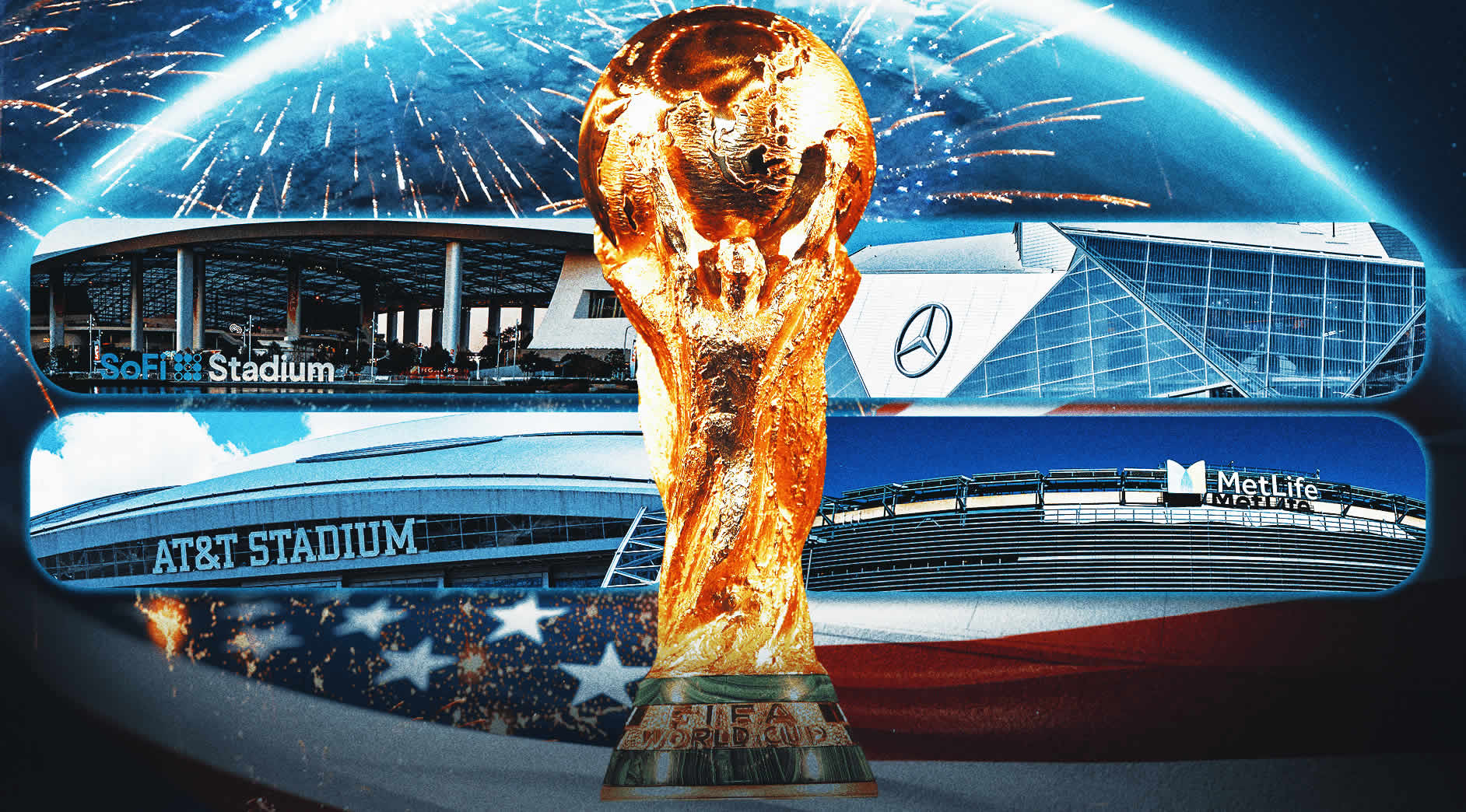
The 2026 FIFA World Cup will rewrite soccer history as it becomes the first ever co-hosted tournament among the United States, Canada, and Mexico, with 48 nations competing on soccer’s biggest stage. Once the final whistle goes, there will be a new dawn of excitement as a new foundation will be set. Fan buzz associated with the World Cup will extend into non-competitive fan engagement activities.
Competitive Era
The transition from 32 teams to 48 changes the dynamics of the World Cup. It presents an opportunity for more countries interested in competing on the large stage of football. New qualifiers get a chance to share the platform with soccer giants.
Countries that have dominated previously, for instance, Brazil, France, and England, will have a chance to contend with new opponents. Although there are some who fear that some teams might not be qualified enough, there are people who think it will be more exciting.
Business Boom
North America is the best place to hold a tournament if you want to make a lot of money. The media market in the US is huge, and broadcasters will try to set new viewership records in all three host countries. There are already sponsorships, technology partnerships, and entertainment collaborations in place for what could be the most profitable World Cup ever.
The commercial ripple effect will touch every part of the sport. European clubs will get new fans. More money will go into youth academies in Canada and Mexico. Fans will be very interested in digital platforms as they look at stats, match previews, and live coverage. People who already like getting in-depth football news on sportan.co.uk will feel even more connected.
Technology
Football will become even more analytical, and it will be accelerated by hosting the 2026 World Cup. Everyone believes that VAR will improve its accuracy and speed. It will be easier for coaches to make decisions about game strategy with a degree of accuracy that would have been unimaginable before. Technology will be employed at stadiums so that it enhances fan safety, flow, and enjoyment.
As for the audience at home, life will be very different on match day. Fans will be able to change the focus from different camera angles, watch shapes develop tactically on screen as they happen, or employ augmented reality functionality that allows player statistics to be projected directly onto the pitch. Football is no longer just getting quicker. It’s getting smarter, more immersive, and more interactive.
With a combination of data and entertainment, it will completely alter fan conversations about and perceptions of this sport.
New Global Stars
And then, with every World Cup, there are new heroes. But 2026 will be an apt period for new stars to emerge. Jude Bellingham, Jamal Musiala, Gavi, and Estevão will be in their prime and able to impact football.
The new format will also allow players from smaller and relatively less known soccer nations a chance to get noticed all across the world. Their scouts will be watching all the matches because they are aware that stars can emerge anywhere.
Sponsorship Opportunities
Another aspect we have looked at is the expansion of commercial and sponsorship opportunities across football’s ecosystem. As the tournament spans multiple countries and attracts record-breaking global audiences, brands from adjacent industries – including entertainment, technology and regulated online gaming, are expected to increase their involvement in football through partnerships, advertising and fan engagement initiatives.
In markets where it is legally permitted, online casinos are already becoming more visible through club sponsorships, media partnerships and digital campaigns that enhance the fan experience around major tournaments. Platforms such as BritainPlay.co.uk reflect how the online casino sector is aligning with football’s growth, using major global events to reach new audiences while operating within established regulatory frameworks, particularly on Social Media where they are engaging with fans around the event, particularly the British fanbase, hence their name.
Impact on Football in North America
The World Cup will not remain a North American event. It will impact it. MLS soccer is already expanding, and it will become an even larger league with more people attracted to invest there. The culture surrounding soccer at the national level will improve in Canada. Mexico will have a rich background in soccer, and it will get modernized stadiums and global focus.
The hosting nations can combine efforts and make decisions about the future of football.
Conclusion
The 2026 FIFA World Cup will be more than just a game. It will be no less significant event as it marks a turning point. It will have more national teams, better technology, enormous business opportunities, and young stars. It will change the way people play, watch, and enjoy football. The pre-event interest is as thrilling as the ones that will soon be witnessed.