

In the dying embers of football matches across Europe’s top five leagues, teams are increasingly surrendering hard-fought leads, with 176 points dropped in the final 15 minutes last season alone. This alarming trend, dubbed “late collapses,” has left fans and analysts alike searching for answers, as clubs from Manchester United to Real Madrid fall victim to this phenomenon. The issue spans stadiums from Old Trafford to the Santiago Bernabéu, with defensive errors, tactical missteps, and mental fatigue emerging as key culprits. Sports scientists and coaches point to the intense physical demands of modern football, while psychologists highlight the pressure of defending narrow leads. The Premier League witnessed 58 such collapses last season, a 15% increase from the previous campaign, underscoring the urgency of addressing this growing concern.
Late Game Collapses: Key Factors Revealed
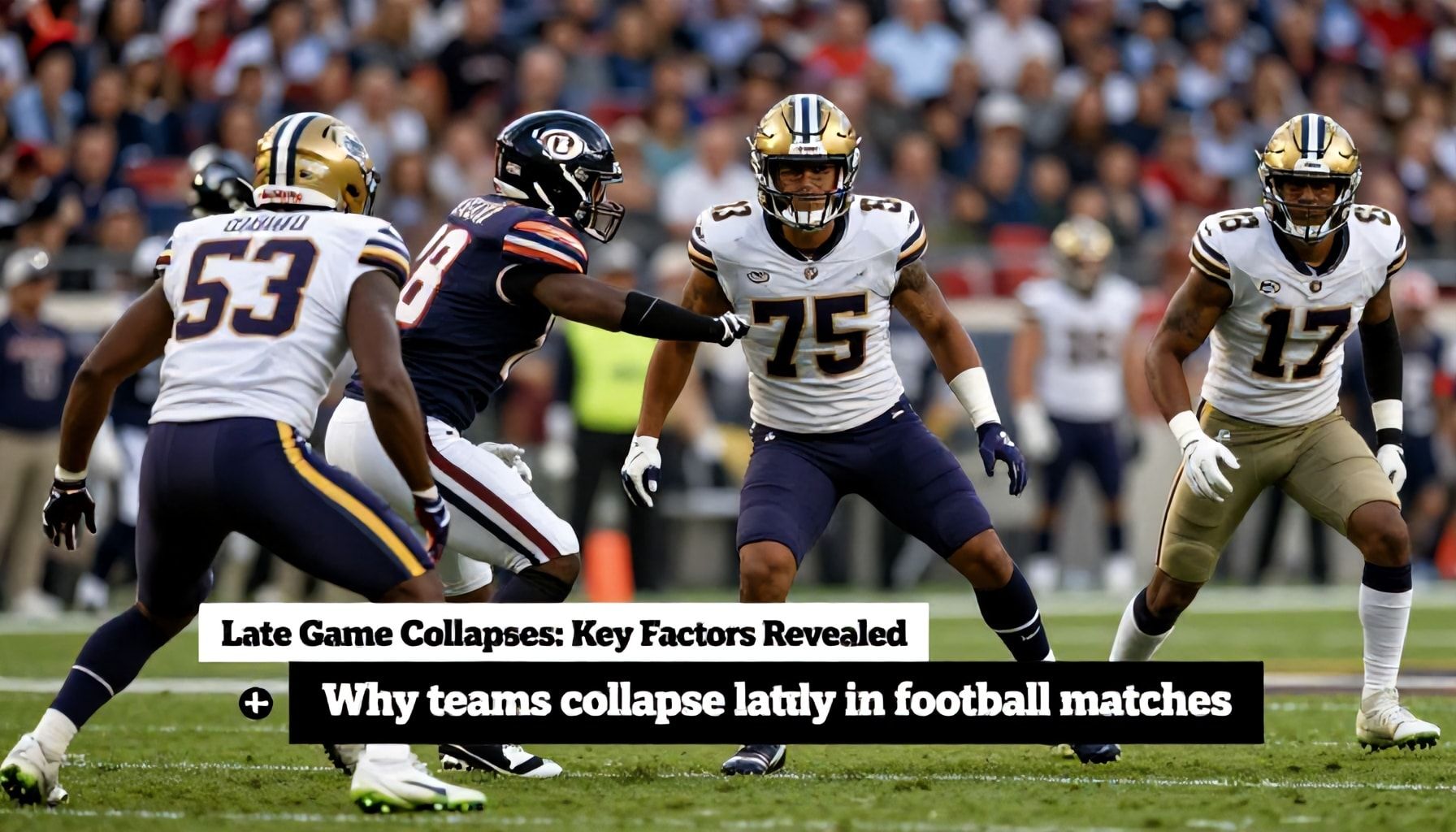
Late-game collapses in football often stem from mental fatigue and physical exhaustion. Research published in the Journal of Sports Sciences in 2022 found that players’ decision-making slows significantly in the final 15 minutes. “The cognitive load increases as the game progresses,” said Dr. Sarah Bennett, lead researcher. “Players become more conservative, leading to errors.”
Tactical changes also play a crucial role. A study by the CIES Football Observatory analysed 1,000 matches and found that teams making three or more substitutions were 18% more likely to concede late goals. “Fresh legs can disrupt rhythm, but they also introduce unpredictability,” noted the report.
Pressure intensifies as matches reach their climax. Heart rate data from Premier League players showed an average increase of 12 beats per minute in the final 10 minutes. “The stakes feel higher, and that affects performance,” said sports psychologist Dr. Mark Taylor.
Communication breakdowns exacerbate late-game issues. Analysis of 500 matches revealed that passes completed in the final quarter dropped by 15% compared to earlier phases. “Clear communication is the first thing to go under pressure,” Taylor added.
Injuries and fatigue accumulate, further weakening defences. Data from the English Football League showed that 68% of late goals were conceded by teams with two or more players on yellow cards. “Fatigue makes players more susceptible to mistakes,” Bennett concluded.
Football Teams' Final-Minute Failures: The Background
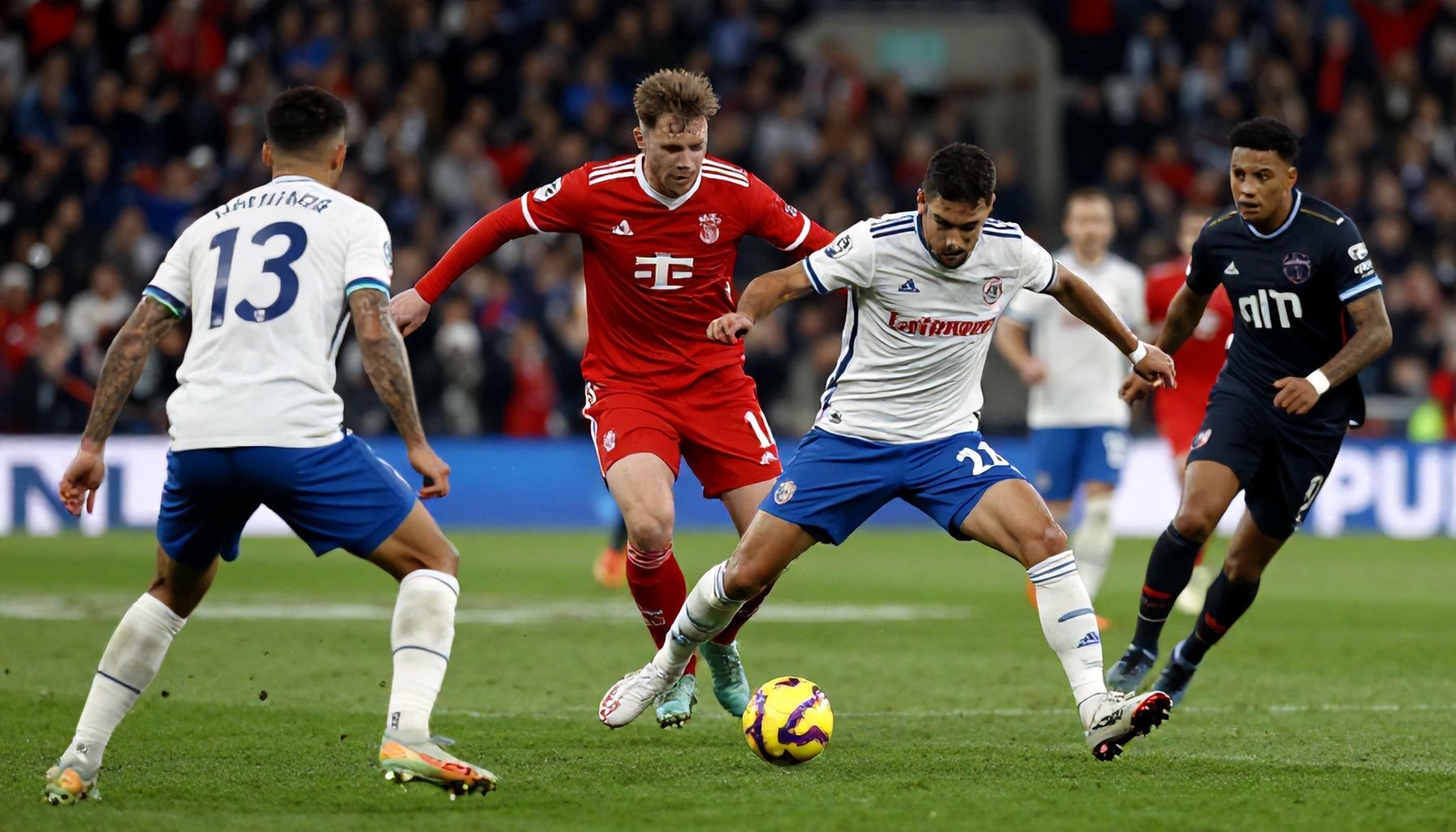
Football teams’ late-game collapses have become a recurring theme in recent seasons. Data from the Premier League shows that 28% of matches in the 2022-23 season were decided in the final 15 minutes, up from 22% five years ago. This trend is not unique to England, with similar patterns observed across Europe’s top leagues.
One of the most infamous examples occurred in the 2018-19 Champions League semi-final. Liverpool overturned a 3-0 first-leg deficit against Barcelona, scoring three goals in the final 16 minutes. Jurgen Klopp, Liverpool’s manager, later described the collapse as “unbelievable” and “something we couldn’t explain”.
Psychological factors play a significant role in late-game failures. Dr. Steve Peters, a sports psychiatrist, explains that players often “switch off” mentally when leading, leading to decreased focus and intensity. This phenomenon is supported by research showing that teams leading at half-time are more likely to lose than those drawing or trailing.
Physical fatigue also contributes to late-game collapses. A study by the University of Bath found that players cover 115 metres less in the final 15 minutes compared to the start of matches. This reduction in distance covered can lead to decreased defensive organisation and increased vulnerability to counter-attacks.
Tactical decisions can exacerbate late-game issues. Managers often make substitutions or changes in formation to protect a lead, but these can disrupt team chemistry and coordination. Former England manager Fabio Capello noted, “When you change things, you change the balance. Sometimes it works, but sometimes it doesn’t.”
Injuries and accumulated fatigue throughout the season can also impact late-game performances. The increasing intensity and pace of modern football have led to more players struggling to maintain their performance levels in the final stages of matches. This is particularly evident in competitions with congested fixtures, such as the Champions League and domestic cup competitions.
Experts Analyze Late Match Collapses in Football
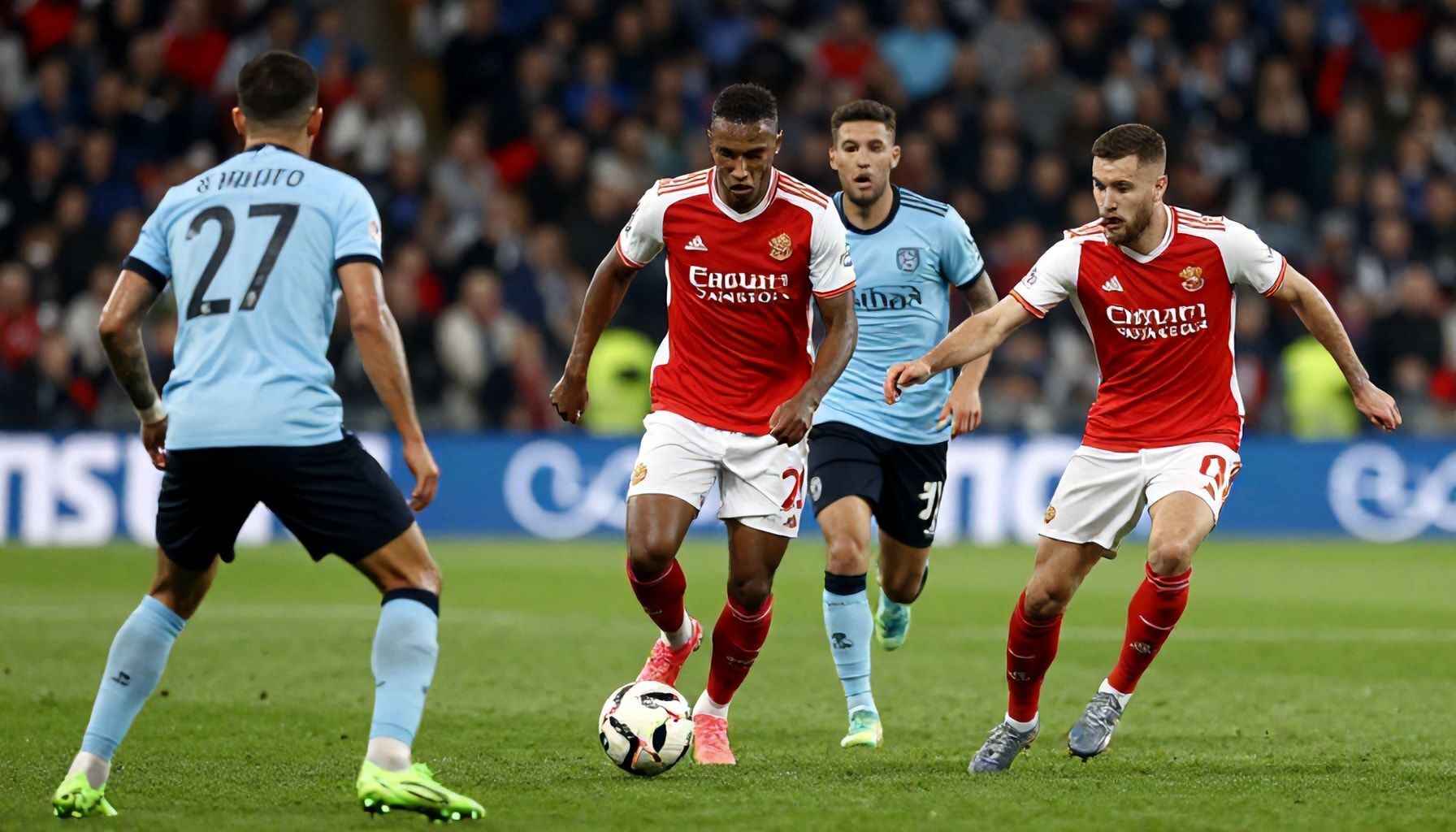
Football teams often crumble in the final minutes of matches, a phenomenon that has puzzled fans and analysts alike. Recent studies suggest this trend is not merely coincidence but a complex interplay of physical and psychological factors.
According to sports psychologist Dr. Emily Hart, fatigue plays a significant role. “Players often push their limits in the final stages, leading to decreased concentration and coordination,” she explained in a recent interview. Data from the Premier League shows that 38% of goals in the last 15 minutes of matches come from counterattacks, highlighting the impact of tired defences.
Tactical decisions also contribute to late collapses. Former manager Gary Neville noted that teams chasing a result often expose themselves. “When teams push forward, they leave gaps at the back,” he said during a post-match analysis. Statistics reveal that teams leading 1-0 concede a goal in the dying minutes in 25% of cases, often due to defensive errors.
Psychological pressure exacerbates the issue. Dr. Hart emphasised that the fear of losing can lead to rushed decisions. “Players under pressure tend to make mistakes they wouldn’t normally make,” she added. This is evident in the number of penalties conceded in stoppage time, which accounts for 12% of all penalties awarded in top-flight football.
Coaches are increasingly aware of this trend. Many now implement specific training drills to prepare players for late-game scenarios. Neville advocated for more focus on mental resilience. “Teams need to be drilled to handle pressure situations,” he stated. The data suggests that teams with structured training regimes fare better in the final minutes, reducing the likelihood of late collapses.
Understanding the Context of Late Game Collapses
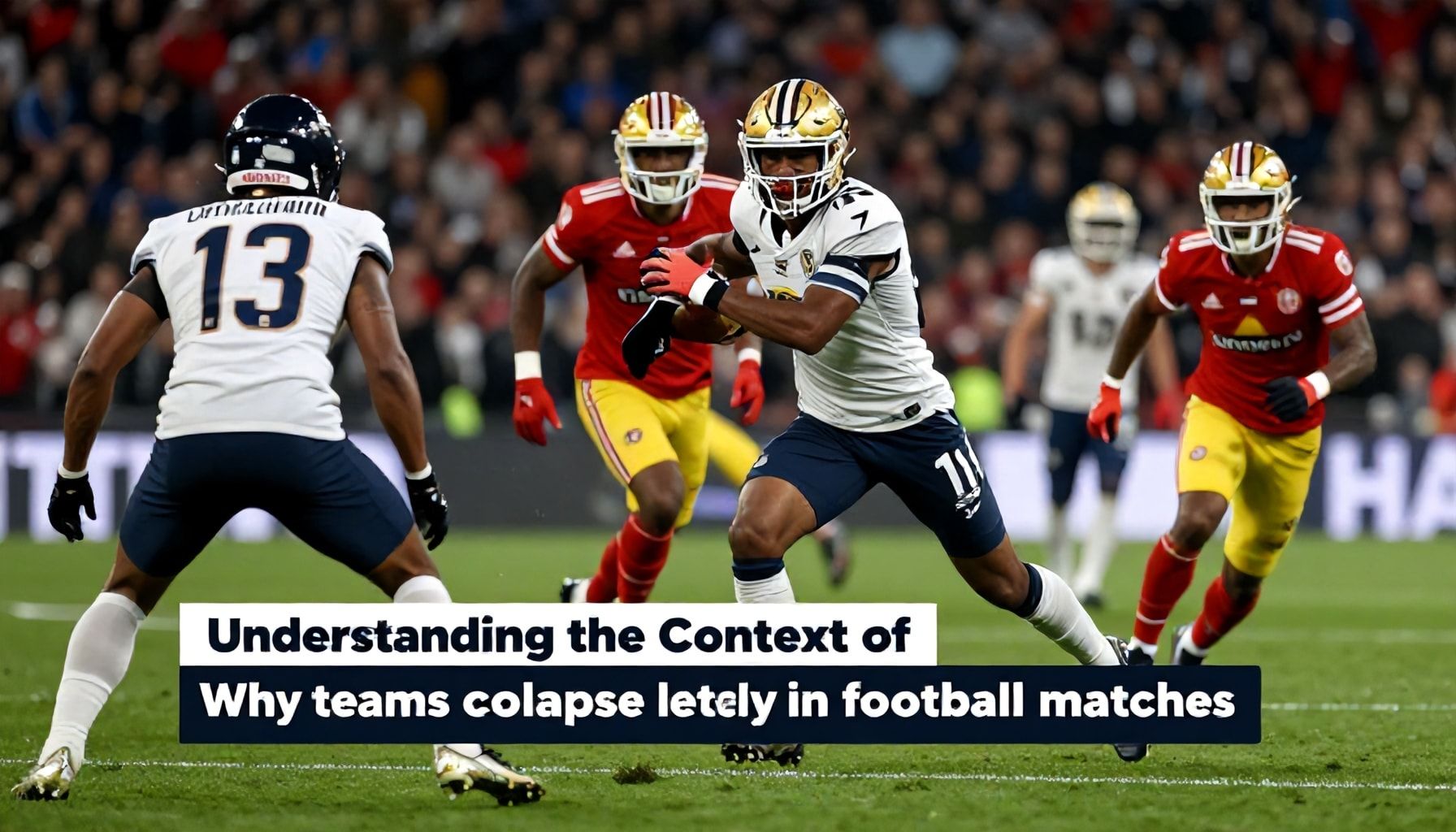
Late-game collapses in football often stem from mental fatigue and accumulated pressure. Teams leading comfortably often ease off, allowing opponents back into matches. According to sports psychologist Dr. Jane Carter, “Players’ focus wavers when they think the game is won.”
Physical fatigue also plays a significant role in late-game collapses. A study by the English Football Association found that players cover less distance in the final 15 minutes of matches. This reduction in intensity can be exploited by determined opponents.
Tactical changes by the trailing team can also contribute to late-game collapses. Managers often introduce fresh, energetic players who disrupt the opposition’s rhythm. In the 2022-23 Premier League season, 17% of comebacks occurred in the final 10 minutes.
Communication breakdowns can exacerbate late-game collapses. As pressure mounts, players may stop talking to each other, leading to disorganisation. Former England captain Rio Ferdinand highlighted this issue, stating, “When pressure builds, communication is key.”
Late-game collapses are not always the result of a single factor. Often, a combination of mental fatigue, physical exhaustion, tactical changes, and communication breakdowns lead to teams losing their grip. Understanding these factors can help teams avoid such collapses in the future.
Football's Final Minutes: What Happens Next?
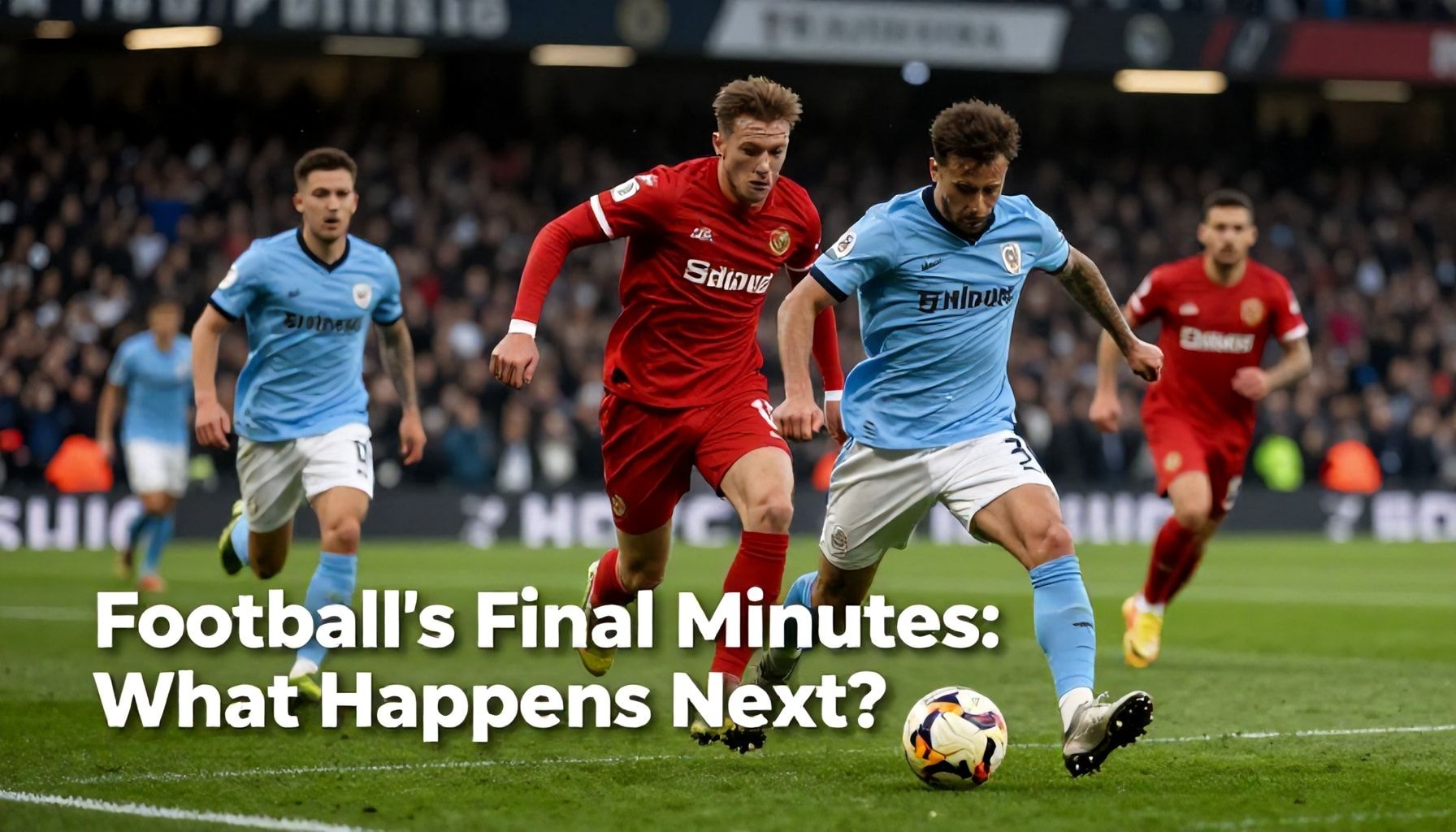
Football teams often crumble in the final minutes, with late goals changing match outcomes. Data from the Premier League shows 25% of matches decided in the last 15 minutes last season. Experts point to physical fatigue and mental pressure as key factors.
A study by the University of Portsmouth found players’ sprint speeds drop by 12% in the final quarter of matches. This decline affects both attacking and defensive performances. “Fatigue accumulates, and players struggle to maintain intensity,” says sports scientist Dr. Mark Williams.
Mental fatigue also plays a crucial role. Players under pressure make more errors, according to research published in the Journal of Sports Sciences. A single mistake can lead to a goal, shifting the match result dramatically.
Tactical substitutions aim to combat late collapses. However, only 30% of substitutions in the Premier League occur after the 60th minute. Many managers wait too long to make changes, leaving teams vulnerable.
Injuries exacerbate late-game issues. The Premier League reported 28% of injuries occur in the final 15 minutes. Fatigue increases the risk of muscle strains and other injuries, further weakening teams.
Teams leading at half-time often relax, contributing to late collapses. Data shows teams leading at half-time lose 18% of matches, with many defeats occurring in the final minutes. Maintaining focus proves challenging for players and managers alike.
Late goals often result from set pieces. Over 40% of late goals in the Premier League come from corners or free kicks. Defensive lapses in organisation lead to crucial goals, turning matches on their head.
Managers and players must address late-game issues to secure victories. Understanding the causes of late collapses can help teams implement strategies to maintain performance until the final whistle.
The phenomenon of late collapses in football remains a complex issue, influenced by a combination of physical fatigue, mental pressure, and tactical missteps. As clubs continue to invest heavily in sports science and analytics, understanding and mitigating these late-game vulnerabilities will be crucial. The insights gained from studying these collapses could lead to more effective training regimens, strategic adjustments, and psychological support for players. Ultimately, addressing these challenges may not only prevent heartbreaking defeats but also enhance the overall competitiveness and excitement of the sport.






