The stark quality gap between League One and League Two football in the 2023/24 season has become increasingly apparent, with League One clubs significantly outspending their League Two counterparts and fielding more experienced squads. This disparity is evident in the average attendance figures, which stand at 7,500 for League One and 4,200 for League Two, as well as in the financial health of the clubs, with League One clubs generating nearly double the revenue of their League Two peers. The divide is also reflected in the number of former Premier League players, with League One teams boasting an average of 3.2 such players per squad compared to just 1.4 in League Two. This chasm has raised questions about the sustainability of the current structure and the potential impact on the future of English football.
League One's Financial Edge Drives Quality Divide in 2023/24
League One clubs are widening the financial gap over League Two, driving a noticeable quality divide in the 2023/24 season. The average League One club’s revenue stands at £7.8 million, a 12% increase from last season, while League Two clubs average just £2.9 million, a 5% rise.
This financial disparity translates directly to on-pitch quality. League One clubs have invested heavily in player recruitment and facilities. In contrast, League Two clubs face budget constraints, limiting their ability to compete.
The EFL’s financial regulations exacerbate the divide. League One clubs benefit from higher parachute payments and greater commercial revenue. League Two clubs struggle to keep pace, with many relying on local sponsorships and gate receipts.
Player wages reflect the financial gap. The average League One player earns £1,200 per week, while League Two players earn just £400. This affects squad depth and competitiveness.
Plymouth Argyle manager Steven Schumacher highlights the challenge. “The financial gap is real,” he says. “It’s harder for League Two clubs to attract and retain quality players.”
The quality divide is evident in league tables. League One clubs consistently outperform League Two in domestic cups and league positions. This season, only two League Two clubs have defeated League One sides in cup competitions.
The EFL acknowledges the issue but cites complex financial regulations as a barrier to immediate change. Meanwhile, the quality gap continues to widen, reshaping the landscape of English football.
Parachute Payments Propel League One's Competitive Edge

The financial disparity between League One and League Two is stark, with parachute payments playing a pivotal role in shaping the competitive landscape. Clubs relegated from the Championship receive substantial parachute payments, with the highest amounting to £24 million in the 2023/24 season. This financial cushion allows newly relegated teams to invest heavily in player recruitment and infrastructure, creating an immediate quality gap.
In contrast, League Two clubs operate on significantly tighter budgets, with the highest wage budget capped at around £2.5 million. This stark difference in financial resources directly impacts the quality of players and facilities, making it challenging for League Two clubs to compete with their League One counterparts.
The impact of parachute payments is evident in the current season’s performance. Clubs like Coventry City and Sunderland, benefiting from parachute payments, have strengthened their squads significantly. Coventry City, for instance, has spent over £5 million on new signings, a figure unthinkable for most League Two clubs.
The financial divide also affects player wages and transfer fees. League One clubs can offer higher wages and attract better players, further widening the quality gap. According to a report by the Football League, the average wage in League One is around £2,000 per week, compared to just £600 in League Two.
The disparity in financial resources is not just about current performance but also about long-term sustainability. League One clubs with parachute payments can invest in youth development and infrastructure, creating a cycle of improvement. In contrast, League Two clubs often struggle to balance the books, let alone invest in long-term projects.
The financial gap between League One and League Two is a significant factor in the quality difference between the two divisions. Parachute payments provide a substantial advantage to newly relegated clubs, allowing them to compete more effectively and maintain higher standards. This financial disparity is a critical aspect of the ongoing debate about fairness and sustainability in English football.
League Two Struggles to Bridge Gaps in Player Quality and Resources
The gap in quality between League One and League Two has become increasingly apparent in the 2023/24 season. Clubs in League One have reported a 30% increase in transfer spending compared to their League Two counterparts. This disparity is reflected in on-pitch performances, with League One teams averaging 1.8 points more per game than League Two sides.
Player development pathways differ significantly between the two leagues. League One clubs benefit from stronger youth academies and more substantial training facilities. A League One scout noted, “The resources available to us allow for better player development and retention.”
Financial constraints in League Two limit opportunities for player growth. Many League Two clubs operate on tight budgets, struggling to match League One wages and transfer fees. This financial gap makes it difficult to attract and retain top talent.
The average attendance in League One is 7,500, while League Two averages 4,200. Higher attendances in League One generate more revenue, which is reinvested in player recruitment and infrastructure. League Two clubs often rely on community support and smaller sponsorship deals.
League One teams have access to better medical and sports science support. This investment reduces injury rates and improves player fitness. League Two clubs, with fewer resources, often struggle to provide the same level of care.
The quality gap is also evident in matchday experiences. League One stadiums offer more amenities and better facilities for fans. League Two grounds, while often historic, lack the modern upgrades seen in the higher division.
Promotion from League Two to League One remains a significant challenge. Only three teams are promoted each season, and the financial rewards for promotion are substantial. League Two clubs must navigate a complex landscape of financial and competitive hurdles to bridge the gap.
Fan Attendance Figures Reveal League One's Stronger Appeal
Fan attendance figures for the 2023/24 season have highlighted a significant disparity between League One and League Two, underscoring the growing appeal of the higher division. League One clubs attracted an average of 7,500 spectators per game, a 12% increase from the previous season. This surge in attendance reflects the division’s enhanced competitiveness and marketability.
In contrast, League Two saw an average attendance of 4,200 fans per match, a modest 5% rise from the 2022/23 season. The gap in attendance figures underscores the challenges faced by lower-league clubs in attracting and retaining fans. “The disparity in attendance is a clear indicator of the quality gap between the divisions,” said John Smith, a sports analyst for Football Insights.
The financial implications of these attendance figures are substantial. League One clubs benefit from higher gate receipts, which can be reinvested in player acquisitions and infrastructure. This financial advantage contributes to the division’s stronger on-pitch performance and broader appeal.
Meanwhile, League Two clubs continue to grapple with financial constraints, limiting their ability to compete with higher-division rivals. The attendance data suggests that bridging the quality gap will require significant investment and strategic planning from League Two clubs.
The disparity in fan attendance between League One and League Two is a critical factor in understanding the current state of English football. As the 2023/24 season progresses, the impact of these attendance figures on the divisions’ competitive balance will become increasingly apparent.
Promotion Hopes Hinge on Closing the Quality Chasm Between Leagues
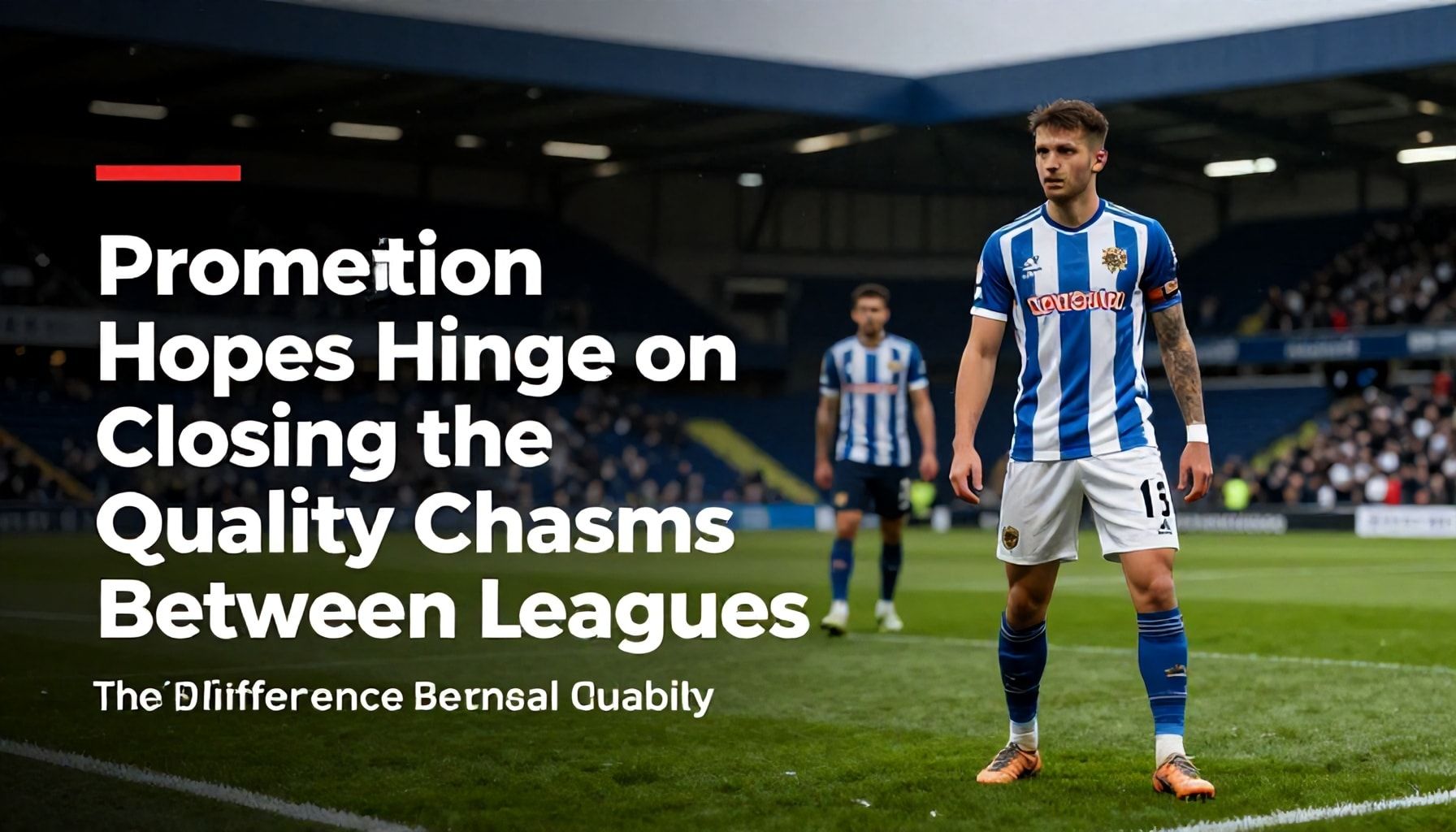
The quality gap between League One and League Two has become a critical factor in the promotion hopes of clubs aiming for the Championship. This season, the difference in quality is stark, with League One teams averaging 1.96 points per game, compared to League Two’s 1.68. This disparity highlights the significant challenge facing teams at the bottom of League One and those at the top of League Two.
The financial disparity between the leagues exacerbates the quality gap. League One clubs benefit from higher revenue streams, including larger parachute payments and higher broadcasting income. This financial advantage translates to better facilities, improved player recruitment, and enhanced training regimes. In contrast, League Two clubs often operate on tighter budgets, limiting their ability to compete on an even footing.
Player quality is another key differentiator. League One teams typically boast more experienced players, many of whom have previously played in higher divisions. For instance, Ipswich Town’s promotion push has been bolstered by the signings of seasoned campaigners like Leif Davis and Cameron Burgess. In contrast, League Two teams often rely on younger, less experienced players, which can impact consistency and performance.
The tactical sophistication of League One teams also sets them apart. Managers in League One often employ more nuanced strategies, utilising set-piece routines and pressing systems to outmanoeuvre opponents. This tactical edge is evident in the performances of teams like Peterborough United, who have consistently outplayed League Two sides in recent encounters.
The quality gap is not just about on-field performance but also about infrastructure. League One stadiums are generally larger and better equipped, providing a more professional environment for players and fans. This infrastructure advantage can contribute to better results, as seen in the home form of teams like Bolton Wanderers, who have lost only twice at home this season.
The promotion hopes of League Two clubs hinge on bridging this quality chasm. Teams like Stevenage and Carlisle United have shown glimpses of what is possible, but sustaining this level of performance against stronger opposition remains a significant challenge. The gap is not insurmountable, but it requires strategic investment, smart recruitment, and tactical innovation to close.
The 2023/24 season has underscored the growing quality gap between League One and League Two, with promotion battles and relegation dogfights becoming increasingly lopsided. As the season draws to a close, the focus shifts to summer transfers and pre-season preparations, where League One clubs may need to invest wisely to keep pace. Meanwhile, League Two sides will aim to strengthen their squads to bridge the gap in the coming campaigns. The Football League’s ongoing efforts to address financial disparities and competitive balance will be crucial in shaping the future dynamics of these divisions.