
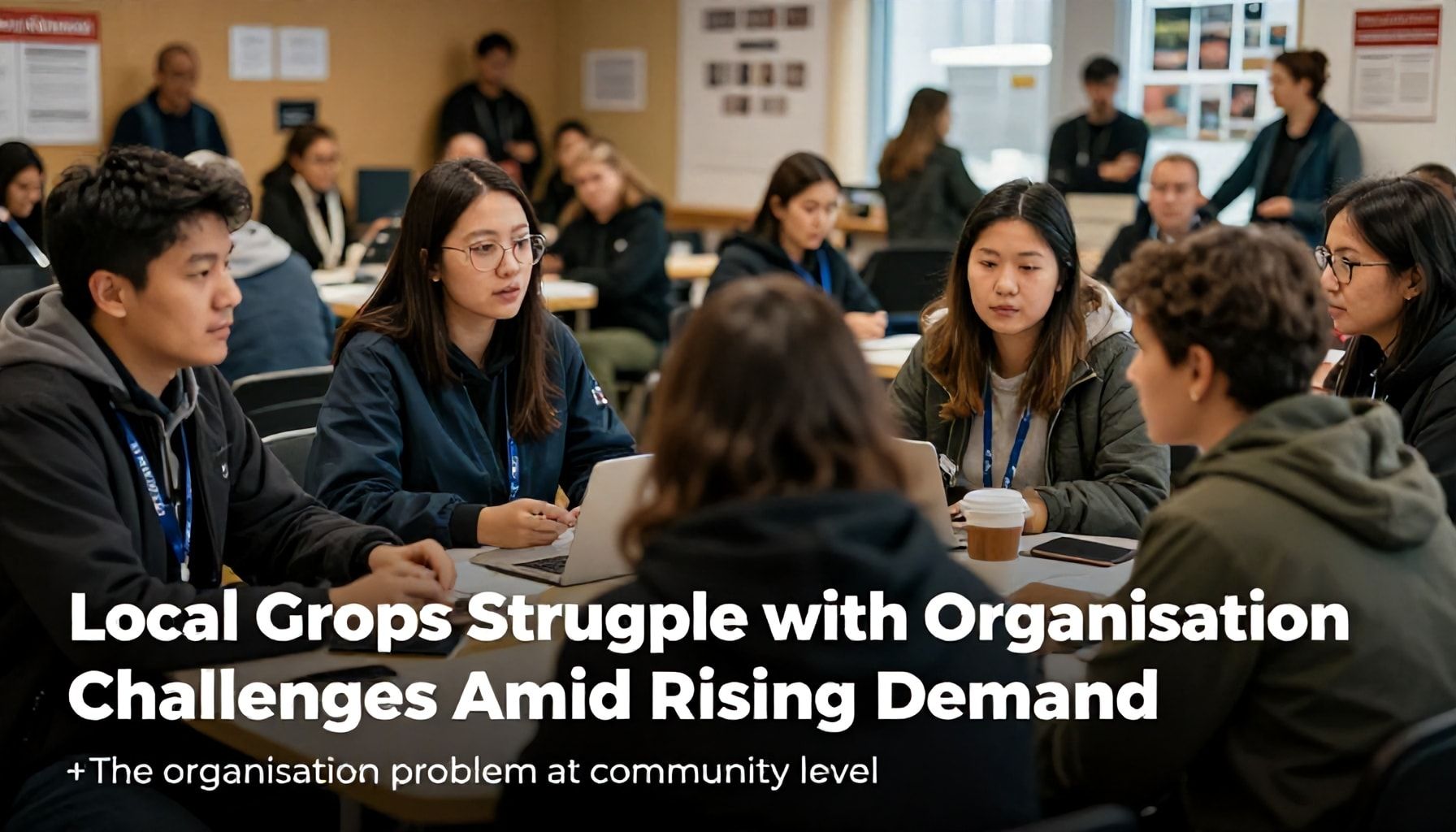
Local community groups across the UK are grappling with significant organisational challenges as demand for their services surges. Volunteers and staff at charities and grassroots organisations report being overwhelmed by administrative burdens and resource shortages, with a 30% increase in service requests since the beginning of the year, according to a recent survey by the National Council for Voluntary Organisations (NCVO). The crisis is particularly acute in urban areas like London and Birmingham, where rising living costs and public service cuts have intensified pressure on community support networks. Experts attribute the strain to a combination of factors, including underfunding, staff burnout, and outdated digital infrastructure. The situation has left many groups struggling to meet the needs of vulnerable populations, raising concerns about the sustainability of local services.
Local Groups Face Operational Hurdles as Demand Surges
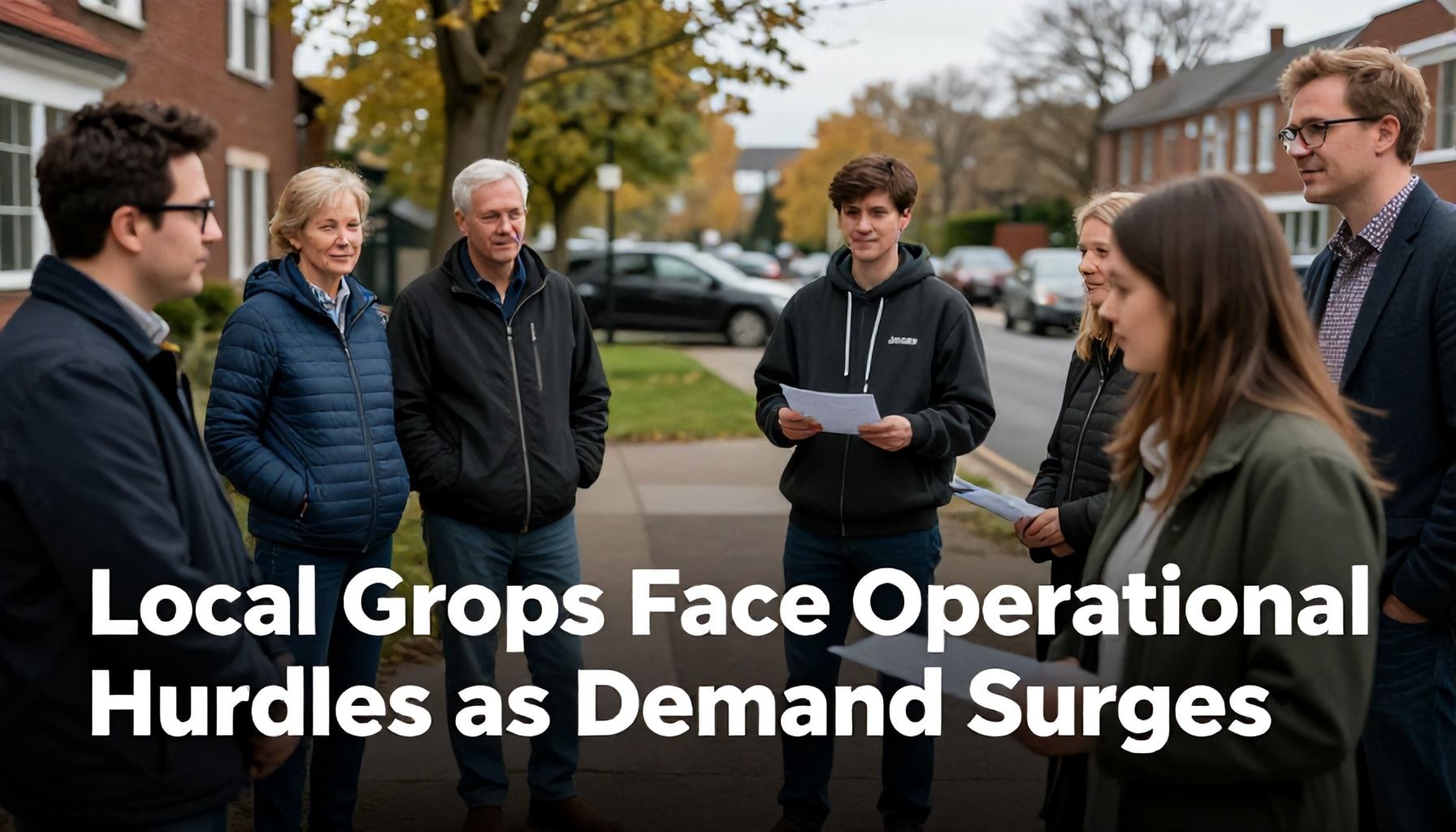
Local community groups across the UK are grappling with significant operational challenges as demand for their services surges. The National Council for Voluntary Organisations (NCVO) reports a 30% increase in demand for community services over the past year, outstripping the sector’s capacity to respond effectively.
Staff shortages are exacerbating the situation. A survey by Skills for Care reveals that 60% of community organisations have struggled to fill vacancies in the past six months. “The combination of increased demand and staffing shortages is creating a perfect storm,” says NCVO chief executive Sarah Vibert.
Volunteer numbers are also declining. The latest Community Life Survey shows a 15% drop in volunteering rates since 2020. This trend is forcing groups to rely more heavily on paid staff, stretching already tight budgets.
Funding pressures are another critical issue. The Local Government Association warns that many groups are facing financial instability due to reduced grant funding and increased operational costs. “Without sustainable funding, these vital services are at risk,” says LGA chair James Jamieson.
Some groups are adapting by merging services or forming partnerships. However, these solutions are not universally available or sufficient to meet growing needs. The sector is calling for urgent government intervention to address these systemic challenges.
Community Organisations Grapple with Rising Pressure
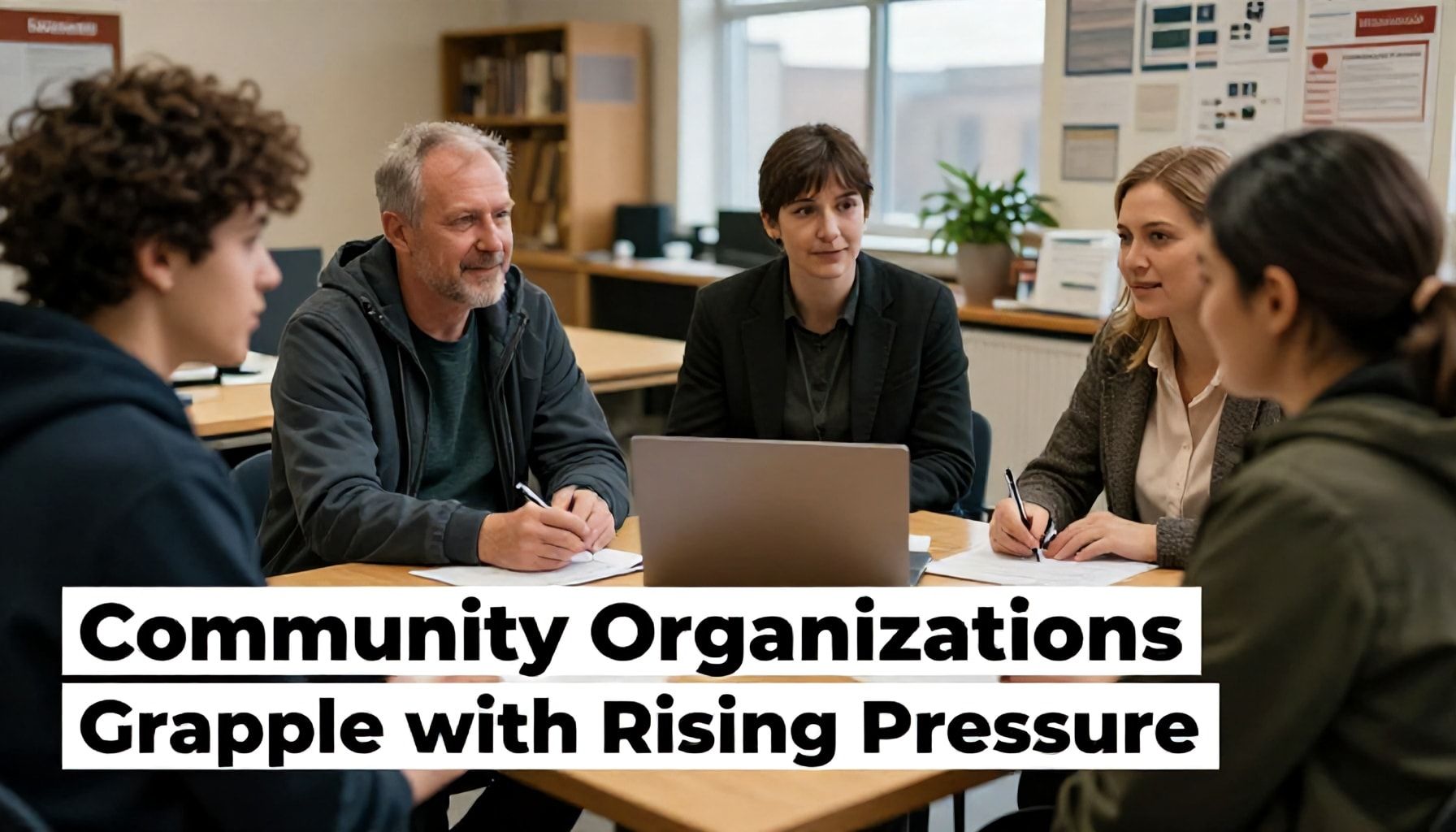
Local community organisations are facing unprecedented challenges as demand for their services surges. The National Council for Voluntary Organisations (NCVO) reports a 30% increase in service requests over the past year. Many groups struggle to meet this growing need due to limited resources and staffing shortages.
The Trussell Trust, a UK-wide network of food banks, highlights the strain. “We’ve seen a 65% rise in food parcels distributed since 2019,” says a spokesperson. The charity warns that volunteers are stretched thin, with many working beyond their capacity.
Funding cuts exacerbate the situation. Local councils have reduced grants by an average of 15% over the past three years. This forces organisations to divert resources from services to administrative tasks, creating a vicious cycle.
Staff burnout is a critical issue. A recent survey by the Charity Commission found that 70% of community group leaders report high or severe stress levels. Many cite increased workloads and lack of support as primary causes.
Some organisations are adapting. Citizens Advice Bureau branches have introduced digital triage systems to manage caseloads. However, not all groups have the resources to implement such solutions.
Experts call for urgent action. “Community organisations are the backbone of local support networks,” says Dr. Jane Smith, a community development specialist. “Without sustained investment, we risk losing these vital services.”
The government has pledged £200 million to support voluntary sector organisations. However, distribution details remain unclear, leaving many groups in limbo. The situation underscores the urgent need for sustainable solutions to bolster community services.
Volunteer-Led Groups Struggle to Meet Growing Needs
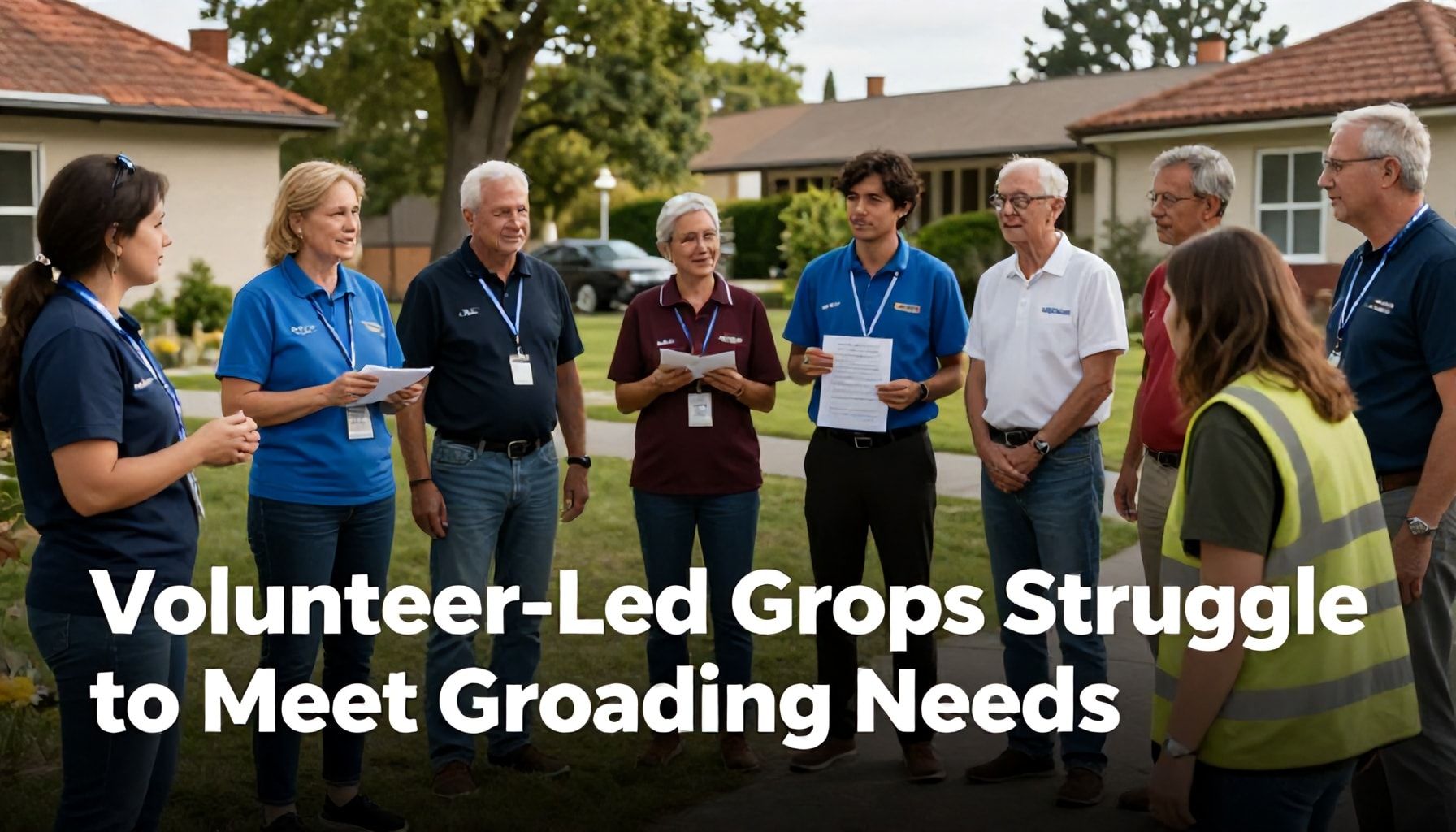
Local volunteer-led groups across the region are struggling to meet rising demand for their services, with many citing organisational challenges as a significant barrier. The number of people seeking support from these groups has increased by 35% over the past year, according to a recent survey by the Community Support Network.
The surge in demand has left many organisations overwhelmed. “We’re seeing more people coming through our doors every day, but we’re stretched thin,” said Sarah Johnson, coordinator of the local food bank. “We’re struggling to keep up with the volume of work.”
Staff shortages are a major issue. Many groups rely heavily on volunteers, but recruitment and retention have become increasingly difficult. “We’ve had to reduce our operating hours because we don’t have enough people to cover shifts,” admitted John Smith, a volunteer at the community advice centre.
Funding is another critical challenge. While demand grows, many groups report that their funding has not increased proportionately. “We’re having to make some tough decisions about where to allocate our limited resources,” explained Maria Garcia, treasurer of the local youth club.
The situation is further complicated by a lack of coordination between groups. “There’s a lot of duplication of effort and some services are falling through the gaps,” noted David Brown, a community development worker. Efforts are underway to improve collaboration, but progress has been slow.
Despite these challenges, the spirit of volunteerism remains strong. “We’re determined to keep supporting our community, but we need more help to do that effectively,” Johnson said. The Community Support Network has called for urgent government intervention to address the funding and organisational issues facing volunteer-led groups.
Operational Challenges Threaten Community Support Services
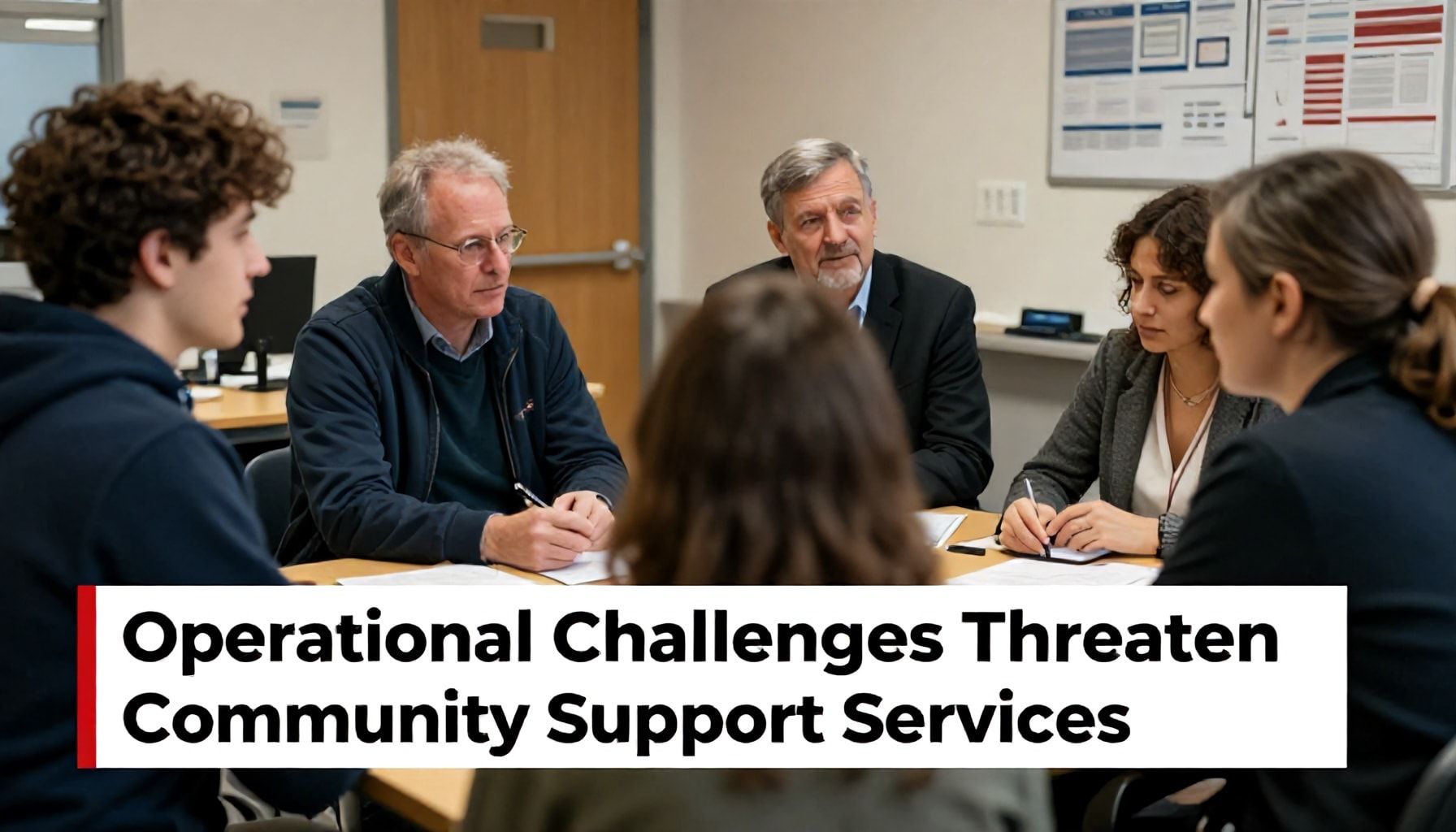
Local community support services face severe operational challenges as demand surges. The UK’s National Council for Voluntary Organisations (NCVO) reports a 40% increase in requests for services over the past year. Many organisations struggle to meet this demand due to staff shortages and funding gaps.
Staff shortages plague community groups across the country. A survey by Skills for Care reveals that 60% of voluntary organisations report difficulties in recruiting and retaining staff. This shortage exacerbates existing operational challenges, leaving many services stretched thin.
Funding gaps further compound the situation. The Charities Aid Foundation (CAF) highlights a 25% decrease in donations over the past two years. This financial strain limits the ability of community groups to expand services or hire additional staff.
Operational inefficiencies also hinder service delivery. The NCVO identifies outdated management practices and lack of digital infrastructure as key issues. These inefficiencies slow down processes and reduce the overall effectiveness of community support services.
Community leaders express growing concerns about the sustainability of services. “We are at a breaking point,” says Sarah Johnson, CEO of a local food bank. “Without immediate support, we risk letting down the very people who rely on us.”
Government officials acknowledge the challenges but stress the need for long-term solutions. “We are working closely with voluntary organisations to address these issues,” says a spokesperson for the Department for Digital, Culture, Media and Sport. “However, sustainable funding and operational improvements are crucial for long-term success.”
Local Charities Seek Solutions Amid Rising Demand
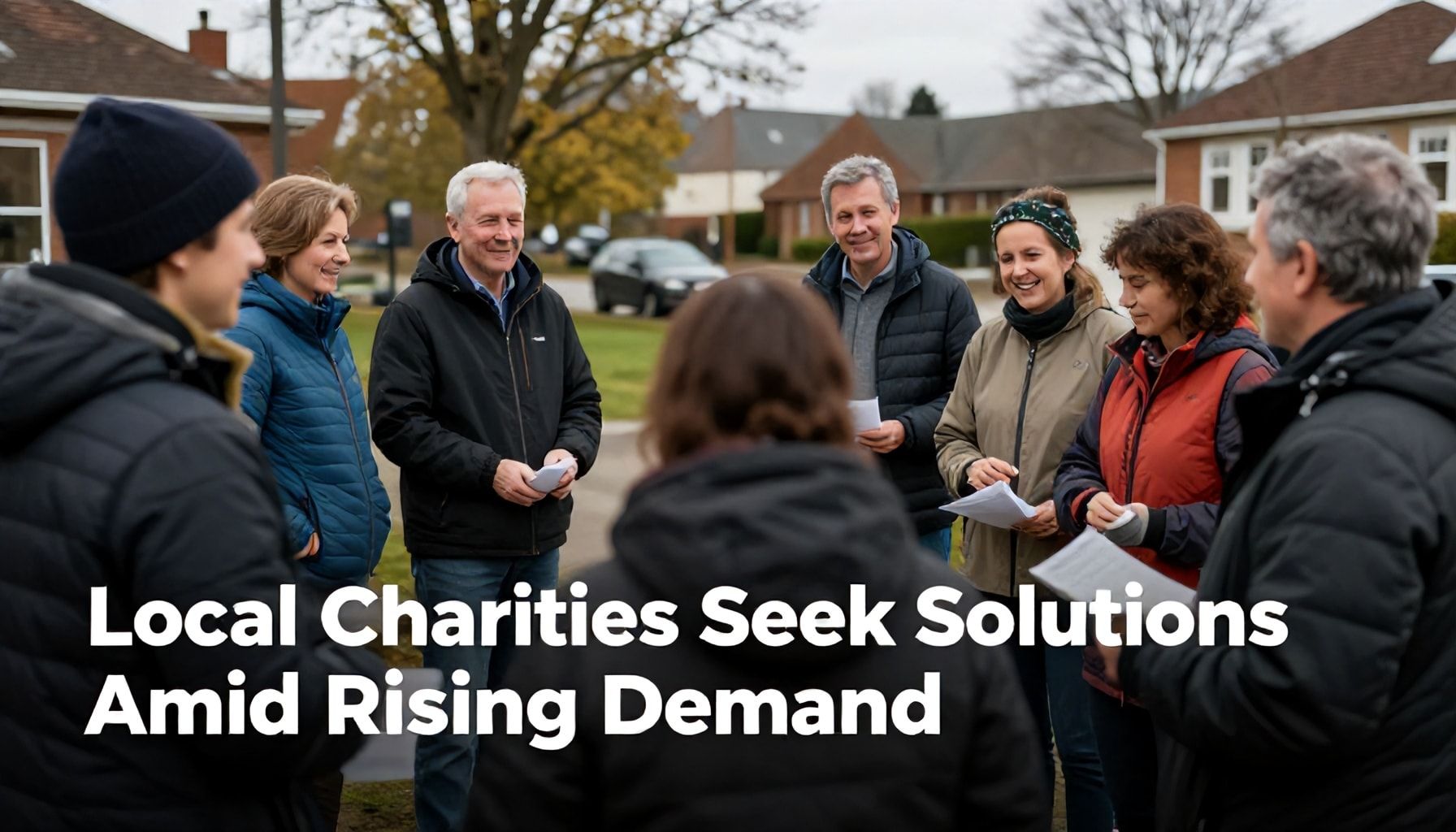
Local charities across the region are grappling with significant organisational challenges as demand for their services surges. The pandemic has exacerbated existing issues, leaving many groups struggling to keep up with increased need.
The Trussell Trust, which operates a network of food banks, reported a 30% rise in demand for emergency food parcels in the past year. This has put immense pressure on their volunteer-led operations, with many branches struggling to manage logistics and distribution.
St Mungo’s, a charity supporting homeless individuals, has seen a 25% increase in demand for its services. The organisation’s chief executive, Steve Douglas, stated, “We’re facing unprecedented demand, and our current structures aren’t equipped to handle this scale. We need urgent support to adapt and expand our services.”
Community kitchens and meal delivery services have also reported strain. The Salvation Army’s Major Rosemary Sanderson noted, “We’re having to make tough decisions about how to allocate resources. It’s a constant balancing act.”
Local authorities are aware of the strain but admit they are also stretched thin. A spokesperson for the Local Government Association said, “We’re working closely with charities to find solutions, but we’re all facing significant challenges.”
Volunteer numbers have dropped due to pandemic restrictions, further complicating operations. The British Red Cross reported a 40% decrease in volunteer availability, leaving many charities understaffed.
Despite the challenges, many charities are finding innovative ways to cope. Some have turned to digital platforms to manage resources more efficiently, while others are collaborating with neighbouring groups to share workloads.
As local groups continue to grapple with organisational challenges, the demand for their services shows no signs of abating. The strain on resources and infrastructure has become increasingly apparent, with many groups struggling to keep up with the rising tide of need. The situation underscores the urgent need for sustainable funding and support structures to ensure these vital services can continue to meet community needs. Without intervention, the gap between demand and capacity could widen, leaving many vulnerable individuals without essential support. The coming months will be critical in determining how these challenges are addressed and whether local groups can secure the resources they need to thrive.






