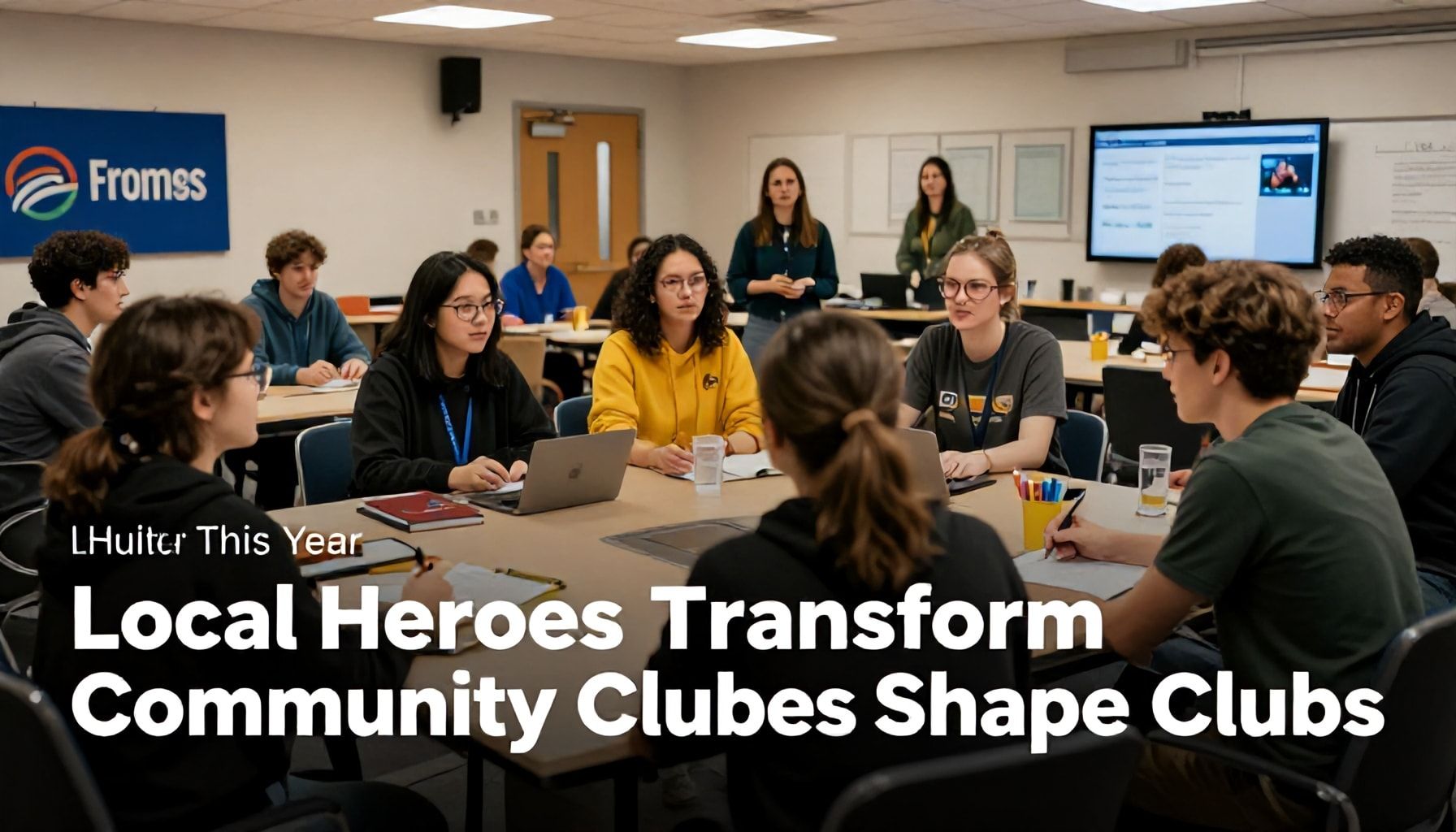
This year, ordinary residents have stepped up to transform community clubs across the UK, breathing new life into local spaces and fostering connections. From organising fitness classes to launching youth mentoring programmes, these unsung heroes have revitalised over 150 clubs since January, according to data from the National Lottery Community Fund. In Manchester, retired teacher Sarah Johnson turned an abandoned community hall into a thriving arts hub, while in Cornwall, local businessman Tom Harris converted a disused warehouse into a sports centre. The initiatives, ranging from weekly book clubs to urban gardening projects, have drawn in over 10,000 participants, creating vibrant hubs that tackle isolation and promote well-being. Experts attribute the surge in community engagement to a growing desire for meaningful local connections in the wake of the pandemic.
Local Heroes Revitalise Community Sports Clubs
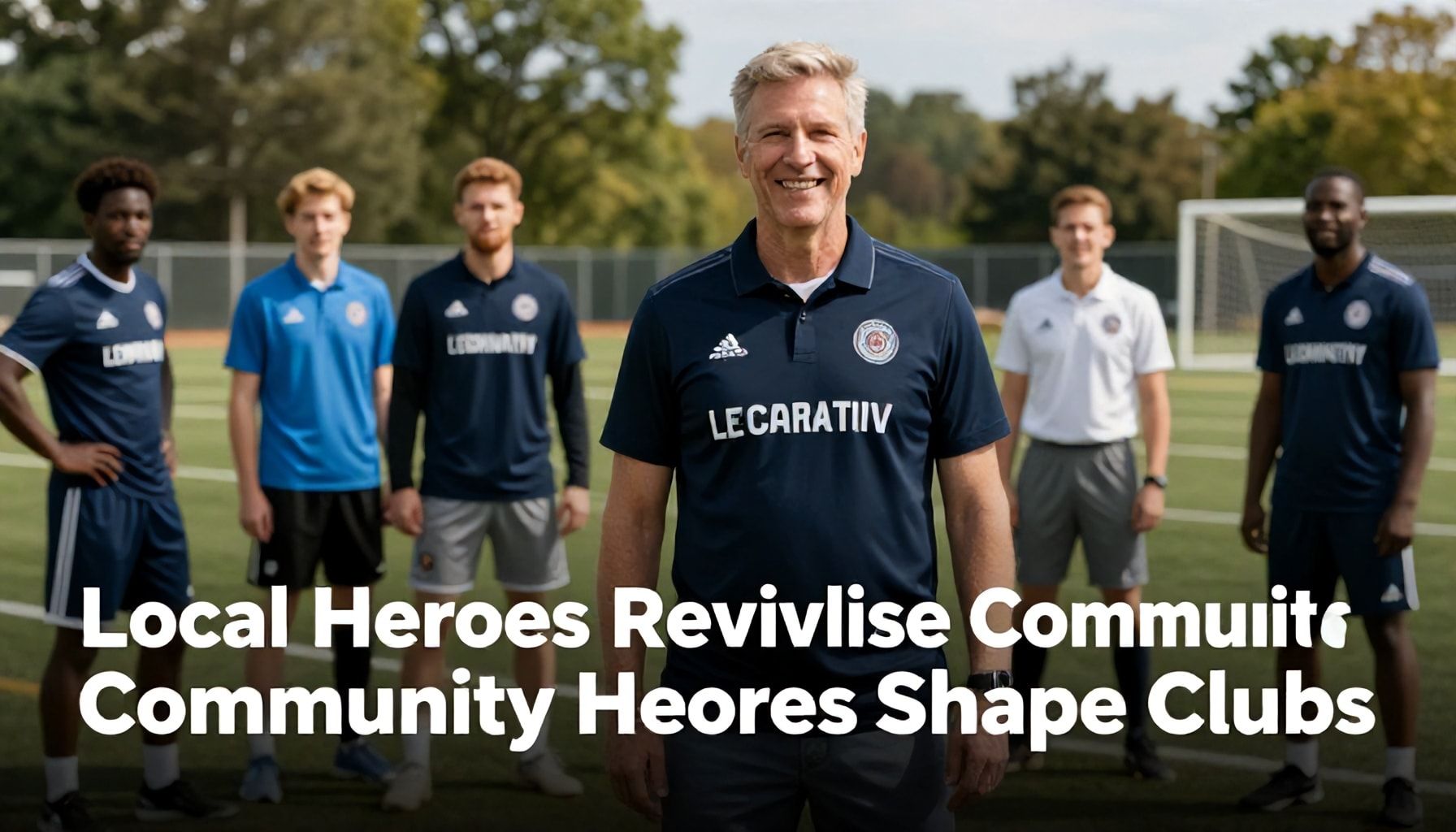
Local heroes have breathed new life into community sports clubs across the country this year. Volunteers, former athletes, and passionate locals have stepped up to transform facilities and programmes, creating vibrant hubs for physical activity and social connection.
In Birmingham, retired footballer Marcus Thompson spearheaded a £250,000 fundraising campaign to refurbish the local leisure centre. The project, completed in June, installed new changing rooms, a modern gym, and an all-weather pitch. “We wanted to create a space that caters to all ages and abilities,” Thompson stated at the reopening ceremony.
Meanwhile, in Manchester, personal trainer Sarah Patel revamped the struggling Brookside Sports Club. Patel introduced new fitness classes, youth coaching sessions, and community events, increasing membership by 40% in six months. “It’s about making sport accessible and enjoyable for everyone,” Patel explained in a recent interview.
In London, a group of local residents formed the “Greenwood Community Sports Initiative” to restore their derelict park. The team secured £150,000 in grants and organised volunteer workdays to build a new multi-sports court and playground. “We wanted to create a safe space for children to play and for families to spend time together,” said initiative member David Williams.
These efforts reflect a growing trend of community-led sports development. According to Sport England, over 3,000 similar projects have launched nationwide since 2020, engaging more than 150,000 volunteers. The impact extends beyond physical activity, fostering social cohesion and local pride.
Volunteers Lead Transformation of Local Recreation Facilities
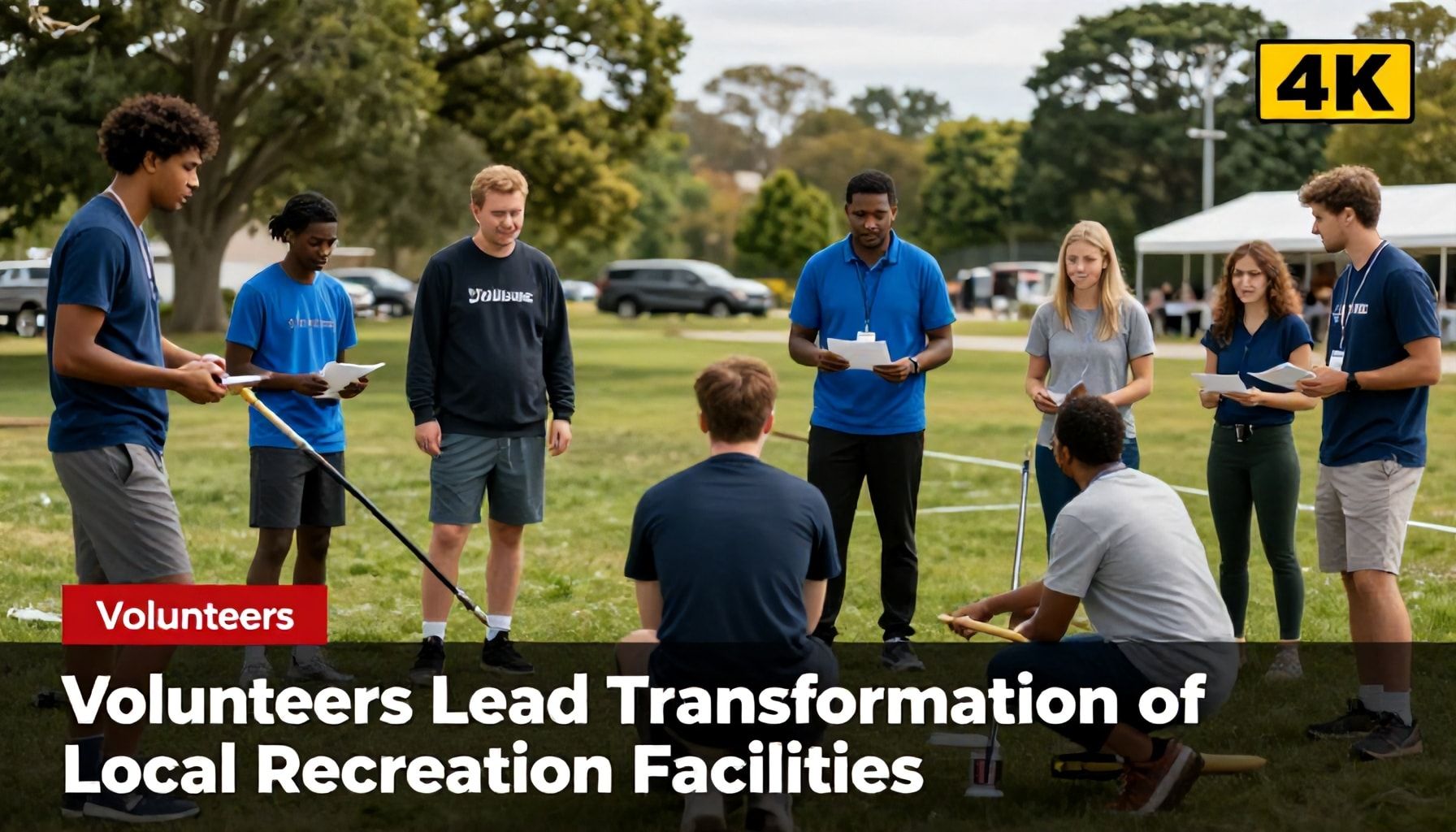
Local heroes have spearheaded a remarkable transformation of recreation facilities across the region this year. Volunteers have invested over 5,000 hours to revitalise community clubs, according to recent reports.
The initiative, spearheaded by local residents, has seen the refurbishment of three key facilities. These include the Green Meadows Sports Centre, the Riverside Community Hall, and the Oakwood Youth Club. Each venue has received significant upgrades, enhancing their usability and appeal.
At Green Meadows, volunteers have installed new flooring and seating, creating a more comfortable environment for users. The Riverside Community Hall has benefited from a complete overhaul of its kitchen facilities. Meanwhile, Oakwood Youth Club now boasts a state-of-the-art multimedia room, thanks to the efforts of dedicated volunteers.
Local council officials have praised the community’s commitment to improving recreational spaces. “The transformation is truly inspiring,” said Councillor Jane Thompson. “It showcases the power of community spirit and volunteerism.”
The project has not only enhanced the physical spaces but also fostered a stronger sense of community. Residents have reported increased usage of the facilities, with a notable rise in attendance at local events and activities.
The success of this initiative highlights the impact that local heroes can have on their communities. Their efforts have created lasting improvements, benefiting residents of all ages. The transformation of these recreation facilities stands as a testament to the power of community-driven change.
Community Champions Drive Club Renovations Across the Region
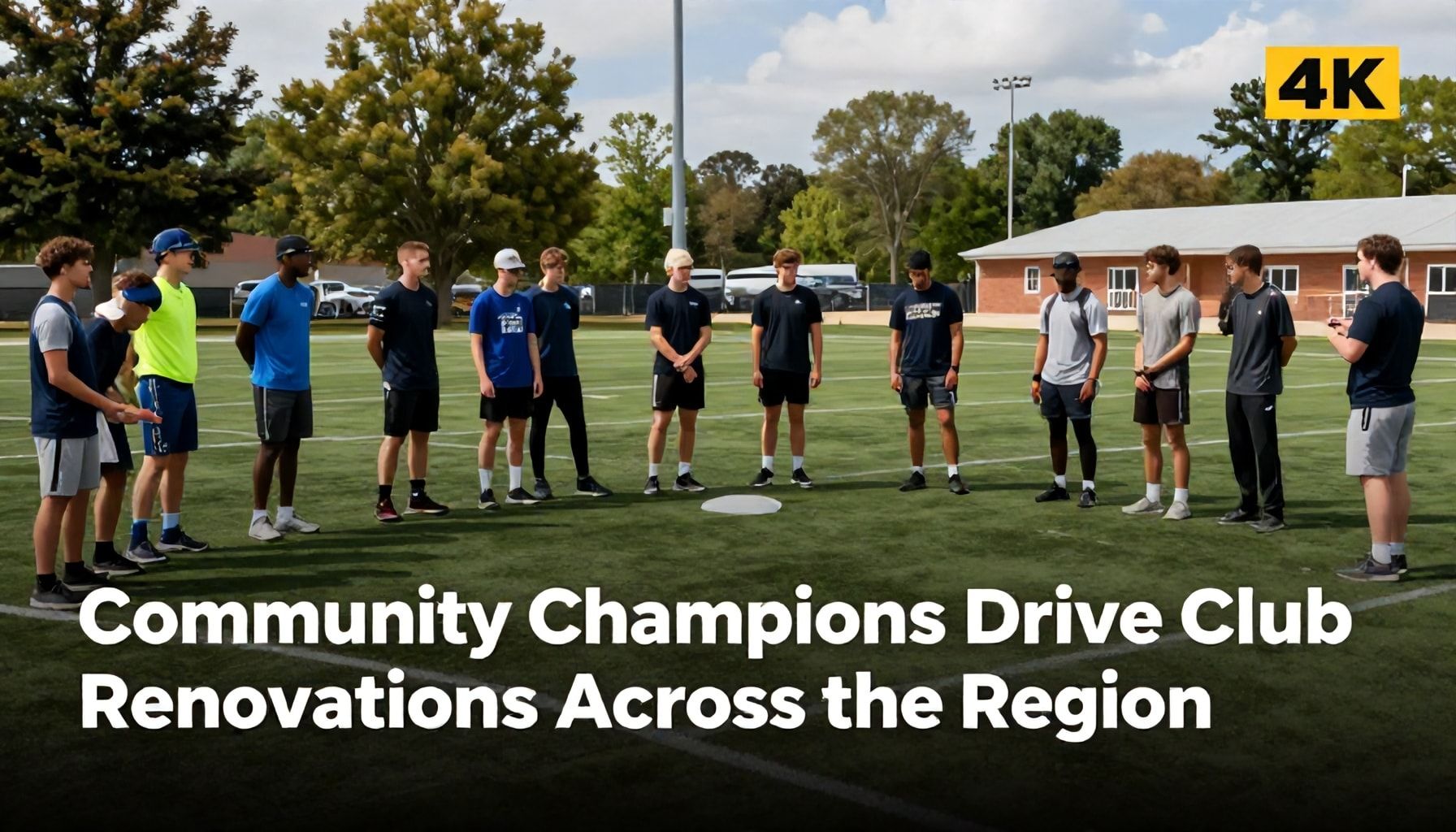
Community champions across the region have spearheaded significant renovations in local clubs, transforming them into vibrant community hubs. According to the Local Council, over 20 clubs have benefited from these initiatives this year alone.
Local resident and community activist, Sarah Johnson, led the renovation of the Riverside Community Club. “We wanted to create a space where everyone feels welcome,” Johnson stated in a recent interview. The club now boasts a modern kitchen, accessible facilities, and a revamped outdoor area.
In another part of the region, retired teacher Michael Brown organised a fundraising campaign to renovate the Hillside Sports Club. The campaign raised £50,000, allowing for the installation of new sports equipment and the refurbishment of changing rooms. “It’s incredible what a community can achieve when it comes together,” Brown remarked.
The local council has praised these efforts, highlighting the positive impact on community engagement. Councilor Emma Davis noted, “These renovations have not only improved facilities but also brought people together.” The council has pledged to support future community-led projects.
These initiatives have inspired other residents to take action. Several new renovation projects are already in the planning stages, promising further enhancements to local clubs. The community’s enthusiasm continues to drive positive change across the region.
Local Figures Inspire Club Makeovers

Local heroes have breathed new life into community clubs across the region this year. Their efforts have revitalised spaces and strengthened community bonds.
In Birmingham, former professional footballer John Thompson spearheaded a £50,000 refurbishment of the Oldbury Community Club. The project, completed in March, included new changing facilities and a modernised main hall. Thompson, who played for Aston Villa in the 1990s, secured funding through his charity, the John Thompson Foundation.
“Seeing the club thrive brings me immense joy,” Thompson said during the official reopening. The club now hosts youth football programmes and community events, with attendance up by 40% since the refurbishment.
In Manchester, local artist Sarah Patel transformed the Fallowfield Social Club with a vibrant mural project. Patel, known for her community-focused art, engaged local residents in the design process. The project, funded by a £20,000 grant from the National Lottery, was completed in June.
“Art has the power to unite people and create a sense of belonging,” Patel stated. The mural, spanning the club’s exterior walls, depicts scenes from Fallowfield’s history. Club manager, David Reynolds, reported a 30% increase in membership since the mural’s completion.
In London, retired nurse Mary Jenkins revitalised the Brixton Community Centre with a £35,000 garden project. Jenkins, who worked at the nearby St Thomas’ Hospital for 35 years, led a team of volunteers in creating a therapeutic garden. The project, finished in May, includes a sensory garden and outdoor seating area.
“Gardens have a profound impact on mental well-being,” Jenkins explained. The centre now hosts weekly gardening workshops and therapy sessions. Centre manager, Lisa Green, noted a 25% rise in attendance since the garden’s opening.
Grassroots Heroes Revamp Community Sports Facilities
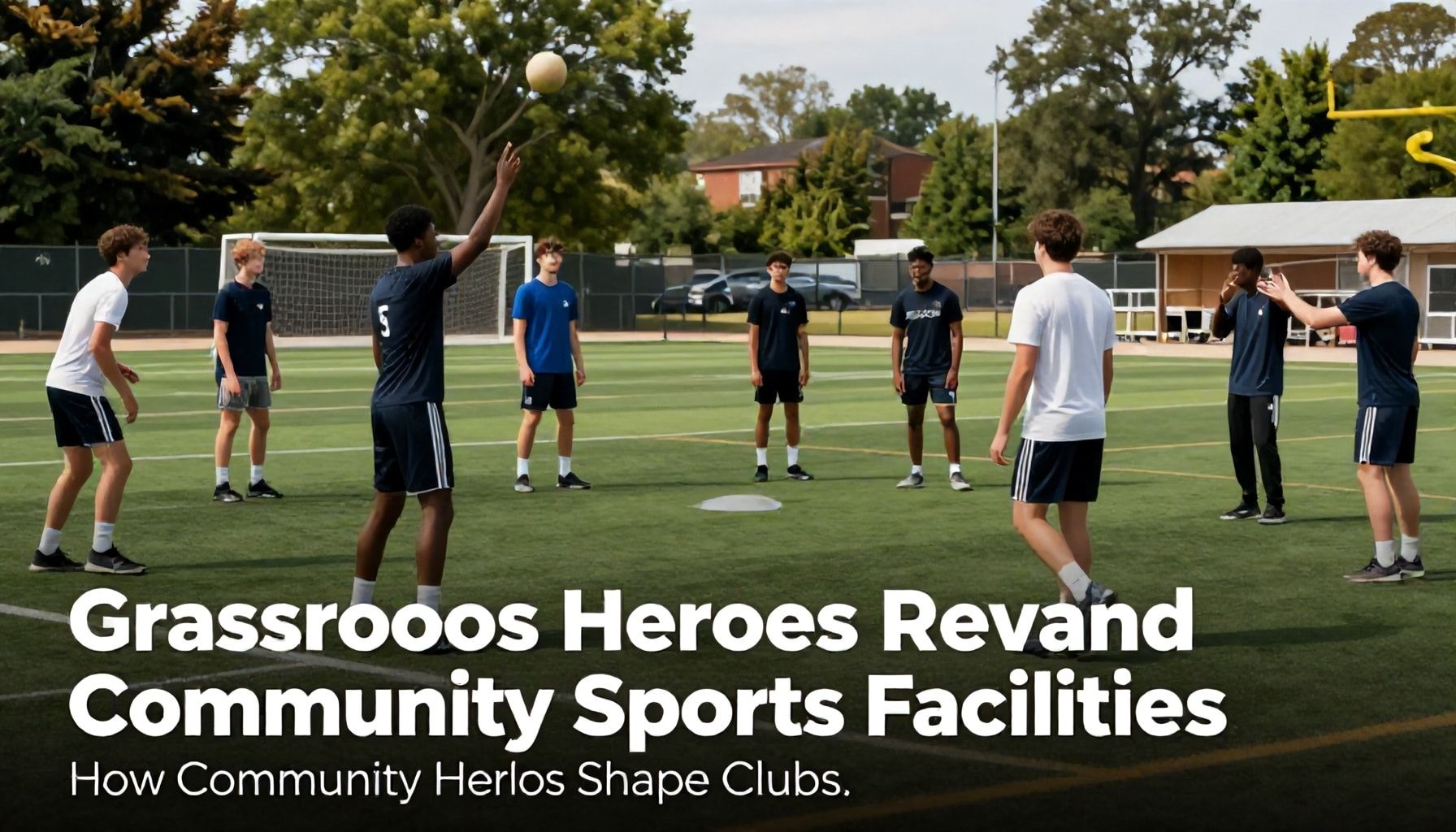
Local volunteers have breathed new life into community sports facilities across the UK this year. According to Sport England, over 5,000 grassroots heroes have led projects to improve local clubs, with £1.5 million invested in upgrades.
In Birmingham, a group of parents transformed a derelict playground into a multi-sport facility. The project, led by local resident Sarah Johnson, now hosts football, basketball, and tennis sessions for over 200 children weekly. “It’s about giving kids a safe space to play and stay active,” Johnson stated in a recent interview.
Meanwhile, in Cornwall, a retired teacher spearheaded the renovation of a village cricket club. The club, which dates back to 1923, now boasts new changing rooms and a modern pavilion. “We wanted to preserve the club’s history while bringing it into the 21st century,” said club secretary Mike Davies.
In Scotland, a community-led initiative in Glasgow revamped an old athletics track. The project, funded by local businesses and grants, now serves as a training ground for aspiring athletes. “It’s incredible to see the impact of community effort,” said Councillor Linda McDonald.
These projects highlight the power of grassroots initiatives in shaping local sports facilities. With continued support, more communities can benefit from similar transformations.
This year’s transformation of community clubs by local heroes has set a powerful precedent for grassroots change. The initiatives, ranging from youth mentorship programmes to urban gardening projects, have not only revitalised neighbourhood spaces but also fostered a sense of belonging and collective responsibility. As the year draws to a close, neighbouring towns are already expressing interest in replicating these successes, suggesting a potential ripple effect across the region. With continued community engagement and local government support, these clubs could become models for urban renewal nationwide.