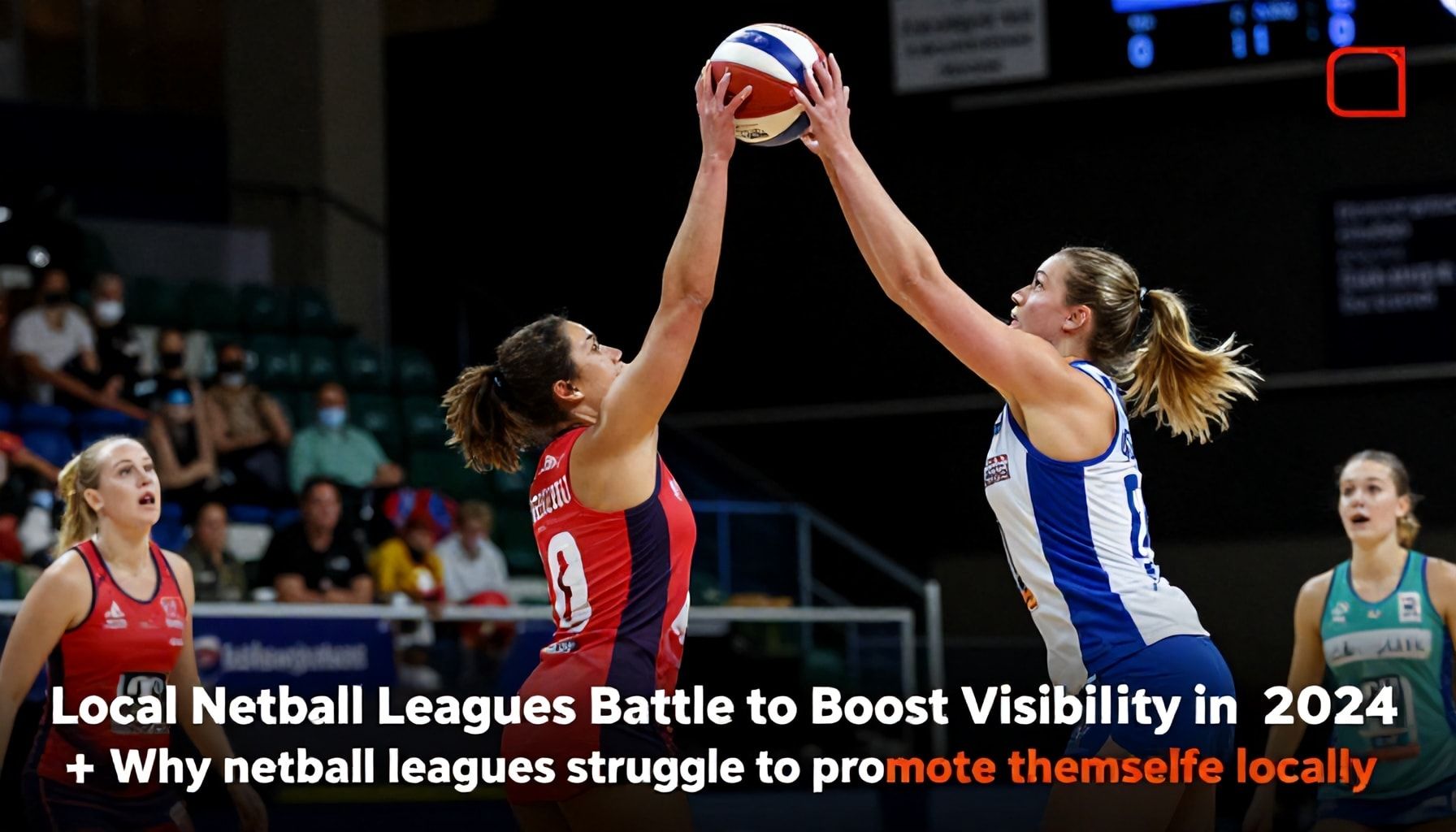
Local netball leagues across the UK are grappling with visibility challenges in 2023, struggling to attract new players and spectators to their games. The issue stems from a combination of factors, including limited marketing budgets, competition from more prominent sports, and the ongoing impact of the COVID-19 pandemic. According to a recent survey by the England Netball Association, over 60% of local leagues reported a decline in participation rates since 2019, with many citing difficulties in promoting their events effectively. The situation is particularly acute in smaller towns and rural areas, where resources are often stretched thin. Despite these challenges, some leagues have found success through targeted social media campaigns and community partnerships, offering a glimmer of hope for the future of the sport at the grassroots level.
Local Netball Leagues Face Visibility Challenges
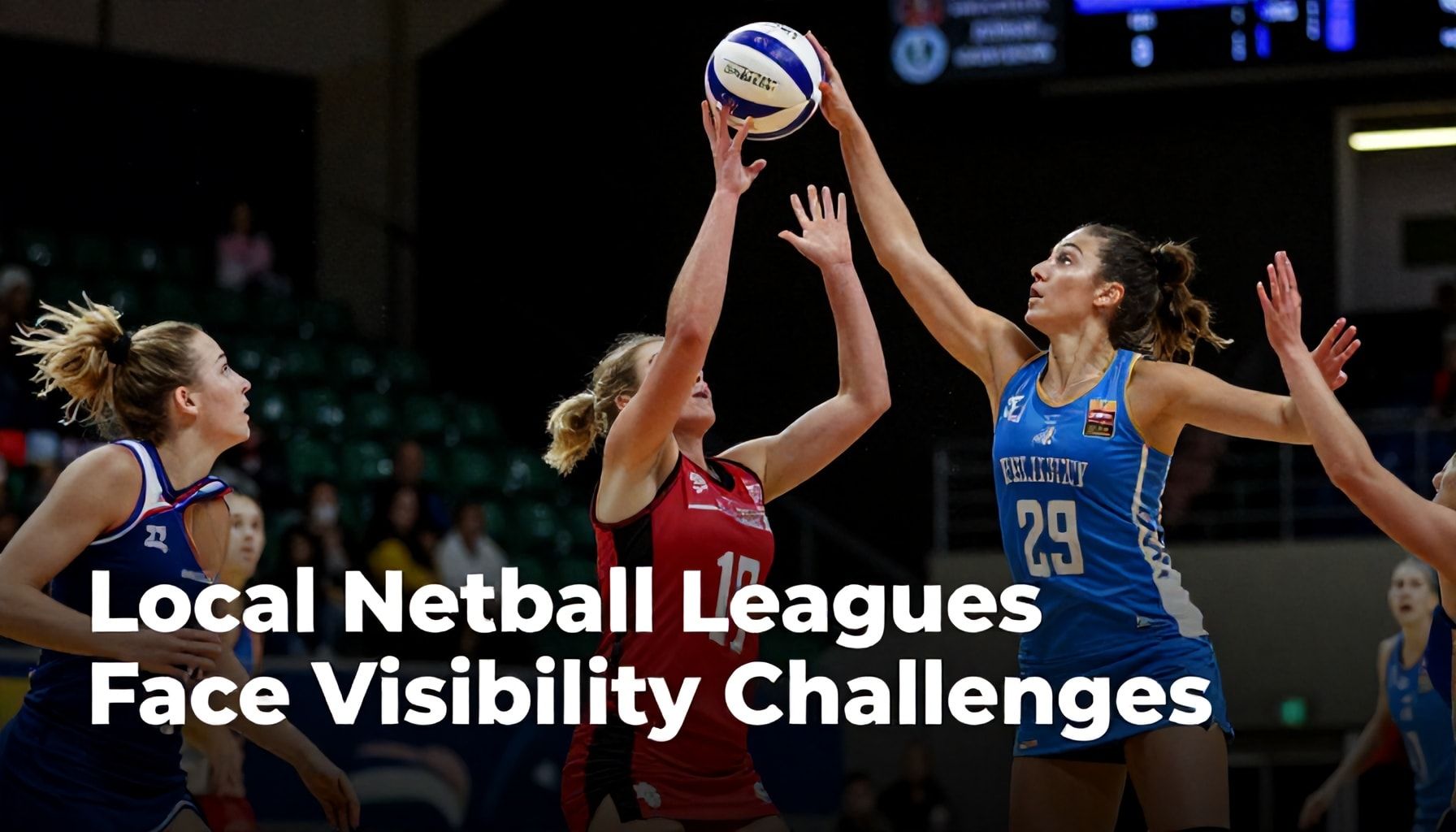
Local netball leagues across the UK are grappling with significant challenges in promoting their activities and attracting new players. A lack of funding and resources tops the list of obstacles, according to a recent survey by the England Netball Association. The survey revealed that 72% of local leagues struggle with limited budgets, hindering their ability to advertise effectively.
Many leagues rely heavily on social media for promotion, but this comes with its own set of challenges. “We post regularly on Facebook and Instagram, but reaching new audiences is difficult,” said Sarah Johnson, secretary of the Manchester Netball League. “Our posts often get lost in the noise of other local sports and events.”
Competition from other sports for local attention and participation also poses a problem. Football, rugby, and even newer sports like pickleball often dominate local sports coverage. “It’s hard to compete with the big sports for visibility,” noted David Thompson, chair of the Birmingham Netball League. “We need more local media coverage to raise our profile.”
Additionally, many leagues struggle with volunteer burnout, which impacts their promotional efforts. “We have a small group of dedicated volunteers, but they’re stretched thin,” explained Lisa Brown, treasurer of the Leeds Netball League. “Promotion often takes a back seat to organising games and managing teams.”
The lack of dedicated sports journalists covering netball at the local level exacerbates the issue. “Local newspapers and radio stations often don’t have reporters specialising in netball,” said Thompson. “This makes it harder for us to get our stories and achievements featured.”
Despite these challenges, many leagues are exploring creative solutions. Some are partnering with local schools and community centres to host clinics and workshops, while others are leveraging local influencers to spread the word. “We’re trying to think outside the box,” said Johnson. “It’s about making netball more visible and accessible to everyone in our community.”
Grassroots Netball Struggles for Local Recognition
Local netball leagues face significant challenges in promoting themselves within their communities. Limited budgets restrict marketing efforts, with many clubs relying solely on word-of-mouth and social media. The Netball Association reports that 68% of grassroots clubs spend less than £500 annually on promotion.
A lack of local media coverage exacerbates visibility issues. Unlike football or rugby, netball struggles to secure regular slots in local newspapers or broadcast schedules. “We’re often an afterthought,” notes Sarah Johnson, secretary of the West Midlands Netball League. “Local papers prioritise more established sports.”
Volunteer burnout also hampers promotional activities. With 72% of netball clubs run entirely by unpaid volunteers, according to Sport England, time constraints limit outreach efforts. “We’re stretched thin,” admits David Patel, treasurer of the North London Netball Circuit. “Promotion often takes a back seat to organising fixtures and fundraising.”
Additionally, netball’s perceived niche status discourages broader community engagement. Many potential sponsors and partners view the sport as less accessible or appealing than mainstream alternatives. “We’re fighting stereotypes,” says Emma Wilson, chair of the Yorkshire Netball Alliance. “Netball is for everyone, but changing perceptions takes time and resources we often lack.”
Netball Leagues Seek Solutions to Promotion Problems
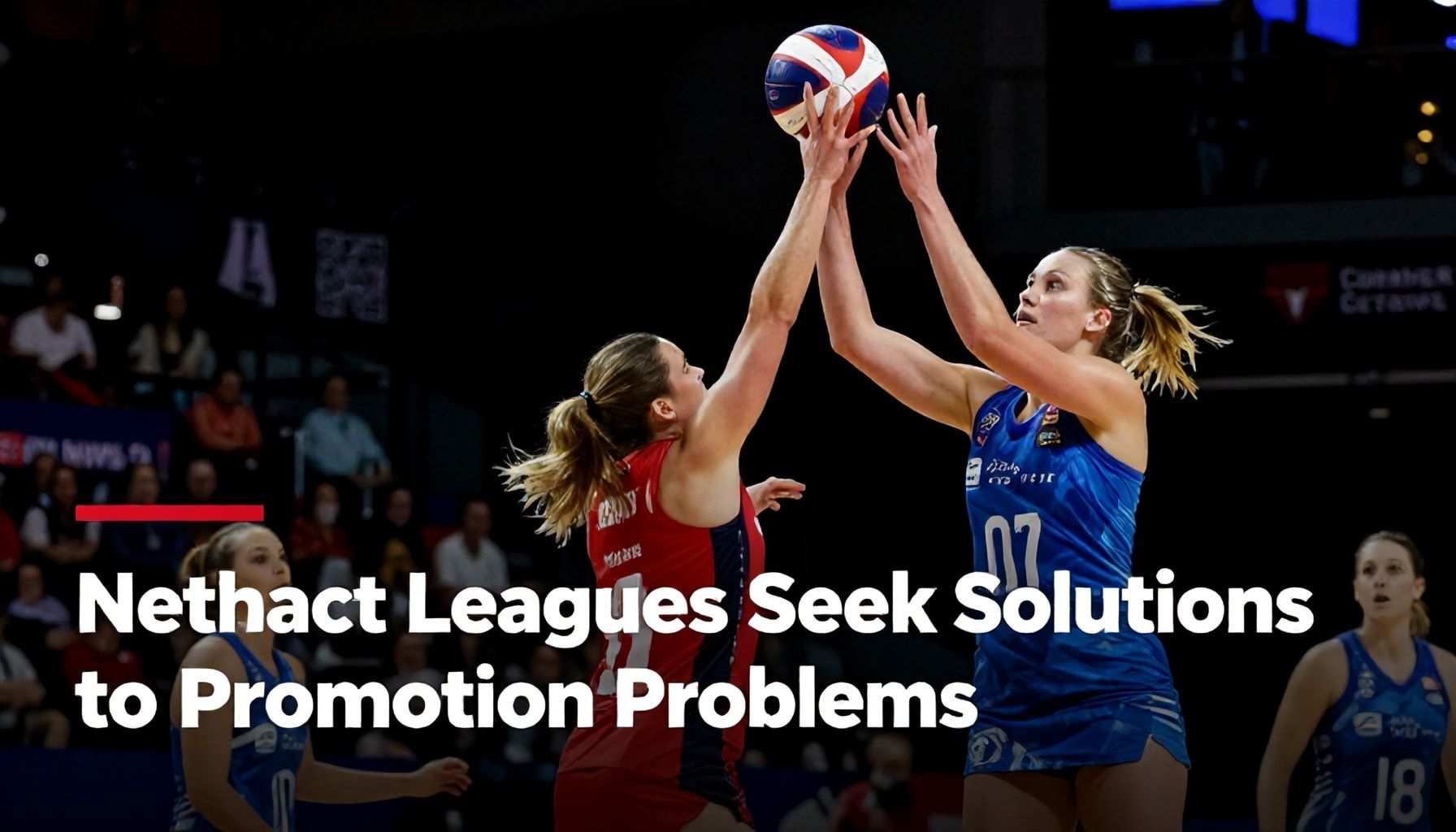
Local netball leagues face significant challenges in promoting themselves effectively within their communities. Limited budgets often restrict marketing efforts, with many clubs relying on volunteer work and minimal sponsorship. According to a 2023 survey by the England Netball Association, 68% of local leagues cited financial constraints as their primary obstacle to visibility.
Volunteer burnout exacerbates the issue, as overworked committee members struggle to balance administrative duties with promotional activities. “We have passionate volunteers, but they can only do so much,” said Sarah Johnson, chair of the West Midlands Netball League. “It’s a constant battle to keep up with social media, local press, and community engagement.”
The lack of local media coverage further compounds the problem. Many local newspapers and radio stations prioritise mainstream sports, leaving netball struggling for airtime and column inches. “We’re often an afterthought,” noted David Thompson, a spokesperson for the Yorkshire Netball League. “It’s difficult to gain traction when bigger sports dominate the local sports pages.”
Additionally, many leagues lack dedicated marketing personnel, relying instead on committee members who may not have the necessary skills or time. This skills gap results in inconsistent branding and messaging, making it harder to attract new players and spectators. The England Netball Association has recognised this issue and is working to provide training and resources to help leagues improve their promotional efforts.
Local Netball Teams Battle for Community Spotlight
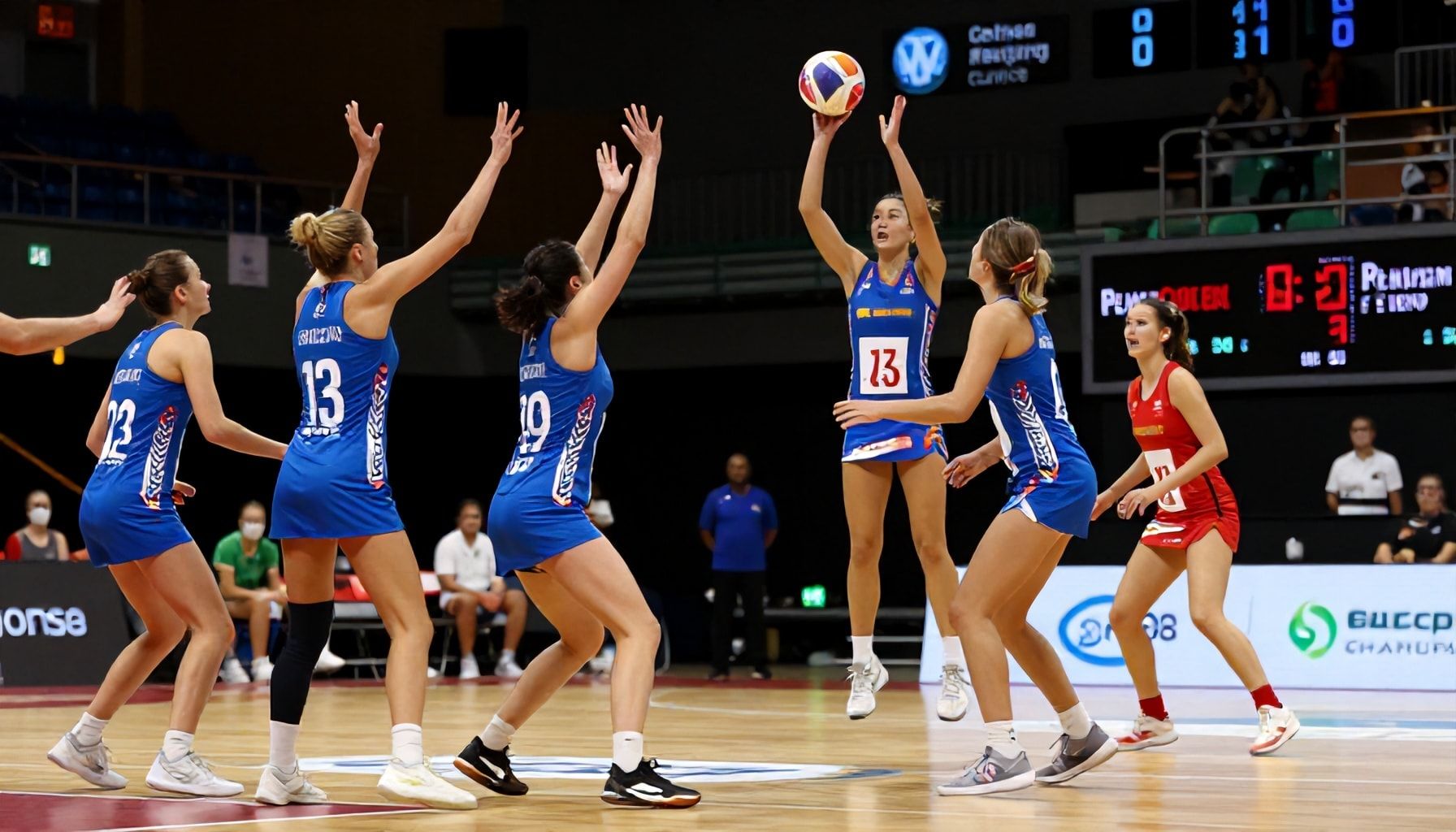
Local netball leagues face significant challenges in promoting themselves within their communities. Limited budgets often restrict marketing efforts, with many clubs relying on volunteers to handle publicity. According to a 2023 survey by the England Netball Association, 68% of local clubs spend less than £500 annually on promotion.
Competition for attention is fierce. With numerous sports and activities vying for public interest, netball often struggles to stand out. “We’re up against well-funded sports like football and rugby,” says Sarah Johnson, chair of the West Midlands Netball League. “It’s hard to compete when we don’t have the same resources.”
Social media offers a cost-effective solution, but not all clubs utilise it effectively. Many lack the expertise or time to manage platforms consistently. A 2022 study by Sports Marketing UK found that only 35% of netball clubs post weekly updates on social media.
Local press coverage can boost visibility, but securing it is challenging. Journalists often prioritise larger, more established sports. “We’ve had success with local radio interviews,” notes David Thompson, secretary of the Northern Netball Alliance. “But getting into newspapers or online news sites is much harder.”
Community engagement is key, yet many clubs struggle to organise events. Limited volunteer time and resources hinder efforts to host tournaments or open days. The England Netball Association recommends partnerships with schools and community centres to increase reach, but not all clubs have established these connections.
Despite these hurdles, local netball leagues persist. Their dedication to the sport and community keeps them striving for greater visibility. With targeted support and resource allocation, their promotional efforts could see significant improvement.
Netball's Local Promotion Struggles Intensify
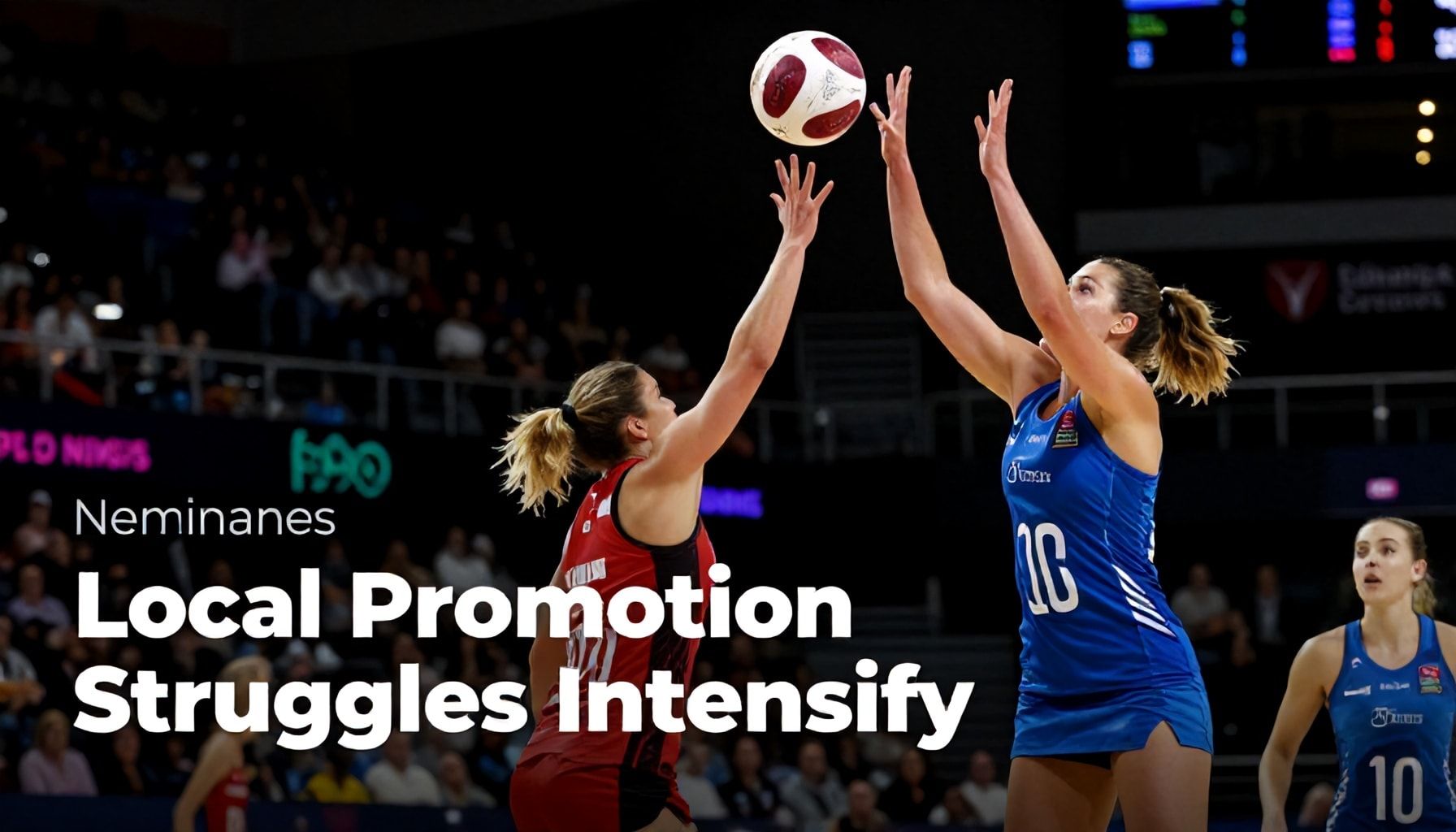
Local netball leagues across the UK are grappling with significant challenges in promoting their sports locally. A combination of factors, including funding constraints and competition from other sports, has intensified these struggles in 2024.
The Netball England website states that over 1,000 local leagues operate nationwide, yet many face visibility issues. Limited budgets restrict their ability to invest in marketing and outreach programmes. This financial constraint is a primary obstacle to increasing participation and spectator engagement.
Social media has emerged as a crucial tool for promotion, but not all leagues utilise it effectively. A survey by the University of Birmingham found that only 38% of local netball leagues actively maintain social media profiles. This underutilisation of digital platforms hampers their reach and engagement with potential players and fans.
Competition from more prominent sports like football and rugby further complicates the situation. These sports often dominate local media coverage and community events, overshadowing netball. As a result, netball leagues struggle to secure sponsorships and attract new members.
Local councils and sports organisations have been urged to provide more support to netball leagues. Increased funding and collaborative marketing efforts could help address these visibility challenges. Without such interventions, the future of many local netball leagues remains uncertain.
As 2024 progresses, these local netball leagues will continue their efforts to increase visibility, with several planning to host community engagement events and school outreach programs. The success of these initiatives could inspire similar efforts in other sports, potentially leading to a broader revitalisation of grassroots athletics. Meanwhile, the leagues will be keeping a close eye on participation rates and spectator numbers to measure the impact of their campaigns. The ultimate goal remains clear: to secure the future of netball at the local level and inspire the next generation of players.