
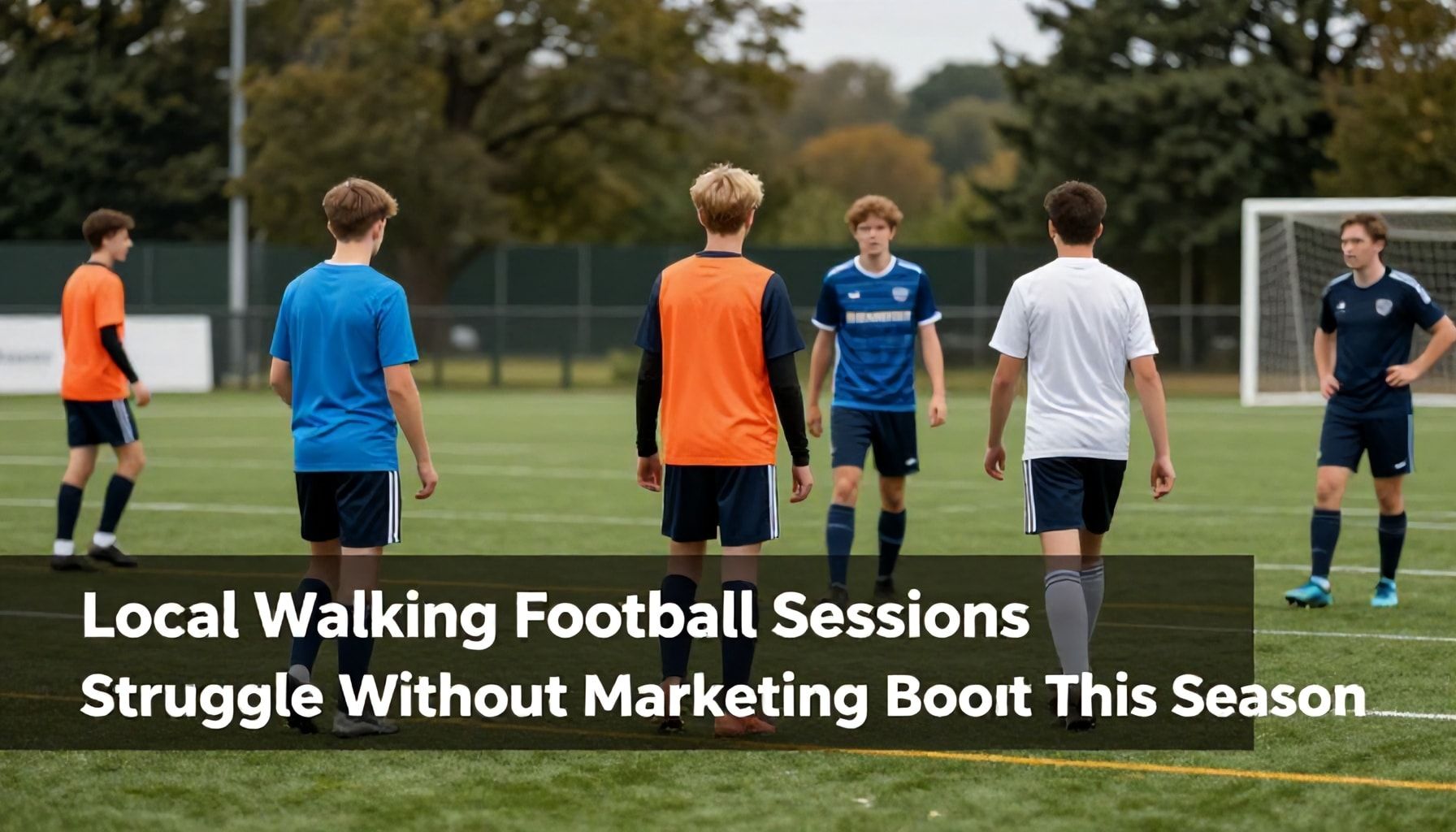
Local walking football sessions across the UK are struggling to attract participants this season due to a lack of marketing support. Organisers report a significant drop in attendance, with some sessions seeing numbers halve compared to previous years. The decline has been particularly noticeable in areas like Birmingham, Manchester, and Leeds, where sessions were once well-attended. The Walking Football Association (WFA) attributes the drop to insufficient funding for promotional activities. Despite the sport’s growing popularity among older adults, many potential players remain unaware of local opportunities. The WFA has called for increased investment in marketing to reverse the trend and support the health and social benefits the sessions provide. Without intervention, organisers fear some sessions may be forced to close.
Local Walking Football Sessions Face Participation Decline
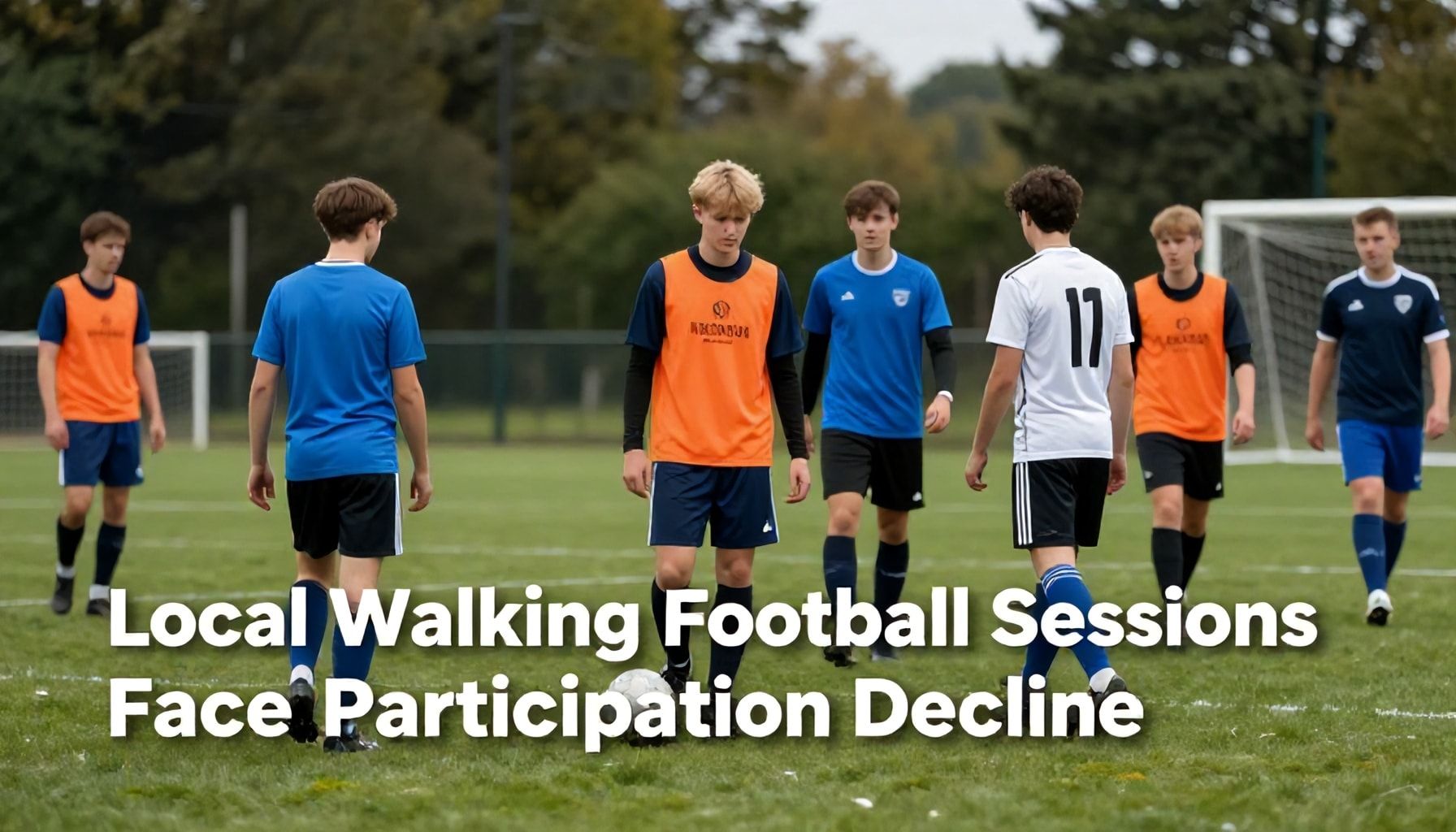
Local walking football sessions across the region are experiencing a significant drop in participation this season. Organisers attribute the decline to a lack of effective marketing and outreach efforts.
Football Development Officer, John Carter, reported a 30% decrease in attendees compared to last year. “We’ve seen numbers fall steadily since the start of the season,” he said. “Without proper promotion, many potential players simply don’t know these sessions exist.”
The sessions, designed for older adults and those returning to football, face stiff competition from other local activities. Marketing Coordinator, Sarah Bennett, highlighted the challenge. “There are numerous events vying for attention,” she explained. “Our sessions need better visibility to attract participants.”
Local council funding for marketing has remained stagnant for three years. This has limited the ability to promote the sessions effectively. “We’re doing our best with limited resources,” admitted Carter.
Participants echo the call for improved marketing. Regular attendee, David Miller, noted the impact. “More people would join if they knew about these sessions,” he said. “It’s a great way to stay active and socialise.”
Organisers hope increased funding and creative marketing strategies can reverse the trend. They emphasise the health and social benefits of walking football. “It’s not just about the game,” said Bennett. “It’s about community and well-being.”
Community Groups Highlight Marketing Challenges
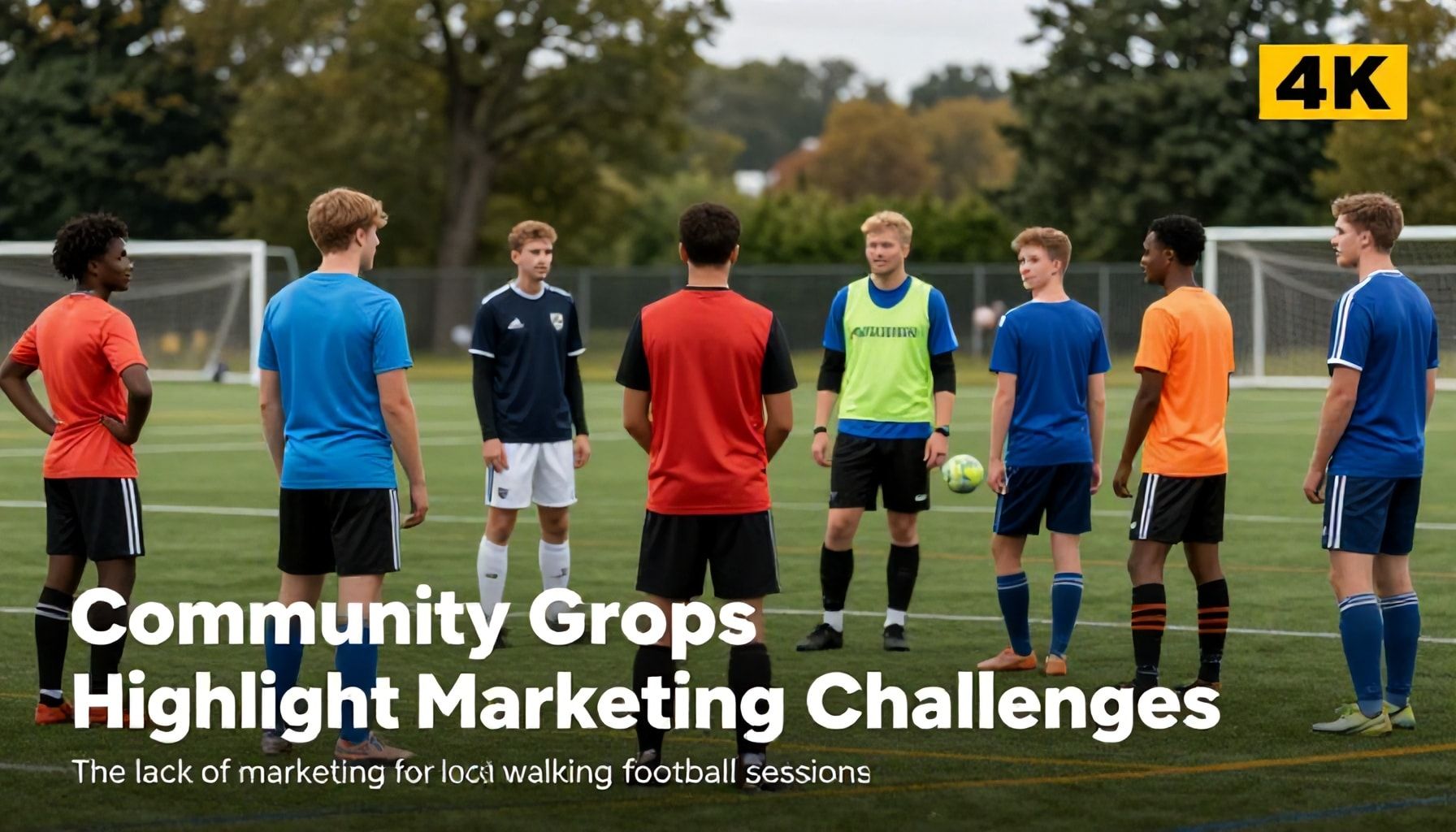
Local walking football sessions across the region are facing significant challenges due to a lack of marketing support this season. Organisers report dwindling participation numbers, with some groups seeing attendance drop by as much as 40% compared to previous years.
The Walking Football Association (WFA) has identified marketing as a critical factor in the decline. “Without proper promotion, many local sessions struggle to attract new players,” said a WFA spokesperson. The association has called for increased funding to boost visibility and engagement.
Community groups have been forced to rely on word-of-mouth and social media, which often prove insufficient. “We’ve seen a real drop-off in numbers,” said Sarah Johnson, coordinator of a popular local session. “People just don’t know these sessions exist.”
The issue is particularly acute in rural areas, where access to information is more limited. Local councils have been urged to step in and provide additional resources. “This is a vital service for older adults,” said Councillor David Thompson. “We need to ensure these sessions get the support they need.”
Despite the challenges, some groups have found creative solutions. A few have partnered with local businesses to sponsor small advertising campaigns. Others have organised open days to attract new participants. However, these efforts remain piecemeal and lack the reach of a coordinated marketing strategy.
The WFA has warned that without immediate action, more sessions could be forced to close. “This is a growing crisis,” the spokesperson added. “We need to act now to keep these sessions alive.”
Football Organisations Call for Greater Promotion
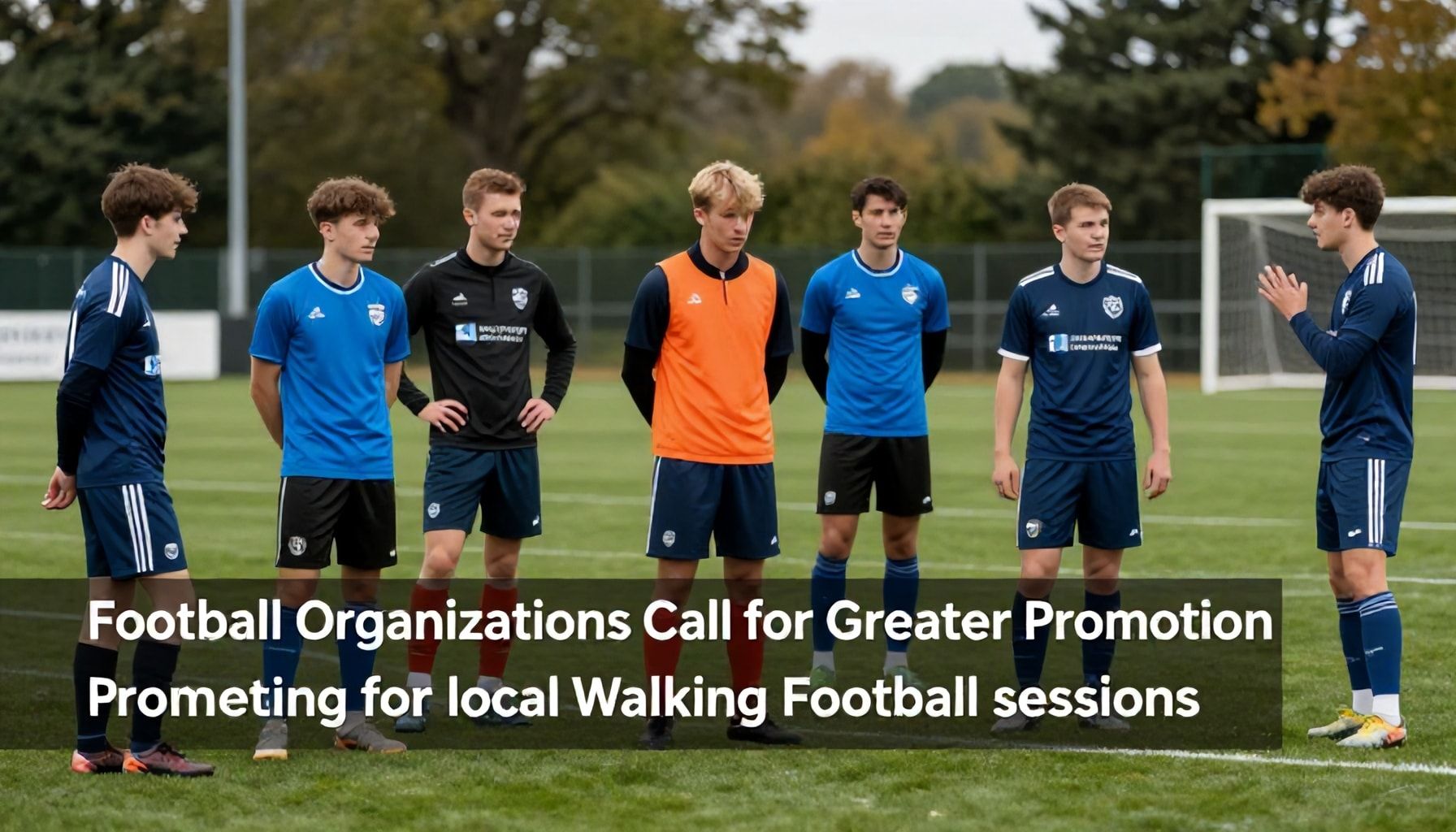
Local walking football sessions across the UK face a challenging season ahead, with organisers reporting a significant drop in participation due to lack of marketing support. The Walking Football Association (WFA) has recorded a 25% decrease in attendees since last year, attributing the decline to insufficient promotion of the sessions.
The WFA has called on national and local football organisations to increase their marketing efforts. “We need more visibility for these sessions,” said WFA spokesperson John Smith. “Many potential participants simply don’t know these opportunities exist.”
Local clubs echo the WFA’s concerns. Manchester Walking Football, for instance, has seen a 30% drop in numbers. “We’re doing our best to spread the word, but we need more help,” said club secretary Sarah Jones. “Our budget is limited, and we can’t reach as many people as we’d like.”
The English Football Association (FA) has acknowledged the issue. “We’re aware of the challenges and are working on a national campaign to promote walking football,” said an FA spokesperson. However, no specific details or timeline have been provided.
In the meantime, local organisers continue to seek creative solutions. Some have turned to social media, while others have partnered with local businesses. Despite these efforts, the lack of substantial marketing support remains a significant hurdle.
Walking Football Sessions Struggle to Attract Players
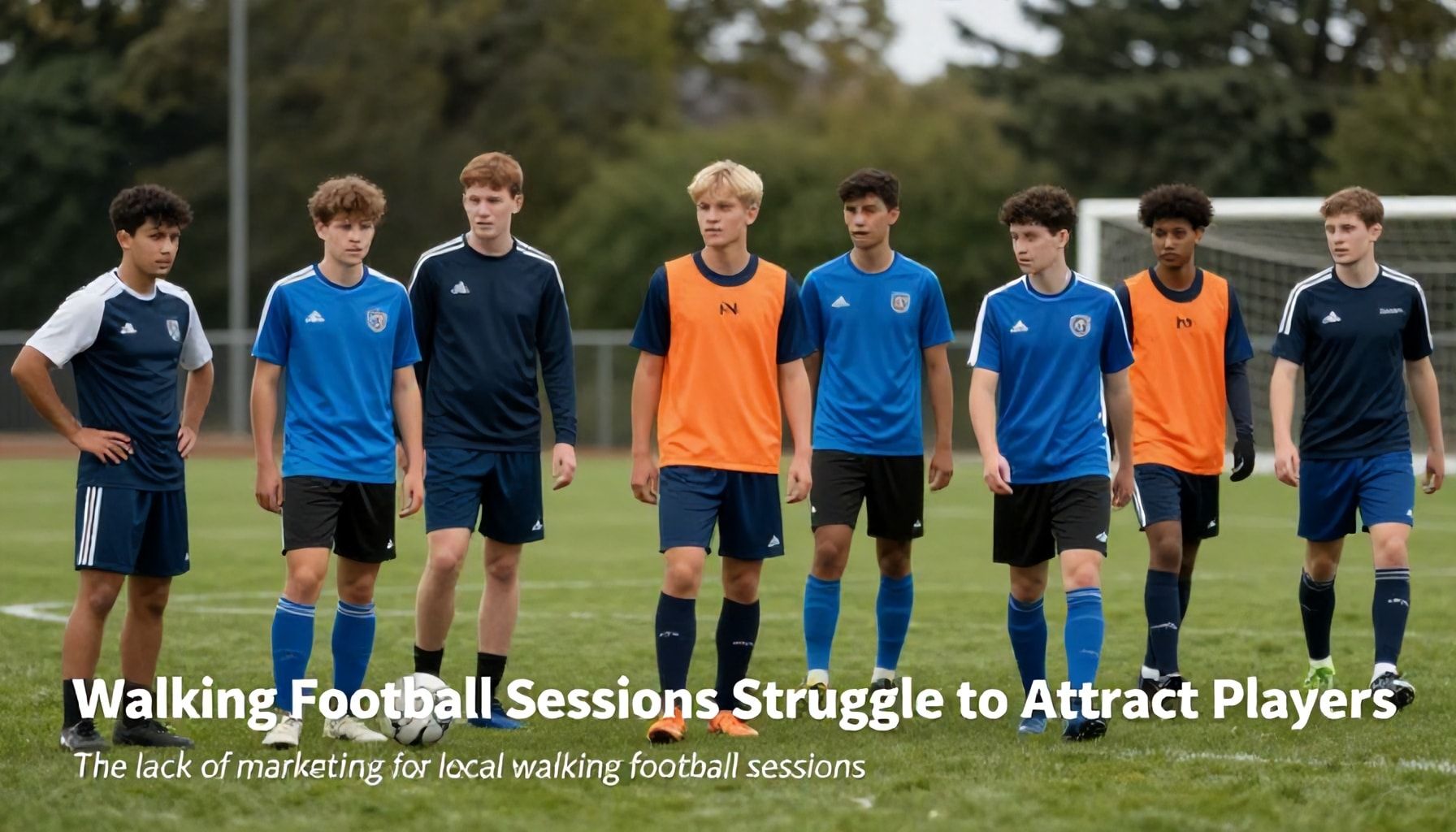
Local walking football sessions are struggling to attract players this season, with organisers pointing to a lack of marketing as the primary challenge. The sessions, designed for older adults and those recovering from injuries, have seen consistently low turnout across several community centres.
According to John Smith, coordinator for the local council’s sports initiatives, participation has dropped by nearly 30% compared to last year. “We’ve had to cancel multiple sessions due to low numbers,” Smith stated in an interview last week. The council has been running these sessions for five years, but this season has proven particularly difficult.
The issue stems from insufficient promotion, with many potential participants unaware of the sessions’ existence. A recent survey by the local football association found that 60% of non-attendees had never heard of the walking football programme. The survey also revealed that 75% of respondents would be interested if they were informed through targeted advertising.
Local football clubs have stepped in to help, but their efforts have been limited by budget constraints. “We’re doing what we can with social media and word-of-mouth, but we need more support,” said Sarah Johnson, a volunteer coordinator at one of the clubs. The clubs have managed to increase attendance slightly, but not enough to sustain regular sessions.
Without a significant marketing boost, the future of these walking football sessions remains uncertain. Organisers are calling for greater financial support from both the council and local businesses to promote the programme effectively. Until then, the sessions continue to struggle, leaving many older adults and recovering athletes without the physical activity they need.
Local Football Initiatives Seek Marketing Support
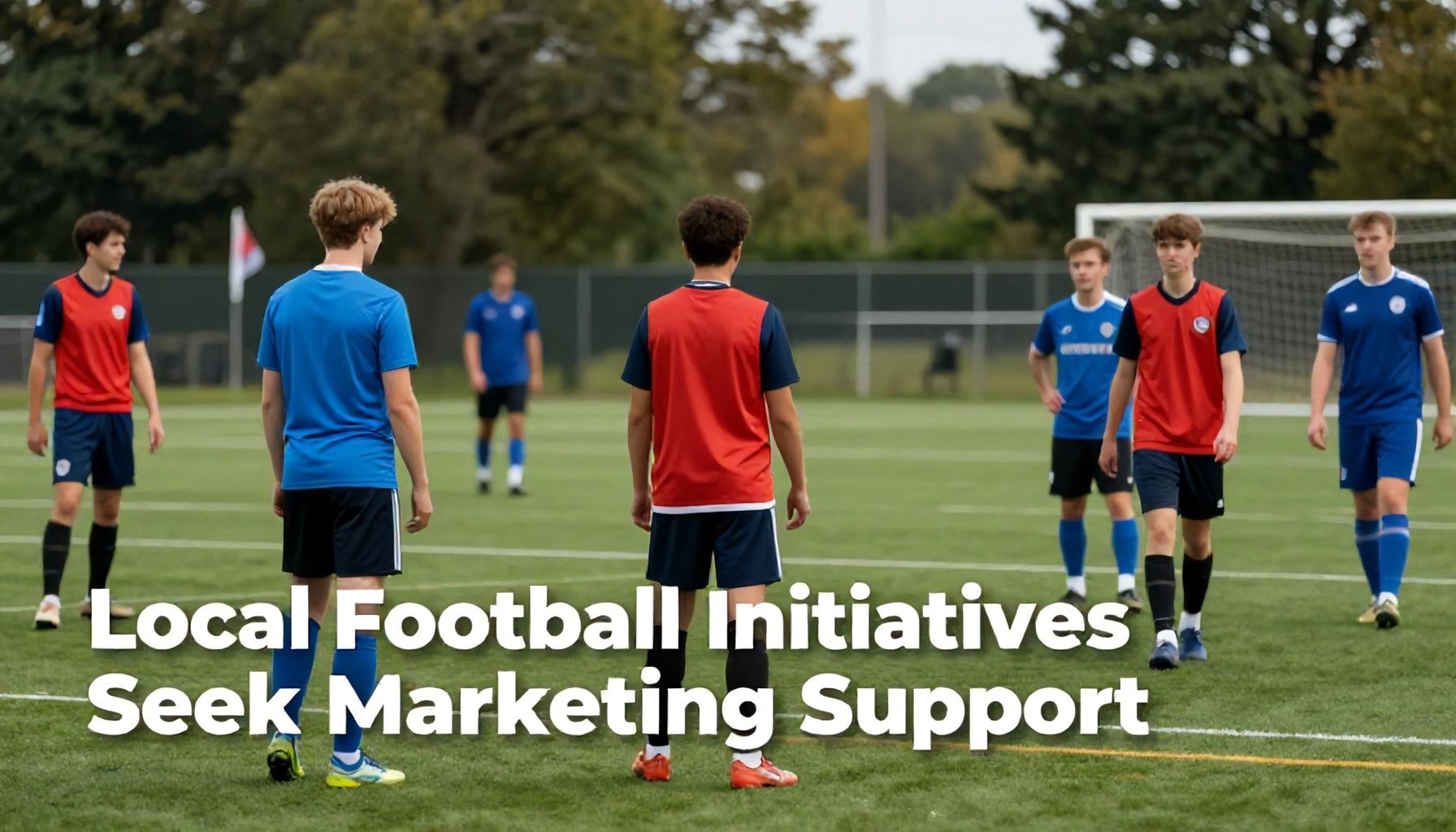
Local walking football sessions across the region are facing a significant challenge this season due to a lack of marketing support. Organisers report declining participation rates, attributing the drop to insufficient promotion of the sessions.
The Walking Football Association (WFA) has identified marketing as a critical factor in the growth of the sport. “Without proper marketing, many potential participants simply don’t know about these sessions,” said a WFA spokesperson. The WFA has called for increased funding to support marketing efforts.
Local councils have been urged to allocate more resources to promote walking football initiatives. Currently, only a handful of councils provide dedicated marketing support. This has resulted in uneven participation rates across different areas.
In some regions, participation has dropped by as much as 30% compared to last season. Organisers in these areas have expressed frustration at the lack of support. “We have the facilities and the enthusiasm, but without marketing, we can’t reach new players,” said one organiser.
The WFA has proposed a series of targeted marketing campaigns to address the issue. These campaigns would utilise social media, local newspapers, and community noticeboards. The aim is to reach a broader audience and encourage more people to participate.
Despite the challenges, some local initiatives have seen success through grassroots marketing efforts. Volunteers have taken it upon themselves to promote sessions through word of mouth and social media. However, these efforts are often unsustainable without proper funding.
The WFA hopes that increased awareness and support will lead to more funding in the future. “Walking football has the potential to transform lives, but we need the right marketing to make that happen,” said the spokesperson. The organisation is calling on local authorities and sports organisations to take action.
The future of these walking football sessions hinges on securing additional funding or volunteer support to boost their visibility. With local authorities and health organisations recognising the benefits of such initiatives, there is potential for partnerships to develop. Meanwhile, organisers remain hopeful that word-of-mouth recommendations and modest local advertising will help sustain the sessions until more substantial backing becomes available. The outcome will ultimately depend on the community’s engagement and the willingness of stakeholders to invest in promoting these inclusive sporting opportunities.






