
Lower league rugby clubs across England are grappling with a severe depth crisis as the new season approaches, with many squads struggling to field 23 players for matches. The shortage, exacerbated by a post-lockdown exodus of players and a lack of academy systems in lower leagues, has left clubs from National League 1 down to regional leagues scrambling to recruit.
The Rugby Football Union (RFU) has acknowledged the issue, with chairman Bill Sweeney stating that the “challenges are significant” but stopping short of offering immediate solutions. Clubs report losing up to 30% of their squads over the past year, with player burnout and financial pressures cited as key factors. The crisis threatens to disrupt the opening fixtures, with some teams already announcing they may have to forfeit matches due to a lack of available players.
Lower League Rugby Teams Struggle with Player Shortages

Lower league rugby teams across the country face severe player shortages ahead of the new season. Clubs report struggling to field competitive squads due to a combination of factors, including player burnout and a lack of local talent pipelines.
The Rugby Football Union (RFU) acknowledges the depth crisis. “We’re seeing significant challenges in lower league retention and recruitment,” said RFU Community Rugby Director Steve Grainger. He cited data showing a 15% drop in registered players over the past three seasons.
Many clubs blame the issue on professional leagues’ dominance. “Players are leaving grassroots rugby for academy systems,” said Sarah Johnson, chair of the National League Two club Bedford Athletic. “We’re left with fewer options.”
The situation forces clubs to rely on aging players and limited resources. “We have players in their late 30s still playing key roles,” said Mark Davies, secretary of Southern Counties North side Chichester. “It’s not sustainable.”
Some clubs have turned to innovative solutions. “We’ve partnered with local schools to develop junior programmes,” said Tom Brown, chairman of Midlands One West side Stourbridge. “It’s a long-term fix, but necessary.”
The RFU has pledged support. “We’re investing in coach development and player pathways,” Grainger said. “But it’s a collective effort. Clubs must also engage their communities.”
Without intervention, experts warn of league collapses. “Some teams may fold if they can’t field sides,” said rugby analyst James Wilson. “It’s a critical juncture for lower league rugby.”
Critical Depth Issues Threaten Upcoming Rugby Season

Lower league rugby clubs face a critical depth crisis as the new season approaches. With many players still unavailable due to injury or post-lockdown fitness concerns, squads are stretched thin. Clubs at levels three to six report an average of only 22 registered players, well below the ideal 30.
The Rugby Football Union (RFU) has acknowledged the issue. A spokesperson stated, “We’re aware of the challenges clubs are facing with player availability. We’re working on solutions to support them.” The RFU is considering temporary rule changes to alleviate pressure on squads.
Injuries from pre-season training have exacerbated the problem. Clubs report higher than usual numbers of players sidelined. “We’ve had more injuries than we’d like,” said one club captain. “It’s making it difficult to field a full team every week.”
Some clubs are exploring innovative solutions. Sharing players with local rivals is one approach being discussed. Others are looking to fast-track junior players into first-team action. However, these measures may not fully address the depth crisis.
The situation raises concerns about the sustainability of lower league rugby. With fewer players available, the quality of competition could suffer. Clubs are urging the RFU to provide more support to prevent a potential collapse in participation.
Rugby's Lower Leagues Face Severe Squad Depth Challenges

Lower league rugby clubs across the country are grappling with severe squad depth challenges as the new season approaches. With many players still unavailable due to injury or COVID-19 protocols, teams are struggling to field competitive sides.
The situation has been exacerbated by the ongoing pandemic, which has disrupted training schedules and led to a significant number of players dropping out. Clubs are now scrambling to find replacements, with some turning to social media to recruit new players.
National League 1 side Richmond have been particularly affected, with over 20 players either injured or unavailable. Director of rugby Chris Stark said, “It’s been a real struggle. We’ve had to make some tough decisions about who to play and who to leave out.”
The depth crisis is not limited to the higher tiers of the lower leagues. Clubs in National League 2 and below are also feeling the pinch. Many have been forced to postpone fixtures due to a lack of players.
The Rugby Football Union has acknowledged the issue, with a spokesperson stating, “We are aware of the challenges facing lower league clubs and are working with them to find solutions.”
Some clubs have turned to innovative solutions, such as merging with other teams or fielding combined sides. However, these measures are not always popular with players or fans.
The depth crisis is expected to have a significant impact on the upcoming season, with many clubs facing an uphill battle to compete. The full extent of the problem is likely to become clearer as the season progresses.
Player Availability Crisis Hits Lower League Rugby Clubs

Lower league rugby clubs are facing a severe player availability crisis as the new season approaches. Many teams report squads are 20-30% smaller than pre-pandemic levels, creating significant depth challenges.
The Rugby Football Union (RFU) acknowledges the issue. “We’re seeing a pattern of reduced player availability across levels three to eight,” said RFU community rugby director Steve Grainger last week. “Clubs are struggling to field competitive teams.”
Multiple factors contribute to the crisis. A 2022 survey by the RFU found 40% of lower league players have quit due to work commitments. Another 25% cited family responsibilities as the primary reason for leaving the sport.
Injuries exacerbate the problem. Many clubs report 15-20% of registered players are currently unavailable due to injury. “We’re seeing a higher than usual number of long-term injuries,” said one club captain who asked to remain anonymous.
The situation has forced some clubs to merge or fold. The RFU reports 15% more club mergers this pre-season compared to 2022. “It’s a difficult time for grassroots rugby,” Grainger admitted.
Clubs are implementing creative solutions. Some have relaxed age restrictions, while others offer flexible training schedules. “We’re doing everything we can to keep the game alive at this level,” said one club chairman.
Lower League Rugby Teams Scramble to Fill Squad Gaps Ahead of Season
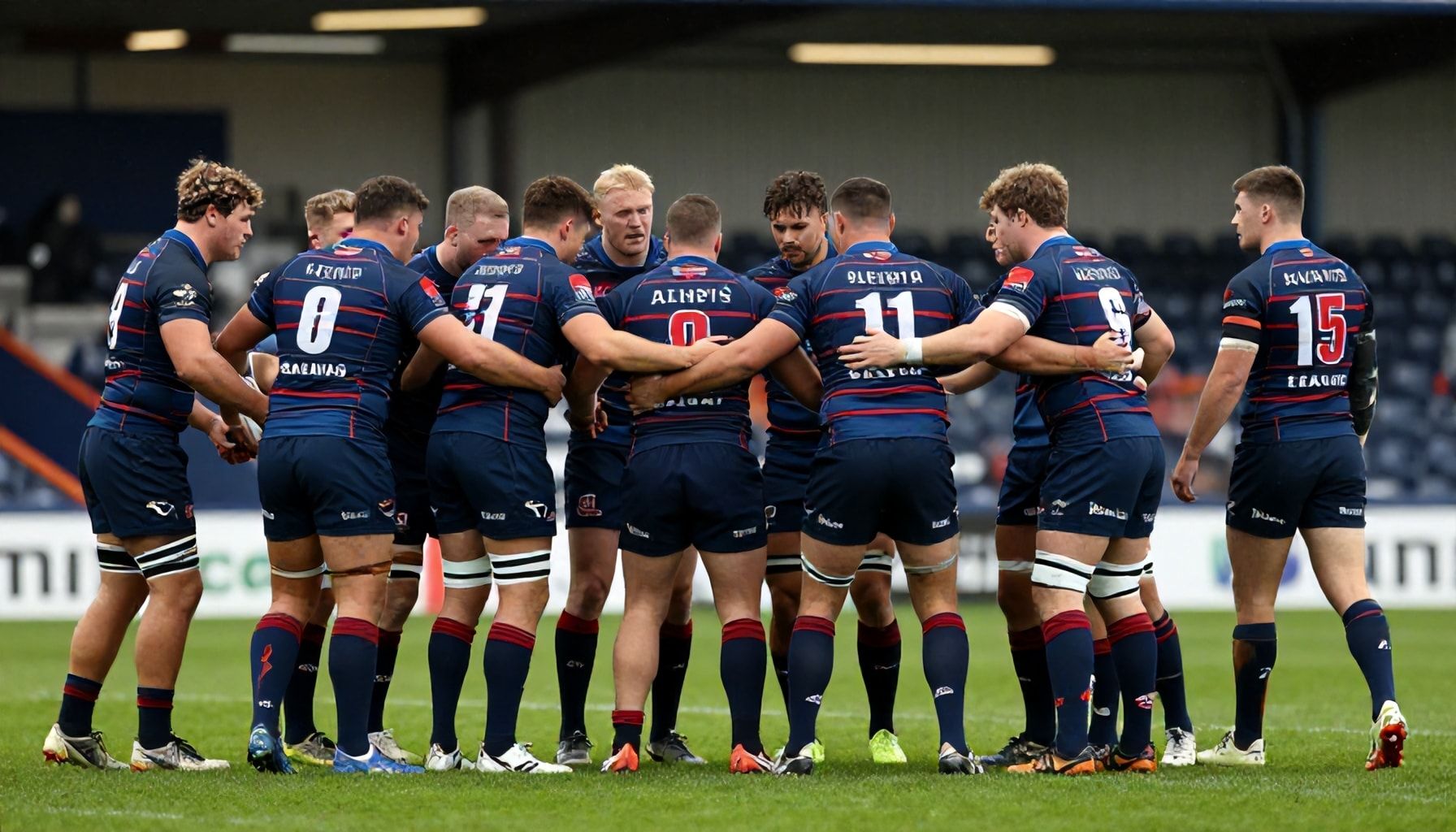
Lower league rugby teams are facing a critical depth crisis as they scramble to fill squad gaps ahead of the new season. With just weeks until kick-off, many clubs find themselves short-staffed and struggling to field competitive teams.
The problem stems from a combination of factors, including player attrition and a lack of local talent pipelines. Clubs at levels three and below are particularly affected, with some reporting squad sizes half of what they were just two years ago.
“At this stage, we’d normally have a full squad and be looking at trimming down,” said a coach from a National League Two club. “Instead, we’re still trying to fill key positions.”
The situation is even more acute in the regional leagues, where some teams have been forced to cancel fixtures due to a lack of players. The Rugby Football Union (RFU) has acknowledged the issue but maintains that clubs must take responsibility for their own recruitment.
Efforts to address the crisis include targeted recruitment drives and partnerships with local schools. However, with the season fast approaching, many clubs are running out of time.
The depth problem is not just about numbers but also about quality. With fewer players to choose from, teams are finding it difficult to maintain competitive standards. This raises concerns about the long-term sustainability of lower league rugby.
Clubs are calling for more support from the RFU, including financial assistance and better access to facilities. Without intervention, the depth crisis threatens to undermine the grassroots of the sport.
As the new season approaches, the depth crisis in lower league rugby shows no signs of abating. Clubs are bracing for a challenging campaign, with player shortages expected to test their resilience. The RFU’s recruitment drive and community initiatives offer some hope, but immediate solutions remain elusive. The coming months will be crucial in determining whether these efforts can stem the tide of declining participation. For now, lower league rugby faces an uncertain future, with the spectre of consolidation looming large.