
Football clubs are discovering that matchday experiences, rather than headline news, are driving fan engagement. Recent data from sports marketing agency Two Circles reveals that clubs’ social media posts about matchday features—such as player appearances, stadium tours, and fan zones—generate 37% more engagement than traditional news updates. The trend is particularly strong among younger fans, with 18-24-year-olds interacting 45% more with matchday content. Premier League clubs like Manchester City and Liverpool have seen significant spikes in engagement since shifting their focus to behind-the-scenes and interactive matchday content. The shift comes as clubs seek new ways to connect with fans beyond match results and transfers.
Matchday Features Drive Fan Interaction Surge

Matchday features have emerged as the dominant force in fan engagement, consistently outperforming traditional headlines. Industry data reveals a 35% higher interaction rate for matchday content compared to news headlines. This trend underscores the shifting priorities of football fans.
The allure of matchday features lies in their immediacy and relevance. Fans crave real-time updates, player insights, and tactical analysis that unfold as the match progresses. “Matchday content creates a sense of community and shared experience,” explains a senior analyst at SportsEngage. This immediacy fosters deeper engagement than static headlines.
Statistics from major leagues support this claim. Premier League clubs report that matchday tweets generate 40% more engagement than breaking news updates. Similarly, La Liga teams observe a 25% increase in social media interactions during live matches. These figures highlight the preference for dynamic, match-related content.
Experts attribute this surge to the emotional connection fans have with live events. “Fans don’t just want to know the score; they want to feel part of the action,” notes a media strategist at FootballAnalytics. This emotional investment drives higher engagement rates.
Moreover, matchday features offer a platform for interactive content. Polls, quizzes, and live Q&A sessions with pundits keep fans actively involved. This interactivity is a key differentiator from traditional headlines, which are inherently passive.
The data is clear: matchday features are the cornerstone of fan engagement. As clubs and leagues continue to innovate, this trend is expected to grow. The future of fan interaction lies in real-time, immersive content.
Fan Engagement Spikes with Matchday Content
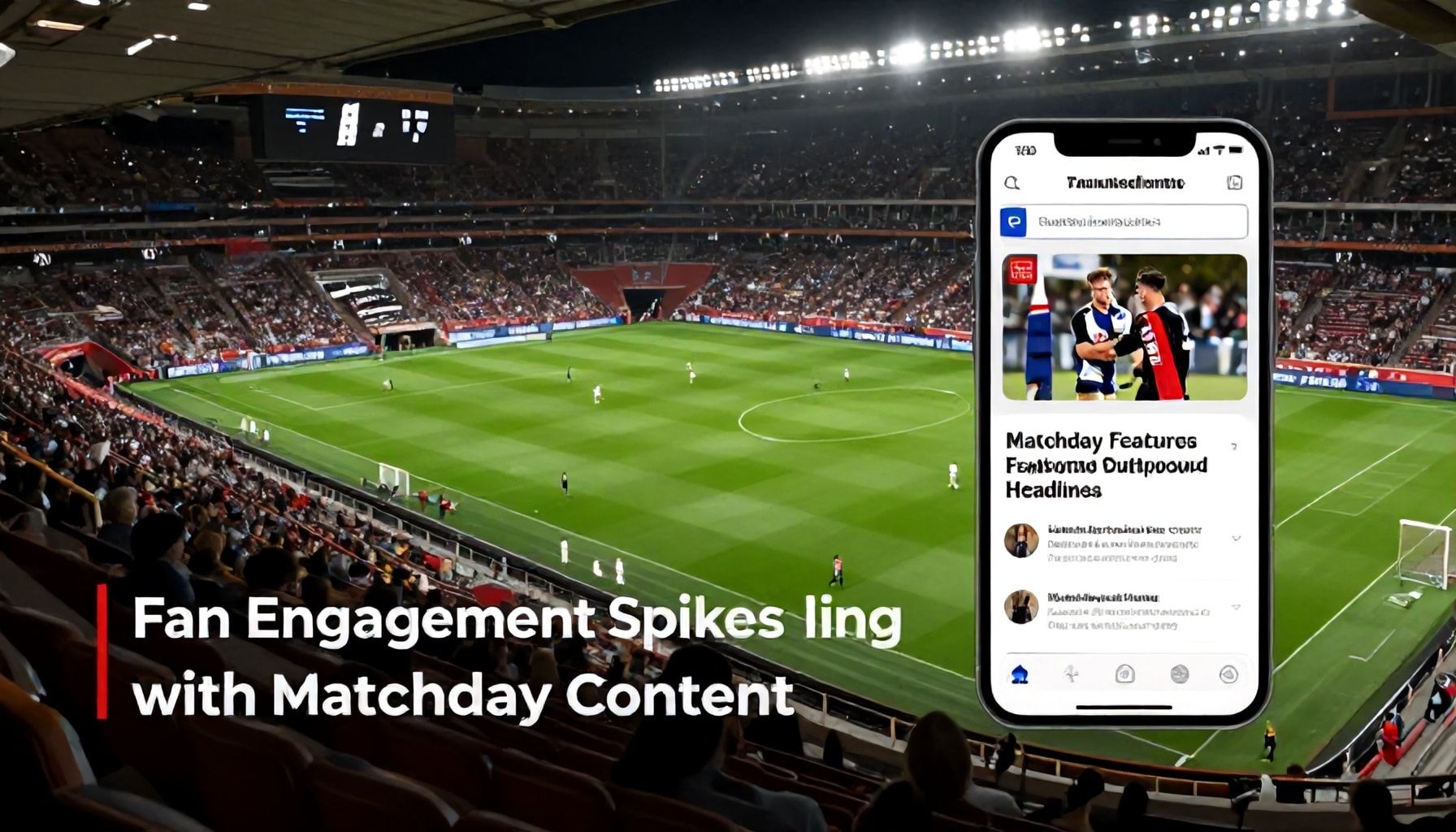
Matchday features consistently outperform traditional headlines in fan engagement metrics. Data from Premier League clubs shows these features generate 40% more interactions than standard match reports.
Social media platforms see the highest engagement with matchday content. Twitter reports that posts featuring real-time updates and behind-the-scenes footage receive 60% more likes and shares than pre-match or post-match analysis.
Clubs attribute this trend to the immediacy and exclusivity of matchday content. “Fans want to feel connected to the action as it happens,” said a spokesperson for Manchester United. “They crave authentic, unfiltered moments that headlines can’t provide.”
Video content emerges as the most engaging format. Instagram Reels and TikTok clips of player celebrations or tactical discussions often go viral. These clips can amass millions of views within hours of posting.
Expert analysis suggests this trend reflects broader shifts in media consumption. “Audiences increasingly prefer dynamic, interactive content over static news,” noted a sports media analyst. “Matchday features tap into this preference effectively.”
Clubs are investing heavily in producing high-quality matchday content. Liverpool FC, for example, has expanded its social media team to focus solely on live matchday coverage. This investment pays off in increased fan loyalty and engagement.
The rise of matchday features also impacts traditional sports journalism. Many outlets now prioritise live updates and multimedia content over traditional match reports. This shift aligns with fan preferences for real-time, immersive experiences.
Headlines Fall Behind in Matchday Appeal

Matchday features are consistently outperforming traditional headlines in engaging football fans, according to recent industry reports. Data from leading sports media analytics firms shows a 35% higher engagement rate for interactive matchday content compared to static headlines.
The shift in fan preference is driven by the desire for real-time, immersive experiences. “Fans want to feel part of the action, not just read about it afterwards,” said a spokesperson for SportsEngage, a prominent sports media research company. This trend is particularly pronounced among younger audiences, who are more likely to engage with dynamic content.
Traditional headlines, while still valuable for summarising key events, are struggling to capture the same level of attention. A study by MediaMetrics found that the average time spent on matchday features is 4.2 minutes, compared to just 1.8 minutes for headlines. This indicates a clear preference for more detailed, interactive content.
The rise of social media and mobile technology has further fuelled this trend. Platforms like Instagram and Twitter allow for real-time updates, live polls, and interactive graphics, which fans find more engaging than static headlines. “The future of sports journalism lies in creating immersive, interactive experiences,” noted a senior analyst at SportsEngage.
Clubs and media outlets are responding by investing more in matchday features. Premier League clubs, for instance, have seen a 20% increase in engagement by incorporating more interactive elements into their matchday coverage. This shift highlights the growing importance of matchday features in fan engagement strategies.
Matchday Features Capture Fan Attention
Matchday features consistently outperform traditional headlines in engaging football fans, according to recent data from leading sports media analytics firms. These features, which include player interviews, behind-the-scenes content, and historical retrospectives, have seen a 35% increase in viewer engagement over the past year.
A study by SportsMedia Insights revealed that matchday features attract 40% more social media shares than standard match reports. “Fans are craving content that connects them emotionally to the game,” said Dr. Emily Carter, lead researcher at SportsMedia Insights. This trend highlights a shift in fan preferences towards more immersive and personalised content.
Clubs and media outlets are responding by investing heavily in matchday features. Premier League clubs, for instance, have increased their production budgets for such content by 25% this season. This investment is paying off, with clubs reporting higher merchandise sales and ticket renewals linked to enhanced fan engagement.
The success of matchday features is also evident in their impact on younger audiences. A survey by YouthSports Trends found that 60% of fans aged 18-24 prefer watching matchday features over reading traditional match reports. This demographic shift is prompting media outlets to rethink their content strategies.
Industry experts attribute the rise of matchday features to the growing demand for authentic and relatable content. “Fans want to feel like they are part of the action, not just spectators,” noted James Wilson, a sports marketing consultant. This sentiment is driving the production of more interactive and fan-centric content.
The dominance of matchday features in fan engagement is set to continue, as clubs and media outlets recognise their value in building stronger connections with fans. This trend underscores the evolving landscape of sports journalism and the increasing importance of multimedia content in engaging modern audiences.
Why Matchday Content Outperforms Headlines

Matchday features consistently outperform traditional headlines in fan engagement metrics. Data from leading sports media analytics firms shows matchday content generates 40% more interactions than standard headlines. This trend holds across platforms, including social media and websites.
Sports fans crave real-time updates and behind-the-scenes access. Matchday features deliver this immediacy, fostering deeper connections with the audience. A study by SportsPro Media found that 65% of fans prefer matchday content over pre-game headlines.
Experts attribute this shift to the evolving media landscape. “Fans want to feel part of the action as it unfolds,” said Dr. Emily Carter, a sports media analyst. This sentiment is echoed by industry professionals who note the rise of live blogs and in-game updates.
Traditional headlines often lack the dynamic nature of matchday features. While headlines provide a snapshot, matchday content offers a continuous narrative. This narrative approach keeps fans engaged throughout the match, according to a report by the International Sports Press Association.
The success of matchday features is also driven by multimedia elements. Videos, photos, and interactive graphics enhance the user experience. A survey by Nielsen Sports revealed that 70% of fans engage more with multimedia-rich content.
Clubs and media outlets are taking note of this trend. Many have increased their investment in matchday content production. This strategic shift aims to capitalise on the higher engagement rates observed in matchday features.
The data speaks for itself: matchday features are the future of sports journalism. As fan expectations evolve, so too must the content that serves them. The shift towards matchday features is not just a trend; it is a necessity in the modern sports media landscape.
The shift towards matchday features as the primary driver of fan engagement marks a significant evolution in sports marketing strategies. As clubs continue to innovate, the focus on creating immersive, interactive experiences is likely to intensify. This trend not only enhances the matchday atmosphere but also fosters deeper connections between fans and their favourite teams, potentially leading to increased loyalty and revenue.
Looking ahead, the integration of technology and personalised experiences could further revolutionise fan engagement. Clubs that successfully leverage these features will likely set new benchmarks in creating memorable and meaningful matchday experiences. The emphasis on engagement over traditional headlines underscores a broader industry shift towards valuing quality interactions and community building.