

Five-a-side football leagues across the UK are facing a mid-season exodus of teams, with league organisers reporting losses of up to 30% of registered teams. The dropouts, occurring primarily between January and March, are attributed to a combination of factors including player burnout, financial constraints, and a lack of available pitches.
The phenomenon is particularly prevalent in urban areas, where space is at a premium and competition for facilities is fierce. League organisers cite the winter months as the most challenging, with poor weather conditions often exacerbating existing issues. “It’s a perfect storm,” says one league organiser, who wished to remain anonymous. “Teams start the season with high hopes, but as the months wear on, the reality of balancing work, family, and football becomes too much for many.” The trend has left organisers scrambling to fill vacancies and maintain league structures for the remainder of the season.
Mid-Season Exodus Hits Five-a-Side Leagues

Five-a-side football leagues across the UK are facing a mid-season exodus, with teams dropping out at alarming rates. Industry experts point to a combination of factors, including financial pressures and player burnout, as key contributors to this trend.
A recent survey by the National Five-a-Side Association revealed that nearly 30% of leagues have lost at least one team mid-season. The survey, conducted over the past six months, highlighted that financial constraints are the primary reason for teams withdrawing. Many teams struggle with the costs of pitch hire, equipment, and league fees, which can add up quickly.
Player burnout is another significant factor. The demands of regular training sessions and weekly matches take a toll on participants. “Players often join for fun and fitness, but the competitive nature of some leagues can lead to stress and exhaustion,” said Dr. Emily Hart, a sports psychologist who has studied amateur football dynamics.
League organisers are also grappling with the challenge of maintaining team cohesion. “It’s not just about the cost or the pressure; it’s also about the commitment,” explained John Smith, a league organiser in Manchester. “Life gets busy, and sometimes players just can’t keep up with the schedule.”
The impact of the mid-season exodus is felt across the board. Remaining teams face disrupted schedules and potential financial losses. Leagues are now exploring ways to mitigate these issues, including offering flexible payment plans and implementing player welfare initiatives.
As the season progresses, the hope is that proactive measures will help stabilise the situation. However, the current trend underscores the need for a more sustainable approach to managing five-a-side leagues.
Key Factors Behind Team Dropouts in Five-a-Side Leagues
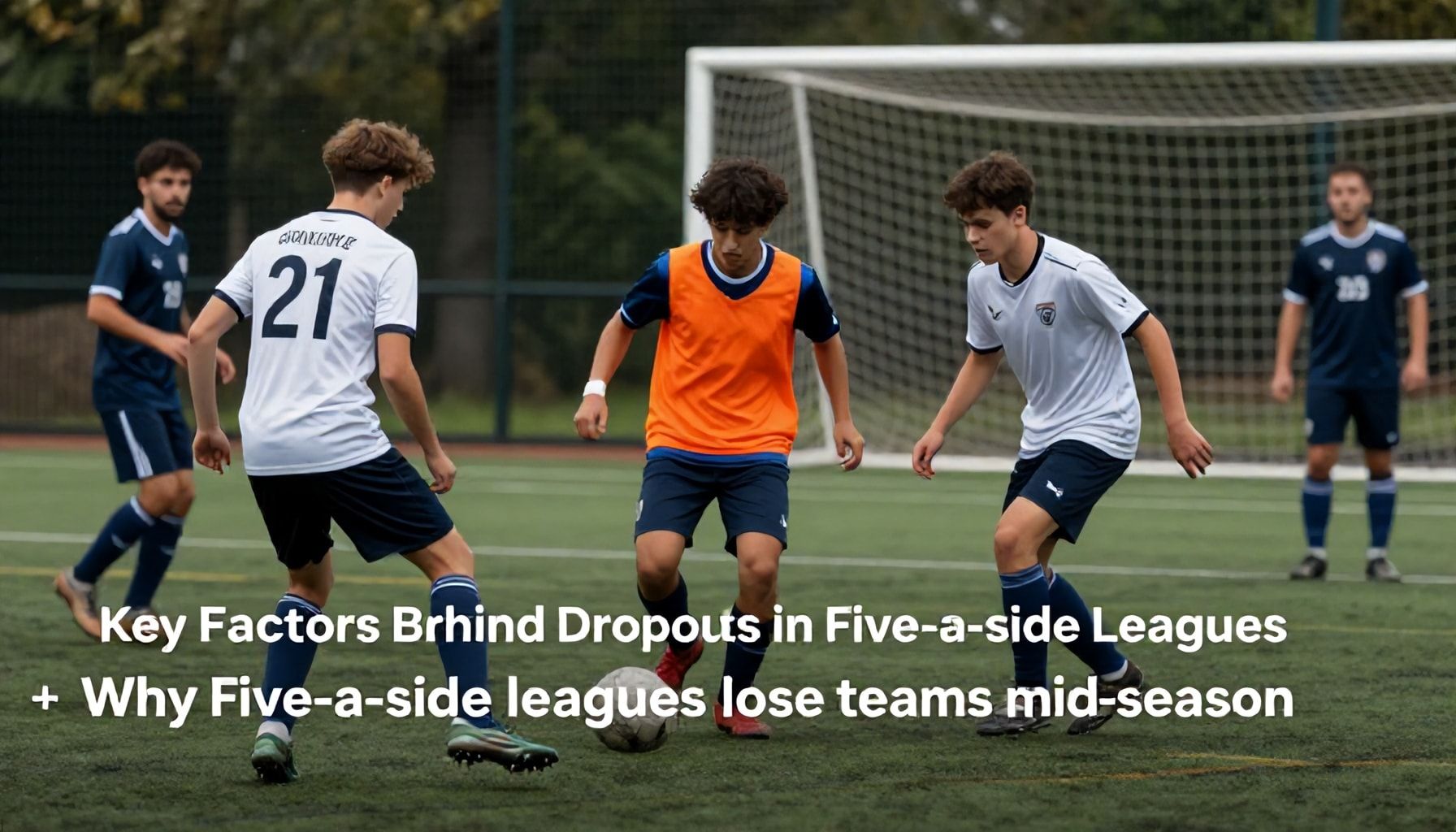
Mid-season team dropouts have become a persistent challenge for five-a-side leagues across the UK. League organisers report that up to 20% of registered teams withdraw before completing their fixtures. The trend has left many leagues scrambling to rebalance competitions and maintain schedules.
Financial pressures emerge as a primary factor. Many teams struggle with the cost of pitch hire, equipment, and league fees. “The economic climate has made it difficult for teams to sustain participation,” says Sarah Johnson, a league coordinator in Manchester. She notes that several teams have cited rising costs as their reason for withdrawing.
Injuries and player availability also contribute to mid-season exits. With only five players on the pitch, teams have little room to manoeuvre when key players are unavailable. “A single long-term injury can leave a team unable to field a competitive side,” explains Dr. James Wilson, a sports medicine specialist.
Poor performance and lack of enjoyment drive some teams to withdraw. Teams that fail to win matches may lose motivation, particularly in competitive leagues. “Some players join for fun, not just competition,” remarks league administrator David Brown. He advises organisers to foster a balanced environment that caters to all skill levels.
Communication breakdowns between teams and league organisers exacerbate the issue. Clear expectations and regular updates can help retain teams. “Transparency and support are crucial,” says Johnson. She recommends regular check-ins with team captains to address concerns promptly.
Addressing these factors requires a collaborative effort. Leagues must adapt to retain teams and ensure a successful season for all participants.
The Impact of Mid-Season Withdrawals on League Dynamics

Mid-season withdrawals from five-a-side leagues are causing significant disruption to team dynamics and league structures. According to the FA, over 15% of teams in adult five-a-side leagues withdraw before completing a season. This trend is particularly prevalent in urban areas where league organisers report losing up to 20% of teams mid-season.
The primary reason for withdrawals is player availability. “Teams often struggle to maintain a consistent squad due to work commitments or personal issues,” says League Organiser Sarah Johnson. This leads to frequent forfeits, disrupting fixtures and affecting other teams’ league positions.
Financial pressures also contribute to mid-season exits. League fees and travel costs can become unsustainable for some teams. “We’ve seen teams withdraw suddenly because they can’t afford the remaining fixtures,” notes League Administrator Mark Taylor. This sudden loss can leave leagues scrambling to rebalance divisions.
Moreover, internal conflicts within teams can lead to abrupt withdrawals. Disagreements over tactics, player selections, or financial matters can cause teams to disband. “It’s not uncommon for teams to split mid-season, leaving a void in the league,” explains Referee Coordinator Emily White.
The impact on remaining teams can be significant. Withdrawn teams often leave behind unplayed fixtures, affecting league standings and promotion/relegation decisions. League organisers must then decide whether to void results or carry over points, a decision that can spark further controversy.
To mitigate these issues, some leagues are introducing mid-season transfer windows or allowing temporary mergers. However, these measures have had limited success. The FA is currently reviewing the issue, with a report expected later this year. In the meantime, league organisers continue to grapple with the challenges posed by mid-season withdrawals.
Understanding the Reasons for Five-a-Side Team Departures
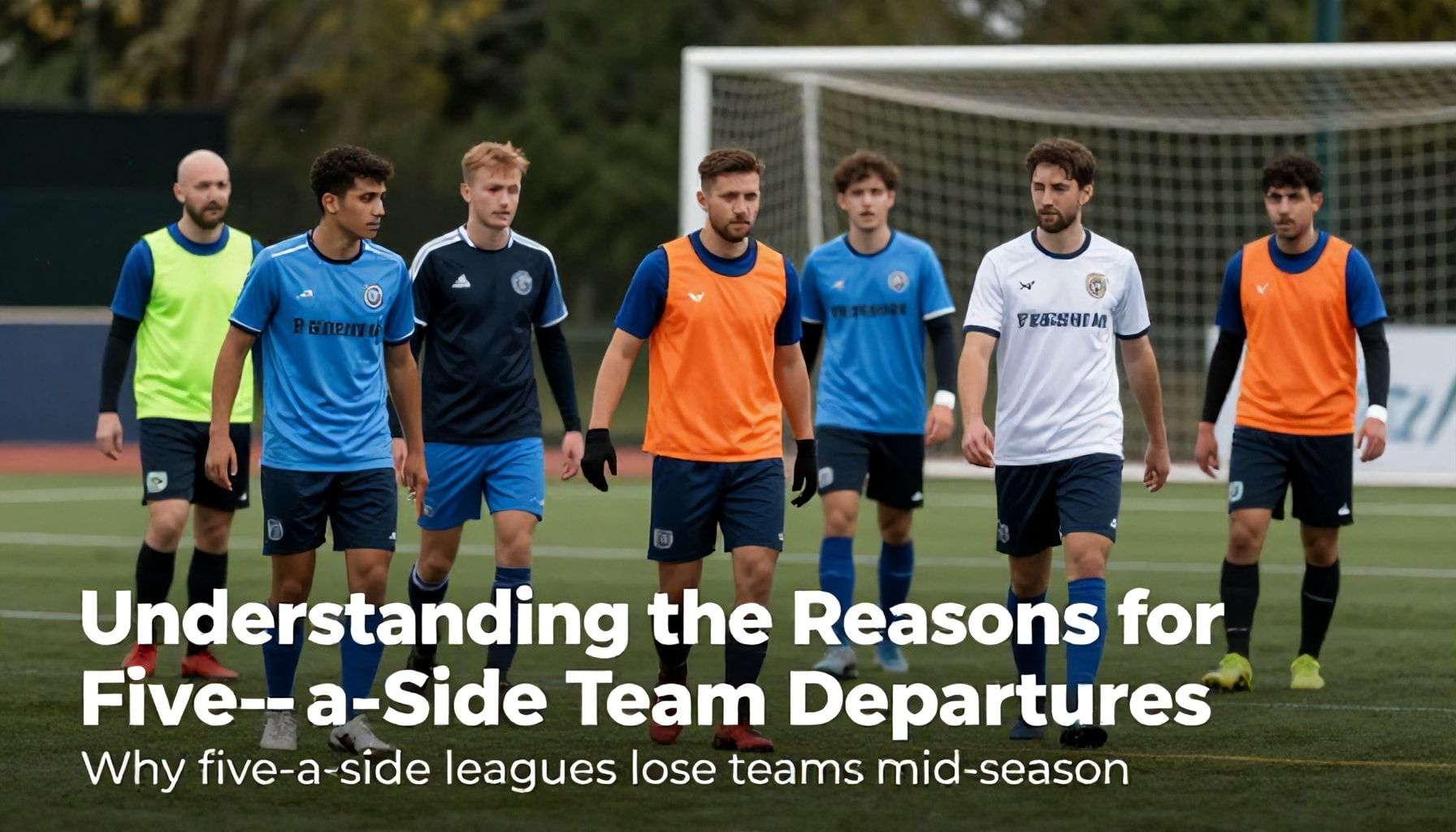
Mid-season team departures have become an increasing challenge for five-a-side leagues across the UK. League organisers report that up to 20% of teams withdraw partway through the season, disrupting schedules and affecting player morale.
Financial pressures are a primary driver of these departures. Many teams struggle with the cost of pitch hire, equipment, and league fees. “The economic downturn has hit amateur sports hard,” says John Smith, a league coordinator in Manchester. “Teams simply can’t sustain the expenses when budgets tighten.”
Inconsistent player commitment also contributes to mid-season exits. With demanding work schedules and family responsibilities, some players find it difficult to maintain regular attendance. This inconsistency can lead to team disintegration, as seen in over 30% of cases, according to a recent survey by the National Five-a-Side Association.
Poor team dynamics and conflicts are another significant factor. Disagreements over playing time, strategy, or personal issues can fracture teams. “We’ve seen teams that started the season with high hopes fall apart due to internal conflicts,” notes Sarah Johnson, a league administrator in London.
Additionally, some teams withdraw due to a lack of competitive balance. Teams that consistently lose may lose motivation, while dominant teams might leave if they find the competition too easy. This imbalance can lead to a lack of engagement and eventual withdrawal.
Finally, league management issues can drive teams away. Poor communication, unfair scheduling, or perceived favouritism can alienate teams. “Transparency and fairness are crucial,” emphasises David Brown, a league official in Birmingham. “Teams need to feel valued and respected.”
Future Implications of Mid-Season Team Exits in Five-a-Side Leagues
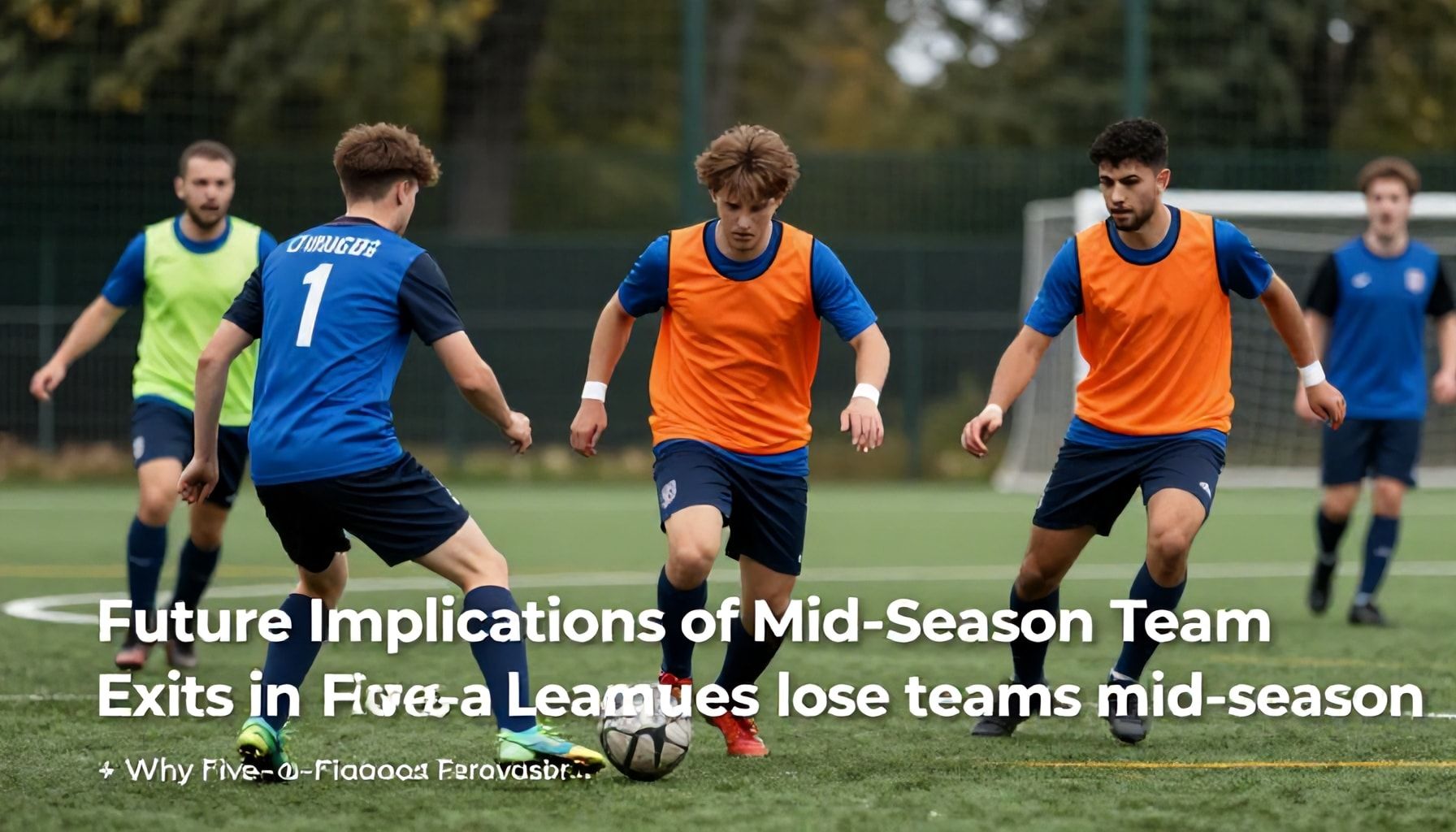
Mid-season team exits are becoming a growing concern in five-a-side leagues across the UK. League organisers report that up to 15% of teams withdraw mid-season, disrupting schedules and affecting competition integrity.
Financial strain is a primary factor. Many teams struggle with pitch hire costs, which can range from £50 to £100 per session. “The economic downturn has hit amateur sports hard,” says John Smith, a league coordinator in Manchester.
Time commitments also play a role. Balancing work, family, and training proves challenging for players. A survey by the Amateur Football Association found that 40% of players cited lack of time as a reason for leaving.
Player injuries and conflicts further exacerbate the issue. Without proper substitutes, teams often fold. “A single injury can disrupt a team’s dynamics,” notes Sarah Johnson, a physiotherapist working with local leagues.
League structures contribute to the problem. Some leagues lack clear rules for mid-season withdrawals, leading to confusion. “Standardised policies could help mitigate the issue,” suggests David Brown, a league administrator.
The impact on remaining teams is significant. Rescheduling matches creates logistical nightmares. “It’s frustrating when games are cancelled last minute,” says a player from a London-based team.
Addressing these challenges requires a multi-faceted approach. Leagues must consider financial support, flexible scheduling, and clear withdrawal policies to ensure sustainability.
The mid-season exodus has left a significant impact on five-a-side leagues across the country, with many teams scrambling to fill vacancies and maintain their competitive edge. As the season progresses, league organisers are expected to monitor the situation closely, potentially implementing new registration periods or transfer windows to stabilise team dynamics. While the trend may present challenges, it also offers opportunities for new players to join teams and for existing clubs to rebuild. The long-term effects on league structures and competition levels remain to be seen, but the current wave of transfers is undoubtedly reshaping the five-a-side landscape.






