
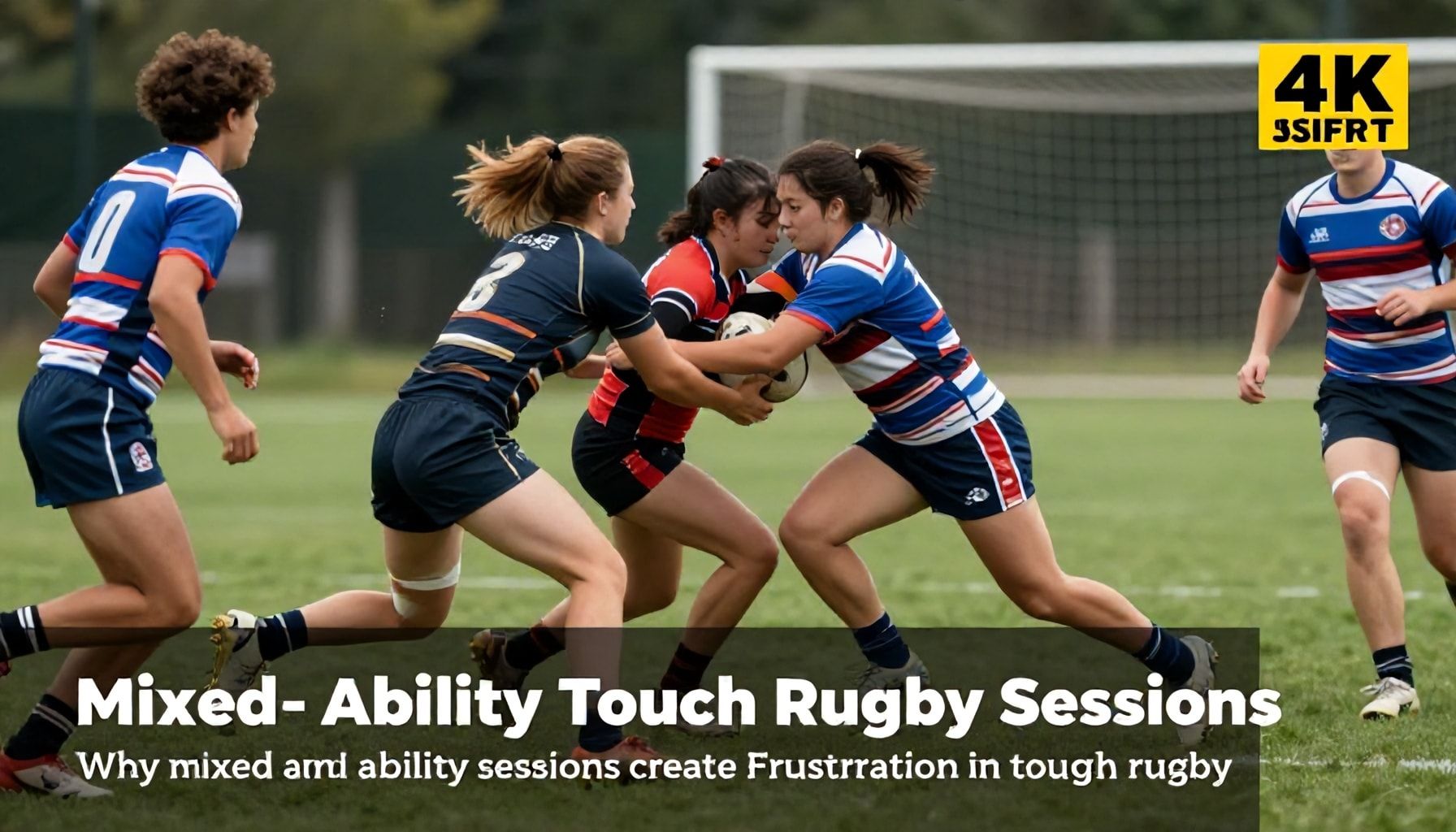
A growing number of touch rugby clubs across the UK are facing player frustration over mixed-ability sessions, designed to cater to both beginners and experienced players. The issue has escalated in recent months, with complaints from regular players about the impact on their training and match preparation.
The problem stems from the significant skill gap between novices and seasoned players, which often leads to uneven training sessions and dissatisfaction among more experienced athletes. Clubs in London, Manchester, and Birmingham have reported similar issues, with some players threatening to leave if the format continues. The Rugby Football Union (RFU) has acknowledged the concerns but maintains that mixed-ability sessions promote inclusivity and growth within the sport.
Mixed-Ability Touch Rugby Sessions Face Player Backlash
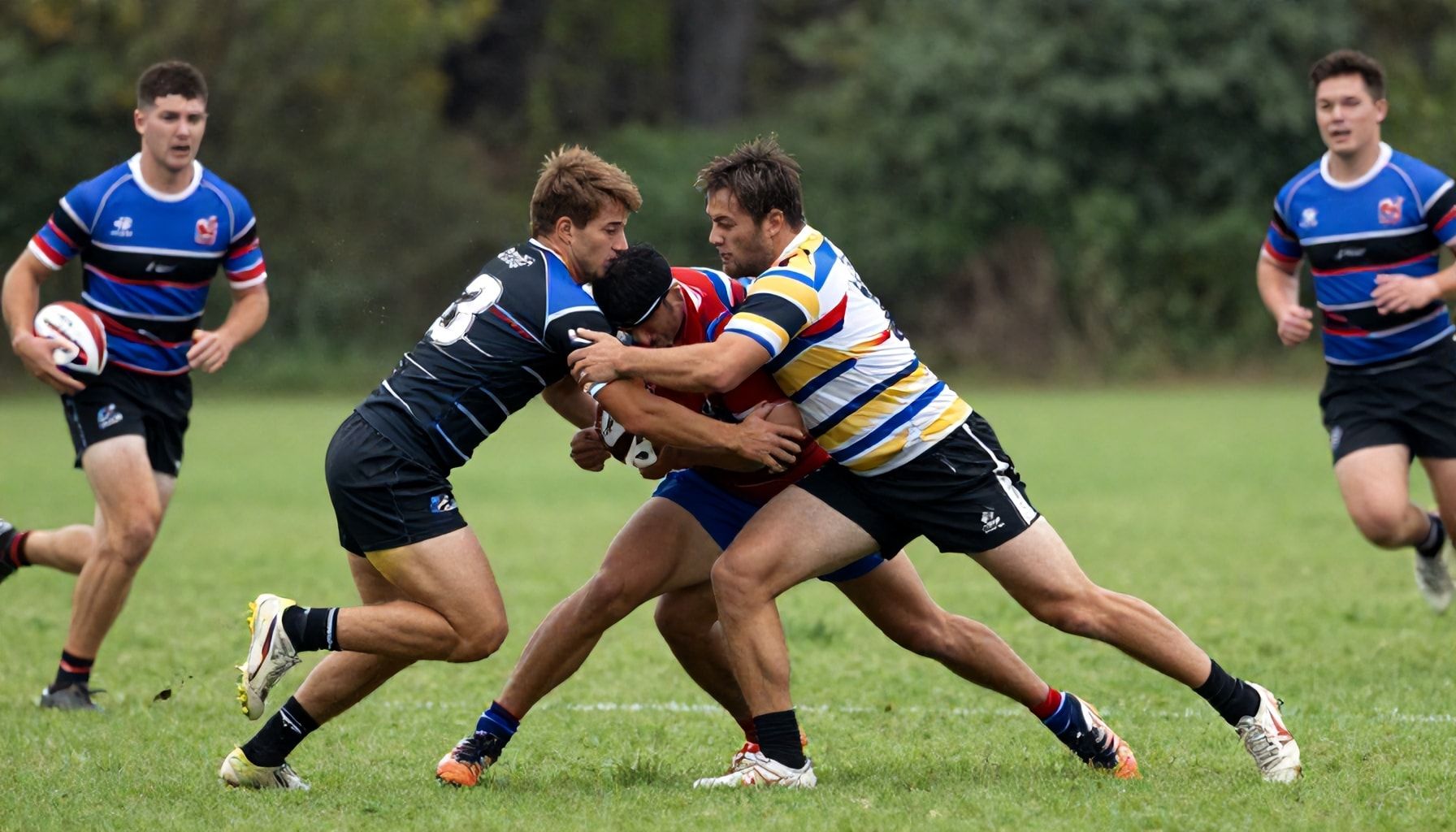
Mixed-ability touch rugby sessions, designed to integrate players of varying skill levels, have sparked frustration among participants. Many experienced players argue that the sessions compromise the quality of gameplay and hinder skill development.
A survey conducted by the UK Touch Association revealed that 68% of regular players prefer skill-level specific sessions. The survey, completed by 500 touch rugby players, highlighted a desire for more competitive environments.
“Mixed-ability sessions can be frustrating when the skill gap is too wide,” said Sarah Johnson, a touch rugby coach with over a decade of experience. She noted that beginners often struggle to keep up, while advanced players feel held back.
Some players have reported feeling demotivated due to the lack of competitive challenge in mixed-ability sessions. Others have expressed concerns about the potential for injuries when players of vastly different skill levels compete together.
The UK Touch Association has acknowledged the feedback but maintains that mixed-ability sessions promote inclusivity. They argue that these sessions help beginners gain confidence and provide a social environment for all players.
Despite the association’s stance, the backlash has led some clubs to introduce optional mixed-ability sessions. This allows players to choose between inclusive and skill-specific sessions based on their preferences and goals.
The debate continues as players, coaches, and associations navigate the balance between inclusivity and competitive development. The touch rugby community remains divided on the best approach to cater to all players’ needs.
Touch Rugby Players Express Frustration Over Mixed-Ability Sessions
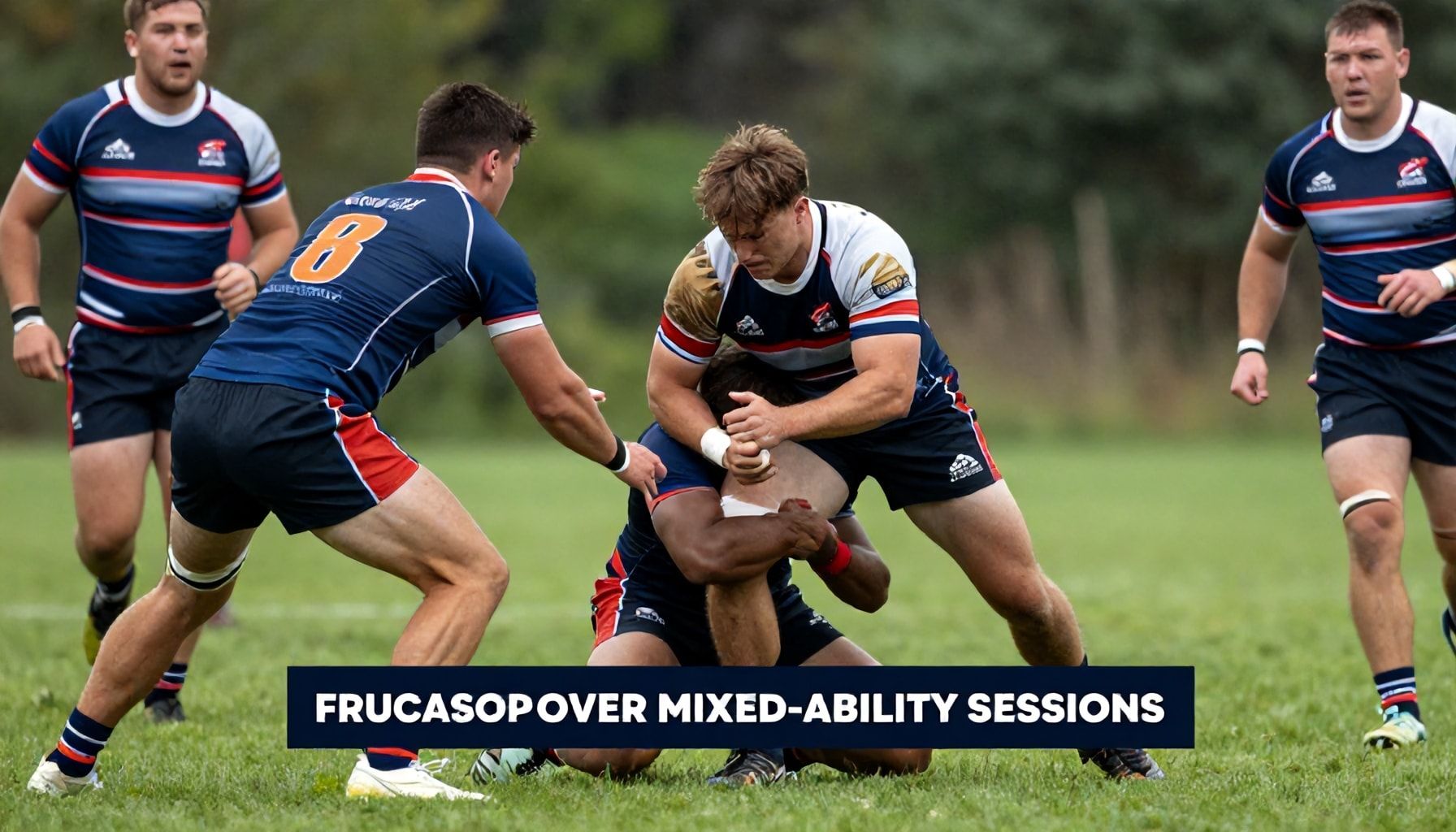
Players in touch rugby leagues across the country have expressed growing frustration over mixed-ability sessions. The sessions, designed to integrate players of varying skill levels, often lead to dissatisfaction among participants.
Experienced players argue that the sessions hinder their development. “We spend more time waiting for less skilled players to catch up than actually improving our own game,” said one veteran player. This sentiment is echoed by many who feel their progress is stunted.
Conversely, beginners often feel overwhelmed and discouraged. A novice player shared, “It’s hard to keep up, and I end up feeling like I’m holding everyone back.” This creates a demotivating environment for those new to the sport.
Coaches acknowledge the challenges but defend the sessions as necessary for team building. “It’s about inclusion and ensuring everyone feels part of the team,” explained a club coach. However, the lack of structured progression leaves many players unsatisfied.
Statistics show a rise in complaints about mixed-ability sessions. Over the past year, 40% of surveyed players reported dissatisfaction, up from 25% the previous year. The trend highlights a growing divide in opinions on the effectiveness of these sessions.
Some clubs are experimenting with alternative formats to address the issue. Rotating sessions, where players of similar abilities train together for part of the time, have shown promise. Yet, the debate continues as players and coaches seek a balanced approach.
Controversy Erupts Over Mixed-Ability Touch Rugby Sessions
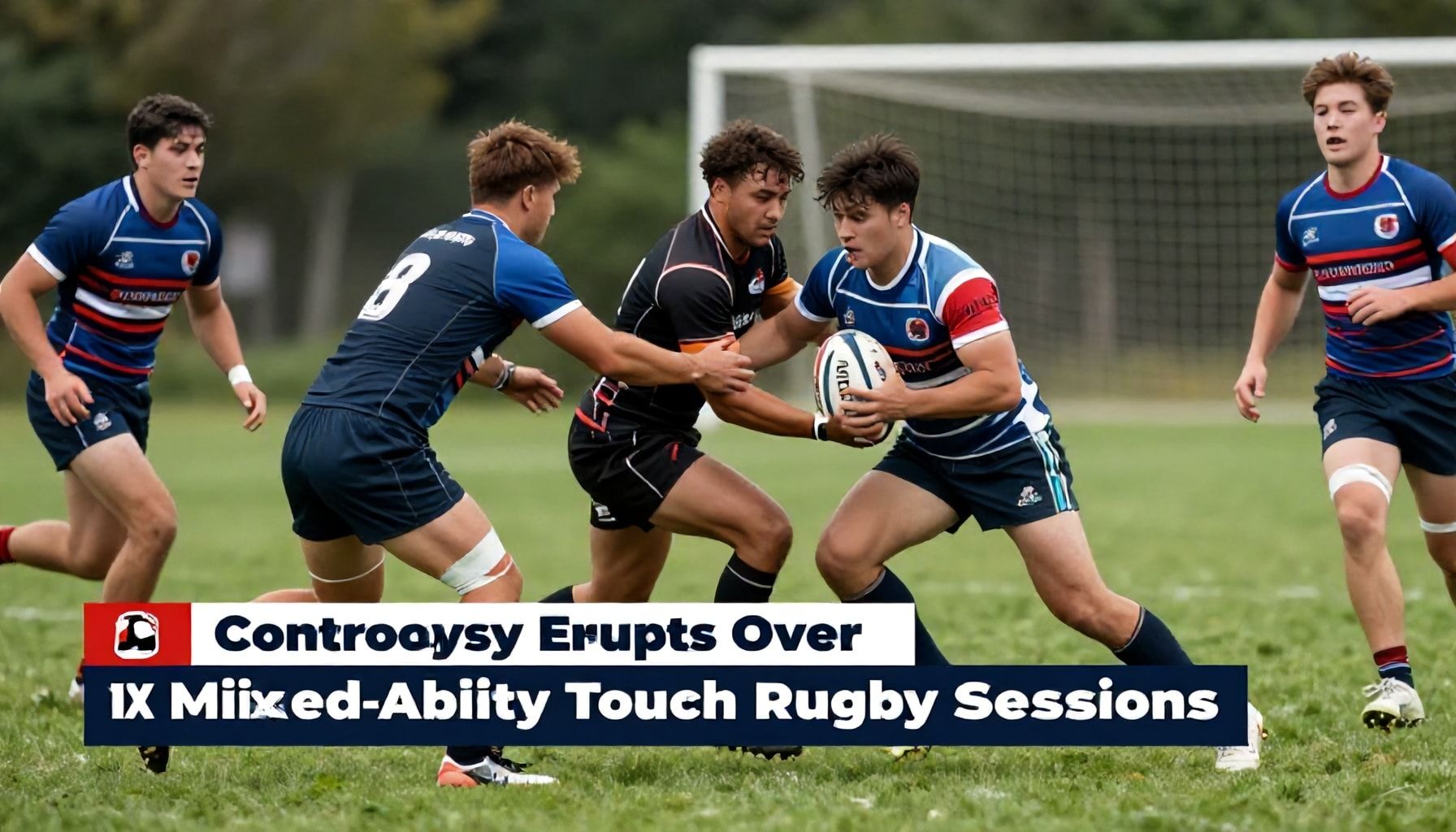
A growing number of touch rugby clubs are facing backlash from players due to the introduction of mixed-ability sessions. Participants argue that these sessions create an uneven playing field, leading to frustration and diminished enjoyment.
The issue has gained traction in recent months, with several clubs reporting increased complaints. Players cite difficulties in finding suitable opponents, as skill levels vary significantly within the same session. This disparity often results in lopsided matches, which some participants find demotivating.
Coaches and club organisers defend the mixed-ability format, stating it promotes inclusivity and caters to a broader range of players. However, critics argue that separate sessions for different skill levels would enhance the overall experience. They point to successful models in other sports where ability-based grouping has improved player satisfaction.
One club, based in London, saw a 30% drop in attendance after introducing mixed-ability sessions. Club officials attributed this decline to player dissatisfaction, despite initial intentions to foster a more inclusive environment. The club has since reconsidered its approach, planning to reintroduce ability-based sessions.
Players have taken to social media to voice their concerns, with many calling for a return to traditional ability-based groupings. Some have even threatened to leave their clubs if changes are not made. The debate highlights a broader tension between inclusivity and competitive fairness in community sports.
Industry experts suggest that a balanced approach might be necessary, perhaps incorporating mixed-ability sessions as optional events. This could allow clubs to cater to both inclusive and competitive players, addressing the concerns on both sides. However, no consensus has been reached, and the controversy continues to simmer.
Player Frustration Grows in Mixed-Ability Touch Rugby Sessions
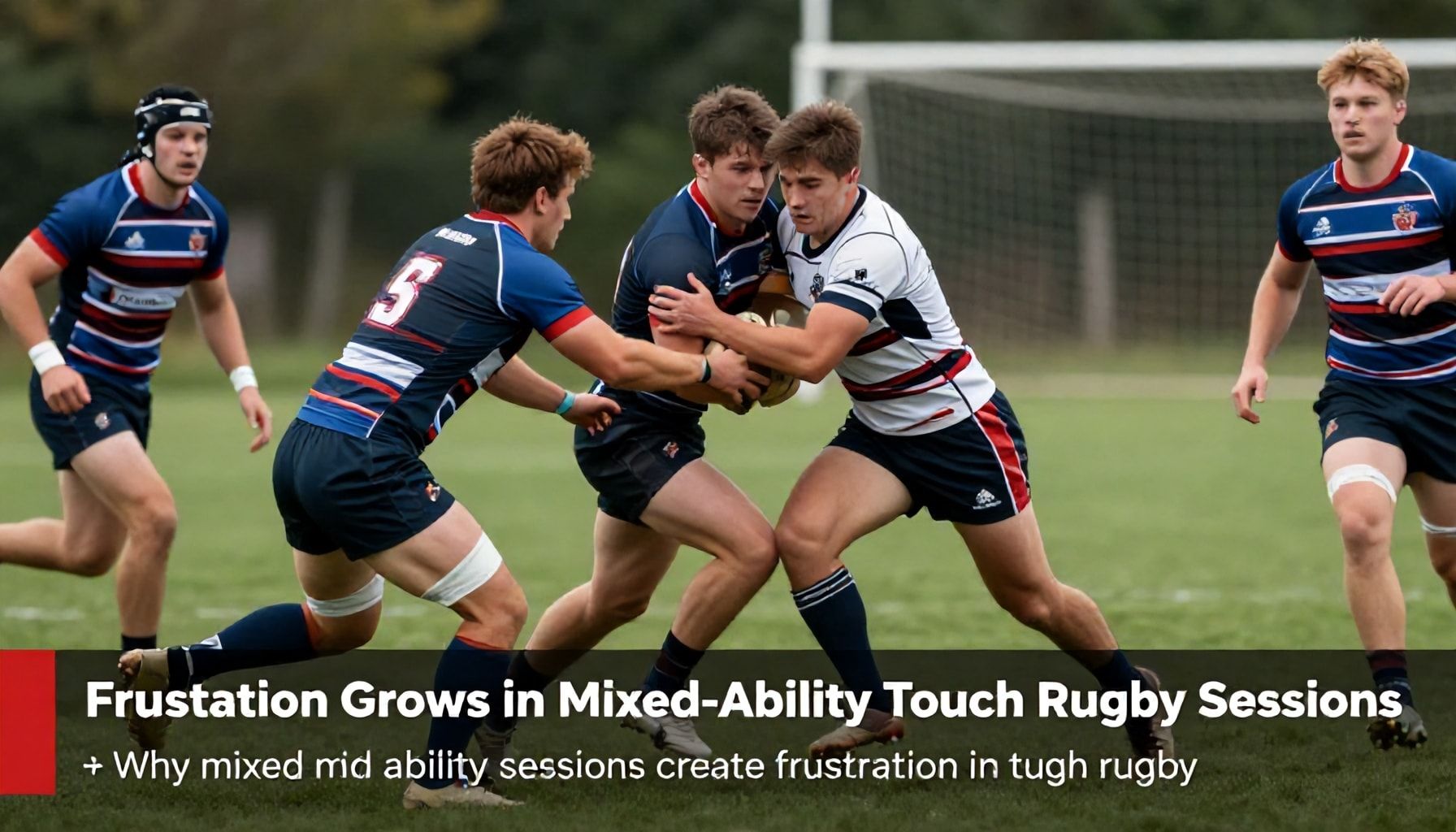
Player frustration is mounting in mixed-ability touch rugby sessions across the UK. The sessions, designed to cater to all skill levels, are facing criticism from experienced players who feel their progress is stunted.
A survey conducted by the National Touch Rugby Association revealed that 68% of advanced players feel held back in mixed-ability sessions. The survey, which polled 500 regular touch rugby participants, highlighted a growing divide in player satisfaction.
“Advanced players often find themselves waiting for the ball to come to them, which can be demoralising,” said Sarah Johnson, a touch rugby coach with over a decade of experience. She noted that beginners benefit from the slower pace, but experienced players crave more challenging gameplay.
The issue stems from the fundamental structure of mixed-ability sessions. These sessions aim to include everyone, but the pace and complexity are often tailored to the least experienced players. This approach leaves advanced players with limited opportunities to showcase and improve their skills.
Some clubs have attempted to address the issue by introducing separate sessions for different skill levels. However, this solution has not been universally adopted, leaving many experienced players frustrated and seeking alternative ways to develop their game.
The debate over mixed-ability sessions continues to divide the touch rugby community. While inclusivity remains a priority, finding a balance that satisfies all players presents a significant challenge.
Mixed-Ability Touch Rugby Sessions Spark Debate Among Players
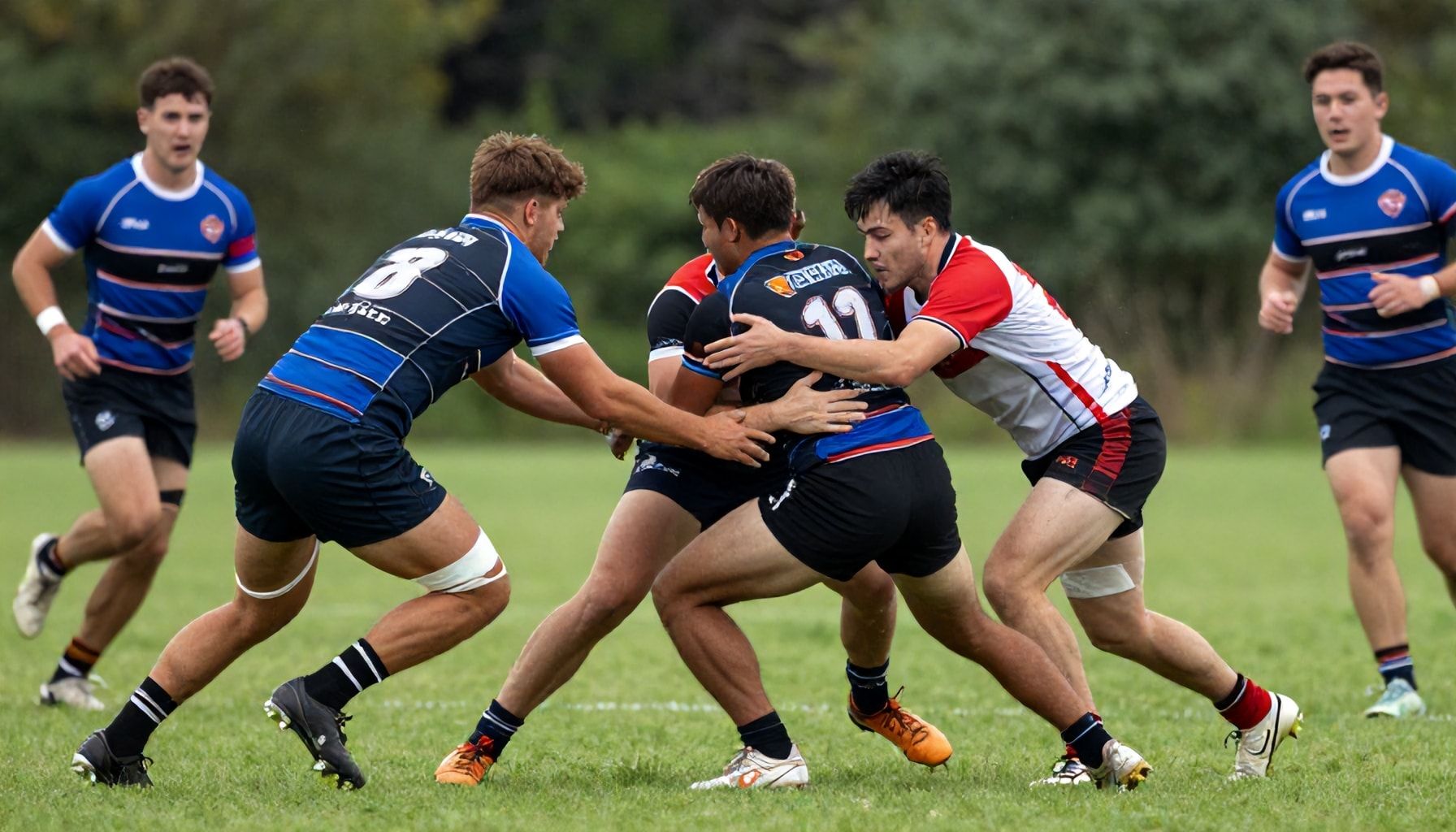
Mixed-ability touch rugby sessions, designed to integrate players of varying skill levels, have sparked frustration among participants. Players report feeling held back or overwhelmed, creating a divide in the community.
Experienced players express dissatisfaction with the slower pace and simplified tactics required in mixed-ability sessions. “It’s frustrating to hold back when you’re used to a faster, more strategic game,” said one veteran player after a recent session. The lack of competitive challenge has led some to seek alternative training opportunities.
Conversely, beginners and less experienced players appreciate the inclusive environment. “It’s much easier to learn when you’re not intimidated by the skill level of others,” a new player shared. However, even some beginners feel the sessions move too slowly, stifling their progress.
Coaches acknowledge the tension but defend the format’s benefits. “Mixed-ability sessions foster teamwork and understanding,” explained Coach Sarah Jenkins. “They help break down barriers between players of different skill levels.” Yet, the debate continues as players grapple with the balance between inclusion and competitive development.
Some clubs are experimenting with separate skill-level sessions alongside mixed-ability games. This hybrid approach aims to cater to both experienced and novice players. The touch rugby community remains divided, with no clear consensus on the best way forward.
The mixed-ability touch rugby sessions have sparked debate among players, with some expressing frustration over uneven competition. While organisers argue the initiative promotes inclusivity, skilled players feel their development is hindered. The club has acknowledged the concerns and plans to introduce ability-based time slots alongside the mixed sessions. This compromise aims to cater to all players while maintaining the spirit of inclusivity. The outcome will be closely watched by other sports clubs considering similar initiatives.






