

Grassroots netball clubs across the UK are facing significant recruitment challenges, with many struggling to attract new players to their teams. The issue, which has been ongoing for several years, is particularly acute in rural areas and smaller towns, where clubs often rely on word-of-mouth and local community networks to bring in new talent. According to a recent survey by England Netball, nearly 60% of grassroots clubs reported difficulties in recruiting new players, with many citing a lack of awareness about the sport and competing leisure activities as major barriers. The situation has led to concerns about the long-term sustainability of some clubs, with several forced to fold in recent years due to dwindling numbers. Despite efforts by national governing bodies to promote the sport and increase participation, the recruitment struggle persists, highlighting a need for innovative solutions to engage new players and keep the sport thriving at a local level.
Grassroots Netball Clubs Face Recruitment Crisis
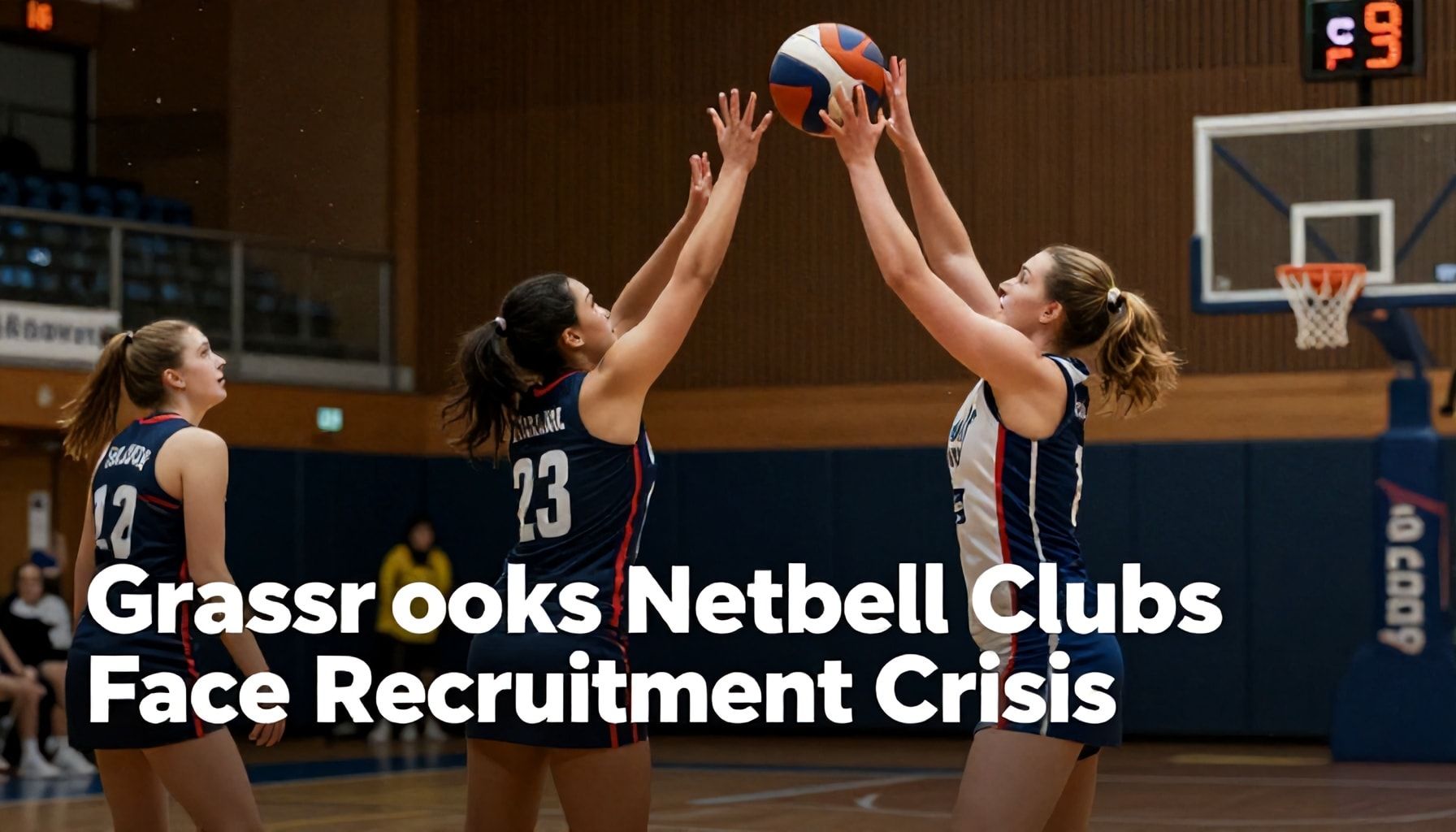
Grassroots netball clubs across the UK are facing a significant recruitment crisis, with many struggling to attract new players. The situation has been exacerbated by the COVID-19 pandemic, which disrupted training schedules and competitions. A survey by England Netball found that 68% of grassroots clubs reported a decline in player numbers since the start of the pandemic.
One of the main challenges is the competition from other sports and leisure activities. Many young people are drawn to sports like football and rugby, which have higher profiles and more extensive youth development programmes. “Netball often gets overshadowed by more popular sports,” said Sarah Johnson, a coach at a local netball club in Birmingham. “We need to find ways to make netball more appealing and accessible.”
Another issue is the lack of awareness about netball in certain communities. Many people are unfamiliar with the sport or its benefits, which can make it difficult to recruit new players. Clubs are trying to address this by organising community events and outreach programmes. However, these efforts require significant time and resources, which not all clubs have.
Financial constraints also play a role in the recruitment struggle. Many grassroots clubs rely on volunteers and limited funding, which can restrict their ability to offer high-quality coaching and facilities. “We do our best with what we have, but it’s tough to compete with better-funded clubs,” said a club secretary from a netball team in Manchester.
Despite these challenges, there are success stories. Some clubs have managed to attract new players by focusing on inclusivity and community engagement. By offering free taster sessions and partnering with local schools, they have been able to introduce netball to a wider audience. However, the overall recruitment crisis remains a pressing issue for many grassroots netball clubs.
Declining Participation Rates Raise Concerns

Grassroots netball clubs across the UK are grappling with declining participation rates, raising concerns about the future of the sport at a local level. The latest figures from Sport England reveal a 7% drop in regular netball players over the past two years, with participation falling from 185,000 in 2021 to 172,000 in 2023.
Experts point to several factors contributing to this decline. The England Netball chief executive, Jo Jo Dalkin, highlighted the challenge of competing with other sports for attention. “Netball often struggles for visibility alongside more established sports like football and rugby,” she said in a recent interview.
Time commitments also pose a significant barrier. Many potential players, particularly those with families or demanding jobs, find it difficult to commit to regular training sessions and matches. A survey conducted by the Netball Association of England found that 62% of non-players cited lack of time as a key reason for not joining a club.
Additionally, some clubs report difficulties in retaining volunteers, which are crucial for sustaining grassroots netball. The lack of volunteers affects the ability to organise events, coach teams, and maintain facilities. “Without volunteers, it’s hard to keep the club running,” said Sarah Johnson, chair of a local netball club in Manchester.
Efforts to reverse the trend include targeted marketing campaigns and partnerships with schools. However, the decline in participation rates underscores the urgent need for innovative strategies to attract and retain new players.
Netball Clubs Innovate to Attract New Players

Grassroots netball clubs across the UK face significant challenges in recruiting new players, with participation rates stagnating in recent years. Data from Sport England shows that netball attracts around 400,000 regular participants, but growth has plateaued since 2017. Clubs report difficulties in engaging new demographics, particularly younger players and men, who remain underrepresented in the sport.
One major obstacle is the perception of netball as an exclusive or niche sport. “Many people still see netball as a women’s game, something they played at school and then left behind,” says Sarah Johnson, chair of the England Netball Association. This stereotype discourages potential new players, particularly men, from joining clubs.
Competition from other sports also plays a role in recruitment struggles. With the rise of fitness trends like HIIT and CrossFit, traditional team sports face an uphill battle. “People have more options than ever before, and we’re competing with everything from yoga to football,” notes David Miller, a coach at a London-based netball club.
Financial barriers further complicate recruitment efforts. Membership fees, equipment costs, and travel expenses can deter potential players, particularly in lower-income communities. Some clubs have responded by offering subsidised memberships or pay-as-you-play options, but funding remains a persistent challenge.
Additionally, the lack of visible role models in the sport contributes to its image problem. While England’s national netball team has seen success, their visibility remains limited compared to other sports. “We need more high-profile athletes to inspire the next generation,” says Johnson. Without such figures, attracting new talent becomes increasingly difficult.
Underlying Factors Behind Netball's Recruitment Struggles

Grassroots netball clubs across the UK face significant challenges in recruiting new players. The sport’s governing body, England Netball, reports a 12% decline in participation over the past five years. This trend is particularly pronounced among young adults, with many turning to alternative fitness trends.
A key factor is the perception of netball as a niche sport. “Many potential players simply don’t see netball as an option,” says Sarah Jones, a community sports officer. “They’re more likely to consider mainstream sports like football or running clubs.” This lack of awareness is exacerbated by limited media coverage and sponsorship deals compared to other sports.
Financial constraints also play a role. Many clubs struggle to cover venue hire, equipment, and insurance costs. “We’ve had to increase membership fees, which can deter new players,” admits Claire Smith, chair of a Midlands-based club. The cost-of-living crisis has further compounded this issue, with many prioritising essential expenses over leisure activities.
Time commitments present another barrier. Netball requires regular training sessions and matches, which can be difficult for those with busy work or family lives. “We’re seeing a lot of interest from people who want to try netball, but they can’t commit to the regular schedule,” notes Jones. Clubs are exploring flexible training options to address this challenge.
Additionally, some potential players are deterred by the competitive nature of netball. “There’s a perception that you need to be highly skilled to join a club,” says Smith. “But we welcome players of all abilities.” Efforts to promote inclusive and social netball leagues are underway to attract a broader range of participants.
Community Initiatives Aim to Revitalise Netball Clubs

Grassroots netball clubs across the UK face significant challenges in attracting new players, with declining participation rates and recruitment struggles at the heart of the issue. According to the latest figures from Sport England, adult participation in netball has dropped by 14% over the past five years, with youth participation also showing a decline of 8% in the same period.
One of the primary reasons for this decline is the perception of netball as an outdated or unexciting sport. “Many young people see netball as something their mothers or grandmothers played,” says Sarah Johnson, a community sports officer in Birmingham. “They’re drawn to more dynamic or individual sports like football or athletics.”
Competition from other sports and activities also plays a significant role. With schools offering a wide range of sports and extracurricular activities, netball often struggles to compete for attention and participation. Additionally, the lack of visibility and media coverage for netball compared to other sports contributes to its declining appeal.
Financial constraints further exacerbate the situation. Many grassroots clubs rely on volunteers and limited funding, which can restrict their ability to market effectively or provide high-quality coaching and facilities. “We’re doing our best with what we have, but it’s an uphill battle,” admits Claire Thompson, chair of a netball club in Manchester.
Despite these challenges, some clubs are finding innovative ways to attract new players. By focusing on community engagement, social media outreach, and partnerships with local schools, these clubs are working to reverse the trend and revitalise the sport at the grassroots level.
As netball clubs across the country grapple with recruitment challenges, the sport’s governing body has pledged to support initiatives aimed at reversing the trend. With schools and community programs identified as key areas for growth, efforts are underway to engage younger players and retain existing members. The long-term impact of these strategies remains to be seen, but stakeholders are hopeful that targeted interventions will help secure the future of the sport at the grassroots level. Meanwhile, clubs continue to innovate, exploring new ways to make the game more accessible and appealing to a broader demographic.






