

Netball clubs across the UK are launching initiatives to address the significant drop-off in participation as young players transition from school and university teams to club netball. With over 100,000 students playing regularly in educational institutions but only around 50,000 active club members, organisations like England Netball are implementing programmes to create smoother pathways. This gap has been highlighted by recent data showing a 30% decrease in participation rates within the first year after students leave education. Clubs are now offering tailored training sessions, mentorship programmes, and social events to encourage continuity, with some reporting promising early results. The push comes as part of a broader effort to grow the sport’s grassroots base and maintain momentum among young players.
Netball Clubs Launch Initiatives to Support Student Transitions
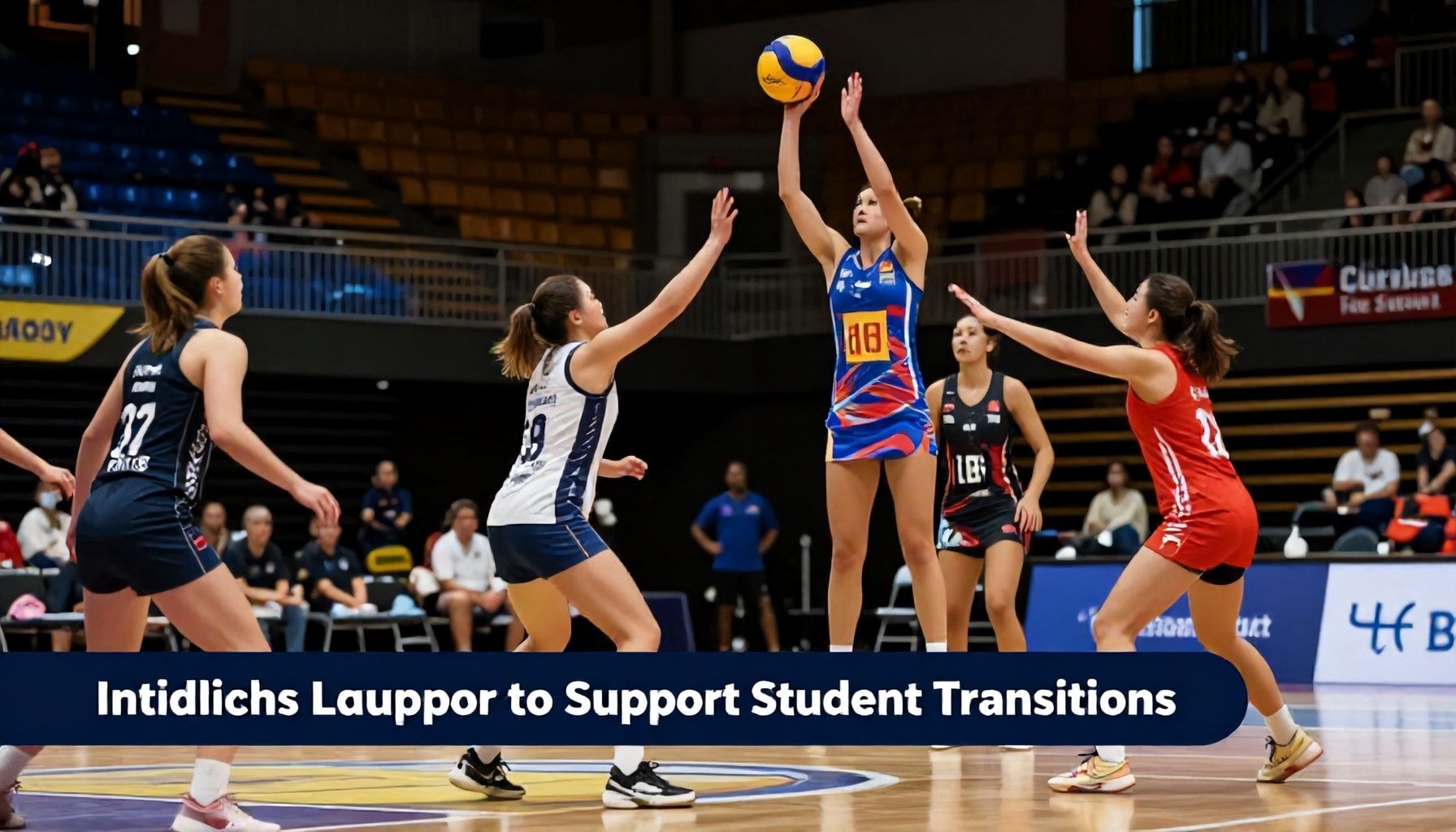
Netball clubs across the UK are launching initiatives to address the transition gap between student and club netball. The move comes as research highlights significant drop-off rates among young players moving from school to club environments.
England Netball reports that approximately 30% of students who play netball in schools do not continue with the sport at a club level. This trend has prompted clubs to develop targeted programmes aimed at retaining young talent.
Among the initiatives is a mentorship scheme introduced by Netball East. The programme pairs experienced club players with school leavers to ease their transition. “We’ve seen a 20% increase in retention rates since implementing the mentorship programme last year,” said a spokesperson for Netball East.
In another effort, Netball Scotland has launched a series of workshops focused on skill development and team integration. These workshops are designed to bridge the gap between school and club netball by providing a structured environment for new players.
Clubs are also collaborating with schools to create a seamless transition process. Netball South West has established a direct pathway for students to join clubs, offering discounted memberships and training sessions tailored to recent graduates.
The initiatives have received positive feedback from both players and coaches. “The support from the club has made the transition much smoother,” said a 17-year-old player who recently joined a local netball club.
As these programmes continue to evolve, netball clubs hope to see a significant reduction in the drop-off rates and a stronger pipeline of talented players moving from school to club netball.
Student-to-Club Netball Gap Identified as Key Challenge
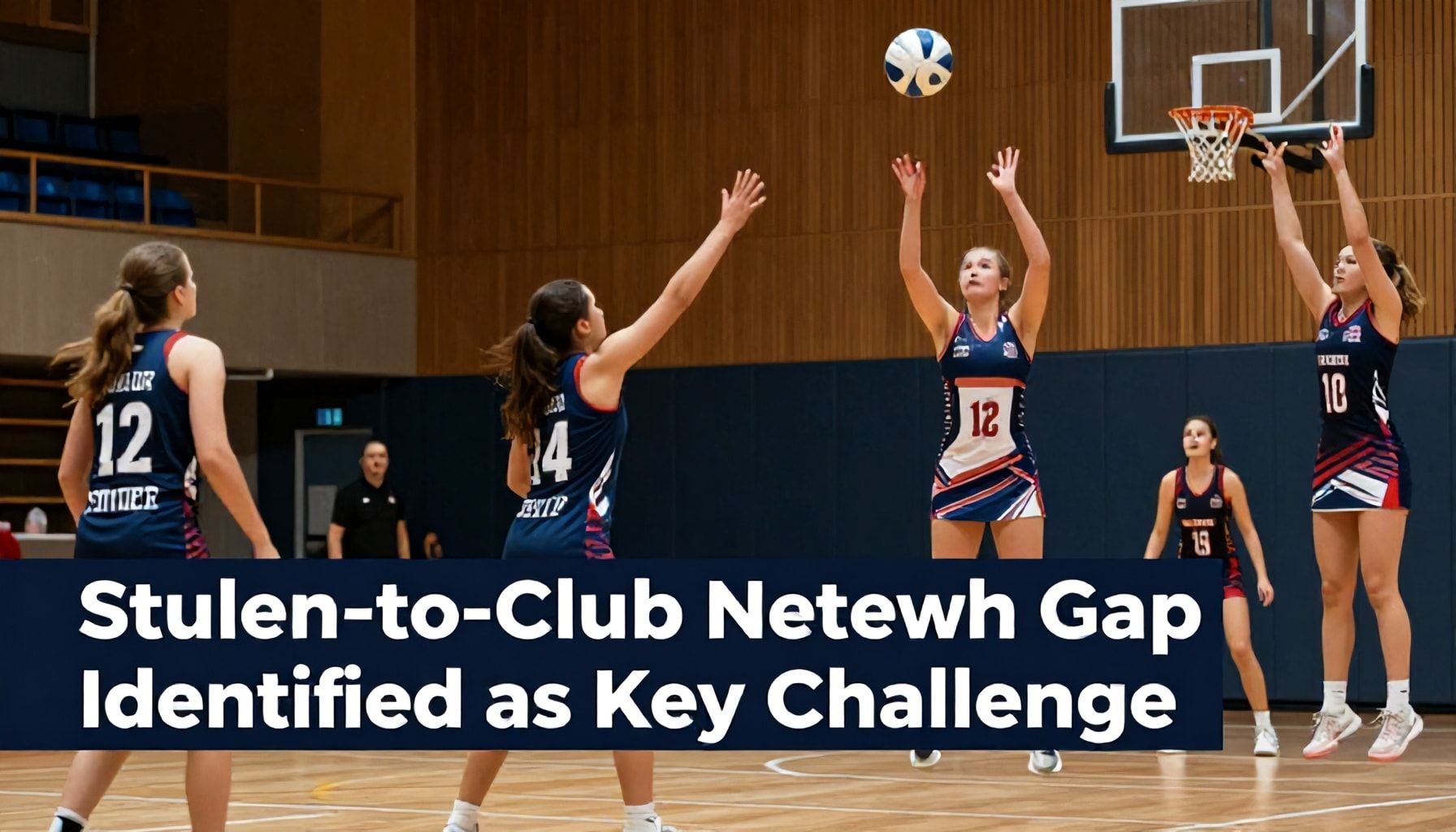
A significant gap exists between student and club netball, hindering young players’ transition to senior levels. This challenge has been highlighted by netball clubs across the country, with many struggling to retain players beyond school age.
Netball England’s latest participation report reveals a 15% drop in players aged 16-25 over the past five years. The organisation attributes this decline to a lack of structured pathways and engagement opportunities for young adults.
Clubs report that many student players struggle with the increased commitment required at club level. “The step up in training intensity and match frequency can be overwhelming,” says Sarah Johnson, chair of the National Netball League.
A survey by the University of Birmingham found that 68% of student players cited time constraints as a barrier to continuing netball post-education. The research also highlighted a need for better communication between schools, universities, and clubs.
Some clubs have begun addressing the issue by introducing flexible training schedules and social netball sessions. However, experts argue that a more coordinated approach is needed to create a seamless transition for young players.
Netball England has pledged to work with clubs and educational institutions to develop strategies that engage young adults. The organisation aims to reverse the trend of declining participation in this age group.
Netball Organisations Collaborate to Ease Player Transitions

Netball organisations are joining forces to address the transition gap between student and club netball. The collaboration aims to ease the shift for players moving from school and university teams to club competitions.
England Netball and the Netball Superleague have launched a joint initiative to support players during this transition. The programme includes workshops, mentoring, and resources to help players adapt to the higher level of competition.
“Many talented players struggle with the transition from student to club netball,” said England Netball’s Performance Director, Claire Nelson. “This initiative aims to provide the necessary support and guidance to help them succeed.”
Statistics show that a significant number of players drop out during this transition period. According to a recent survey, 30% of players quit within the first year of joining a club team.
The initiative also focuses on educating coaches and clubs about the unique challenges faced by transitioning players. Workshops will be held across the country to share best practices and strategies for supporting these athletes.
Netball clubs are encouraged to participate in the programme and provide feedback on its effectiveness. The goal is to create a seamless transition process that retains talented players in the sport.
The collaboration between England Netball and the Netball Superleague highlights the importance of addressing the transition gap. By working together, they aim to ensure that players continue to enjoy and excel in the sport at all levels.
Transition Support Programs Gain Momentum in Netball Community
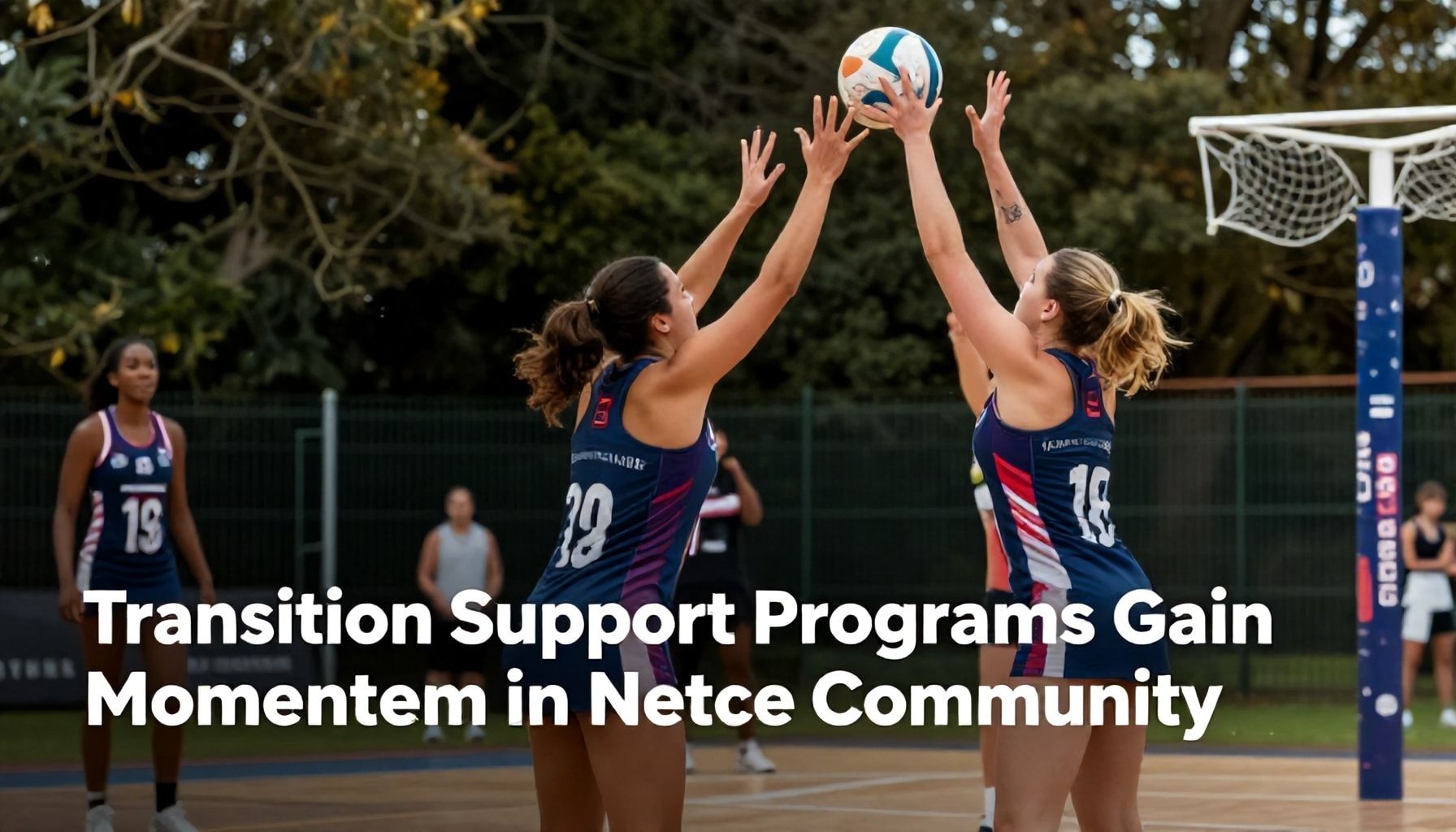
Netball clubs across the UK are intensifying efforts to support young players transitioning from school to club netball. The initiative aims to address the significant drop-off in participation rates during this critical period. According to Netball England, approximately 30% of young players discontinue their involvement in the sport after leaving school.
Several clubs have introduced structured transition programmes to ease the shift. These programmes focus on skill development, fitness, and social integration. The programmes are designed to provide a seamless transition for young players, ensuring they feel welcomed and valued within the club environment.
One such programme is the “Netball Pathway” initiative by the England Netball. This programme offers a clear pathway for young players to progress from school netball to club netball. It includes coaching sessions, mentorship, and competitive opportunities. The initiative has seen a positive response, with a 15% increase in participant retention rates in its pilot regions.
Clubs are also collaborating with schools to facilitate a smoother transition. Regular communication between club coaches and school netball teachers ensures that young players receive consistent guidance. This collaboration helps to identify and address any challenges players may face during the transition period.
The impact of these transition support programmes is evident in the increased participation rates. Clubs report higher engagement and retention of young players, contributing to the growth of the sport at the grassroots level. The continued success of these initiatives highlights the importance of structured support during the transition phase.
Clubs Address Critical Phase in Netball Player Development

Netball clubs across the country are intensifying efforts to address a critical phase in player development: the transition from student to club netball. With over 100,000 young players moving through school netball programmes each year, clubs are recognising the need to better support this shift.
Data from England Netball shows that nearly 40% of players drop out after leaving school. Clubs are now implementing structured pathways to retain talent. “We’re seeing a significant drop-off,” says Sarah Jones, Development Officer at Netball East. “But with targeted programmes, we can make this transition smoother.”
Many clubs are introducing bridging programmes to ease the transition. These initiatives focus on skill development and social integration. For example, the Leeds Rhinos Netball Club has seen a 25% increase in retention since launching its ‘Transition Squad’ last year.
Coaches play a pivotal role in this process. They provide mentorship and help players adapt to higher levels of competition. “Our coaches work closely with school netball teams,” explains Emma Taylor, Head Coach at Manchester Thunder. “This continuity is key to keeping players engaged.”
Clubs are also collaborating with schools to identify and nurture talent early. This partnership ensures a seamless transition for young athletes. “Early engagement is crucial,” notes Jones. “It helps players feel part of the club before they even leave school.”
Financial support and scholarships are being offered to ease the burden on families. These incentives encourage players to continue their netball journey at the club level. “We want to remove any barriers,” says Taylor. “Netball should be accessible to all.”
The focus on this critical phase is part of a broader strategy to grow the sport. By addressing the transition gap, clubs aim to build a stronger, more sustainable netball community. “This is about securing the future of netball,” concludes Jones.
As the academic year draws to a close, netball clubs across the country are intensifying their efforts to support students transitioning between educational stages. With summer holidays approaching, clubs are organising special sessions to help new students integrate and existing members prepare for their next steps. The initiative aims to maintain participation levels and foster a sense of continuity within the netball community. Clubs are also collaborating with schools and universities to ensure a smooth handover of information and support. This proactive approach highlights the vital role that netball clubs play in the personal development and well-being of young people.






