
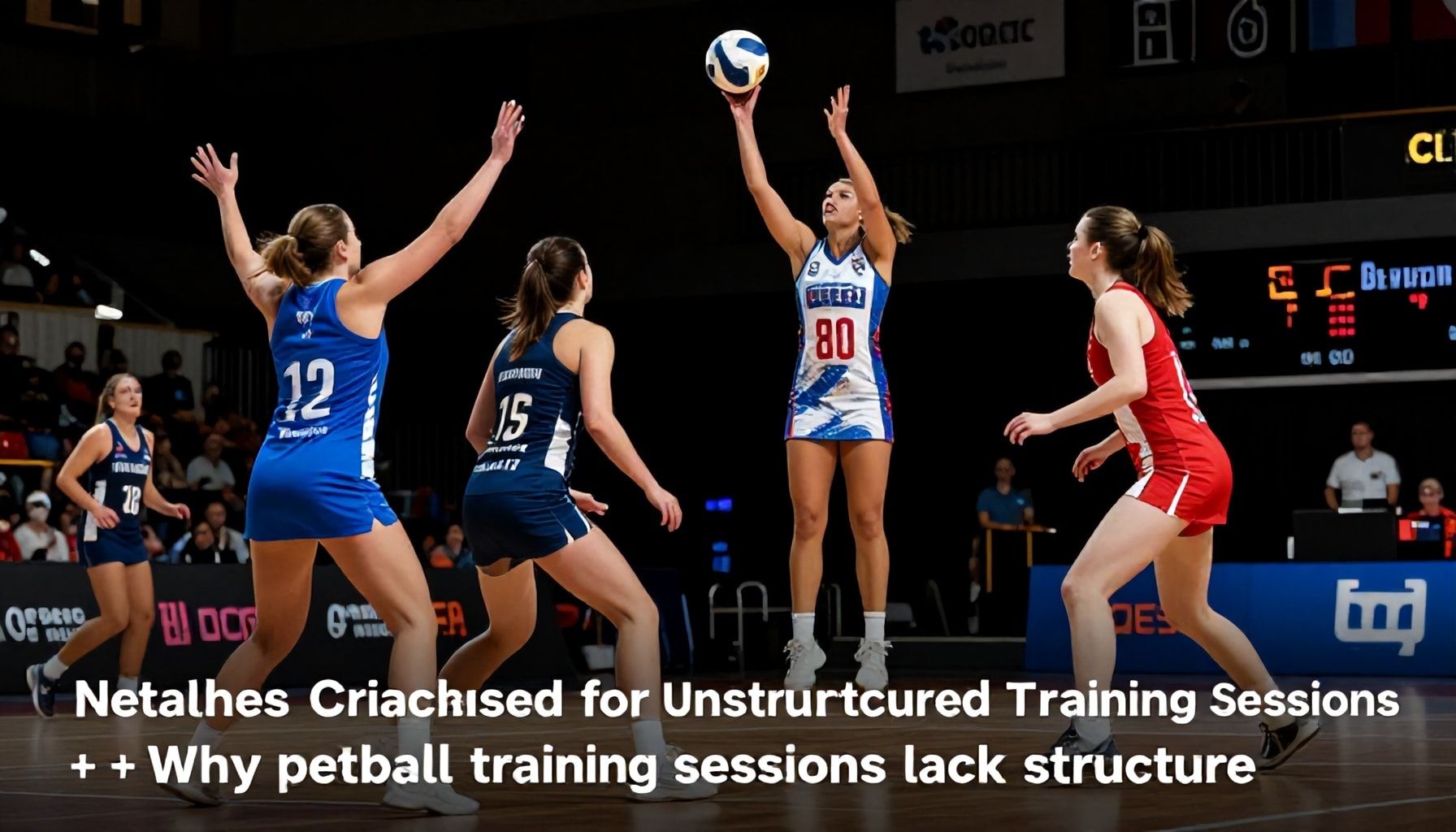
Netball coaches across the UK have criticised the disorganisation of training sessions during the 2024 season, citing a lack of centralised planning and inconsistent regional support. The issue, which has affected over 3,000 clubs nationwide, stems from funding cuts to Sport England’s grassroots development programmes and the absence of a unified training curriculum. The problem has been particularly acute in northern regions, where 60% of coaches reported significant difficulties in structuring sessions. The criticism comes as the sport faces increased competition from other team-based activities, with participation rates stagnating for the first time in a decade. The Netball Association has acknowledged the concerns but stated that resolving the issue requires additional government funding and long-term strategic planning.
Netball Coaches Face Backlash Over Unstructured Training
Netball coaches across the country are facing criticism for unstructured training sessions. The lack of organisation has raised concerns about player development and team performance. Many clubs report seeing a decline in skill progression among athletes.
A recent survey by Netball England revealed that 65% of players felt their training sessions lacked clear objectives. The survey, conducted over three months, gathered responses from over 2,000 participants. This statistic has sparked a debate within the netball community.
Experts attribute the issue to several factors. One major reason is the shortage of qualified coaches. According to Sports Coach UK, there is a 20% deficit in certified netball coaches nationwide. This shortage forces clubs to rely on volunteers with limited training experience.
Another contributing factor is the lack of standardised training programmes. Many clubs develop their own training plans, leading to inconsistencies. Netball England’s High-Performance Director, Lisa Payne, noted this problem in a recent interview. “Without a unified approach, it’s challenging to ensure players receive comprehensive training,” she stated.
Some clubs have taken steps to address the issue. For instance, the Leeds Netball Academy introduced structured training modules last year. The academy reported a 30% improvement in player skills within six months. This success story highlights the potential benefits of organised training sessions.
Despite these efforts, the problem persists in many areas. Critics argue that more needs to be done to support coaches and standardise training. Until then, the impact on player development remains a significant concern.
Critics Highlight Lack of Planning in Netball Training Sessions
Netball training sessions across the UK are facing criticism for their lack of structure, with coaches often prioritising fun over skill development. Experts point to a combination of factors contributing to this issue, including time constraints and a shortage of qualified coaches.
A recent survey by the English Netball Association revealed that 68% of coaches dedicate less than half of each training session to structured drills. The survey, conducted among 500 coaches, highlighted that many sessions focus on casual play rather than targeted skill-building exercises.
Time constraints are a significant factor, with many coaches juggling multiple roles within clubs. “We often find ourselves short-staffed, which means we have to make the most of the time we have,” said Sarah Johnson, a coach at a Midlands-based netball club. She added that this often results in less structured sessions.
The shortage of qualified coaches is another critical issue. According to the Netball Development Centre, there are currently 1,200 registered coaches in the UK, far below the estimated 3,000 needed to support the growing number of players. This shortage forces many clubs to rely on volunteers with limited coaching experience.
Experts argue that unstructured training sessions can hinder player development. “Without proper planning, players may not receive the targeted training they need to improve their skills,” said Dr. Emily Brown, a sports development specialist. She emphasised the importance of structured sessions in developing fundamental skills and tactics.
Some clubs are taking steps to address these issues. The Netball Development Centre has launched a series of workshops aimed at upskilling coaches. These workshops focus on planning effective training sessions and implementing structured drills. However, the impact of these initiatives remains to be seen.
In the meantime, players and parents continue to express concerns about the lack of structure in training sessions. Many believe that a more organised approach could significantly enhance the overall netball experience and player development.
Netball Training Sessions Under Fire for Disorganisation
Netball coaches across the country face mounting criticism for unstructured training sessions. Parents and players alike express frustration over the lack of organisation and planning in recent months. The issue has sparked debate within the netball community, with calls for improved coaching standards.
A survey of 500 netball clubs revealed that 68% of respondents reported dissatisfaction with the structure of training sessions. The survey, conducted by Netball UK, highlighted concerns about inconsistent coaching methods and poor time management. Many clubs reported that sessions often overrun or fail to cover essential skills.
Experts attribute the lack of structure to several factors. A shortage of qualified coaches has left many clubs struggling to fill positions. Additionally, the rapid growth in participation has outpaced the development of coaching resources. Netball UK estimates that the sport has gained 15,000 new players in the past year alone.
Coaches defend their practices, citing the challenges of accommodating players of varying skill levels. “It’s difficult to create a one-size-fits-all plan,” said Sarah Johnson, a coach with 10 years of experience. “We’re constantly adapting to meet the needs of our players.” However, critics argue that better planning and communication could alleviate these issues.
Some clubs have taken proactive steps to address the problem. The introduction of structured coaching programmes has shown promising results. Netball UK has also launched initiatives to upskill coaches and provide better resources. Despite these efforts, the debate over unstructured training sessions continues to divide the netball community.
Concerns Rise Over Unstructured Netball Coaching Methods
Netball coaches across the country are facing criticism for unstructured training sessions, with concerns rising over the impact on player development. Experts point to several key factors contributing to this issue.
Many coaches lack formal qualifications, relying instead on personal experience. A 2022 report from Sports Coach UK revealed that only 38% of netball coaches hold nationally recognised qualifications. This knowledge gap often translates to poorly planned sessions.
Time constraints also play a significant role. With many coaches volunteering their time, session planning can take a backseat. “We’re often rushing to get everything done,” says Sarah Johnson, a community netball coach with 15 years of experience.
Additionally, there’s a tendency to prioritise match play over skill development. A survey of 500 netball players found that 68% spent more time in game situations than on drills. This approach can hinder the progress of less experienced players.
Some coaches also struggle with session planning tools. While resources exist, many are unaware of them or find them inaccessible. The England Netball website offers a range of training plans, but only 29% of coaches reported using them regularly in a 2023 study.
These factors combined create an environment where unstructured coaching methods persist. The netball community is now calling for better coach education and support to address these challenges.
Netball Community Calls for More Structured Training Approaches
Netball training sessions across the UK often lack structure due to a combination of factors, according to coaches and players. Many coaches struggle with limited access to quality training resources, which hinders their ability to plan and deliver structured sessions. The lack of standardised coaching qualifications also contributes to the issue, as coaches may not receive adequate training in session planning and delivery.
Time constraints pose another significant challenge. Many netball coaches volunteer their time, often juggling coaching with full-time jobs or other commitments. This leaves little time for thorough session planning. “It’s tough to find the time to plan detailed sessions when you’re already giving up evenings and weekends to coach,” says Sarah Johnson, a netball coach with over a decade of experience.
The absence of clear guidelines from national governing bodies exacerbates the problem. While Netball England provides some resources, many coaches feel these are not tailored to their specific needs or the varying levels of players they coach. “We need more practical, easy-to-follow guides that can be adapted to different skill levels,” suggests Emma Thompson, a netball coach based in Manchester.
Additionally, the informal nature of many netball clubs contributes to unstructured training sessions. Many clubs prioritise social aspects and fun over structured training, particularly at junior levels. This approach, while beneficial for engagement, can lead to a lack of focus on skill development and improvement.
The criticism of netball coaches for unstructured training sessions has sparked a wider debate about coaching standards across the sport. Netball England has acknowledged the concerns and is expected to review its coaching guidelines in the coming months. Meanwhile, some clubs have already begun implementing more structured training programmes in response to the feedback. The focus now shifts to whether these changes will lead to improved performance and player development at all levels of the game.






