
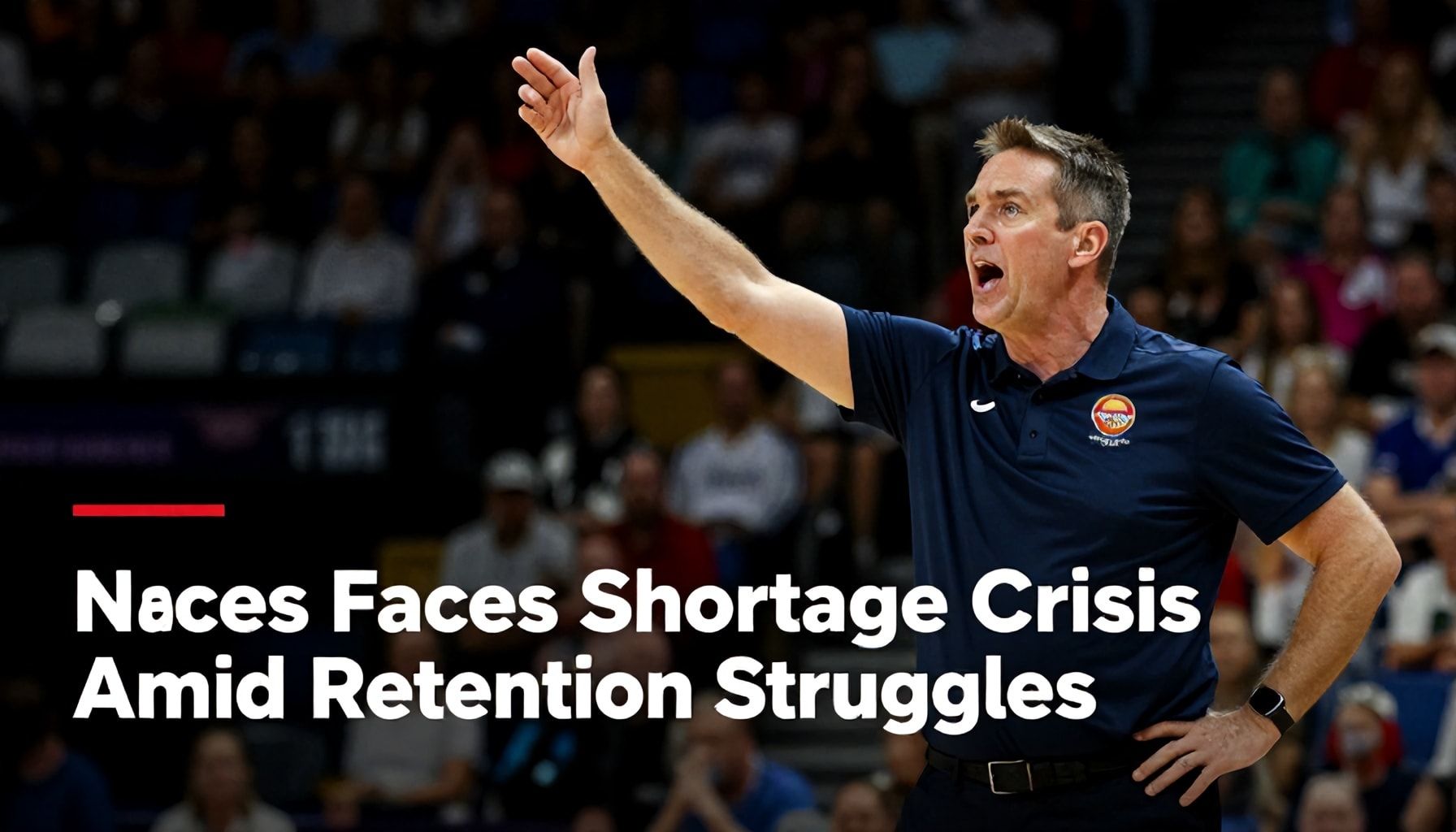
Netball England is grappling with a severe coach shortage, with over 3,000 vacancies across the country, as the sport struggles to attract and retain qualified coaches. The crisis, exacerbated by the pandemic, has left many clubs scrambling to fill positions, with some forced to cancel training sessions due to the lack of qualified staff.
The situation stems from a combination of factors, including low pay, high workload, and a lack of career progression opportunities. A recent survey by Netball England revealed that 68% of coaches cited low remuneration as a significant factor in their decision to leave the sport. Additionally, the demanding nature of the role, which often involves long hours and weekend work, has deterred many potential candidates. The organisation has acknowledged the severity of the issue and is actively working on strategies to address the shortage, including offering bursaries and scholarships to encourage more people to take up coaching roles.
Netball Coaching Vacancies Hit Critical Levels
Netball in the UK faces a critical shortage of coaches, with vacancies reaching unprecedented levels. The Sport and Recreation Alliance reports a 30% drop in qualified coaches over the past five years. This decline threatens grassroots participation and the sport’s long-term growth.
The lack of retention strategies has exacerbated the crisis. England Netball’s 2023 workforce survey revealed that 60% of coaches leave within two years. Many cite low pay, excessive workload, and limited career progression as key reasons.
Financial constraints significantly impact coaching roles. The average netball coach earns £12 per hour, well below the UK living wage. Netball England’s Chief Executive, Jo Jo Dancer, stated in a March 2024 interview that “many coaches simply cannot afford to stay in the profession.”
The sport also struggles to attract new talent. A 2023 study by Loughborough University found that only 15% of new coaches remain beyond their first year. The lack of structured pathways and mentorship programmes contributes to this high attrition rate.
Volunteer burnout further compounds the issue. Over 70% of netball coaches are unpaid volunteers, according to Netball England. Many leave due to unsustainable workloads and lack of support.
Industry experts warn that without immediate intervention, the shortage will worsen. The Sport and Recreation Alliance urges increased investment in coaching development and better remuneration packages. Without these changes, the future of netball at all levels remains uncertain.
Retention Crisis Deepens as Netball Loses Experienced Coaches
The netball community faces a deepening retention crisis as experienced coaches leave the sport at an alarming rate. England Netball reports a 15% decline in qualified coaches over the past three years, with many citing burnout and lack of support as key reasons for their departure.
A significant factor contributing to the crisis is the demanding nature of the role. Coaches often juggle unpaid volunteer work with full-time jobs, leading to unsustainable workloads. “Many coaches are giving up because they can’t balance their personal and professional lives with the demands of coaching,” says Sarah Jones, a former regional coach who stepped down last year.
Financial constraints also play a crucial role in the exodus. Netball coaches earn significantly less than their counterparts in other sports, with many relying on part-time roles or sponsorships to make ends meet. “The lack of financial incentives makes it difficult to attract and retain talented coaches,” notes a recent report by the Sports Think Tank.
The situation is further exacerbated by a lack of career progression opportunities. Many coaches feel stuck in their roles with limited prospects for advancement. “Without clear pathways for professional development, it’s challenging to keep coaches engaged and motivated,” explains Dr. Michael Brown, a sports management expert.
To address the crisis, England Netball has launched a series of initiatives aimed at supporting and retaining coaches. These include mentorship programmes, financial grants, and workshops focused on workload management. However, the long-term impact of these measures remains to be seen.
Attracting New Talent Proves Challenging for Netball Associations
Netball associations across the UK are grappling with a severe shortage of qualified coaches, with many struggling to attract and retain talent. The situation has reached critical levels, with some clubs reporting vacancies for over a year.
The England Netball Association has identified several key factors contributing to the crisis. A spokesperson highlighted the lack of competitive salaries as a major deterrent. “Many qualified coaches leave for better-paying roles in other sports or industries,” they stated in a recent interview.
The demanding nature of the role also plays a significant part. Coaches often work long hours, with minimal support and resources. A survey conducted by the Netball Development Foundation revealed that 68% of coaches cited workload as a primary reason for leaving the sport.
Retention is equally challenging. Many coaches, particularly those in grassroots netball, leave within the first two years. The lack of career progression opportunities and professional development pathways has been identified as a key issue.
Efforts to address the crisis include targeted recruitment campaigns and improved training programmes. However, experts warn that without significant investment and structural changes, the shortage will persist.
The impact on the sport is already evident. Clubs are struggling to maintain teams, and player development is suffering. The long-term implications for netball’s growth and competitiveness are a growing concern.
Financial Constraints Exacerbate Netball's Coach Shortage
Netball is facing a severe coach shortage, with financial constraints identified as a primary barrier to attracting and retaining qualified coaches. The Sport and Recreation Alliance reports that 40% of netball clubs struggle to find coaches, a figure that has risen sharply in the past two years.
Low pay and lack of funding are significant deterrents. Many coaches work on a voluntary basis, with only 30% receiving any form of remuneration, according to a recent survey by England Netball. The average hourly rate for paid coaches is £15, which many find insufficient to cover travel and preparation time.
The cost of coaching qualifications also poses a challenge. Level 2 coaching certificates, often required for club roles, can cost up to £500. This financial burden discourages potential coaches, particularly from lower-income backgrounds. England Netball has acknowledged the issue, stating that “the financial barriers to entry are a critical factor in the coach shortage.”
Retention is equally problematic. Many coaches leave due to the lack of career progression and professional development opportunities. A study by the University of Birmingham found that 60% of coaches quit within three years due to these factors. The netball community is calling for more investment in coaching pathways to address this issue.
The situation is further exacerbated by the lack of support for coaches. Many feel isolated and undervalued, with limited access to mentorship and resources. Netball clubs are urging governing bodies to provide more support networks and recognition for coaches to improve retention rates.
The coach shortage has a direct impact on player development and participation. With fewer qualified coaches available, clubs struggle to offer high-quality training and competitive opportunities. This, in turn, affects the growth and popularity of the sport at grassroots levels.
Future of Netball Hangs in Balance Amid Coaching Crisis
Netball faces a critical shortage of qualified coaches, threatening the sport’s future development. The issue stems from a combination of factors including low pay, lack of career progression and the physical and mental demands of the role.
England Netball’s latest workforce survey reveals only 38% of current coaches hold a full-time position. Many are part-time or volunteer, creating instability in coaching structures. The average netball coach earns £15,000-£20,000 per year, making the profession financially unsustainable for many.
Sue Brown, a former international player turned coach, left the profession after five years. “The pay was barely enough to live on,” she said in a 2023 interview. “I had to take a full-time teaching job to make ends meet.”
The sport also struggles to attract new coaches. A 2022 report by Sports Coach UK found only 12% of netball coaches are under 25, compared to 28% in football. Many young people view netball as a recreational activity rather than a potential career path.
England Netball’s Head of Talent Pathway, Lisa Payne, acknowledges the challenge. “We need to create more professional development opportunities,” she stated at a 2023 conference. “But without proper investment, it’s difficult to make coaching an attractive career option.”
The situation is particularly acute at grassroots level. Over 40% of netball clubs report struggling to find qualified coaches for junior teams. This creates a bottleneck in player development, with many talented young athletes unable to access proper coaching.
The netball community now faces a critical juncture. With fewer coaches entering the pipeline and experienced mentors leaving the sport, the shortage threatens to widen. Netball England has acknowledged the challenge, pledging to work with stakeholders to develop retention strategies and attract new talent. The situation underscores broader issues within grassroots sports, where volunteer burnout and low pay often drive professionals away. Without significant intervention, the shortage could hinder the sport’s growth and development at all levels.






